News related to
Part

Litecoin, a prominent cryptocurrency known for its swift and cost-effective transactions, has unveiled the .LTC domain, enabling users to establish personalized onchain identities. This initiative, developed in partnership with Unstoppable Domains, aims to enhance user interaction within the Litecoin ecosystem by replacing complex wallet addresses with memorable domain names.

The .LTC domain offers several advantages to the Litecoin community. Users can now send and receive Litecoin using easily recognizable names, eliminating the need for lengthy alphanumeric wallet addresses. This simplification is expected to improve user experience and reduce errors in transactions. Additionally, owning a .LTC domain allows individuals to showcase their affiliation with Litecoin, fostering a sense of identity and pride within the community.

Beyond simplifying transactions, .LTC domains are designed to integrate seamlessly with various onchain applications, including decentralized finance platforms, gaming, and encrypted messaging services. This versatility positions the .LTC domain as a comprehensive tool for users seeking to engage more deeply with blockchain-based applications.

In a move to further legitimize the .LTC domain, Unstoppable Domains is collaborating with Litecoin on an ICANN generic top-level domain application. If approved, this would incorporate .LTC into the global domain name system, providing users with a universally recognized digital identity. This development underscores the commitment to integrating blockchain technology with existing internet infrastructure, offering users a blend of innovation and familiarity.

The introduction of .LTC domains reflects a broader trend in the cryptocurrency industry, where digital assets are increasingly focusing on user-friendly solutions to drive adoption. By providing tools that simplify interactions and enhance personal branding, cryptocurrencies like Litecoin are positioning themselves for broader acceptance and utility in everyday transactions.

As of February 26, 2025, Litecoin is trading at $119.03 USD, reflecting a change of $4.43 from the previous close. The intraday high stands at $120.87 USD, with a low of $107.02 USD. This price stability indicates a steady interest in Litecoin, potentially bolstered by innovations such as the .LTC domain initiative.

65 percent of employees are willing to sacrifice existing benefits for a better choice of benefits 45 percent agree that their compensation is fair compared to similar roles SINGAPORE – Media OutReach Newswire – 26 February 2025 – Aon plc (NYSE: AON), a leading global professional services firm, today released results from its 2025 Human Capital Employee Sentiment Study. The global study of more than 9,000 employees […]

https://www.census.gov/foreign-trade/balance/c5700.htmlhttps://www.census.gov/foreign-trade/balance/c5700.htmlBy Dr. Nilanjan Banik The US-China trade war has been a focal point of economic discussions for a significant period, as the world’s two largest economies have imposed tariffs on each other’s goods. The Trump administration imposed 10% tariffs on Chinese imports, while China, in turn, levied 15% tariffs on US liquid natural gas (LNG) […]


Travel, Explore, Live It with Etiqa’s Extensive Travel Insurance Offers and Exciting Prizes SINGAPORE – Media OutReach Newswire – 25 February 2025 – Etiqa Insurance Singapore, a leading general and life insurer, returns as the Official Travel Insurer for the National Association of Travel Agents Singapore (NATAS) Travel Fair 2025. Themed ‘Travel, Explore, Live It!‘, Singapore’s largest premier travel fair will be held at the Singapore Expo […]

Aimed at businesses of any size and at any sustainability stage, the partnership service has already engaged nearly 50 global partners since its soft launch HONG KONG SAR – Media OutReach Newswire – 25 February 2025 – The Mills Fabrica, a global collaborative hub propelling sustainability-focused innovations in the techstyle and agrifood sectors, today announces the launch of its partnership service, designed to help brands and organisations […]

SINGAPORE and ANAHEIM, USA – Media Outreach Newswire – 25 February 2025 – Allwin Medical Devices Inc. (“Allwin”), a leading manufacturer of a wide range of medical devices addressing women’s health (IVF), urology, gastroenterology and interventional radiology has partnered with Esco, a leading global provider of life sciences equipment that serves multiple global markets including the in vitro fertilization (IVF) market, via a strategic partnership. Financial terms […]

Hasbro Inc. has reported a significant surge in its digital and licensed gaming segment, with revenues climbing 22% year-over-year to $471.7 million in 2024. A substantial portion of this growth is attributed to the mobile game Monopoly Go!, which alone contributed $112 million to the company’s coffers.

Monopoly Go!, developed by Scopely in collaboration with Hasbro, has emerged as a standout success in the mobile gaming arena. Launched in April 2023, the game has captivated a vast audience, blending classic Monopoly gameplay with engaging new features tailored for mobile users. By November 2023, the game had generated over $1 billion in revenue, solidifying its position as one of the most lucrative mobile game launches of the year. This momentum continued into 2024, with the game surpassing the $2 billion revenue mark by March.

The financial impact of Monopoly Go! on Hasbro’s earnings is noteworthy. In the fourth quarter of 2024 alone, the game contributed $38 million, averaging approximately $10 million per month. Hasbro’s CEO, Chris Cocks, expressed confidence in the game’s ongoing performance, stating, “We feel pretty confident in that $10 million number.”

Beyond Monopoly Go!, Hasbro’s digital gaming portfolio has shown resilience and growth. The company’s Wizards of the Coast and Digital Gaming division reported a 4% increase in revenue, reaching $1.51 billion in 2024. This uptick is partly due to the enduring popularity of titles like Magic: The Gathering and the unexpected success of Baldur’s Gate 3. The latter’s royalties nearly doubled initial forecasts, underscoring the game’s strong market reception.

Despite these digital successes, Hasbro faced challenges in other areas. The company’s overall revenue for 2024 stood at $4.13 billion, marking a 17% decline compared to the previous year. This downturn is attributed to various factors, including the sale of its eOne film and television business and a dip in demand for traditional toys such as Star Wars action figures and Nerf products.

In response to these challenges, Hasbro has unveiled a strategic plan titled “Playing to Win,” aiming to achieve $1 billion in cost savings and mid-single-digit compound annual revenue growth by 2027. This strategy focuses on meeting global consumer demand across various price points and enhancing engagement through online platforms. CFO Gina Goetter emphasized the company’s commitment to profitability, stating that Hasbro aims to emerge as “one of the most profitable toy and game companies globally.”

The company’s stock has reflected these developments, with shares rising over 11% following the announcement of the fourth-quarter results and the new strategic plan. This surge indicates investor confidence in Hasbro’s direction, particularly its emphasis on digital gaming and strategic cost management.

Advertisements

Dubai authorities have imposed fines of Dh50,000 on 159 companies for violating telemarketing regulations, intensifying efforts to protect consumer privacy and enhance business practices. The Dubai Corporation for Consumer Protection and Fair Trade , operating under the Dubai Department of Economy and Tourism , announced these penalties following the enforcement of Cabinet Decision No. 56 of 2024, which came into effect in August 2024.

The DCCPFT initially issued warnings to 174 companies, urging compliance with the new telemarketing rules. Despite these warnings, 159 companies failed to adhere to the guidelines, resulting in substantial fines. These regulations are part of a broader initiative to reduce intrusive telemarketing calls, ensuring consumer comfort and privacy.

Key provisions of the telemarketing regulations include prohibiting calls to consumers listed on the ‘Do Not Call Registry’ managed by the Telecommunications and Digital Government Regulatory Authority , restricting marketing calls to between 9 am and 6 pm, and requiring telemarketers to inform consumers at the outset if the call is being recorded. Additionally, the regulations forbid the disclosure of personal data without explicit consent and the trading of such data for marketing purposes.

These rules apply to all licensed companies in the UAE, including those operating within free zones. The DCCPFT emphasised that the implementation of these regulations aims to foster a business-friendly environment, bolster consumer trust, and create a fair competitive landscape that enhances economic stability.

The introduction of these stringent measures aligns with Dubai’s D33 economic agenda, launched in 2023, which aspires to position the city among the top three global destinations over the next decade and double the size of its economy by 2033. In the first nine months of 2024, Dubai’s economy experienced a growth of 3.1%, reaching Dh339.4 billion, driven by expansions in sectors such as transport and financial services.

The DCCPFT’s decisive actions reflect a commitment to upholding consumer rights and ensuring that businesses engage in ethical marketing practices. By enforcing these regulations, Dubai aims to minimise market-disruptive practices and promote a positive business climate conducive to sustainable economic growth.

In addition to financial penalties, the TDRA has taken measures against individuals using personal numbers for marketing purposes, detecting over 2,000 violations since the regulations were implemented. Penalties for first-time offenders include a Dh5,000 fine and suspension of all phone numbers registered under the individual’s name until payment is made. Repeat offenders face escalating fines and extended suspensions, with third-time violators being prohibited from obtaining any telecommunications services in the UAE for 12 months.

These comprehensive efforts underscore Dubai’s dedication to protecting consumers from unwanted solicitations and ensuring that telemarketing activities are conducted within the bounds of respect and legality. As the city continues to evolve as a global business hub, maintaining stringent consumer protection standards remains a pivotal aspect of its economic strategy.

Careem, the region’s leading multi-service platform, has announced a partnership with Bustanica, the world’s largest vertical farm, to deliver fresh, pesticide-free produce directly to customers across the United Arab Emirates . This collaboration aims to enhance access to high-quality, locally grown vegetables, reinforcing the nation’s commitment to food security and sustainable agricultural practices.

Bustanica, a $40 million investment by Emirates Flight Catering and Crop One Holdings, operates a 330,000-square-foot facility near Al Maktoum International Airport in Dubai. Utilising advanced hydroponic technology, the farm produces over 1,000,000 kilograms of leafy greens annually, including lettuce, spinach, parsley, and kale. The innovative farming methods employed allow for cultivation without soil, natural sunlight, or pesticides, and use 95% less water than traditional agriculture.

Through this partnership, Careem’s customers can order Bustanica’s fresh produce via the Careem app, ensuring convenient access to nutritious greens harvested daily. The produce is grown in a controlled environment, free from pesticides, herbicides, and chemicals, guaranteeing high-quality, clean, and safe food options for consumers.

Bustanica’s facility operates on a continuous production cycle, driven by machine learning, artificial intelligence, and a team of experts in agronomy, engineering, horticulture, and plant science. This approach ensures a consistent supply of fresh produce, unaffected by external factors such as weather or pests. The closed-loop system employed in the farm recycles water, leading to significant conservation of resources—saving over 250 million litres annually compared to traditional farming methods.

The collaboration between Careem and Bustanica not only provides consumers with easy access to fresh, locally grown produce but also supports the UAE’s National Food Security Strategy 2051. This strategy emphasises sustainable food production through advanced technology and smart solutions, aiming to balance food security with resource conservation and economic diversification.

By integrating Bustanica’s produce into its delivery platform, Careem is contributing to the promotion of healthy eating habits and the reduction of the UAE’s reliance on imported foods. This initiative aligns with the global trend of adopting vertical farming and other innovative agricultural practices to address food security challenges, especially in regions with arid climates and limited arable land.

The partnership also highlights the role of technology in revolutionising the agriculture sector. Bustanica’s use of artificial intelligence and machine learning optimises growing conditions, enhances crop yields, and ensures the efficient use of resources. This model of farming presents a viable solution for sustainable food production in urban settings, reducing the carbon footprint associated with food transportation and promoting environmental conservation.

As the UAE prepares to host the COP28 summit, initiatives like the Careem-Bustanica partnership underscore the nation’s commitment to environmental sustainability and innovative solutions to global challenges. By investing in and supporting such projects, the UAE is positioning itself as a leader in sustainable agriculture and food security on the world stage.

International Holding Company , under the leadership of Chairman Sheikh Tahnoon bin Zayed Al Nahyan, has reported a remarkable 54.2% increase in revenue for the fiscal year 2024, reaching AED 92.7 billion, up from AED 60.1 billion in 2023. This significant growth is attributed to strategic portfolio management and the integration of AI-driven efficiencies across its diverse business units. The company’s total assets expanded by 52% to […]

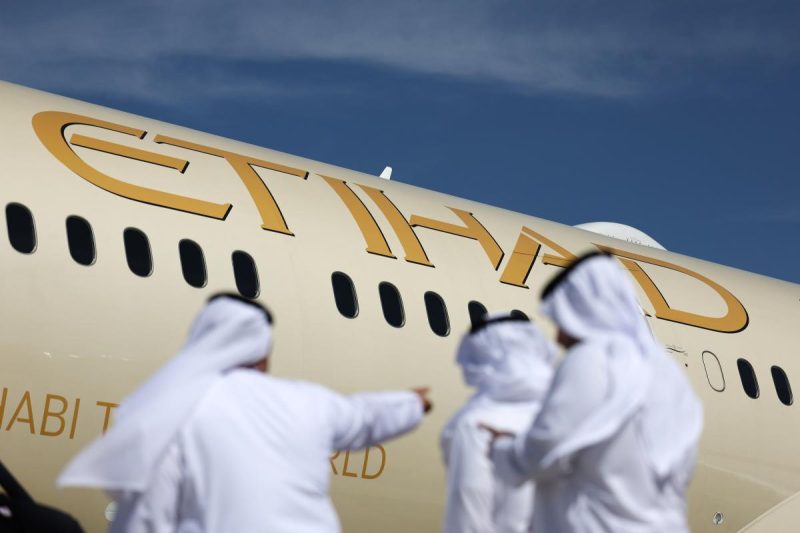
Etihad Airways is set to announce the launch of an initial public offering worth $1 billion, sources have revealed. This marks a significant milestone in the aviation industry, as it would be the first public listing by a major Gulf airline in nearly two decades.

The airline, which is fully owned by Abu Dhabi’s sovereign wealth fund ADQ, intends to offer 20% of its business to the public, with the funds raised being allocated towards accelerating its expansion plans. The decision to go public highlights Etihad’s ambitions to position itself as a stronger player in the global airline industry.

The move also underscores the growing trend among Gulf-based companies to raise capital through IPOs, following a wave of high-profile listings in the region. The Middle East has witnessed a surge in IPO activity in recent years, driven by a desire for diversification and economic growth, in line with the region’s broader efforts to reduce reliance on oil revenues.

Etihad’s decision to open up its equity to public investors is part of a larger strategy aimed at enhancing its operational capabilities and competing more effectively with regional and international rivals. The airline’s plans include expanding its fleet, increasing flight frequencies, and potentially adding new routes to cater to growing demand in key global markets.

The IPO also reflects the broader changes taking place in the aviation sector, particularly in the Gulf region. Airlines in the region, such as Emirates and Qatar Airways, have been aggressively investing in their fleets and expanding their networks in a bid to capture more market share. Etihad’s move to become a publicly traded entity comes as the airline looks to consolidate its position as a leading regional carrier, competing with its peers.

Sources close to the matter suggest that Etihad’s management team is optimistic about the potential success of the IPO, given the ongoing recovery in the global travel industry following the challenges posed by the COVID-19 pandemic. The airline is reportedly confident that investors will be attracted to its growth prospects, as air travel demand rebounds and the aviation sector experiences a strong recovery.

The IPO will be managed by a consortium of financial institutions, which are expected to handle the share sale process. The precise timing of the launch is yet to be confirmed, but it is anticipated to take place in the coming days. As part of the offering, Etihad is likely to sell a portion of its shares to institutional investors, with a smaller portion allocated to retail investors.

Etihad Airways has faced a challenging few years as it navigated the impacts of the global pandemic, which resulted in a significant decline in air travel demand. However, the airline has implemented a series of cost-cutting measures and streamlined its operations in an effort to adapt to the changing market environment. These efforts, coupled with its focus on expanding its network and enhancing its product offering, have positioned Etihad for long-term growth.

Despite the challenges faced by the airline, Etihad has remained committed to its vision of becoming a global aviation leader. The airline’s investment in new technologies, customer service initiatives, and sustainability measures has helped bolster its reputation and attract a loyal customer base. By tapping into the capital markets, Etihad hopes to strengthen its financial position and continue to invest in its future growth.

The IPO is expected to be closely watched by market analysts, investors, and industry experts alike, as it could signal the beginning of a new era for Gulf airlines. If successful, Etihad’s IPO could set a precedent for other regional carriers considering similar moves. Airlines in the region are under increasing pressure to modernize their fleets, improve operational efficiencies, and adapt to changing consumer preferences.

Etihad’s decision to go public is part of the wider trend in the Gulf region, where state-owned companies are increasingly seeking to diversify their operations and raise funds to support growth initiatives. The UAE government has been actively encouraging the privatization of certain state-owned entities to promote economic development and attract foreign investment.

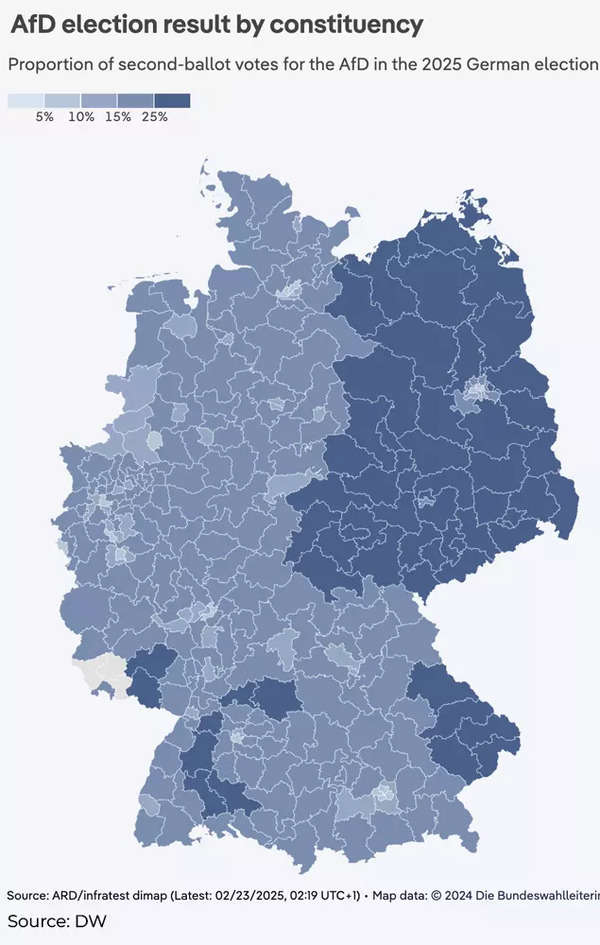
By Nitya Chakraborty The final results of Germany’s national elections held on February 23 are being debated intensively in the global media, especially in the European media about the upsurge of the far right party AFD which virtually doubled its voting percentage in the 2025 elections compared to the 2021 national elections. The ruling Social […]

The Healthy with KidSTART initiative has expanded significantly, growing from supporting 120 families in 2020 to more than 3,100 families in 2024 SINGAPORE – Media OutReach Newswire – 25 February 2025 – On 22 February 2025, over 600 KidSTART parents and children gathered for a day of fun at the What’s for Lunch? A Farm Adventure food expo organised by Prudential Singapore (“Prudential’) and KidSTART Singapore (“KidSTART”). […]

A new initiative, the Build for Bharat Fellowship, has been launched in India, offering students the opportunity to directly contribute to public governance through technology. The fellowship, aimed at early-career technologists, focuses on leveraging students’ skills to tackle some of India’s most pressing public challenges while strengthening the country’s digital systems.

With a deadline set for 7th March, the program is designed to provide students with a unique platform to work alongside government departments, where they can engage in high-impact technology projects. These projects, often involving innovative digital solutions, aim to enhance the efficiency of government operations and improve the quality of life for millions of citizens. The fellowship promises hands-on exposure to real-world applications of technology, guiding future technologists through a complex landscape of public service.

The need for such initiatives has become evident as India’s rapid digitalisation continues to evolve. From providing digital access to healthcare services to improving governance through data, the country’s technological landscape has seen an unprecedented transformation in recent years. However, the success of these advancements relies on skilled technologists who understand both the nuances of technology and the intricacies of governance. The Build for Bharat Fellowship seeks to address this gap by training future public-interest technologists who can design, develop, and implement tech solutions in public service.

Fellows will undergo a rigorous orientation program designed to help them navigate the complexities of public service, policy, and the unique challenges that arise when implementing technology in social and governmental frameworks. This immersive learning experience will provide students with insights into how government departments work, offering a critical perspective on the role of technology in public administration.

Moreover, the program connects fellows with top industry experts. Fellows will have access to mentorship through online office hours with leaders in fields such as databases, security, distributed systems, and open-source technology. These experts come from diverse sectors, including top tech companies, academia, and the public sector, offering invaluable guidance to participants as they embark on their projects.

By training the next generation of public-interest technologists, the fellowship program aims to modernise the country’s digital infrastructure while ensuring that technology solutions remain human-centred. As India continues to expand its digital footprint, there is a growing need for professionals who are not only technically skilled but also understand the broader social and governance contexts in which technology operates. The fellowship is designed to nurture such professionals, allowing them to contribute meaningfully to the country’s digital governance systems.

Applications for the fellowship are now open, with the deadline fast approaching. Students with a background in technology, whether in software development, design, or systems architecture, are encouraged to apply. The program promises not only to be a valuable learning experience but also an opportunity to make a tangible impact on the country’s technological landscape.

Interested applicants can submit their applications through the official form available at this link. With the closing date of 7th March, aspiring technologists are urged to apply soon to seize the opportunity to be part of this groundbreaking initiative.

The Build for Bharat Fellowship is not just an internship—it’s a chance for students to actively shape the future of India’s digital governance while working alongside the very departments that form the backbone of the country’s administration. It is a stepping stone for young professionals eager to apply their tech skills for the public good, ensuring that India’s digital transformation remains inclusive, effective, and sustainable for all.

A high-stakes civil trial commenced today in Mandan, North Dakota, as Energy Transfer, the developer behind the Dakota Access Pipeline, seeks $300 million in damages from environmental organization Greenpeace USA. The lawsuit alleges that Greenpeace engaged in defamation, trespassing, and incitement of criminal activities during the 2016-2017 protests against the pipeline’s construction. Energy Transfer contends that Greenpeace disseminated misleading information about the pipeline’s environmental impact and safety, […]

KUALA LUMPUR, MALAYSIA – Media OutReach Newswire – 25 February 2025 – France has over 100 different apple varieties thanks to its unique climate and fertile soil. Recently, climate change has significantly impacted global agriculture, particularly affecting fruit cultivation. Following a challenging harvest in 2023, Europe’s apple production faces its second-lowest level of the century, primarily due to severe frost conditions in Eastern Europe, which results in […]

India’s technology sector is poised to exceed the $300 billion revenue mark in the 2025-26 financial year, reflecting a 6% growth over the previous fiscal year, according to the National Association of Software and Service Companies . In the 2024-25 fiscal year, the industry experienced a 5.1% increase, adding $13.8 billion to reach a total of $282.6 billion. This upward trajectory underscores the sector’s resilience and its pivotal role in the nation’s economic landscape.

The tech industry’s contribution to India’s Gross Domestic Product stands at 7.3%, highlighting its significant impact on the economy. Export revenues have been a major driver of this growth, with projections indicating a 4.6% rise to $224.4 billion in 2024-25, up from $214.4 billion in the prior year. Notably, for the first time, export revenues are evenly split between multinational corporations and Indian IT firms, each contributing $112 billion. This balance reflects a harmonious coexistence and collaboration between global entities and domestic service providers.

On the domestic front, the sector witnessed a 7% growth, reaching $58 billion in revenue during the same period. This expansion is attributed to increased digital adoption across various industries within the country, driven by a surge in demand for emerging technologies and digital solutions.

Employment within the tech sector has also seen a positive trend. In the 2024-25 fiscal year, the industry added approximately 126,000 new jobs, bringing the total workforce to 5.8 million. This growth in employment is a testament to the sector’s expanding operations and its commitment to nurturing talent. Looking ahead, the industry is expected to continue its hiring momentum, with projections suggesting a 15-20% increase in job opportunities across various industries in 2025. Roles specializing in artificial intelligence and machine learning are anticipated to see a 30-35% surge in demand, reflecting the global shift towards these advanced technologies.

The adoption of AI is particularly noteworthy. India’s AI market is projected to reach $17 billion by 2027, driven by proactive integration of AI across sectors. The government’s investment of $1.25 billion in the “IndiaAI Mission” aims to bolster AI infrastructure and public sector applications, positioning the country as a significant player in the global AI arena. Major corporations, such as Reliance Industries with its “JioBrain” AI suite, are leading the charge in leveraging AI to revolutionize various industries.

The American University in Dubai has formalised a significant partnership with the University of Pennsylvania’s Perelman School of Medicine to establish the AUD School of Medicine in Dubai. This collaboration marks a major step in enhancing medical education in the UAE, leveraging Penn Medicine’s vast expertise to provide world-class training and resources to future healthcare professionals in the region. The new school aims to offer a rigorous […]

El Salvador has resumed its Bitcoin acquisition strategy, purchasing an additional 7 BTC on February 25, 2025, after a week-long hiatus. This brings the nation’s total holdings to approximately 6,088 BTC, currently valued at around $572 million. The recent pause in daily purchases coincided with the country’s negotiation of a $1.4 billion loan agreement with the International Monetary Fund , which required El Salvador to scale back its Bitcoin initiatives, including making acceptance of the cryptocurrency voluntary for businesses.

The government’s decision to continue accumulating Bitcoin, despite the IMF’s stipulations, underscores President Nayib Bukele’s commitment to integrating the cryptocurrency into the nation’s financial framework. Since adopting Bitcoin as legal tender in September 2021, El Salvador has consistently increased its holdings, with purchases varying in size. Notably, on February 4, 2025, the government acquired 11 BTC in a single transaction, deviating from its usual daily acquisition strategy.

In March 2024, President Bukele transferred approximately 5,600 BTC to a cold wallet, referred to as “El Salvador’s first Bitcoin piggy bank,” marking the first public disclosure of the nation’s Bitcoin wallet address. This move aimed to enhance transparency and security in managing the country’s digital assets.

The IMF loan agreement, structured over 40 months under the Extended Fund Facility, follows four years of negotiations. As part of the deal, El Salvador committed to modifying its Bitcoin policies, including making its acceptance voluntary for private sector businesses. Despite these conditions, the government has continued its Bitcoin purchases, reflecting a nuanced approach to balancing international financial obligations with its cryptocurrency ambitions.

Apple Inc. has unveiled an ambitious plan to invest over $500 billion in the United States within the next four years, a move poised to significantly bolster the nation’s technology infrastructure and employment landscape. Central to this initiative is the construction of a 250,000-square-foot manufacturing facility in Houston, Texas, dedicated to producing servers for Apple’s artificial intelligence operations. This facility is expected to commence operations in 2026, […]

Shares of Japanese semiconductor equipment manufacturers experienced notable declines today following reports that the United States government is preparing to implement more stringent export controls targeting China’s semiconductor industry. This development has raised concerns about potential disruptions in the global technology supply chain and the financial health of key industry players.

Tokyo Electron Ltd., a leading Japanese semiconductor equipment maker, saw its stock price drop by as much as 4.4% during trading hours. Similarly, other prominent companies in the sector, such as Advantest Corp. and Lasertec Corp., also faced downward pressure on their share prices. These movements in the stock market reflect investor apprehension regarding the potential impact of the proposed U.S. export restrictions on these firms’ operations and revenues.

The proposed measures by the U.S. government aim to curb China’s access to advanced semiconductor technologies, thereby limiting its ability to develop cutting-edge technologies in areas like artificial intelligence and supercomputing. This initiative is part of a broader strategy to maintain technological superiority and address national security concerns. The new controls are expected to include restrictions on the export of certain semiconductor manufacturing equipment and high-performance computing chips to Chinese entities.

In response to these developments, Chinese technology companies are reportedly accelerating efforts to achieve self-sufficiency in semiconductor production. For instance, Huawei Technologies Co. has made significant progress in producing advanced artificial intelligence chips, with the yield of its Ascend 910C processors increasing to nearly 40%, up from 20% the previous year. This improvement underscores China’s determination to reduce reliance on foreign technology amid escalating trade tensions.

The potential implementation of stricter export controls has also prompted discussions among industry stakeholders and policymakers in Japan. Given the interconnected nature of the global semiconductor supply chain, Japanese companies play a crucial role in providing essential equipment and materials for chip production worldwide. The proposed U.S. measures could compel these firms to reassess their business strategies and explore alternative markets to mitigate potential losses resulting from reduced access to the Chinese market.

Dubai has introduced ‘Salama,’ an artificial intelligence-powered platform designed to expedite visa renewals, allowing residents to complete the process in minutes without physical paperwork or visits to service centres. The General Directorate of Residency and Foreigners Affairs announced this initiative on Monday, aligning with the UAE’s broader digital transformation strategy. Salama automatically recognises user details upon login, displays the status of dependents’ visas, and highlights the remaining […]

Gamescom Asia and the Thailand Game Show have united to create a new, expanded event, Gamescom Asia x Thailand Game Show. This merger marks a significant shift in the region’s gaming landscape, bringing together two of the most influential gaming events in Southeast Asia. The collaboration aims to enhance the gaming experience for both attendees and exhibitors, offering a larger platform for developers, enthusiasts, and industry leaders.

This newly formed partnership aims to create a dynamic fusion of gaming culture, technology, and entertainment, combining the strengths of both events. Gamescom Asia, an offshoot of the iconic Gamescom held in Germany, has been a staple in Asia since its inception in 2020, while the Thailand Game Show has built a legacy of over a decade as one of the largest gaming conventions in the region. By merging, the organisers hope to combine the best elements of both shows and deliver an unmatched experience for the gaming community.

The newly branded Gamescom Asia x Thailand Game Show is poised to offer an expansive space for game developers, tech companies, and content creators. With exhibitors from around the globe, the event will showcase the latest innovations in gaming, technology, and interactive media. The merger signals a stronger focus on international collaborations, while still maintaining the region’s unique cultural identity.

The event’s organisers have promised a more comprehensive range of activities, including more engaging stages, improved networking opportunities, and expanded partnerships with key industry players. According to industry experts, this collaboration will significantly increase the event’s reach, attracting a wider audience and providing companies with access to a larger pool of potential clients and partners.

By combining resources, Gamescom Asia x Thailand Game Show is set to deliver new content, activities, and experiences for all involved. Gaming tournaments, developer talks, product showcases, and influencer-led panels will be part of the expanded programme. This year’s event is expected to have an even greater emphasis on eSports, a growing sector in Southeast Asia, with competitive gaming being a key focal point of the show.

The decision to merge was also driven by the growing demand for gaming conventions across Southeast Asia. With an increasing number of game developers and tech companies looking to tap into the region’s lucrative market, organisers recognised the need for a bigger, more inclusive event. The collaboration of Gamescom Asia and Thailand Game Show represents a direct response to this demand, positioning the event as the premier gaming exhibition in the region.

Despite the merger, both brands will retain their distinct identities. While Gamescom Asia x Thailand Game Show will serve as the unified event name, both Gamescom and Thailand Game Show will continue to be used in marketing and branding efforts. This approach aims to preserve the unique characteristics of each event while also blending their strengths.

The expansion of the event comes at a time when Southeast Asia has emerged as one of the fastest-growing gaming markets globally. A recent report shows that the region’s gaming industry has experienced double-digit growth in recent years, driven by rising internet penetration, mobile gaming popularity, and an expanding youth population. By uniting, the two events are set to capitalise on these trends and bring together the brightest minds in the gaming world.

The partnership is also seen as a step forward in the region’s broader push to become a global hub for gaming and eSports. With multiple countries in Southeast Asia making significant investments in gaming infrastructure, eSports arenas, and game development, the merger of these two conventions helps to solidify the region’s growing importance in the global gaming industry. The influx of international companies to Southeast Asia, combined with the growing enthusiasm for local game development, has set the stage for Gamescom Asia x Thailand Game Show to become a must-attend event on the global calendar.

For attendees, the merger represents an exciting opportunity to witness a more diverse range of content, from AAA game reveals to indie game showcases. The show’s new scale also offers more opportunities for hands-on experiences with the latest gaming hardware and software. Additionally, with an increased number of exhibitors, the show is expected to become a hotspot for networking, fostering collaboration between developers, investors, and other stakeholders in the industry.

Asperitas, a Dutch thermal management company, has unveiled its DFCX series, a new line of modular Direct Forced Convection immersion cooling solutions designed to enhance performance, reliability, and energy efficiency across data centers of varying scales. This product line aims to cater to standalone edge facilities as well as hyperscale data centers, addressing the growing demand for sustainable and high-density computing environments. The DFCX series represents a […]

VISHNU RAJA
RYO YAMADA
HITORI GOTOH
IKUYO KITA