News related to
Part

The MICHELIN Guide announced its arrival in Manila and Environs & Cebu for an upcoming 2026 selection The restaurant selection for the inaugural edition will be revealed in the last quarter of 2025 The renowned anonymous MICHELIN Inspectors are already in the field MANILA, PHILIPPINES – Media OutReach Newswire – 18 February 2025 – The MICHELIN Guide announced today its latest expansion into the vibrant culinary landscapes […]

JOHANNESBURG, SOUTH AFRICA – Media OutReach Newswire – 18 February 2025 – IT News Africa is proud to announce the IT Leaders Forum 2025, a premier gathering of top technology and information industry experts. The event is set to take place on March 12, 2025, at the Radisson Blu Gautrain Hotel in Sandton. As organizations grapple with technology skills gaps, economic uncertainty, and ESG compliance mandates, IT […]

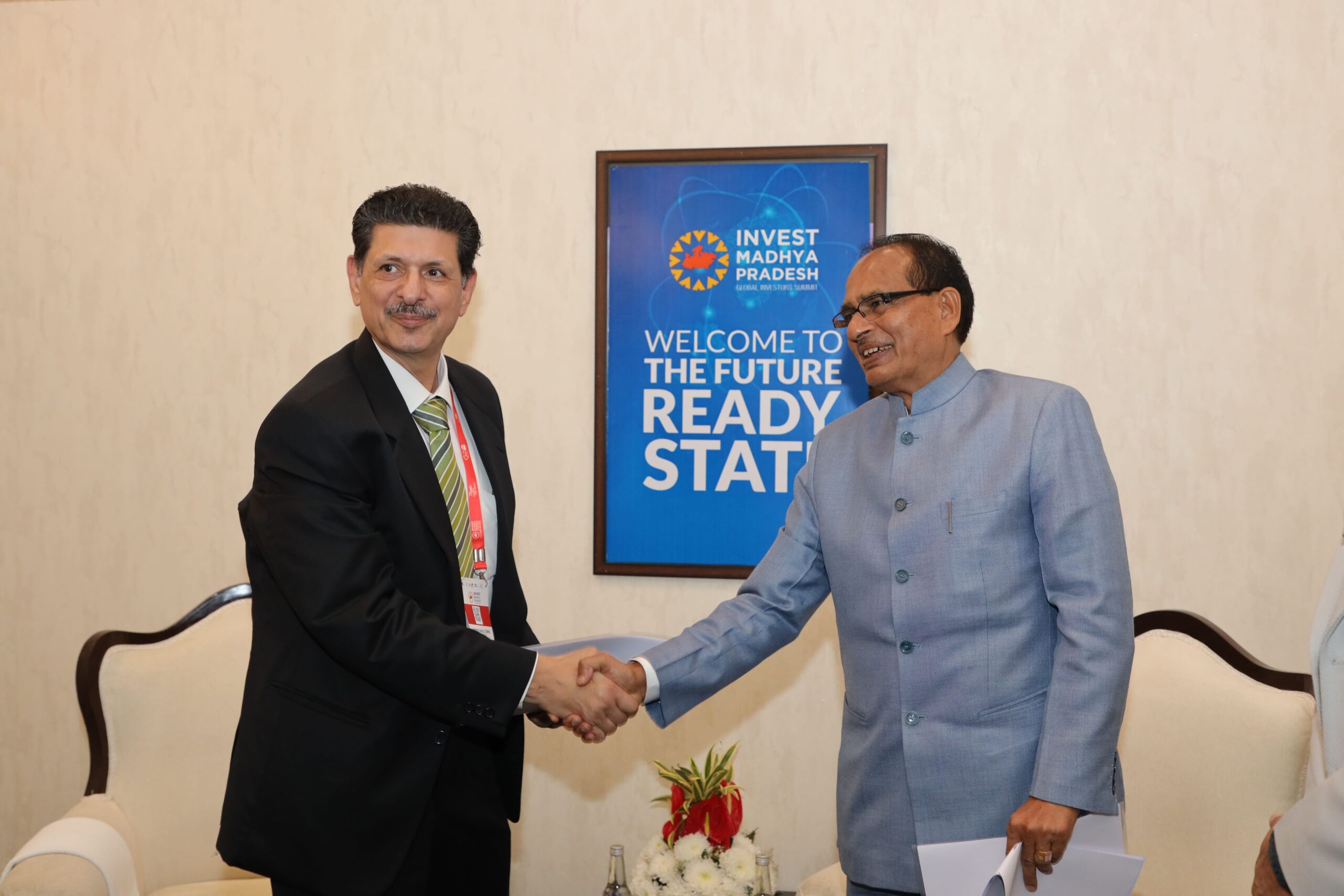
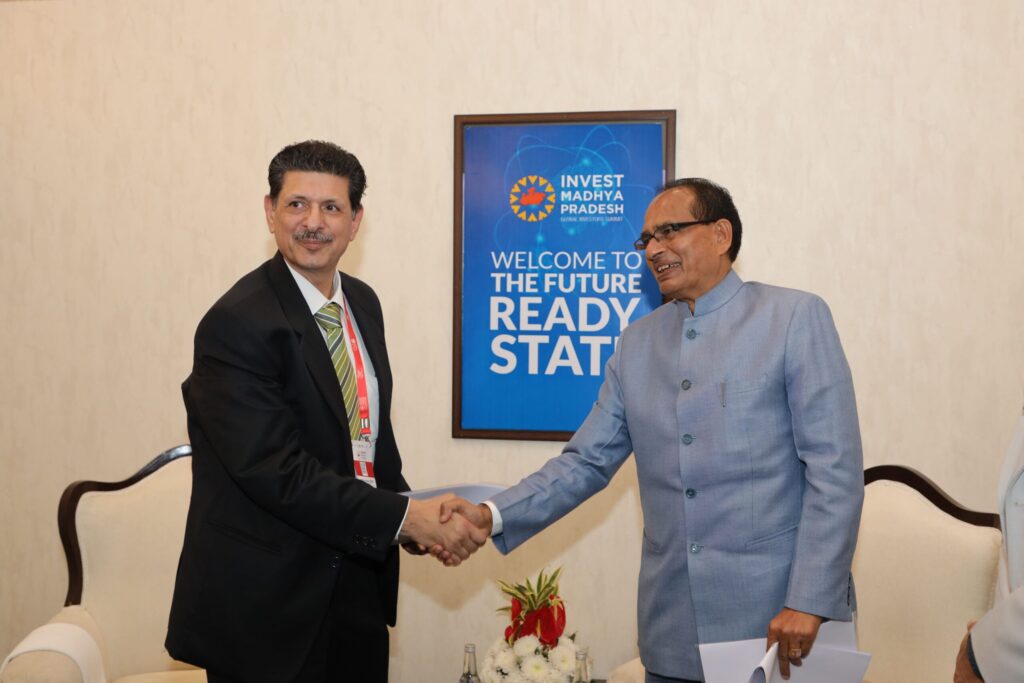
By L S Herdenia BHOPAL: Bhopal is decorating itself to accord warn welcome to over 100 big industrial magnets who will be in the capital city to attend Madhya Pradesh government sponsored Industrial Summit. The Summit will be inaugurated by the Prime Minister Narendra Modi on February 24. Nearly a hundred distinguished industrialists and chiefs […]

Tesla Inc. has made a significant move towards entering the Indian market, as evidenced by a surge in job openings across key locations like Mumbai and Delhi. The company is currently seeking to fill 13 roles, spanning customer-facing and back-end positions, marking a clear commitment to establishing a foothold in India’s growing electric vehicle sector.

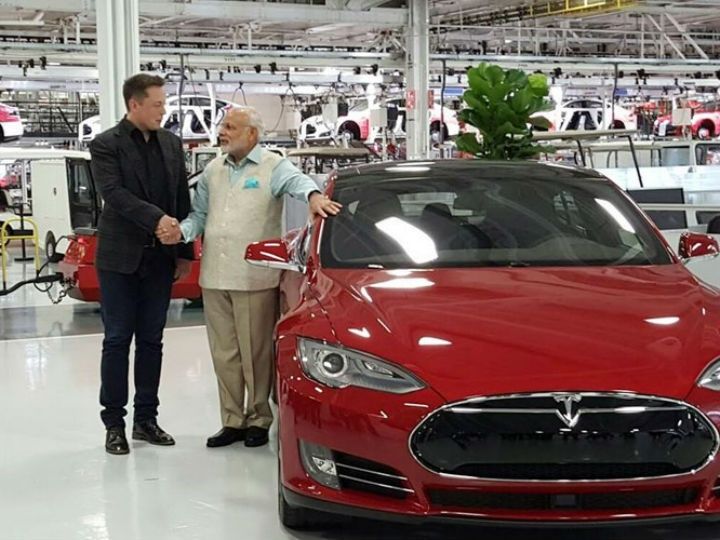
The announcement comes after Elon Musk’s high-profile meeting with Prime Minister Narendra Modi, a discussion that appears to have catalysed Tesla’s decision to pursue expansion in the region. The timing of this strategic move is especially relevant given the recent developments in India’s trade policies, with the government reducing import duties on luxury cars, a measure that could provide Tesla with a more favourable environment for operations.

India’s electric vehicle market, while still in its infancy compared to China’s, is poised for considerable growth. The country’s rapid urbanisation, increased government focus on sustainability, and rising interest in eco-friendly transportation solutions position it as a key player in the global EV landscape. Tesla, with its reputation for high-performance, premium EVs, stands to benefit from these trends.

Tesla’s recruitment efforts are seen as an indication of the company’s intention to tap into the vast potential of India’s automotive sector. The roles available span various areas, including technical support and operations, aimed at building the company’s infrastructure in the region. This is not the first time Tesla has shown interest in India; however, the recent policy changes have provided a more favourable environment for international companies looking to expand their operations.

Prime Minister Modi’s engagement with Elon Musk is likely to have been a pivotal factor in advancing Tesla’s plans for India. During the meeting, both parties discussed ways to enhance cooperation, particularly in sectors such as renewable energy and electric vehicles. Tesla’s entry into India aligns with the government’s push to reduce carbon emissions and transition towards sustainable energy solutions.

The reduction in import duties on luxury vehicles is a significant policy shift that could greatly benefit Tesla’s plans. Previously, India imposed high import duties on foreign-made vehicles, making it challenging for companies like Tesla to price their products competitively in the local market. The recent reduction, part of a broader effort to stimulate the EV sector, is seen as a move to attract global automakers. Tesla, which manufactures its vehicles primarily in the United States, is expected to benefit from these lower tariffs, potentially making its vehicles more affordable for Indian consumers.

India’s EV market, while smaller than China’s, is growing at a rapid pace. The country’s government has set ambitious targets for electric vehicle adoption, with a focus on reducing air pollution and decreasing dependence on imported oil. The Indian government has also introduced several incentives to promote the sale and manufacturing of electric vehicles, including subsidies for EV buyers and manufacturers, as well as tax exemptions for charging infrastructure.

Despite these encouraging trends, Tesla will face stiff competition in the Indian market. Homegrown automakers, such as Tata Motors and Mahindra & Mahindra, have already established themselves as key players in the EV sector, offering affordable electric cars that cater to Indian consumers’ needs. Additionally, the infrastructure for electric vehicles in India remains underdeveloped in many regions, with limited charging stations and a lack of widespread awareness among consumers about EV technology.

Nevertheless, Tesla’s brand recognition and technological expertise are expected to give it an edge in the Indian market. The company’s high-performance vehicles, coupled with its focus on sustainable energy solutions, could appeal to India’s growing middle and upper classes, who are increasingly concerned with environmental issues. Additionally, Tesla’s potential to create local manufacturing jobs and contribute to India’s green energy goals may help the company secure government support.

Tesla’s entry into India also signals the increasing importance of emerging markets in the global automotive industry. As more companies look to expand beyond their traditional markets in North America and Europe, countries like India and China are becoming central to the automotive industry’s future growth. India, with its large population, growing middle class, and rising environmental awareness, presents a significant opportunity for Tesla to expand its global footprint.

stc.AI, the artificial intelligence arm of Saudi Arabia’s leading digital enabler stc Group, has launched a groundbreaking large language model sovereign cloud platform. This move positions the kingdom at the forefront of the AI revolution, marking a key milestone in its ambition to become a global technology hub. The platform is set to run Llama 405B, one of the most advanced AI models in existence, and is […]

Europe’s public cloud services sector is set for remarkable growth, with projections indicating spending will hit $221 billion by 2025 and skyrocket to $373 billion by 2028. This surge is being driven by the increasing adoption of Platform-as-a-Service , a key cloud model that offers businesses the flexibility and scalability needed to support evolving technology needs. As digital transformation accelerates across industries, organisations are increasingly turning to […]

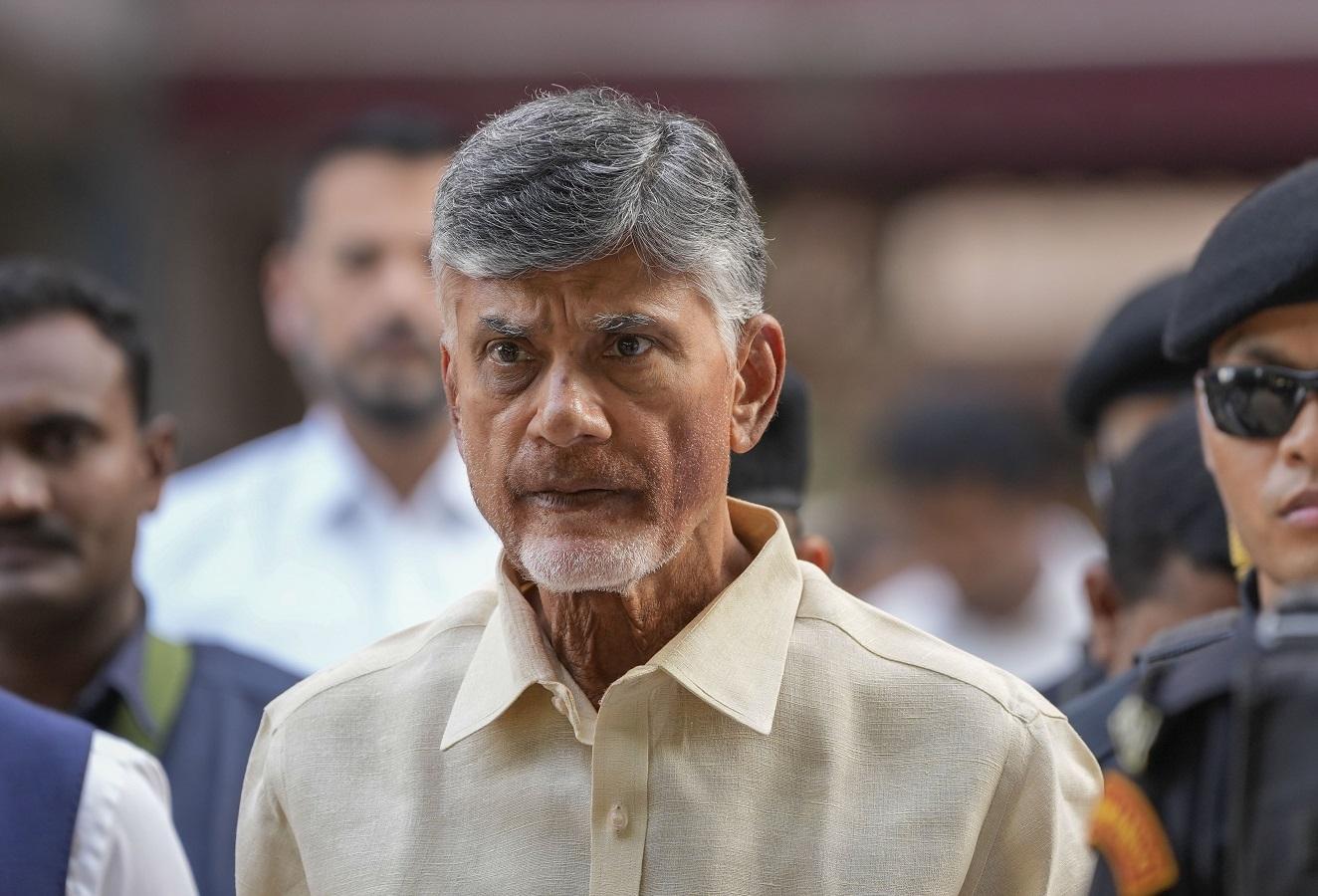
By Shanil Yakoob Almost a month to this day, on January 16, 2025, Andhra Pradesh Chief Minister N. Chandrababu Naidu made a startling proposal. Individuals with fewer than two children, he suggested, should be disqualified from contesting local body elections. This announcement came just two months after his government passed the Andhra Pradesh Panchayat Raj […]
Advertisements
Avarik Labs has unveiled its highly anticipated mobile strategy role-playing game , Red Covenant, introducing a blend of immersive storytelling, tactical gameplay, and blockchain innovation. The game, set in the expansive Avarik Saga Universe, invites players to engage in high-stakes combat, strategic decision-making, and a unique ecosystem powered by blockchain technology.

Red Covenant aims to redefine the mobile RPG experience, combining traditional RPG elements with the power of blockchain to offer players a dynamic and rewarding gaming environment. The integration of blockchain technology allows for ownership of in-game assets, enhancing the player’s experience with the ability to trade, sell, and purchase valuable items securely. This provides a new layer of interaction for gamers, enabling them to create their own legacy within the game’s universe.

The Avarik Saga Universe, which serves as the backdrop for Red Covenant, is known for its dark and immersive lore, filled with complex characters and vast, interconnected narratives. Players are invited to immerse themselves in this world, where every decision shapes their path and their fate within the game’s expansive universe. The game’s developers have paid careful attention to the world-building, offering an expansive landscape filled with rich lore that will keep players engaged as they navigate through various challenges.

The mobile RPG genre has witnessed significant growth in recent years, with more players embracing mobile devices as their primary platform for gaming. Avarik Labs has capitalized on this trend, creating Red Covenant as a highly polished game that is designed for both casual gamers and seasoned RPG enthusiasts. The game’s tactical combat system challenges players to think critically, making each battle a test of strategy rather than mere button-mashing.

What sets Red Covenant apart from other mobile RPGs is its seamless integration of blockchain technology. Unlike traditional RPGs, where in-game items and assets are locked within the confines of the game’s ecosystem, Red Covenant enables players to truly own and control their in-game items. This integration brings the concept of “play-to-earn” to the mobile RPG space, offering players the opportunity to earn rewards in the form of cryptocurrency or NFTs, which can be used within the game or traded on external markets. This move aims to bring a fresh, monetizable dimension to mobile gaming, appealing to players who are looking for more than just entertainment but also the potential for financial gain.

The game’s developers have also implemented smart contract functionality, enabling decentralized gameplay and reducing the reliance on centralized control. This adds a layer of transparency and security, ensuring that the game’s economic systems remain fair and balanced. Players can be assured that the rewards they earn are backed by blockchain technology, providing a level of trust and reliability that traditional in-game economies cannot offer.

Avarik Labs has partnered with several blockchain platforms to ensure smooth and secure integration of these technologies. The collaboration with established blockchain networks ensures that the game’s in-game transactions are secure, transparent, and free from the risks of fraud or manipulation. Players can participate in the game’s economy with confidence, knowing that their transactions are protected by blockchain’s inherent security features.

To enhance the player experience further, Red Covenant offers a wide variety of gameplay modes. Players can engage in single-player quests, where they explore the world, uncover hidden stories, and face off against formidable enemies. Alternatively, multiplayer modes allow for competitive play, where players can team up or battle against each other in real-time combat. The game also features a guild system, where players can join forces with others to tackle larger challenges and earn collective rewards.

While Red Covenant is already gaining attention for its innovative use of blockchain, it’s not without competition. The mobile RPG market is flooded with similar titles, and standing out in this crowded space is a challenge for Avarik Labs. However, the company is confident that its unique combination of tactical gameplay, blockchain integration, and immersive storytelling will appeal to a broad audience. By offering something that goes beyond traditional mobile gaming, Red Covenant positions itself as a forward-thinking entry in a market that increasingly values technological innovation alongside gameplay.

Avarik Labs’ decision to embrace blockchain technology is also reflective of the broader trends in the gaming industry. Blockchain and cryptocurrency are making waves across various sectors, and gaming is no exception. Developers are increasingly exploring the potential of these technologies to provide new ways for players to interact with games, earn rewards, and even shape the direction of the gaming industry. With Red Covenant, Avarik Labs is positioning itself at the forefront of this shift, aiming to be a pioneer in the emerging “play-to-earn” gaming economy.

Despite the innovative features and high expectations surrounding Red Covenant, the game’s success will ultimately depend on its ability to engage players and deliver on its promises. Early reviews from testers have been largely positive, with praise for the game’s deep tactical combat and immersive world-building. However, some players have raised concerns about the complexity of integrating blockchain and the learning curve associated with understanding the game’s economic systems. Avarik Labs is aware of these concerns and has stated that it is committed to providing players with the necessary tools and resources to fully understand the game’s mechanics.

Personnel from SpaceX are joining the Federal Aviation Administration at the agency’s Air Traffic Control Command Centre in Virginia to assist in the redevelopment of its air traffic control systems, following a significant incident involving Washington airspace. This partnership marks a significant step in the ongoing efforts to modernise the US air traffic system and address critical vulnerabilities that were highlighted by the recent air traffic failure. […]

openSUSE, one of the most popular Linux distributions, is considering ending support for legacy BIOS in favour of UEFI for future versions. This potential shift could impact users relying on older hardware, raising concerns about compatibility and the future of certain systems within the open-source community. While the decision is still under discussion, the direction suggests a growing trend towards modernisation that leaves behind aging systems. Legacy […]

By Kunal Bose The world, much to its disappointment, is seeing the United States of America, which is the world largest economy and mightiest military power, rapidly embracing raw, unrestrained capitalism under the newly inaugurated second-term Presidency of Donald John Trump abandoning all traces of egalitarianism. Induction of Tesla chairman Elon Musk to head the […]

Ethereum saw a notable price increase of 3.37% amid growing tensions surrounding Solana’s memecoin, LIBRA. The controversy has drawn significant attention within the cryptocurrency community, contributing to Ethereum’s market surge. Traders and analysts are closely monitoring the unfolding drama, with many speculating that Ethereum’s performance is benefiting from the uncertainty that the LIBRA debacle has generated.

LIBRA, a memecoin that operates on the Solana blockchain, has garnered a surge in popularity. However, its emergence has not been without issues. The controversy surrounding the token erupted due to various concerns, including its association with unverified projects and the volatility surrounding Solana’s network. As fears grew about LIBRA’s potential to destabilise the Solana ecosystem, Ethereum gained attention as an alternative in the market, especially given its more established position and reputation.

Ethereum’s rally is being attributed to several factors, with the LIBRA controversy serving as one of the key catalysts. Traders have flocked to the platform due to the growing concerns over the impact that unstable projects could have on newer blockchains. Ethereum’s robust infrastructure and established network have led to a resurgence of interest, with investors viewing it as a more stable investment amid the market’s ongoing volatility.

The timing of Ethereum’s gains coincides with a significant decline in Solana’s memecoin value, further fuelling the perception that investors are seeking refuge in more trusted platforms like Ethereum. Analysts have noted that while Solana’s network had gained significant traction in recent years, the appearance of projects like LIBRA has created more questions than answers, pushing some to diversify their portfolios into more established cryptocurrencies.

Experts within the cryptocurrency space have expressed concerns over the implications of the LIBRA issue. While the memecoin’s controversy might be seen as a growing pain for Solana, it has also opened the door for other blockchains, such as Ethereum, to gain an upper hand in the market. Solana, which once stood as a strong competitor to Ethereum, now faces challenges that have affected its credibility. The LIBRA situation may have weakened confidence in Solana, leaving Ethereum to capitalise on the shifting tides within the cryptocurrency market.

The market dynamics have certainly shifted, with Ethereum rising as a beneficiary of the ongoing debate. Ethereum’s price surge reflects its increasing appeal as a platform with a more reliable and secure ecosystem compared to Solana, particularly in light of the growing concerns surrounding the future of projects tied to Solana. Investors appear to be leaning towards more established blockchains with proven track records, recognising that these networks offer greater stability in uncertain times.

In the broader context, the LIBRA controversy has highlighted the volatility that characterises the cryptocurrency market. It serves as a reminder of how quickly sentiment can shift, especially when new and untested projects emerge. While the memecoin’s issues may be temporary, the ripple effect on the broader cryptocurrency landscape has been undeniable. Ethereum’s market performance stands as a testament to its resilience in the face of competition and controversy.

Ethereum’s strength lies in its broader ecosystem, with key developments such as Ethereum 2.0 and its transition to proof-of-stake, which continues to make it an attractive investment choice for those looking to enter the blockchain space. As Solana deals with the fallout from the LIBRA controversy, Ethereum’s technological advancements and established user base are helping it to retain its position as a leader in the market.

The surge in Ethereum’s price underscores a crucial trend in the cryptocurrency industry – the growing preference for stability and reliability. Despite the emergence of various new projects, investors remain drawn to established blockchains that can offer a sense of security amidst the chaos. Ethereum’s continued growth in this regard speaks to its enduring appeal as a safe haven for those seeking long-term gains.

AM Green, a prominent producer of green hydrogen and ammonia, has entered into a strategic partnership with DP World, a global logistics leader, to establish a sustainable supply chain for green fuels and chemicals. This collaboration aims to position India as a central hub for the export of green ammonia and methanol, significantly contributing to global decarbonization efforts. Under the Memorandum of Understanding (MoU) signed in December, the […]

Spotify is set to introduce a new subscription tier, “Music Pro,” which will provide users with enhanced audio quality and other features for an additional $6 per month. This move comes as part of the company’s ongoing efforts to differentiate itself in the competitive music streaming market, where users are increasingly demanding high-quality audio experiences. The new “Music Pro” tier will reportedly offer a premium streaming experience, […]

Meteora’s co-founder, Ben Chow, has stepped down from his position following mounting pressure over his involvement in the $LIBRA rug pull controversy. The announcement comes as a third-party law firm has been hired to investigate the complex situation surrounding the digital currency project.

Chow’s resignation marks a significant development in the rapidly unfolding drama surrounding the $LIBRA token, which has drawn sharp scrutiny from investors, regulators, and the cryptocurrency community. The token, launched by Meteora last year, had promised to offer an innovative solution in the decentralised finance space but has since become embroiled in accusations of fraudulent activity and mismanagement.

The controversy first gained traction when a substantial amount of $LIBRA tokens was mysteriously withdrawn from the project’s liquidity pools, leading to widespread allegations of a rug pull. In a rug pull scenario, the project’s developers or key figures deliberately drain the liquidity pool, leaving investors with worthless assets. The sudden and dramatic loss of funds has sparked an outcry from investors who claim they were misled about the token’s stability and future potential.

Chow’s resignation comes after calls from both investors and key stakeholders within the cryptocurrency industry for a more transparent approach to the crisis. Despite his departure, the fallout continues to affect the reputation of Meteora, a company that was once considered a rising star in the DeFi space. The scandal has also led to increased scrutiny of similar projects, with regulators now closely examining the regulatory frameworks surrounding DeFi ventures and the accountability of their creators.

According to sources close to the matter, Meteora has engaged a third-party law firm to investigate the allegations surrounding $LIBRA. The firm is expected to conduct a thorough review of the company’s operations and the actions leading up to the alleged rug pull. While the investigation is ongoing, industry experts have raised concerns about the lack of accountability and oversight in the rapidly expanding DeFi space, which has long been criticised for its lack of regulation.

Meteora, which initially gained recognition for its innovative approach to blockchain technology, is now facing a crisis of confidence. The company’s leadership is under pressure to restore trust with its investors and the broader cryptocurrency community. Despite Chow’s resignation, many within the industry believe that the full extent of the scandal is yet to be revealed, with some speculating that more individuals within the company may be implicated in the ongoing investigation.

The fall of $LIBRA is not an isolated incident within the DeFi ecosystem. As more projects in the space struggle with transparency and governance issues, the call for greater regulatory oversight has intensified. However, regulators face a delicate balancing act between fostering innovation and ensuring consumer protection in an industry that remains largely unregulated.

Ben Chow, who was previously seen as a visionary leader in the cryptocurrency space, now finds himself at the centre of one of the most significant scandals to hit the DeFi sector. His resignation has only added fuel to the fire, as both the public and investors demand answers about what went wrong and who is ultimately responsible for the collapse of $LIBRA. While the investigation continues, the fallout is expected to have far-reaching implications for the future of DeFi projects and the regulatory landscape that governs them.

As the investigation into $LIBRA progresses, all eyes remain on Meteora and its handling of the crisis. Investors are anxious for transparency and accountability, while the broader crypto community watches closely to see how the company will respond to the allegations. The outcome of the third-party law firm’s investigation could have a lasting impact on the future of the DeFi sector and may set a precedent for how similar cases are handled in the future.

Global Aerospace Logistics , a key player in the UAE’s aerospace and defence sector, has entered into a strategic partnership with GE Aerospace to enhance the development of Emirati talent in the aerospace industry. The Memorandum of Understanding was officially signed on the opening day of the International Defence Exhibition and Conference 2025, marking a significant step forward in the region’s efforts to bolster its workforce in this high-tech, specialised field.

Under the terms of the agreement, GAL and GE Aerospace will collaborate on a series of initiatives aimed at providing Emirati students and professionals with practical, hands-on training and exposure to cutting-edge technologies. The partnership is designed to equip young Emiratis with the skills and knowledge needed to drive innovation and growth within the aerospace sector.

The initiative focuses on creating a pipeline of highly skilled professionals who will contribute to the UAE’s broader vision of becoming a global hub for aerospace innovation. This aligns with the nation’s strategic goals of diversifying its economy, reducing reliance on oil, and investing in high-value industries such as space exploration and defence technology. The collaboration between GAL and GE Aerospace represents a concerted effort to meet these objectives while simultaneously addressing the growing demand for skilled talent in the sector.

The MOU details a comprehensive approach to talent development, combining academic partnerships, vocational training, and industry placements. A key aspect of the programme will be providing training in the latest aerospace technologies, as well as leadership and management skills. Both companies are committed to nurturing the next generation of engineers, technicians, and innovators who will shape the future of the aerospace industry in the UAE.

“This collaboration is a testament to the UAE’s commitment to fostering local talent and ensuring that Emiratis are at the forefront of technological advancements in the aerospace industry,” said a representative from GE Aerospace. The partnership will not only address the skills gap in the local workforce but also build a sustainable framework for long-term growth in the sector.

In addition to technical training, the MOU also focuses on providing opportunities for Emiratis to gain practical experience in aerospace operations. This hands-on exposure is seen as essential in preparing the workforce for the complex challenges of the industry. By working closely with GE Aerospace, GAL aims to create a robust system for skill development that will equip Emiratis with the expertise needed to succeed in both the domestic and international aerospace markets.

The UAE has already made significant strides in developing its aerospace sector. Over the past few years, the country has invested heavily in space exploration, launching the Mars mission and becoming one of the few nations to send an interplanetary probe to the Red Planet. Furthermore, the UAE has built a strong presence in defence technology, with an increasing number of local companies supplying high-tech systems to regional and global markets.

However, the growing aerospace industry also poses a challenge in terms of workforce readiness. There is a pressing need to ensure that Emiratis are well-equipped to take on leadership roles in this rapidly evolving field. This partnership with GE Aerospace is seen as a crucial step in addressing that challenge and ensuring that the UAE’s aerospace ambitions are realised.

The partnership also underscores the UAE’s broader strategy of building international collaborations to drive innovation. By working with global leaders in aerospace technology, the country is positioning itself as a key player on the world stage. GE Aerospace, with its long history and extensive expertise in the field, is an ideal partner for GAL as they work together to build a new generation of aerospace professionals in the UAE.

The signing of the MOU at IDEX 2025 is part of a broader push by the UAE government to position the nation as a global leader in defence and aerospace technologies. The country is actively seeking international partnerships to enhance its technological capabilities, foster innovation, and create job opportunities for Emiratis. The aerospace sector, with its focus on cutting-edge technologies and high-skilled labour, is a central part of this vision.

IDEX 2025, the largest defence exhibition in the region, served as the perfect venue for this announcement, bringing together leading industry players from around the world. The event provided a platform for GAL and GE Aerospace to showcase their shared commitment to advancing the UAE’s aerospace capabilities and talent development initiatives.

Dubai’s Roads and Transport Authority has unveiled its fourth-generation traditional abras, a key initiative aimed at modernising the city’s iconic water transport system. The new abras, which combine traditional design with innovative technology, are expected to enhance the overall passenger experience while maintaining the charm and heritage of Dubai’s waterways.

The new fleet marks a significant step in the evolution of Dubai’s abras, which have long been a cornerstone of the city’s transport network, offering both locals and tourists a scenic and practical way to cross the Dubai Creek. These traditional boats, often seen as a symbol of the emirate’s rich maritime history, will now feature advanced features including more eco-friendly propulsion systems, improved safety measures, and greater passenger comfort.

In an announcement made by the RTA, it was revealed that the new generation of abras will include enhanced materials for durability, better fuel efficiency, and a more comfortable ride. These innovations come as part of a broader push to modernise Dubai’s transport infrastructure, positioning the city as a global leader in integrating sustainable technologies with its cultural heritage.

The fourth-generation abras will include air-conditioning systems for passenger comfort, and a more streamlined design to reduce fuel consumption and emissions, aligning with Dubai’s environmental goals. This new fleet is also part of RTA’s efforts to boost Dubai’s tourism sector by providing an upgraded and attractive water transport option for visitors while ensuring the traditional spirit of the abras is retained.

“The launch of the fourth-generation abras is a major milestone in the evolution of public transport in Dubai,” said Mattar Al Tayer, Director-General and Chairman of the RTA. He highlighted that the initiative represents the authority’s ongoing commitment to enhancing mobility solutions that balance modernity with tradition. “This project exemplifies Dubai’s vision of fostering sustainable growth while embracing its rich cultural heritage.”

The new generation of abras will also feature state-of-the-art navigation systems, offering more efficient scheduling and tracking of the fleet. These improvements are designed to further enhance the operational efficiency of the boats, making travel along the Creek smoother for both commuters and tourists alike.

The decision to modernise the traditional abras aligns with the UAE’s long-term commitment to sustainability and technological integration. The nation has already made substantial investments in green technologies across various sectors, with a particular focus on reducing carbon emissions and promoting energy-efficient systems. The RTA’s new abras are expected to play a key role in helping the city achieve its ambitious sustainability targets, especially as the global focus on eco-friendly transportation intensifies.

In addition to their sustainability features, the new abras will incorporate advanced safety features, including GPS tracking and communication systems, which will allow for better coordination and faster response times in case of emergency. This is expected to reassure passengers and enhance the overall reliability of the service, especially in high-traffic areas of Dubai Creek.

The RTA’s initiative is expected to not only improve the experience for daily commuters but also attract more tourists to the waterway, which has long been a popular attraction in Dubai. The new abras, with their modern features and enhanced comfort, will likely offer an even more appealing way to explore the historic district of Bur Dubai, Deira, and other key areas along the Creek.

The traditional abras have been a feature of Dubai’s public transport network for decades, offering a scenic and affordable way to navigate the city’s waterways. However, the evolving needs of residents and visitors, alongside the city’s rapid growth, have necessitated changes to the system. The RTA’s decision to upgrade the abras aims to address these needs while ensuring the city’s water transport continues to serve as both a practical mode of transport and a cultural symbol.

RTA’s modernisation efforts are also seen as part of a broader trend across Dubai, where a mix of traditional values and modern technological advancements is shaping the city’s transport landscape. From driverless taxis to electric buses and sustainable metro services, the RTA has been at the forefront of integrating innovation into the city’s public transport network.

The new abras are also expected to be more inclusive, with design modifications that make the boats more accessible to people with disabilities. The RTA has stated that it is committed to ensuring all its public transport services meet the needs of the entire population, including those with mobility challenges. The new abras will have specially designed seating and ramps to accommodate passengers with physical disabilities, further enhancing the inclusivity of Dubai’s transport system.

As the global transportation industry increasingly turns towards sustainability, the RTA’s new abras demonstrate how cities like Dubai are seeking to preserve their cultural heritage while embracing new technologies. The launch of these boats highlights the emirate’s commitment to becoming a leader in sustainable urban development and reflects the growing importance of integrating green solutions into public transport systems worldwide.

Passengers on the new abras will also benefit from enhanced security features, with additional surveillance cameras and safety protocols in place. These measures are expected to ensure that Dubai’s water transport remains one of the safest and most reliable in the region, with a focus on passenger welfare at every stage of the journey.

Hayden Davis, the creator behind the highly debated LIBRA memecoin, has introduced a new digital token named MELANIA, further stirring up the already volatile world of cryptocurrency. Davis, who rose to prominence for his controversial involvement with LIBRA, stated that he had refunded $5 million to prominent investor Dave Portnoy after the latter faced significant losses with the previous token. This latest move by Davis has sparked a new wave of interest and scepticism within the crypto community, especially given the history of volatility surrounding his previous projects.

LIBRA, which gained widespread attention due to its speculative nature and ties to the social media influencer community, was initially touted as a groundbreaking new cryptocurrency. However, its journey was marred by controversies, including fluctuating values and allegations of market manipulation. Despite the backlash, LIBRA achieved a notable degree of success in terms of market presence, albeit with a reputation that many considered controversial. Its erratic performance and the subsequent departure of several investors raised questions about the stability of such tokens.

Davis, who had been at the forefront of the LIBRA coin’s launch, faced intense scrutiny over its impact. The memecoin’s popularity grew quickly, attracting investors seeking fast returns, yet it was often criticised for lacking a solid underlying value or utility. LIBRA’s volatility led to substantial losses for many, including Portnoy, a prominent figure in the financial world, who invested heavily into the token. Portnoy, who is known for his outspoken persona, expressed frustration over the unpredictability of the coin, noting that his investment had been marred by significant financial losses.

In response, Davis made an unexpected move by announcing that he had refunded Portnoy’s $5 million in an effort to address the criticism that had been directed towards LIBRA. Davis’ refund, while somewhat mitigating the damage to Portnoy’s portfolio, did little to quell the broader doubts about the memecoin’s legitimacy. His actions sparked a polarising debate within the crypto world, with some applauding the gesture as a sign of accountability, while others viewed it as a tactical move to bolster his reputation ahead of the release of his new token, MELANIA.

MELANIA’s launch is the latest addition to a growing trend of memecoins that have taken over the crypto space in recent years. These tokens, often based on internet trends or pop culture references, are typically known for their highly speculative nature. MELANIA, however, presents itself as a different entity, according to Davis, who claims that the token will have a stronger focus on utility and long-term value. While the specifics of MELANIA’s underlying technology remain unclear, Davis has been vocal about his plans for the token to transcend the typical characteristics of memecoins by incorporating elements of DeFi and NFTs .

The unveiling of MELANIA has already generated a significant amount of attention, both positive and negative. On the one hand, the cryptosphere is intrigued by Davis’ bold claim that he has “sniped” both LIBRA and MELANIA tokens, suggesting that he has the ability to strategically manipulate or influence the market in his favour. On the other hand, sceptics have raised concerns that Davis is once again positioning himself as a central figure in the creation of speculative assets, potentially leading investors down a similar path as with LIBRA.

Despite the criticism, Davis has insisted that he is taking a more responsible approach with MELANIA, aiming to create a cryptocurrency that balances the high-risk, high-reward nature of the market with a more stable and transparent framework. He has outlined plans for MELANIA to support charitable initiatives, including efforts to assist underprivileged communities, which he hopes will add credibility to the project. The combination of social causes with cryptocurrency is becoming an increasingly popular trend in the space, with several blockchain projects positioning themselves as vehicles for social good.

Critics, however, remain unconvinced by Davis’ assurances, pointing out that the broader crypto market remains largely unregulated, with limited safeguards for investors. As evidenced by the LIBRA experience, tokens in the memecoin category can experience significant swings in value, often driven more by hype than tangible innovation. The unpredictability of these assets has led to calls for greater oversight in the cryptocurrency sector, as more individuals and institutions enter the market looking to capitalise on the potential for quick returns.

Adding to the intrigue is Davis’ claim that he was responsible for “sniping” both LIBRA and MELANIA, a term often used in trading circles to describe taking advantage of market opportunities at opportune moments. Whether this refers to manipulating market sentiment or executing tactical trades in his favour remains unclear, but it further adds to the mystique surrounding Davis as a figure in the crypto world. His activities have sparked interest not only from investors but also from regulatory bodies who are beginning to take a closer look at the actions of influential players in the cryptocurrency space.

West Virginia’s healthcare industry is grappling with mounting workforce shortages, presenting ongoing challenges that are straining hospitals and healthcare providers across the state. Despite efforts to address the issue, the shortage of medical professionals continues to hinder service delivery, with significant implications for patient care and hospital operations.

Hospitals in West Virginia, particularly in rural areas, have reported increasing difficulties in attracting and retaining skilled workers, such as doctors, nurses, and other essential healthcare staff. These shortages have led to higher workloads for existing staff, longer wait times for patients, and concerns over the quality of care. The challenges have intensified in the wake of the COVID-19 pandemic, which exacerbated the already precarious state of the healthcare workforce.

The West Virginia Hospital Association has highlighted these persistent issues in a series of statements, emphasising the detrimental impact on healthcare services. The association’s president, whose remarks have resonated with both healthcare workers and policymakers, warned that without significant intervention, the situation could worsen, affecting the accessibility and standard of care in the state.

A primary concern is the rising demand for healthcare services, especially with an aging population. West Virginia has one of the oldest populations in the United States, and as more people reach retirement age, there is an increasing need for medical professionals to manage chronic conditions, provide long-term care, and address the complexities of aging health concerns. However, the supply of healthcare workers has failed to keep pace with this demand, leading to workforce imbalances that challenge the state’s healthcare infrastructure.

Another significant issue contributing to the workforce shortage is the growing number of healthcare professionals leaving the industry. Many nurses and doctors are opting for early retirement or leaving the profession due to burnout and stress, further compounding the problem. High levels of emotional and physical exhaustion, exacerbated by the pandemic, have led to job dissatisfaction among healthcare workers, making it difficult for healthcare facilities to retain their workforce.

Financial pressures have also played a role in the workforce shortage. Many healthcare organisations, particularly smaller and rural hospitals, have been unable to offer competitive salaries or benefits that can attract or retain highly skilled medical staff. As a result, healthcare workers are often lured to other regions or larger urban hospitals, where compensation and resources are more robust.

The state’s government has taken some steps to address these workforce challenges, including offering incentives for healthcare workers to stay in West Virginia or return to the state. Financial incentives, such as loan forgiveness programs and recruitment bonuses, have been introduced, but these measures have not yet led to significant improvements in the overall workforce numbers.

There have been efforts to expand medical training opportunities within the state. Educational institutions have been working to increase the number of graduates in fields like nursing, medicine, and allied health, in hopes of alleviating the shortage over time. However, experts argue that without immediate action to retain existing staff and improve working conditions, these long-term solutions may not have a sufficient impact in the short term.

Health experts have also pointed to the increasing reliance on technology as a potential solution to some of these workforce gaps. Telemedicine and digital health tools have been widely embraced during the pandemic, and their continued use could help mitigate the effects of workforce shortages by allowing healthcare providers to extend their reach and provide care in areas where staffing is limited. However, the success of this approach depends heavily on infrastructure and the ability to integrate these technologies effectively into the state’s healthcare system.

As West Virginia struggles with these workforce challenges, there are growing concerns that the state’s healthcare system may become unsustainable, particularly in its rural regions. These areas are particularly vulnerable, with fewer healthcare facilities and fewer resources available to deal with rising patient numbers. If the shortage of medical professionals is not addressed, these communities could face even greater difficulties in accessing the care they need.

For now, healthcare providers across the state are focusing on strategies to manage the existing workforce more effectively. Many hospitals are implementing measures to reduce staff burnout, such as offering flexible hours, improving work environments, and providing additional support for mental health. Some hospitals are also turning to innovative staffing solutions, including expanding the use of advanced practice providers, such as nurse practitioners and physician assistants, to fill gaps in care.

Despite these efforts, healthcare leaders remain cautious about the future. The workforce shortages are expected to persist unless more substantial reforms are introduced, including increased investments in the healthcare sector, better incentives for workers, and continued expansion of training programs. As the situation evolves, the state’s policymakers and healthcare administrators will need to work collaboratively to develop sustainable solutions that ensure quality care for all West Virginians.


Ducab Group has joined forces with the Mohammed Bin Rashid Housing Establishment in a strategic partnership aimed at enhancing Dubai’s large-scale residential developments with advanced cable solutions. This collaboration marks a significant step in promoting sustainability and advancing infrastructure within the emirate, as Ducab provides an array of high-quality products, including low-voltage power cables, wires, flexible cables, and Flam BICC2 fire-resistant cables.

The partnership comes in response to the UAE’s ambitious push for sustainable development, aligning with the country’s wider vision of creating environmentally responsible and energy-efficient housing. MBRHE, tasked with providing affordable homes to UAE nationals, is focused on modernising its housing projects, making this collaboration a key element in ensuring that their new developments adhere to the highest standards of safety, energy efficiency, and environmental sustainability.

The low-voltage power cables, central to the collaboration, are designed to meet the growing demand for reliable energy supply in urban areas. These cables are essential for transmitting electricity efficiently across residential complexes, enabling the seamless operation of essential services such as lighting, heating, and air conditioning. Flexible cables, which allow for easy installation in a variety of configurations, will also play a vital role in maintaining the safety and durability of the electrical systems within these residential areas.

The incorporation of Flam BICC2 fire-resistant cables adds an extra layer of safety, protecting the residents and properties from potential electrical fires. These fire-resistant cables, which meet stringent international standards, provide superior protection by preventing the spread of fire through the electrical infrastructure, crucial in high-rise buildings and densely populated areas. With fire safety becoming an increasing concern in residential construction, these cables will play an important role in mitigating risks and ensuring the well-being of Dubai’s growing population.

Ducab, a prominent manufacturer of cables and electrical products in the UAE, has a long-standing reputation for providing innovative and reliable solutions for various sectors, including construction, energy, and infrastructure. Its involvement in this partnership strengthens its position as a leading provider of electrical solutions for the UAE’s residential and commercial sectors. The company’s commitment to sustainable practices is evident in its product offerings, which not only meet international quality standards but also incorporate eco-friendly manufacturing processes.

The collaboration with MBRHE also signals Ducab’s continued efforts to support the UAE’s ambitious sustainability goals, including its drive to reduce carbon emissions and promote energy efficiency across all industries. By providing cutting-edge cable technology that adheres to the highest safety standards, Ducab is contributing to the UAE’s goal of building smart, sustainable cities that can meet the challenges of the future.

MBRHE’s role in the partnership is pivotal, as it oversees the construction and delivery of homes for UAE nationals. The establishment is responsible for implementing Dubai’s housing strategy, ensuring that projects are not only cost-effective but also meet the sustainability standards required for long-term success. The inclusion of Ducab’s advanced cable solutions is part of a broader initiative to elevate the quality of these homes, ensuring they are equipped with the latest technology and built to withstand the demands of modern living.

Dubai’s housing sector has seen significant transformation over the past few years, with an increasing focus on green building practices and energy-efficient solutions. This partnership between Ducab and MBRHE is a direct response to this shift, as developers and stakeholders strive to meet the growing demand for sustainable housing options. The project aligns with Dubai’s broader goals outlined in its Vision 2021 and other long-term urban planning strategies, which focus on sustainable development, energy efficiency, and the creation of smart cities.

As part of the collaboration, Ducab’s role extends beyond the supply of cables and wires. The company is also involved in providing technical support and expertise, ensuring that the installation and maintenance of these systems meet the highest standards of quality and safety. Ducab’s commitment to research and development ensures that its products continue to evolve in line with technological advancements and the shifting demands of the construction and energy sectors.

The move to integrate advanced cable solutions into Dubai’s residential projects also comes as the emirate ramps up efforts to bolster its position as a global hub for innovation and sustainability. With growing pressure on governments and industries to adopt more environmentally conscious practices, collaborations like the one between Ducab and MBRHE are essential in driving the change needed to support sustainable urban development.

Dubai’s International Financial Centre has seen an unprecedented 25% rise in company registrations over the last year, marking a record high. The financial district, now home to 6,920 active companies, has experienced a significant surge, up from 5,523 in the previous year. This surge signals a growing trend of international businesses, particularly hedge funds, flocking to the emirate’s burgeoning financial sector. The rapid rise in registrations comes […]

UAE defence authorities announced the signing of 13 major contracts worth Dh4 billion on the opening day of the International Defence Exhibition and Conference 2025, the largest defence expo in the Middle East. The deals highlight the UAE’s strategic efforts to enhance its defence capabilities, focusing on advanced technology, military equipment, and international collaborations. The exhibition, taking place at the Abu Dhabi National Exhibition Centre, marks a […]

Mubadala Investment Company has secured a deal to acquire a minority stake in Apleona, one of Europe’s top integrated facility management providers. This move forms part of a broader investment effort led by Bain Capital’s Private Equity team in Europe, which aims to bolster Apleona’s growth trajectory, further establishing it as a dominant player in the European facility management sector. Headquartered in Neu-Isenburg, Germany, Apleona delivers a […]

PNC Investments, the parent company of Sobha Realty, has hinted at a potential new sukuk issuance rather than tapping into its existing bond when it matures in 2028. Nikunj Patel, the company’s Chief Financial Officer, addressed this in a global investor call last week, suggesting that the firm may opt for a fresh issuance based on its expanding operations and land acquisitions. Sobha Realty, known for its […]

VISHNU RAJA
RYO YAMADA
HITORI GOTOH
IKUYO KITA