News related to
Part

Efforts to make PlayStation 3 games playable on diverse platforms have gained a breakthrough, with the successful integration of a cutting-edge emulator compatible with Raspberry Pi 5 and Apple Silicon. This development marks a significant stride in the emulation landscape, offering wider accessibility to the PS3’s expansive game library. The new capability stems from enhancements made to RPCS3, the renowned open-source PS3 emulator. Developers focused on optimizing […]

Saudi Arabia has unveiled an ambitious initiative aimed at enhancing global capabilities in forecasting and mitigating the effects of sand and dust storms. The program, introduced during the 16th session of the United Nations Convention to Combat Desertification (COP16) in Riyadh, underscores the Kingdom’s growing commitment to environmental resilience and its efforts to combat the detrimental effects of desertification on health, infrastructure, and ecosystems. This initiative is […]

HAIKOU, CHINA – Media OutReach Newswire – 9 December 2024 – The 27th China (Hainan) International Trade Fair for Tropical Agricultural Products took place at the Hainan Free Trade Port on Dec. 5-8. Participants from 2,200 enterprises representing over 10 countries and regions attended the event, sharing the latest agricultural advancements and innovative technologies. The 27th China (Hainan) International Trade Fair for Tropical Agricultural Products During the […]

A cryptocurrency trader leveraged an audacious high-risk position to turn an initial investment of $2,500 into an impressive $200,000 by trading XRP with a staggering 500x leverage. The bold maneuver capitalized on XRP’s upward price movement following developments in its ongoing legal case with the U.S. Securities and Exchange Commission (SEC).

The trader’s position, which teetered near liquidation at one point, highlights the volatile nature of high-leverage trading. Leveraging 500x means a minor price fluctuation can significantly amplify gains—or wipe out investments. XRP’s sharp price increase, fueled by optimism over favorable judicial rulings, provided a critical lifeline for this strategy to succeed.

This dramatic transformation of funds underscores the high-reward potential of crypto derivatives trading but also serves as a cautionary tale about its risks. With leverage of this magnitude, traders face amplified exposure to market swings, emphasizing the importance of careful market analysis and risk management. XRP, buoyed by increased trading volumes and speculation about the SEC ruling, became the backdrop for this extraordinary financial feat.

The case surrounding Ripple Labs, the company behind XRP, has long been a focal point of crypto markets. Ripple’s partial victories in court have bolstered confidence among traders and investors, lifting XRP prices. Market sentiment, compounded by Ripple’s legal clarity in its battle over XRP’s classification as a security, catalyzed significant price action. Experts emphasize that while the trader’s success is remarkable, it is not representative of typical outcomes in high-leverage trading scenarios, where the odds heavily favor losses.

Cryptocurrency analysts point out that this incident reflects the unpredictable yet enticing nature of crypto markets. As digital assets become more integrated into mainstream financial systems, volatility remains a defining characteristic, particularly for leveraged products. Observers note that such stories can inspire further speculative activity, potentially fueling market bubbles and increasing the inherent risks of trading these assets.

Introduction Tattoos are a form of self-expression, an art imprinted on the skin that tells a story or captures a moment in time. However, as we grow and evolve, the meaning behind some tattoos may fade, leaving us with a sense of regret. If you find yourself in a situation where you no longer relate to a tattoo, you’re not alone. Fortunately, there are several ways to […]

Regulators from El Salvador and Argentina have entered into a strategic agreement aimed at strengthening oversight in the cryptocurrency sector. The move is seen as a significant step toward enhancing regulatory frameworks and fostering innovation in the rapidly evolving world of digital assets. The collaboration, which aligns both countries’ regulatory authorities, focuses on boosting the integrity, efficiency, and security of virtual and digital asset services.

The agreement was formalized between the National Securities Commission (CNV) of El Salvador and Argentina’s National Digital Assets Commission (CNAD). It aims to establish a framework for better regulatory practices in both nations, with an emphasis on the prevention of fraud and the development of a robust digital financial system. The regulators plan to exchange expertise and best practices, engage in workshops, and share knowledge on digital asset supervision.

Dr. Roberto E. Silva, head of the CNV, expressed enthusiasm about the partnership, noting that El Salvador has long been a pioneer in the digital asset space, particularly with its adoption of Bitcoin as legal tender. He emphasized that the collaboration would build upon El Salvador’s experience with cryptocurrencies and help drive regional innovation.

El Salvador has made significant strides in cryptocurrency regulation, being one of the first countries to officially recognize Bitcoin as legal tender in 2021. This new agreement with Argentina marks the continuation of El Salvador’s efforts to solidify its position as a global leader in cryptocurrency regulation. The CNV has been actively working on enhancing its registry for virtual asset service providers (VASPs), which aims to provide a transparent and secure environment for crypto-related businesses.

For Argentina, the deal offers a chance to learn from El Salvador’s regulatory advancements and further solidify its position in the Latin American cryptocurrency ecosystem. The CNAD, which oversees all forms of digital assets in El Salvador, is expected to share its vast knowledge and regulatory frameworks with its Argentine counterparts, which have focused on regulating virtual assets and service providers, a narrower scope than El Salvador’s broader approach.

The signing of this agreement also highlights the increasing trend of cross-border collaboration in the digital assets space, as countries around the world look to establish clearer regulatory structures for cryptocurrencies. Both nations share a vision of developing more secure and transparent cryptocurrency markets that foster innovation while safeguarding investors.

In practical terms, the collaboration will enable both agencies to co-host workshops, joint seminars, and training programs for their respective teams. These efforts are aimed at improving the regulatory capabilities of both countries, ensuring that their digital asset markets remain competitive and secure. Experts suggest that this could also lead to a more integrated approach to managing digital assets across the region, making it easier for businesses and investors to navigate the growing cryptocurrency landscape.

The partnership comes at a time when both countries are navigating challenges in their financial sectors, with the volatility of digital assets adding complexity to their economic landscapes. By strengthening regulatory cooperation, both El Salvador and Argentina aim to mitigate risks associated with cryptocurrency investments, such as fraud and market manipulation, while encouraging further technological advancements in the sector.

By Nitya Chakraborty On December 9 Monday, Indian foreign secretary held crucial talks in Dhaka with his Bangladesh counterpart as also the head of interim government Dr. Muhammad Yunus to find some ways for improving the bilateral relations in the wake of reports of attacks on Hindus by the communal elements of the country. The […]
Advertisements

HANOI, VIETNAM – Media OutReach Newswire – 11 December 2024 – V-GREEN and Prime Group, a diversified conglomerate, through its UAE subsidiary, have signed a Memorandum of Understanding (MoU) to develop a network of charging stations for VinFast electric vehicles in Indonesia. This MoU does not only signify a major step forward for V-GREEN in its global mission to expand the VinFast EV charging infrastructure, but also […]

India is moving forward with the phased implementation of its Central Bank Digital Currency (CBDC), with the Reserve Bank of India (RBI) ensuring its gradual and cautious adoption. Governor Shaktikanta Das has emphasized that the full-scale rollout of the digital rupee will not be rushed. Aiming to maintain the integrity, safety, and efficiency of the currency, the RBI is meticulously testing the CBDC’s functionality through its pilots, which started in 2022 for wholesale and retail transactions.

Currently, millions of users and merchants have participated in the retail CBDC pilot, which is being closely monitored for its usability and integration with other systems. While the digital rupee has been designed for use in both online and offline settings, Das stressed its potential for improving cross-border transactions, making them more efficient and cost-effective.

The RBI has focused on ensuring that the digital rupee works seamlessly with India’s existing payment infrastructure. The CBDC’s interoperability with the Unified Payments Interface (UPI), a system already widely used in the country, marks a significant step forward. This linkage allows digital currency transactions to be conducted with the same ease as UPI payments, even in environments with limited internet access.

Coincheck, Japan’s largest cryptocurrency exchange, has marked a significant milestone by becoming the first crypto exchange from the country to be listed on Nasdaq. The Tokyo-based exchange is set to go public through a merger with Thunder Bridge Capital Partners IV, a special purpose acquisition company (SPAC). This development positions Coincheck as a key player in the global crypto landscape, particularly as Japan’s regulatory environment for cryptocurrencies continues to evolve.

The listing was approved by the U.S. Securities and Exchange Commission (SEC) in mid-November 2024, clearing the way for the exchange to begin trading on Nasdaq under the ticker symbol CNCK. This approval followed Coincheck’s filing of a Form F-4 registration and a successful shareholder vote held on December 5. The timing of the listing is crucial, as it coincides with a shift in the U.S. crypto regulatory scene, which could have broad implications for other exchanges and digital asset firms eyeing Nasdaq.

Coincheck’s entry onto Nasdaq reflects the growing acceptance of cryptocurrency as a legitimate financial asset class, even as regulatory scrutiny intensifies globally. The move could also inspire other Japanese exchanges, which have been cautious about entering foreign markets, to explore similar listings, particularly given the global appetite for digital asset investments.

The SPAC merger allows Coincheck to remain a subsidiary of its parent company, Monex Group, which has supported the exchange’s growth over the years. The listing is not only a triumph for Coincheck but also highlights the broader trends in the crypto industry, including the increasing involvement of traditional financial players in the digital asset sector. It also raises questions about the future of Japan’s crypto regulation, with potential changes in the U.S. under the incoming administration of President Donald Trump.

While Coincheck’s Nasdaq debut marks a significant achievement, it also points to a larger trend of global exchanges looking beyond domestic borders to secure listings on international bourses. As one of the first major crypto firms to take this step, Coincheck’s success may pave the way for others in Japan and beyond to follow suit. This trend is likely to continue as the digital asset space matures and as international regulatory standards become clearer.

Binance and Circle have formed a strategic partnership aimed at accelerating the adoption of USDC, a prominent stablecoin, and enhancing the global digital-asset ecosystem. This collaboration is set to significantly expand the reach of USDC, as Binance integrates the stablecoin into its vast array of services, providing access to over 240 million users. Circle, in turn, will contribute its expertise in technology and liquidity, with a focus on fostering greater user trust and driving innovation in the cryptocurrency space.

This partnership underscores the growing importance of stablecoins within the broader cryptocurrency market, with both Binance and Circle working to create more robust infrastructure for their use. As part of the agreement, Binance’s vast exchange network will include USDC for transactions, trading, and savings products, making it one of the largest platforms to integrate the stablecoin. Meanwhile, Circle’s role as the issuer of USDC places it in a pivotal position to influence the way this asset is used within digital finance ecosystems, ensuring that it remains a trusted option for transactions and as a store of value.

Stablecoins have become a central pillar in the cryptocurrency industry due to their stability and their ability to bridge the gap between traditional fiat currencies and digital assets. USDC, in particular, has seen increasing adoption among investors, traders, and institutions, thanks to its backing by fully audited reserves and its operational transparency. This makes it an attractive option for users looking to mitigate the volatility that is commonly associated with cryptocurrencies like Bitcoin and Ethereum. By joining forces, Binance and Circle aim to further enhance USDC’s prominence, creating a seamless, trustworthy experience for users across the globe.

For Binance, which has long been one of the leading cryptocurrency exchanges in the world, the integration of USDC represents a strategic move to diversify its offerings and broaden the scope of services available to its users. Binance has already become a hub for various digital assets, and the addition of USDC aligns with its efforts to cater to a wide range of financial products, from spot trading to decentralized finance (DeFi) and yield farming.

Through its integration of USDC, Binance aims to provide its 240 million users with access to a stable, reliable digital currency for everyday transactions, trading, and investments. This expands the utility of USDC, positioning it as not only a reserve asset but also a practical medium of exchange across Binance’s ecosystem. The stablecoin’s ability to offer faster, lower-cost transactions is expected to provide enhanced efficiency for users, particularly in markets where traditional banking infrastructure is limited or unreliable.

On the other hand, Circle’s involvement in this collaboration emphasizes its role as a leading technology provider in the stablecoin space. Circle has been at the forefront of developing USDC and ensuring its continued success by maintaining strong reserves and complying with regulatory standards. As the company behind USDC, Circle’s commitment to enhancing liquidity and transparency is crucial for the stablecoin’s long-term sustainability.

Circle’s contributions to the partnership will include expanding liquidity and improving the overall user experience for those utilizing USDC across Binance’s platform. The company’s deep understanding of the stablecoin’s infrastructure will enable Binance to tap into new use cases and better serve the growing demand for stablecoins in global markets. Moreover, Circle’s track record of maintaining a 1:1 backing of USDC with traditional currency reserves further solidifies the trust users have in the stablecoin, making it an appealing choice for both institutional and retail investors.

This strategic alliance also comes at a time when regulators across the globe are paying increasing attention to the stablecoin sector. The regulatory landscape surrounding digital assets continues to evolve, with governments exploring frameworks to manage stablecoins while ensuring that they do not pose systemic risks to the financial system. In this context, Binance and Circle’s partnership may help reinforce the legitimacy of USDC, as both companies are committed to maintaining full transparency and regulatory compliance.

By enhancing the adoption of USDC, this partnership could also contribute to the broader acceptance of digital currencies as legitimate financial instruments. USDC’s stability and growing ecosystem have made it a key player in areas like cross-border payments, remittances, and digital asset trading, and Binance’s involvement will only strengthen this trend. The ability to use USDC within Binance’s ecosystem will make it even more accessible to people in regions where access to traditional financial services is limited.

As both Binance and Circle continue to innovate in the digital-asset space, the broader impact of their collaboration is expected to influence how other companies view the role of stablecoins in the financial ecosystem. Other exchanges and financial institutions may look to replicate this partnership model, integrating stablecoins like USDC into their offerings as a way to provide users with more stable and accessible digital assets.


Base, a decentralized layer-2 blockchain built on Ethereum, has shattered previous records, reaching an all-time high of 8.8 million daily transactions. This surge underscores its growing dominance in the blockchain ecosystem, as developers, businesses, and users flock to the platform for faster, cheaper transactions.

The new milestone reflects Base’s increasing popularity among decentralized application (dApp) developers and users who are seeking scalability and cost efficiency. As the blockchain space continues to mature, Base’s ability to handle a vast number of transactions per day without compromising security is a significant achievement, particularly as demand for decentralized finance (DeFi) services and blockchain-based applications expands globally.

This achievement comes as Base positions itself as a leader in the rollup space, an advanced scaling solution designed to alleviate congestion on the Ethereum mainnet. The layer-2 solution has gained considerable attention due to its seamless integration with Ethereum, making it an attractive option for developers who need a fast and efficient platform while retaining access to Ethereum’s security and infrastructure.

The 8.8 million transactions milestone comes amid an upswing in Layer-2 adoption, as the broader Ethereum ecosystem is faced with challenges related to scalability and gas fees. As Ethereum’s popularity continues to rise, users have become more sensitive to transaction costs, which can fluctuate wildly depending on network congestion. Base’s low-cost and high-speed model addresses these issues, which has made it an appealing alternative for developers seeking to mitigate high Ethereum gas fees.

The spike in daily transactions highlights Base’s expanding utility across various sectors. The platform has gained traction with decentralized finance protocols, gaming applications, and non-fungible token (NFT) marketplaces, all of which are driving up the number of daily transactions. By allowing users to access decentralized applications without experiencing the latency and high fees often associated with the Ethereum mainnet, Base is establishing itself as a leading force in Web3 innovation.

One of the most critical factors contributing to Base’s rapid growth is its strategic backing by major players in the crypto and blockchain industries. The platform is supported by Coinbase, one of the largest cryptocurrency exchanges globally, which has provided a strong foundation for Base’s expansion. Coinbase’s involvement not only adds credibility to the platform but also strengthens its integration with the broader cryptocurrency market, helping to attract users who are already familiar with Coinbase’s ecosystem.

As of now, Base is competing with other blockchain solutions like Arbitrum and Optimism, which also offer Layer-2 scaling solutions. However, what sets Base apart is its seamless connection to Ethereum, providing users with a reliable bridge between the scalability of Layer-2 and the robust security features of Ethereum’s Layer-1 chain. This integration has made Base a go-to platform for Ethereum developers who require a high-performance environment for decentralized applications.

Despite the impressive surge in transaction volume, Base is also tackling the complex challenges of ensuring security and decentralization in its system. One of the key concerns for blockchain platforms handling millions of transactions per day is the risk of centralization. In Base’s case, its integration with Ethereum’s robust security model helps mitigate these risks. However, the team behind the platform is continually working to refine and optimize the security protocols to ensure the network remains safe and resilient against potential attacks.

The rapid transaction growth also reflects the increasing interest in blockchain technology from institutional investors. As more companies explore the potential of decentralized applications, smart contracts, and blockchain-powered services, platforms like Base are becoming essential components of the enterprise technology stack. Additionally, Base’s support for developers through easy-to-use tools and infrastructure has positioned it as a go-to solution for building next-generation decentralized applications.

With Web3 technology evolving at a rapid pace, the continued success of platforms like Base depends on their ability to adapt to user demands and integrate new technologies. The demand for blockchain scalability solutions is expected to continue growing as more sectors look to integrate decentralized systems. The 8.8 million daily transaction milestone shows that Base is meeting this demand, while also pushing the boundaries of what is possible with Layer-2 technology.

Abu Dhabi has set its sights on securing $123 billion in private sector investments to fund a variety of infrastructure projects as part of an ambitious expansion plan. The UAE capital’s strategy revolves around public-private partnerships (PPPs) aimed at meeting the growing demand for key infrastructure and supporting long-term economic growth. The initiative is in line with the broader trend across the Gulf region, where countries like […]

A newly established venture capital fund, backed by Saudi Arabia’s Public Investment Fund (PIF), aims to accelerate the growth of start-ups in the UAE and Saudi Arabia. The $50 million fund targets early-stage companies, with a particular focus on industries such as technology, energy, and health care, aligning with both nations’ broader economic diversification efforts. The PIF-backed fund, a strategic move in the Kingdom’s and UAE’s fast-evolving […]

Bilateral trade between the UAE and China has seen a marked increase in the first nine months of 2024, reaching a total of $74.6 billion. This represents a 7% rise compared to the same period in 2023, underlining the ongoing strengthening of economic ties between the two nations.

The growth trajectory of trade between the UAE and China comes as part of a broader effort to deepen cooperation in various sectors, including energy, technology, infrastructure, and finance. Both countries have been working to enhance their economic partnership, focusing on leveraging the UAE’s strategic position as a gateway between East and West, and China’s expanding Belt and Road Initiative (BRI). Notably, the UAE is China’s largest trade partner in the Arab world, while China is the UAE’s second-largest trading partner globally.

Several factors contribute to this surge in trade. Increased demand for energy resources, particularly natural gas, has played a central role, with the UAE’s oil exports to China showing notable growth. Moreover, both nations have ramped up their collaborations in the tech sector, including the development of smart cities and renewable energy initiatives.

The UAE’s financial sector has also been a beneficiary of enhanced relations, with Chinese companies increasingly establishing operations in Dubai’s financial free zones, and UAE banks expanding their presence in China. This mutual interest in diversifying economic portfolios has also led to a rise in investment flows, further solidifying the economic connection between the two.

A key driver of this trade relationship is the diversification of both economies. While China continues to expand its manufacturing and high-tech exports, the UAE is shifting towards more sustainable industries, including clean energy and artificial intelligence, sectors where Chinese expertise has found a welcome market.

Middle Eastern airlines are on track to generate the highest profits globally per passenger in 2024, with a projected $23 in earnings for every passenger flown. This figure sets the region apart from other global airlines and highlights its robust recovery and growth within the aviation sector.

The Middle East has long been a pivotal hub for international aviation, with carriers such as Emirates, Qatar Airways, and Etihad Airlines driving both passenger traffic and financial performance. According to data from the International Air Transport Association (IATA), airlines in the region are expected to see a combined net profit of $3.1 billion in 2024, a significant jump from the previous yearncrease in profitability stems from a combination of factors, including the region’s strategic location as a bridge between the East and West, the rapid expansion of flight routes, and increasing demand for air travel. The number of Revenue Passenger Kilometres (RPK) is anticipated to grow by 6.3% in 2024, signaling strong demand for international and regional travel.

Despiges faced by the global aviation sector, such as fluctuating fuel prices and geopolitical tensions, the Middle East’s aviation sector continues to display resilience. Airlines have diversified their revenue streams, not only focusing on passenger traffic but also expanding cargo operations, which has become a significant part of their income. The expansion of premium services has been another contributing factor, with affluent travelers flocking to these airlines for their exceptional services.

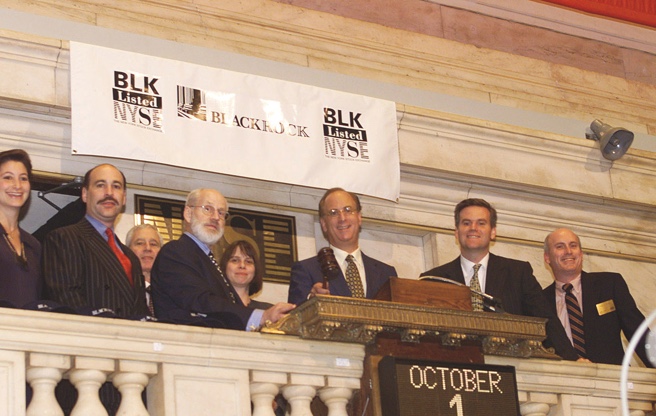
BlackRock, one of the world’s largest asset management firms, has expressed a strong interest in taking cornerstone investment roles in upcoming initial public offerings (IPOs) across the Middle East. The company’s move signals growing confidence in the region’s capital markets and a deepening commitment to its investment strategies in emerging markets.

Over the past few years, the Middle East has seen a substantial uptick in IPO activity, particularly in Saudi Arabia and the United Arab Emirates. Following the historic listing of Saudi Aramco in 2019, which set a new benchmark for the global IPO market, more companies in the region are exploring public offerings. With the backing of major sovereign wealth funds and private investors, these IPOs are seen as an attractive investment opportunity for global firms like BlackRock. The asset manager has previously been involved in such offerings, but now seeks a more pronounced stake by becoming cornerstone investors—those who commit to buying a significant portion of shares before the IPO is publicly launched.

A cornerstone investment carries considerable weight. It not only provides financial support to the issuing company but also bolsters the IPO’s credibility, often leading to greater investor confidence and successful market debuts. This dynamic is particularly critical in the Middle East, where many companies are looking to leverage their IPOs as a way to fund expansion and diversification. BlackRock’s potential involvement signals the growing maturity of the regional market, which has shifted from a reliance on local and regional investors to attracting global players.

The Middle East, particularly the Gulf Cooperation Council (GCC) countries, has become a major hub for investment in infrastructure, technology, and finance. Countries like Saudi Arabia, the UAE, and Qatar have been at the forefront of this transformation. Saudi Arabia’s Vision 2030 plan, which aims to diversify the kingdom’s economy away from oil dependency, has created an environment ripe for privatizations and IPOs in industries ranging from entertainment to healthcare and technology. Similarly, the UAE continues to open up its financial markets with initiatives like the Dubai Financial Market’s efforts to attract more international listings.

In parallel, BlackRock’s increased interest aligns with its broader strategic focus on emerging markets. The firm, which manages trillions of dollars in assets globally, has been expanding its footprint in the Middle East as part of its efforts to tap into the region’s growing wealth and investment opportunities. As the region’s financial ecosystem matures, global investors are keen to get a slice of what could be the next big opportunity.

For BlackRock, entering the IPO scene in the Middle East is not just about expanding its market share but also diversifying its portfolio with high-growth potential investments. The firm has made substantial efforts to ensure its involvement in emerging markets, viewing the Middle East as a key component of its global strategy. The region’s infrastructure development, economic reforms, and push towards diversification make it an attractive place for long-term investments. A cornerstone investment in an IPO could thus offer BlackRock the dual benefit of aligning with local growth ambitions while also capitalizing on new investment opportunities.

Saudi Arabia’s recent IPOs of major companies like the National Energy Services Company and Saudi Telecom have been highly anticipated. Both offerings demonstrated the kingdom’s ability to attract international investors, despite fluctuating oil prices and global economic uncertainty. BlackRock’s potential involvement in such high-profile deals would likely bring credibility to the process, further positioning the country as a growing investment hub. Moreover, it could drive further interest from other institutional investors looking to enter the Middle Eastern market.

The UAE’s stock exchange, the Dubai Financial Market (DFM), and the Abu Dhabi Securities Exchange (ADX) are also key players in the region. As the country looks to increase privatizations and diversify its economy, large-scale IPOs are expected in sectors such as real estate, energy, and technology. BlackRock’s interest in taking up cornerstone stakes reflects its belief in the resilience and expansion potential of the UAE’s market, particularly as it strengthens its status as a regional financial center.

The involvement of global asset managers in Middle Eastern IPOs not only signals the growing internationalization of the region’s capital markets but also highlights the increasing confidence in its long-term economic stability. While geopolitical risks and the ongoing volatility of global oil prices remain factors that could impact these markets, the resilience shown by the Middle East in navigating past crises and diversifying its economy makes it an attractive destination for investors.

Investors from the West have been particularly drawn to the region’s rapidly expanding consumer market and digital transformation initiatives. BlackRock’s strategy of anchoring cornerstone investments in this landscape reflects its commitment to these evolving markets. As companies continue to seek funds through public offerings, the expertise and financial muscle of major players like BlackRock are likely to influence the direction of the region’s IPOs.

RSS Guard has emerged as a standout tool in the evolving landscape of content aggregation, offering a robust and efficient way to manage feeds across platforms. This open-source feed reader has garnered attention for its comprehensive features, simplicity, and adaptability, setting a benchmark in its category. The application supports multiple platforms, including Windows, macOS, and Linux, ensuring accessibility for users with diverse operating systems. Designed with practicality […]

Talabat Holding, a leading Middle Eastern online food delivery platform, made its long-anticipated debut on the Dubai Financial Market (DFM) following an initial public offering (IPO) that launched in late November 2024. Despite the market’s optimism surrounding the listing, the company’s shares faced a sharp decline on their first day of trading. Talabat, which offers a wide range of services from food delivery to grocery sales, had […]

Geely Farizon, the electric vehicle (EV) arm of Chinese automotive giant Geely, has partnered with Jameel Motors to expand its footprint in the United Kingdom. This collaboration will see Jameel Motors take charge of the distribution of Geely’s full range of new energy vehicles (NEVs) in the UK. The deal highlights the growing trend of Chinese automotive manufacturers increasing their presence in European markets, particularly in the rapidly growing EV sector.

Farizon’s commitment to expanding globally is supported by its diverse lineup, which includes electric trucks, buses, and light commercial vehicles. The UK, a key market in Europe with an increasing shift towards greener vehicles, is expected to be a crucial part of this expansion strategy. Farizon’s new energy vehicles, including hydrogen, methanol, and electric-powered models, align with the UK’s environmental goals and its push for net-zero carbon emissions by 2050.

Jameel Motors, part of the Abdul Latif Jameel Group, brings over six decades of experience in the automotive sector. Their international footprint and expertise will be pivotal as Geely Farizon seeks to capitalize on the UK’s thriving green vehicle market. Jameel’s established relationships with both customers and suppliers provide a solid foundation for Farizon’s introduction of its innovative fleet in the UK.

This partnership is part of a broader collaboration between Geely Farizon and Jameel Motors, which spans 11 countries. These markets collectively cover a population of over 450 million, offering substantial growth potential for Farizon’s products. As global demand for eco-friendly vehicles continues to rise, the strategic move into the UK market positions both Geely and Jameel as significant players in the EV revolution.

While the UK government’s incentives for electric vehicles and other green technologies have been a driving force behind this move, the increasing consumer demand for sustainable transportation options further strengthens the business case. Geely Farizon’s market entry is also timely, coinciding with the UK’s announcement of stricter regulations on fossil fuel-powered vehicles, expected to take effect in the coming years.

The UK stock market is experiencing a significant downturn in its standing as a preferred destination for initial public offerings (IPOs). As of 2024, it has fallen behind countries like Oman and Malaysia in IPO activity, facing structural challenges that have made it less attractive for new listings. Several factors contribute to the UK’s diminished role in the IPO market. The London Stock Exchange (LSE), traditionally a […]

The United Arab Emirates has concluded a major series of trade agreements with Russia, enhancing economic ties and positioning itself as a key player in the evolving global market. These developments come after high-level meetings at the Innoprom industrial exhibition in Yekaterinburg, where an Emirati delegation led by Dr. Sultan Al Jaber, Minister of Industry and Advanced Technology, negotiated deals on a range of strategic sectors. These agreements are expected to facilitate the establishment of a free-trade zone between the two nations and improve agricultural technology supply chains, among other initiatives.

A focal point of the discussions was the removal of trade barriers to accelerate bilateral commerce. Russian Industry and Trade Minister Anton Alikhanov expressed optimism about the future of these trade relations, highlighting the potential for significant growth once these barriers are overcome. In a statement, Alikhanov said that removing these obstacles would be key to maximizing the economic benefits of this partnership.

The UAE, which has emerged as one of Russia’s most important economic partners in the Middle East, continues to strengthen its position as a leading global trade hub. President Vladimir Putin, during his visit to Abu Dhabi in December 2023, underscored the UAE’s role as Russia’s top investor in the region. This growing economic relationship is not just limited to Russia; the UAE is also seeking to diversify its trading partnerships globally, with Russia playing a significant part in that strategy.

These deals further reflect the UAE’s broader approach to international trade, which involves forging deeper ties with nations like Russia while diversifying its economic portfolio. The Emirati leadership is keen to leverage its technological advancements and infrastructure, particularly in energy and agriculture, to build a more robust trading network with both traditional and emerging markets.

openSUSE has introduced notable advancements aimed at elevating its appeal as a gaming-focused Linux distribution. Leveraging its well-regarded Tumbleweed and Leap distributions, the platform now includes built-in GPU management tools tailored for gamers. These tools cater to both novice users and advanced gaming enthusiasts seeking seamless integration and optimization for their hardware. The key highlight of this update is a pre-installed utility to simplify GPU switching, especially […]

Organizations Worldwide Brace for a Year of AI Transformation, Security Challenges, and Sustainability Imperatives SINGAPORE – Media OutReach Newswire – 11 December 2024 – NetApp® (NASDAQ: NTAP), the intelligent data infrastructure company, released its second annual Data Complexity Report, which examines how global organizations are navigating the increasing complexity of managing their data for AI. This year’s report provides a global view into how AI will impact […]

VISHNU RAJA
RYO YAMADA
HITORI GOTOH
IKUYO KITA