News related to
Since

OPPO Find X8 and Find X8 Pro launched in global markets Find X8 Series delivers ultra-grade cameras, performance and battery life ColorOS 15 debuts on Find X8 Series with cutting-edge OPPO AI JAKARTA, INDONESIA – Media OutReach Newswire – 21 November 2024 – OPPO, the world’s leading smart device brand, today announced the global availability of its Find X8 and Find X8 Pro flagship smartphones. Each delivers […]

Bithumb, South Korea’s second-largest cryptocurrency exchange, is set to launch trading for TONCOIN (TON) and METIS (METIS) in Korean won (KRW) on November 21 at 8 p.m. KST. This move is anticipated to attract increased interest from both local and international investors, further positioning the platform as a key player in the region’s digital asset market.

The decision to list these two cryptocurrencies comes at a time of growing adoption and interest in the global crypto space. TONCOIN, a blockchain originally developed by the Telegram team, has gained considerable traction since its inception, while METIS, known for its Ethereum Layer 2 scaling solution, has also secured a loyal following for its efficiency and reduced transaction fees. By adding these coins to its roster, Bithumb hopes to cater to the increasing demand for both established and emerging crypto assets.

TONCOIN’s potential is rooted in its association with Telegram, one of the most popular messaging apps worldwide. The coin has carved out a niche by leveraging Telegram’s massive user base, with users able to use TONCOIN for a variety of decentralized applications (dApps) and services. As Telegram has faced regulatory hurdles in various markets, the coin has emerged as a decentralized alternative, gaining adoption both in the consumer space and by developers building on its blockchain.

On the other hand, METIS has been gaining attention due to its focus on improving the scalability and cost-efficiency of the Ethereum network. As the Ethereum blockchain faces growing network congestion and high gas fees, METIS offers an alternative by enabling faster, cheaper transactions without sacrificing the security that Ethereum provides. This scaling solution has attracted several projects, making METIS a strong contender in the Layer 2 space.

Bithumb’s decision to list both coins follows the growing trend of exchanges expanding their offerings to cater to investor demands for more diverse assets. The exchange, which handles a significant portion of South Korea’s cryptocurrency trading volume, has previously listed various popular coins, including Bitcoin, Ethereum, and Ripple, but the addition of TONCOIN and METIS signals its strategy to embrace more specialized cryptocurrencies that have garnered international interest.

The announcement was met with positive feedback from both the investor community and developers in the crypto space. TONCOIN’s supporters believe that the coin’s listing on Bithumb will help further its acceptance and adoption, particularly in South Korea, a country known for its tech-savvy population and strong interest in digital assets. Meanwhile, METIS proponents see the listing as a validation of their efforts to improve Ethereum’s scalability, a key issue for the network as it continues to expand.

The timing of the listing could also be significant given the evolving regulatory environment surrounding cryptocurrencies. South Korea has historically taken a cautious approach to crypto regulation, balancing innovation with consumer protection. The government has taken steps in recent years to tighten its grip on the sector, but has also indicated its willingness to support blockchain and cryptocurrency development. The introduction of TONCOIN and METIS trading on a major exchange like Bithumb comes at a time when South Korea is looking to position itself as a regional leader in the crypto and blockchain industries.

This development also underscores the ongoing importance of Korean won (KRW) trading pairs in the broader cryptocurrency market. As one of the leading fiat currencies in the crypto world, the South Korean won is often used as a reference point for cryptocurrency pricing in the Asian market. The availability of TONCOIN and METIS for KRW trading provides local investors with an accessible way to participate in the growing blockchain ecosystem, especially for those who may not have exposure to international exchanges or prefer to trade in their local currency.

Despite the positive outlook, some analysts caution that the ongoing volatility of the cryptocurrency market means that the success of these listings will depend heavily on market conditions. The global crypto market has experienced significant fluctuations in recent months, with both Bitcoin and Ethereum facing substantial price corrections. Therefore, while the listing of TONCOIN and METIS could attract short-term interest, the long-term viability of these coins will largely depend on broader market trends and the ongoing development of their respective blockchain ecosystems.

Nevertheless, Bithumb’s strategic move aligns with the growing demand for diverse cryptocurrency options and the need for exchanges to stay ahead of emerging trends in the industry. With more investors seeking alternative assets outside of traditional financial markets, the exchange’s decision to list TONCOIN and METIS could enhance its competitive edge in the dynamic and rapidly evolving crypto market.

Former U.S. congressman Pete Hoekstra has been nominated by President Donald Trump to serve as the next U.S. Ambassador to Canada. Hoekstra, who represented Michigan’s 2nd Congressional District from 1993 to 2011, has a long history of involvement in both politics and national security. His nomination is expected to further solidify the U.S.-Canada relationship, although it also raises questions about his qualifications for the diplomatic post. Hoekstra’s […]

KUALA LUMPUR, MALAYSIA – Media OutReach Newswire – 21 November 2024 – As a critical resource in the global economy, oil is integral not only to the energy sector but also to industries such as transportation, manufacturing, and agriculture. Changes in its prices impact inflation rates, production costs, and global trade. For instance, oil price increases can accelerate global inflation. This effect ripples through various sectors, with […]

KUALA LUMPUR, MALAYSIA – Media OutReach Newswire – 20 November 2024 – Bitcoin, the world’s most famous digital currency, has demonstrated an impressive performance following the U.S. presidential elections, in which Donald Trump, a Republican candidate, achieved a decisive victory. Although it has been widely speculated that Bitcoin would rally under Trump, a 30% rise in value in the course of just two weeks surprised even the […]

TAIPEI, TAIWAN – Media OutReach Newswire – 20 November 2024 – As Taiwan’s leading tech media powerhouse, TVBS consistently pioneers in merging advanced technology with high-quality journalism, delivering timely and accurate global news to Taiwanese audiences. With the 2024 U.S. presidential election drawing close competition between the two main candidates, the vote-counting process captivated viewers in Taiwan. On election day, TVBS News Channel, TVBS Channel, and TVBS […]

The United Arab Emirates’ stock market, with a valuation nearing $1 trillion, has emerged as a beacon for investors. Central to its rapid ascent is the concentrated influence of Sheikh Tahnoon bin Zayed Al Nahyan, a prominent member of Abu Dhabi’s ruling family, whose business empire and sovereign wealth fund oversight shape a significant portion of the region’s financial landscape.

The Abu Dhabi Securities Exchange (ADX), a core part of this market, reflects the dominance of family-linked entities like the International Holding Company (IHC), which has seen its valuation surge under Sheikh Tahnoon’s strategic leadership. IHC and associated companies represent some of the exchange’s most traded stocks, underpinning their value with holdings in diverse sectors such as renewable energy, technology, and mining. The emirate’s ambitions are clear: diversify its economy away from oil dependency and position itself as a global financial hub.

Sheikh Tahnoon oversees sovereign funds managing approximately $1.5 trillion, an unprecedented level of centralized financial control. This influence extends to IPOs, where companies tied to his network consistently dominate performance charts. For example, Bayanat AI Plc, part of his portfolio, tripled its stock value on its trading debut in 2022, exemplifying the trend of successful launches. However, challenges persist. International investors often cite limited access to lucrative IPO allocations, leading to frustrations about the inclusivity of the system.

The UAE has sought to liberalize its markets in recent years, introducing reforms such as allowing 100% foreign ownership across industries and listing stakes in state-owned companies to attract global capital. These measures have drawn attention from investment heavyweights, but concerns remain about whether foreign participants enjoy equal opportunities alongside local entities with entrenched interests.

Economic scholars note the dual-edged nature of Abu Dhabi’s stock market model. While the interconnection between state-run entities and private enterprises allows for strategic economic coordination, it also raises questions about transparency and the safeguarding of minority shareholders’ rights. Despite this, the UAE’s market resilience and significant growth since 2020, driven by oil revenue reinvestments and economic diversification efforts, cement its position as a dominant regional player.

Advertisements

The UAE has solidified its position as a leader in digital banking across the Middle East, driven by robust infrastructure, supportive regulations, and an appetite for innovation in financial technology. With a rapidly growing user base and pioneering digital-first services, the country has emerged as a model for others in the region to emulate. The UAE’s digital banking penetration is among the highest globally, with nearly one-fifth […]

Solana’s blockchain ecosystem has experienced a significant surge in activity, driven by heightened interest in decentralized applications (dApps) and an unexpected revival of memecoins. This activity has led to record-breaking transaction fees and revenues, alongside remarkable institutional investments bolstering the network’s growth.

The price of Solana’s native cryptocurrency (SOL) approached a historic high, trading at $242, with the blockchain’s market capitalization growing to $112 billion. Transaction fees climbed to $11.84 million, reflecting the platform’s expanded use cases and increasing demand for its services. Solana’s largest decentralized exchange (DEX), Raydium, accounted for nearly $15 million in daily fees, supported by contributions from Jito ($15.5 million) and Photon ($3.07 million). These milestones underscore Solana’s strengthening position as a major player in the cryptocurrency market.

Memecoins have been a significant factor in this surge, with tokens like Peanut (PNUT) and Dogwifhat (WIF) gaining traction. PNUT saw a staggering 2,700% increase in value, while WIF climbed to $4.19 following its listing on Coinbase. This revival has reignited user engagement and further solidified Solana’s reputation for scalability and speed, key attributes that appeal to both individual users and institutional players.

Institutional confidence in Solana is evident in its ecosystem’s funding figures. In the third quarter of 2024, dApps operating on Solana received $173 million in investments, marking a 54% increase compared to the previous quarter. This level of funding, the highest since mid-2022, highlights the ecosystem’s maturity and attractiveness for large-scale investors. While the number of funding rounds dropped, the average value per investment rose, reflecting growing trust in the network’s long-term potential.

Solana has also made significant strides in the DeFi sector. Its total value locked (TVL) grew by 26% in Q3 to $5.7 billion, placing it among the top three DeFi ecosystems globally, behind Ethereum and Tron. The platform has also become a favored choice for tokenized treasuries, managing assets valued at $123 million. Leading financial institutions, such as Franklin Templeton and Société Générale, have integrated Solana for their on-chain operations, further validating its utility in the financial sector.

The blockchain’s technical advantages, particularly its low transaction costs and high scalability, have been instrumental in attracting diverse stakeholders. Despite a 6% rise in transaction fees due to increased network activity, Solana remains more cost-effective than many competing blockchains. This affordability, coupled with its ability to handle high throughput, positions Solana as a preferred choice for developers and investors alike.

However, challenges remain. Critics point to concerns over validator centralization, with over a third of Solana’s validators located in the United States and the United Kingdom. Additionally, the network has faced technical outages in the past, raising questions about its reliability. These issues underscore the importance of ongoing development to ensure the platform’s resilience and decentralization.

NASA astronauts Butch Wilmore and Suni Williams, originally set for an eight-day mission aboard Boeing’s Starliner, now face an extended stay aboard the International Space Station (ISS) due to ongoing technical issues with the spacecraft. Their mission, which began in June, has been prolonged until early 2025, marking a significant deviation from their original schedule. The Starliner capsule encountered problems with its thrusters and helium system, prompting […]

Russia has announced plans to ban cryptocurrency mining in the territories of Ukraine that it currently occupies, including Donetsk, Luhansk, Zaporizhia, and Kherson regions. This move follows growing concerns about the strain mining operations have placed on the local power infrastructure, which is already grappling with severe shortages and capacity challenges as winter approaches.

The decision comes as Russia faces increasing pressure to manage energy resources more efficiently in these regions, where power outages and instability in the electrical grid have become more common. Authorities have pointed to the significant energy consumption of cryptocurrency mining as a contributing factor to the grid’s instability. Mining operations, which require massive amounts of electricity to power the high-performance computers used to mine digital currencies, have added further stress to an already fragile system, especially as the colder months demand more heating.

In a statement, Russian officials said that the ban would help ensure a more reliable power supply for both residents and essential services in the affected territories. With an already strained energy network, the decision was framed as a necessary step to safeguard the well-being of the local population and support the stability of the electrical grid.

Experts have long raised alarms about the high energy consumption required by the cryptocurrency sector. Mining operations, which often involve running thousands of specialized machines around the clock to solve complex algorithms, consume enormous amounts of electricity. According to some estimates, a single mining rig can use the same amount of power as several households combined, and when scaled up to the industrial level, the energy demands are considerable. This excessive consumption has raised concerns not only in Ukraine but in other parts of the world where crypto mining has been blamed for contributing to power shortages.

While the ban is officially positioned as a necessary measure to address energy shortages, it also reflects the broader geopolitical context of the ongoing conflict. The territories in question have been under Russian control since the early days of the invasion, and the move to restrict cryptocurrency mining underscores the ongoing efforts by Russian authorities to consolidate control over the occupied areas. Mining had become an increasingly important industry in these regions, particularly as a source of revenue for both local residents and military forces operating there. As cryptocurrency continues to grow in popularity worldwide, the sector has proven resilient even in conflict zones, offering financial opportunities amid the chaos.

Despite these efforts, Russia has faced significant challenges in maintaining control over its occupied territories. Energy shortages are not the only issue. Infrastructure damage, disruptions caused by ongoing conflict, and the difficulty of integrating these regions into Russia’s broader economic and administrative systems have all contributed to a complex and unstable situation. The decision to halt crypto mining highlights the Russian government’s attempts to prioritize short-term stability in the face of mounting pressures on the local economy and infrastructure.

The energy situation in the occupied territories has been dire for some time. Power plants and other critical energy infrastructure have been damaged or destroyed in the ongoing conflict, leading to frequent power outages. The electrical grid is struggling to meet the needs of both civilians and military operations, and officials have warned that the situation could worsen as winter approaches. With heating demands set to increase, the government is taking steps to ensure that enough energy is available to meet these needs, and halting energy-intensive operations like crypto mining is seen as a necessary part of the solution.

The ban also comes at a time when Russian authorities are looking for new ways to exert control over the cryptocurrency market. While Russia has not yet passed comprehensive legislation to regulate or ban cryptocurrency nationwide, the country has taken steps to curb the use of digital currencies in some sectors of the economy. The government has expressed concerns about the use of cryptocurrencies for illicit purposes, including money laundering and financing of criminal activities. The cryptocurrency mining industry, despite its growing significance, remains controversial in Russia, where authorities are wary of its potential to undermine traditional financial systems.

For now, the crypto mining ban in these occupied Ukrainian regions will likely have significant implications for the industry. Miners will be forced to shut down operations or relocate to other areas where mining remains legal, potentially causing disruptions in the flow of digital currencies in these regions. At the same time, the move is likely to generate mixed reactions among the local population, some of whom may have relied on mining as a source of income in the absence of stable employment opportunities.

The decision has also raised questions about Russia’s long-term strategy in these territories. While the ban may address immediate energy concerns, it may also serve to reinforce Russia’s growing control over the region’s economy. By restricting activities like crypto mining, Russia can assert more authority over the local population’s economic activities, potentially increasing its leverage in negotiations over the future of these territories.

Elon Musk’s social media platform X has filed a lawsuit against Amazon-owned Twitch, claiming the streaming service is part of a broader illegal conspiracy to exclude the platform from advertising opportunities. The lawsuit, which was filed in the United States District Court for the Northern District of California, accuses Twitch of engaging in coordinated actions with other tech giants to disrupt the advertising revenue stream for X, a move that Musk’s legal team argues is both unlawful and damaging to the platform’s financial health.

The case is a significant escalation in Musk’s battle against the advertising industry, which he has criticized for allegedly unfairly targeting his platform and reducing the flow of advertising dollars. Musk, who acquired X (formerly Twitter) in 2022, has frequently argued that large corporations and digital media entities are stifling competition by colluding to reduce the effectiveness and revenue potential of his platform. He has claimed that companies, including Twitch, have coordinated with others to deprive X of crucial ad dollars, harming its ability to compete in the ever-growing social media market.

In the lawsuit, X asserts that Twitch’s actions were not isolated incidents but part of a deliberate attempt to harm the platform by steering advertisers away from X in favor of its competitors. The legal complaint details how X believes Twitch engaged in these practices, which the lawsuit describes as “anticompetitive behavior” in violation of both federal antitrust laws and state-level business regulations. This legal move is expected to have far-reaching implications for the advertising and social media industries as a whole.

At the center of Musk’s allegations is the claim that Twitch, alongside other online services, has been pressuring advertisers to avoid spending on X’s platform. X’s legal team argues that Twitch, with its vast reach in the live-streaming community, played a pivotal role in this alleged conspiracy. The lawsuit underscores how companies in the digital ad space, which rely heavily on advertising dollars to fuel their operations, are increasingly turning to such tactics to control market share and suppress competition.

Twitch, owned by Amazon, has yet to publicly comment on the lawsuit, but experts in the tech and advertising sectors suggest that this case could highlight the evolving tensions between the major players in the digital ad market. Twitch, which is widely regarded as the leading live-streaming platform for gamers and creators, has become a major competitor in the online entertainment space, attracting millions of viewers and ad dollars annually.

The lawsuit also sheds light on the broader landscape of advertising in the digital age, where power dynamics among tech companies are continuously shifting. Advertisers are increasingly exercising greater influence over where ad dollars are spent, and X has long been critical of the industry’s preferences for other platforms like Facebook, Google, and YouTube, accusing them of manipulating the digital ad ecosystem to limit competition. Musk’s accusations suggest that Twitch, with its connection to Amazon and its substantial user base, could be wielding its market power to support a digital ad cartel aimed at diminishing X’s revenue-generating capabilities.

Legal experts see Musk’s lawsuit as part of a larger strategy to position X as a champion of free market principles, countering what he describes as a monopolistic and anticompetitive media landscape. Musk has voiced his concerns about the challenges of securing advertisers for X, particularly after high-profile departures and skepticism from traditional brands who were wary of the platform’s direction under Musk’s leadership. By targeting Twitch and Amazon, Musk appears to be signaling that his platform’s advertising struggles are not merely the result of internal mismanagement but part of a broader effort to undermine its success.

The case also brings into question the growing power of companies like Amazon and Google, which dominate both the cloud computing and digital advertising sectors. Twitch’s parent company, Amazon, has faced its share of legal challenges over its business practices, particularly regarding competition and antitrust issues. The lawsuit could open new avenues for scrutiny of Amazon’s dominance in the tech world, especially in how it interacts with other digital media platforms and the companies that rely on advertising dollars.

Twitch’s role in this alleged conspiracy could be pivotal in determining the extent to which platforms like X and others in the social media sphere can survive without adequate advertising support. Musk’s claims suggest that the digital ad market may not be as open or competitive as it appears, with major players using their influence to dictate where and how advertising funds are allocated. If the case moves forward and is successful, it could lead to significant changes in how tech companies handle advertising relationships and could even prompt broader reforms in the advertising industry.

The outcome of the lawsuit is still uncertain, but the legal battle represents the latest chapter in a series of challenges Musk has faced in attempting to turn X into a profitable business. Since taking over Twitter, Musk has made numerous changes to the platform’s structure, operations, and content policies. However, one of the most significant hurdles remains securing a stable revenue stream, particularly from advertisers, who have historically been the lifeblood of social media platforms.

MicroStrategy’s founder, Michael Saylor, will address Microsoft’s board next month regarding the potential incorporation of Bitcoin into the tech giant’s corporate strategy. As the world’s largest software company continues to seek ways to leverage its $78 billion cash reserve, Bitcoin could become a cornerstone in their plans. However, reports indicate the board has already expressed skepticism, with several members raising concerns about the risks and volatility associated with digital assets.

Saylor, a vocal Bitcoin advocate, is expected to present a proposal that could see Microsoft join the growing number of corporate entities embracing cryptocurrency as part of their balance sheets. This follows a broader trend among tech companies, including Tesla and Square, that have invested in Bitcoin as both a hedge against inflation and as a means of aligning with the growing prominence of decentralized digital currencies.

The move by Microsoft, though not final, marks a significant moment in the ongoing evolution of corporate finance. While the company is sitting on a hefty cash reserve, which could potentially absorb the fluctuations of Bitcoin’s market, internal dissent underscores the divide between traditional financial strategies and the allure of digital currency. Microsoft’s board has been reluctant to adopt cryptocurrency, citing potential regulatory hurdles and concerns about the environmental impact of Bitcoin mining.

Despite the opposition, Saylor’s advocacy for Bitcoin remains unwavering. Since 2020, MicroStrategy has acquired over 150,000 BTC, making it one of the largest corporate holders of Bitcoin. The company has also committed to expanding its digital asset strategy, seeing Bitcoin not only as a store of value but also as a long-term investment that can yield substantial returns.

For Microsoft, the decision to integrate Bitcoin as part of its corporate strategy could be pivotal, especially as the company navigates the challenges of an evolving global economy. The ongoing discussions, set to culminate in the upcoming board meeting, come at a time when the financial world is increasingly debating the merits of digital currencies as an asset class. If the proposal is approved, Microsoft would join a small but growing group of traditional corporations making Bitcoin a central part of their financial structure.

In contrast, critics of cryptocurrency within the board have voiced concerns over Bitcoin’s volatility, which could undermine the stability of Microsoft’s cash reserves. These critics argue that the risks associated with such an investment could harm the company’s reputation as a reliable tech giant and create uncertainty for investors who have long viewed Microsoft as a safe haven in the stock market.

There are broader concerns about the regulatory environment surrounding cryptocurrencies. As governments worldwide grapple with the challenges of regulating digital currencies, the legal and financial uncertainties may deter some corporate leaders from taking such bold steps. Microsoft’s leadership, while innovative, has been historically cautious about ventures that could potentially invite scrutiny from regulators or affect the company’s relationships with stakeholders.

On the other hand, proponents of Bitcoin integration argue that Microsoft, with its vast financial resources, is well-positioned to weather the market’s fluctuations. Bitcoin’s rise in value over the past few years has proven that, despite its volatility, the digital currency holds significant long-term potential. With large tech companies and institutional investors like BlackRock increasingly backing Bitcoin, proponents believe that Microsoft’s endorsement could lend further legitimacy to the cryptocurrency market.

If Microsoft were to proceed with a Bitcoin investment strategy, the tech industry could see further moves from other major corporations exploring digital assets as a new avenue for growth. The decision would also reflect the changing mindset of corporate America, which is gradually warming to the idea of blockchain and cryptocurrencies as vital components of future business strategies.

Saylor, whose vision for Bitcoin as a central asset in corporate portfolios has often made headlines, will likely present a case focused not just on the potential upside of investing in Bitcoin, but also on its function as a store of value in an era of economic uncertainty. He argues that Bitcoin offers a unique value proposition compared to traditional assets like stocks or bonds, given its decentralized nature and the finite supply that protects against inflationary pressures.

The internal debate at Microsoft is just one example of how large corporations are grappling with the idea of digital currency integration. While some companies embrace Bitcoin as a forward-thinking investment, others remain wary, opting for more conventional approaches to managing their cash reserves.

As the tech world continues to wrestle with the implications of cryptocurrency, the decision Microsoft faces will serve as a barometer for the broader corporate landscape. Should the tech giant take the leap, it would signal a major shift in how corporations view digital currencies and their role in the future of business finance.


Singapore’s Gambling Regulatory Authority (GRA) has reduced the renewal period for the casino license of Resorts World Sentosa (RWS) to two years, citing underperformance in tourism contributions as the reason. This marks a significant shift in regulatory measures for one of the city-state’s two integrated casino resorts. Traditionally granted a three-year license, the shortened renewal highlights growing concerns over the resort’s ability to meet strategic objectives in boosting Singapore’s tourism sector.

The GRA’s decision comes amidst its increasing oversight of the gaming industry, which has seen heightened regulatory scrutiny since the authority’s establishment in 2022. Resorts World Sentosa, operated by Genting Singapore, was evaluated on its operational performance, social responsibility standards, and contributions to Singapore’s reputation as a global destination. Officials noted that RWS failed to meet expectations in attracting foreign visitors and delivering robust tourist performance, a key benchmark for its license renewal.

Industry observers have connected the GRA’s stricter stance to broader challenges faced by RWS, including a decline in international patronage. Despite its prime waterfront location and the allure of attractions like Universal Studios Singapore and the S.E.A. Aquarium, RWS has reportedly struggled to recover fully from the impact of travel restrictions over the past few years. Additionally, Singapore’s casino entry levies for citizens and permanent residents, doubled in 2019, may have influenced visitation dynamics.

RWS’s operational challenges are compounded by regulatory enforcement actions against the casino. Over the past year, the GRA has penalized the establishment twice for failing to perform customer due diligence, resulting in fines totaling SG$95,000. These infractions point to lapses in compliance with Singapore’s stringent Casino Control Regulations. The penalties, alongside the shortened license period, reflect the regulator’s focus on enforcing standards to ensure accountability within the gaming sector.

To address the issues raised, Genting Singapore has announced plans for a substantial reinvestment into the resort. A US$5 billion expansion project aims to revitalize Resorts World Sentosa, with promises of enhanced attractions, upgraded accommodations, and advanced gaming technology. The redevelopment is part of a broader strategy to align the resort with Singapore’s ambitions to remain competitive as a global tourism hub. Analysts suggest that the expansion could provide a much-needed boost to the resort’s appeal, especially to international visitors.

The GRA’s decision underscores the shifting dynamics in Singapore’s gaming landscape. While the casino industry has been a lucrative pillar of Singapore’s economy, contributing significantly to tax revenues and employment, the emphasis on aligning gaming operations with broader tourism goals has become more pronounced. The reduced license duration sends a clear message to operators about the government’s expectations for maintaining high standards of performance and responsibility.

Despite the setback, RWS remains one of the cornerstones of Singapore’s integrated resort strategy, which pairs casino gaming with non-gaming attractions to enhance visitor experience. Its counterpart, Marina Bay Sands, continues to set benchmarks for integrated resorts globally, and is in the midst of its own multibillion-dollar expansion.

Dubai International Airport (DXB) has positioned itself for a record-breaking year, with passenger traffic reaching 68.6 million during the first nine months of 2024. This performance marks a 36.2% increase compared to the same period in 2023 and reflects a significant recovery and growth in the aviation and tourism sectors.

Paul Griffiths, CEO of Dubai Airports, highlighted that DXB’s recovery surpassed expectations, largely driven by an influx of travelers from Europe, the Indian subcontinent, and the GCC region. Griffiths emphasized the airport’s focus on efficiency and customer experience as pivotal in accommodating the escalating numbers, projecting an annual throughput exceeding 90 million passengers.

The surge in traffic follows a strategic shift in Dubai’s aviation sector, with Emirates and flydubai expanding their networks and seat capacities. DXB’s capacity utilization has approached pre-pandemic levels, indicating robust growth momentum. Meanwhile, Dubai’s broader tourism strategy, including events such as Expo City attractions and global trade exhibitions, has further bolstered inbound travel.

Forecasts for DXB remain optimistic, with the airport poised to break its 2019 record of 86.4 million passengers. This performance underscores Dubai’s ambitions to maintain its status as the world’s busiest airport for international travelers, a title it has held since 2014.

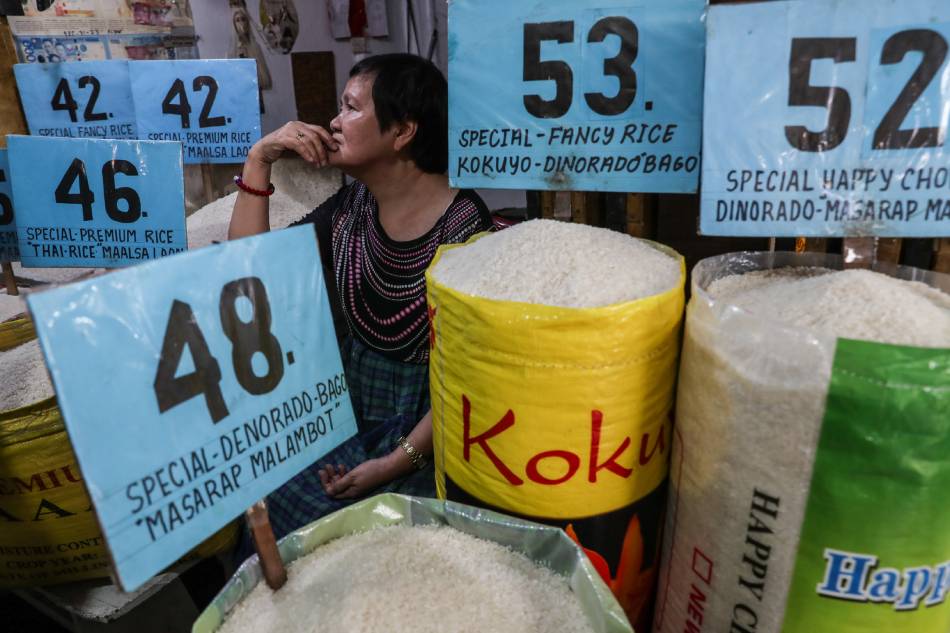
By Nantoo Banerjee from Manila It may be seen as an irony of fate that the Philippines, a pioneer of the modern rice production technology helping some of the world’s major rice producers, including India, to become self-sufficient in paddy production, has itself become the world’s biggest rice importer. For the third successive year, the […]

OPPO enhances ColorOS 15 with Google’s leading AI capabilities ColorOS 15 will include the Google Gemini app and Circle to Search with Google on OPPO devices SHENZHEN, CHINA – Media OutReach Newswire – 19 November 2024 – OPPO is bringing advanced AI experiences, Google Gemini, and Circle to Search with Google, to its upcoming ColorOS 15. “With ColorOS, our goal has always been to create an easy-to-use, […]

A Hong Kong court has sentenced over 30 prominent pro-democracy activists to prison terms ranging from four to ten years in what has been described as the largest national security case since the imposition of the Beijing-backed security law in 2020. The sentences, handed down on Tuesday, mark a significant moment in the city’s ongoing crackdown on dissent, further diminishing hopes for political freedoms that once defined […]

By Dr. Nilanjan Banik Donald Trump made history by winning a larger share of Black and Hispanic votes compared to 2020, and by becoming the first since George W. Bush to win based on popular votes. There had already been indications of Trump winning, although not by such a decisive margin. Initially, the US betting […]

By Nitya Chakraborty The interim Government of Bangladesh which took office on August 8 this year completed its first one hundred days on November 16. On this occasion, head of the interim Government Dr. Muhammad Yunus in a televised address to the nation on Sunday urged the people to keep patience and promised road map […]

Thought Pennies, a game studio specializing in role-playing games with a social storytelling approach, has reduced its workforce following a change in direction by its publishing partner. The studio, founded in 2020 and known for its innovative approach to collaborative narratives in gaming, has faced a setback as it navigates industry challenges. The layoffs affected key creative personnel, including the art director, producer, and design director, reflecting […]

Bitcoin’s mining difficulty, a crucial metric in the cryptocurrency ecosystem, has reached an all-time high of 102.29 trillion, underscoring the increasing computational power required to validate transactions and secure the blockchain network. This development highlights the sustained interest and participation of miners, reflecting the robustness and security of Bitcoin’s decentralized architecture.

The mining difficulty, which adjusts approximately every two weeks, is a measure of the effort required to mine a new block. This mechanism ensures the consistent production of Bitcoin blocks despite fluctuations in the number of miners or their collective computational power. The latest adjustment represents a significant milestone, outpacing the previous record and marking a nearly 20% rise since mid-2024.

This surge aligns with a broader increase in Bitcoin’s hash rate, the computational power dedicated to mining activities. The hash rate also touched an all-time high of over 900 exahashes per second (EH/s) before stabilizing at around 730 EH/s. These metrics underscore the network’s resilience and scalability, even as it attracts new participants globally. The rise in difficulty and hash rate indicates the expanding network size and miner competition, which collectively enhance Bitcoin’s security.

Market analysts attribute this growth to advancements in mining hardware and the increasing accessibility of energy-efficient mining solutions. Several companies have launched next-generation mining equipment that optimizes energy consumption, making mining operations more feasible even in regions with higher electricity costs. Furthermore, large-scale operations in countries with renewable energy sources have played a pivotal role in driving these metrics upward.

Despite the technical advancements, Bitcoin’s price has seen fluctuations, peaking at $69,500 earlier this week before stabilizing around $66,500. This volatility, while common in the cryptocurrency market, does not seem to have deterred mining activities or network engagement. Instead, it reflects broader market trends and macroeconomic influences, including regulatory developments and shifts in institutional adoption.

Analysts suggest that the climbing difficulty and hash rate signal confidence in Bitcoin’s long-term viability. As the mining landscape evolves, these metrics also emphasize the growing decentralization and security of the blockchain. With more miners entering the ecosystem, the network becomes more robust against potential threats, reinforcing its position as a leader in the cryptocurrency sector.

Exclusive Trade Masterclass with Tim Mondavi at High House SINGAPORE – Media OutReach Newswire – 19 November 2024 – Monopole is proud to host a Trade Masterclass at High House, welcoming the legendary winemaker Tim Mondavi’s visit to Singapore. Tim shares his secret to redefining Napa—revealing his journey from establishing Continuum Estate to creating an iconic new chapter with Continuum and Novicium. With this, he is breaking […]

Survey discovers 85% Shopee Affiliates promote local brands more than half of the time, with high local audience engagement rates the key to success KUALA LUMPUR, MALAYSIA – Media OutReach Newswire – 18 November 2024 – While excitement lingers among shoppers and local sellers after Shopee’s 11.11 Big Sale, Shopee Affiliates continue to drive engagement towards local sellers across Malaysia. In fact, 97% of affiliates expressed strong […]

VISHNU RAJA
RYO YAMADA
HITORI GOTOH
IKUYO KITA