News related to
Since

Arabian Post Staff -Dubai Nothing has launched its Phone, marking a strategic leap into the flagship smartphone market with a starting price of $799. The device is slated for pre-orders on 4 July and will ship globally on 15 July, including US, UK and European markets. Equipped with a Snapdragon 8s Gen 4 chipset paired with up to 16 GB RAM and 512 GB storage, the Phone positions itself against premium models […]

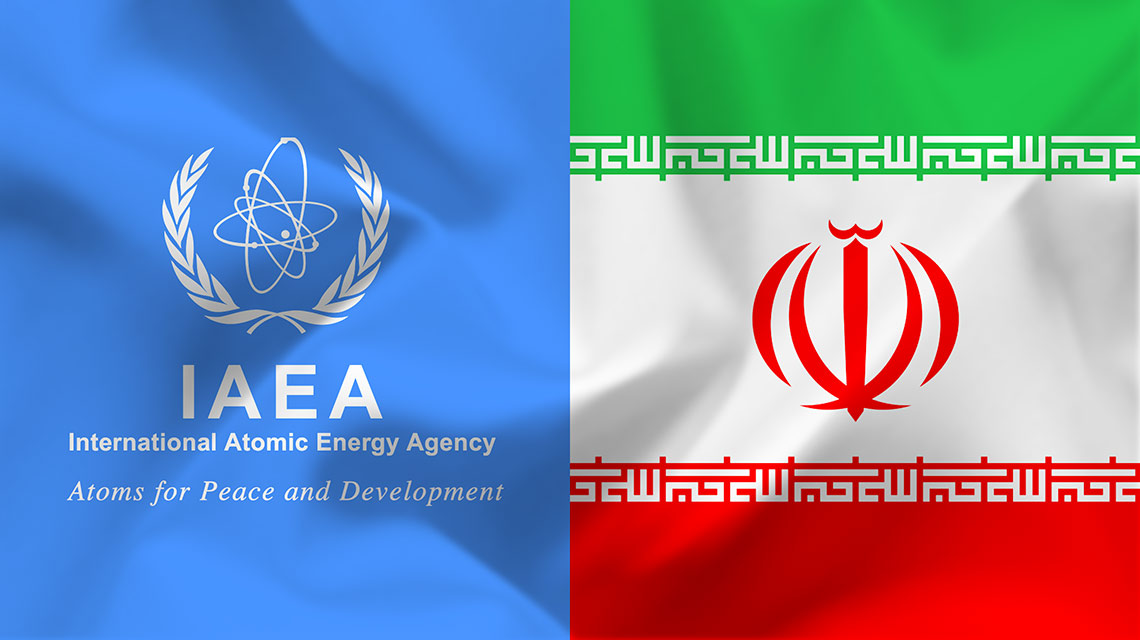
A deepening rift between Iran and international nuclear inspectors marks a turning point in Tehran’s approach to its atomic programme and signals a complex challenge for global diplomacy. Iran has formally suspended cooperation with the International Atomic Energy Agency, severing communication channels and obstructing inspections, in the wake of U.S. and Israeli military strikes on its nuclear sites.

The move was set in motion on 23 June when Iran’s parliamentary national security committee approved a framework for halting camera installation, inspections, and reporting to the IAEA unless the “security of nuclear facilities is guaranteed”. The legislation was ratified by the Guardian Council on 26 June and now awaits signature from President Masoud Pezeshkian. Parliamentary speaker Mohammad Bagher Ghalibaf justified the step, stating that cooperation should resume only when IAEA activity ceases to endanger facilities.

Iran has since implemented the decision, reportedly blocking emergency channel calls from the IAEA’s Vienna headquarters. According to a Bloomberg report, once the Incident and Emergency Centre had been in sustained dialogue since 13 June, communication has now dwindled to silence.

The suspension has intensified global worry over what happened at Fordow, Natanz and Isfahan nuclear sites that were struck in late June by U.S. and Israeli forces. Satellite imagery indicates significant damage, and the UN nuclear chief Rafael Grossi described the destruction as “enormous”, stating that centrifuges at Fordow are no longer operational. Iranian Supreme Leader Ayatollah Ali Khamenei dismissed the strikes as theatrics, displaying defiance in his first address since a ceasefire with Israel, while the IAEA has received no formal notification from Tehran about the halt.

Inspectors face a dual challenge: assessing bomb damage and reconciling it with actual uranium stockpiles. Reuters reports that uncovering whether enriched uranium was destroyed, buried in debris or clandestinely moved will be “long and arduous”. IAEA chief Grossi noted Iran informed him on 13 June it had taken measures to protect nuclear materials — raising the possibility that uranium was relocated before the bombings.

A senior diplomat cautioned that verifying the fate of enriched stocks will require extended forensic and environmental analysis. Analysts highlight that these uncertainties, coupled with Iran’s growing 60 percent enriched uranium stockpile — now surpassed 400 kg — raise proliferation concerns. Iran stands as the only non-nuclear-weapons state to produce such highly enriched material.

The crisis threatens to undermine the Nuclear Non-Proliferation Treaty. Experts warn that Iran’s rejection of oversight and potential expansion of enrichment capabilities could erode confidence in international safeguards and spark similar behaviour in other states.

Tehran counters that it remains compliant with its obligations, defending the withdrawal as a sovereignty measure and accusing the IAEA of complicity in aggression. Russian foreign minister Sergey Lavrov urged Iran to maintain IAEA cooperation. German officials echoed this sentiment, appealing for de-escalation and finer calibration.

U.S. and Israeli intelligence contend the strikes brought Iran’s enrichment efforts to a standstill, yet stop short of describing them as complete obliteration. Donald Trump claimed the attacks eliminated any need for a new nuclear deal, yet leaked U.S. intelligence suggests only a short-term delay of a few months.

Disruption of IAEA activities follows a pattern of mounting distrust. The agency censure on 12 June marked the first formal finding of non-compliance by Iran in two decades. Tehran subsequently announced expansion of enrichment infrastructure, including a third site and advanced centrifuges.

This standoff adds complexity to diplomatic efforts. Indirect U.S.–Iran negotiations held from April to June in Oman and Rome collapsed when Israel struck nuclear facilities on 13 June. Although Washington has signalled readiness to resume dialogue, Iran’s decision to suspend IAEA cooperation adds another layer of mistrust.

The prospect of tracking uranium movements amid top-secret relocation efforts, inaccessible bombed sites, and blocked communications has created a labyrinthine challenge. Inspectors and intelligence agencies alike face a “cat-and-mouse” hunt for clarity in rubble and uncertainty. Continued monitoring and a potential return to diplomatic channels will be vital in determining whether the inspection suspension is temporary or signals a more fundamental shift in Iran’s nuclear stance.

Cloud accounting is software for managing financial records that operates online. Unlike traditional on-premise solutions, you don’t need to install programs on your computer — just a browser and internet access. All data is stored on secure servers, allowing you to access your accounting anytime, from any device. In the UAE, the digital economy is rapidly growing, and the government supports businesses adopting modern technologies. Cloud accounting […]

By Nitya Chakraborty Prime Minister Narendra Modi faces a tough task in improving India’s image as defender of the interests of Global South at the coming meeting of the BRICS at Rio de Janeiro in Brazil on July 6 and 7 which he will be attending. The 17th BRICS summit will be hosted by Brazil […]

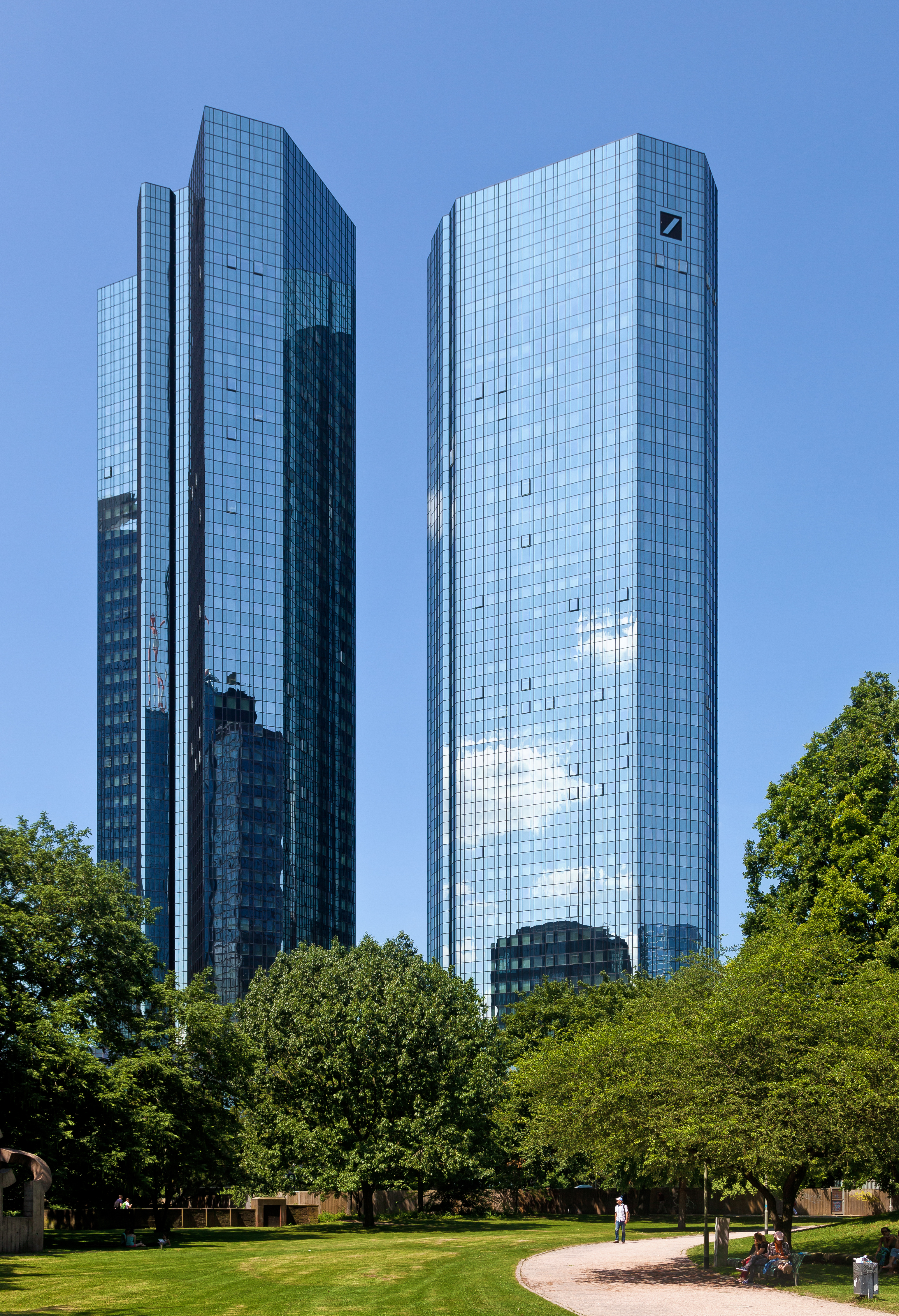
Deutsche Bank is set to roll out a digital assets custody service in 2026, joining forces with Bitpanda Technology Solutions and deepening its existing alliance with Swiss fintech Taurus SA.

Aimed at institutional and corporate clients, the bank’s custody offering is built on two pillars: custody and tokenisation capabilities powered by Taurus SA, and the digital infrastructure from Bitpanda’s technology arm. Taurus has been the backbone of Deutsche Bank’s digital asset efforts since 2023, and the integration with Bitpanda is expected to significantly expand operational capacity.

Inside sources familiar with the initiative confirm that launch preparations are already underway, with a projected go-live in early 2026. The move reflects Deutsche Bank’s view that tokenised assets could become a fundamental component of the financial ecosystem, aligning with growing projections that this market could reach hundreds of billions by the end of the decade.

Taurus SA—positioned as a leader in digital asset infrastructure—provides enterprise-grade cold, warm and hot custody solutions, along with tokenisation services that Deutsche Bank will leverage. As noted by Taurus co‑founder Lamine Brahimi in 2023, the match between the Swiss firm’s infrastructure and Deutsche Bank’s scale was a critical factor in formalising their initial partnership.

Meanwhile, Bitpanda’s technology unit will contribute real‑time, scalable digital asset operations. The Vienna‑based firm, which supports more than 4 million users across Europe, already offers regulated trading and custody services for cryptocurrencies, stocks, ETFs and commodities. Deutsche Bank’s adoption of Bitpanda’s tech could enable graduated access to a broader swathe of tokenised assets for its clients.

The partnership builds on Deutsche Bank’s cautious but steady progression into the digital asset landscape. Already serving as the banking partner for Bitpanda’s German IBAN services—and integrating Bitpanda’s platform for retail payments—Deutsche Bank has maintained a conservative stance, ensuring compliance and risk protocols are robust. According to Ole Matthiessen, global head of cash management, the bank only engages with well‑regulated platforms that meet strict compliance standards.

Deutsche Bank’s ambitions extend beyond custody. It is exploring stablecoins, tokenised deposits, and potential issuance, reflecting a broader strategy to anchor its digital asset business across the value chain. The bank’s head of digital assets, Sabih Behzad, highlighted the options ranging from reserve management to issuing stablecoins, whether solo or in consortiums.

Industry insiders point to looming regulatory clarity—particularly in Europe under MiCA and in the U.S.—as a driving force behind institutional adoption. PwC projects that tokenised assets could swell from around $40 billion today to over $317 billion by 2028, reflecting an appetite for innovation tempered by oversight.

Deutsche Bank’s strategy appears calibrated: building momentum in custody while evaluating tokenised product launches. This dual approach affords adaptability with measured risk—a model that mirrors its cautious adoption of Bitpanda’s IBAN service and Taurus custody tech.

Analysts suggest that established banking institutions will need to offer multi-custodial and tokenisation services if they are to remain relevant in a changing market. As global custodians like BNY and JP Morgan enhance real‑time asset transfer and tokenised solutions, Deutsche Bank’s 2026 launch will position it alongside peers seeking to modernise legacy models.

Deutsche Bank’s custody initiative arrives at a pivotal time. Regulatory frameworks for digital assets are crystallising, and institutional allocations to tokenised securities and stablecoins are gaining traction. Completion of the Bitpanda‑Taurus integration will be a critical milestone, forming the technological foundation of the service.

With momentum gathering, competition is intensifying. Other major banks—such as Banco Santander—are also evaluating stablecoins and custody offerings. At the same time, fintech stand‑alone firms are aggressively scaling in tokenised markets.

Yet Deutsche Bank brings two powerful advantages: it merges legacy banking infrastructure with cutting‑edge digital asset platforms and does so through meticulously selected partnerships. If its 2026 custody service delivers on promised security, compliance and efficiency, it could redefine institutional trust in the tokenised era.

Binance now commands a staggering 87 per cent of global taker futures volume, overshadowing all other platforms combined. OKX, Deribit, BitMEX and Bybit together account for just 10 per cent, underscoring Binance’s extraordinary grip on the derivatives market.

Liquidity advantages explain this dominance. Binance routinely records 24‑hour futures volumes exceeding US$50 billion and open interest of similar scale, dwarfing competitors. Such vast trading depth appeals to institutional players and retail investors alike, reinforcing Binance’s centrality in price discovery and leverage trading.

Data from on‑chain analytics firm CryptoQuant notes that Binance alone accounts for 87 per cent of global taker buy volume. This metric tracks market‑order consumption of liquidity, a key indicator of exchange activity in fast‑moving markets. Analysts say this dominance not only reflects Binance’s scale but also amplifies its influence on global derivatives flows.

While Binance’s dominance is clear, other exchanges continue to carve out niche roles. Bybit holds steady as the second largest player in perpetuals, and OKX remains a major competitor for altcoin futures. Deribit continues its leadership in the Bitcoin options space, though its slice of futures volume remains small in comparison.

Regulatory scrutiny, however, poses threats to Binance’s hegemony. The exchange has confronted legal challenges across multiple jurisdictions, including high‑profile cases in the US, UK, Canada, Belgium and Nigeria. While a US plea agreement in late 2023 imposed a US$4‑billion fine and saw Changpeng Zhao step aside, Binance has since implemented compliance reforms and launched regional ventures to navigate regulatory barriers.

Despite regulatory headwinds, Binance’s infrastructure remains formidable. Its capacity to offer up to 125× leverage on Bitcoin futures, along with hundreds of perpetual and quarterly contracts, attracts traders seeking high‑speed, high‑stakes strategies. The exchange also sustains deep liquidity across both USDT‑margined and coin‑margined instruments, further cementing its appeal.

Market observers flag potential risks in concentrated market power. Binance’s outsized role means shifts in its taker behaviour can reverberate across crypto markets. A recent dip in Binance’s taker buy/sell ratio to below 1.0—while other platforms remained net buyers—sparked concern that Binance‑driven selling pressure could herald broader price corrections.

Still, Binance’s dominance exerts a self‑reinforcing effect. Traders aim to engage where order books are deepest and execution is fastest—creating a virtuous cycle that keeps Binance at the centre. For competitors, gaining even modest gains in market share requires overcoming Binance’s head start, deep pockets and global reach.

Looking ahead, industry watchers see Binance’s influence persisting as long as it maintains technical robustness, product innovation and competitive fees. Rival exchanges are stepping up with new offerings—such as OKX’s grid trading bots, Bybit’s aggressive funding strategies, and Deribit’s options liquidity—but their futures volume remains dwarfed.

Legendary Italian chef Umberto Bombana joins forces with the Executive Chefs of his Macau and Shanghai restaurants to celebrate the season of Australian Black Truffle and award-winning wine list at 8½ Otto e Mezzo BOMBANA at Galaxy Macau MACAU SAR – Media OutReach Newswire – 1 July 2025 – Galaxy Macau™, the world-class luxury integrated resort, stands as a premier culinary destination with its exquisite and diverse […]

Advertisements

Abu Dhabi’s population surged by 7.5 per cent in 2024, reaching 4,135,985, fresh figures from the Statistics Centre – Abu Dhabi reveal. This marks a 51 per cent increase since 2014, reinforcing the emirate’s status as a magnet for global professionals and investment, outpacing many established financial centres. That population increase was driven by a 9.1 per cent expansion in the workforce, with professional roles rising 6.4 per cent. The demographic profile shows 54 per cent of […]

Autoworld International FZCO is investing AED 45 million to construct a 162,000 sq ft logistics and assembly hub in Dubai’s Jebel Ali Free Zone, aiming to strengthen its distribution of Bajaj two‑ and three‑wheelers across the Middle East and Africa. Slated for completion by 2026, the facility will incorporate an assembly line for motorcycles and auto‑rickshaws, alongside dedicated storage for spare parts, tyres and lubricants. The hub also positions the company to […]

Saudi Arabia’s Public Investment Fund posted a 60 per cent plunge in net profit for 2024, even as its assets surpassed the US $1 trillion mark, the fund disclosed on 30 June. The drop came amid persistent high interest rates, inflationary pressures, and a wave of impairments tied to escalated costs and shifting operational plans.

Net income dwindled to 25.8 billion riyals, down sharply from 64.4 billion riyals in the prior year. This contrast underscored the divergence between headline growth and bottom‑line volatility within Saudi Arabia’s principal engine for economic diversification.

Assets under management rose by 18 per cent to 4.321 trillion riyals, up from 3.664 trillion riyals in 2023. The surge came largely from fresh capital injections, including transfers from oil‑linked revenues, plus appreciation in existing holdings, particularly in domestic champions such as Saudi Aramco and Saudi National Bank.

Yet, comprehensive income—an accounting measure that factors in unrealised gains and asset revaluations—tipped into negative territory, registering a 140 billion riyals loss following a gain of 138.1 billion riyals the previous year. The swing reflected deep writedowns, tied to project revaluations across the PIF’s footprint.

Monica Malik, chief economist at Abu Dhabi Commercial Bank, attributed the downturn in part to recalibration of investment strategies. She highlighted how “prioritisation of some projects and the extension in the timelines of some giga projects could have been a factor for the impairments,” and pointed to rising costs as another pressure point.

Among these giga‑projects is NEOM, an ambitious urban megacity on Saudi’s Red Sea coast. Backed by hundreds of billions of dollars in PIF funding, NEOM remains central to the fund’s strategy, though its scale and timeline have been under increased scrutiny amid cost inflation and changing economic dynamics.

Cash reserves stood firm at 316 billion riyals, while group loans edged up to 570 billion riyals, signalling ongoing borrowing to propel expansions. This reflects PIF’s dual posture: aggressive investment on one hand, and debt financing on the other.

Historically, PIF has been pivotal to Saudi Arabia’s Vision 2030 programme—Crown Prince Mohammed bin Salman’s blueprint to reduce national dependence on oil by building world‑class tourism, tech and renewable sectors. Since 2015, the fund’s remit expanded from passive equity holdings to sovereign‑directed mega‑investments. By end‑2024, PIF had amassed over US $1 trillion in assets, bolstered by successive Aramco asset transfers.

Its investment portfolio spans global holdings—Uber, Boeing, Disney—and domestic ventures like Qiddiya, the Red Sea luxury resort and NEOM. The fund also pursued high‑profile investments, including planned stakes in Heathrow Airport and European hotel chains. Overseeing this expansion has drawn both political and governance scrutiny, reflecting complex trade‑offs under Saudi rules.

Despite today’s profit contraction, the growth in assets cements the fund’s scale and influence. Dividends from Aramco and SNB now fuel a substantial portion of PIF’s recurring income, augmenting returns from non‑oil investments.

The portfolio writedowns—particularly impairments linked to escalated project outlays—underline broader macroeconomic challenges. High global interest rates have upped the cost of capital for long‑gestating developments, while inflation has pushed construction, labour and materials costs upward. PIF’s balance sheet has borne both pressures.

Operating amid this headwind, the fund has begun recalibrating timelines and reprioritising capital deployment. Malik’s comments suggest PIF faces a complex balancing act: stewarding mega‑projects while preserving fiscal discipline. Illiquidity risk, rising debt and market exposure also feature in ongoing risk assessments.

In parallel, PIF is broadening its footprint via bond issuances and global partnerships. According to finance industry disclosures, it is preparing a seven‑year sukuk targeting US $1.25 billion in proceeds. Such moves signal evolving financing strategies that complement traditional government funding and cash reserves.

Central to this outlook is Vision 2030. Despite the profit slump, PIF retains its mandate to catalyse non‑oil economic sectors, from tourism to tech to renewable energy. Arab regional peers have pursued similar diversification, but few match PIF’s scale. The fund’s willingness to shoulder large‑scale writedowns may reflect long‑term thinking: strategic build‑out today, stabilised returns in future decades.

Global investors and markets will likely watch upcoming quarterly and full‑year data for signs of recovery or further calibrations. Rising global interest rates remain a wildcard. Additionally, cost overruns in mega‑projects may prompt sharper scrutiny and public debate about deliverables.

PIF’s holding company, chaired by the Crown Prince, retains political backing, but governance observers continue to emphasise improved transparency and oversight. The fund’s decisions now carry wider implications: not just for returns, but as a barometer for Saudi Arabia’s Long‑Term economic strategy.


Chinese automakers secured a record share of Europe’s hybrid-car segment in May, commanding more than 9% of hybrid sales and an equivalent share of the electric-vehicle market, according to Dataforce. Including internal-combustion models, Chinese-branded registrations surpassed 5% of Europe’s new-car market—an unprecedented milestone. This surge is driven by brands like BYD and SAIC’s MG, which continue to reshape the continent’s automotive landscape.

China’s push into Europe is gaining momentum, with JATO Dynamics reporting that Chinese brands more than doubled their overall market share in May to 5.9%, up from 2.9% a year earlier. These gains are occurring despite EU import tariffs on Chinese battery EVs, which have prompted manufacturers to pivot towards plug-in hybrids and full hybrids—segments not subject to tariffs.

MG held its position as Europe’s top-selling Chinese marque in May, registering 29,400 vehicles, a 30% increase year-on-year. BYD’s growth was even more dynamic, with registrations skyrocketing by nearly 400%, lifting it to just 40 units shy of Tesla’s European sales during the month.

Electric vehicle registrations across the EU rose 25% year-on-year in May, reaching 142,776 units. Plug-in hybrids saw an even sharper surge, up nearly 47% to 87,301 units. Increased consumer appetite for hybrids has powered Chinese-branded sales, enabling brands to bypass non-EV tariffs while entering the market with competitive pricing.

BYD’s strategy appears effective. Dataforce identifies that Chinese-led auto makers captured 8.9% of Europe’s EV market in April—the highest share since the summer of 2024. In addition, BYD’s global sales figures show strong overseas traction, with 89,047 new-energy vehicles shipped to international markets in May, marking a sixth consecutive record month. Notably, BYD’s total NEV sales hit 382,476 in May, reflecting a 15% year-on-year increase.

European consumers are responding to Chinese offerings that combine affordability, feature-rich builds, and tariff-smart powertrains. In-car digital features, such as BYD’s karaoke system or advanced infotainment, are often cited by analysts as differentiators. Models such as BYD’s Seal U, Dolphin, MG’s ZS hybrid, and MG3 urban hybrid are winning particular attention. The Seal U has shifted about 12,400 units this year to date; the Dolphin EV saw around 4,500 sales in the same period. MG’s ZS hybrid, priced at approximately £30,000, has outsold Tesla’s Model Y in early 2025, while the MG3 hybrid has added another 15,200 units to MG’s tally.

Tesla’s foothold in Europe is diminishing. EV registrations for Tesla fell 28% in May to 14,055 units, and the brand has now seen five straight months of declining sales in the region. Tesla’s European market share has dropped from 1.6% to under 1%, with significant year-on-year decreases—45.2% in the EU and 37.1% in the wider region including the UK and Switzerland.

Beyond BYD and MG, other Chinese manufacturers are making steady inroads. Brands like Chery, Jaecoo, Omoda, Geely-owned Polestar, and Leapmotor have launched models across Europe. Leapmotor’s T03 city EV, sold in partnership with Stellantis, registered about 2,500 units in early 2025. Polestar 4 delivery has doubled to over 9,000 units, a figure bolstered by its luxury EV market position. JATO data also highlights Chery affiliates Jaecoo and Omoda expanding beyond their initial markets, with Jaecoo registering 7,449 units and Omoda 4,213.

Chinese carmakers’ strategic pivot addresses barriers head-on. WardsAuto explains this shift from BEVs to hybrids as a direct response to both EU tariffs and growing demand for PHEVs. PHEV sales in Europe surged by 534% year-on-year, while BEVs rose 41%. Around a third of Chinese-sourced registrations now utilise hybrid powertrains.

European brand loyalty is being reshaped. The global proliferation of Chinese NEVs is contributing to Europe’s EV sales reaching record 1.6 million units by May—27% ahead of last year—with massive growth in southern Europe, including a 72% increase in Spain. Analysts caution that without swift adaptation in pricing, tech, and product strategy, legacy European brands risk further erosion of market share through the 2030s.

While European consumers are warming to Chinese vehicles, an EU probe into state subsidies lingers, casting a strategic shadow. China denies allegations. For now, market data reveals that Chinese automakers have formulated a dual-pronged approach—introducing advanced PHEVs and hybrids to outflank tariffs and strategically pricing BEVs for maximum impact.

This acceleration of Chinese brands in Europe is reframing competition. BYD’s quadrupling of sales over four months and MG’s expanding dominance among Chinese marques demonstrate a transformative shift. Tesla’s slowdown and mounting EV and hybrid demand mark a turning point—one in which Chinese manufacturers are not just participants, but increasingly prominent shapers of Europe’s automotive future.

Google has entered a landmark 200‑megawatt power purchase agreement with Commonwealth Fusion Systems, in what is being hailed as the world’s first corporate direct offtake of fusion energy. The power will be supplied by CFS’s ARC fusion reactor, planned for a site in Chesterfield County, Virginia, a critical data‑centre hub. Under the agreement, Google will also boost its equity stake in CFS, matching its commitment from a […]

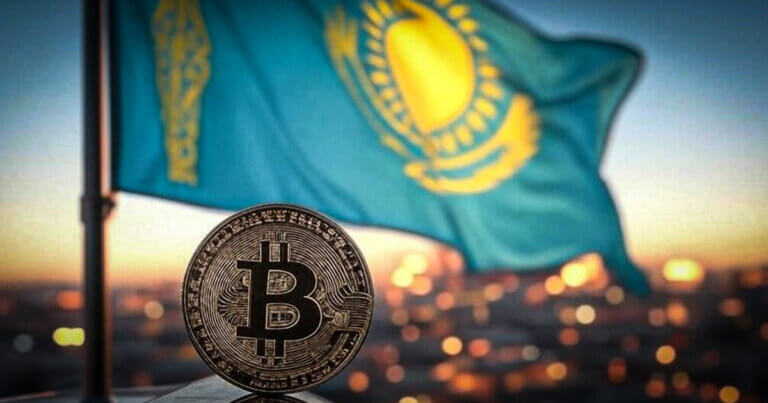
Kazakhstan’s National Bank, under its chairman Timur Suleimenov, is taking steps to build a state-held cryptocurrency reserve managed by a subsidiary entity, following international sovereign fund practices. The proposal outlines funding sources that include confiscated crypto-assets and coins mined through ventures with state participation—measures aimed at enhancing governance and stability within the digital asset ecosystem.

The National Bank is developing a comprehensive framework for the reserve’s formation and administration, emphasising transparency and institutional safeguards. It plans to enshrine in law both the status of the reserve and the protocols for deposit and use, with draft legislation to be submitted to parliament for approval.

Suleimenov highlighted that the envisioned affiliate would follow global norms for sovereign funds, ensuring robust accounting, secure storage, and resilient governance structures. The legal amendments under discussion would affirm the reserve’s legal standing and empower authorities to handle crypto-assets seized under law as well as profits generated from state-linked mining operations.

The banking chief stressed the importance of centralised institutional oversight, noting the high volatility and vulnerability of crypto-assets. Centralisation, he said, is key to mitigating risks such as market fluctuations or cyber threats.

This effort is part of a wider regulatory overhaul targeting cryptocurrency flows. Under proposals by the Ministry of Digital Development, draft laws would impose criminal and administrative liability on grey‑market trades, require licences for investment advisers, and curb unlicensed exchanges and misleading crypto promoters—many of whom target younger investors.

Parliamentary deputies have endorsed the overarching concept. One lawmaker, Kuspekov, recommended creating a “national digital reserve” at the central bank to anchor confiscated digital assets and tighten financial controls. He also urged strengthened due diligence by banks, prohibition of unlicensed crypto platforms, and mandates for licensed investment coaches.

These developments follow a surge in legislative activity since May. The National Bank has proposed amendments defining legal status for digital assets, licensing for crypto exchanges outside the Astana International Financial Centre, and a regulatory sandbox for testing digital services. The objective is to restore confidence in Kazakhstan’s crypto sector after capital flight estimated at US$15 billion last year.

Timur Suleimenov, appointed as National Bank chair in September 2023 and former minister of national economy, has emphasised institutional integrity and macroeconomic resilience. He recently noted that international reserves reached US$104.7 billion at end-2024, bolstered by gains in gold and foreign-exchange holdings.

The crypto reserve initiative appears aligned with broader state efforts. Issuance of AIFC‑backed crypto payment cards was piloted in early June by major banks including Halyk Bank, Forte and Altyn Bank—allowing consumers to instantly convert digital assets into fiat currency for everyday purchases.

The Ministry of Digital Development has proposed the creation of a crypto reserve as a digital asset repository to support the national digital economy. This official endorsement underscores the government’s increasing interest in integrating digital assets within its fiscal infrastructure.

Central to this initiative are practical mechanisms that remain under review. The National Bank is working with law-enforcement agencies and other government bodies to outline operational procedures, compliance norms and asset custody arrangements.

Eight‑year‑old Gavin Batarse, CEO of Glove Wrap, secured a $50,000 investment from Mark Cuban and Michael Rubin on the US ‘Shark Tank’ stage for his ingenious sports glove accessory. The lightweight elastic band, costing just $3 to produce and retailing at $19.99, simplifies the process of breaking in baseball, softball or hockey gloves by holding a ball in place until a perfect pocket is formed. Gavin pitched […]

Al Mal Capital REIT, listed on Dubai Financial Market, is launching a follow‑on public offering to raise up to AED 242 million by issuing as many as 220 million new units at AED 1.10 per unit, subject to Securities and Commodities Authority approval. The subscription period runs from 7 to 25 July, with trading of the newly issued units slated around 8 August, pending the necessary regulatory clearances. Proceeds from the sale will be […]

Bhutan has become the first country to integrate cryptocurrency payments across its entire tourism infrastructure, enabling visitors to use Binance Pay for everything from booking flights and paying visa fees to purchasing local goods in rural areas. The system, implemented in partnership with Binance Pay and fully digital DK Bank, supports over 100 cryptocurrencies—including Bitcoin, Binance Coin and USD Coin —and is accepted at more than 100 merchants nationwide.

Tourists can complete transactions via static or dynamic QR codes, with DK Bank instantly converting crypto payments into Bhutanese ngultrum, avoiding volatility for merchants and eliminating traditional card fees. Real‑time confirmations, two‑factor authentication, encryption, and zero gas fees ensure a secure and efficient experience. Department of Tourism director Damcho Rinzin emphasised that the solution “empowers even small vendors in remote villages to participate in the tourism economy”.

The initiative aligns with Bhutan’s broader strategy of embedding digital assets into its economy, which already includes green Bitcoin mining powered by hydropower. With a cryptocurrency reserve worth over US$600 million and bitcoin holdings exceeding 12,000 BTC, Bhutan aims to leverage its carbon‑neutral energy for economic diversification and sustainable growth.

Binance CEO Richard Teng described the partnership as “setting a precedent for how technology can bridge cultures and economies”, reflecting a vision that blends tradition and digital innovation. The kingdom’s emphasis on Gross National Happiness underpins this move: by making tourism more accessible and inclusive, Bhutan hopes to reinforce community wellbeing and economic opportunity across all regions.

Bhutan’s payments infrastructure ties into existing efforts to tackle youth unemployment—estimated at between 16.5 % and 19 %—and brain drain by cultivating jobs in blockchain, AI, and fintech. Since 2019, the sovereign wealth fund Druk Holding and Investments Ltd. has mined cryptocurrencies using surplus hydropower, channelled gains into public salaries, and fostered youth training to build a future-proof economy.

Initial adoption has drawn participation from boutique hotels, tour operators, and rural artisans. By enabling markets in Thimphu and remote mountain villages to accept digital payments without traditional banking hardware, the system extends financial inclusion where it has been limited. Analysts note that reducing transaction friction and foreign‑exchange costs is likely to enhance Bhutan’s appeal to digital‑savvy travellers and boost tourism revenues.

Bhutan’s model emerges amid a global rise in crypto‑enabled travel. Nations such as Thailand and El Salvador have piloted tourism payments, but Bhutan’s national‑level implementation is unprecedented. The country also plans major future investments, including expanding hydropower from 3.5 GW to an estimated 15 GW over the next decade and exploring smart‑city projects like Gelephu Mindfulness City to further embed digital and green infrastructure.

Challenges remain. Regulatory clarity for cryptocurrencies in Bhutan is still evolving, and full infrastructure rollout in remote areas will test logistics and connectivity. Moreover, sustainability will depend on maintaining the balance between technological advancement and the country’s core value of environmental stewardship.

Exhibiting at IVS Startup Market to Showcase Advanced Water DX Solutions TOKYO, JAPAN – Media OutReach Newswire – 30 June 2025 – Tenchijin Inc., a space-tech innovator revolutionizing sustainable water infrastructure management, today announced it has been selected as one of 15 finalists for IVS2025 LAUNCHPAD from over 350 global applicants. The company will also exhibit at the “IVS Startup Market” during the three-day conference (July 2 […]

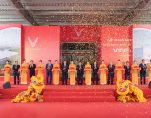
HÀ TĨNH, VIETNAM – Media OutReach Newswire – 29 June 2025 – VinFast has officially inaugurated its electric vehicle (EV) manufacturing plant in Hà Tĩnh, located in the Vũng Áng Economic Zone, less than seven months after construction began. Spanning 360,000 square meters and with a designed capacity of 200,000 vehicles per year, this marks VinFast’s fifth manufacturing facility worldwide, highlighting the Vietnamese brand’s remarkable execution speed […]

Demand for physical gold is diverging sharply across regions, with US investors cashing in on their bullion holdings while Asian buyers ramp up their purchases. Data shows US retail demand for gold bars and coins dropped to roughly 19.3 tonnes in the first quarter of 2025 — a five‑year low, down 22% year‑on‑year — as Americans took advantage of record prices to realise gains. Meanwhile, in Asia, […]

A sharply rising trend in India’s share markets is encountering resistance from multiple fronts, prompting increasing scrutiny over its sustainability. Benchmark indices have enjoyed roughly a 14 per cent rally over the past six months, invigorating initial public offerings and share sales. Yet, foreign investors have been net sellers to the tune of US$10 billion this year, triggering alarm among market watchers.

The spike in corporate fundraising—from HDB Financial Services and others—has elevated supply to near record levels, raising the prospect of a correction should demand fail to keep pace. With IPOs totalling around US$1.75 billion launching this week and dozens more awaiting approval, promoters are cashing out aggressively. Companies such as British American Tobacco and Reliance Industries have conducted substantial secondary offerings, exacerbating the supply pressure.

Foreign institutional investors have pulled capital at a faster clip. Already offloaded nearly US$29 billion from Indian equities since October as they pivoted to China in search of stimulus-led returns. Over the January–March period, FPIs unwound ₹61,000 crore from the Indian market amid global headwinds, while June saw ₹8,749 crore in fresh outflows on escalating US–China trade friction and rising yields abroad.

The domestic funding round is proving insufficient to fill the gap. Domestic mutual fund inflows recorded a 13‑month low, signalling wavering local investor sentiment. The result: valuations are increasingly stretched, and analysts caution that the market may be overextending.

Oil price volatility adds another layer of risk. India’s dependence on imported crude leaves its markets vulnerable to geopolitical flare-ups. Experts warn that if Brent crude surpasses US$80 per barrel due to conflict in West Asia, inflation could spike and equity valuations may come under renewed selling pressure.

Offsetting these challenges are encouraging technical patterns. The market has recently broken out of a five‑week consolidation phase, with key indices like the Nifty approaching the 26,000 mark. Renewed investor interest in metals and chart‐based breakout signals have sparked fresh optimism. Improved global sentiment—including a cooling of trade tensions and reported progress in US–China negotiations—may underpin further gains if inflows resume.

Still, some analysts remain unconvinced of a robust economic shift. Growth indicators have softened and wage pressures remain muted. India’s cyclical revival is far from assured, with consensus calling for cautious optimism over the next 18–24 months. Delays in domestic reforms or widening global pressures could blunt momentum.

Tens of thousands gathered in Belgrade on Saturday to demand early parliamentary elections and an end to President Aleksandar Vučić’s 12‑year hold on power, prompting a heavy police deployment and tense confrontations. reuters.com apnews.com apnews.com Authorities stationed riot police in full gear around government buildings and Parliament, while supporters of the president camped in Pionirski Park, bolstering the political standoff. After the main protest ended at around […]

Senate Republicans have advanced a version of President Trump’s sweeping tax and spending bill that would accelerate the end of several clean‑energy incentives, prompting fierce criticism from Elon Musk, who warned the proposal threatens millions of jobs and harms future industries. The legislation aims to eliminate the federal $7,500 tax credit for new electric vehicles and a $4,000 credit for used models by September 30, 2025, and […]

Tesla has not formally announced plans to launch a smartphone, despite persistent online chatter. CEO Elon Musk has dismissed phone development as a low priority, describing it as “a lot of work” and saying he hopes the company never has to build one. Fact-checking organisations confirm that no credible media outlet has reported a Tesla phone release. Rumours of a “Tesla Pi Phone” or “Model Pi” have circulated […]

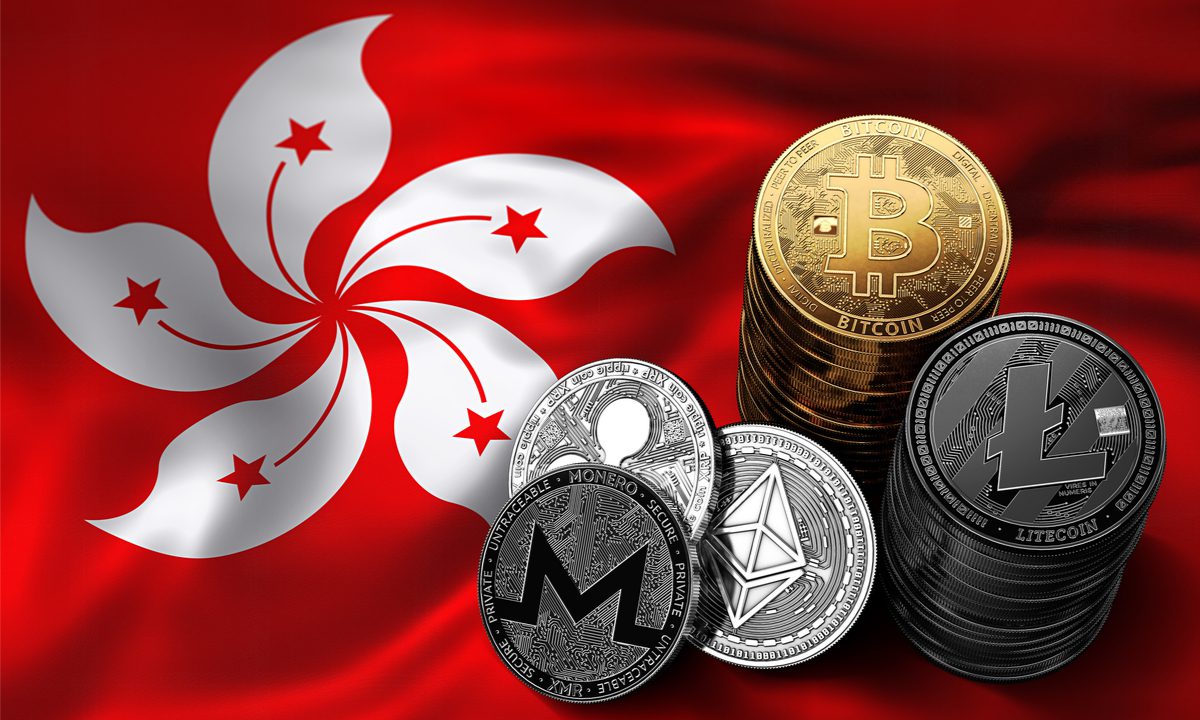
Hong Kong’s government on 26 June issued its Policy Statement 2.0 on the development of digital assets, signalling a decisive push to position the city at the forefront of the global crypto landscape. The statement introduces the comprehensive “LEAP” framework—Legal, Expand, Advance, People—underlining a mission to develop a trusted, innovative, and deeply integrated ecosystem for digital assets.

The regulatory reforms assign explicit oversight roles: the Securities and Futures Commission will licence digital asset exchanges, custodial and dealing services, while the Hong Kong Monetary Authority will govern bank-related activities in the sector. In addition, licensing regimes for stablecoin issuers and custodians are scheduled to commence on 1 August 2025, designed to strengthen anti‑money‑laundering safeguards, investor protection, and transparency in stablecoin issuance.

Central to Policy 2.0 is a commitment to tokenisation of traditional financial instruments and real‑world assets. The government will regularise issuance of tokenised government bonds, streamline stamp‑duty treatment for tokenised ETFs, and legislate to support tokenisation of assets such as precious and non‑ferrous metals, and renewable energy products. These bids aim to boost liquidity and broaden market access, aligning with existing initiatives such as the HK$6.8 billion in green bond token issuances since 2022.

Stablecoins also feature prominently, with proposals to pilot licensed stablecoins in public sector uses. Market consultation is seeking input on integrating these instruments into government operations and cross‑border payments, underpinned by stricter regulatory clarity. Tax incentives for private investment vehicles and family offices trading digital asset securities are expected in the 2025–26 fiscal year, aligning digital and traditional financial regimes.

International alignment is embedded in the blueprint. Hong Kong’s framework adheres to global standards—covering anti‑money‑laundering as per FATF, Basel Committee prudential supervision, IOSCO’s policy recommendations, and OECD crypto‑asset tax transparency measures. Complementary pilot schemes include HKMA’s “Project Ensemble” wholesale central bank digital currency trials, LME‑backed tokenisation of metal assets in Hong Kong warehouses, and a Cyberport‑sponsored incubator scheme to finance blockchain startups.

Since unveiling its original 2022 policy, the government has approved licences for over a dozen digital asset platforms, including nine trading licences and OTC frameworks, and supported tokenised bond issues by both government and corporate entities. Financial Secretary Paul Chan and SFC chief Julia Leung emphasise that this next phase marks a departure from pilot testing, transitioning toward institutionalisation and global competitiveness.

Industry leaders responded positively. Legal and compliance expert Cora Ang described the framework as “a strategic win” that aligns regulatory clarity with stablecoin and tokenisation growth. HashKey CEO Xiao Feng noted the city is entering a “new stage of maturity”, transitioning from sandbox environments to a substantive digital assets regime. Historical drivers such as the JPEX OTC fraud prompted regulators to enforce tighter custody and trading separation to protect investors.

Notably, fintech legal advisers in Hong Kong report surging demand. Firms are actively supporting issuance of tokenised gold and digital bonds, as banks like Bank of Communications and Zhuhai Huafa Group deploy digital debt instruments via licensed platforms. Meanwhile, legal specialists continue to advocate for derivatives, margin‑lending, and institutional frameworks targeted at professional investors.

Hong Kong’s strategic deployment of Policy 2.0 underlines a competitive counterbalance to rival jurisdictions such as Singapore, Dubai, and the US, each advancing their own crypto regulatory frameworks. The city’s alignment with global financial standards—alongside tailored incentives and public‑sector engagement—signals a comprehensive, forward‑leaning posture in digital asset finance.

VISHNU RAJA
RYO YAMADA
HITORI GOTOH
IKUYO KITA