News related to
Since

HONG KONG SAR – Media OutReach Newswire – 11 April 2025 – Hong Kong-listed International Entertainment Corporation (1009.HK)(IEC or the Company), a Manila-based casino and hotel operator, has struck a provisional licensing deal with the Philippine Amusement and Gaming Corporation (PAGCOR), pledging $1 billion USD to $1.2 billion USD to fuel its forward-thinking growth plans in the Philippines’ booming gaming sector. International Entertainment Corporation has struck a […]

Ajman Bank has divested its stake in Gulf Navigation Holding, concluding a series of direct share transactions valued at AED 173.4 million over the past month. Data from the Dubai Financial Market indicates that nine direct deals, each ranging between 2.6 million and 9 million shares, were executed since March 5. This move signifies the bank’s complete exit from its investment in the Dubai-based shipping company. Previously, […]

First Abu Dhabi Bank PJSC , the largest lender in the United Arab Emirates by assets, is undergoing another wave of executive departures as it implements a significant internal restructuring aimed at reinforcing its regional dominance and enhancing shareholder value. Chief Credit Officer Neil Barrable is stepping down less than a year after his appointment, citing personal reasons. Barrable joined FAB in June 2024 from HSBC Holdings […]

The European Union and the United Arab Emirates have agreed to commence negotiations for a bilateral free trade agreement, marking a significant shift in their economic relations. This development comes amid global trade uncertainties and reflects both parties’ desire to deepen ties across various sectors.

The proposed agreement aims to enhance trade in goods and services, investment, and collaboration in key sectors such as renewable energy, green hydrogen, and critical raw materials. The UAE described the pact as a pathway to deeper bilateral ties and economic growth, with benefits including tariff reductions, improved market access, and expanded opportunities in advanced manufacturing, healthcare, logistics, and artificial intelligence.

Currently, the EU is the UAE’s second-largest trading partner, representing 8.3% of its non-oil trade, while the UAE stands as the EU’s top export market and investment partner in the Middle East and North Africa. The deal also marks a strategic shift, as the UAE encouraged direct trade discussions with the EU outside of the broader Gulf Cooperation Council framework.

The UAE has been actively pursuing trade diversification, achieving a record 3 trillion dirhams in non-oil trade in 2024, marking a 14.6% increase from the previous year. This growth is part of the UAE’s strategy to spur economic growth through trade diversification. Since 2021, it has executed numerous Comprehensive Economic Partnership Agreements with countries such as India, Indonesia, Israel, and Turkey.

Off-plan property sales in Dubai surged 19.3% year-on-year in March 2025, underscoring sustained investor confidence in the emirate’s real estate sector, even as monthly figures registered a 7.4% decline compared to February. According to data from real estate consultancy ValuStrat, off-plan transactions accounted for nearly 70% of all residential deals during the month, reaffirming their dominant position in the market.

Jumeirah Village Circle led off-plan activity, followed by Business Bay, Damac Island City, Dubai Production City, and Dubai Maritime City. Notably, Dubai Production City and Uptown Motor City each recorded their highest-ever monthly volumes of off-plan sales, highlighting the growing appeal of emerging residential hubs.

While off-plan sales experienced a month-on-month dip, the broader market context remains robust. In February, off-plan registrations had increased by 22.2% compared to January, representing over 70% of total home sales. This upward trajectory aligns with the broader trend of rising demand for new developments, driven by attractive payment plans and anticipated capital appreciation.

The secondary market, meanwhile, showed mixed signals. Ready home transactions declined by 2.4% month-on-month in March but edged up 1.1% year-on-year. This suggests a stabilising trend in the resale segment, as buyers weigh options between immediate occupancy and investment in upcoming projects.

Dubai’s real estate market has been buoyed by a combination of factors, including population growth, limited new supply, and investor-friendly policies. In 2024, the city added over 170,000 new residents, the highest annual increase since 2018, while only 58% of the projected residential supply was delivered, equating to about 27,000 completed homes. This supply-demand imbalance has contributed to significant price increases across various property segments.

The ValuStrat Price Index reported a 27.5% annual rise in residential capital values by December 2024, with villas appreciating by 31.6% and apartments by 23.6%. Such growth has reinforced investor interest in off-plan properties, perceived as offering better value and higher potential returns.

Matein Khalid As I sensed a few hours after the NYSE opened on Liberation Day, the masters of the universe on Wall Street and the White House have knowingly ignited the mother of all Lehman/Liz Truss moments in the global capital markets. Like Shakira’s hips, my Bloomberg screen does not lie as it speaks to me in its ominous green phosphorescent flicker. ​The Volatility Index is once […]

HONG KONG SAR – Media OutReach Newswire – 11 April 2025 – Today, IX Asia Indexes announced the 2025 1st quarter review of ixCrypto Index Series. The constituent changes will be effective on 18th April 2025 (Friday) (“the effective date”). The results of the constituent review and exchange review are as follows: 1. Constituent Review – ixCrypto Index Series 1.1 ixCrypto Index (“IXCI”) The number of constituents […]

Advertisements
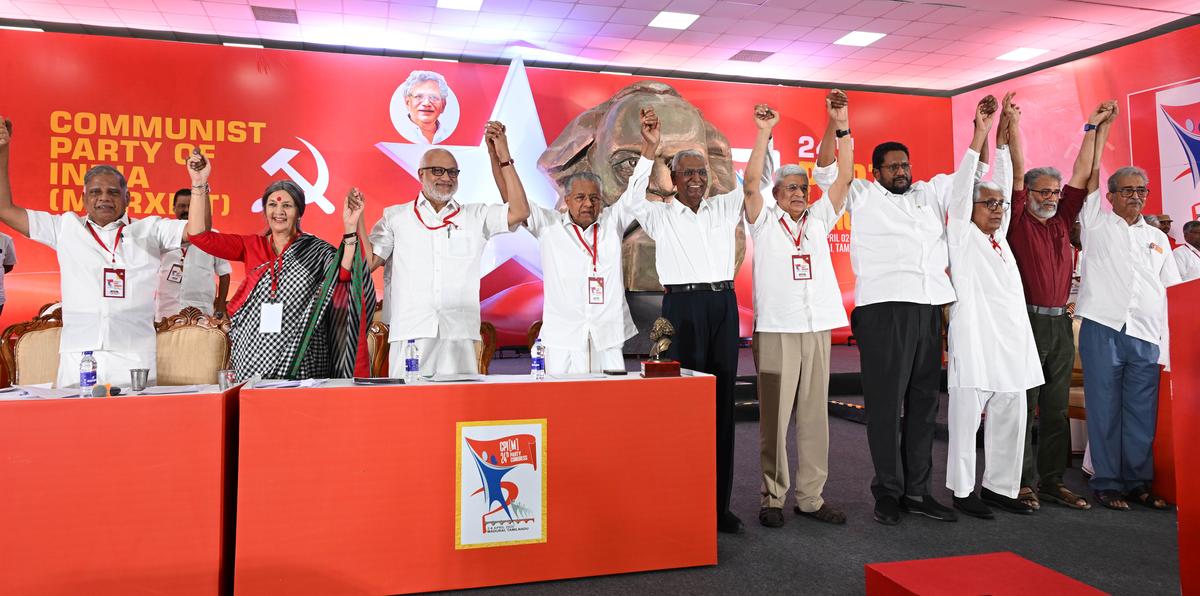
By P. Sudhir The 24th Congress of the CPI(M), which concluded at Madurai on April 6 with a massive rally, was notable in many respects. There were changes both in the agenda and content of the Congress discussions. First of all, a Political Review Report which reviewed the implementation of the political-tactical line adopted at […]

Dubai has firmly established itself as a gastronomic powerhouse, securing the second position worldwide for restaurant density, trailing only Paris. With an impressive array of over 13,000 restaurants and cafés, the city offers a diverse culinary experience that caters to its multicultural populace and visitors alike. The Dubai Gastronomy Industry Report highlights a significant surge in dining enthusiasm among residents, with a 61% year-on-year increase in dining […]

Artificial intelligence is increasingly becoming a cornerstone in pharmaceutical research, with numerous companies leveraging advanced algorithms to expedite drug discovery and development. This transformative approach aims to reduce the time and cost traditionally associated with bringing new medications to market. Exscientia, headquartered in Oxford, UK, has been a pioneer in integrating AI into small-molecule drug design. The company’s platform, Centaur Chemist, combines human expertise with AI to […]

Global financial markets are experiencing significant volatility as the United States and China escalate their trade dispute, prompting investors to seek refuge in traditional safe-haven currencies. The Japanese yen and Swiss franc have notably strengthened, while risk-sensitive currencies such as the Australian dollar and Chinese yuan have faced substantial pressure.

The turmoil intensified following President Donald Trump’s decision to impose a 125% tariff on Chinese imports, a move that has overshadowed a 90-day suspension of tariffs for other nations. This action led to a swift response from China, which announced an 84% tariff on U.S. imports and lodged a new complaint with the World Trade Organization. These developments have heightened investor anxiety, leading to a pronounced shift towards assets perceived as safer.

In currency markets, the Japanese yen appreciated to 147.68 per dollar, nearing a five-month high, while the Swiss franc reached 0.87665 per dollar, marking a three-month peak. Conversely, the Australian dollar declined sharply, approaching levels not seen since the early stages of the COVID-19 pandemic. The Chinese yuan also experienced volatility, with the offshore rate nearing record lows at 7.3536 yuan per dollar.

Equity markets have mirrored these currency movements, with significant declines observed across major indices. The S&P 500 experienced a 0.90% drop, reaching one-month lows, while European stocks, represented by the Stoxx 600, fell approximately 4%. Asian markets were not spared, as Japan’s Nikkei tumbled as much as 2.3% in early trading. The heightened trade tensions have sparked fears of a global economic slowdown, prompting investors to reevaluate their risk exposure.

U.S. Treasury yields have also been affected, with the 10-year yield rising sharply. This increase is partly attributed to a lackluster three-year Treasury auction and concerns over the diminishing appeal of U.S. assets as safe havens. The dollar index, which measures the greenback against a basket of currencies, has declined, reflecting broader apprehensions about the U.S. economic outlook amid escalating trade disputes.

The corporate sector is feeling the impact of these developments. Companies such as Stellantis and Cleveland-Cliffs have announced job cuts in response to the uncertain trade environment. Many firms are delaying hiring and investment decisions, citing a lack of clear guidance from policymakers. Business leaders have expressed deep concern over the instability and unpredictability of current trade policies, emphasizing the need for a more consistent and transparent approach.

In the commodities market, gold prices have risen as investors seek safe-haven assets amid the market turmoil. Conversely, oil prices have remained relatively stable, despite the broader market volatility. Analysts attribute this stability to factors such as supply constraints and geopolitical considerations that are currently supporting oil prices.

Market analysts warn that the escalating trade confrontation between the U.S. and China could lead to further depreciation of the yuan and increased market instability. The potential for a full-scale trade war raises concerns about long-term global economic growth and investor confidence. The World Trade Organization has cautioned that prolonged trade disputes could result in significant declines in global GDP, underscoring the need for diplomatic efforts to resolve the tensions.

The United States stock market experienced a significant surge following President Donald Trump’s announcement of a 90-day suspension on most newly imposed tariffs. This unexpected policy shift led to a substantial influx of approximately $5.1 trillion into the market, marking one of the most notable rallies in recent history.

On April 9, 2025, President Trump declared a temporary halt to the implementation of new tariffs, with the notable exception of those targeting Chinese imports, which were increased to 125%. This decision came after appeals from over 75 countries seeking relief from escalating trade tensions. The President’s announcement was made via his social media platform, Truth Social, where he encouraged investors to capitalize on the market conditions.

The market responded promptly and positively to the President’s remarks. The S&P 500 index rose by 9.5%, its most significant gain since 2008, while the Dow Jones Industrial Average increased by 7.9%, adding 2,963 points—the largest point gain in its history. The Nasdaq Composite outperformed with a 12.2% surge, marking its most substantial one-day rise since the early 2000s.

Technology stocks, particularly those comprising the “Magnificent Seven,” experienced remarkable rebounds. Nvidia’s stock soared by 18.72%, reflecting strong investor confidence in the semiconductor sector. Tesla’s shares increased by 22.69%, indicating renewed optimism in the electric vehicle market. Apple and Meta Platforms also saw significant gains of 15.33% and 14.76%, respectively, suggesting a positive outlook for consumer electronics and social media industries. Microsoft, Amazon, and Alphabet recorded increases of 10.13%, 11.98%, and 9.88%, respectively, underscoring the broad-based recovery among leading technology firms.

Despite the market’s enthusiastic response, some analysts urge caution, emphasizing the temporary nature of the tariff suspension and the ongoing complexities in international trade relations. The increased tariffs on Chinese goods to 125% have prompted concerns about potential retaliatory measures from Beijing, which could introduce further volatility into the market. Additionally, the bond market exhibited signs of distress, with notable fluctuations in Treasury yields, reflecting underlying uncertainties about the long-term economic implications of the administration’s trade policies.

In Congress, reactions to the President’s tariff pause were mixed. While some Republican lawmakers welcomed the move as a strategic decision to stabilize the economy, others expressed skepticism about the consistency and predictability of the administration’s trade policy. Democratic leaders criticized the abrupt policy shift, labeling it as erratic and potentially destabilizing for both domestic and global markets.

Internationally, the response was varied. While many countries expressed relief at the temporary suspension, the heightened tariffs on Chinese imports escalated tensions with Beijing. China responded by increasing tariffs on U.S. imports to 84%, signaling a potential intensification of the trade conflict between the two economic giants.

President Trump’s decision to pause most new tariffs appears to be a strategic maneuver aimed at alleviating immediate market anxieties and opening avenues for further trade negotiations. However, the selective nature of the tariff adjustments, particularly the substantial increase on Chinese goods, suggests a continued commitment to addressing specific trade imbalances. The administration’s approach reflects an attempt to balance domestic economic interests with the complexities of international trade dynamics.

HONG KONG SAR – Media OutReach Newswire – 10 April 2025 – CPA Australia’s latest Asia-Pacific (APAC) Small Business Survey 2024-25 reveals that the outlook for business growth this year for Hong Kong’s small and medium enterprises (SMEs) has slowed, though their hiring intentions remain strong. To combat uncertainties and rising competition, many are focusing on innovation and increasing their investment in artificial intelligence (AI). (Left) Mr […]

Off-plan property transactions in Dubai have exhibited a complex pattern of growth and decline, underscoring the dynamic nature of the emirate’s real estate market. In January 2025, off-plan sales accounted for 69.1% of total home sales, reflecting a 37.9% year-on-year increase, despite a 13.5% month-on-month decline . This trend continued into February 2025, with off-plan transactions comprising a significant portion of the market, even as the total number of sales reached approximately 16,099, marking a 35% increase compared to the same period in 2024 .

In March 2025, off-plan property sales rose 19.3% year-on-year but declined 7.4% compared to February, according to a report by real estate agency ValuStrat. Despite the monthly dip, off-plan sales continued to dominate market activity, accounting for a substantial portion of total transactions.

The sustained interest in off-plan properties can be attributed to several factors. Competitive pricing and flexible payment plans have made these properties particularly appealing to investors and end-users alike. Additionally, limited supply in the secondary market has driven buyers toward off-plan options .

Developers have responded to this demand by accelerating project launches. In 2024, approximately 145,000 new off-plan units were introduced to the market, averaging 400 units daily . This surge in supply aims to meet the growing appetite for off-plan properties, particularly in emerging developments such as Palm Jebel Ali and The Oasis, which are attracting high-net-worth individuals seeking exclusivity and long-term capital appreciation .

The preference for off-plan properties is also evident in the types of units being transacted. Apartments have remained the preferred choice among buyers, accounting for 61% of all sales by volume in early 2024. Notably, 90% of off-plan sales during this period were apartments, highlighting their affordability, strong rental yields, and appeal to both end-users and investors .

However, the market has also experienced fluctuations. In August 2024, off-plan property prices saw a slight decline of 4.2% compared to the previous year, indicating a recalibration towards price equilibrium. Analysts suggest that this dip does not signify a weakening market but rather a healthy adjustment, as investors show a growing preference for ready-to-move-in properties .

The overall health of Dubai’s real estate sector is further evidenced by significant capital gains. In January 2025, the ValuStrat Price Index recorded a 27% year-on-year surge, with villa values reaching 264.2 points and apartments at 165 points . This upward trajectory reflects the robust demand and investor confidence in the market.

Population growth has also played a role in shaping the real estate landscape. In 2024, Dubai’s population increased by over 170,000 residents, the highest surge since 2018. This influx has intensified demand for housing, contributing to the rise in property prices and rental rates .

Matein Khalid We are now living “ten days that shook the world” in real life, as John Reed did that fateful autumn long ago in Lenin’s shadow as the Bolshies stormed the Winter Palace in October 1917 before he was resurrected to begin his next life as the chairman/CEO of Citicorp in 1984. Is this just a magic realism joke? No. The fall of Tsar Nicki and […]

KUALA LUMPUR, MALAYSIA – Media OutReach Newswire – 10 April 2025 – A recent quiz conducted by global broker Octa and World of Buzz media discovered that 62% of Malaysian traders are ‘calculated strategists’—investors who base their decisions on information, risk management, and long-term stability rather than emotional fluctuations. This change in trading behaviour makes rational, strategic investing the new norm. In this article, Octa Broker, a […]

A rare 10.03-carat blue diamond, known as “The Mediterranean Blue,” is the centrepiece of Sotheby’s latest exhibition in Abu Dhabi, showcasing a collection of exceptional diamonds valued at approximately $100 million. The exhibition, which opened on April 8 at the Bassam Freiha Art Foundation on Saadiyat Island, marks Sotheby’s first public display in the United Arab Emirates’ capital since 2009. The Mediterranean Blue, a cushion-shaped modified brilliant-cut […]

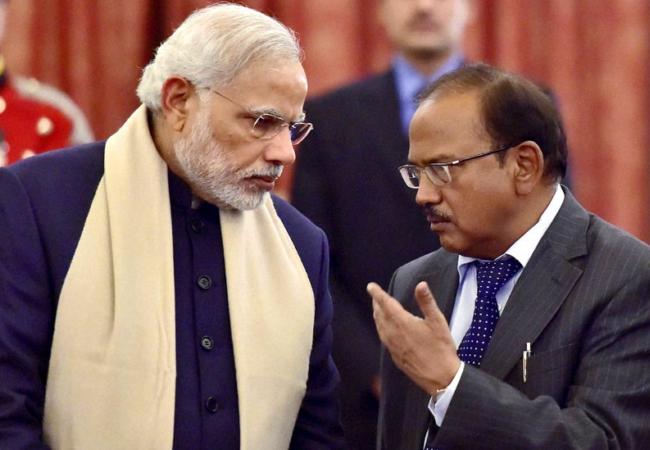
By Nitya Chakraborty What is happening to the “Neighbourhood First” policy of the Indian Prime Minister Narendra Modi in the year 2025? Modi is an expert in coining attractive slogans whether those finally work or not. For South Asia, he opted for Neighbourhood First and for South East Asia and ASEAN nations Act East. At […]

Matein Khalid Tariffs are to economics what leeches are to medicine, what voodoo dolls are to risk management and what astrology is to astronomy. The very fact that Trump believed in this nonsense with rigid consistency for 40 years as a solution to the very real havoc meted out by Davos Man and the apostles of globalisation to Joe/Jane Sixpack in Middle America is both laughable and […]

Global oil prices have fallen to their lowest levels in over four years, driven by escalating trade tensions and fears of a global economic slowdown. Brent crude dropped by 3.79% to $60.44 per barrel, while West Texas Intermediate declined by 4.13% to $57.12, marking their lowest points since February 2021. This decline follows the United States’ implementation of 104% tariffs on Chinese imports, after Beijing maintained its 34% retaliatory tariffs on U.S. goods. The escalating tit-for-tat measures have dampened hopes for a swift resolution, raising concerns about a deepening global recession and diminishing energy demand.

Compounding the situation, the Organization of the Petroleum Exporting Countries and its allies plan to increase output by 411,000 barrels per day in May, potentially leading to a supply surplus. Analysts warn that this move could further destabilize the market. Despite a slight easing from a 1.1 million-barrel decrease in U.S. crude inventories, overall sentiment remains bearish. Goldman Sachs forecasts further declines in oil prices through 2025 and 2026. Additionally, Russia’s ESPO Blend oil has, for the first time, dropped below the $60 Western price cap, underlining the global pressure on oil markets.

In Canada, oil and gas executives are adopting a cautious approach in response to the price slump. Doug Bartole, CEO of InPlay Oil, indicated that while immediate cutbacks in production or spending are not planned, sustained low prices, especially around $50 per barrel, could prompt strategic reassessments. InPlay recently completed a C$321 million acquisition of Alberta oil assets from Obsidian Energy, despite market uncertainties. Analysts from ATB Capital Markets have downgraded InPlay’s share target based on current low WTI price levels. Economist Peter Tertzakian noted that while major oil sands companies can sustain lower prices, smaller firms may need to adjust capital expenditures if the price slump continues. Meanwhile, Birchcliff Energy CEO Chris Carlsen highlighted a potential benefit for natural gas producers, as reduced oil drilling may decrease associated gas output, potentially tightening supply.

The sharp decline in oil prices poses significant challenges for Saudi Arabia’s ambitious Vision 2030 megaprojects, including the futuristic Neom city. Oil remains the backbone of the kingdom’s economy, despite efforts to diversify. With Brent crude recently falling to $62 a barrel and forecasts suggesting further declines due to global economic instability and increased OPEC+ output, the country faces a budget deficit and reduced oil-derived income. Saudi Aramco’s anticipated dividends have dropped significantly, compounding financial pressures. Analysts expect the government may scale back or delay lower-priority projects, focus on key investments like global events, or increase borrowing and taxation. Notably, plans for “The Line” have reportedly been reduced to a 1.5-mile stretch associated with the 2034 FIFA World Cup. Despite reassurances from Saudi officials, concerns persist that the ambitious Neom development, championed by Crown Prince Mohammed bin Salman, may need to be downsized unless oil revenues recover.

The U.S. administration’s tariff policies have been a significant factor in the market’s volatility. While some argue that the tariffs, impacting about 1% of the $28 trillion U.S. economy, are intended to shift global trade dynamics in favor of the United States and counter countries like China, others believe that the market’s reaction has been exaggerated. Despite the uproar, these tariffs would channel approximately $300 billion annually to the U.S. Treasury. Critics argue that the U.S., while the world’s largest importer, has a relatively low import-to-GDP ratio compared to other countries. They contend that China has more to lose in a trade war due to its export-reliant economy and employment structure. American public sentiment appears cautiously supportive of fair trade measures, especially against perceived Chinese industrial subsidies. Some suggest that markets should adopt a wait-and-see approach rather than panicking, likening the administration’s stance to the backlash faced by UK Prime Minister Liz Truss over her economic reform attempts, suggesting a resistance to market-driven pressure.

Falling oil prices, encouraged by policies aimed at reducing regulatory burdens, may bring lower gasoline costs but also discourage new oil production due to unprofitable pricing levels and economic uncertainty. Efforts to stimulate future energy production, such as expanding drilling access and reviving coal via executive order, are counterbalanced by cautious industry investment amidst global trade tensions. Additionally, March 2025 was the second-warmest on record globally, with Arctic sea ice hitting a near half-century low, continuing a concerning trend of climate anomalies. On the tech front, battery startup Bedrock Materials is shutting down due to competitiveness issues against cheaper lithium-ion technology from China. Meanwhile, Tesla alum Drew Baglino’s Heron Power is raising $50 million to develop advanced solid-state transformers, reflecting continued clean-tech investment. Furthermore, the Bezos Earth Fund and Global Methane Hub announced a $27.4 million initiative to identify and breed cattle and sheep that emit less methane, a step toward sustainable livestock farming. These developments reflect significant intersections between policy, environment, and innovation shaping global energy and climate landscapes.


SINGAPORE – Media OutReach Newswire – 8 April 2025 – Juspay, a global leader in payment infrastructure for enterprises and banks, has secured $60 million as part of its Series D funding round in a combination of primary and secondary investments. This investment round was led by Kedaara Capital with participation from existing investors Softbank and Accel. Juspay has expanded its global footprint across Asia-Pacific, Latin America, […]

Stock markets across the United Arab Emirates have witnessed notable declines, influenced by escalating global trade tensions and fluctuating oil prices. The Dubai Financial Market and the Abu Dhabi Securities Exchange have both been affected, reflecting broader regional economic concerns.

The DFM’s main index recorded a 3.1% drop, with Dubai Islamic Bank experiencing a 5.7% decline. Similarly, the ADX index fell by 2.6%, influenced by a 5% decrease in ADNOC Gas shares. These downturns align with a broader trend observed across Gulf Cooperation Council markets, as investors react to the intensifying trade disputes between major global economies.

U.S. President Donald Trump’s recent implementation of comprehensive tariffs has heightened fears of a global recession. In retaliation, China announced a 34% tariff on American goods, effective April 10. President Trump stated he would not engage in negotiations with China until the U.S. trade deficit is addressed. These developments have contributed to increased volatility in global markets, with the S&P 500 companies in the U.S. losing $5 trillion in value over two days.

Oil prices, a critical component of Gulf economies, have also been affected. Brent crude prices declined nearly 15% over five days to just over $64 per barrel, marking a 30% decrease from the previous year. This decline is well below the break-even point for many Middle Eastern oil producers, adding to the economic strain in the region.

The Saudi stock market has not been immune to these pressures. The Saudi benchmark index experienced a 6.8% drop, its sharpest fall since May 2020. Major financial institutions like Al Rajhi Bank and Saudi National Bank lost nearly 6%, while oil giant Saudi Aramco fell 5.3%. These declines underscore the pervasive impact of global trade tensions on the region’s financial markets.

Analysts suggest that Gulf nations may need to consider austerity measures and fiscal cutbacks in response to these economic challenges. The increased tariffs and declining oil revenues could compel governments to reassess their spending and economic strategies to navigate the turbulent financial landscape.

The broader implications of these developments are significant. The escalating trade war between the U.S. and China has the potential to disrupt global supply chains, affecting economies worldwide. For the Gulf region, which is heavily reliant on oil exports and international trade, the ramifications could be particularly severe.

Matein Khalid In a financial panic, investors sell what they can and not what they must. So the most ominous data points for me is the dramatic widening in US corporate credit/high yield spreads, which means Mr. Market is now certain that default risk will strangle capital markets as varied as auto finance, subprime mortgages, student loan and credit card receivables. The widening of Asian sovereign credit […]

New global thought leadership series spotlighting the HKSTP I&T powerhouse, uniting its soft power of visionaries to rally the world to keep up with Hong Kong’s innovation HONG KONG SAR – Media OutReach Newswire – 7 April 2025 – HKSTP’s Keep Up global brand campaign has taken the world by storm, reaching over 19 million people across 240+ destinations worldwide since its launch in July 2024—a testament […]

VISHNU RAJA
RYO YAMADA
HITORI GOTOH
IKUYO KITA