News related to
Since

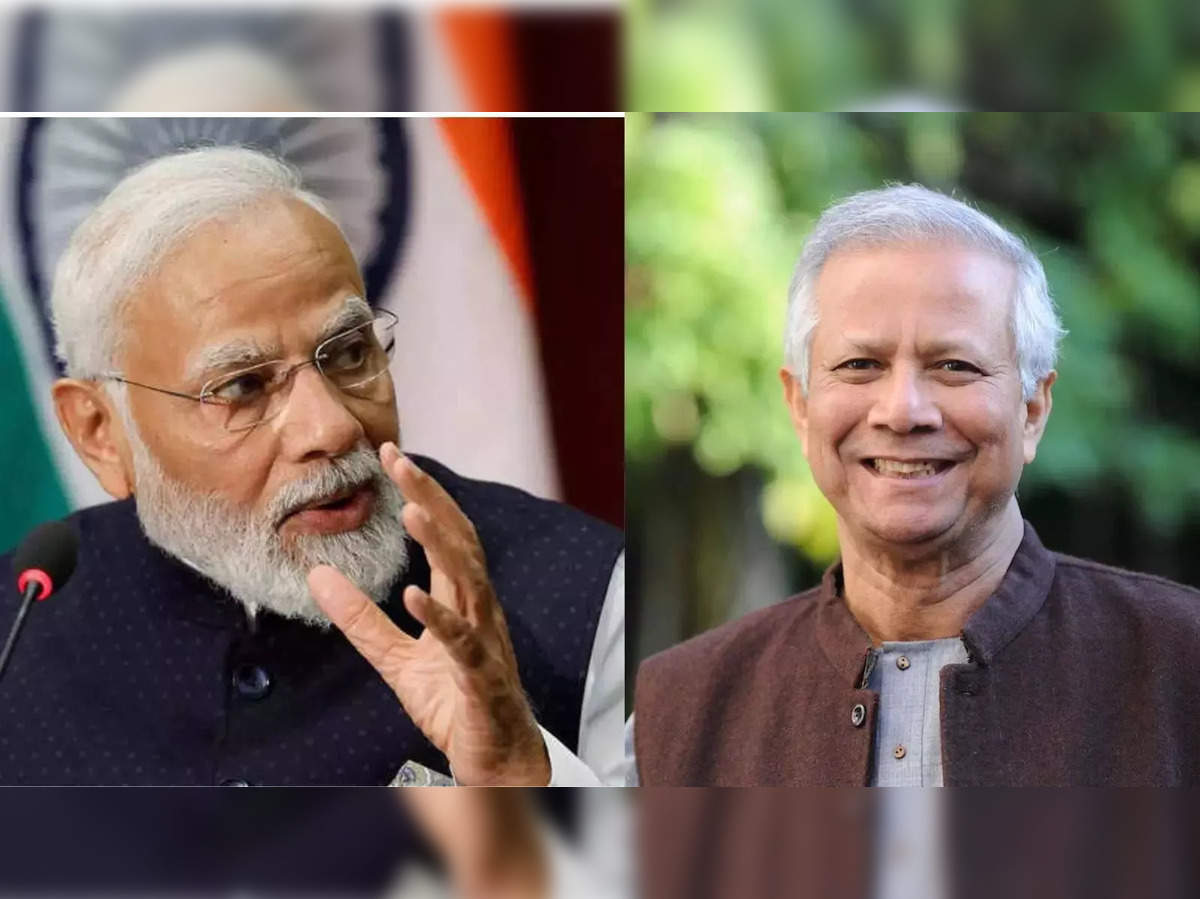
By Nitya Chakraborty Bangladesh has officially sought a meeting between their head of interim government Dr. Mohammad Yunus and the Indian Prime Minister Narendra Modi on the sidelines of the coming BIMSTEC meeting at Bangkok on April 2-4 next. Both countries are members of BIMSTEC. As per present schedule, both have confirmed their presence at […]

OPEC+ has announced a revised schedule for seven member nations to implement additional oil output cuts, aiming to compensate for previous overproduction. These measures are set to overshadow the planned production increases slated for next month.

The updated plan mandates monthly reductions ranging from 189,000 to 435,000 barrels per day , with the cuts extending until June 2026. This initiative seeks to address the excess output that has occurred despite the group’s ongoing efforts to stabilize the oil market.

Since 2022, OPEC+, which includes members of the Organization of the Petroleum Exporting Countries along with Russia and other allies, has been implementing output cuts totaling 5.85 million bpd, approximately 5.7% of global supply. These cuts were introduced in phases to support market stability amid fluctuating demand and geopolitical tensions.

Despite these efforts, certain member countries have exceeded their production quotas. Kazakhstan, for instance, has seen a significant production surge due to Chevron’s expansion at the Tengiz oilfield, leading to output levels surpassing its OPEC+ quota.

To address this imbalance, the new compensatory cuts will require substantial contributions from Iraq, Kazakhstan, and Russia, with Saudi Arabia also making smaller adjustments. These measures are designed to offset the previous overproduction and align the group’s output with agreed targets.

Concurrently, OPEC+ has decided to proceed with a modest production increase of 138,000 bpd starting in April, citing healthier market conditions. This marks the beginning of a series of monthly hikes intended to gradually restore a total of 2.2 million bpd over the next 18 months, following repeated delays since 2022.

However, the introduction of compensatory cuts raises questions about the net effect on global oil supply. The scheduled reductions are expected to more than offset the planned production hikes, potentially tightening the market further. This development comes amid new U.S. sanctions targeting Chinese entities involved in supplying Iranian oil, which have contributed to a recent uptick in oil prices.

As of Friday, Brent crude futures rose 0.3% to $72.21 per barrel, and U.S. West Texas Intermediate crude futures increased 0.4% to $68.32 per barrel. Both benchmarks were set to rise about 2% for the week, marking the largest weekly gains since early 2025.

The International Energy Agency has noted that increasing global trade tensions and new U.S. tariffs are negatively impacting oil demand and economic growth, creating uncertainty. The IEA revised its oil-demand growth estimates down to 1.03 million bpd from an earlier 1.1 million bpd, while OPEC projects higher growth at 1.45 million bpd.

With OPEC+ set to raise output beyond April and increased production in regions like Kazakhstan, Iran, and Venezuela, the IEA expects global oil supply to exceed demand, foreseeing a surplus of approximately 600,000 bpd. Total supply could average 104.5 million bpd by 2025, driven by non-OPEC+ production growth.

JAKARTA, INDONESIA – Media OutReach Newswire – 21 March 2025 – VinFast has signed a Memorandum of Understanding (MoU) with PT Aribi Amartapura (Amarta), one of Indonesia’s leading vehicle distributors, to accelerate the expansion of its showroom network in the country. This partnership marks a significant milestone in VinFast’s global dealership strategy, enhancing brand visibility and bringing its electric vehicles closer to Indonesian customers. VinFast Asia CEO […]

Many factors come into play when choosing a reliable broker to start your trading journey. For someone with limited experience in the markets, this choice can be very confusing, and the priorities are hard to define. However, traders have their own trove of practical knowledge, and tapping into it can shed light on brokers’ red flags. As part of its global research, global broker Octa surveyed hundreds […]

Matein Khalid Starting in 2016, the US has morphed into the world’s largest LNG exporter, eclipsing Australia and Qatar. Trump is determined to achieve global energy dominance as he exploits the geopolitical leverage American LNG exports give him in his relations with Europe, Asia and the GCC. He has pledged to dramatically expand US natural gas production via his “drill baby drill” ethos, rescinded Biden’s environmental pause […]

Over 10,000 racers are expected to take part in the two-day event happening on 28 and 29 June SINGAPORE – Media OutReach Newswire – 20 March 2025 – AIA Singapore, a leading health insurance provider, today announced its partnership as the Official Title Partner for the highly anticipated AIA HYROX Open Asian Championships 2025 in Singapore. This collaboration underscores AIA Singapore and HYROX Singapore’s shared dedication towards […]

Billionaire Gautam Adani’s conglomerate, the Adani Group, is reportedly in advanced negotiations to acquire a majority stake in Emaar India, the Indian subsidiary of Dubai-based real estate developer Emaar Properties. The deal, valued between ₹4,000 crore and ₹5,000 crore, aims to bolster Adani’s presence in the Indian real estate sector. Discussions indicate that Adani Realty, an unlisted entity under the Adani Group, is set to acquire between […]

Advertisements

Bekko Variety Also Takes Excellence Award, Headed for Popularity Among India’s Wealthy TOKYO, JAPAN – Media OutReach Newswire – 20 March 2025 – The 55th All Japan Nishikigoi Show was held in Tokyo from January 25 to 26, 2025, where a Niigata-bred koi fish won the overall top prize. A koi dealer who exports to India also took the Excellence Award in the Bekko variety category. Left: […]

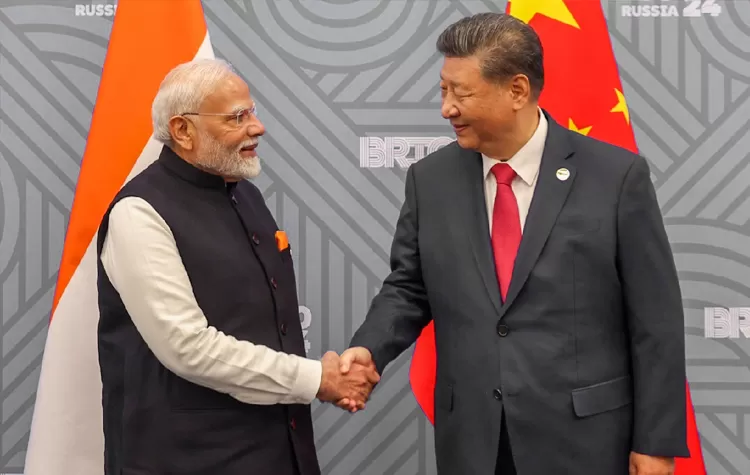
By Nitya Chakraborty Narendra Modi has been heading the Indian government as the Prime Minister since 2014. He has made so far many observations about the delicate India-China relations in the last nearly eleven years, but his observations on this issue made to the American journalist cum researcher Lex Fridman in his podcast released on […]

HONG KONG SAR – Media OutReach Newswire – 19 March 2025 – Hong Kong Life has been the title sponsor of the “MacPherson Festival x Candy Lo Timeline II Concert 2025,” presented by the talented singer Candy Lo. After three years, Candy Lo will once again share her musical journey with fans, showcasing a new interpretation of timeline in her music and spirit, reflecting her vibrant musical […]

Escalating conflict in the Middle East has led to significant upheavals in global financial markets. On March 18, 2025, Israel launched extensive airstrikes across the Gaza Strip, effectively ending a ceasefire that had been in place since January. These strikes resulted in over 400 Palestinian casualties, including many women and children, marking one of the deadliest 24-hour periods in the region since 2023. Israeli Prime Minister Benjamin […]

Wizz Air Abu Dhabi has announced the inauguration of a direct flight service connecting Abu Dhabi to Beirut, commencing on June 4, 2025. This development is seen as a strategic move to capitalize on Lebanon’s burgeoning tourism sector following a prolonged period of conflict.

The ultra-low-cost carrier will operate three weekly flights to the Lebanese capital, with fares starting at 359 AED. This initiative underscores the airline’s commitment to expanding its network in the Middle East, aiming to cater to both the visiting friends and relatives segment and leisure travelers. The introduction of this route is anticipated to enhance connectivity between the UAE and Lebanon, facilitating increased tourism and business exchanges.

The decision to launch this route aligns with Lebanon’s efforts to rejuvenate its tourism industry, which has been severely impacted by the 14-month conflict between Israel and Hezbollah. The ceasefire agreement, effective since November 27, 2024, has ushered in a period of relative stability, prompting optimism among stakeholders in the tourism sector. However, challenges persist, particularly in regions near the southern border, where access to certain tourism projects remains restricted due to security concerns.

The World Bank estimates that Lebanon requires approximately $11 billion for reconstruction and recovery following the extensive damages incurred during the conflict. Despite these challenges, there is a palpable sense of hope as displaced residents begin to return, and businesses, including those in the tourism sector, initiate rebuilding efforts. The resumption of international flights, such as Wizz Air Abu Dhabi’s new route, is expected to play a pivotal role in this recovery process by boosting tourist arrivals and stimulating economic activity.

Johan Eidhagen, Managing Director of Wizz Air Abu Dhabi, expressed enthusiasm about the new route, stating that it reflects the airline’s strategy to expand its network and offer affordable travel options to emerging destinations. He emphasized the potential of Beirut as a vibrant city with rich cultural heritage, making it an attractive destination for travelers from the UAE and beyond.

The Lebanese government has also been proactive in its efforts to revitalize the tourism industry. Initiatives include infrastructure development, promotional campaigns targeting international markets, and collaborations with airlines to enhance accessibility. The introduction of Wizz Air Abu Dhabi’s flights is expected to complement these efforts by providing a cost-effective travel option, thereby attracting a broader demographic of tourists.

However, the path to full recovery is fraught with challenges. The lingering effects of the conflict, coupled with economic constraints, necessitate concerted efforts from both the public and private sectors. Ensuring the safety and security of tourists, rebuilding damaged infrastructure, and restoring confidence among international travelers are critical components of this recovery strategy. The collaboration between airlines like Wizz Air Abu Dhabi and Lebanese authorities signifies a positive step towards achieving these objectives.

Raydium, a leading decentralized exchange and automated market maker on the Solana blockchain, has announced the launch of LaunchLab, a new token launchpad platform. This development positions Raydium in direct competition with Pump.fun, a prominent memecoin launchpad that has significantly influenced Raydium’s revenue streams.

LaunchLab is designed to emulate and enhance the functionalities of Pump.fun, offering token creators a platform to introduce new tokens with various bonding curves—linear, exponential, and logarithmic—that align token prices with market demand. Additionally, LaunchLab allows third-party user interfaces to set their own fees, providing greater flexibility for developers and users alike.

The introduction of LaunchLab comes on the heels of reports that Pump.fun is developing its own AMM, signaling a shift away from its reliance on Raydium’s infrastructure. This move by Pump.fun could potentially divert liquidity and trading volume from Raydium, prompting the DEX to innovate and retain its market position.

Pump.fun has been a significant contributor to Raydium’s revenue, with memecoins launched on Pump.fun accounting for approximately 41% of Raydium’s swap fee revenue over the past 30 days. The platform’s model involves depositing liquidity into Raydium’s trading pools once a token reaches a market capitalization of $69,000, thereby integrating with Raydium’s AMM.

The potential migration of tokens from Pump.fun to its own AMM has raised concerns about a possible decline in Raydium’s revenue. In February, Raydium’s native token, RAY, experienced a 25% decline, reflecting investor apprehension about future revenue streams. Despite this downturn, Raydium maintains a robust financial position, with approximately $168 million on its balance sheet, enabling it to invest in new initiatives like LaunchLab.

Raydium’s core contributor, known pseudonymously as Infra, stated that the development of LaunchLab began several months ago but was initially shelved to avoid direct competition with other platforms. However, the evolving landscape, particularly Pump.fun’s move towards establishing its own AMM, necessitated Raydium’s proactive response. Infra emphasized that LaunchLab is not intended to replace Pump.fun but to serve as an alternative for teams seeking to leverage Raydium’s AMM v4 for pool migrations.

The memecoin market has experienced fluctuations, with a notable decline in investor interest. Pump.fun’s graduation rate—the percentage of tokens successfully transitioning from incubation to full tradability on a Solana DEX—has fallen below 1% since mid-February. This decline reflects growing caution among investors regarding high-risk memecoin investments.

Despite these challenges, Raydium’s RAY token has shown resilience. Following the announcement of LaunchLab, RAY surged approximately 28%, rising from $1.60 to $2.00. This uptick indicates renewed investor confidence in Raydium’s strategic direction and its ability to adapt to market dynamics.

The launch of LaunchLab signifies a pivotal moment in the Solana ecosystem, potentially intensifying competition among token launchpads. As both Raydium and Pump.fun vie for prominence, the Solana community may witness accelerated innovation, offering users diverse options for token creation and trading. This competitive landscape could lead to more robust and user-centric platforms, benefiting the broader cryptocurrency market.

However, challenges persist. The declining interest in memecoins poses a risk to platforms heavily reliant on such tokens for revenue. Raydium’s strategic move to launch LaunchLab may mitigate potential revenue losses from Pump.fun’s shift towards its own AMM, but the platform must continue to innovate and adapt to maintain its market share.

SINGAPORE – Media OutReach Newswire – 19 March 2025 – Acclaimed Singaporean actor and cultural icon Li Nan Xing is thriving in his new role as the face of NJHealth NMN 20000mg, the cutting-edge healthy ageing supplement revolutionising the wellness industry in Singapore. Known for his enduring vitality and charisma, Li Nan Xing’s endorsement underscores the product’s efficacy and aligns with his personal commitment to maintaining vitality […]

Global investors have executed a historic shift in their portfolios, markedly reducing exposure to U.S. equities while increasing allocations to European stocks. This movement reflects growing apprehensions about the U.S. economic outlook and a more optimistic view of Europe’s financial prospects.

A Bank of America survey revealed that fund managers decreased their U.S. equity holdings by 40 percentage points, transitioning from a 17% overweight position in February to a net underweight of 23% in March. This represents the most substantial reduction on record, surpassing adjustments observed during previous economic downturns. The survey, which included 171 participants managing $477 billion in assets, underscores a significant reevaluation of investment strategies in response to emerging global economic challenges.

Several factors have contributed to this shift. Investors express heightened concerns over stagflation—a combination of stagnant economic growth and high inflation—and the potential repercussions of escalating trade tensions. The perception of diminishing U.S. economic exceptionalism has further fueled these apprehensions, leading to a reassessment of asset allocations.

In contrast, European equities have experienced increased investor interest. Allocations to Eurozone stocks surged by 27 percentage points, reaching the highest level since mid-2021. Approximately 39% of global investors now hold overweight positions in European equities, reflecting a growing confidence in the region’s economic resilience and potential for growth.

This reallocation is also evident among UK investors, who have increased their exposure to domestic stocks while reducing U.S. equity holdings. This trend suggests a broader reevaluation of investment strategies, with a renewed focus on local markets perceived as more stable or promising under current global economic conditions.

The technology sector, once a stalwart of U.S. market growth, has seen a notable decline in investor sentiment. Conversely, sectors such as utilities and banking have gained favor, indicating a strategic pivot towards more traditionally stable industries amid economic uncertainty.

Despite these shifts, some hedge funds have begun cautiously reinvesting in U.S. equities following significant sell-offs. This activity suggests that certain investors perceive potential value in the U.S. market, although this perspective is not yet widespread.

The broader implications of this investment reallocation are multifaceted. For the U.S., reduced equity allocations could signal waning confidence in its economic trajectory, potentially leading to decreased capital inflows and subdued market performance. Conversely, Europe’s attractiveness to investors may bolster its markets, providing a counterbalance to global economic headwinds.

This strategic pivot underscores the dynamic nature of global investment landscapes, where economic indicators, geopolitical developments, and market sentiments continually influence capital distribution. Investors’ current preference for European equities over U.S. stocks reflects a nuanced assessment of risk and opportunity in an evolving economic environment.

Strategy, formerly known as MicroStrategy, has unveiled plans to issue up to $21 billion in preferred stock to fund additional Bitcoin acquisitions. This move underscores the company’s ongoing commitment to integrating cryptocurrency into its corporate strategy.

The firm, led by Executive Chairman Michael Saylor, has become a prominent institutional investor in Bitcoin. As of February 5, 2025, Strategy reported holding approximately 499,096 bitcoins, valued at over $41 billion. This substantial accumulation reflects the company’s aggressive approach to cryptocurrency investment.

To finance these acquisitions, Strategy has been leveraging various financial instruments. In February 2025, the company announced a $584 million offering of 8% perpetual convertible preferred stock, designated under the ticker symbol “STRK” on the Nasdaq Global Select Market. The net proceeds from this offering were earmarked for further Bitcoin purchases and general corporate purposes.

The latest proposal to issue up to $21 billion in preferred stock represents a significant escalation in Strategy’s capital-raising efforts. This initiative is part of the company’s broader strategy to secure $42 billion over the next few years through various securities offerings, including fixed-income instruments and common stock sales, all aimed at bolstering its Bitcoin reserves.

However, this aggressive capital-raising approach has raised concerns among investors and analysts. The potential issuance of such a substantial amount of preferred stock could lead to significant dilution of existing shareholders’ equity. Moreover, the high yield associated with the preferred stock, approaching 9.5%, reflects the increased financial risk and the company’s lack of ongoing earnings from its traditional software business.

Strategy’s heavy reliance on Bitcoin has also been a point of contention. While the company’s stock price has experienced substantial growth since pivoting to a Bitcoin-centric strategy, it has not always kept pace with Bitcoin’s performance. This discrepancy has led to questions about the sustainability of Strategy’s approach, especially given the inherent volatility of the cryptocurrency market.

Despite these challenges, Strategy continues to advocate for Bitcoin’s role as a transformative asset. The company’s leadership remains steadfast in its belief that integrating Bitcoin into its corporate treasury strategy will yield long-term benefits, both for the company and its shareholders.

Investcorp, a global alternative investment firm, has acquired a majority stake in Miebach Logistik Holding GmbH, a leading German supply chain and logistics consultancy. The transaction, announced on 17 March 2025, will see Miebach’s existing equity partners retain a significant minority share. Financial details of the deal have not been disclosed, and completion is anticipated in the second quarter of 2025, pending regulatory approvals. Established in 1973 […]

Revenue Growth Supported by Multiple Pillars Steadily Enhancing Shareholder Returns HONG KONG SAR – Media OutReach Neswire – 17 March 2025 – The world’s largest telecommunications infrastructure service provider China Tower Corporation Limited (“China Tower” or the “Company”) (Stock Code: 0788.HK) is pleased to announce its annual results for the year ended 31 December 2024. Performance Highlights RMB Million 2024 2023 Change Operating revenue 97,772 94,009 4.0% […]

Oracle Red Bull Racing is intensifying its collaboration with Oracle Corporation to integrate advanced cloud computing and artificial intelligence technologies into its operations for the 2025 Formula One season. This strategic move aims to bolster the team’s performance both on and off the track, reflecting a commitment to leveraging cutting-edge technology in the highly competitive world of motorsport. The team has adopted Oracle Cloud Infrastructure Compute A2 […]

HONG KONG SAR – Media OutReach Newswire – 18 March 2025 – The William SD Louey Educational Foundation is proud to announce a collaboration with Suicide Prevention Services (SPS) aimed at tackling the mental health challenges faced by young men aged 15–25 in Hong Kong. The initiative features five key opinion leaders (‘KOLs’) and comes at a critical time when youth mental health issues are on the […]

By Nitya Chakraborty Sidelined by the Trump 2.0 administration and rebuffed by India, Bangladesh interim government is exploring all avenues to rejuvenate the country’s ailing economy by expanding its trade and investment relationship with Pakistan and China. The objective is to reduce the dependence on India in major areas where the outsourcing is possible from […]

North Korea has emerged as the third-largest government holder of Bitcoin, amassing approximately 13,562 BTC, currently valued at around $1.12 billion. This significant accumulation is primarily attributed to the state-sponsored hacking collective known as the Lazarus Group, which orchestrated a series of high-profile cryptocurrency thefts, including the unprecedented $1.5 billion hack of the Dubai-based exchange, Bybit, in February 2025.

The Federal Bureau of Investigation has officially attributed the Bybit hack to North Korean cyber actors associated with the Lazarus Group, also referred to as “TraderTraitor.” The breach involved the theft of approximately 400,000 Ethereum tokens, marking it as the largest cryptocurrency exchange hack to date. The stolen assets were subsequently laundered through various blockchain networks and converted into Bitcoin, significantly bolstering North Korea’s cryptocurrency reserves.

The Lazarus Group, active since at least 2007, has been implicated in numerous cyberattacks targeting financial institutions and cryptocurrency platforms worldwide. Their operations have evolved in sophistication, employing advanced techniques such as phishing, malware deployment, and exploiting vulnerabilities in decentralized finance platforms. Notably, in March 2022, the group was responsible for stealing $620 million from the Ronin Network, a blockchain platform associated with the online game Axie Infinity.

In the Bybit incident, the hackers exploited a vulnerability in the exchange’s system, enabling them to transfer the substantial sum to addresses under their control. Despite efforts by international authorities and cybersecurity experts to trace and recover the stolen funds, the hackers have successfully laundered a significant portion, complicating recovery efforts. Bybit has acknowledged the breach and is cooperating with global law enforcement agencies to mitigate the impact and enhance security measures.

North Korea’s strategic focus on cryptocurrency theft serves multiple purposes. The regime utilizes these illicit gains to circumvent international sanctions, fund its nuclear and ballistic missile programs, and bolster its struggling economy. The decentralized and pseudonymous nature of cryptocurrencies presents challenges for traditional financial oversight, providing the regime with a means to acquire substantial resources without direct detection.

The international community has expressed growing concern over North Korea’s cyber capabilities and their implications for global financial security. The United Nations has reported that these cyber activities have become a crucial revenue stream for the regime, with estimates suggesting that North Korea has stolen over $2 billion through cyberattacks targeting financial institutions and cryptocurrency exchanges. In response, several countries have imposed sanctions aimed at curbing these illicit activities and are collaborating to enhance cybersecurity measures across critical financial infrastructures.

Goldman Sachs has adjusted its oil price forecasts, citing a confluence of factors including escalating global supply and a decelerating U.S. economy. The investment bank now projects Brent crude to average $71 per barrel by December, a $5 decrease from its prior estimate, and West Texas Intermediate to reach $67 per barrel. This downward revision aligns with the bank’s updated expectations for global oil demand growth, now […]

Asset management firm Ninety One Plc is increasing its investments in United Arab Emirates equities to mitigate exposure to the ongoing trade tensions initiated by U.S. President Donald Trump. The company’s emerging-markets equity team, overseeing $11 billion in assets, is targeting markets less affected by U.S. tariffs, according to co-portfolio manager Varun Laijawalla. This strategy includes acquiring shares in UAE-based companies such as Emaar Properties PJSC and Abu Dhabi Commercial Bank PJSC.

Emaar Properties, a leading real estate developer in the UAE, has experienced fluctuations in its stock performance. On March 14, 2025, the Dubai Financial Market index declined by 0.9%, influenced by losses in the real estate sector due to new tariff threats from President Trump. Emaar Properties and its construction subsidiary, Emaar Development, saw their shares decrease by 2.2% and 2.8%, respectively.

Despite these short-term declines, Emaar Properties has demonstrated resilience over the past year. The company’s stock has shown a 69.91% increase over the last 12 months, indicating strong growth potential.

Abu Dhabi Commercial Bank , another focus of Ninety One’s investment strategy, has also shown notable financial performance. In 2024, ADCB reported revenues of AED 16.61 billion, marking a 19.64% increase compared to the previous year’s AED 13.88 billion. Earnings for the same period reached AED 8.74 billion, reflecting an 11.80% increase.

The bank’s stock has been trading within a 52-week range of AED 7.61 to AED 12.60, with a market capitalization of approximately AED 76.67 billion.

Ninety One’s strategic move to invest in UAE markets aligns with its objective to find “uncorrelated markets” less susceptible to the adverse effects of U.S. tariffs. The firm, formerly known as Investec Asset Management, rebranded to Ninety One in 2020 to reflect its founding year and has since been listed on both the London and Johannesburg Stock Exchanges.

As of December 31, 2022, Ninety One managed approximately $159 billion in assets, offering a range of active strategies across equities, fixed income, multi-asset, and alternative investments.

The firm’s decision to bolster investments in the UAE comes amid broader market reactions to global trade tensions. On March 11, 2025, major Gulf markets experienced declines due to investor concerns over a potential U.S. recession triggered by widespread trade conflicts. The Saudi Arabian index fell by 1.3%, with significant decreases in Al Rajhi Bank and Saudi National Bank. Similarly, Dubai’s index decreased by 1.1%, affected by a 2.3% drop in Emaar Properties and a 1.9% decline in Emirates NBD.

However, by March 12, 2025, Gulf stock markets displayed mixed results amid hopes for a Ukraine ceasefire and ongoing concerns over U.S. tariffs. Dubai’s main index rose by 0.7%, led by gains in Emaar Properties and Dubai Islamic Bank, while Abu Dhabi’s index increased by 0.4%. Conversely, Saudi Arabia’s index experienced a slight decline of 0.1%.

The UAE’s economic environment presents opportunities for investors seeking markets less correlated with U.S. trade policies. Ninety One’s targeted investments in companies like Emaar Properties and ADCB reflect a strategic approach to navigating global trade uncertainties while capitalizing on the growth potential within the UAE.

Emaar Properties continues to be a significant player in the UAE’s real estate sector, with a market capitalization of AED 122.42 billion and a dividend yield of 7.22%. The company’s earnings per share stand at AED 1.53, and it is scheduled to release its next earnings report on May 8, 2025.

Abu Dhabi Commercial Bank maintains a strong presence in the UAE’s banking industry, with a public float of 2.91 billion shares. The bank’s robust financial performance and strategic initiatives position it well to navigate the challenges posed by global trade dynamics.

Ninety One’s emphasis on identifying investment opportunities in markets less affected by U.S. tariffs underscores its commitment to delivering value to its clients while mitigating risks associated with global trade tensions. By focusing on the UAE’s resilient sectors, the firm aims to achieve sustainable growth in an increasingly complex economic landscape.


VISHNU RAJA
RYO YAMADA
HITORI GOTOH
IKUYO KITA