News related to
Since

Dubai’s top-tier residential sector continues to outperform the global market, with capital values climbing over 5 per cent in the first half of 2025 and rental returns holding firm.

Dubai’s prime residential property market emerged as one of the strongest worldwide, ranking third behind Tokyo and Berlin in capital value growth during the first six months of 2025. Prime capital values rose by over 5 per cent, substantially ahead of the 0.7 per cent average recorded across 30 global cities. This momentum reflects robust investor confidence, sustained immigration and constrained luxury supply. Savills projects further gains of between 4 and 5.9 per cent in the second half of the year, underscoring the city’s enduring appeal for global investors.

Rental markets in the emirate also remain buoyant. Prime rental rates rose by 2.9 per cent over the past six months and have surged by 13.3 per cent year-on-year to June 2025. High renewal rates and continued demand from high-net-worth individuals and long-term residents have contributed to sustained rental resilience.

Across Savills’ global index of prime markets, Tokyo led with an 8.8 per cent increase in capital values, driven by acute scarcity of stock and strong demand from both domestic and international buyers. Dubai, Berlin and Seoul each recorded gains exceeding 5 per cent, with supply constraints emerging as a key driver across these markets.

Savills’ analysis highlights a shift in global dynamics: prime rental growth across these cities reached 2 per cent on average, outpacing capital appreciation. Just over half of the markets monitored logged positive capital growth in the period, and declines in others were largely modest.

In Dubai, the combination of sustained immigration flows, investor-friendly policies and limited high-end housing supply continues to buttress market strength. A mature mortgage environment—with 15–30-year loan options and competitive deposit requirements, including 15 per cent for citizens and 20 per cent for expatriates—offers further support to both local and foreign investors, with financing often used strategically to manage capital and liquidity.

The emirate’s global connectivity, ever-expanding infrastructure developments and relatively low transaction costs further reinforce its position as a global real estate powerhouse.

Although the pace of rental inflation across general residential segments has slowed—with broader market indices showing deceleration from 14.3 per cent in January to 8.5 per cent in May—prime residential rentals remain robust and significantly outpace broader averages.

While anecdotal evidence and other data point to a record-breaking bull run in Dubai’s real estate sector—with average property prices rising by some 75 per cent since early 2021 and transactions approaching pre-2008 levels—these trends can come with cautionary signals regarding sustainability over the medium term.


A surge in U. S. import duties has swiftly altered the economic landscape, with substantive implications for oil markets, trade dynamics and strategic alliances. U. S. President Donald Trump has enacted additional tariffs of up to 50 percent on imports from India in response to New Delhi’s continued purchases of discounted Russian crude. The escalation, applied in two stages and bringing tariffs from 25 percent to 50 percent, took effect on Wednesday, disrupting both markets and diplomatic ties.

Oil prices slipped as traders absorbed the news, with crude extending its decline as markets weighed the ripple effects of the heightened tariffs. The move is expected to erode India’s export earnings while simultaneously undermining the financial benefit of cheaper Russian oil.

Analysts calculate that India has saved around $17 billion by ramping up imports of Russian crude since early 2022. Now, with the tariffs in place, export revenues could shrink by more than $37 billion this fiscal year—nearly halving the gains previously made in energy procurement. The most vulnerable sectors include labour-intensive industries such as textiles, gems, jewellery, seafood and organic chemicals, where job losses may be significant.

New Delhi has resisted external pressure to cease its oil trade with Russia, citing national interest and energy security. Refiners and government officials have indicated that the message from the centre is clear: strategic autonomy takes precedence over commercial coercion. At the same time, discussions are in progress through virtual channels, encompassing trade, energy and critical mineral collaboration.

The tariffs are not only triggering economic recalibration but also intensify diplomatic friction. Experts warn this could become the most serious crisis in U. S.–India relations in decades. The uneven application—targeting India while China remains largely exempt—has heightened perceptions of hypocrisy and could push India closer to alternative partners such as Russia or China.

Domestic responses are underway. Authorities are exploring measures to cushion the blow, such as reducing tax burdens, providing credit support to exporters, and diversifying trade destinations towards Latin America, Africa, Southeast Asia and the EU. On the U. S. side, certain sectors—including pharmaceuticals and electronics—remain exempt from the higher tariffs, partly shielding U. S. companies such as Apple which have investments in Indian manufacturing.

Currency markets and investor sentiment reacted sharply, with Indian stock indices tumbling as concerns mounted over export disruption and broader economic repercussions.

By Tajul Islam When Bangladesh’s students took to the streets last year, their demands were clear: dismantle the structures of fascism, restore democracy, and build a government that put the people before politics. Their movement culminated in a historic moment on August 8, when Nobel laureate and Grameen Bank founder Dr. Muhammad Yunus was sworn in as Chief Advisor to the interim government. The appointment followed the […]

Emirates NBD has joined the Sustainable Markets Initiative’s Financial Services Task Force, becoming the first bank from the GCC to participate in the group of global banking CEOs aiming to mobilise large-scale capital for climate- and nature-positive investment.

The move positions the Dubai-based lender at the forefront of sustainable finance in the MENAT region, enabling it to collaborate in setting industry-wide standards for environmentally conscious banking.

Shayne Nelson, Group Chief Executive, described sustainability as central to the institution’s culture and strategy, emphasising that its established ESG achievements underpin its inclusion. He noted that this engagement will boost collective efforts to tackle climate and biodiversity challenges.

Jennifer Jordan-Saifi, Chief Executive of the Sustainable Markets Initiative, welcomed Emirates NBD’s integration, reaffirming the importance of unified private-sector action to drive transition at the scale and pace needed globally.

Vijay Bains, Chief Sustainability Officer and Group Head of ESG at Emirates NBD, stated that the bank is adopting both national and international standards and engaging all stakeholders—from employees and customers to investors and communities—in delivering meaningful impact. He underlined that the ESG strategy extends beyond climate risk to include inclusive, low-carbon products and governance.

Since its launch in 2020 by His Majesty King Charles III, then the Prince of Wales, the Sustainable Markets Initiative has formed alliances across private sectors and governments to devise and scale solutions for sustainable transition. The Financial Services Task Force has already developed standardised methodologies for banking transitions and expertise in nature-based financial instruments.

Emirates NBD’s inclusion marks a significant milestone for the GCC’s role in global sustainable finance. The partnership enables the bank to influence practices beyond the region, particularly in infrastructure investment and climate-aligned financial innovation.

This move arrives against growing investor demand for eco-conscious operations and the UAE’s increasing focus on embedding sustainability across its economic policy and corporate governance.

SINGAPORE – Media OutReach Newswire – 27 August 2025 – Genius Mind, one of Singapore’s trusted names in home-based education matching, has announced the expansion of its offerings to include coding, financial literacy, and artificial intelligence (AI) skills. With this move, the agency aims to go beyond traditional academics, equipping children with future-ready skills that are both practical and essential in today’s digital-first world. Catering to this […]

SHENZHEN, CHINA – Media OutReach Neswire – 26 August 2025 – On August 26, 2025, Linklogis Inc. (09959.HK, “Linklogis”) released its interim results. In the first half of 2025, the total transaction volume processed by its technology solutions reached RMB 203.6 billion. The total revenue and income amounted to RMB 374.5 million. The number of anchor enterprise and financial institution customers for its supply chain finance technology […]

By Nitya Chakraborty Prime Minister Narendra Modi will be facing his major test in diplomacy at the coming summit of the Shanghai Cooperation Organisation (SCO) to be held in Tianjin in China on August 31 and September 1 this year. The SCO meet will be hosted by Chinese President Xi Jinping and will be attended […]
Advertisements

TAIPEI, TAIWAN – Media OutReach Newswire – 26 August 2025 – CyCraft Technology, a leading AI-driven solution provider based in Taiwan, announces its partnership with Serbia-based DARSOC, marking its first Endpoint MSSP collaboration in Eastern Europe. DARSOC adopted CyCraft’s XCockpit Endpoint (Endpoint Security Posture Management) to protect its clients, marking a key milestone for CyCraft in the region. (Left) Miroslav Vajda, CEO of DARSOC, is eager to […]

MACAU SAR – Media OutReach Newswire – 25 August 2025 – Galaxy Macau™’s world-class Galaxy Arena is proud to announce the renewal of its three-year strategic partnership with TMElive, extending its existing three-year run of its successful partnership. Under the newly extended agreement, both parties will continue supporting Macau’s quality development in culture and tourism and presenting multifaceted musical spectacles to music lovers, by leveraging shared resources […]

Telegram founder Pavel Durov has called his arrest in France a “mistake,” after an investigation concluded there was no wrongdoing on his part or within the messaging platform itself. A year on from the incident, Durov took to social media to address the events, reaffirming that Telegram’s moderation practices align with industry standards and that the company has consistently responded to all legally binding requests from the French authorities.

The arrest, which occurred during a high-profile legal dispute regarding Telegram’s content moderation policies, stirred considerable media attention. At the time, French authorities had raised concerns over the platform’s role in hosting extremist content and other illicit activities. Telegram, a widely-used encrypted messaging app, had previously faced scrutiny for its leniency in moderating user-generated content, especially groups promoting violence and illegal activities.

While Durov’s arrest was seen by many as a response to these concerns, the investigation into the matter has since cleared the company of any legal breaches. Durov’s statement, made through his personal social media channels, stressed that Telegram had fully complied with all applicable laws, asserting that the company had always acted in accordance with France’s legal requirements, responding promptly to government requests.

He pointed out that Telegram’s practices have been aligned with broader industry trends, especially in regard to user privacy and data protection. Telegram has consistently maintained its position as a platform committed to ensuring user security, while still balancing its legal obligations. Durov’s remarks come amid ongoing discussions about the role of social media platforms in regulating content and ensuring that they are not used to spread harmful or illegal material.

The French investigation, launched after several incidents related to extremist content being circulated via Telegram, examined whether the app’s developers were complicit in enabling such activities. The decision to clear Durov and the platform was reached following an in-depth review of Telegram’s operations and its cooperation with French authorities.

Telegram, which has gained popularity for its end-to-end encryption and resistance to governmental surveillance, continues to face a delicate balancing act in meeting demands from various governments while safeguarding user privacy. The platform has been under similar scrutiny in several countries, including the United States and Russia, where its stance on privacy and content moderation has led to clashes with regulators.

Durov’s statement serves as a reinforcement of Telegram’s commitment to compliance with local regulations while advocating for a privacy-first approach to communication. His decision to publicly address the matter also reflects the growing pressure on tech companies to openly communicate their stance on such issues in an era of heightened scrutiny over digital privacy and online content.

Sloth fever, a rare and mysterious virus first identified in 1955, has resurfaced in the Amazon, raising concerns among health experts as it spreads through local populations. The virus is transmitted primarily by the biting midge, Culicoides paraensis, a small insect found in the region’s humid forests. Although the virus has long been on the radar of researchers, its increasing prevalence among humans has prompted renewed investigations. […]

Amanat Holdings has finalised the sale of the real-estate assets linked to North London Collegiate School in Mohammed bin Rashid Al Maktoum City, achieving Dhs453 million in proceeds. The deal produced an unlevered cash-on-cash multiple of 1.7× and an internal rate of return of 10 per cent, generating a net cash return of approximately Dhs294 million. The move reflects the company’s disciplined and value-focused investment approach.

This sale fits squarely within Amanat’s “identify, grow, monetise” strategy, which it has employed across its education and healthcare platforms. The firm originally acquired the school’s real estate asset in June 2018 for Dhs360 million and pumped in another Dhs33 million for capital expansion, bringing total spend to about Dhs393 million.

In a statement, Amanat’s chairman, Dr Shamsheer Vayalil, described the sale as a validation of the company’s ability to spot high-quality investments and exit them strategically to unlock value and enhance shareholder returns. He emphasised that proceeds will broaden the company’s strategic options and support continued focus on its core businesses. Chief executive officer John Ireland observed that completing the sale above the initial investment highlights the strength of the firm’s investment model, from disciplined acquisition through development and timely exit, enhancing balance-sheet strength and enabling reinvestment into priority areas.

The transaction is expected to close in the third quarter of 2025, and the buyer remains undisclosed. Amanat has confirmed that the unnamed purchaser will assume applicable VAT and Dubai Land Department fees.

A launch date for an initial public offering of Amanat’s education arm has been on the horizon, with plans underway since May 2024 to pursue a listing. The sale’s cash realisation may help to underpin such strategic ambitions.

The broader context sees growing appetite for education-related assets across the UAE property market, despite fluctuations elsewhere. Amanat’s sale follows a wave of substantial land deals, including a headline-grabbing Dhs2.9 billion transaction by Emaar in Ras Al-Khor.

Amazon has approached the Commerce Ministry with a proposal to modify foreign direct investment rules by creating a carve-out for export transactions. The company is requesting permission to purchase goods directly from Indian sellers for overseas sales, a departure from the longstanding policy that restricts foreign e-commerce firms to pure marketplace operations.

The policy currently prohibits platforms like Amazon and Walmart-owned Flipkart from holding inventory or selling directly to consumers, aiming to protect small retailers by ensuring a level playing field. Amazon’s pitch emphasises that an export exemption would benefit small Indian sellers by streamlining customs procedures and improving access to international markets. The company adds that it has facilitated US$13 billion in cumulative exporter earnings since 2015 and targets US$80 billion by 2030.

From the Commerce Ministry’s internal documents, it is clear that no decision has been made yet. Any policy adjustment must strictly safeguard the domestic retail market by clearly delineating goods intended solely for export from those that could be sold locally.

The move faces strong resistance. Three industry groups, representing small retailers, voiced concerns during the meeting that Amazon—and Flipkart, which also attended—would gain unfair advantages through preferential arrangements and heavy discounting, further marginalising small businesses.

Amazon and Flipkart did not offer comment at the time, and the Commerce Ministry has not yet responded publicly to media queries.

This development takes place against the backdrop of India’s rapidly expanding e-commerce space, valued at approximately US$125 billion in 2024 and projected to swell to US$345 billion by 2030. Meanwhile, foreign e-commerce operators, particularly U. S.-based Amazon and Flipkart, have long contended that the inventory-based model they use globally is impeded in India by FDI restrictions—restrictions designed to prevent foreign platforms from influencing pricing or favouring affiliated sellers.

Amazon’s request interlinks with broader efforts in the export ecosystem. Earlier this month, the Federation of Indian Export Organisations agreed to sign an MoU with Amazon to support exporters via cross-border e-commerce, including training, compliance assistance and market access support.

The issue also ties into wider trade dynamics. U. S.–India trade tensions remain unresolved, and Amazon’s proposal adds complexity to ongoing discussions. Modifying FDI norms for the export segment could influence negotiations and set precedents for how e-commerce platforms operate within the country.

As exporters grapple with global headwinds, including rising tariffs in key sectors, the government is evaluating how regulatory changes could facilitate global access without dismantling protections for domestic retail.

YouTube Music has unveiled “taste match” playlists as part of its tenth-anniversary rollout, a feature that crafts shared playlists by blending the listening habits of participating users into a daily-refreshed soundtrack. This move mirrors Spotify’s Blend functionality, suggesting Google is keen to edge more firmly into the social recommendation space. The rollout also includes interactive touches—fans can begin leaving comments directly on albums and playlists, loyalty badges […]

By Dr. Gyan Pathak As far as outcome is concerned, the month-long Monsoon Session of the Parliament of India that concluded on August 21, 2025, can be termed as near washout. Nevertheless, the symptoms it manifested signalled India’s great struggle ahead. The opposition battled for saving the Constitution and the democracy throughout the session, causing […]

Saudi Aramco’s initial public offering has become one of the most talked-about events in global finance, with its ambitious approach to market entry setting a precedent for the world’s largest oil company. The IPO, which was launched in 2019, sought to achieve a staggering $2 trillion valuation, a figure that stirred controversy and scepticism within financial circles. But despite its high-profile marketing campaign and the sweeping promises […]

Amanat Holdings has achieved a significant financial return, posting a net cash gain of AED 294 million following the sale of North London Collegiate School’s real estate assets in Dubai. The deal, valued at AED 453 million, marks a successful exit from a property investment held since 2018. The company’s total investment in the Dubai asset amounted to AED 393 million, comprising an initial acquisition cost of […]

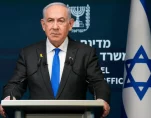
A senior aide to Israeli Prime Minister Benjamin Netanyahu has been dispatched to the United Arab Emirates in a discreet diplomatic move aimed at resolving strains between the two nations. This development marks a critical step in addressing the ongoing challenges faced by the UAE-Israel relationship, particularly in the aftermath of regional shifts and political tensions.

The aide’s visit, which has been kept under wraps to avoid further complicating the delicate diplomatic situation, underscores Israel’s desire to reassert its relations with the UAE following some setbacks in the past year. While the specifics of the discussions remain largely confidential, sources suggest the key focus is on reaffirming the normalization of ties, which was first achieved through the Abraham Accords in 2020. These accords established full diplomatic relations between Israel and the UAE, a historic shift in the Middle East, and the Netanyahu administration has been under pressure to maintain the momentum of these agreements despite regional turbulence.

Diplomatic sources point to a combination of political disagreements, security concerns, and international pressures that have strained the UAE-Israel partnership. One of the main issues is the growing unease in the Gulf over Israel’s stance on Palestinian issues and its handling of tensions in Gaza. While the UAE has remained committed to the Abraham Accords, there has been mounting public and political disquiet over Israel’s domestic policies, especially in relation to its stance on Palestinian sovereignty and peace efforts.

Experts suggest that Netanyahu’s decision to send a trusted aide is a direct response to growing concerns in Abu Dhabi about Israel’s domestic trajectory and its regional posture. This diplomatic outreach is seen as a move to reassure the UAE that Israel remains committed to cooperation, particularly in areas such as trade, technology, and security, which have flourished since the signing of the Abraham Accords.

There is speculation that the UAE has been considering a recalibration of its foreign policy, especially with the changing dynamics in the broader Middle East. With the shifting alliances and new players emerging in the region, including the growing influence of China and Russia, the UAE finds itself needing to maintain a balance between its Western ties, particularly with the United States, and its more recent alignment with Israel.

The UAE-Israel relationship, though officially cordial, has been fraught with complexities. The leadership in Abu Dhabi has long prioritised stability and economic growth, factors which drove the decision to engage diplomatically with Israel. However, regional developments, including the ongoing situation in Gaza and the broader Israeli-Palestinian conflict, have put these relations to the test.

Israel’s efforts to build and sustain relationships with Gulf states have been a key feature of Netanyahu’s foreign policy. The normalization agreements brokered by the Trump administration in 2020 were seen as a major victory for Israel, but they have not been without their challenges. The UAE has been wary of the potential fallout from these ties, particularly in the Arab world, where public sentiment on Israel remains divided.

Despite these challenges, there is a shared interest in several areas. Both countries are looking to advance economic collaborations, particularly in the fields of technology, energy, and defence. Israeli businesses have already established a foothold in the UAE, with cooperation extending to key sectors such as cybersecurity and artificial intelligence. These partnerships are expected to grow further as both nations seek to capitalise on new opportunities.

Israel’s relationship with the UAE has also allowed for greater security cooperation, particularly in the context of regional threats posed by Iran. Both countries share concerns over Iran’s nuclear ambitions and its influence across the region. This shared security interest has provided a basis for increased intelligence-sharing and military coordination, despite the undercurrent of political tensions.

Leading players in the cryptocurrency industry, including Coinbase, Binance, Kraken, Robinhood, PayPal, Ripple, and others, have launched the Beacon Network, a collaborative effort to tackle the growing issue of stolen cryptocurrency. By working alongside law enforcement and researchers such as ZachXBT, the network aims to offer a real-time solution to prevent the illicit transfer and withdrawal of stolen crypto assets.

The Beacon Network functions by blacklisting suspicious crypto addresses and immediately freezing any funds that are attempted to be withdrawn to an exchange. This swift action is designed to prevent stolen funds from being converted into liquid assets or used for further illegal activities. It is part of a broader effort to safeguard the integrity of the crypto ecosystem and help victims recover assets that have been taken through hacks, scams, and other forms of cybercrime.

The network’s development is timely, as the scale of cryptocurrency thefts continues to escalate. Since 2023, an estimated $47 billion has been funneled into fraudulent wallets, often linked to a range of malicious activities, including hacks, scams, and illicit funding of groups such as North Korean cybercriminals. These trends have prompted both public and private sector entities to take stronger measures to address the vulnerabilities in the crypto world.

One of the key objectives of the Beacon Network is to fight against the growing threat posed by cybercriminals who exploit the anonymity of cryptocurrencies. By leveraging the collective resources of major crypto exchanges and financial platforms, the network seeks to build a collaborative system that can trace stolen assets in real-time. This is expected to disrupt the operations of hackers who often rely on the difficulty of tracking digital currency transactions to launder their ill-gotten gains.

In addition to dealing with cybercriminals, the Beacon Network is also focused on combating other high-profile security threats, such as the use of stolen funds to finance terrorism or support state-sponsored hacking activities. The collaboration between the crypto industry and law enforcement aims to create a more resilient framework for addressing these issues, preventing funds from reaching dangerous or malicious actors.

This initiative marks a significant shift in how cryptocurrency exchanges, financial institutions, and even government bodies approach the problem of stolen crypto. For years, the industry has struggled with the negative perception of cryptocurrencies being used for illicit activities. However, the Beacon Network serves as an example of how crypto giants can take a proactive role in addressing security concerns while maintaining the privacy and decentralised nature of their operations.

The development of the Beacon Network is also an indication of how the cryptocurrency sector is maturing. What was once an unregulated space largely dominated by individual actors and exchanges is now seeing a concerted effort to adopt more formalised and secure practices. The collaboration among these prominent crypto platforms is expected to encourage others in the industry to follow suit, creating a more secure environment for users and reducing the risks associated with digital currency theft.

For the victims of crypto theft, the Beacon Network offers hope for recovering stolen assets. With its automated tracking and freezing capabilities, users will be able to report and prevent further damage to their stolen funds before they can be laundered or moved across borders. While the process is still in its early stages, the network’s potential to return stolen assets to their rightful owners represents a significant step forward in the fight against crypto-related crime.

Implementing the Core Strategy of “Single Brand, Multi-Categories, Diversified Channels” | Excelling Through Professionalism, Strengthening Strategic Foundations FINANCIAL HIGHLIGHTS In the first half of the year, the Group recorded the following operating results: – Revenue rose by 3.3% to RMB14,817 million; gross profit margin declined by 0.4 percentage points to 50% – Net operating cash inflow was RMB2,411 million – Net profit attributable to equity holders was […]

By Arun Srivastava The bill to remove a prime minister, chief minister or any other minister in jail for 30 days, without conviction is awell-designed plot to accomplish the RSS-BJP mission of pushing India to one nation-one party rule. This is one of the alternate choices like the SIR to have saffron idea turn into […]

SINGAPORE – Media OutReach Newswire – 21 August 2025 – CNA, the global news and current affairs brand of Mediacorp, is offering a new service which allows businesses and brands from around the world to seamlessly publish their media releases in a dedicated section on its flagship website, cna.asia, via its very first partner, Media OutReach Newswire. This new third-party paid content service offers businesses unprecedented access […]

By Nitya Chakraborty India-China political relations have started improving giving all the indications that the leaderships of the two countries with the largest population in the world, are ready for building stable relationship after an uneasy period of five years since the Galwan killings on the border in 2020 in which 20 Indian soldiers lost […]

India’s oil import strategy showed a marked shift in July 2023, as figures indicated a significant dip in Russian oil imports, alongside a notable increase in purchases from the United States. According to the latest data, India’s Russian crude oil imports fell by approximately 3.6% in the first seven months of the year, amounting to 1.73 million barrels per day, down from the previous period. This reduction coincided with a rise in imports from the U. S., which surged by 58% over the same period, signalling a reorientation of India’s energy sourcing amid shifting global market dynamics.

The decline in Russian oil imports was most evident in July, a month in which India notably skipped shipments from Latin America, further complicating the global oil trade landscape. The data underlines India’s ongoing balancing act as it navigates its energy needs, political affiliations, and economic pressures in a complex geopolitical environment.

Since the onset of the Ukraine conflict in early 2022, India had sharply increased its reliance on Russian oil, taking advantage of discounted prices amidst Western sanctions. Russia had emerged as one of India’s largest oil suppliers, providing a significant portion of the country’s crude oil requirements at highly competitive rates. However, as global energy markets continue to adapt to the war’s long-term ramifications, shifts in India’s oil import strategies reflect an evolving approach to international energy procurement.

The surge in U. S. oil imports reflects broader trends in India’s engagement with non-Russian sources, particularly the United States. While Russia’s crude oil remained competitively priced, U. S. exports presented an alternative as India’s energy demands surged. As of July, the volume of oil imports from the U. S. showed an impressive rise, suggesting a diversification strategy that aims to reduce dependence on any one country, particularly as Russia faces increasing global scrutiny and sanctions.

This diversification is significant not only in terms of energy security but also geopolitically. With Western countries tightening sanctions against Russia, India’s oil purchases from non-Western suppliers, including the U. S., align with its broader strategy of maintaining an independent foreign policy. By tapping into American oil supplies, India positions itself as an increasingly significant player in the global energy markets, potentially leveraging these resources for both economic and strategic gains.

Simultaneously, the reduction in Latin American oil imports in July suggests a recalibration in India’s sourcing preferences. While Latin America had been a key supplier for India in previous years, particularly from countries like Venezuela and Mexico, geopolitical challenges and shifting global demand patterns appear to have altered these trade flows. This move also underscores the growing influence of U. S. oil in India’s energy mix, a shift likely influenced by factors such as pricing, quality, and strategic alliances.

The evolving oil trade patterns are not just a reflection of changing global dynamics but also highlight India’s domestic policy objectives. As the world’s third-largest oil importer, India is continually navigating the pressures of securing affordable energy while balancing its international relations. India’s energy needs are projected to grow in the coming decades, making the diversification of oil sources crucial for its future economic stability.

Further complicating matters, the global oil market has faced increasing volatility due to fluctuations in supply and demand, driven by the war in Ukraine, OPEC’s production decisions, and broader economic uncertainty. The effects of these disruptions are evident in India’s changing oil import patterns, which seem to be increasingly shaped by price sensitivity and geopolitical considerations.

VISHNU RAJA
RYO YAMADA
HITORI GOTOH
IKUYO KITA