Hackers are using sponsored Google search results to steal ManageWP credentials, raising fresh concerns over the exposure of agencies, developers and businesses that administer large fleets of WordPress websites through a single GoDaddy-owned dashboard. The campaign places a fraudulent advertisement above the legitimate ManageWP search result, copying the platform’s branding and directing users to a look-alike login page. Victims who search for ManageWP rather than typing the […]
China’s push into humanoid robots is emerging as a new test of its ability to convert industrial policy, supply-chain depth and scale manufacturing into export power, with Morgan Stanley research arguing that the sector could help lift the country’s share of global manufacturing by the end of the decade.
Economists led by Chetan Ahya have drawn a parallel with electric vehicles, where early policy support, component localisation and aggressive production expansion turned China from a fast follower into the world’s dominant exporter. Their research projects China’s share of global manufacturing could rise to 16.5 per cent by 2030, from about 15 per cent now, as advanced automation and embodied artificial intelligence move from demonstration projects into factory and logistics use.
The bullish case rests on China’s widening lead in humanoid robot production. Industry estimates show the country produced about 12,800 humanoid robots in 2025, close to 90 per cent of global output, though the market remains tiny compared with conventional industrial robotics. China also remains the world’s largest industrial robot market, accounting for more than half of global factory robot installations in 2024, with an operational stock above 2 million units.
That foundation matters because humanoid robots require the same manufacturing strengths that supported China’s rise in solar panels, batteries and electric vehicles: precision motors, sensors, actuators, batteries, control systems, machine vision and low-cost assembly. Local companies are building ecosystems around these components, while provincial governments are offering subsidies, industrial parks and procurement support to accelerate commercial deployment.
Beijing has identified humanoid robots as a strategic industry, setting targets for mass production and global leadership while integrating robotics into wider plans for artificial intelligence and advanced manufacturing. The 15th Five-Year Plan framework is expected to place AI-powered robots near the centre of industrial upgrading, although large-scale commercialisation is more likely toward the later part of the plan period than immediately.
The sector’s momentum has drawn major private capital. Start-ups such as Unitree, UBTech, AgiBot and Fourier Intelligence have moved quickly from stage demonstrations to pilot factory and warehouse deployments. Linkerbot, a fast-growing maker of dexterous robotic hands, is seeking a valuation of about $6 billion after building a strong position in high-degree-of-freedom robotic hands used in humanoids and industrial systems. Its modular products point to an important feature of the market: some of the earliest profits may come from components rather than complete humanoid machines.
Automakers and electronics groups are also moving into the field. Xpeng has said humanoid robotics could become a long-term investment area alongside electric vehicles, while other manufacturers are testing robots for inspection, sorting, materials handling and repetitive shop-floor tasks. The logic is clear. China faces an ageing workforce, rising labour costs in coastal manufacturing hubs and growing pressure from tariff barriers. A successful humanoid robotics industry could help preserve competitiveness even as low-cost labour advantages fade.
The export implications are broader than robot sales. If humanoids improve productivity in Chinese factories, they could lower production costs across electronics, machinery, appliances and consumer goods. That would reinforce the country’s position in global supply chains at a time when the United States, Europe and several Asian economies are trying to reduce dependence on Chinese manufacturing. It could also create a new export category in robots, components, software and maintenance services.
Yet the constraints remain substantial. Humanoid robots are still expensive, often have limited battery life and struggle with unstructured environments. Many can perform scripted tasks in controlled settings but fall short when asked to handle the speed, judgement and dexterity of human workers. Even executives in China’s robotics industry acknowledge that factory humanoids remain less efficient than people in many jobs. Safety certification, liability rules, data protection and workplace integration will also affect adoption.
Dependence on high-end chips and advanced software ecosystems is another weakness. US restrictions on AI semiconductors have pushed Chinese firms to localise more hardware, but training and deploying capable embodied AI systems remains compute-intensive. Without steady access to cutting-edge chips, progress may be uneven, particularly in models that require real-time perception, movement planning and continuous learning.
Omani government networks have been hit by a wide-ranging espionage campaign attributed to Iran-linked operators, with evidence pointing to the theft of judicial records, identity data, staff credentials and internal system files from multiple state entities. The operation centred on the Ministry of Justice and Legal Affairs, where attackers used a custom ASP. NET webshell to maintain access, issue commands and extract data. Exposed attacker infrastructure showed […]
Arabian Post Staff -Dubai Abu Dhabi’s family business ecosystem is set for a new layer of banking support after the Abu Dhabi Family Business Council signed a memorandum of understanding with Abu Dhabi Islamic Bank to provide tailored financial services, priority banking access and dedicated digital channels for member companies. The agreement establishes a structured framework for cooperation between ADFBC and ADIB, bringing together a council […]
Bengaluru-based Pixxel and Sarvam have set out plans to build Pathfinder, a 200 kg-class orbital data centre satellite that would test whether artificial intelligence workloads can be processed directly in space rather than routed first through terrestrial cloud systems.
The mission, announced on 4 May 2026, is scheduled to reach orbit as early as the fourth quarter of 2026. Pixxel will design, build, launch and operate the satellite, while Sarvam will provide the artificial intelligence stack needed for training and inference on board. The partners describe the project as India’s first orbital data centre satellite, placing it at the junction of three strategic races: sovereign AI, commercial space infrastructure and the search for lower-latency computing systems.
Pathfinder is intended to carry data centre-grade graphics processing units alongside Pixxel’s hyperspectral imaging camera. That combination would allow the satellite to capture high-fidelity Earth observation data and analyse it in orbit using foundation models, instead of sending large volumes of raw imagery to ground stations for processing. The aim is to transmit insights rather than just data, cutting the time between observation and decision-making.
The approach could be valuable for environmental monitoring, agriculture, mining, resource management, disaster response and critical infrastructure tracking. Hyperspectral imaging can detect patterns invisible to conventional cameras by reading hundreds of spectral bands, making it useful for identifying crop stress, pollution, mineral signatures, water conditions and changes in land use. Adding on-board AI would make such systems faster and potentially more autonomous.
Pathfinder also reflects the pressure building around AI infrastructure. Data centres have become increasingly constrained by energy demand, land availability, cooling requirements and regulation. AI-focused facilities are especially power-intensive because training and running large models depend on specialised chips. Industry forecasts point to data centre electricity use crossing 1,000 terawatt hours by 2030, with AI workloads accounting for a growing share of consumption.
Orbital computing is being explored as one answer to that problem, though it remains technically difficult and commercially unproven at scale. Satellites can draw continuous solar power in certain orbits and process space-generated data close to its source. Yet the model must overcome radiation exposure, heat dissipation, launch costs, repair limitations, chip reliability, bandwidth management and the challenge of operating high-performance hardware in an environment far harsher than a ground-based server hall.
For Pixxel, the project marks a move beyond Earth observation into space infrastructure. The company has built its position around hyperspectral satellites and already operates Firefly satellites capable of capturing detailed environmental data. Pathfinder would test whether those sensing systems can be paired with in-orbit computing to create a more responsive intelligence layer.
For Sarvam, the mission extends its sovereign AI pitch beyond ground infrastructure. The company has focused on building language models and platforms designed for deployment in local contexts, including multilingual use cases. Running its models aboard an India-built satellite would give the company a high-profile demonstration of how AI sovereignty can include hardware location, data control and infrastructure independence, not just model development.
The announcement comes as global technology groups examine space-based compute. Google’s Project Suncatcher has explored satellite constellations fitted with AI accelerators and optical links, with prototype missions planned with Planet. Elon Musk has also spoken publicly about the possibility of data centres in orbit within the wider SpaceX and Starlink ecosystem. These ideas remain at an early stage, but they show that AI infrastructure is beginning to stretch beyond conventional cloud regions.
Domestic activity is also widening. Agnikul Cosmos and NeevCloud have explored related orbital infrastructure concepts, indicating that private space and compute companies see a possible market in distributed cloud systems that span Earth and orbit. Defence, climate intelligence, telecommunications and sovereign data processing are likely to be among the first areas of interest if the technology matures.
Pathfinder’s immediate importance lies less in replacing terrestrial data centres and more in validating whether orbit can host meaningful AI workloads. The satellite is expected to test power management, thermal control, real-time inference, data processing and model performance under operational space conditions. Success would give Pixxel and Sarvam a foundation for more advanced orbital compute systems, while failure would expose the engineering and economic limits of the concept.
The project also fits a broader shift in satellite design. Spacecraft have traditionally acted mainly as sensors and transmitters, collecting data for later analysis on Earth. Pathfinder points towards satellites that can interpret what they observe, prioritise what should be sent down and support faster decisions for governments and commercial users.
Commercial adoption will depend on cost, reliability and demand. Ground-based cloud systems remain cheaper, easier to maintain and vastly more scalable. Orbital compute will need to prove that its advantages — lower latency for space data, resilience, solar access and sovereignty — justify the complexity of placing advanced AI hardware in space.
For now, Pathfinder gives the space and AI sectors a test case with wider implications. It places Pixxel and Sarvam among early movers trying to turn satellites from data collectors into active computing nodes, while testing whether the limits facing AI infrastructure on Earth can be partly addressed above it.
By T N Ashok The verdict from India’s sprawling five-state assembly elections of 2026 has redrawn the country’s political map with a force few had anticipated. What began as a routine electoral cycle across West Bengal, Tamil Nadu, Kerala, Assam and Puducherry has culminated in something far more consequential: a consolidation of power for the […]
Danish shipping group A. P. Moller–Maersk has confirmed that its US-flagged vehicle carrier Alliance Fairfax has left the Arabian Gulf through the Strait of Hormuz under US military escort, giving Washington’s effort to reopen one of the world’s most important maritime chokepoints its most visible commercial test so far. The vessel, operated by Maersk’s Farrell Lines subsidiary, completed the passage on May 4 accompanied by US military […]
Arabian Post Staff -Dubai UAE authorities condemned a wave of missile and drone attacks on civilian sites after national air defence systems intercepted 12 ballistic missiles, three cruise missiles and four unmanned aerial vehicles on May 4, preventing wider damage in an escalation that has sharpened security concerns across the Gulf. Three people suffered moderate injuries and were taken to hospital, with officials identifying them as […]
Matein Khalid It is significant that Abu Dhabi joined Opec from the moment the emirate exported its first barrel of oil in 1967, four years before the birth of the UAE itself. For 59 years the UAE was a member of Opec enduring an era of multiple shocks, wars, revolutions, recessions, banking crises, oil price wars, supply shocks, embargoes and the pandemic. Saudi Arabia has been the ultimate power […]
India’s electronics manufacturing drive has gained fresh momentum after Ashwini Vaishnaw said the country was positioned to become a trusted global value chain and supply chain partner, placing semiconductors, mobile phones, artificial intelligence infrastructure and component manufacturing at the centre of its industrial strategy.
The Union Minister for Electronics and Information Technology, Railways and Information and Broadcasting made the remarks at the ground-breaking ceremony of the Google Cloud India AI Hub in Visakhapatnam, a project carrying an estimated investment of $15 billion. The facility, planned with Adani ConneX and Airtel Nxtra, will include a 1GW hyperscale AI data centre, with about 600 acres allocated across Turluvada, Rambilli and Adavivaram in Andhra Pradesh.
Vaishnaw’s comments reflect a broader policy effort to shift India’s role from assembly-led electronics manufacturing to deeper participation in global technology supply chains. The government is seeking to build domestic capability across finished devices, modules, sub-modules, components, raw materials, tools and manufacturing machinery, a progression seen as essential for reducing import dependence and gaining a larger share of global production.
Mobile phones remain the strongest evidence of that transition. Electronics production has risen from about ₹1.9 lakh crore in 2014-15 to about ₹11.3 lakh crore in 2024-25, while electronics exports climbed from about ₹38,000 crore to about ₹3.3 lakh crore over the same period. Mobile phone production expanded from about ₹18,000 crore to roughly ₹5.5 lakh crore, and mobile phone exports rose from about ₹1,500 crore to nearly ₹2 lakh crore, making the category one of the country’s most visible export successes.
Smartphones have become a leading export product, with Apple, Samsung, Tata Electronics, Foxconn, Dixon Technologies and other manufacturers playing prominent roles in the production ecosystem. The shift has been supported by the Production Linked Incentive scheme for large-scale electronics manufacturing, which helped attract global brands and contract manufacturers to expand capacity. The sector’s next phase, however, will depend less on assembly incentives and more on the availability of components, precision engineering, skilled labour, predictable taxation and faster logistics.
The Google Cloud project adds a digital infrastructure dimension to this manufacturing agenda. Vaishnaw urged global technology companies, including Google, to consider manufacturing servers, GPUs and chips in the country, arguing that the domestic data centre boom could create demand for high-value electronics and advanced computing hardware. Visakhapatnam is being positioned as an artificial intelligence hub, with subsea cable links expected to improve global connectivity through routes connecting Australia, the Middle East, Europe, Africa and the United States.
Semiconductors are the most strategic part of the plan. The India Semiconductor Mission has already helped draw investment into assembly, testing, marking and packaging facilities, chip design centres and fabrication proposals. Approved projects across several states include packaging units, display driver chip capacity and compound semiconductor facilities. The sector remains capital-intensive and technologically demanding, and India is entering a field dominated by Taiwan, South Korea, the United States, Japan, the Netherlands and China. Timelines, execution quality and ecosystem depth will determine whether the country can move beyond packaging and design services into higher-value production.
The government’s target of building a $500 billion domestic electronics ecosystem by 2030-31 is ambitious. It requires not only export-led growth but also a domestic supplier base for printed circuit boards, camera modules, batteries, displays, sensors, connectors, power electronics and semiconductor materials. Without local component depth, headline export gains can mask high import content, limiting value addition and leaving manufacturers exposed to currency swings and global supply disruptions.
Industry executives have generally welcomed the policy focus but continue to point to operational challenges. High logistics costs, customs procedures, dependence on imported inputs, limited component clusters, power quality, land acquisition delays and uneven state-level implementation remain constraints. Global companies also compare India with Vietnam, Mexico, Malaysia and Thailand when allocating production, making policy certainty and execution speed critical.
Labour availability is one of India’s advantages. Electronics manufacturing has generated large-scale employment, including substantial hiring of young women in assembly lines and component facilities. This has helped states such as Tamil Nadu, Karnataka, Uttar Pradesh, Andhra Pradesh and Gujarat compete for investment. Yet sustained growth will require improvements in industrial training, factory housing, transport, safety standards and career progression, particularly as production moves from assembly to precision manufacturing.
Geopolitics has created an opening. Companies are diversifying supply chains because of trade tensions, tariff risks, pandemic-era disruptions and concerns over concentration in China. India’s democratic institutions, large market, engineering talent and improving infrastructure make it a credible candidate for “China plus one” strategies. The challenge is to convert interest into anchored manufacturing networks that include suppliers, tooling companies, testing labs, logistics providers and research partnerships.
SINGAPORE – Media OutReach Newswire – 4 May 2026 – As students increasingly evaluate higher education options through the lens of employability, internships have emerged as a critical factor influencing decision-making, reflecting a broader shift towards experience-based learning. Recent findings from Singapore’s Graduate Employment Survey show that employment outcomes for graduates from autonomous universities and the private education sector are closely tracked, with data generally collected approximately six months after graduation to capture early career transitions.
While overall employment rates remain relatively resilient, education and labour market observers note that graduates are increasingly expected to demonstrate practical experience in addition to academic qualifications. Industry commentary linked to the survey highlights that internships and prior work exposure can play a key role in improving employability, particularly in a tighter job market.
Internships as a Bridge Between Education and Employment
Internships are widely regarded as a critical bridge between academic learning and professional employment. They provide students with opportunities to develop workplace competencies, understand organisational environments and build networks that can support job placement after graduation. With Graduate Employment Survey data indicating increased competition for full-time roles, early exposure to industry has become an important differentiator for students entering the workforce.
Embedding Internships into the Student Experience
The Singapore Institute of Management (SIM) has incorporated internships as a core component of its employability strategy through its Career Connect department. Internships are positioned as a key pathway that “bridge students and graduates into the realities of the working world,” allowing them to apply academic knowledge in real business environments.
SIM works with a network of companies ranging from small and medium enterprises to multinational organisations, providing students with access to internship opportunities across sectors.
Students may source internships independently or tap into structured opportunities within SIM’s ecosystem, including in-house placements through initiatives such as the Talent Development Programme.
Technology Enabled Access to Internship Opportunities
To support access at scale, SIM has introduced CareerSense, a digital platform that aggregates internship listings, job opportunities and career events into a single interface. Through this platform, students can connect with employers, explore opportunities and participate in career development activities, reflecting a broader shift towards digital career services in higher education.
Recognising the Value of Internship Participation
SIM has also introduced initiatives to recognise student participation in internships and experiential learning. The SIM60 Work-Integrated Learning for Life WILL Award highlights the role of internships in developing both technical and transferable skills such as communication, adaptability and problem solving. Such initiatives reflect a wider industry view that structured work experience is an increasingly important component of graduate readiness.
A Growing Expectation Among Students
The emphasis on internships reflects a broader shift in student priorities. As employment outcomes become more closely tied to educational choices, students are seeking clearer pathways from classroom learning to career opportunities.
With Graduate Employment Survey data pointing to a more competitive hiring environment, institutions that provide strong access to internships and industry engagement are likely to play a more significant role in shaping graduate success.
The issuer is solely responsible for the content of this announcement.
About SIM Global Education
SIM Global Education (SIM GE) is a leading private education institution in Singapore and the region. We offer more than 140 academic programmes ranging from diplomas and graduate diploma programmes to bachelor’s and master’s degree programmes with some of the world’s most reputable universities from Australia, Canada, Europe, United Kingdom, and the United States. SIM GE’s cohort is made up of 17,000 full- and part-time students and adult learners, of which approximately 41% are international students hailing from over 50 countries.
SIM GE’s holistic learning approach and culturally diverse learning environment aim to equip students with knowledge, industry skills and employability competencies, as well as a global perspective to succeed as future leaders in a fast-changing, technologically driven world.
For more information on SIM Global Education, visit www.sim.edu.sg
Clair Obscur: Expedition 33 has won Best Game at the BIG Festival Awards during Gamescom Latam 2026, strengthening Sandfall Interactive’s claim to one of the most striking debut successes in modern role-playing games. The French studio’s title also took Best Sound at the São Paulo ceremony, giving it two honours at a festival that has become a major showcase for Latin American and international game development. The […]
KUALA LUMPUR, MALAYSIA – Media OutReach Newswire – 2 May 2026 – Building on its remarkable success in Singapore and Indonesia, Petite Fleur is thrilled to announce its expansion into Malaysia with the launch of Petite Fleur KL.
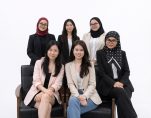
Petite Fleur KL Team
This strategic growth marks a significant milestone in the company’s long-term vision to establish itself as the leading florist in the Asia-Pacific region. By bringing its renowned craftsmanship, unique floral designs, and premium floral arrangements to customers in Kuala Lumpur, Petite Fleur is poised to deliver the same quality service that has made it a trusted name in Singapore and Indonesia.
Petite Fleur KL aims to captivate customers in Malaysia with its signature floral artistry, featuring luxury flower arrangements, preserved flowers, and balloon flower bouquets. Specially curated to suit local preferences, the collection combines an enchanting blend of tradition and contemporary elegance in Kuala Lumpur. This expansion reflects the brand’s mission to spread joy through flowers while strengthening its reputation as a leading online florist in Singapore and beyond.
Filling a Gap in the Market
Market research has highlighted a growing demand for premium, same-day flower delivery services in Kuala Lumpur. With this valuable insight, Petite Fleur KL is committed to providing fresh, handcrafted floral arrangements tailored to every occasion, from celebrations and anniversaries to heartfelt gestures. With a seamless online experience, the brand extends its hallmark reliability and quality—renowned in Singapore and Indonesia—to customers in Malaysia. By doing so, the brand sets a new standard for premium floral services in the region.
A Vision for the Future
Patricia, the visionary owner of Petite Fleur, sees this expansion as a pivotal step toward becoming the leading florist in Asia Pacific. “Our goal is to create everlasting memories with every bouquet we deliver,” Patricia shared. “With fresh flower gifts and bespoke floral arrangements, tapping into Malaysia’s market allows us to reach more customers while deepening our connection to diverse cultures and preferences.”
This expansion allows the brand to better serve its international corporate clients, who can now place orders with the same trusted florist in Indonesia, Singapore, and Malaysia. Employees also benefit from the company’s growth, gaining valuable experience by working with colleagues from diverse cultural backgrounds. This fosters an inclusive and dynamic workplace.
Although still in its early stages, Patricia is confident in the brand’s potential. She plans to expand into more markets within the next two years. This regional approach sets Petite Fleur apart from competitors focused on a single market, ensuring continued success across Southeast Asia. Hashtag: #petitefleurmy #petitefleurkl #floristkl #floristsg #flowerdeliverykl #flowerdeliverymalaysia
The issuer is solely responsible for the content of this announcement.
Petite Fleur KL
Petite Fleur is a trusted name in Singapore, known for its premium flower bouquets and fast, reliable same-day flower delivery services.
With a keen eye for detail and a deep passion for spreading love, Petite Fleur crafts unique floral arrangements that captivate and inspire, turning every occasion into a memorable moment.
The brand continues expanding its reach and now offers exceptional services across Singapore, Indonesia, and Malaysia. Discover more about their exquisite offerings at Petite Fleur now!
A publicly released exploit for a critical cPanel and WebHost Manager flaw has intensified pressure on hosting companies and website operators after monitoring groups reported tens of thousands of likely compromised internet-facing systems. The vulnerability, tracked as CVE-2026-41940, allows unauthenticated attackers to bypass login controls and obtain administrative access to affected cPanel & WHM environments. The weakness carries a CVSS severity score of 9.8, placing it among […]
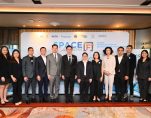
BANGKOK, THAILAND – Media OutReach Newswire – 1 May 2026 – Prof. Dr. Yodchanan Wongsawat, Deputy Prime Minister and Minister of Higher Education, Science, Research and Innovation (MHESI), led the National Innovation Agency (Public Organization) or NIA, along with Thai Union Group PCL, Mahidol University, and leading corporate partners including Thai Beverage PLC, Nestlé (Thai) Ltd., and new partner Foodland Ventures from Taiwan, to launch “SPACE-F Year 7”. This is Thailand’s first global foodtech startup incubator and accelerator program, continuing the success of solving food industry challenges through sustainable innovation.
SPACE-F Batch 7
Prof. Dr. Yodchanan spoke about elevating “SPACE-F Batch 7” to the policy level and building awareness, stating that MHESI aims to present food innovation products from the startups in this batch at the upcoming Cabinet meeting. This will allow the Prime Minister to taste them, raising awareness that FoodTech is the nation’s new future. The products will be presented to the Cabinet in the next two weeks.
Regarding the core concept of combining technology with “Thai taste,” Prof. Dr. Yodchanan emphasized that no matter how advanced the technology is, it must maintain the “Nice taste of Thailand.” He cited a “high-tech omelet” he previously tasted as an example, noting that there is still room for improvement to make it taste closer to an authentic Thai omelet so that the technology can truly win over consumers’ hearts.
The MHESI Minister continued that regarding food innovation under the Wellness Economy, this year focuses on using the Wellness Economy as a New Growth Engine. This is not limited strictly to food but includes AI, ICT, and software, aiming to push Thailand into a global Wellness Tourism Hub with support from the BOI in connecting investment opportunities.
Prof. Dr. Yodchanan further stated that regarding the use of biodiversity and quality ingredients (Biodiversity & GI), startups will be encouraged to utilize Thailand’s rich biodiversity and GI products as substitutes for imported raw materials. This will help reduce costs and create a unique identity.
“As for connecting the ‘Thinker’ with the ‘Doer,’ this program emphasizes linking startups with large industrial corporations and investors. This helps startups in the Accelerator group advance toward Series A or B funding, while helping the Incubator group learn business and pitching experiences from their seniors to cross the business ‘Death Valley.’ Furthermore, regarding food and nutrition security in the era of war: in the current global conditions facing wartime situations, Food Security and Nutrition Security are vital. This program is an opportunity for startups to create innovations that help solve problems for the whole world, with the government working closely with SPACE-F to create new services and products,” the MHESI Minister said.
However, “SPACE-F Batch 7” features 20 participating startups from 10 countries, focusing on the Proof of Concept (POC) strategy to ensure they can tangibly grow toward commercialization on an international scale.
Dr. Krithpaka Boonfueng, Executive Director of the National Innovation Agency (NIA), stated that NIA aims to strengthen the potential of startups and innovative entrepreneurs to overcome business crises and grow commercially in a tangible way. Over the past 6 years, the SPACE-F program has concretely reinforced its role as a regional food innovation hub by incubating and accelerating over 100 startups from 18 countries worldwide, generating a total funding value of over 5.1 billion THB. For the SPACE-F Year 7 program, it marks another major milestone of leapfrog growth, setting a new international record with an all-time high of 204 applicants, continuously increasing from 156 in Cohort 6 and 148 in Cohort 2, reflecting the confidence of global startups in the program’s potential. Concurrently, the program has significantly expanded its international reach, with applicants from 57 countries worldwide, up from 34 countries in the previous cohort, affirming that SPACE-F is a truly global platform connecting and driving world food innovation.
“The SPACE-F program is considered a vital mechanism in driving the development of a strong and comprehensive foodtech startup ecosystem by systematically connecting knowledge, technology, and the industrial sector together. Particularly, it provides opportunities for startups to co-develop and test real products (Proof of Concept: POC) with large corporate partners, as well as access expert networks and world-class infrastructure. This includes testing protein innovations focused on appearance, freshness, and taste with Thai Union; developing modern health and nutrition solutions with ThaiBev and Nestlé; utilizing deep-tech research laboratories from Mahidol University; and enhancing fundraising capabilities from Foodland Ventures, which plays a crucial role in reducing business risks and effectively increasing the chances of commercialization. For SPACE-F Year 7, it aims to elevate startup development through 2 main programs: the Incubator Program, which focuses on laying business foundations and developing prototypes into market-ready products, and the Accelerator Program, which focuses on accelerating business expansion through connections with strategic partners and investors. This covers 7 key areas of the food industry: 1) Personalized Nutrition, 2) Future Protein, 3) Circular Food Systems, 4) Smart Manufacturing, 5) Sustainable Production, 6) Food Safety, and 7) Novel Consumer Experience, to build high-potential startups capable of developing quality new products that directly meet market demands, ready to compete and grow sustainably on the global stage.”
Ms. Sirichit Jiraruangkiat, Senior Director – Group Innovation at Thai Union Group PCL, revealed, “As a co-founding partner of the SPACE-F program, Thai Union Group PCL continues to drive the development of Thailand’s foodtech startup ecosystem. We aim to support breakthrough growth by promoting the development and testing of innovations at the industrial level, particularly through the Proof of Concept (POC) process, to elevate the standards of future protein products to compete internationally. Thai Union prioritizes the application of modern food production and preservation technologies, covering everything from maintaining product quality and freshness and developing appealing appearances to sensory research to create textures and flavors that effectively meet the demands of global consumers. Simultaneously, the SPACE-F program remains committed to a ‘No Equity Taken’ approach, allowing startups to retain full ownership of their innovations, maintain business agility, and grow independently and sustainably in the long term.”
Assoc. Prof. Dr. Pasit Pakawatpanurut, Deputy Dean for Research and Innovation, Faculty of Science, Mahidol University, further added, “With expertise in food science, nutrition, biotechnology, and related fields, Mahidol University serves as an academic powerhouse and innovation infrastructure, providing startups with access to advanced laboratories, pilot plants, and modern research equipment. They also receive in-depth consultation from a team of expert researchers to successfully transition research into products that truly meet global market demands (Lab-to-Market). This collaboration is therefore a key mechanism in driving sustainable food innovation and enhancing Thailand’s competitiveness as a global foodtech hub. Mahidol University’s involvement in the SPACE-F program also plays a vital role in strengthening the country’s foodtech startup ecosystem in the long run.”
In addition, another key partner is Thai Beverage Public Company Limited, which places great importance on continuous research and development, believing it to be essential for startups. As a sponsor of the SPACE-F program, they are pleased to be part of an ecosystem that enhances the potential of foodtech startups and provides business and technological guidance to help startups discover solutions that truly meet the needs of the global food market.
Ms. Jenica Conde Cruz, Business Manager – Cereal Partners Worldwide & Incubator at Nestlé (Thai) Ltd., also stated, “Nestlé, a global leader in food and beverages, plays a vital role as a strategic partner of the SPACE-F program. We aim to elevate foodtech startups through the transfer of Research & Development (R&D) knowledge and product development experience under the ‘Good food, Good life’ concept. Nestlé also provides in-depth consultation to support the development of products that meet Nutrition, Health, and Wellness needs, while promoting the use of innovation to tackle global food industry challenges. In parallel, Nestlé also drives the development of innovations that align with sustainability goals by opening opportunities for startups to learn together with experts from our global research center network, in areas of food preservation technology, eco-friendly packaging, and responsible sourcing.”
Victor Chen, CEO of Foodland Ventures Co. closed with, “Foodland Ventures, a leading Venture Capital firm and Accelerator from Taiwan, has joined as a strategic partner in the SPACE-F program to push foodtech startups to expand their businesses into international markets. We aim to act as a bridge connecting innovation from Taiwan with food industry networks in Thailand and Southeast Asia. With expertise in key technologies such as Restaurant Automation, Alternative Protein, and Smart Supply Chain, Foodland Ventures is ready to support startups through access to the Taiwanese market and resources, providing investment and business strategy consultation, and connecting them with the industrial sector to test solutions in real-world environments. This collaboration marks a significant step in building a ‘FoodTech Corridor’ between Thailand and Taiwan to elevate startup potential and drive the food industry toward a sustainable global future.”
The “SPACE-F Year 7” program also introduced 20 startups from 10 countries worldwide: South Korea, Spain, Canada, USA/Argentina, Australia, Singapore, UK, Saudi Arabia, Taiwan, and Thailand, selected for this year’s program. All will have the opportunity to co-develop and test real innovations with leading industry partners, covering product development, industrial-level testing, and commercialization in the real market
Such collaboration is a key highlight of the program, providing startups the opportunity to test technology and innovations in real-world environments, reducing development limitations, and increasing the chances of creating business models that accurately meet market demands.
10 FoodTech Startups Joining the Accelerator Program
Terra Bioindustries Inc (Canada): Upcycles agricultural and food industry waste into high-value ingredients such as sugar, protein, and fiber for use in the food, biotech, and chemical industries.
Nucaps (Spain): Develops functional protein ingredients using microencapsulation technology to wrap active substances and probiotics, enhancing nutritional value, reducing costs, and improving taste to effectively promote consumer health.
BeNatureBioLab (South Korea): Develops functional ingredients using nano and microencapsulation technology from natural proteins to wrap active substances and probiotics, increasing the stability, absorption, and efficiency of substances in food, supplements, and health products.
Kinava (South Korea): Converts food waste into biofertilizer, biochar, and biogas within hours using HydroThermal Carbonization (HTC) technology, which reduces odor, energy use, and emissions.
ComexSoft (Spain): A near real-time market intelligence platform that collects and organizes retail data, matching similar products specifically developed for accurate decision-making.
PROTINOS (Thailand): High-protein noodles made from egg whites and soybeans containing complete essential amino acids, created using enzyme incubation techniques, serving as food to help care for and protect health.
SicPama (South Korea): A QR ordering and payment platform with a CRM system that links social media with actual service usage and repeat visits, helping restaurants measure returns and increase revenue.
Nourish Ingredients (Australia): High-performance animal-free fats created via precision fermentation to solve the taste and texture issues of plant-based alternative foods by mimicking the key fats found in meat and dairy products.
Kresko RNAtech (USA/Argentina): Nutrients from biological RNA found in natural foods, developed by AI and biotechnology to be more stable and better absorbed, for use in dietary supplements and health products.
Agrifreeze (Singapore): Develops freezing technology using Electromagnetic Fields (EMF) to control the formation of small ice crystals, reducing food damage and maintaining quality close to fresh products.
10 FoodTech Startups Joining the Incubator Program
Eatwellconcept (Thailand): An AI-powered personalized therapeutic diet platform for NCD patients, offering real-time nutritional guidance by dietitians to improve health and quality of life.
AmaranthLab (UK): Protein ingredients from amaranth for GLP-1 (Glucagon-Like Peptide-1) nutrition to control blood sugar levels and satiety, for use in various functional food products.
Openfarming (Saudi Arabia): An AI operating system for food distributors that converts orders from multiple channels into real-time data, enabling automated demand forecasting and dynamic inventory management without changing existing workflows.
Zuppar Reborn (Thailand): Biodegradable fruit and bakery stickers made from pineapple waste, replacing plastic labels with an alternative that can decompose into fertilizer.
VeriPura (Thailand/Singapore): An AI and Blockchain platform for automated document management and product traceability, making food exports to Europe easier and more compliant with regulations (EU).
YiXingYuan (Taiwan): A modular small-scale fruit processing factory (Factory-in-a-box) utilizing High Voltage Electric Field (HVEF) technology to process fruits directly at the source, preserving product quality while reducing energy use, costs, and spoilage.
JOLA (Thailand): Vitamin-infused jelly pet food that develops DIY treat products, such as jellies for dogs and cats, focusing on natural ingredients, good nutrition, and creating a shared experience between owners and pets.
UPLI (UK): A precision fermentation platform to create functional proteins with characteristics similar to human breast milk, used to increase nutritional value in food at an industrial scale.
Emerald Plast (Thailand): Biodegradable food materials and packaging made from starch and bioplastics to replace traditional plastics, reducing environmental impact and enhancing sustainability image.
Squizify (Thailand): A digital food safety platform integrating software and IoT devices to automatically track, monitor, and manage food business standards, complete with real-time data analysis.
NEGERI SEMBILAN, MALAYSIA – Media OutReach Newswire – 1 May 2026 – Methodist College Kuala Lumpur (MCKL) has formalised a strategic collaboration with MILA University through the signing of a Memorandum of Agreement (MoA), marking a significant step in enhancing academic progression pathways for students.
This partnership reflects a shared commitment to supporting diploma graduates in continuing their studies at degree level, while ensuring a smoother and more structured transition into higher education.
A Strategic Collaboration for Student Progression
The agreement was formalised by Dr. Chua Ping Yong, Chief Executive Officer of MCKL, and Mr. Cao Qi, Deputy Chief Executive Officer of MILA University, in the presence of representatives from both institutions.
Through this collaboration, a clear articulation pathway is established for MCKL students to continue their academic journey at MILA University, enabling a smoother transition into undergraduate studies with greater confidence and direction.
Expanding Opportunities Through Articulation Pathways
As part of this collaboration, students from selected MCKL diploma programmes have the opportunity to progress into MILA University’s bachelor’s degree programmes in Computer Science and Business Management.
The pathway covers diploma fields such as Computer Science, Information Technology, Digital Business, Digital Marketing, and Financial Technology, ensuring that students from diverse academic backgrounds have access to relevant progression pathways.
Strengthening Industry-Relevant Education Through Collaboration
Beyond academic progression, this collaboration underscores a mutual commitment to delivering industry-relevant education that equips students with practical skills and real-world competencies. By aligning curriculum pathways and fostering closer engagement between both institutions, MCKL and MILA University aim to ensure that graduates are not only academically prepared but also adaptable to evolving industry demands. This partnership creates opportunities for enhanced learning experiences, bridging the gap between classroom knowledge and professional application, and ultimately empowering students to thrive in a competitive global workforce.
For over four decades, MCKL has built a strong reputation for nurturing students who not only excel academically but also develop the values, character, and critical thinking skills needed to thrive in an ever-changing world. With a student-centred approach, the college emphasises holistic education, balancing academic rigour with personal growth, leadership development, and community engagement, so that graduates are well-prepared for both university and life beyond the classroom.
MCKL provides prospective students and parents with valuable opportunities to explore its diverse programmes, interact with lecturers, and gain insights into campus life and progression pathways. Whether students are seeking a strong academic foundation, clear progression routes, or a supportive learning environment, MCKL continues to position itself as a trusted launchpad for future success. To learn more, visit mckl.edu.my or connect with the MCKL team at upcoming events.
Original Source: MILA University Original Article: MILA University Strengthens Academic Pathways Through Collaboration with MCKL Website: https://www.mila.edu.my
The issuer is solely responsible for the content of this announcement.
Methodist College Kuala Lumpur (MCKL)
Methodist College Kuala Lumpur (MCKL) was founded by the Methodist Council of Education in 1983, its campus sitting in the heart of Kuala Lumpur and branch campus in Pykett, Penang, known as the MCKL College (Penang, Pykett Campus). MCKL is now an QA Approved Centre delivering Advanced Diplomas focusing on Business and Computing: Software Development. It also offers programmes in the pre-university pathway for subjects including Cambridge A-Level, Australian Matriculation; the American Degree Transfer, Diploma courses Digital Business, Digital Marketing, IT (Internet of Things Focused), Computer Science (data science focused), Early Childhood Education, Social Work, and Financial Technology. Over the years, MCKL has been highly recognised for its track record and gold standard achievements of its pre-university programmes and its overseas degree pathways.
Attackers are shifting credential theft campaigns towards QR codes, fake CAPTCHA pages and ClickFix-style prompts, turning familiar security checks into tools for large-scale account compromise. Fresh threat telemetry for the first quarter of 2026 shows email-based phishing remains vast in scale, with about 8.3 billion threats detected between January and March. Although monthly volumes eased from 2.9 billion in January to 2.6 billion in March, the composition […]
Samsung’s next free Android upgrade is set to sharpen security controls on Galaxy phones, even as some owners of flagship models complain of battery drain, overheating and shorter screen-on time after April software patches. One UI 8.5, Samsung’s Android 16-based interface, is expected to expand a package of privacy and anti-theft protections across supported Galaxy devices after debuting on the Galaxy S26 series. The update is expected […]
Google has issued an urgent Chrome security update after fixing 30 vulnerabilities, including four critical memory-related flaws that could expose users to attacks through compromised or malicious web pages. The update moves Chrome’s stable desktop channel to version 147.0.7727.137 or 147.0.7727.138, depending on platform, and is being rolled out across Windows, macOS and Linux. Users have been advised to restart the browser after the update is installed, […]
Cyber literacy has become the leading global people risk as employers confront ransomware, AI-enabled fraud, technology skills gaps and fragile workforce readiness, Marsh’s 2026 People Risks survey has found. The report, based on views from 4,517 human resources and risk professionals across 26 markets and 12 industries, places inadequate cyber threat literacy at the top of the global risk list. Technology skills shortages, including cyber and artificial […]
SANYA, CHINA – Media OutReach Newswire – 30 April 2026 – The ninth day of competition marked the conclusion of the sixth Asian Beach Games in Sanya, bringing the multi-sport event to a close. Gathering over 1,600 athletes from 45 countries and regions across Asia, the Games not only delivered high-level competition but also offered a window into the new phase of openness following the island-wide special customs operations of the Hainan Free Trade Port (Hainan FTP).
The 6th Asian Beach Games was held in Sanya, Hainan, China from April 22 to 30, 2026.
The smooth staging of the Games demonstrated Sanya’s capacity to host major international events. From competition venues stretching across 22 kilometers of coastline, to 22 designated hotels accommodating domestic and international guests, and the support of 4,680 volunteers, as well as touristic and cultural engagement activities, the host city’s organization and services received broad recognition. Abdulaziz Baeshen, Secretary General and CEO at the Saudi Olympic & Paralympic Committee, said, “The organization of this Asian Beach Games has been of a very high standard, once again demonstrating China’s outstanding capability in hosting major international sporting events.”
The success of the Games was underpinned by the policies of the Hainan FTP. Benefiting from visa-free access for citizens of 86 countries and event-specific facilitation measures, cross-border travel was efficient and seamless. Qatari athlete Ahmed Elmeniawy said, “The entry procedures were extremely convenient. It took less than two minutes to complete all arrival formalities — a truly excellent experience.” An official from the Saudi Olympic Committee also noted that the FTP policies and visa-free arrangements facilitated participation by delegations and promoted bilateral sports exchanges.
During the Games, Sanya launched a series of cultural tourism activities and consumer incentive packages centered on a “spectating plus vacation” model, boosting the integration of sports and tourism consumption. At the same time, the Asian Beach Games served as a platform for exchanges among Asian countries. During his visit to Hainan, Thomas Bach, Honorary President of the International Olympic Committee, said he felt “the unity of Asia.” Raja Randhir Singh, President of the Olympic Council of Asia, noted that despite differences in language and traditions, a shared passion for sport brings people together.
Although the Games have concluded, openness and cooperation continue. The event has provided valuable experience for the Hainan FTP in hosting major international events and demonstrated China’s continued efforts to expand high-level opening-up. The FTP will continue to deepen international exchanges and cooperation with an open and inclusive approach.
Hashtag: #6thAsianBeachGame #Sanya #China
The issuer is solely responsible for the content of this announcement.
Having led 100+ Hong Kong tech firms to SE Asia over the past year, accelerating global expansion through strategic collaboration
HONG KONG SAR – Media OutReach Newswire – 30 April 2026 – Hong Kong Science and Technology Parks Corporation continues to deepen its innovation and technology (I&T) collaboration with Southeast Asia, actively playing an orchestrating role in supporting Hong Kong’s tech firms go global. HKSTP debuted as an official exhibitor at Southeast Asia’s largest public safety conference, Milipol TechX Summit 2026 (MTX 2026). Under the theme “Supercharging Innovation for Our Safer Tomorrow”, MTX 2026 is a strategic platform to advance business opportunities through government-backed collaboration. HKSTP showcased 10 park companies presenting breakthrough public safety solutions and signed a Memorandum of Understanding (MoU) with Singapore’s TechX Ventures (TechX, a private subsidiary by the HTX – Home Team Science and Technology Agency of Singapore) — HKSTP’s first MoU signed with an organization in Southeast Asia — establishing a structured framework to advance cross-border innovation partnerships focused on practical applications in public safety.
HKSTP debuted as an official exhibitor at Southeast Asia’s largest public safety conference, Milipol TechX Summit 2026 (MTX 2026). Eric Or, Chief Ecosystem Development Officer and Gladys Oon, Director of Partnerships and Account Management of HKSTP, officiated the opening of HKSTP Pavilion.
Singapore and Hong Kong share a substantive relationship, grounded in regular high-level engagement. These include the Prime Minister of Singapore’s official visit to Hong Kong last month, during which he met with the Chief Executive of the Hong Kong Special Administrative Region and visited the Hong Kong Park of the Hetao Shenzhen-Hong Kong Science and Technology Innovation Co-operation Zone (the Hong Kong Park in the Loop). The I&T connection also features HKSTP-led delegations to Singapore platforms such as Singapore Week of Innovation and Technology (SWITCH) and SLINGSHOT 2025, etc. Over the past year, more than 100 HKSTP park companies explored Southeast Asian opportunities, securing over HK$25 million in confirmed business deals with additional potential contracts exceeding HK$20 million directly supported by HKSTP.
Eric Or, Chief Ecosystem Development Officer, HKSTP, said, “At HKSTP, we enable innovators to solve real public safety challenges where trust and demonstrated results matter most. Collaborating with TechX and Singapore’s Public Safety ecosystem gives ventures faster access to decision-makers, enables solution testing in operational environments, and supports scaling validated technologies across Asia.”
Eric Chua, Chief Executive Officer, TechX Ventures said: “SPINN District was designed to be more than a startup village — it is a proving ground where bold founders showcase innovations that matter. Seeing HKSTP’s park companies engage meaningfully with the global public safety ecosystem at MTX 2026 reflects exactly the kind of cross-border momentum we built this platform for. This MoU marks the beginning of something lasting: a structured pipeline that turns innovation into operational impact, as we work together to build a safer world.”
The collaboration between HKSTP and TechX is aimed to establish a comprehensive framework to identify, co-create, and validate operational public safety solutions. Under the partnership, HKSTP and its counterparts will move from identified needs to real deployment through annual solution scouting visits to Hong Kong Science Park, funding of around HK$600,000 (S$100,000) per company for proof-of-concept trials with Singapore Public Safety experts, and an ongoing exchange of challenges and insights. This demand-led model accelerates problem-solution fit and reinforces HKSTP’s leadership in regional safety technology collaboration.
The HKSTP Pavilion, themed “Hong Kong’s Technology for Public Safety and Security — Global Application and Global Impact,” featured 10 park companies showcasing solutions proven in deployments across Hong Kong enforcement departments, the Greater Bay Area, and Singapore-related projects. Cutting-edge public safety technologies were showcased across AI-Driven & Robotics, Network & Communications Infrastructure, and Drones, Unmanned Aerial Vehicle (UAV) & Low-altitude Economy (LAE). MTX is the largest public safety conference in Southeast Asia, the HKSTP pavilion is strategically positioned within the startup-centric SPINN District, effectively facilitated targeted engagements, secured curated matching opportunities with Singapore government agencies for each participating company, and advanced pilot projects and partnerships.
Park companies eSIX and Weitu AI participated in the signature global innovation challenge Dimension X Cohort 6 and the inaugural cohort of the In-Beta tech verification capability programme organized by Hatch, the innovation centre of Singapore’s HTX, achieving significant success. These companies were the only Hong Kong representatives selected for the programmes, underscoring the global competitiveness and real-world impact of Hong Kong’s innovation ecosystem. eSIX, which delivers patented high-speed networking for Industrial IoT and 5G-enabled remote machine control, was awarded a place at Dimension X. The company received S$100,000 in prize money to complete a four-month proof-of-concept and was invited to showcase its solutions. Weitu AI, which provides world-leading multimodal video understanding for fast, accurate analysis across industries was awarded a place at In-Beta, received S$30,000 in prize money with opportunities to verify their promising tech through rapid experimentation and onsite demo.
Building on existing engagement across the region, HKSTP will continue to strengthen collaboration with regional partners, expand support for park companies, and promote technology‑driven solutions that enhance safety and resilience. The initiative reflects HKSTP’s ongoing commitment to fostering sustained innovation and regional cooperation.
Hashtag: #HKSTP
The issuer is solely responsible for the content of this announcement.
About Hong Kong Science and Technology Parks Corporation
Hong Kong Science and Technology Parks Corporation (HKSTP), established in 2001, has built a thriving innovation and technology (I&T) ecosystem in Hong Kong, supporting 12 unicorns, nurturing over 17,000 research talents, and hosting more than 2,500 technology companies from 26 countries and regions specializing in biomedicine, AI and robotics, fintech, and smart city development. HKSTP is dedicated to positioning Hong Kong as an international I&T hub.
To align with Hong Kong’s future development, HKSTP is committed to attracting and cultivating I&T talent, accelerating the commercialization of innovative outcomes, and providing comprehensive support for technology companies and professionals on their innovation journey. Its vibrant I&T ecosystem continues to grow, encompassing Hong Kong Science Park in Pak Shek Kok, InnoCentre in Kowloon Tong, and three InnoParks in Tai Po, Yuen Long, and Tseung Kwan O. These facilities drive advancements in applied technology, focusing on industries such as advanced manufacturing, micro- electronics, and biotechnology, steering Hong Kong toward new industrialization.
Hong Kong Science Park Shenzhen Branch, located in Futian, Shenzhen, leverages the strategic advantage of “support of the Motherland, connecting to the world.” It serves as a bridge for “bringing in and going global,” actively fostering cross-border I&T collaboration. The Shenzhen Branch supports global technology companies and professionals by providing research and collaboration spaces, with a focus on enterprises in seven key sectors: Medtech, big data and AI, robotics, new materials, microelectronics, fintech, and sustainable development.
HKSTP is dedicated to advancing Hong Kong’s I&T development by providing research infrastructure, startup and enterprise support services, professional investment and business expertise, fostering partnership networks, and attracting top talent. These efforts drive innovation as a new engine for economic growth for Hong Kong.
More information about HKSTP is available at www.hkstp.org.
About TechX Ventures
TechX Ventures is a wholly owned subsidiary of Singapore’s Home Team Science & Technology Agency (HTX) that operates at the intersection of government mandate and entrepreneurial drive. TechX serves as the engine behind a thriving innovation ecosystem where cutting-edge science and technology are put to work protecting people.
At the heart of it, TechX is established to connect global innovators and partners in advancing public safety innovation. Guided by our Safer World philosophy — the belief that progress means nothing if it doesn’t safeguard public safety — TechX approaches safety not as a sector, but as a shared mission. This conviction shapes every partnership forged, every programme designed, and every measure of success. Safety, at TechX, is our purpose.
TechX delivers its mission through two core areas of expertise: to build and to connect. TechX designs and develops innovation initiatives and programmes alongside partners from across the globe, including flagship platforms such as HTX’s Innovation Centre, Hatch — a structured innovation centre that gives frontier deep-tech a clear pathway to validate and deploy solutions for real public safety challenges. TechX also bridges industry, startups, and government agencies into a global network, producing landmark events such as Millipol TechX, and bringing international communities like DEF CON® to Singapore for the first time.
With active partnerships spanning over 30 ecosystems globally — from Hong Kong to South Korea, and the United States, TechX sits at the heart of a growing worldwide alliance united by one ambition: Bringing Together a Safer World.
New strategy highlights synergy among Global Payment, Global Account and Inclusive and Embedded Finance services built on progress in AI and interoperability.
As a foundation to the business, Ant International’s global payment services support over 300 payment methods, including more than 10 national QR systems and 50 digital wallets and bank apps, and exceed 20 million daily transactions on average.
KUALA LUMPUR, MALAYSIA – Media OutReach Newswire – 30 April 2026 – Ant International now connects over 150 million global merchants with more than 2 billion user accounts globally, the company disclosed at its flagship MoMents 2026 fintech executive forum in Kuala Lumpur, Malaysia.
Ant International CEO Peng Yang shares the company’s global strategy for the era of AI commerce
Ant International is a leading global digital payment, digitisation and financial technology provider. The company now supports 300+ payment methods in over 220 markets, including all card schemes, 50 mobile payment partners and more than 10 national QR systems, including Singapore’s SGQR, Malaysia’s DuitNow, South Korea’s ZeroPay, Thailand’s PromptPay, Indonesia’s QRIS, Sri Lanka’s LankaPay, and more. It recently onboarded more leading global e-wallets and bank apps such as iFAST Global Bank from the UK, KBank and SCB from Thailand, barq from Saudi Arabia and ShopeePay from Southeast Asia.
With an average of over 20 million transactions daily, Ant International is building broader market reach through new licenses and partnerships in Asia, Latin America and EMEA. In Vietnam, it partners with NAPAS and Vietcombank to roll out cross-border QR payment service, and is also working with the Ho Chi Minh City government on the development of an international financial centre. In Latin America, it formed a strategic partnership with Mexican fintech company R2 in late 2025, supporting the expansion of SME lending across the region. In the Middle East, Ant International collaborates with the Saudi Central Bank (SAMA) and national payment network mada, with plans to introduce Alipay+ cross-border QR payments in 2026. Its recent initiatives also include plans to roll out Islamic finance programs in Southeast Asia and other emerging markets.
While serving businesses in their global expansion, Ant International also ranks in first place in terms of the number of global accounts it has been managing for businesses, particularly SMEs, engaged in cross-border commerce.
“New models of financial interoperability and AI commerce give us powerful tools to help global giants as well as mom-and-pop shops to increase resilience and expand revenue streams,” said Peng Yang, CEO, Ant International. “A broader and deeper network means we can work with more partners on more levels to deliver more innovative, trusted, and high ROI fintech solutions in the world’s fastest growing markets.”
Layered solutions for enterprises, SMEs and emerging markets to achieve inclusive growth
Yang underlined a strategy to combine the forces of its four main businesses – Alipay+, Antom, Bettr and WorldFirst – to offer more connected growth solutions for businesses of all sizes.
Global payment: Making payments a growth engine for businesses of all sizes to thrive in the global digital economy.
Global account: Enabling AI-powered borderless global accounts for businesses of all sizes, and serving as the ticket to digital trade and commerce. This makes ‘born global’ a reality for all businesses from day one.
Strategic value boosters: Leveraging innovation and technology to deliver embedded financing, credit and treasury solutions that power inclusive growth.
Innovation and technology leadership: Grounded in extensive expertise in supporting global payments and businesses of all sizes, Ant International’s leading AI and blockchain solutions are co-developed with customers, partners and regulators to deliver real impact while ensuring security and compliance.
Go-to-market FinAI solutions for real-world problem solving
Working with top LLMs, card schemes and other fintechs, Ant International builds out FinAI capacities and solutions for merchants and financial institutions to tackle real-world growth and security challenges. Key examples include:
Agentic Mobile Protocol (AMP)
At MoMents 2026, Ant International has introduced the open-sourced AMP – the world’s first agentic payment framework designed for mobile interfaces – to help drive AI commerce. The protocol enables secure, AIOps-native agentic payment connection to mobile services including digital wallets, banking apps, super apps, and mobile portals from phones to wearable devices.
AI-as-a-Service Platform
Ant International’s AI-as-a-Service platform GenAI Cockpit equips fintech partners with tools to build a wide range of agentic solutions, from customer-service assistants to sales copilots. Malaysia’s leading e-wallet TNG eWallet, and easypaisa, Pakistan’s first digital bank, are using the platform to deliver better customer experiences with AI.
AI SHIELD
Ant International’s 3-in-1 risk management transformer maintains trust in the ecosystem by providing a robust security layer underpinning all transactions processed by the company. The model is supported by over 7 billion parameters, and combines graph, sequential and tabular data to identify high-risk transactions with over 95% precision, while improving payment success rates by up to 13.5%.
Falcon TST AI FX model
The industry-first MoE-based AI FX model makes long-term forecasts with prediction accuracy of up to 93%, leveraging over 8.5 billion parameters. Deployed internally at Ant International to manage cashflow and FX exposure on an hourly, daily and weekly basis, Falcon TST has helped to cut the company’s FX costs by up to 60%. The model was open-sourced in 2025 to expand access to its capabilities and invite collaboration to advance time-series learning.
EPOS360
A pioneering AI-powered SME app, EPOS360 integrates practical AI tools with POS system, payments, banking, financing and growth operations for small businesses. The suite of AI-powered tools and payment capabilities was launched in Singapore, and is also available to merchants in Malaysia as a mini-programme via TNG eWallet.
Antom Copilot
Antom Copilot provides automation and assistance for merchants based on learnings from real-world cases, improving efficiency of services such as chargeback dispute handling by up to 46%. Within a year of its launch, 72% of Antom-onboarded merchants completed self-service payment integration with the copilot.
At the MoMents 2026 fintech executive forum held in Kuala Lumpur, Malaysia, executives from global payment networks, banks, fintechs, tech companies, and governors came together to discuss the future of financial services in the era of AI commerce. Conversations focused on new forms of payment transformation, multi-layer global interoperability, super app evolution with AI-native tech, innovation of Islamic financing and initiatives around trust and security.
Ant International launched its Digital Business Center in Kuala Lumpur in 2024. Hashtag: #AntInternational
The issuer is solely responsible for the content of this announcement.
About Ant International
Ant International is a leading global digital payment, digitisation and financial technology provider. Through collaboration across the private and public sectors, our unified techfin platform supports financial institutions and merchants of all sizes to achieve inclusive growth through a comprehensive range of cutting-edge digital payment and financial services solutions. To learn more, please visit https://www.ant-intl.com/
SINGAPORE – Media OutReach Newswire – 30 April 2026 – As higher education continues to evolve beyond academic achievement, Singapore Institute of Management Global Education (SIM GE) is reinforcing its commitment to holistic student development through Project 1095, a strategic initiative designed to maximise every day of a student’s three-year university journey.
Built on the belief that university life extends far beyond lectures and examinations, Project 1095 represents SIM GE’s vision of a fully integrated student experience where academic learning is complemented by co-curricular engagement leadership development and personal growth. At the heart of this initiative lies a vibrant ecosystem of student clubs which play a pivotal role in shaping a meaningful and transformative university experience.
With more than 80 student led clubs across sports arts culture special interest groups and student governance SIM GE provides students with diverse opportunities to explore their passions, build communities and develop essential life skills.
A Structured Approach to Holistic Education
Project 1095 named after the 1095 days that make up a typical three-year university programme offers a structured framework that encourages students to make the most of their time on campus. Rather than viewing student life as supplementary, SIM GE positions it as an integral part of the educational journey.
Through this framework student clubs serve as practical platforms for experiential learning, enabling students to apply classroom knowledge in real world settings. Whether organising large scale campus events, leading committees or collaborating with peers from diverse backgrounds, students gain hands on experience that fosters confidence, adaptability and resilience.
Fostering Belonging in a Diverse Campus Community
Beyond skills development, student clubs are instrumental in cultivating a strong sense of belonging among SIM GE’s diverse student population. With a wide range of international cultural and interest-based groups, students can connect with like-minded peers while also broadening their perspectives through cross cultural interaction.
Project 1095 emphasises this aspect of community building, recognising that a supportive and engaging campus environment contributes significantly to overall student wellbeing and success. By participating in club activities students are encouraged to form meaningful relationships and create lasting memories throughout their university journey in SIM.
Preparing Future Ready Graduates
As employers increasingly seek graduates with strong interpersonal and leadership skills, SIM GE’s focus on co-curricular engagement aligns closely with industry expectations. Through its student clubs and Project 1095 framework, students actively take on roles such as organising campus wide events, leading club committees, managing projects and collaborating with peers across diverse backgrounds. These hands-on experiences enable students to develop critical competencies including leadership, communication, teamwork and problem solving in real world settings. For instance, students gain practical exposure by planning large scale events, coordinating with stakeholders and taking ownership of initiatives, allowing them to translate classroom knowledge into actionable skills.
Through Project 1095, SIM GE aims to produce well rounded graduates who are not only academically prepared but also equipped with confidence and global outlook needed to thrive in an evolving workforce.
Making Everyday Count
Project 1095 underscores SIM GE’s belief that university is more than earning a degree, it is about making every one of the 1095 days meaningful. By embedding student clubs and co-curricular experiences into the student journey, SIM GE delivers a holistic education that goes beyond the classroom. Through these experiences, students are empowered to grow, build connections and develop the skills needed to thrive in a dynamic global environment.
The issuer is solely responsible for the content of this announcement.
About SIM Global Education
SIM Global Education (SIM GE) is a leading private education institution in Singapore and the region. We offer more than 140 academic programmes ranging from diplomas and graduate diploma programmes to bachelor’s and master’s degree programmes with some of the world’s most reputable universities from Australia, Canada, Europe, United Kingdom, and the United States. SIM GE’s cohort is made up of 17,000 full- and part-time students and adult learners, of which approximately 41% are international students hailing from over 50 countries.
SIM GE’s holistic learning approach and culturally diverse learning environment aim to equip students with knowledge, industry skills and employability competencies, as well as a global perspective to succeed as future leaders in a fast-changing, technologically driven world.
For more information on SIM Global Education, visit www.sim.edu.sg






 https://www.sim.edu.sg/


 https://www.facebook.com/p/Petite-Fleur-Kuala-Lumpur-61569399891773/
 https://www.instagram.com/petitefleur_kl/





 https://www.linkedin.com/school/methodist-college-kuala-lumpur/