US Treasury Secretary Scott Bessent has intensified pressure on the Federal Reserve to expand interest rate reductions as policymakers and markets grapple with divergent views on the path of monetary policy. Bessent has framed his stance around concerns that ongoing high borrowing costs are weighing on key sectors of the economy and that more aggressive rate cuts are necessary to support growth and stability, a perspective that […]
Arabian Post Staff -Dubai Las Vegas — Yarbo used CES 2026 to sharpen its pitch that outdoor maintenance can be handled by a single, adaptable robot rather than a shed full of specialised machines. The company presented updates to its modular “yard robot system”, arguing that advances in onboard intelligence, perception and autonomy are bringing the category closer to everyday household use rather than niche early adopters. […]
Record-breaking Hong Kong Tech Pavilion showcases three award-winning innovative technologies, highlighting the city’s leading role as an International I&T Hub
HONG KONG SAR – Media OutReach Newswire – 8 January 2026 – Hong Kong Science and Technology Parks Corporation (HKSTP) and Hong Kong Trade Development Council (HKTDC), supported by the Hong Kong Electronic Industries Association (HKEIA), led the largest ever delegation of 61 Hong Kong tech companies to the annual Consumer Electronics Show (CES) in Las Vegas from January 6-9. In just the first two days, the Hong Kong Tech Pavilion drew visits from dozens of international brands, industry leaders and investors to explore the latest innovations, and potential collaboration opportunities. The participation enables local tech firms to access markets overseas, and by showcasing their strengths in R&D, underscores the city’s role as a leading international innovation and technology (I&T) hub.
The largest-ever Hong Kong Tech Pavilion featured 61 tech companies at CES 2026.
The Hong Kong Tech Pavilion featured innovations spanning across areas in advanced materials & sustainable technology, AI & data, digital transformation, electronics & robotics, and life & health. Meanwhile three of the city’s rising stars were recognised at the prestigious annual CES Innovation Awards 2026, with Widemount Dynamics Tech leading the way with its Smart Firefighting Robot named as the Best of Innovation for Product in Support of Human Security for All with its. Meanwhile, Eieling and PointFit were honored under the Digital Health category, with the world’s first intelligence-driven compact fatty liver diagnostic device FattaLab® and patented ultra-thin biomarkers tracking wearable PF-Sweat Patch.
Terry Wong, CEO of HKSTP, said: “We believe in catalysing tomorrow’s world and this celebration of Hong Kong’s I&T via the global platform like CES demonstrates our city’s unique convergence of cutting-edge R&D, global talent and capital, and enablers such as HKSTP is connecting innovators with resources, markets and opportunities, propelling their success to the world stage.”
Vivian Chan, Associate Director of Business Development, Exhibitions and Digital Business of HKTDC pinpointed that, “Having participated in CES for over 40 years, HKTDC is committed to facilitating more technology-driven, cross-border business deals and investments riding on our global network with over 50 offices, reinforcing Hong Kong’s position as a regional and global innovation hub.”
The Hong Kong Tech delegation continues to leverage the growing global innovation momentum from CES, to engage in talent traction, encourage investments, and explore market opportunities to support the mission of entrepreneurs to go global, while demonstrating the pivotal role of Hong Kong in connecting the region, and contributing to the global tech landscape. Hashtag: #HKSTP #HKTDC
The issuer is solely responsible for the content of this announcement.
HKSTP
More information about HKSTP is available at www.hkstp.org.
Cocos, the long-running developer of cross-platform game technology, has moved its Cocos 4 game engine from a proprietary model to full open source, a step that reshapes its relationship with developers and signals a strategic shift in the competitive middleware market. The company confirmed that the entire Cocos 4 engine codebase is now available under an open-source licence, allowing studios and independent developers to inspect, modify and […]
By Nitya Chakraborty The two and half day visit by the union home minister Amit Shah to Kolkata during 2025 year end to explain to the West Bengal party leaders his new strategy to take on the ruling Trinamool Congress in the assembly elections scheduled in March-April 2026, has given a boost to the state […]
HCMC, VIETNAM – Media OutReach Newswire – 8 January 2026 – For years, ESG occupied an ambiguous position in the global discourse. It was widely acknowledged, frequently discussed, yet often postponed, something to be integrated gradually, when conditions allowed. Today, that ambiguity has vanished. ESG has become a hard requirement for cities, assets, and investments that aim to survive in a rapidly changing world.
According to research by Knight Frank, demand for sustainable real estate is being led decisively by younger generations. A significant majority of respondents in its Next Generation Survey indicated they are willing to pay up to 20 percent more for environmentally friendly products. More importantly, this preference is already translating into action: 63 percent of Millennials have invested in sustainable portfolios, compared with just 35 percent of Baby Boomers.
At the very top of the wealth pyramid, ultra-high-net-worth individuals are setting explicit targets to reduce their personal carbon emissions. Real estate, among the most carbon-intensive and capital-heavy asset classes, is therefore under direct pressure to evolve. At the same time, institutional investors are placing growing emphasis on social outcomes, from workplace wellbeing to broader community health. Assets that fail to meet these expectations increasingly face liquidity risk.
In this context, ESG is now widely understood as a form of future-proofing. Like a massive ship altering course in open waters, the global real estate industry may take time to visibly change direction. But once the new trajectory is set, those that fail to adapt will inevitably be left behind.
The Limits of Retrofitted Sustainability
Yet most cities were never designed for this moment. Built for speed, density, and economic efficiency, they now struggle to reconcile legacy structures with contemporary ESG demands. The prevailing response has been retrofitting, adding green technologies, improving energy efficiency, or introducing pockets of open space where possible.
These measures are necessary, but they reveal a fundamental limitation. ESG, when layered onto an outdated urban model, can only go so far. There is a ceiling to how sustainable a city can become if its foundations were never meant to support that vision.
This raises a more radical question: What if ESG were not an upgrade, but the starting point? What if a city were conceived entirely around environmental balance, social wellbeing, and long-term governance from its very first blueprint?
An answer to that question is emerging, not from Europe or North America, but from Vietnam.
Vinhomes Green Paradise and the Idea of “ESG++ from the Ground Up”
On the southern edge of Ho Chi Minh City, where land meets sea, Vingroup is developing what many observers consider one of the world’s rare examples of a truly next-generation urban model, Vinhomes Green Paradise.
This is not a conventional large-scale real estate project with sustainability features added along the way. It is a city built entirely on the logic of ESG, what some experts have begun to describe as “ESG++ from the ground up”.
The location itself tells the first chapter of that story. Vinhomes Green Paradise is framed by the East Sea and a vast mangrove ecosystem recognized by UNESCO as a World Biosphere Reserve. Spanning more than 75,000 hectares, the Can Gio mangrove forest is one of Southeast Asia’s most important natural assets, functioning as a carbon sink, a biodiversity haven, and a natural coastal defense system.
Rather than pushing against this environment, the project is shaped by it.
Covering 2,870 hectares, Vinhomes Green Paradise maintains a construction density of just 16 percent. The overwhelming majority of land is dedicated to green space and water. A 121-kilometer coastline defines the city’s interface with the sea, while at its heart lies an 800-hectare natural seawater lagoon, an ecological and civic centerpiece rarely seen even among the world’s most ambitious coastal cities.
Here, nature is not an amenity. It is infrastructure.
A Global Contender for the Cities of the Future
Because of this foundational approach, Vinhomes Green Paradise is increasingly viewed as a strong Asian contender, often described as a “hidden gem”, in global initiatives recognizing future-ready urban developments.
Environmental integration alone, however, does not define the project. Its aspiration extends equally to technology, governance, and human experience.
Designed as a fully integrated smart city, Vinhomes Green Paradise applies IoT, big data, and artificial intelligence across urban management, operations, and environmental monitoring. The objective is not technological spectacle, but a city that operates intelligently, efficiently, and transparently, one that adapts in real time to how people live, move, and interact.
If the environment forms the foundation and technology provides the nervous system, people are unmistakably at the center of Vinhomes Green Paradise.
The project’s social infrastructure is planned as a cohesive ecosystem rather than a collection of isolated amenities. Healthcare is anchored by Vinmec, in collaboration with Cleveland Clinic, bringing international clinical standards into everyday urban life. Education is delivered through Vinschool alongside Brighton College, ensuring continuity from early education to globally benchmarked schooling.
The city’s vision extends across generations. Purpose-built senior living, cultural venues, and public spaces are seamlessly integrated. A seven-hectare waterfront theater establishes a cultural anchor, while sports and recreation are elevated through two championship 18-hole golf courses designed by firms founded by Tiger Woods and Robert Trent Jones. Large-scale entertainment and lifestyle destinations further contribute to a city that is not only sustainable, but vibrant.
According to Arnaud Ginolin, Managing Director of Boston Consulting Group in Vietnam, Vinhomes Green Paradise brings together all the elements required to establish a new global benchmark, one that balances sustainability with dynamism and ESG principles with holistic human experience.
Vietnam’s Statement to the World
In the first nine months of 2025, Vietnam recorded more than 58,000 successful real estate transactions, doubling year on year. In Hanoi and Ho Chi Minh City, primary residential prices have reached historic highs, compressing opportunities and pushing investors toward new frontiers.
Can Gio has emerged as one of those frontiers. Once viewed as a geographic dead end, the district is now being repositioned as Ho Chi Minh City’s strategic gateway to the sea. Search interest has surged, and capital flows from northern Vietnam are increasingly directed southward.
Infrastructure is the catalyst behind this transformation. Planned high-speed rail will connect central Ho Chi Minh City to Can Gio in just minutes. The long-awaited Can Gio Bridge is set to remove persistent bottlenecks. New interregional road links, port developments, and proximity to Long Thanh International Airport are integrating the area into regional and global trade networks.
What was once peripheral is becoming strategic.
In an era when many of the world’s great cities are struggling to reinvent themselves, Vietnam is offering a different answer: Build differently from the start. Use ESG not as a corrective tool, but as a foundation.
Vinhomes Green Paradise is therefore a statement, about where the next ideas in urban living may come from, and how sustainability, human wellbeing, and long-term value can be aligned rather than traded off.
While the ESG conversation has long been dominated by Western capitals, one of its most ambitious realizations is taking shape in Southeast Asia, guided by willingness to rethink the fundamentals of urban life.
Greenlogue/AP Dubai-based Alcazar is edging closer to acquiring Egypt’s Gabel El-Zeit wind farm after submitting the highest bid among contenders, according to people familiar with the negotiations. Discussions are under way with the country’s sovereign wealth fund and the Ministry of Electricity and Renewable Energy on a transaction valued at about $350 million, with officials indicating that talks could be wrapped up before the end of the […]
VinFast’s breakout year, capped by its 200,000th vehicle and growing presence from India to the Middle East, shows how Vietnam is rewriting its industrial reputation, with electric cars leading the charge.
HAI PHONG, VIETNAM – Media OutReach Newswire – 8 January 2026 – On the final day of 2025, VinFast’s Hai Phong manufacturing complex ended the year at full throttle, rolling off the 200,000th vehicle from its production line. For Vietnam’s first and only global carmaker, the number capped off a year of achievements that highlighted Vietnam’s growing capability as a manufacturing hub.
VinFast’s Hai Phong manufacturing complex ended the year at full throttle, rolling off the 200,000th vehicle from its production line.
For more than a year, VinFast has led Vietnam’s car market, outselling brands that once defined what success on four wheels looked like, a welcome change in a country long used to importing its automotive identity. VinFast vehicles are now part of daily traffic as commuter cars, family haulers, and long-distance companions, judged and praised with the same standards buyers apply to Japanese, Korean, or German imports.
Scale, however, tells only part of the story. In the same year, VinFast revealed a far more technical project: the Lac Hong 900 LX, an armored electric vehicle certified to meet the VPAM VR7 ballistic protection standard. Very few automakers globally can build vehicles at that level of protection, and even fewer can do so with a fully electric platform.
Outside Vietnam, over the past two years, VinFast has pushed into North America, Europe, Asia, and the Middle East. Notably, in 2025, three new plants came online, one in Vietnam and two more in India and Indonesia. The Indian factory in Tamil Nadu entered a market famous for thin margins and even thinner patience. It is not a place that waits politely for newcomers to find their footing. Yet by December, just months after starting sales, VinFast had risen to become India’s fourth largest EV brand, prompting one Indian outlet to note that its market entry “proved to be a huge success.”
Much of VinFast’s momentum, across every market it has entered, comes from how it thinks about ownership. Rather than treating sales as an endpoint, the company tends to enter markets with an entire support system designed to remove local anxieties. In regions where electric vehicles still prompt practical questions, those details carry weight.
VinFast VF 8 model in UAE.
The Middle East offers a clear case. There, the VF 8 is positioned as a premium midsize electric SUV, supported by policies designed to reduce hesitation. Buyers receive a ten-year or 200,000-kilometer vehicle warranty, a ten-year unlimited-mileage battery warranty, and five years of free servicing, along with mobile service units, round-the-clock roadside assistance, and guaranteed parts availability.
For many buyers in the Middle East, Vietnam was not previously associated with car manufacturing, an image VinFast is steadily undoing for a country long thought of mainly as an exporter of rice and shoes. Beyond the vehicles themselves, that kind of normalization may be VinFast’s most lasting export.
There was a time when cars from South Korea were treated as a punchline in Western markets, but those jokes have not aged well. Vietnam’s turn is arriving in a different moment, shaped by electrification and fewer fixed ideas about who belongs in the global auto club. And this time, nobody is laughing.
Google has extended its partnership with Xreal, elevating the China-founded augmented reality specialist to lead hardware collaborator for Android XR as the two companies work towards launching consumer AR glasses in 2026. The move signals a sharper push by Google to translate its advances in artificial intelligence and spatial computing into a mass-market wearable, while positioning Xreal at the centre of a growing Android-based ecosystem. The alliance […]
Tackle rising business costs and trade barriers with a unified digital platform for Free Trade Agreements as well as build stronger economic partnerships.
Bridge AI adoption gaps by co-funding shared data pools and introducing a regional “Trusted AI” mark to drive innovation and governance.
Future-proof the workforce with targeted work visas for global experts, job transformation roadmaps, and advanced leadership programmes.
SINGAPORE – Media OutReach Newswire – 7 January 2026 – KPMG in Singapore and the Singapore Institute of Directors (SID) are pleased to announce the release of a joint Budget 2026 Proposal, titled “Prospering in a New Global Landscape”.
From Left to Right: Yong Jiahao, Partner, Infrastructure, Government & Healthcare (IGH) & Industrial Manufacturing, Tax, KPMG; Ajay Kumar Sanganeria, Partner and Head of Tax, KPMG; Lee Sze Yeng, Managing Partner, KPMG; Max Loh Khum Whai, Vice-Chair, Singapore Institute of Directors; Edwin Lee, Deputy CEO, Singapore Institute of Directors
By fostering resilient economic linkages, embedding digital trust, and cultivating world-class talent and leadership with cross-domain expertise, Singapore can ensure its businesses and economy remain secure, innovative, and competitive in an uncertain global landscape.
This Proposal outlines strategies to position Singapore as a critical hub for global flows, covering three crucial areas:
A new global order: Resilience as a pivotal growth strategy
The Intelligent Age: Smart solutions for an innovative era
The recommendations in the proposal are also supported by data-driven insights from a survey recently conducted by KPMG and SID. More than 1,000 professionals, managers, executives and technicians (PMETs) and business owners were surveyed on the challenges they face and the kinds of Budget 2026 support they hoped to see. [For more information, please refer to the deck with the full survey results: https://kpmg.com/sg/en/campaigns/kpmg-singapore-budget.html ]
Empowering businesses to leverage Singapore’s trusted role as a global connector
Global commerce is rapidly transforming amid rising protectionism, shifting trade rules, evolving tax regimes, and geopolitical tensions. Singapore’s long-term prosperity in the new global order depends on its ability to lead as a trusted connector and aggregator of the flows of goods, capital, data, and talent.
Singapore must strengthen its economic linkages, build secure and interoperable digital platforms, cultivate a workforce equipped with cross-domain expertise, and equip boards with essential skills to navigate emerging risks and opportunities. Trusted and resilient economic linkages will ensure the seamless movement of goods, services, and investments, while interoperable digital platforms will play a critical facilitation role in enabling cross-verification of information, streamlining compliance, and fostering trust across borders. These efforts are especially important in helping businesses cope with shifting regulations. KPMG and SID’s survey found that 51 percent of respondents identified increased business costs as the main challenge to cross-border expansion, followed by higher tariffs (26 percent) and supply chain difficulties (25 percent). To address these challenges, 43 percent of respondents want stronger economic and trade partnerships to overcome trade barriers.
KPMG and SID recommend:
a) Developing a unified digital platform for Free Trade Agreement (FTA) management (page 7) to help businesses navigate complex procedures and unlock the full benefits of FTAs. This would be seamlessly integrated with government systems, making it more seamless and cost-effective for businesses to comply with FTA requirements. This would enable firms to leverage Singapore’s extensive FTA network to gain footholds in new markets, further enhancing Singapore’s regional and global competitiveness.
b) Increasing access to working capital to accelerate local enterprises’ strategic transformation and implementing industry-specific governance frameworks (page 7). With geopolitical shifts driving a more complex regulatory landscape, increased and dedicated funding would enable businesses to transform for the future while responding effectively to evolving governance standards. Such funding should be complemented by industry-specific governance playbooks to equip boards with essential tools to strengthen agility and resilience.
c) Enhancing Singapore’s government-backed trade platform with blockchain and AI (page 6). The global economy has seen an increase in supply chain disruptions amid geopolitical and trade uncertainties. An enhanced Government-backed trade platform would enable Singapore to further facilitate the flow of trusted payments, making it even easier for businesses to validate transactions and act on smart recommendations to elevate supply chain efficiency. Amid a more fragmented world, the enhanced platform would also reinforce Singapore’s position as a reliable hub for global commerce, by promoting increased supply chain transparency for critical industries like semiconductors, pharmaceuticals, and advanced manufacturing.
d) Introducing progressive carbon taxes to reward decarbonisation and establish performance-based pathways for large emitters (page 9). Singapore’s carbon taxes must evolve to consider unique business needs and companies’ decarbonisation plans. Progressive carbon tax rates post-2030 – based on facility emissions volume, emissions per unit of output, and sectoral abatement potential – could be accompanied by permanent conditional tax rebates for energy-intensive, trade-exposed sectors. These rebates could be based on set criteria such as verified year-on-year reductions in carbon intensity and investments in low-carbon technology. To strengthen these efforts, Singapore could also establish an ASEAN Environmental Data Exchange to facilitate the sharing of standardised and interoperable environmental data between Singapore and its regional trade partners (page 8). The exchange would improve the flows of green trade and green capital, enabling Singapore to be a regional hub for environmental data harmonisation. Organisations like the Singapore Institute of Directors could play a catalytic role by building board-level capability, aligning disclosure expectations and promoting best practices through director education, guidance frameworks and peer learning on a regional scale, helping boards to lead initiatives like progressive carbon taxation.
Fostering an ecosystem of Trusted AI in the Agentic Era
The rise of artificial intelligence (AI) is reshaping global competitiveness, with agentic AI—capable of autonomous decision-making—introducing both transformative opportunities and significant challenges. While agentic AI can drive innovation, optimise operations, and unlock new efficiencies, it also raises critical concerns around accountability, ethical deployment, and governance.
A critical enabler of AI’s potential is data sharing, yet this often proves difficult due to competition, concerns over intellectual property, and a lack of trust between organisations. Businesses—particularly smaller enterprises—also face cost constraints in accessing high-quality data, and many also lack the strategic clarity and workforce competencies to identify where AI can augment their operations.
KPMG and SID’s poll found that 54 percent of respondents cited talent and skills gaps as the top challenge for adopting AI, followed by high costs of technology adoption (52 percent) and a lack of clear AI adoption strategies (48 percent). By addressing these concerns, Singapore will be able to fully leverage the vast potential of AI and data to reinforce its status as a hub across various sectors.
KPMG and SID recommend:
a) Co-funding sector-specific shared data pools in partnership with trade associations and industry stakeholders (page 15). These shared, anonymised data pools would enable businesses to access high-quality datasets without incurring prohibitive costs. Tailored to specific sectors such as logistics and retail, these pools would facilitate benchmarking, model training, and experimentation under a trusted framework that safeguards data privacy and protects intellectual property. Shared data initiatives should be paired with guided AI adoption support to help businesses understand how AI can enhance specific parts of their value chain. For example, targeted support could help logistics firms optimise supply chains or assist retailers in leveraging AI to personalise customer experiences. This dual approach would enable broader AI adoption and accelerate innovation across industries.
b) Enhancing the public-private partnership (PPP) framework to accelerate AI adoption (page 15). As firms navigate high costs and limited guidance around AI adoption, there is an opportunity for the Government to provide greater access to infrastructure to lower barriers for AI experimentation and deployment. The enhanced framework would create positive spillover effects from existing AI initiatives, as government agencies, academia and industry stakeholders collaborate to strategically integrate AI solutions into business strategies. The framework could also promote cross-sector collaboration in key industries, fostering a culture of open innovation in AI. To bolster digital trust, Singapore could also establish a regional “Trusted AI” mark to drive harmonisation and innovation (page 12). Although Singapore’s Model AI Governance Framework provides a strong foundation for responsible AI deployment, there is still a largely untapped opportunity for Singapore to champion an assurance label that shows firms have AI controls aligned with recognised AI governance standards. By pushing regionalrecognition of this mark, Singapore could accelerate cross-border innovation and trade. The mark would build on initiatives like AI Verify and Project Moonshot, which have helped to promote Trusted AI in Singapore.
c) Supporting hands-on AI governance training for board members and executives (page 13) through a dedicated fund. This would complement existing SkillsFuture programmes which focus primarily on AI awareness, by expanding the emphasis to address strategic and operational gaps at the leadership level – covering ethical deployment, change management and cross-domain applications.
Building globally relevant leaders with cross-domain skills
To fulfil its role as a hub for global flows, Singapore must enable its businesses to navigate a complex web of governance requirements, trade rules, tax policies, and tariffs. While compliance with governance standards will bring higher upfront costs, it also provides a foundation for businesses to lead in innovation and competitiveness. For instance, businesses that embrace sustainability compliance can innovate in areas like green finance, carbon accounting, and environmental data exchange.
Yet, none of this is possible without specialised talent and leadership. Singapore needs professionals and board leaders with expertise in areas such as supply chain management, AI governance, and sustainability strategy. These individuals must be able to connect the dots across domains, such as linking data governance with trade compliance or integrating sustainability goals into business operations. The need for enhanced talent development also emerged from KPMG and SID’s survey findings. Forty-nine percent of respondents want more skills development and upskilling courses. Meanwhile, 42 percent hope for more support for workforce transformation and job redesign, such as higher grants. In addition, 37 percent of respondents want more leadership and management development initiatives, especially in the areas of mentorship and coaching for emerging leaders and advanced leadership programmes.
KPMG and SID recommend:
a) Creating a dedicated work-pass category for “master trainers” and mentors (page 18). The work-pass would encourage international professionals to join local companies, public agencies and training institutions to lead structured upskilling or leadership development programmes. This would accelerate skills transfer, expose workers to global best practices, and build a robust pipeline of talent capable of driving strategic transformation and competitiveness in a rapidly evolving global landscape. Structured leadership development programmes could also include peer-sharing platforms (page 21) aimed at promoting transformation training among C-suite leaders. Backed by the public sector and industry stakeholders, such platforms could foster the exchange of best practices, promote collective learning on key sustainability capabilities and empower leaders to proactively redesign roles and workflows ahead of market shifts.
b) Setting up job transformation roadmaps with co-funded training and certification initiatives (page 19) tied closely to sector-specific needs. As rapid technological developments shape industry demand for skills, job transformation roadmaps would be beneficial in outlining sector-specific disruptions, challenges and opportunities. These roadmaps could be accompanied by industry-recognised certification, and programmes backed by both the public and private sectors. Tailored to sectoral needs, certifications could help to assess whether workers have acquired the necessary skills to perform in transformed roles, especially in fast-evolving sectors where traditional qualifications may no longer suffice.
c) Establishing a $100 million fund to advance social impact reporting (page 9). As Singapore pursues long-term resilience, it must also ensure that economic growth is sustainable and inclusive. The fund could be used to train professionals and board directors in the reporting of social metrics, support academic modules in social sustainability and certify social auditors and advisers. It could also be complemented by broader efforts to enhance environmental, social and governance (ESG) competencies among businesses’ top leadership. Singapore could establish a national registry of certified sustainability committee members (page 20) who can be matched to boards and committees across sectors. This would help to expand access to qualified board resources, especially for local enterprises.
Lee Sze Yeng, Managing Partner, KPMG in Singapore, said:
“Leadership today isn’t just about mastering AI or acquiring specialised skills—it’s about navigating the intersections of cross-border trade, technology, and sustainability. To remain competitive, leaders must move beyond the basics, using AI and data to drive real business outcomes while building governance frameworks that inspire trust. At the same time, they need the courage to take calculated risks and collaborate across ecosystems to unlock new opportunities. Initiatives like co-funding sector-specific shared data pools and guided AI adoption support are critical to overcoming barriers and equipping leaders with the tools to thrive. As disruptions grow increasingly cross-border and cross-domain, Singapore’s ability to cultivate leaders who can turn complexity into opportunity will define its success as a global flows hub.”
Ajay Kumar Sanganeria, Partner, Head of Tax, KPMG in Singapore, said:
“Singapore’s position as a global hub—connecting trade, data, and capital—offers businesses significant opportunities to grow and compete globally. Grants and platforms are vital enablers, but they must be part of a broader solution that simplifies complexities and empowers businesses to focus on innovation. Future-ready approaches, such as managing governance and compliance in a more consolidated or ‘as-a-service’ mode, can reduce burdens on enterprises. A unified digital platform for Free Trade Agreement (FTA) management, enhanced with blockchain and AI, could streamline compliance and unlock the full benefits of Singapore’s FTA network. Co-funded training programmes and shared governance frameworks can further help businesses pool resources and build capabilities. By combining grants, platforms, and smarter ways of working, Singapore strengthens its role as a trusted global connector and equips businesses to lead with confidence in an evolving world.”
Yeoh Oon Jin, Chair, Singapore Institute of Directors, said:
“Singapore’s future as a global hub for connectivity and commerce will be shaped by how boards of directors evolve to lead with resilience and trust. Budget 2026 is an opportunity to strengthen governance frameworks that embed sustainability, cyber trust and accountability into every organisation’s agenda. By empowering directors to champion innovation, sustainability and digital assurance, organisations can grow with confidence while reinforcing Singapore’s position as a secure and trusted connector for goods, capital, data and talent in an increasingly complex global landscape.” Hashtag: #KPMG #SID
The issuer is solely responsible for the content of this announcement.
About KPMG in Singapore
KPMG in Singapore is part of a global organization of independent professional services firms providing Audit, Tax and Advisory services. We operate in 142 countries and territories with more than 275,000 partners and employees working in member firms around the world. Each KPMG firm is a legally distinct and separate entity and describes itself as such. KPMG International Limited is a private English company limited by guarantee. KPMG International Limited and its related entities do not provide services to clients.
About SID
The Singapore Institute of Directors (SID) is Singapore’s national association for company directors. Established in 1998, our mission is to transform boards and empower board directors to be champions of good governance. SID works with regulators and partners to serve as the voice for directors and facilitates consultations and feedback sessions on regulatory matters. In advocating for good governance, SID advances thought leadership and benchmarking research and indices on corporate governance and directorship issues.
SID builds competencies and capabilities to enhance boardroom skills of directors for informed decision-making. An accreditation programme serves to set standards for and showcase best practices of good governance. The organisation supports members on their directorship journey with courses, workshops, advanced masterclasses, forum discussions and pit-stops. SID connects and strengthens the ecosystem with initiatives such as mentoring and networking. The Governance for Good Alliance is an initiative by SID to bring together key stakeholders who help advance our vision for every board director to be a champion of good governance.
Arabian Post Staff -Dubai Dubai Aerospace Enterprise Ltd has moved to the market with a mandate for a benchmark-sized, dollar-denominated Regulation S senior unsecured bond with a seven-year tenor, marking a strategic step in its funding programme amid steady demand for aviation finance assets. The transaction, expected to draw interest from global fixed-income investors, reflects confidence in the aircraft leasing sector’s cash-flow resilience and in the issuer’s […]
Arabian Post Staff -Dubai Emirates NBD has raised a combined $1 billion through blue and green sustainability-linked bonds, signalling sustained investor appetite for environmentally themed debt from the Gulf’s largest banking groups despite volatile global credit markets. The transaction drew orders exceeding $2 billion, underscoring strong demand from international asset managers, insurers and regional institutions seeking exposure to ESG-aligned issuers with solid balance sheets. The issuance […]
WILLEMSTAD, CURAÇAO – Media OutReach Newswire – 6 January 2026 – 1win Charity, together with MMA legend Jon Jones, has successfully concluded its global campaign 1wish Season – a holiday initiative that brought together tens of thousands of people around the world through kindness, support, and real action.
The campaign ran from December 1 to December 23, and invited participants to share personal wishes – not only for themselves, but also for their families, communities, and those in need. Each day, Jon Jones chose winners and helped turn their wishes into reality.
Campaign Highlights:
60,000+ participants
More than 40 countries involved
$100,000 prize fund
100+ wishes fulfilled
Among the most touching wishes were stories that went far beyond personal gifts. Together, 1win and Santa Jon helped bring joy to thousands of people worldwide – from gifting a gaming console to a young fan, to making a long-awaited family trip possible; from donating food and supplies to animal shelters, to equipping an entire volunteer rescue team with the tools they need to save lives. Each wish, big or small, carried a story – and every fulfilled one became a moment of real warmth this winter.
Unlike traditional holiday promotions, 1wish Season was built around the idea that winning is not just about luck. It is about listening, understanding, and offering meaningful support where it truly matters.
“What moved us the most was how many people wished not for themselves, but for others – for their families, their communities, and even strangers. This project reminded us that the real spirit of the holidays is about giving, listening, and showing up when it matters.”
– Jon Jones & 1win.
By connecting people across continents, 1wish Season became a reminder that generosity has no borders. Through small daily actions, the campaign demonstrated how collective participation can create lasting impact.
Hashtag: #1win
The issuer is solely responsible for the content of this announcement.
About 1win
Founded in 2016, 1win is a major player in the global gaming industry. Operating across Asia, Latin America, and Africa, 1win offers a wide range of services adapted to regional audiences. In 2024, 1win partnered with actor Johnny Sins as its brand ambassador. In 2025, MMA legend Jon Jones joined 1win as its global ambassador.
Enhancing Efficiency Through Technology, Safeguarding Every Match with Professional Oversight
AI Improves Information Efficiency, Allowing Matching to Focus on Interaction
HONG KONG SAR – Media OutReach Newswire – 6 January 2026 –In the domestic helper matching process, employers face their biggest challenge not at the point of decision, but earlier—when they spend hours comparing one profile after another. In Hong Kong’s fast-paced environment, limited time and an overload of information often make the first step of matching particularly demanding.
Recognising this challenge, Daniel Wong, Managing Director of My Sweet Home Employment Agency, led his team to develop and launch Hong Kong’s first AI-powered domestic helper comparison tool. Designed to reduce the time spent searching and comparing information, the system consolidates multiple helper profiles into a single view and provides preliminary analysis based on household background and job requirements—allowing employers to move more quickly to the most important step: meeting and interacting with the helper in person.
My Sweet Home’s AI-powered domestic helper comparison tool is built on the agency’s own long-established database. The system draws on years of actual matching cases, together with the frontline experience and industry knowledge accumulated by its consultant team. These real-world insights form the foundation of the AI’s training, ensuring that its analysis is informed by practical matching experience rather than abstract data alone.
Daniel emphasises that whether a domestic helper is truly suitable for a family must ultimately be assessed through direct interaction.”AI helps organise information more clearly, but the core of matching still lies in face-to-face interaction,” he said. “That interaction allows both sides to assess whether it’s the right match.”
Technology Improves Efficiency, While Interaction Reveals the Details
While AI streamlines the overall process, technology cannot replace what consultants observe through direct interaction with employers and domestic helpers. Every household differs in background, communication style, and daily routines, just as every helper brings a distinct personality, attitude, and set of values that cannot be captured through a resume alone.Through direct interaction with both sides, consultants gain a clearer sense of whether a match is likely to remain stable over time.
For this reason, even as information technology continues to advance and video interviews become increasingly common, My Sweet Home sends Hong Kong–based consultants to the Philippines each week to conduct in-person interviews. Face-to-face interaction allows consultants to observe a helper’s attitude, behaviour, responsiveness, and emotional stability with greater accuracy. Resumes reflect skills, and videos demonstrate language ability, but qualities such as attitude, patience, responsibility, commitment to family life, and sincerity emerge only through direct human interaction.
Maintaining Balance Between Technology and Professional Matching Standards
As the first employment agency in Hong Kong to introduce an AI-powered domestic helper comparison tool, My Sweet Home leads the industry in technology while maintaining a consistent matching philosophy. This innovation brings together years of matching experience and industry insight from the consultant team, using AI to organise and structure professional knowledge. The training data comes from real frontline matching cases and is applied to internal training, improving knowledge transfer while maintaining consistent professional standards and service quality across the team.
The domestic helper industry will continue to digitalise, but effective matching relies on trust and communication. In an era of rapid technological advancement, Daniel has chosen to lead My Sweet Home along a path that is both modern and rooted in direct human interaction. He believes that while technology can accelerate processes, successful matching depends on professional care and attention.
For employers seeking a more structured way to begin matching, My Sweet Home’s AI-powered domestic helper comparison tool provides a clearer and more efficient starting point.
The issuer is solely responsible for the content of this announcement.
My Sweet Home Employment Agency
Established in 2012, My Sweet Home Employment Agency is dedicated to fostering long-term, trustworthy relationships among employers, domestic helpers, and consultants. Guided by our core values of “building lasting client relationships through innovation and service excellence,” we are committed to provide exceptional support throughout the entire application process to ensure that each client receives personalized, attentive, and high-quality service.
With a strong presence across Hong Kong Island, Kowloon, and the New Territories, My Sweet Home Employment Agency has grown into one of the leading employment agency groups in Hong Kong. Our continuous pursuit of innovation and service refinement reflects our unwavering goal: to exceed client expectations through efficiency, accuracy, sincerity, attentiveness, and professionalism.
Pitchengine has re-emerged with a rebuilt platform and an expanded ambition, signalling a renewed push into the crowded public relations technology market with tools aimed at creators, brands and communications teams seeking more control over distribution and measurement. The company says its comeback centres on a modernised newsroom, stronger analytics and tighter integrations designed to meet how PR now intersects with social platforms, search and owned media. […]
AQT Arithmos Quantum Technologies Ltd has announced the launch of a live, real-world quantum hybrid test at the Dubai International Financial Centre, signalling a critical step in the commercialisation of advanced quantum computing methods. The Dubai Financial Services Authority has clarified that AQT’s planned activities do not require additional authorisation because they fall outside regulated financial services, allowing the firm to proceed under its existing licence at […]
United Arab Emirates will assume the presidency of the Middle East and North Africa Financial Action Task Force in 2026, placing the country at the centre of regional efforts to strengthen safeguards against money laundering, terrorist financing and the proliferation of illicit funds. The appointment comes at a time when the bloc is seeking tighter coordination among member states as cross-border financial flows grow in scale and complexity.
MENAFATF brings together 21 jurisdictions across the Middle East, North Africa and neighbouring regions, representing a combined gross domestic product estimated at more than $3 trillion. The organisation functions as the regional body aligned with the global Financial Action Task Force standards, conducting peer reviews, issuing guidance and supporting members as they implement international rules designed to protect financial systems from abuse.
The decision for the UAE to lead the organisation follows its expanding role in financial regulation and enforcement across the region. Federal authorities have invested heavily in strengthening supervision of banks, exchange houses, designated non-financial businesses and professions, while also expanding cooperation with international counterparts. Officials involved in the process describe the presidency as recognition of the country’s progress in aligning domestic frameworks with global benchmarks and its capacity to convene consensus among diverse economies.
During its term, the UAE is expected to steer MENAFATF’s strategic agenda, including the scheduling of mutual evaluations, thematic studies and capacity-building programmes. These initiatives are central to helping member states address gaps identified in national risk assessments and respond to emerging typologies such as the misuse of virtual assets, trade-based money laundering and complex ownership structures.
Regulatory specialists say the presidency carries influence beyond administrative oversight. The chair country plays a pivotal role in shaping discussions on policy priorities, coordinating technical assistance and representing the region in dialogue with global standard-setters. This places added scrutiny on how effectively the bloc can balance the varied economic structures and legal systems of its members while maintaining consistent application of standards.
The UAE has signalled that cooperation and practical implementation will be key themes of its tenure. Policymakers have spoken about deepening information-sharing among financial intelligence units, enhancing public-private partnerships and supporting jurisdictions that face capacity constraints. Such measures are viewed as essential for raising overall compliance levels and reducing vulnerabilities that can be exploited across borders.
MENAFATF members span hydrocarbon-rich Gulf economies, large consumer markets in North Africa and smaller states with developing financial sectors. This diversity has historically posed challenges in achieving uniform progress. Analysts note that leadership will need to balance ambition with pragmatism, ensuring that reforms are realistic and tailored to local contexts while still meeting international expectations.
The presidency also coincides with broader shifts in the region’s financial landscape. Digital payments, fintech platforms and virtual assets have expanded rapidly, creating new opportunities for inclusion but also new risks. Addressing these developments requires updating supervisory tools, training regulators and fostering dialogue with technology providers. Observers expect the UAE to push for clearer regional guidance in these areas, building on its own experience in regulating emerging financial services.
Another area likely to feature prominently is the effectiveness of enforcement. While many jurisdictions have strengthened legal frameworks, translating laws into successful investigations and prosecutions remains uneven. MENAFATF’s peer review process increasingly emphasises outcomes, not just technical compliance. Under UAE leadership, the organisation is expected to encourage members to demonstrate tangible results in asset recovery, sanctions and international cooperation.
Diplomats familiar with the process say the appointment also reflects confidence in the UAE’s ability to engage constructively with both regional partners and global institutions. The country has positioned itself as a bridge between markets, hosting multinational financial institutions and acting as a hub for trade and investment. That role brings responsibilities, particularly in ensuring that financial openness is matched by robust controls.
Apollo Global Management has agreed to anchor an investor group committing more than $1bn to QXO, the building products distributor led by Brad Jacobs, strengthening the company’s balance sheet as it presses ahead with an ambitious acquisition-led expansion.
People familiar with the transaction said the capital injection is structured to provide QXO with flexibility to pursue large-scale deals while maintaining access to public markets. The funding is expected to be deployed alongside existing cash and debt capacity to accelerate consolidation across a fragmented construction materials supply chain that spans roofing, insulation, waterproofing and related products.
QXO, chaired and controlled by Jacobs, was formed to assemble a scaled distribution platform capable of competing with established regional and national players. Jacobs, known for building multibillion-dollar logistics businesses through serial acquisitions, has positioned QXO as a long-term consolidator targeting steady cash flows and pricing power in non-cyclical end markets such as residential repair, maintenance and infrastructure upgrades.
Apollo’s participation signals institutional backing for that strategy at a time when dealmaking in building products is reshaping supply networks in North America. The alternative asset manager has extensive experience in industrial and services investments, and its involvement is expected to reassure lenders and potential sellers as QXO negotiates transactions that could reshape the sector’s competitive landscape.
People briefed on the matter said the investment gives QXO additional firepower to support a transformative purchase announced earlier, while also preserving capacity for follow-on acquisitions. The company has indicated that scale is critical to improving procurement economics, expanding private-label offerings and deploying technology to optimise inventory and logistics across a wide branch network.
Market participants note that building products distribution has drawn sustained private equity interest due to its resilience during economic slowdowns and its exposure to long-term housing and infrastructure demand. While new construction can fluctuate with interest rates, repair and renovation spending tends to be more stable, supporting predictable earnings for distributors with diversified customer bases.
Apollo’s investment arrives amid cautious optimism in credit markets. Financing conditions have improved compared with earlier tightening cycles, though borrowers remain selective and focused on leverage discipline. By bringing in a deep-pocketed sponsor, QXO reduces reliance on debt at a time when acquisition multiples remain elevated for high-quality assets.
Executives close to the company have said QXO aims to balance rapid growth with operational integration, avoiding the pitfalls that can accompany aggressive roll-up strategies. Jacobs has emphasised disciplined capital allocation, standardised systems and experienced management teams as cornerstones of value creation.
The transaction also underscores Apollo’s broader strategy of partnering with founder-led platforms that can compound value through scale rather than short-term financial engineering. The firm has increasingly favoured equity-heavy structures in sectors where operational improvements and market positioning drive returns over extended horizons.
Analysts covering the building products space say the investment could intensify competitive pressure on mid-sized distributors, many of which face succession challenges or capital constraints. For sellers, a well-capitalised buyer with public currency and sponsor backing can offer certainty of execution, a factor that often influences deal outcomes alongside price.
QXO’s shares have reflected heightened investor attention since the company outlined its acquisition plans, with trading volumes increasing as the market digests the implications of a more aggressive growth profile. The Apollo-backed financing is expected to reduce uncertainty around funding while sharpening focus on execution and integration milestones.
Arabian Post Staff -Dubai Samsung used its “The First Look” showcase at the annual Consumer Electronics Show to signal a strategic shift in how large home appliances fit into everyday life, unveiling FoodNote and a slate of software-led upgrades aimed squarely at its refrigerator range. The announcements framed refrigerators not as static storage units but as adaptive hubs designed to manage food, energy use and household routines […]
HONG KONG SAR – Media OutReach Newswire – 5 January 2026 – Hong Kong is set to host the 94th INTERPOL General Assembly later this year, bringing global police chiefs from around the world to the city and highlighting Hong Kong’s strategic importance in global policing. It will be the first time for the General Assembly to be hosted in the Hong Kong Special Administrative Region (HKSAR) and the third time in China.
“We take pride in recalling that China hosted the INTERPOL General Assembly in Beijing in 1995 and 2017, and this time, Hong Kong, China will be the host city for the 94th General Assembly in 2026,” said Vice Minister of Public Security of the People’s Republic of China, Mr Xu Datong.
The Vice Minister of Public Security of the People’s Republic of China, Mr Xu Datong (second left, front row), accompanied by the Hong Kong SAR’s Commissioner of Police, Mr Chow Yat-ming (first left, front row), receives the INTERPOL flag at the closing ceremony during the 93rd INTERPOL General Assembly in Morocco last November, symbolising that the next General Assembly will be held in Hong Kong
The General Assembly is the governing body of the International Criminal Police Organization (INTERPOL), at which police chiefs and ministers of its 196 member states gather to discuss global security issues and foster collaboration.
The HKSAR’s Commissioner of Police Mr Chow Yat-ming, said the selection of Hong Kong as the host city highlights China’s trust in both the HKSAR and the Hong Kong Police Force (HKPF), and underscores Hong Kong’s strategic importance as an international “super connector” in global policing.
“Having served at INTERPOL and visited Rome, Italy; New Delhi, India; Vienna, Austria; and Glasgow, United Kingdom for various General Assemblies, I never imagined Hong Kong would have the opportunity to host this prestigious event,” Mr Chow said. “When our country proposed Hong Kong as the host, I felt deeply honoured.”
The HKSAR Government and HKPF aim to use this occasion to showcase positive stories about China, Hong Kong, and the HKPF, illustrating the success of the “One Country, Two Systems” formula for the HKSAR, Mr Chow added.
Mr Chow leads the Hong Kong delegation as part of the national delegation to attend the 93rd INTERPOL General Assembly in Morocco
Hong Kong has a long association with INTERPOL. The HKPF is a sub-bureau under China, and plays an active and prominent role within INTERPOL, contributing expertise on major crime trends, cybercrime, and financial crime.
The HKPF regularly sends officers to INTERPOL headquarters in the French city of Lyon and the Global Complex for Innovation in Singapore for secondments. Currently, three officers are serving in key roles, one in financial crime coordination in Lyon, and two in technology crime management roles in Singapore.
The HKPF is restructuring its strategy to expand ties with overseas law enforcement agencies, especially in ASEAN (Association of Southeast Asian Nations) and those under the Belt and Road Initiative, to better address emerging transnational crime.
Emphasis is placed on intercepting cross-border fraudulent funds, with the global FRONTIER+ platform (established in October 2024) now connecting 13 jurisdictions, facilitating real-time intelligence sharing and fund interception.
In this connection, on November 12, 2025, the HKPF held its inaugural Ethics Governance Roundtable in Hong Kong, with participation from INTERPOL, the Independent Commission Against Corruption (ICAC) and representatives from various countries.
INTERPOL’s delegation was led by the Director of the Office of Internal Oversight, Mr Eugênio Ricas. The Roundtable featured in-depth discussions on ethics governance including personal financial risk management strategies, achieving fruitful outcomes.
The HKPF will continue to leverage Hong Kong’s role as a “super connector” through various international policing platforms, including INTERPOL, to further strengthen collaboration with law enforcement agencies across different countries and regions, working together to safeguard global and regional security.
Mr Chow said that hosting the General Assembly is a top priority for the HKSAR Government and that preparations were already well underway.
“The HKPF is maintaining close communication with INTERPOL and China’s National Central Bureau to ensure smooth hosting of the 2026 General Assembly,” Mr Chow said, adding that he hopes that delegates attending the event will appreciate Hong Kong’s vitality, friendly spirit, and rich culinary culture during their stay.
“We are determined to ensure every delegation has an unforgettable experience from the moment they arrive at Hong Kong International Airport,” he said.
KUALA LUMPUR, MALAYSIA – Media OutReach Newswire – 4 January 2026 – From December 19 to 23, the “Diverse Civilizations, Shared Community” Global Youth Multicultural Forum – Asia Session (Singapore & Malaysia), co-hosted by International Culture Association of the Xizang Autonomous Region and Center for International Cultural Communication (CICG), was successfully held.
The event was held under the theme of “Hearing the Yarlung Zangbo Through the Voice of Youth” in Singapore, and themed “Cultures as The Way: Youth Mission in Heritage Preservation” in Malaysia, where keynote speeches and round-table dialogues were organized. A total of 15 experts and scholars from various fields shared their practices and insights from four dimensions — cultural and tourism integration, cultural communication, ecological charm, and international exchanges — providing diverse approaches and practical wisdom for cross-cultural exchanges.
The event also included cultural and art exchange performances from Xizang, China, as well as an exhibition featuring photographs illustrating the progress in Xizang’s development over the decades. Through these artistic performances and photo displays, audiences were given an immersive experience of the region’s cultural appeal and developmental achievements.
Moreover, the Xizang Song and Dance Troupe extended the stage of cultural exchanges to the city streets, staging flash mob performances in Singapore and Malaysia under the theme of “Diverse Civilizations, Shared Community”. Blending Xizang’s song and dance with urban styles, the events created a vibrant atmosphere that attracted tourists from around the world to stop, take photos and share their experiences. Through these exchanges, the unique charm of the civilization on the “roof of the world” was brilliantly showcased in Southeast Asia, which also highlighted the profound friendship between China and Malaysia. This event was a vivid demonstration that civilizations become richer through exchanges and more interconnected through mutual learning. Hashtag: #CICG
The issuer is solely responsible for the content of this announcement.
Government approval for 22 proposals under the third tranche of the Electronics Component Manufacturing Scheme marks another step in the effort to deepen domestic supply chains and reduce reliance on imported parts. The cleared projects are expected to draw investment of ₹41,863 crore and generate projected production worth ₹2,58,152 crore over their implementation period, according to official disclosures tied to the decision.
The proposals, cleared by the Union Cabinet chaired by Prime Minister Narendra Modi, span a mix of large conglomerates and specialised component makers focused on sub-assemblies that feed into consumer electronics, industrial equipment and emerging technology segments. Officials said the projects are expected to create 33,791 direct jobs, with a larger number of indirect roles anticipated across logistics, tooling, testing and ancillary services as manufacturing capacity scales up.
The Electronics Component Manufacturing Scheme, commonly referred to as ECMS, is designed to address a persistent weakness in the electronics ecosystem: dependence on imported components even when final assembly takes place domestically. While handset and electronics assembly has expanded rapidly over the past decade, component localisation has lagged, leaving manufacturers exposed to supply disruptions and currency volatility. The third tranche approvals are intended to close that gap by encouraging firms to manufacture key inputs such as printed circuit boards, camera modules, connectors, passive components and specialised sub-systems within the country.
Officials involved in the evaluation process said the latest round places greater emphasis on scale, technology depth and export potential. Several approved proposals involve backward integration into higher-value components, including precision engineering and advanced materials, rather than basic assembly. This approach reflects feedback from earlier tranches, where industry participants argued that long-term competitiveness would depend on mastering complex components rather than expanding low-margin manufacturing alone.
The ECMS operates alongside other incentive programmes such as the Production Linked Incentive framework, but differs in its narrower focus on components rather than finished products. Policy planners view this distinction as critical, given that components account for a substantial share of the value of electronics imports. By targeting this segment, authorities aim to improve value addition within the domestic ecosystem and strengthen resilience against external shocks.
Industry executives welcomed the approvals but cautioned that execution will be as important as policy intent. Several component manufacturers noted that success would depend on timely disbursement of incentives, stable policy conditions and parallel investments in infrastructure such as power reliability, clean-room facilities and logistics. Skilled manpower also remains a concern, particularly for projects involving advanced fabrication and testing processes.
Analysts tracking the sector said the projected production figure of ₹2,58,152 crore signals the government’s expectation that approved firms will not only meet domestic demand but also serve export markets. Global electronics supply chains are undergoing reconfiguration as companies seek to diversify manufacturing bases, and policymakers see an opportunity to position the country as a credible alternative for component sourcing. However, competition remains intense, with established hubs in East and Southeast Asia continuing to benefit from mature ecosystems and economies of scale.
Employment generation has been highlighted as a key outcome of the third tranche. The estimate of 33,791 direct jobs reflects roles across engineering, operations, quality control and management. Economists note that electronics manufacturing tends to create a multiplier effect, supporting additional employment in services and small-scale manufacturing clusters that develop around large plants.
Riyadh Zoo has positioned itself as a family-centred destination within Riyadh Season 2025, offering child-focused environments designed around safety, comfort and controlled engagement with wildlife, according to official details released at the start of the year. The attraction, one of the season’s designated zones, is being presented as a model for how large-scale entertainment events in the capital are adapting to the needs of families with young children.
The zoo’s layout has been organised to prioritise safe movement and visibility, with dedicated pathways that reduce congestion and limit close contact points. Low-height viewing areas have been built to allow children clear sightlines to animals without the need for lifting or crowding, a feature aimed at reducing accidents while improving the overall experience. These design choices form part of a broader emphasis on balancing entertainment with parental reassurance.
Family seating areas are distributed throughout the zone, providing spaces for rest and supervision while maintaining visual access to enclosures. Organisers say this approach allows families to remain engaged without feeling overwhelmed by noise or foot traffic, an issue that has challenged other high-density attractions during the season. The emphasis on controlled flow and defined activity zones reflects planning standards that have been applied across several Riyadh Season venues.
Riyadh Zoo’s children’s facilities include interactive learning areas intended to introduce younger visitors to animal behaviour and conservation in an age-appropriate format. Educational elements are integrated into play-based experiences, with staff trained to manage group sizes and maintain clear boundaries between visitors and animals. This structure is designed to minimise stress for both children and wildlife while encouraging curiosity and awareness.
Safety protocols extend beyond physical design. Organisers have highlighted strict operational standards, including routine checks of barriers, continuous monitoring of visitor movement and the presence of trained personnel in high-traffic areas. Emergency response procedures have been aligned with wider Riyadh Season safety frameworks, ensuring coordination with medical and security teams operating across the city’s entertainment zones.
The focus on child-friendly environments aligns with Riyadh Season’s stated objective of expanding family-oriented destinations as part of the capital’s cultural and leisure transformation. Over successive editions, the festival has broadened its appeal beyond concerts and sporting events to include attractions that cater to younger audiences, reflecting demographic demand and changing leisure habits within the Kingdom.
Urban planners and event management specialists note that such initiatives also serve a longer-term purpose. By embedding safety-first design principles into popular venues, organisers can set benchmarks for future projects, particularly those involving children. The Riyadh Zoo model demonstrates how entertainment infrastructure can be adapted to local expectations while meeting international standards for visitor welfare.
Riyadh Season 2025 has placed increased emphasis on organisation and crowd management following feedback from earlier editions, when high attendance at certain zones led to congestion. The zoo’s structured layout and controlled entry points are intended to mitigate those risks, offering a calmer environment compared with more high-energy attractions elsewhere in the season.
Parents visiting the zoo have highlighted the value of clearly marked routes and viewing points that allow children to engage independently within defined limits. This approach reduces reliance on physical barriers alone, instead combining design, supervision and education to create a safer setting. For organisers, the challenge has been to preserve a sense of exploration while maintaining order, particularly during peak attendance periods.
The zoo’s role within Riyadh Season also reflects broader investment in leisure infrastructure as part of national diversification efforts. Family-oriented attractions are increasingly viewed as essential to building a sustainable entertainment economy, encouraging repeat visits and longer dwell times while appealing to residents and visitors alike.
Bitcoin exchange-traded funds have recorded an unprecedented $4.57 billion in net outflows over a two-month period, marking the sharpest withdrawal since spot products were approved and underscoring a shift in investor positioning after a steep correction in the digital asset’s price. The reversal follows a roughly 20% drop in bitcoin over the same window, testing the durability of institutional demand that had powered inflows earlier in the […]




 www.hkstp.org

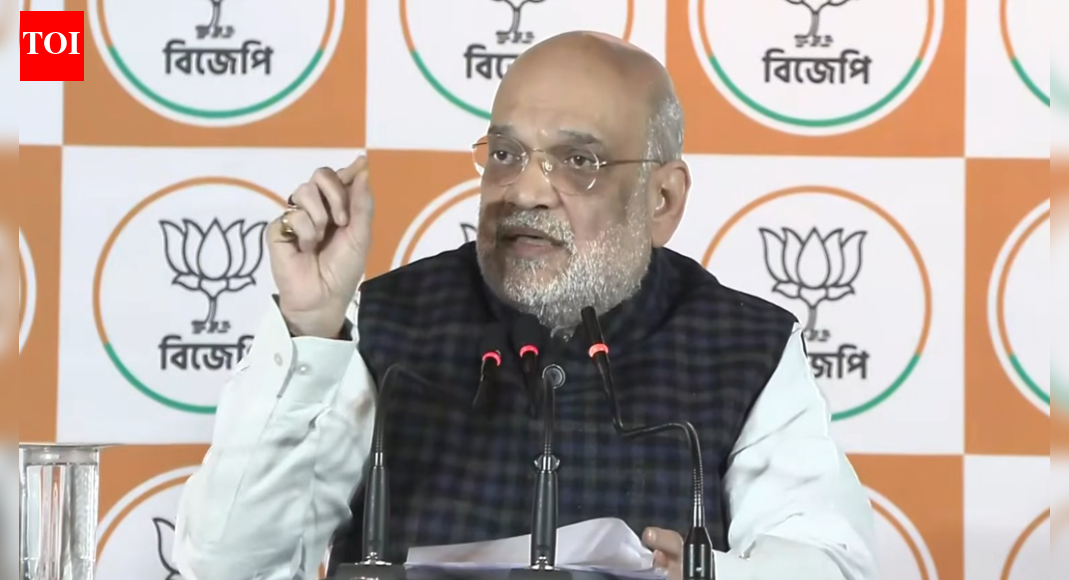
 By Nitya Chakraborty The two and half day visit by the union home minister Amit Shah to Kolkata during 2025 year end to explain to the West Bengal party leaders his new strategy to take on the ruling Trinamool Congress in the assembly elections scheduled in March-April 2026, has given a boost to the state […]















 https://www.facebook.com/MySweetHomeEmploymentAgency
 https://www.instagram.com/my.sweet.home.hk





 https://www.linkedin.com/company/brand-hong-kong/
 https://x.com/Brand_HK/