News related to
digital

Gold-backed tokens have not lived up to expectations as the price of the precious metal sees a decline while risk assets gain traction. Amid growing speculation that former President Donald Trump’s tariffs may only be a negotiating strategy, investors are reassessing the global economic landscape. As the price of gold drops, the market shift raises questions about the stability of gold-backed tokens and whether they can weather the storm of fluctuating commodity prices.

Despite gold-backed tokens being promoted as a safe haven for investors, their performance has faltered in recent months, mirroring a broader decline in the precious metal’s price. Gold, once viewed as a reliable store of value, has faced downward pressure as investors recalibrate their portfolios in the face of shifting economic factors. The appeal of these tokens—cryptocurrencies that are tied to the price of gold—has diminished in light of market developments that have bolstered other asset classes.

The scenario surrounding Trump’s tariffs has added to the uncertainty. Wall Street analysts are increasingly speculating that the tariffs might not be as severe as originally anticipated. In fact, some view them as a mere tactic in a broader trade negotiation strategy. This perspective has led to a shift in sentiment, with risk assets—such as stocks—seeing an uptick as investors shift focus toward growth opportunities, leaving gold-backed assets in a precarious position.

The price of gold, which peaked earlier in the year due to inflation fears and global uncertainties, has now come under pressure. This decline has seen gold tokens, which track the price of the commodity, underperforming. As institutional investors have shifted their attention to more volatile but potentially lucrative assets, gold has lost some of its former appeal as a hedge against inflation and economic instability.

At the same time, riskier assets, particularly stocks, have surged. Investors are encouraged by signs of economic recovery and the resilience of equity markets. Analysts suggest that the ongoing optimism surrounding the potential easing of trade tensions, particularly between the US and China, has contributed to the rising demand for equities and corporate bonds. This sentiment is in stark contrast to the subdued demand for gold, which typically thrives in periods of heightened economic uncertainty.

The divergence between traditional assets and gold has prompted some financial experts to rethink the role of gold-backed tokens in a diversified portfolio. These digital assets, which have been gaining traction over the past few years, are now facing criticism for not providing the same level of stability that physical gold traditionally offers. With risk assets becoming more attractive to institutional investors, there are concerns that gold-backed tokens might not be able to maintain their value in the face of these shifting market dynamics.

The situation is further complicated by ongoing debates surrounding the broader implications of Trump’s trade policies. With tariffs remaining a key point of contention in international trade relations, the market remains on edge. The possibility of a trade war or retaliatory measures from other nations has been a key driver of gold’s price in the past. However, if the tariffs prove to be a bluff or a short-term negotiation tactic, the potential for further downside in gold prices could become less likely, providing more space for risk assets to flourish.

While gold-backed tokens have faced challenges, the broader cryptocurrency market has continued to evolve. The rise of other types of digital assets, particularly those tied to more volatile sectors like technology and energy, has drawn investor attention away from precious metals. This shift is evident in the increasing focus on tokens linked to blockchain innovation, artificial intelligence, and green energy. Gold, historically seen as a safe bet in times of economic crisis, is now competing with a new generation of digital assets that offer the promise of higher returns, albeit with greater risk.

This change in the investment landscape has left many wondering whether gold-backed tokens will continue to serve as a reliable store of value. The volatility in both the price of gold and the broader financial markets has highlighted the complex relationship between traditional assets and their digital counterparts. As more investors look to diversify their portfolios, the demand for assets like gold-backed tokens may become less pronounced, particularly if the broader trend towards riskier, high-growth investments continues.

A high-level delegation from the UAE will soon engage with European Union officials as part of an effort to combat financial crime through enhanced cooperation on anti-money laundering measures. The meeting, set to take place later this month, is seen as a significant step towards reinforcing the UAE’s commitment to global efforts in fighting illicit financial activities. The UAE has been steadily improving its AML framework, with […]

Abu Dhabi Commercial Bank Egypt is strategically aligning its operations with sustainability and green finance initiatives, reflecting the growing emphasis on environmentally responsible banking practices within the financial sector. The CEO of ADCB Egypt highlighted that the bank is committed to advancing sustainability as a key part of its broader corporate strategy, which mirrors the UAE-based parent group’s efforts to support eco-friendly projects and initiatives. Under the […]

Nokia has teamed up with Advanced Communications & Electronics Systems Company for Neutral Host to introduce a cutting-edge indoor solution in Makkah, aimed at significantly enhancing mobile network coverage across both indoor and outdoor environments. This ambitious project, which comes as part of a long-term partnership, is set to revolutionise connectivity in the region, particularly for the millions of pilgrims who visit the holy city each year.

The partnership is focused on the deployment of an advanced, sharable indoor solution that will address growing demand for seamless communication across Makkah’s densely populated areas. This innovative system will provide robust mobile coverage across key locations, from religious sites to residential and commercial buildings, offering reliable connectivity for pilgrims, residents, and businesses alike.

The project comes at a critical time, as Makkah continues to see a surge in the number of visitors, particularly during religious seasons such as Ramadan and Hajj. With millions of people relying on mobile devices for navigation, communication, and services, the need for a comprehensive network solution has never been greater.

Through this collaboration, Nokia and ACE aim to tackle the issue of network congestion, ensuring that visitors have uninterrupted access to mobile services, even in the busiest locations. This will also provide significant benefits for local enterprises, enabling them to optimise operations and enhance the customer experience through reliable mobile networks.

In addition to improving coverage, the solution will focus on providing enhanced data services and faster network speeds, enabling users to stream, communicate, and access information with ease. By leveraging advanced technologies such as 5G, the new system will future-proof the city’s network infrastructure, making it well-equipped to handle the increasing demand for high-speed internet.

The deployment of this neutral host solution will also enable multiple mobile operators to share the same infrastructure, reducing costs while simultaneously improving service quality. This approach ensures that different networks can benefit from the same high-performance coverage without the need for duplicative infrastructure, contributing to more sustainable and efficient network management.

Both companies are leveraging their expertise to create a solution that not only improves the quality of service but also ensures a long-term, scalable approach to meet future demands. Nokia’s vast experience in mobile network technology, combined with ACE’s in-depth knowledge of the local market and its role as a neutral host provider, positions the partnership as a key player in the ongoing development of Makkah’s network infrastructure.

With this project, Makkah is expected to become one of the most connected cities in the world, setting a new standard for network coverage in religious tourism destinations. The solution is designed to meet the specific needs of the region, including high capacity, low latency, and seamless handovers between indoor and outdoor networks, ensuring that visitors and locals alike benefit from a superior mobile experience.

The implementation of this solution also aligns with broader initiatives in Saudi Arabia to modernise its infrastructure in line with Vision 2030, which aims to diversify the economy and enhance the quality of life for citizens and visitors. As part of this vision, the Saudi government has been investing heavily in digital transformation projects, with a focus on developing smart cities and improving connectivity in key locations like Makkah.

This partnership is expected to drive further collaboration between telecom companies and service providers in the region, fostering innovation and accelerating the adoption of new technologies. It also highlights the growing importance of network connectivity in the modern world, particularly in regions that attract large numbers of visitors and where reliable communication is essential for both safety and convenience.

The advanced indoor solution is just the beginning of what could be a series of initiatives aimed at enhancing connectivity in Makkah and beyond. As mobile data usage continues to increase, both Nokia and ACE are committed to ensuring that the city remains at the forefront of technological innovation, providing the best possible service for all users.

Akamai Technologies has unveiled the “Defenders’ Guide 2025: Fortify the Future of Your Defense,” a detailed report aimed at bolstering cybersecurity measures for organizations worldwide. This inaugural State of the Internet report offers in-depth research on emerging threats and provides actionable strategies to enhance security postures. The guide addresses critical areas such as risk management, network architecture reinforcement, and host security implementation. It presents novel findings on […]

Ethereum , the world’s second-largest cryptocurrency by market capitalization, has experienced a notable price decline, trading at $2,668.58 USD. This downturn has prompted market analysts to project a potential surge, with forecasts suggesting a rise to between $4,000 and $8,000 in the coming months.

The current price reflects a decrease of $25.71 from the previous close, with intraday highs reaching $2,717.51 and lows of $2,656.81. Despite this downward trend, experts remain optimistic about Ethereum’s future performance.

Several factors contribute to this positive outlook. The ongoing development and anticipated upgrades to the Ethereum network, particularly the transition to a proof-of-stake consensus mechanism, are expected to enhance scalability and energy efficiency. These improvements could bolster investor confidence and drive demand.

The increasing adoption of decentralized finance platforms and non-fungible tokens , which predominantly operate on the Ethereum blockchain, underscores the network’s integral role in the evolving digital economy. This growing utilization may further influence ETH’s value positively.

Koei Tecmo Holdings has unveiled a significant leadership restructuring, appointing Hisashi Koinuma as the new President and Chief Executive Officer, effective April 1, 2025. This transition marks a pivotal moment for the Japanese video game developer and publisher, renowned for franchises such as “Dynasty Warriors” and “Ninja Gaiden.”

Koinuma, who currently serves as Representative Director and Executive Vice President, will ascend to the roles of President and CEO. His tenure at Koei Tecmo began in April 1994, and he has since held various key positions, including Chief Operating Officer of Koei Tecmo Games. His leadership has been instrumental in steering the company’s entertainment division, particularly in the development of popular titles.

The company’s co-founder, Yoichi Erikawa, will transition from his current position as President and CEO to assume the role of Representative Director and Chairman of Koei Tecmo Holdings. Erikawa, also known by his pen name Kou Shibusawa, co-founded Koei in 1978 alongside his wife, Keiko Erikawa. Under their guidance, the company evolved from a personal computer sales venture into a prominent entity in the gaming industry, eventually merging with Tecmo in 2008 to form the current Koei Tecmo Holdings.

Keiko Erikawa, who has been serving as Representative Director and Chairman, will step down from her current roles to become Director and Chairman Emeritus. In addition, she will take on the position of Representative Director and President of a newly established subsidiary, Koei Tecmo Corporate Finance, effective April 1, 2025. This new entity will absorb the investment functions of Koei Tecmo Games, aiming to enhance governance related to investments and optimize cash management across the organization.

The leadership changes are part of Koei Tecmo’s strategic initiative to separate business execution from management supervision, thereby strengthening its corporate governance framework. The company has been preparing for this transition through deliberations within its Nomination and Compensation Committee, with the objective of achieving sustained growth and profitability.

In an official statement, Koei Tecmo articulated its vision: “Our group aims to become the world’s number one digital entertainment company under the spirit of ‘creativity and contribution.'” The company believes that the new management structure, commencing in the fiscal year 2025, will be pivotal in realizing this ambition.

Hisashi Koinuma’s promotion to CEO is anticipated to bring a fresh perspective to Koei Tecmo’s leadership. His extensive experience within the company, particularly in overseeing the entertainment division, positions him well to navigate the evolving landscape of the gaming industry. Koinuma has been a driving force behind several successful projects and is expected to continue fostering innovation and expansion in his new role.

The establishment of Koei Tecmo Corporate Finance signifies the company’s commitment to bolstering its investment capabilities. By creating a dedicated subsidiary focused on financial management, Koei Tecmo aims to streamline its investment processes and enhance overall financial efficiency. This move is expected to provide a robust foundation for the company’s future projects and strategic initiatives.

Advertisements

Vedanta Aluminium, India’s leading aluminium producer, has introduced an AI-powered drone system to bolster safety measures at its Jamkhani coal mine in Odisha. This initiative, developed in collaboration with Vedanta’s Spark program, aims to enhance operational efficiency and safety protocols within the mining sector.

The AI-driven drones are equipped with advanced software capable of real-time aerial surveillance, automatically detecting and tracking human, animal, and vehicle movements within a 500-meter radius of blasting zones. This technology enables remote monitoring, providing live-streaming alerts for unauthorized activities and facilitating seamless audio communication between officials, drone pilots, and blasting officers for precise coordination.

Sunil Gupta, Chief Operating Officer of Vedanta Aluminium, emphasized the company’s commitment to workplace safety, stating that the integration of AI-powered drones signifies a significant advancement in creating a secure work environment while improving monitoring and compliance.

David Stone, Chief Executive Officer of Vedanta’s Coal Mines, highlighted the impact of this technology, noting that the deployment of AI-powered drones sets a new benchmark for mine safety by enhancing situational awareness and risk management.

The Jamkhani coal mine, Vedanta’s first greenfield project in Odisha, plays a crucial role in supplying fuel to the company’s Jharsuguda plant, one of the world’s largest aluminium smelters. The introduction of AI-powered drones is part of Vedanta Aluminium’s broader strategy to implement digital transformation across its operations, leveraging technologies such as artificial intelligence, robotics, the Internet of Things , and smart safety solutions.

Amitesh Sinha, Vice President and Head of CVC & Spark at Vedanta, underscored the importance of corporate-startup collaborations in driving innovation. He mentioned that the partnership with Skylark Drones and the Vedanta Mines team reflects the company’s focus on safety innovation, with the Spark program actively working with over 70 startups and deploying more than 100 projects to integrate AI and digital solutions into manufacturing.

Beyond technological advancements, Vedanta Aluminium remains committed to Odisha’s socio-economic development, engaging in initiatives that encompass education, healthcare, sustainable livelihoods, and rural infrastructure enhancement. As India’s largest aluminium producer, the company manufactured 2.37 million tonnes in the fiscal year 2024, supplying critical industries and reinforcing its leadership in sustainable mining and digital innovation. Notably, Vedanta Aluminium ranks second globally in the S&P Global Corporate Sustainability Assessment 2024 for the aluminium industry, reaffirming its dedication to responsible mining practices and a greener future.

The integration of AI-powered drones into mining operations signifies a transformative approach to safety and efficiency in the industry. By providing comprehensive surveillance and instant communication capabilities, this technology empowers mining teams with greater situational awareness, enabling swift responses to potential hazards and ensuring a safer working environment.

The AI-driven drones operate autonomously, scanning the designated areas and identifying any unauthorized movement or anomalies. Upon detection, the system generates immediate alerts, allowing for prompt intervention to prevent potential incidents. This proactive approach not only mitigates risks but also enhances overall operational efficiency by reducing downtime associated with manual inspections and clearances.

The collaboration between Vedanta Aluminium and technology startups exemplifies a growing trend in the industry, where established corporations partner with agile innovators to co-develop solutions that address complex operational challenges. Such partnerships facilitate the rapid adoption of cutting-edge technologies, driving continuous improvement in safety standards and operational practices.

In addition to enhancing safety, the deployment of AI-powered drones contributes to environmental sustainability. By ensuring precise monitoring and control over mining activities, the technology helps in minimizing ecological disturbances and promotes adherence to environmental regulations. This aligns with Vedanta Aluminium’s commitment to sustainable practices and its efforts to reduce the environmental footprint of its operations.

The successful implementation of AI-driven drone technology at the Jamkhani coal mine serves as a model for the mining industry, demonstrating how digital transformation can lead to safer and more efficient operations. As the industry continues to evolve, the integration of such innovative solutions is poised to become a standard practice, setting new benchmarks for safety and operational excellence.

Vedanta Aluminium’s proactive approach in adopting advanced technologies reflects its strategic vision of leading the industry towards a more sustainable and technologically advanced future. By prioritizing safety, efficiency, and environmental responsibility, the company not only enhances its operational capabilities but also contributes positively to the broader socio-economic landscape.

A significant shift in American financial trends has emerged: the number of U.S. adults owning Bitcoin now exceeds those carrying student loan debt. This development highlights the growing adoption of cryptocurrency amidst ongoing concerns over educational debt.

Recent data indicates that approximately 65.7 million American adults, or 28% of the adult population, currently own cryptocurrency, with Bitcoin being the predominant asset. This marks a substantial increase from 15% in 2021, suggesting a rising public confidence in digital currencies. In contrast, about 42.7 million Americans hold federal student loan debt, collectively amounting to $1.693 trillion. This figure represents a 42% increase over the past decade, reflecting both the escalating costs of higher education and the broader accessibility of college degrees.

The surge in cryptocurrency ownership can be attributed to several factors. The “crypto winter” of 2022, characterized by significant market downturns, appears to have been a temporary setback. Since then, the market has rebounded, with Bitcoin’s value reaching record highs. Notably, in December 2024, Bitcoin rallied past $107,000, fueled by President-elect Donald Trump’s proposal to establish a U.S. Bitcoin strategic reserve. This policy initiative, coupled with the inclusion of companies like MicroStrategy in major stock indices, has bolstered investor confidence and attracted substantial capital inflows.

Demographic analyses reveal that cryptocurrency adoption varies across different groups. Men aged 18 to 29 are the most prominent investors, with 42% reporting that they have engaged with cryptocurrencies. This contrasts with 17% of women in the same age bracket. Racial and ethnic disparities are also evident: 28% of Asian adults have invested in cryptocurrencies, compared to approximately 20% of Black and Hispanic adults, and 14% of White adults. Income levels further influence investment patterns, with 23% of adults in upper-income households participating in the crypto market, versus 14% in lower-income households.

Despite the increasing popularity of cryptocurrencies, skepticism persists. A survey conducted in October 2024 found that 63% of U.S. adults lack confidence in the safety and reliability of cryptocurrencies. This sentiment underscores the volatile nature of digital assets and the regulatory uncertainties surrounding them.

Conversely, the student loan landscape presents its own challenges. The percentage of households with student debt has more than doubled from 10% in 1992 to 21% in 2022. This rise is partly due to more Americans pursuing higher education and the escalating costs associated with it. The financial burden of student loans has far-reaching implications, affecting borrowers’ ability to purchase homes, start businesses, and save for retirement.

Policy responses to these issues have been varied. The Trump administration has expressed skepticism towards widespread student debt forgiveness, favoring targeted relief measures instead. In contrast, Vice President Kamala Harris has advocated for more comprehensive solutions, including significant debt cancellation and the promotion of free college education to address systemic inequalities.

The cryptocurrency market witnessed an unprecedented surge in token creation in January 2025, with over 600,000 new tokens minted, a twelvefold increase from the monthly average of 50,000 observed between 2022 and 2023. This rapid expansion has raised significant concerns among analysts regarding potential liquidity fragmentation and its impact on the market’s stability.

The acceleration in token issuance became particularly notable in the fourth quarter of 2024, with monthly figures reaching 400,000 before escalating to January’s record levels. Bobby Ong, co-founder of CoinGecko, highlighted this trend, attributing it to the emergence of user-friendly token creation platforms. One such platform, Pump.fun, operating on the Solana blockchain, enables users to launch meme coins without requiring technical expertise. This democratization of token creation has lowered barriers to entry, allowing a broader spectrum of individuals to participate in the crypto ecosystem.

While the proliferation of new tokens reflects a vibrant and innovative market, it also poses challenges. Gabriel Halm, a research analyst at IntoTheBlock, expressed concerns that the sheer volume of new tokens could lead to liquidity fragmentation. With investor attention and capital spread across an ever-growing number of assets, the liquidity of individual tokens may diminish, potentially resulting in increased volatility and difficulties in executing large trades without significant price impacts.

The surge in token creation is not occurring in isolation. The broader cryptocurrency market has experienced notable fluctuations. In January 2025, the overall market capitalization saw gains, with Bitcoin’s price increasing by 9% month-over-month, reaching an intramonth high of approximately $109,000. However, this growth has been accompanied by heightened volatility, partly attributed to macroeconomic factors such as elevated U.S. Treasury yields, which have exerted pressure on risk assets, including cryptocurrencies.

The influx of new tokens also raises questions about the quality and viability of these assets. The ease of token creation may lead to an oversupply of tokens with limited utility or value, potentially diluting investor confidence and capital. This environment necessitates rigorous due diligence from investors to discern valuable projects from those lacking substantive foundations.

The rapid expansion of the token landscape could have regulatory implications. As the market becomes increasingly saturated, regulators may scrutinize the legitimacy and compliance of new token offerings more closely. This could lead to stricter regulatory frameworks aimed at protecting investors and ensuring market integrity.

In response to these developments, market participants are advocating for enhanced transparency and standards in token issuance. Establishing clear guidelines and best practices could help mitigate risks associated with the proliferation of new tokens and support the sustainable growth of the cryptocurrency market.

The current landscape presents a paradox: while the surge in token creation signifies innovation and growth, it also introduces complexities that could undermine market stability. Balancing the enthusiasm for new digital assets with prudent risk management and regulatory oversight will be crucial in navigating the evolving dynamics of the cryptocurrency market.

By Dr. Gyan Pathak In pursuance of Equality of opportunity and treatment, an ILO Committee of Experts has asked India again to amend the definition of wage, ensure job evaluation, equal remuneration for the same job to male and female workers, and end discrimination on religious or caste basis especially for Dalit Muslims and Dalit […]
As 2025 unfolds, entrepreneurs are strategically positioning themselves to harness emerging trends across various sectors. Key areas such as artificial intelligence , sustainability, and remote work are at the forefront, offering a plethora of innovative business opportunities. The AI industry is witnessing significant advancements, with startups like Figure AI leading the charge. The company is reportedly in discussions to secure $1.5 billion in new funding, potentially elevating […]

By K Raveendran The Indo-US joint declaration presents a striking imbalance, appearing more as a dictated statement than a mutually crafted agreement. The document is overwhelmingly skewed in favour of the United States, particularly in the domain of defence procurement, where it reads less like a diplomatic understanding and more like a sales pitch for […]

Aston Martin Aramco Formula One Team has entered into a groundbreaking multi-year sponsorship agreement with cryptocurrency exchange platform Coinbase, marking a significant milestone in the integration of digital finance within elite motorsport. This partnership is distinguished by its financial arrangement: the entire sponsorship fee will be transacted in USD Coin , a stablecoin pegged 1:1 to the U.S. dollar.

This collaboration represents the first instance of a Formula One team publicly announcing the full payment of a partnership using a stablecoin. By embracing USDC for this transaction, Aston Martin signals a forward-thinking approach to financial operations, highlighting the efficiency and global reach of cryptocurrency in high-stakes industries.

Jefferson Slack, Managing Director of Commercial at Aston Martin Aramco, expressed confidence in the alliance, stating, “This partnership shows the trust and confidence we place in Coinbase’s expertise as a leader in digital finance. By transacting this deal fully in USDC, we’re signaling our commitment to innovation, building a sustainable, forward-thinking relationship with Coinbase.”

Coinbase’s branding will feature prominently on Aston Martin’s AMR25 race cars, specifically on the halo and rear-wing end plates, as well as on the racing suits of drivers Fernando Alonso and Lance Stroll throughout the upcoming Formula One season. This visibility aligns with Coinbase’s strategy to expand its global presence and promote the adoption of digital currencies across diverse audiences.

Gary Sun, Vice President of Marketing at Coinbase, highlighted the significance of this venture: “This is a huge moment for Coinbase, marking the first time we’ve invested in a sports partnership entirely in cryptocurrency. It’s also our debut in Formula One, and we’re thrilled to align with a sport that values pushing boundaries with transformative ideas and technology.”

The decision to utilize USDC for the sponsorship underscores the practical benefits of stablecoins in large-scale transactions, offering stability, reduced transaction costs, and seamless cross-border payments. While Coinbase remains open to transacting in various cryptocurrencies based on partner preferences, the selection of USDC for this deal reflects its suitability for substantial financial agreements.

This partnership emerges amidst a growing trend of cryptocurrency integration within Formula One. In June 2021, Crypto.com secured a multi-year deal with Formula One, later expanding its involvement with a significant nine-year, $100 million agreement in 2022, which included naming rights to the Miami Grand Prix. Individual teams have also embraced the crypto movement; for instance, Red Bull Racing has collaborated with platforms like Bybit and Mysten Labs to enhance fan engagement through blockchain technology.

Aston Martin’s alliance with Coinbase not only enhances the team’s financial portfolio but also paves the way for innovative, blockchain-based fan engagement initiatives. As the season progresses, supporters can anticipate unique on-chain experiences designed to deepen their connection with the team and the sport.

A federal judge in Washington, D.C., has approved a 60-day halt to the U.S. Securities and Exchange Commission’s civil lawsuit against Binance, the world’s largest cryptocurrency exchange. This decision follows a joint motion by both parties, aiming to allow time for the SEC’s newly established crypto task force to potentially influence the case’s resolution.

The lawsuit, initiated by the SEC in June 2023, accuses Binance and its founder, Changpeng Zhao, of multiple violations, including artificially inflating trading volumes, diverting customer funds, and misleading investors about regulatory oversight. These allegations have been a significant point of contention between the regulatory body and the crypto exchange.

The recent establishment of the SEC’s crypto task force, led by Commissioner Hester Peirce, known for her supportive stance on digital assets, signifies a potential shift in the agency’s approach to cryptocurrency regulation. This development comes under the administration of President Donald Trump, who has expressed intentions to position the United States as a global hub for the crypto industry. The nomination of Paul Atkins, a pro-crypto attorney, as the new SEC chair further underscores this directional change, although his confirmation by Congress is still pending.

In their joint motion, the SEC and Binance highlighted that the task force’s work “may impact and facilitate the potential resolution of this case.” They proposed to submit a joint status report at the end of the 60-day period to inform the court about the case’s status and the necessity of extending the stay.

This pause in legal proceedings reflects a broader trend within the SEC, as the agency reassesses its regulatory framework concerning digital assets. Under the previous leadership of Gary Gensler, the SEC adopted a stringent stance towards cryptocurrency platforms, leading to multiple lawsuits and enforcement actions. The current shift suggests a more collaborative approach, aiming to develop clear guidelines that balance investor protection with industry innovation.

Binance has welcomed this development, reiterating its commitment to compliance and regulation. A spokesperson for the company stated, “The SEC’s case has always been without merit, and we are eager to put this behind us and to continue our focus on keeping Binance the most secure, licensed, and trusted exchange in the world.”

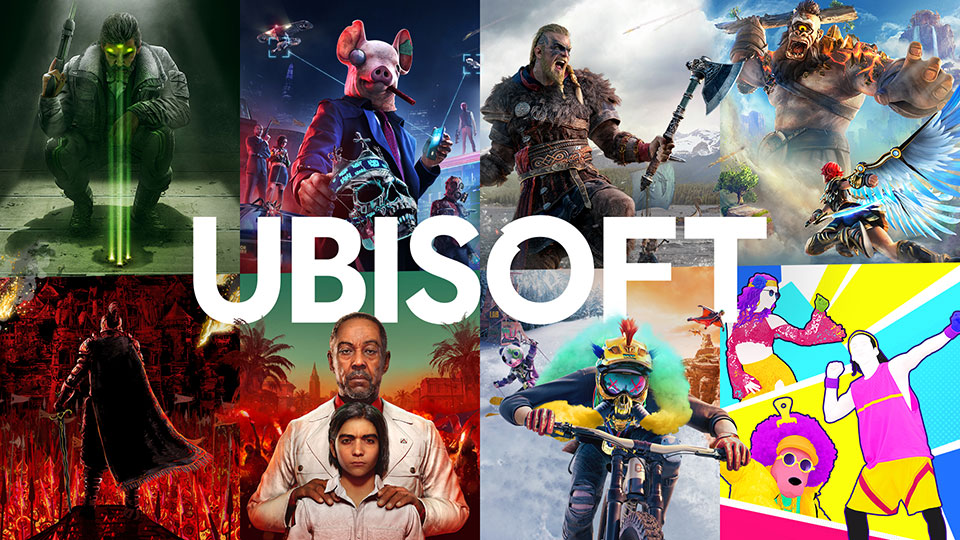
Ubisoft, the prominent French video game publisher, has reported a substantial decline in its financial performance for the nine months ending December 31, 2024. The company’s revenue decreased by 31.4% year-on-year, totaling €990 million, while net bookings fell by 34.8% to €944 million. Digital net bookings also saw a downturn of 33.8%, amounting to €784 million, and back-catalogue net bookings dropped by 27.7% to €762.3 million.

In the third quarter alone, Ubisoft experienced a 52% reduction in net bookings, recording €301.8 million, aligning with its revised guidance of approximately €300 million. Despite these challenges, the company has reaffirmed its financial targets for the fiscal year 2024-25, projecting net bookings around €1.9 billion and aiming for break-even non-IFRS operating income.

The downturn has been attributed to the underperformance of several key titles and a highly competitive market landscape. In response, Ubisoft is intensifying its cost-reduction initiatives, aiming to surpass €200 million in fixed cost savings by the end of fiscal year 2024-25, ahead of its initial schedule. This strategy includes targeted restructuring efforts, which have already led to the closure of two production studios and the layoff of nearly 300 employees.

Amid these financial strains, Ubisoft is placing significant emphasis on the upcoming release of “Assassin’s Creed Shadows,” scheduled for launch on March 20, 2025. Set in feudal Japan, the game features dual protagonists—a shinobi assassin named Naoe and a samurai named Yasuke. Early previews have been favorable, highlighting the game’s narrative depth and immersive experience. Pre-orders are reportedly strong, tracking in line with those of “Assassin’s Creed Odyssey,” the franchise’s second most successful installment.

Ubisoft’s CEO, Yves Guillemot, expressed optimism regarding the forthcoming title, stating that early feedback has praised its storytelling and gameplay mechanics. The company anticipates that “Assassin’s Creed Shadows” will drive a recovery in the fourth quarter, contributing positively to the year’s financial outcomes.

In addition to its focus on flagship titles, Ubisoft is conducting a comprehensive review of its strategic options to maximize the value of its assets and franchises. An independent board committee has been established to oversee this process, ensuring that all potential avenues are explored to enhance stakeholder value.

The company’s challenges are not isolated to financial metrics. In December 2024, Ubisoft announced the impending shutdown of its free-to-play shooter, “XDefiant,” scheduled for June 2025, due to an inability to maintain a sufficient player base. This decision resulted in the closure of its San Francisco and Osaka production studios, affecting approximately 277 employees. Furthermore, in January 2025, the company closed its Leamington studio and downsized several others, leading to an additional 185 layoffs as part of its ongoing cost-cutting measures.

Vertiv, a global provider of critical digital infrastructure solutions, has announced the worldwide launch of its Liquid Cooling Services portfolio. This initiative aims to support data center operators in enhancing system reliability and efficiency, particularly for artificial intelligence and high-density computing applications. The newly introduced services encompass a range of solutions designed to manage the complexities of advanced liquid cooling systems. Vertiv’s certified technicians and field engineers […]

Blockchain.com, a prominent digital asset exchange, has appointed Justin Evans as Chief Financial Officer and Mike Wilcox as Chief Operating Officer as it advances towards a potential initial public offering . Evans, formerly the head of crypto investment banking at Goldman Sachs Group Inc., brings extensive experience in financial strategy and capital markets. Wilcox, who previously served as Chief Financial Officer at Velocity Global and was an investment manager at Point72 Asset Management, adds significant operational expertise to the team.

These strategic hires align with Blockchain.com’s objective to position itself for a public listing, capitalizing on the growing institutional adoption of cryptocurrencies and a more favorable regulatory environment. The company joins a cohort of cryptocurrency firms aiming to enter public markets, reflecting a broader trend within the industry.

In parallel, other major cryptocurrency firms are also exploring public listings. BitGo, a cryptocurrency custodian services provider, is reportedly considering an IPO as soon as the second half of this year. The firm is in discussions with potential advisers, although no final decision has been made. BitGo, founded in 2013, serves over 1,500 institutional clients across 50 countries and processes approximately 8% of global Bitcoin transactions by value. In 2023, the company raised $100 million, achieving a valuation of $1.75 billion.

Similarly, Gemini, the cryptocurrency firm backed by the Winklevoss twins, is considering an IPO as early as this year. This move underscores the increasing trend of cryptocurrency companies seeking public listings to access broader capital markets and enhance transparency.

The momentum for crypto-related IPOs is further evidenced by Circle Internet Financial’s plans. The company, known for issuing the stablecoin USDC, announced its intention to relocate its headquarters from Boston to New York City’s One World Trade Center in early 2025, ahead of its planned IPO. This relocation signifies the cryptocurrency industry’s deeper integration with traditional financial hubs.

The surge in IPO considerations among cryptocurrency firms is influenced by several factors, including increased institutional adoption of digital assets and evolving regulatory landscapes. The U.S. IPO market experienced significant growth in 2024, with companies raising over $41 billion, marking the most successful year since 2021. This resurgence is anticipated to continue into 2025, driven by favorable economic conditions and a more supportive regulatory environment.

However, not all major players are rushing to go public. Companies like SpaceX and OpenAI, despite substantial investor interest, are expected to delay their public offerings due to strong private funding. This trend indicates that while the IPO market is becoming more attractive, some firms prefer to remain private, leveraging ample private capital to fuel their growth.

In the retail trading sector, eToro has submitted confidential filings to the U.S. Securities and Exchange Commission for an IPO in New York, potentially valuing the company at over $5 billion. This move follows eToro’s previous attempt to go public in 2022 via a $10.4 billion deal with a blank-check company, which was halted due to unfavorable market conditions.

The increasing number of cryptocurrency and fintech firms pursuing public listings reflects a strategic shift towards greater transparency, regulatory compliance, and access to capital. As the industry matures, these public offerings are poised to reshape the financial landscape, bridging the gap between traditional finance and the burgeoning digital asset economy.

Telegram Messenger has solidified its commitment to blockchain technology by designating The Open Network as its exclusive blockchain infrastructure. This strategic move aims to seamlessly transition Telegram’s vast user base into the Web3 ecosystem, leveraging TON’s capabilities to enhance user experience and engagement.

As part of this partnership, Telegram’s Mini App ecosystem will now operate solely on the TON blockchain. This integration allows developers to create decentralized applications within Telegram, offering users access to blockchain-based services without leaving the app. With over 950 million monthly active users, Telegram’s adoption of TON provides a significant boost to the blockchain’s visibility and utility.

To ensure a unified user experience, Telegram has mandated that all third-party crypto wallets and Mini Apps integrate with TON Connect, the standard wallet connection protocol for the TON ecosystem. Wallets that fail to comply with this requirement face suspension from the platform. This directive underscores Telegram’s dedication to creating a cohesive and secure environment for its users to explore Web3 applications.

The collaboration between Telegram and TON is poised to redefine how users interact with blockchain technology. By embedding Web3 functionalities directly into the messaging platform, Telegram is lowering the barrier to entry for users unfamiliar with decentralized technologies. This approach not only enhances user engagement but also positions Telegram as a pioneer in integrating blockchain solutions into mainstream applications.

In addition to the technical integration, Telegram is exploring innovative ways to monetize its traffic within the Web3 framework. The focus is on the gaming sector, aiming to develop consumer-oriented mini apps that operate without relying on token issuance. Telegram’s group and channel features serve as effective tools for Web3 projects to build communities and engage users. Furthermore, the platform’s advertising capabilities and push notifications assist users in discovering new Web3 applications, fostering a dynamic ecosystem of decentralized services.

The transition from Web2 to Web3 represents a significant shift in the digital landscape, emphasizing decentralization, user ownership, and enhanced security. Telegram’s strategic partnership with TON exemplifies a proactive approach to this evolution, providing users with a seamless pathway to engage with blockchain technology. By integrating Web3 features into a familiar platform, Telegram is not only enhancing its service offerings but also contributing to the broader adoption of decentralized technologies.

Dubai has rapidly emerged as a global hub for cryptocurrency and blockchain technology, attracting investors, entrepreneurs, and innovators worldwide. This ascent is largely attributed to the emirate’s progressive regulatory framework, which aims to foster innovation while ensuring compliance with international standards. However, this balancing act presents a complex challenge: how can Dubai promote the growth of the crypto industry while adhering to the stringent guidelines set by global watchdogs like the Financial Action Task Force ?

In recent years, Dubai has implemented a series of initiatives to position itself at the forefront of the digital asset revolution. The establishment of the Virtual Assets Regulatory Authority exemplifies this commitment. VARA is tasked with overseeing the regulation, licensing, and governance of virtual assets within the emirate, ensuring that all crypto-related activities align with both local and international laws. This proactive approach has been pivotal in attracting major players in the crypto space to set up operations in Dubai.

A significant aspect of Dubai’s strategy is its favorable tax environment. The city imposes zero percent personal income tax and capital gains tax, extending this benefit to gains from cryptocurrency activities such as disposals, staking, and mining for individuals. This tax incentive has made Dubai an appealing destination for crypto investors and businesses seeking a conducive environment for growth.

Dubai has embraced blockchain technology across various sectors. The Dubai Land Department, for instance, has integrated blockchain into its operations, enhancing transparency and efficiency in real estate transactions. Such initiatives underscore the emirate’s dedication to leveraging technology to improve public services and drive economic growth.

However, with innovation comes the responsibility of ensuring that these new technologies are not misused. The FATF, an international body that sets standards for combating money laundering and terrorist financing, has been closely monitoring developments in the virtual asset space. It has issued binding standards to prevent the misuse of virtual assets, emphasizing the need for robust regulatory frameworks.

One of the key FATF recommendations is the “Travel Rule,” which mandates that Virtual Asset Service Providers obtain and share identifying information about the originator and beneficiary of virtual asset transfers exceeding a certain threshold. This measure aims to enhance transparency and deter illicit activities within the crypto ecosystem.

Dubai, through VARA, has taken steps to align with these international standards. Effective from October 1, 2024, VARA introduced new marketing regulations for virtual assets, requiring businesses to comply with specific guidelines when promoting crypto-related activities. This move ensures that marketing practices are transparent and do not mislead consumers, thereby fostering a safer investment environment.

The UAE amended its Value Added Tax regulations in November 2024, exempting most transactions involving virtual assets from the standard 5% VAT. This exemption reflects the government’s intent to encourage the use of virtual assets in everyday transactions, integrating them more seamlessly into the economy.

Despite these advancements, challenges persist. The rapid evolution of the crypto industry often outpaces regulatory developments, necessitating continuous updates to existing laws and guidelines. Additionally, while Dubai’s regulatory environment is conducive to innovation, it must remain vigilant to prevent potential misuse of virtual assets for illicit purposes.

Elon Musk’s Department of Government Efficiency has commenced significant layoffs within the U.S. federal workforce, issuing termination notices to over a dozen employees at the U.S. Digital Service . This action aligns with President Donald Trump’s directive to streamline government operations and reduce expenditures. The layoffs have sparked nationwide protests, with demonstrators targeting Tesla showrooms to express their dissent against Musk’s cost-cutting measures and perceived influence over […]

Silicon Valley-based AI chip manufacturer Groq has secured a $1.5 billion investment from Saudi Arabia to enhance its AI inference infrastructure within the Kingdom. This significant commitment, announced at the LEAP 2025 technology conference, underscores Saudi Arabia’s strategic push to position itself as a global leader in artificial intelligence. Groq, founded by former Alphabet engineer Jonathan Ross, specializes in AI inference chips designed to optimize the speed […]

Etihad Salam Telecom Company has announced a strategic partnership with Genesys to revolutionise customer service across Saudi Arabia. This collaboration aims to integrate advanced technologies into Etihad Salam’s offerings, enhancing both customer interactions and operational efficiency.

The partnership focuses on implementing a comprehensive telecommunications solution that combines advanced Session Initiation Protocol trunk services with sophisticated call centre platforms. By leveraging artificial intelligence, automation, and cloud-based technologies, the initiative seeks to transform traditional customer service models, providing more personalised and efficient experiences.

Eng. Amjad Arab, Chief Wholesale and Partnerships Officer at Etihad Salam, highlighted the significance of this alliance: “Our mission is to provide robust, innovative solutions that support the rapid expansion of digital content and seamless technology experiences. Collaborating with Genesys allows us to offer enriched connectivity services and bring content closer to end-users, ultimately empowering businesses to thrive in an increasingly digital landscape.”

This development comes at a time when Saudi Arabia’s information and communication technology sector is experiencing substantial growth. Projections indicate that the sector will reach a valuation of USD 82.51 billion by 2030. The partnership between Etihad Salam and Genesys is poised to contribute significantly to this growth by introducing cutting-edge customer service solutions that align with the Kingdom’s digital transformation goals.

In addition to this collaboration, Etihad Salam has been actively engaging in other strategic partnerships to bolster the nation’s digital infrastructure. Recently, the company strengthened its alliance with center3, a subsidiary of the stc Group, to enhance network resilience and connectivity. This joint effort aims to deliver unparalleled digital infrastructure, benefiting businesses, cloud providers, and content creators alike.

Etihad Salam has partnered with ServiceNow to support the burgeoning small and medium-sized enterprise sector in Saudi Arabia. With the SME sector witnessing a 60% year-on-year growth and over 135,000 new registrations in the last quarter, this collaboration aims to provide tailored solutions that address the unique needs of these businesses. By combining Etihad Salam’s connectivity and managed services with ServiceNow’s expertise in automating administrative processes, the partnership seeks to facilitate agile business setups and operations.

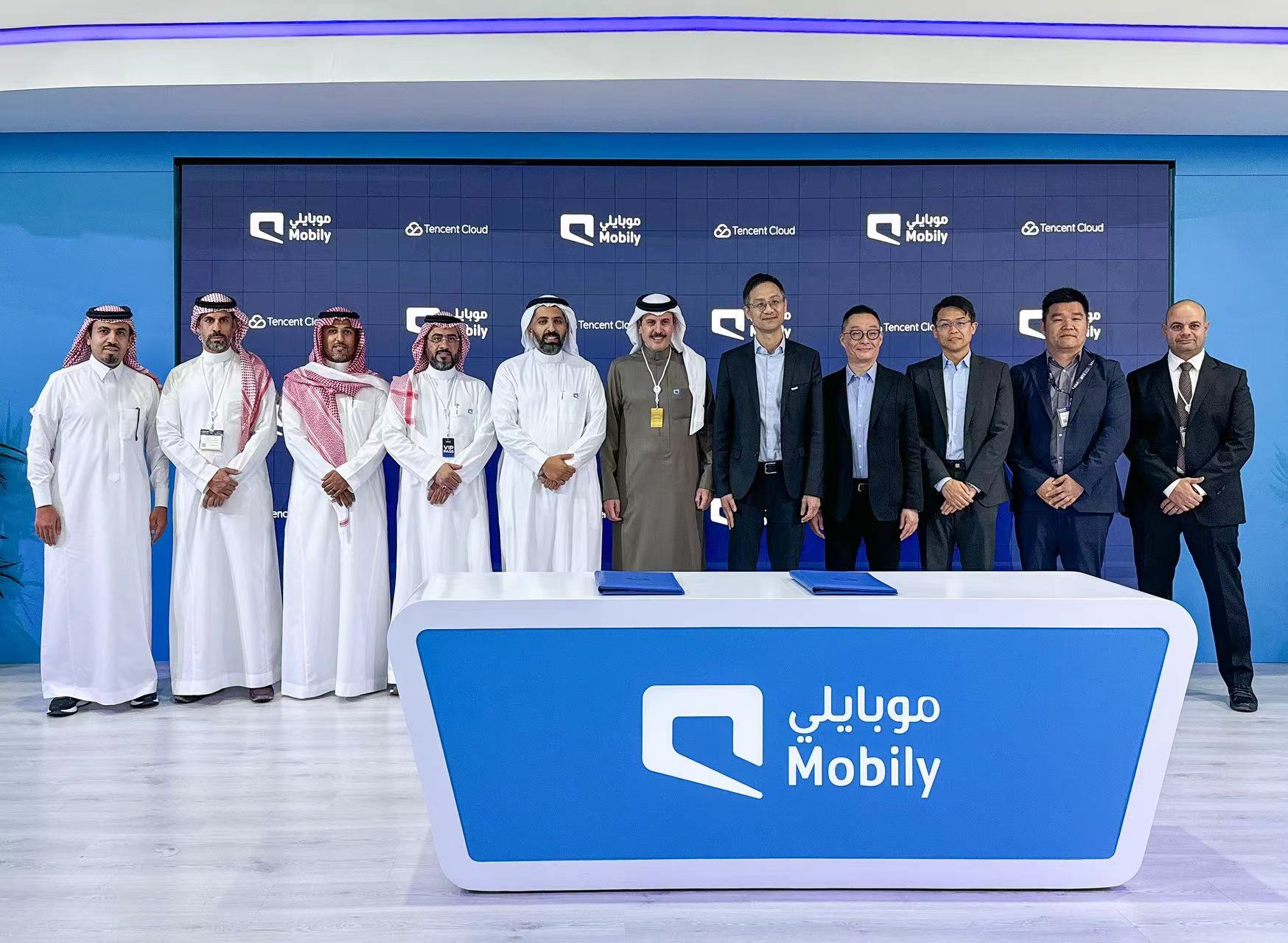
Tencent Cloud has unveiled plans to launch its inaugural Middle East Cloud Region in Saudi Arabia, marking a pivotal expansion in the company’s global infrastructure. Announced at the LEAP 2025 technology summit in Riyadh, the new cloud region will encompass two availability zones, each designed with full redundancy to ensure robust and reliable services. This development is slated to become operational by 2025, aligning with Saudi Arabia’s ambitious Vision 2030 objectives to foster digital transformation and economic diversification.

The strategic move includes an investment exceeding $150 million over the forthcoming years, underscoring Tencent Cloud’s commitment to bolstering the Kingdom’s burgeoning digital economy. Dan Hu, Vice President of Tencent Cloud International for the Middle East and North Africa, emphasized the significance of this initiative, stating, “We’re excited to have grown alongside the Kingdom of Saudi Arabia and look forward to ramping up cloud support for the Middle East. The new Cloud Region strengthens our ability to support the country’s digital transformation journey.”

This expansion will integrate Saudi Arabia into Tencent Cloud’s extensive global network, which currently comprises over 50 availability zones across 21 regions. The new infrastructure is poised to deliver a comprehensive suite of advanced cloud services, including artificial intelligence capabilities, data analytics, and digital media solutions. These offerings are tailored to meet the diverse needs of industries such as finance, gaming, media, and e-commerce within the region.

Saudi Arabia’s cloud computing market is experiencing rapid growth, driven by the government’s proactive digital initiatives and the private sector’s increasing adoption of cloud technologies. Projections indicate that annual spending on public cloud services in the Kingdom is expected to reach $2.5 billion by 2026, reflecting a compound annual growth rate of 25%. This surge is attributed to the nation’s focus on emerging technologies, including AI, cloud computing, and the Internet of Things , as integral components of its Vision 2030 plan.

The LEAP 2025 summit, where Tencent Cloud’s announcement was made, has emerged as a significant platform for technological collaboration and investment in Saudi Arabia. The event witnessed the Kingdom securing $14.9 billion in new investments aimed at advancing its digital infrastructure and AI capabilities. Notably, global cloud service providers are increasingly recognizing the potential of the Saudi market. For instance, Amazon Web Services has partnered with stc Group to accelerate cloud adoption and AI-driven innovation across various sectors, including healthcare, finance, and education.

Tencent Cloud’s entry into the Middle East market is anticipated to intensify competition among cloud service providers, offering businesses in the region a broader array of options to enhance their digital operations. The establishment of local data centers is particularly advantageous, as it addresses data residency requirements and reduces latency, thereby improving the performance of cloud-based applications and services.

In addition to infrastructure development, Tencent Cloud is expected to collaborate with local enterprises and governmental bodies to provide training and support, fostering a skilled workforce adept in cloud technologies. This initiative aligns with Saudi Arabia’s broader goals of nurturing innovation and entrepreneurship, ultimately contributing to a diversified and knowledge-based economy.

The Middle East’s strategic importance in the global technology landscape is increasingly evident, with countries like Saudi Arabia investing heavily in digital transformation. Tencent Cloud’s expansion into the region not only signifies confidence in the local market’s potential but also reinforces the Kingdom’s position as a burgeoning hub for technological advancement and innovation.

As the cloud computing landscape in Saudi Arabia continues to evolve, the presence of global players like Tencent Cloud is poised to accelerate the adoption of cutting-edge technologies. This development is expected to drive economic growth, enhance competitiveness, and pave the way for new business models and opportunities within the region.

VISHNU RAJA
RYO YAMADA
HITORI GOTOH
IKUYO KITA