News related to
digital

Gulf Cooperation Council equity markets are projected to yield returns between 12% and 13% in 2025, according to First Abu Dhabi Bank’s latest Global Investment Outlook report. This optimistic forecast is underpinned by robust economic growth, strategic diversification efforts, and a stable geopolitical climate within the region.

The report highlights that the United Arab Emirates is expected to see its Gross Domestic Product growth accelerate from 4.5% to 5.6% in 2025, surpassing the International Monetary Fund’s global growth projection of 3.2%. This surge is attributed to significant investments in non-oil sectors, including technology, tourism, and renewable energy, as part of the nation’s broader economic diversification strategy.

Similarly, the broader GCC region is anticipated to double its growth rate from 2.1% to 4.2% in 2025. This expansion is driven by strategic initiatives aimed at reducing dependence on oil revenues and fostering sustainable economic development. The FAB report emphasizes that these efforts are positioning the GCC economies to outpace global growth in the coming year.

In the equity markets, an expected earnings growth of 11.1% and a price-to-earnings ratio of approximately 15.18x are projected to support the anticipated double-digit returns, inclusive of dividends. The petrochemical sector, in particular, is poised for a strong recovery, bolstered by increased global demand and favorable pricing dynamics. Additionally, the financial sector is set to benefit from rising interest rates and enhanced profitability metrics.

Fitch Ratings’ recent analysis aligns with this positive outlook, indicating a stable forecast for GCC corporates in 2025, underpinned by resilient fundamentals. The real estate sector is also expected to experience continued growth, with gross leverage projected to improve to an average of 2x in 2025, down from 2.5x in 2024.

The FAB report further underscores the role of artificial intelligence and technological innovation as pivotal drivers of economic transformation in the GCC. Governments across the region are investing heavily in AI and digital infrastructure, aiming to enhance productivity and create new avenues for economic growth. These technological advancements are expected to contribute significantly to the region’s GDP and attract foreign direct investment.

The global stablecoin market has reached a record valuation of over $215 billion, reflecting a significant surge in demand for these digital assets. This growth is largely driven by the increasing adoption of stablecoins such as Tether and USD Coin , which collectively dominate the market.

Data from Alphractal indicates that the stablecoin market capitalization has risen by 73%, escalating from $121.18 billion in August 2023 to $211 billion as of January 31, 2025. This upward trajectory underscores the pivotal role stablecoins play in providing liquidity and stability within the cryptocurrency ecosystem.

USDT maintains its position as the largest stablecoin by market capitalization, recording an all-time high of $140 billion in December 2023. As of January 31, 2025, its market cap stands at $139.4 billion, accounting for approximately 63.84% of the total stablecoin market. Despite this dominance, USDT’s market share has experienced a slight decline, decreasing from 67.5% to 64.9% over the past month.

Conversely, USDC has exhibited substantial growth, with its market capitalization increasing by over 120% from a low of $24.1 billion on November 14, 2023, to $53.4 billion by January 31, 2025. This surge has elevated USDC’s market share to 24.6%, positioning it as a formidable competitor in the stablecoin sector. The heightened demand for USDC is evidenced by its trading pairs reaching an all-time high daily volume of $20 billion on January 18, 2025.

The Solana blockchain has also experienced a remarkable increase in stablecoin supply, largely attributed to the launch of the TRUMP memecoin on January 18, 2025. This event spurred a 73.6% surge in Solana’s stablecoin supply, culminating in an all-time high of $11.1 billion by the end of January. The influx of capital and record-breaking decentralized exchange trading activity on Solana have been significant contributors to this growth.

In a strategic move, Tether, the issuer of USDT, has announced plans to relocate its headquarters to El Salvador. This decision aligns with El Salvador’s initiative to establish itself as a hub for digital currency trading. Tether’s CEO, Paolo Ardoino, along with other co-founders, are set to move to the country following the acquisition of a digital asset service provider license. This relocation marks the first time Tether will establish a physical headquarters, transitioning from its previous incorporation in the British Virgin Islands.

The burgeoning stablecoin market has not gone unnoticed by regulators, who express concerns about the potential risks these digital assets may pose to the broader financial system. The rapid expansion of stablecoins, which serve as a bridge between the crypto universe and traditional financial markets, necessitates increased scrutiny to ensure financial stability and consumer protection.

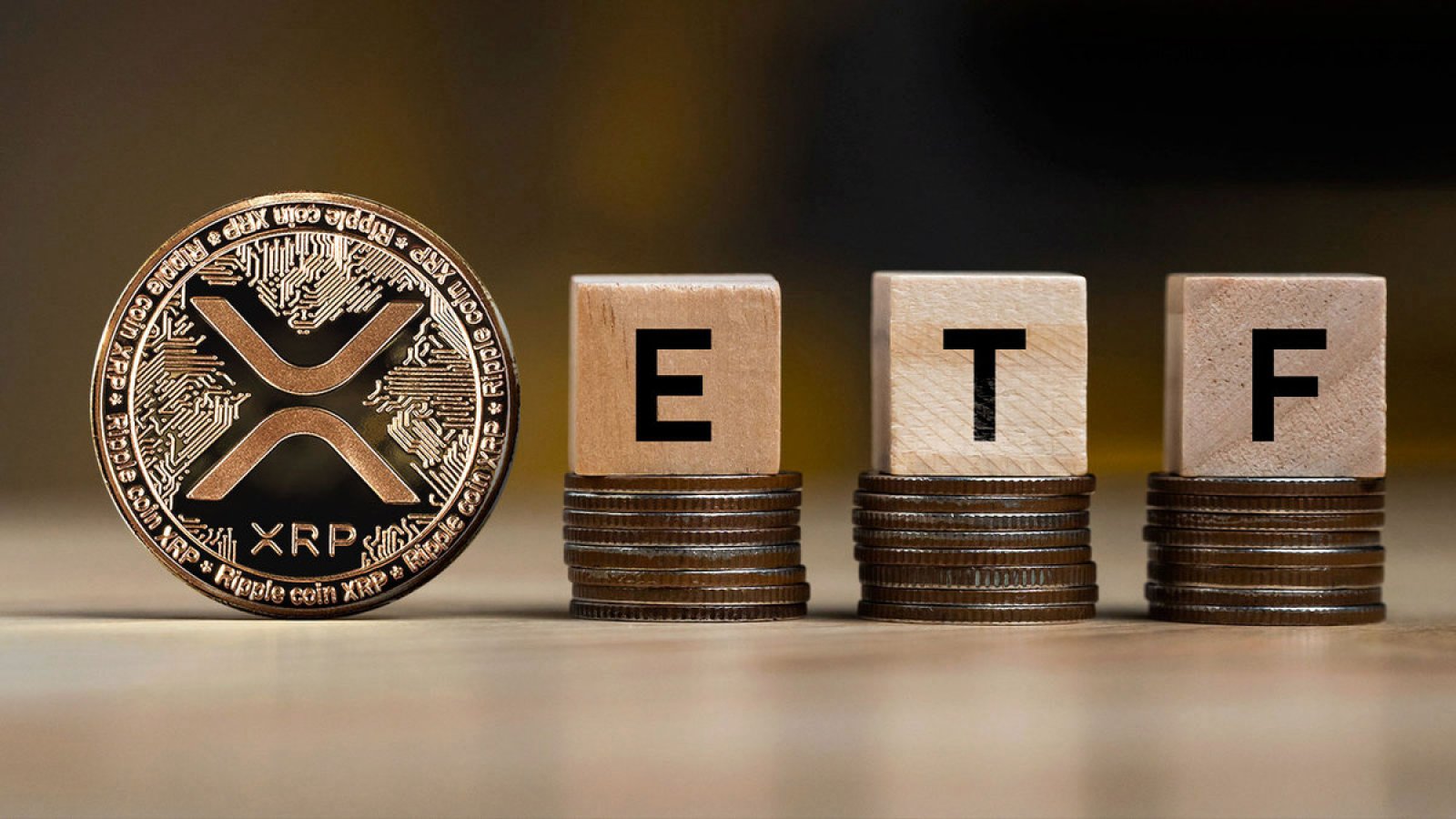
The U.S. Securities and Exchange Commission has initiated the review process for several proposals to establish exchange-traded funds directly tracking the performance of XRP, the digital asset associated with Ripple Labs. This development marks a significant milestone in the cryptocurrency sector, as it could lead to the introduction of the first spot XRP ETFs in the United States.

The SEC’s formal acknowledgment of these filings triggers a statutory period during which the Commission must evaluate the proposals and make a determination. This period includes opportunities for public comment and may involve multiple extensions as the SEC deliberates on the potential approval of these financial products.

Proponents of the spot XRP ETFs argue that such investment vehicles would provide institutional and retail investors with a regulated and accessible means to gain exposure to XRP without the complexities of direct cryptocurrency ownership. They contend that ETFs could enhance liquidity, reduce volatility, and promote greater transparency within the XRP market.

However, the SEC has historically exercised caution regarding cryptocurrency-based ETFs, primarily due to concerns about market manipulation, custody issues, and the overall regulatory framework governing digital assets. The Commission’s scrutiny of these factors will play a crucial role in its decision-making process concerning the spot XRP ETF proposals.

QuadReal Property Group and T5 Data Centers have announced an expansion of their joint data center platform, increasing its valuation to $8 billion. This strategic move aims to address the surging demand for cloud and AI infrastructure by developing an additional 5 gigawatts of data center capacity across the United States. Established in 2019, the partnership between QuadReal and T5 has successfully developed state-of-the-art data center facilities […]

As Australia approaches its federal election, scheduled on or before 17 May 2025, a significant demographic of cryptocurrency investors is emerging as a potential deciding factor in the political landscape. A YouGov survey, commissioned by Australian crypto exchange Swyftx, indicates that approximately 2 million Australians could form a pro-crypto voting bloc, potentially swaying the election’s outcome. The survey, conducted with 2,031 Australian voters between 3 and 10 […]

MANSA, a fintech company specializing in cross-border payment solutions, has secured $10 million in funding to address liquidity challenges in global transactions. The funding round was led by Tether, the issuer of the stablecoin USDT, with participation from Polymorphic Capital, Octerra Capital, Faculty Group, and Trive Digital.

The investment comprises a $3 million pre-seed round and an additional $7 million in liquidity funding from institutional investors, including corporate backers and quantitative funds. MANSA plans to utilize these funds to expand its operations into Latin America and Southeast Asia, regions that often face liquidity constraints in cross-border payments.

Co-founded by CEO Mouloukou Sanoh and Nkiru Uwaje, MANSA aims to revolutionize global payments by integrating blockchain technology to facilitate real-time, on-chain transactions. This approach seeks to make cross-border payments faster, more efficient, and cost-effective, thereby eliminating the limitations of traditional financial systems.

“Securing $10 million in pre-seed and liquidity funding marks a significant milestone in our mission to transform the way money moves,” said Sanoh. “By bringing payments on-chain and leveraging efficient liquidity solutions, we are addressing critical challenges in cross-border transactions—making payments faster, cheaper, and more reliable worldwide.”

Paolo Ardoino, CEO of Tether, expressed support for MANSA’s objectives, stating, “MANSA’s vision for addressing liquidity challenges in cross-border payments aligns with our mission to create a more efficient and inclusive financial system. By leveraging USDT for real-time settlements and instant payouts, MANSA is solving critical pain points for payment companies operating in emerging markets.”

Since its launch in August 2024, MANSA’s stablecoin-based payment solution has processed over $27 million in transaction volume on-chain, with nearly $11 million in January 2025 alone. This growth underscores the increasing demand for efficient and reliable cross-border payment solutions.

The company’s expansion into Latin America and Southeast Asia is poised to provide businesses and individuals in these regions with access to faster and more affordable payment options. By scaling its liquidity infrastructure and developing strategic partnerships with financial institutions and payment providers, MANSA aims to bridge existing gaps in the global payment landscape.

In addition to its technological advancements, MANSA is committed to financial inclusion and innovation. The company’s solutions are designed to address global liquidity shortages, offering a more accessible way for businesses and individuals to transact across borders. This approach is particularly beneficial in emerging markets, where traditional financial systems often fall short in meeting the needs of the population.

The use of stablecoins in cross-border transactions offers several advantages, including reduced settlement delays and lower transaction costs. By transacting on-chain, businesses can conduct seamless cross-border payments without the inefficiencies associated with traditional financial systems. This method also provides a viable alternative for import-heavy economies facing shortages of fiat currencies, enabling businesses to access digital dollars at scale and bypass local currency restrictions and capital controls.

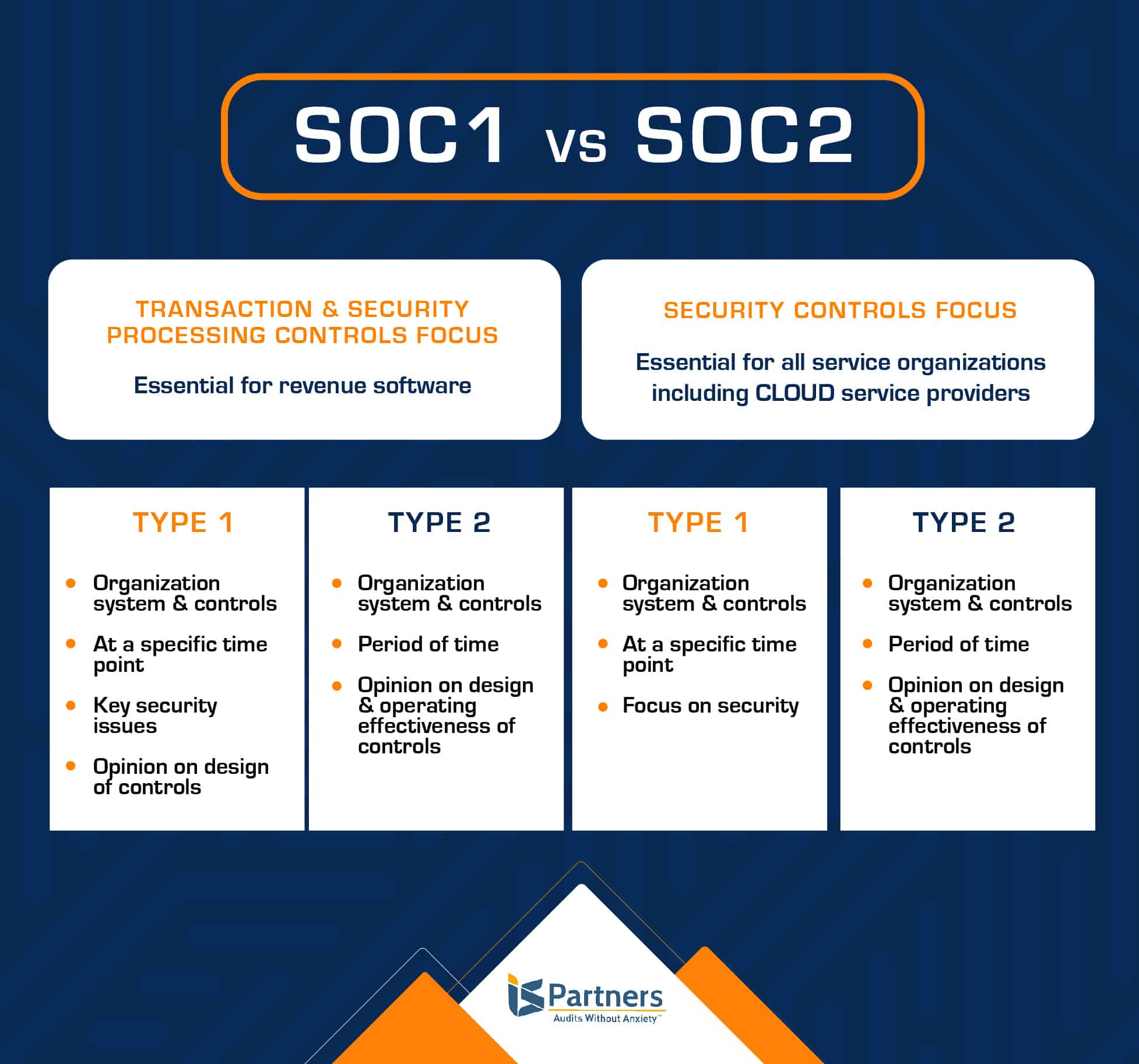
Cactus Custody, a prominent provider of institutional digital asset custody solutions, has achieved the SOC 1 Type 1 certification following an independent audit conducted by Deloitte. This accomplishment underscores the company’s dedication to maintaining high operational control standards and delivering secure, compliant custody services.

The comprehensive audit by Deloitte evaluated various aspects of Cactus Custody’s operations, including client account onboarding, fiat and cryptocurrency transactions, and internal system processes. The assessment confirmed the robustness of the company’s financial processing capabilities, encompassing settlement procedures, reconciliation, account management, fee processing, asset valuation, reporting, and the secure management of cryptographic keys throughout their lifecycle across diverse custody storage methods.

Wendy Jiang, General Manager of Cactus Custody, emphasized the significance of this certification: “Achieving SOC 1 Type 1 certification underscores our commitment to robust governance, precise financial management, and secure custody. We prioritize the security of our clients’ assets and maintain strict internal controls to deliver top-tier service. Moving forward, we will promote compliance and transparency, striving to set higher benchmarks in the evolving crypto asset space to enhance trust and satisfaction among our clients.”

The SOC 1 Type 1 certification serves as a benchmark for evaluating the effectiveness of an organization’s internal controls over financial reporting. By obtaining this certification, Cactus Custody demonstrates its capability to safeguard client assets and ensure the accuracy of financial information, thereby reinforcing trust with its clientele.

In addition to the SOC 1 Type 1 certification, Cactus Custody has previously attained the SOC 2 Type 1 certification, also audited by Deloitte. The company is actively working towards achieving the SOC 1 Type 2 report within the current year. These ongoing efforts reflect Cactus Custody’s dedication to enhancing digital asset custody standards, promoting industry compliance, and providing transparent, secure custodial services through regular, independent audits.

Cactus Custody is recognized as a trusted institutional digital asset custodian, holding ISO certifications and a license in Hong Kong . The company has also received a temporary exemption from the Monetary Authority of Singapore . Adhering to strict capital reserve requirements and Anti-Money Laundering and Counter-Terrorism Financing regulations, Cactus Custody is committed to the principle of “Security First, Integrity Always,” aiming to simplify crypto asset management for its clients with professionalism and confidence.

The attainment of the SOC 1 Type 1 certification is a significant milestone for Cactus Custody, reflecting its unwavering commitment to operational excellence, financial accuracy, and the security of digital assets. As the digital asset landscape continues to evolve, such certifications play a crucial role in establishing and maintaining client trust, ensuring that service providers like Cactus Custody meet and exceed industry standards for security and compliance.

Advertisements

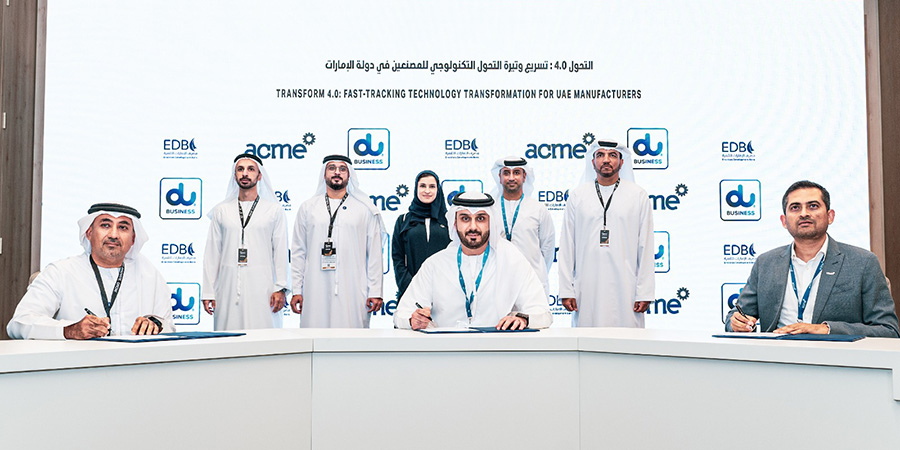
The EDGE Group’s Learning & Innovation Factory and the Ministry of Industry and Advanced Technology have formalised a partnership to accelerate the UAE’s industrial evolution. This collaboration, sealed during the International Defence Exhibition and Conference 2025 at the Abu Dhabi National Exhibition Centre, aims to advance the nation’s Industry 4.0 agenda under the Operation 300bn strategy.

The Memorandum of Understanding was signed by Fatma Essa Al Mheiri, Acting Director of the Technology Adoption and Development Department at MoIAT, and Ahmed Al Khoori, EDGE’s Senior Vice President of Strategy & Excellence. The ceremony was attended by Salama Alawadhi, Assistant Under-Secretary for the Industrial Development Sector at MoIAT, and Hamad Al Marar, EDGE’s Managing Director and Chief Executive Officer.

Under this agreement, LIF will serve as the strategic partner and executor of MoIAT’s Transform 4.0 programme. This initiative is designed to promote the adoption of advanced technologies and establish cutting-edge smart manufacturing facilities across the UAE. The programme’s objective is to support 100 high-potential manufacturers in their digitalisation efforts, fostering a network of Industry 4.0 lighthouses that exemplify excellence in smart manufacturing.

This partnership aligns with the UAE’s broader vision to enhance industrial competitiveness through technological innovation. Launched in 2021, Operation 300bn is a comprehensive 10-year strategy aiming to increase the industrial sector’s contribution to the nation’s GDP from AED 133 billion to AED 300 billion by 2031. The strategy focuses on creating an attractive business environment for investors, supporting the growth of national industries, and stimulating innovation through the adoption of advanced technologies.

The collaboration between EDGE and MoIAT is not their first joint endeavour. In August 2022, both entities signed an MoU to establish the UAE’s first Industry 4.0 Enablement Centre. This centre focuses on raising awareness about Industry 4.0 technologies, upskilling manufacturers through specialised training, and providing a testbed for piloting innovative solutions. The centre’s initiatives aim to enhance factory processes and operations, empowering industry leaders to leverage Fourth Industrial Revolution technologies for improved efficiency and competitiveness.

The UAE’s commitment to industrial advancement is further demonstrated by the Emirates Development Bank’s role in Operation 300bn. EDB has allocated AED 30 billion to support priority industrial sectors over five years, aiming to finance 13,500 small and medium-sized enterprises and create thousands of job opportunities. This financial support underscores the nation’s dedication to fostering a robust and sustainable industrial ecosystem.

The EDGE Group, a prominent technology conglomerate, continues to play a pivotal role in the UAE’s industrial transformation. By collaborating with MoIAT, EDGE leverages its expertise in advanced technology and innovation to drive the nation’s Industry 4.0 agenda forward. The Learning & Innovation Factory serves as a hub for advanced upskilling and technology-driven solutions, enhancing manufacturing excellence and fostering a culture of continuous improvement.

The International Defence Exhibition and Conference 2025 provided an ideal platform for this significant partnership. As one of the largest defence exhibitions globally, IDEX showcases the latest innovations and technologies, facilitating collaborations that drive industrial and technological advancements. The signing of the MoU at this event highlights the strategic importance of the defence sector in the UAE’s broader industrial strategy.

The UAE’s industrial strategy, Operation 300bn, is built upon six primary objectives: creating an attractive business environment for investors, supporting the growth of national industries, stimulating innovation through advanced technology adoption, enhancing the competitiveness of UAE products, ensuring sustainable economic growth, and promoting responsible consumption and production. The partnership between EDGE and MoIAT directly contributes to these objectives by facilitating the digital transformation of the manufacturing sector and promoting the adoption of Industry 4.0 technologies.

The European Central Bank has unveiled a comprehensive strategy to incorporate distributed ledger technology into its central bank settlement processes. This initiative aims to modernise Europe’s financial infrastructure by enhancing efficiency and security in transaction settlements.

In the initial phase, the ECB plans to develop a platform that links DLT-based transactions with its existing TARGET Services. TARGET is the Eurosystem’s real-time gross settlement system, facilitating the seamless flow of cash, securities, and collateral across Europe. By creating an interoperability link between DLT platforms and TARGET Services, the ECB seeks to enable the settlement of DLT-recorded transactions in central bank money. This approach ensures that innovative DLT systems can integrate smoothly with established financial infrastructures, maintaining stability while embracing technological advancements.

The subsequent phase involves exploring a more integrated, long-term solution for settling DLT-based transactions directly in central bank money. This comprehensive approach will consider the potential for international operations, including foreign exchange settlements. By delving into these possibilities, the ECB aims to position itself at the forefront of financial innovation, ensuring that Europe’s payment systems remain competitive and resilient in a rapidly evolving global landscape.

Piero Cipollone, a member of the ECB’s Executive Board, emphasised the significance of this development, stating, “This is an important contribution to enhancing European financial market efficiency through innovation.” His remarks underscore the ECB’s commitment to leveraging cutting-edge technologies to bolster the efficiency and security of Europe’s financial markets.

The ECB’s decision to expand its DLT initiatives follows a series of exploratory projects and consultations. In December 2024, the Eurosystem invited market participants to engage in trials examining the potential use of DLT for wholesale central bank money settlement. These trials, conducted between May and November 2024, provided valuable insights into how DLT platforms could interact with existing financial infrastructures. The positive outcomes of these experiments have informed the ECB’s current strategy, highlighting the practical viability of integrating DLT into central bank operations.

The ECB’s approach aligns with broader global trends, as central banks worldwide explore the potential of digital currencies and blockchain technologies. The Bank of England, for instance, has been investigating the development of a wholesale central bank digital currency aimed at facilitating large transactions between banks. Such initiatives reflect a growing recognition of the transformative potential of DLT and digital currencies in enhancing the efficiency and security of financial systems.

However, the ECB’s plans are not without challenges. The integration of DLT into existing financial infrastructures requires careful consideration of technical, regulatory, and security aspects. Ensuring interoperability between traditional systems and innovative DLT platforms is paramount to prevent fragmentation and maintain the integrity of the financial ecosystem. Additionally, the ECB must navigate potential concerns related to data privacy, cybersecurity, and the legal frameworks governing digital transactions.

The ECB has not yet announced a specific timeline for the implementation of the interoperability link with TARGET Services. A detailed schedule will be provided in due course, reflecting the ECB’s commitment to a meticulous and consultative approach. This cautious progression ensures that all stakeholders, including financial institutions, regulators, and the broader public, are adequately prepared for the forthcoming changes.

In parallel with its DLT initiatives, the ECB continues to advance its work on the digital euro. This project aims to provide a secure and efficient digital payment instrument, complementing cash and existing electronic payment methods. The digital euro is envisioned to enhance the accessibility and inclusivity of digital payments, ensuring that all segments of society can benefit from the digitalisation of the economy. The ECB’s efforts in this domain are part of a broader strategy to future-proof Europe’s financial system, ensuring it remains robust and competitive in the face of technological advancements and shifting consumer preferences.

Zain KSA and Dell Technologies have entered into a strategic partnership aimed at revolutionising Saudi Arabia’s cloud ecosystem. The collaboration seeks to position Zain KSA as the premier provider of seamless cloud solutions for businesses across the Kingdom.

The Memorandum of Understanding was formalised during the LEAP 2025 technology conference in Riyadh. The agreement was signed by Mohamed Talaat, Vice President for Saudi Arabia and Egypt at Dell Technologies, and Fahad Alsahmah, Chief Business Officer at Zain KSA. This partnership is set to leverage Dell’s extensive expertise in Infrastructure-as-a-Service , Software-as-a-Service , and Anything-as-a-Service models to enhance Zain KSA’s cloud offerings.

Under the terms of the MoU, Zain KSA will utilise Dell’s advanced cloud solutions to develop an open cloud architecture. This architecture is designed to provide businesses with unparalleled flexibility and choice in managing their cloud requirements. The automated platform will enable customers to seamlessly onboard, access services, and manage invoicing through a user-friendly interface. This initiative aims to simplify cloud adoption for enterprises of all sizes, thereby accelerating digital transformation efforts within the region.

Fahad Alsahmah expressed enthusiasm about the collaboration, stating, “By leveraging Dell’s technical expertise, we are poised to create a transformative platform that streamlines cloud adoption for businesses. This unified marketplace will grant access to premier cloud solutions from leading providers, empowering enterprises to manage their cloud services with ease and advance their digital transformation journeys.”

Mohamed Talaat highlighted Dell’s commitment to supporting innovation and digitalisation in Saudi Arabia. He remarked, “Our profound understanding of cloud technologies, coupled with our consultancy prowess, positions us to furnish Zain KSA with a cutting-edge cloud platform. We are eager to collaborate closely with Zain KSA to define and establish a comprehensive framework for these transformative technological solutions.”

This partnership aligns with Saudi Arabia’s Vision 2030 objectives, which emphasise the importance of digital transformation and technological innovation. By enhancing the cloud infrastructure, Zain KSA and Dell Technologies aim to provide businesses with the tools necessary to navigate multi-cloud environments effectively. This will enable organisations to bolster their digital strategies, optimise operational efficiency, and reduce costs through a flexible, pay-as-you-go model.

The introduction of Zain Multi Cloud, as part of this collaboration, signifies a significant advancement in Saudi Arabia’s cloud services landscape. This unified platform integrates public, private, and hybrid cloud environments, offering businesses a centralised system to manage their diverse cloud needs. Compatibility with leading cloud providers—including Alibaba Cloud, Google Cloud, Microsoft Azure, AWS, Oracle Cloud, Huawei Cloud, and Zain Cloud—ensures that enterprises can select services that best align with their specific requirements.

The user-centric design of the platform features an intuitive control panel, simplifying the management process and strengthening governance over cloud infrastructures. This approach not only enhances the user experience but also reinforces security and compliance measures, which are critical in today’s rapidly evolving digital landscape.

As cloud computing becomes increasingly integral to the strategic operations of both public and private sectors, this partnership is poised to play a pivotal role in driving the Kingdom’s digital economy forward. By providing robust, scalable, and efficient cloud solutions, Zain KSA and Dell Technologies are set to empower businesses to innovate and thrive in an increasingly competitive market.

TrinaTracker, a subsidiary of Trinasolar Co. Ltd and a global leader in smart solar tracking solutions, has inaugurated a manufacturing facility in Saudi Arabia. Located in Jeddah’s 3rd Industrial City, the plant is slated to commence operations in the first quarter of 2025, specializing in the production of the Vanguard series of solar trackers and smart control systems. This development underscores TrinaTracker’s commitment to localization and enhancing […]

The Abu Dhabi Investment Office has entered into a strategic partnership with China’s leading financial information services provider, Wind Information, to enhance investment intelligence and deepen economic relations between Abu Dhabi and China. This collaboration was formalized during the Abu Dhabi Investment Forum held in Shanghai, underscoring Abu Dhabi’s commitment to strengthening its economic connections with China’s financial sector.

As part of the agreement, Wind Information will serve as ADIO’s preferred knowledge partner in China, offering investors improved access to the dynamic investment landscapes of both regions. The partnership aims to facilitate the exchange of financial market intelligence and investment insights, providing Chinese investors and family offices with comprehensive research and analysis on key market opportunities. Wind Information will actively link ADIO with prominent investors and financial institutions in China, while ADIO will assist Abu Dhabi-based investors in exploring prospects within the Chinese market. Additionally, both organizations plan to co-host investment forums in the UAE and China to promote opportunities and strengthen bilateral ties.

His Excellency Badr Al Olama, Director-General of ADIO, emphasized the significance of this partnership, stating that it reinforces Abu Dhabi’s dedication to enhancing economic ties with China and creating a seamless investment ecosystem. He highlighted that by providing access to market data and financial insights, Abu Dhabi ensures an environment where investors can thrive, make informed decisions, and contribute to the sustainable growth of both economies.

Li Zhou, Co-Founder of Wind Information, expressed commitment to connecting capital markets and investment opportunities between China and the world. He noted that the collaboration with ADIO would empower investors with data-driven insights, enhancing the investment corridor between China and the UAE.

In a related development, ADIO has also signed a strategic partnership with Fosun International Limited, a global innovation-driven consumer group, to expedite the expansion of Fosun’s subsidiaries into Abu Dhabi and the broader Middle East. This agreement, announced at the same forum in Shanghai, aims to strengthen economic ties and reinforce Abu Dhabi’s position as a global investment hub.

Under this partnership, ADIO will offer tailored investor support, streamlined market access, and strategic guidance to accelerate Fosun’s presence in key growth sectors within Abu Dhabi, including wealth management, fintech, premium residential real estate, and healthcare innovation. Fosun International, with a revenue of approximately $13.4 billion in the first half of 2024 and a global workforce exceeding 110,000 employees, operates across various industries such as pharmaceuticals, healthcare, tourism, insurance, financial services, and intelligent manufacturing. By establishing Abu Dhabi as a regional gateway to the Middle East, Africa, and Southeast Asia, Fosun aims to leverage the emirate’s dynamic business ecosystem and substantial investor base.

ADIO has entered into a strategic partnership with Hejun Group, one of China’s leading consulting firms, to accelerate Chinese investment in Abu Dhabi. This agreement, also announced at the Abu Dhabi Investment Forum in Shanghai, paves the way for high-growth enterprises to expand into Abu Dhabi’s thriving business environment.

Hejun Group, operating both consulting and capital activities under Hejun Capital, manages more than $2 billion in cumulative assets. The firm will introduce Abu Dhabi’s investment opportunities to its network of over 2,000 publicly listed companies and leading private enterprises in China. ADIO will provide dedicated support to these Chinese companies, facilitating their business setup and long-term growth in Abu Dhabi.

The Abu Dhabi Investment Forum in Shanghai, organized by ADIO in partnership with Abu Dhabi Global Market , served as a platform for in-depth discussions on investment opportunities in Abu Dhabi. The forum, themed “Invest with Abu Dhabi,” brought together business leaders and investors to explore the emirate’s growth potential. As one of the fastest-growing economies in the Middle East and North Africa, Abu Dhabi has increasingly become a key destination for international investments.

During the forum, participants engaged in discussions on Abu Dhabi’s role as a global financial, trade, and technology hub. Experts analyzed the emirate’s economic competitiveness and highlighted its strategic position in global capital flows, emphasizing its stable economic environment, flexible regulatory framework, and well-developed financial infrastructure, which make it an attractive destination for investors worldwide.

The discussions also addressed Abu Dhabi’s expanding role in facilitating international trade and strengthening global supply chains. Participants explored the emirate’s rapid advancements in technological innovation, particularly in financial technology, artificial intelligence, blockchain, and digital transformation.


The U.S. Securities and Exchange Commission has officially withdrawn its appeal against a federal court ruling that invalidated its attempt to broaden the definition of “dealer” to encompass decentralized finance platforms and crypto liquidity providers. This move marks a significant shift in the regulatory landscape for the cryptocurrency industry.

In a filing submitted to the Fifth Circuit Court of Appeals on February 19, the SEC requested the voluntary dismissal of its appeal, a motion that faced no opposition. This decision effectively concludes the legal battle initiated by crypto advocacy groups, including the Blockchain Association and the Crypto Freedom Alliance of Texas, which challenged the SEC’s proposed rule change.

The contested rule, introduced in February 2024, sought to mandate that all crypto liquidity providers and automated market makers with over $50 million in capital register as dealers with the SEC. Critics argued that this expansion of the “dealer” definition would impose onerous regulatory requirements on DeFi protocols, many of which operate without centralized control and would struggle to comply with traditional Know Your Customer and Anti-Money Laundering regulations.

In November 2024, U.S. District Judge Reed O’Connor of the Northern District of Texas ruled against the SEC, stating that the agency had “exceeded its statutory authority” by attempting to enforce such a broad definition. The SEC’s recent decision to abandon its appeal upholds this ruling, preventing the implementation of the controversial dealer rule.

Kristin Smith, CEO of the Blockchain Association, lauded the SEC’s withdrawal as a decisive victory for the crypto industry. In a statement, she emphasized that the rule represented an “unlawful power grab” and that its defeat allows the industry to “breathe a sigh of relief.”

This development coincides with significant leadership changes within the SEC. Former Chair Gary Gensler, known for his stringent regulatory stance on cryptocurrencies, stepped down in January 2025 as President Donald Trump assumed office. Under the interim leadership of Acting Chair Mark Uyeda, the SEC has demonstrated a shift toward a more collaborative approach to crypto regulation.

One of Uyeda’s initial actions was the establishment of a Crypto Task Force, led by Commissioner Hester Peirce, who is recognized for her crypto-friendly views. The task force’s mandate includes developing a comprehensive regulatory framework for digital assets, aiming to provide clarity and support for innovation within the industry.

The SEC has also paused or delayed several enforcement actions against crypto firms that were initiated during Gensler’s tenure. These moves suggest a reevaluation of the agency’s approach to cryptocurrency regulation, potentially fostering a more conducive environment for industry growth.

Industry stakeholders view the SEC’s withdrawal of the dealer rule appeal as indicative of this evolving regulatory philosophy. By choosing not to pursue further legal action, the SEC appears to acknowledge the unique operational structures of DeFi platforms and the challenges of applying traditional regulatory frameworks to decentralized systems.

The original dealer rule aimed to address concerns about market stability and investor protection by bringing significant crypto market participants under the SEC’s regulatory umbrella. However, opponents contended that the rule failed to consider the decentralized nature of many crypto entities, rendering compliance both impractical and potentially stifling to innovation.

The legal challenge, initiated in April 2024, argued that the SEC’s rulemaking was “arbitrary and capricious,” lacking a clear statutory basis. Judge O’Connor’s ruling in favor of the plaintiffs underscored the necessity for regulatory agencies to operate within the bounds of their designated authority, especially when addressing emerging technologies and markets.

As the SEC recalibrates its approach under new leadership, the crypto industry remains attentive to how future regulations will balance oversight with the need to support technological advancement. The formation of the Crypto Task Force and the dismissal of the dealer rule appeal suggest a potential for more nuanced and informed policymaking that considers the distinct characteristics of digital assets and decentralized platforms.

Google Pay, a leading digital payment platform in India, has introduced a convenience fee for users settling utility bills via credit and debit cards. This development marks a significant shift from the platform’s previous policy of offering fee-free transactions for essential services such as electricity and gas.

The newly imposed charges range between 0.5% and 1% of the transaction amount, in addition to the applicable Goods and Services Tax . For instance, a user paying an electricity bill of ₹2,000 through a credit card may incur a convenience fee of up to ₹20, plus GST. These fees are applicable exclusively to payments made using credit and debit cards; transactions conducted directly through UPI-linked bank accounts remain exempt from such charges.

This move aligns with a broader trend in the digital payments industry, where platforms are exploring monetisation strategies to offset operational costs associated with payment processing. The National Payments Corporation of India had previously introduced an interchange fee of up to 1.1% on UPI transactions exceeding ₹2,000 when conducted through Prepaid Payment Instruments such as digital wallets. However, it’s important to note that this interchange fee is typically borne by merchants, and standard UPI transactions between bank accounts continue to be free for consumers.

The introduction of convenience fees by Google Pay may influence user behaviour, potentially prompting a shift towards alternative payment methods that do not attract additional charges. Users aiming to avoid these fees are encouraged to utilise UPI-linked bank account payments, which continue to offer a cost-free experience for bill settlements and other transactions.

Leading figures in the cryptocurrency sector, including Coinbase, a16z, Paradigm, Kraken, and Uniswap, have collectively urged the U.S. Congress to repeal a tax policy introduced by the Internal Revenue Service that mandates decentralized finance brokers to report user information. The coalition contends that this regulation could severely impede DeFi innovation by imposing traditional brokerage data collection and reporting requirements on decentralized platforms.

The IRS finalized this significant digital asset broker rule between Christmas and New Year’s Eve, just days before the transition to President Donald Trump’s administration. The rule aims to subject DeFi brokers to the same information-reporting obligations as traditional securities brokers and exchanges. Critics argue that this approach demonstrates a fundamental misunderstanding of DeFi technology and oversteps regulatory boundaries.

Under the Congressional Review Act, recently approved regulations can be rescinded. Senator Ted Cruz, a Republican from Texas, introduced a resolution last week seeking to nullify the IRS’s DeFi broker rule. In a unified response, the Blockchain Association, alongside industry giants such as Coinbase, a16z, Paradigm, Kraken, Uniswap, Anchorage Digital, and numerous others, submitted a letter to congressional leaders advocating for the adoption of Senator Cruz’s resolution.

The letter asserts that the DeFi broker rule, finalized in the closing days of the Biden administration, represents regulatory overreach, fundamentally misinterprets the technology it seeks to regulate, and disregards congressional intent. The coalition emphasizes that utilizing Congress’s authority to overturn federal agency regulations offers a clear and definitive path to revoke this detrimental rule before it takes effect.

Industry leaders express concern that the rule disproportionately targets U.S.-based companies, imposing stringent requirements that foreign competitors are not obligated to follow when serving American customers. This disparity, they argue, could stifle DeFi innovation within the United States, as domestic firms would face unique compliance burdens not shared by their international counterparts.

The Congressional Review Act serves as a potent mechanism for reversing federal regulations, though its application can have lasting implications. Once a rule is nullified under this act, any future attempt to introduce a similar regulation is effectively barred, potentially complicating efforts to establish more balanced oversight in the same domain.

This collective action by the cryptocurrency industry underscores the escalating tension between innovative financial technologies and existing regulatory frameworks. As DeFi platforms continue to evolve, they challenge traditional notions of financial intermediaries, prompting regulators to adapt their approaches. The outcome of this legislative push could set a significant precedent for how decentralized technologies are governed in the future.

In a related development, venture capital firm a16z Crypto has expressed support for a legal challenge against the IRS’s new DeFi rules. The firm argues that the regulations exceed governmental authority, infringe upon constitutional rights, and could adversely affect the United States’ position in the global digital economy. This lawsuit, backed by the Blockchain Association, DeFi Education Fund, and Texas Blockchain Council, contends that the mandated reporting requirements threaten user privacy and could deter innovation in the DeFi space.

The IRS’s finalized rule stipulates that “front-end” crypto service providers adhere to the same tax reporting standards as traditional securities brokers. This encompasses the collection and reporting of user trading information, a requirement that many in the industry view as incompatible with the decentralized nature of DeFi platforms. Critics contend that enforcing such regulations could drive DeFi activities offshore, where U.S. regulatory reach is limited, thereby diminishing the country’s influence in the burgeoning digital asset sector.

The debate over the IRS’s DeFi broker rule highlights the broader challenge of applying existing regulatory paradigms to emerging technologies that operate outside traditional frameworks. As policymakers grapple with these issues, the balance between fostering innovation and ensuring compliance remains a contentious and evolving discourse.

The cryptocurrency community’s unified stance against the IRS’s reporting mandate reflects a broader concern that ill-fitting regulations could hamper the growth and potential of decentralized financial systems. As this situation unfolds, it will serve as a critical test of how regulatory bodies and innovative industries can navigate the complexities of technological advancement in the financial sector.

The outcome of this legislative and legal challenge may well determine the trajectory of DeFi development in the United States and influence how other jurisdictions approach the regulation of decentralized financial technologies. Stakeholders across the spectrum will be closely monitoring the proceedings, recognizing the profound implications for the future of finance and technology integration.

Argentina’s National Securities Commission has declared it lacks the authority to intervene in the ongoing LIBRA token controversy, citing the absence of a regulatory framework governing token sales on decentralized platforms. This announcement comes amid escalating concerns over the cryptocurrency’s dramatic rise and fall, which has led to significant financial losses for investors and political turmoil for President Javier Milei.

The CNV’s position highlights a regulatory gap in Argentina’s approach to digital assets. Despite the passage of Law N°27,739 on March 15, 2024, which aimed to reform the country’s financial oversight and appointed the CNV as the regulatory body for the crypto industry, comprehensive guidelines for decentralized token offerings remain undeveloped. This legislative shortfall has left investors vulnerable and authorities without clear mandates to address disputes arising from such activities.

The LIBRA token saga began when President Milei promoted the cryptocurrency on social media, suggesting it would bolster small Argentine businesses. His endorsement led to a meteoric increase in LIBRA’s market value, reaching approximately $4.5 billion. However, the token’s value plummeted shortly thereafter, erasing over $4 billion and leaving a majority of investors facing substantial losses. Reports indicate that eight wallets associated with LIBRA’s creator withdrew around $99 million worth of cryptocurrency during this period, intensifying suspicions of fraudulent activity.

In response to the debacle, President Milei has faced mounting criticism and legal challenges. Over 110 investors have filed complaints, alleging fraud and seeking redress for their financial losses. Opposition politicians have called for his impeachment, labeling the incident an “unprecedented scandal.” President Milei has denied any wrongdoing, stating that he merely shared information about LIBRA and was not involved in its creation or management.

The cryptocurrency platform Pump.fun has experienced a significant decline in daily trading volume, coinciding with the controversy surrounding Argentine President Javier Milei’s endorsement of the LIBRA memecoin. Data indicates that Pump.fun’s daily trading volume decreased by 27%, falling from $184 million to $134 million, following the promotion of LIBRA on February 14, 2025.

President Milei’s endorsement of LIBRA led to a rapid surge in the token’s market capitalization, reaching approximately $4 billion. However, the token’s value plummeted shortly thereafter, resulting in substantial financial losses for investors. This incident has sparked widespread criticism and calls for President Milei’s impeachment. He has defended his actions, stating that he was not fully informed about the token and acted in good faith.

The LIBRA memecoin was launched on February 14, 2025, with the intention of supporting small and mid-sized businesses in Argentina. President Milei promoted the token on his social media account, describing it as a promising investment opportunity. The token’s value experienced a brief surge before collapsing, leading to allegations of fraud and a significant financial impact on investors.

In the aftermath of the LIBRA incident, Pump.fun’s trading activity has notably declined. The platform’s daily trading volume fell by 27%, from $184 million to $134 million, as of February 19, 2025. This downturn reflects a broader trend of decreased activity in the memecoin market, possibly influenced by the negative publicity surrounding the LIBRA scandal.

Further complicating the situation, blockchain researchers have reported that approximately $99 million worth of cryptocurrency was withdrawn from the LIBRA marketplace by eight digital wallets linked to the token’s creator. These withdrawals have raised questions about the legitimacy of the token and the intentions of its creators.

The LIBRA incident has also prompted legal and political repercussions. Over 100 complaints have been filed against President Milei in Argentina’s supreme court, alleging financial misconduct and fraud. Opposition parties are calling for his impeachment, accusing him of irresponsibly promoting a fraudulent investment scheme. President Milei has denied any wrongdoing, asserting that he did not benefit financially from the promotion and was unaware of the token’s potential risks.

Confidence within the energy sector regarding the attainment of global net-zero emissions by 2050 has markedly decreased. The Energy Industries Council reports that only 16% of industry leaders now believe these climate goals are achievable, a significant drop from 45% the previous year. This decline is attributed to policy instability, financial uncertainties, and protracted project approval processes. The EIC’s “Net Zero Jeopardy Report II” highlights that inconsistent […]

Nigeria is intensifying its efforts to regulate and tax cryptocurrency activities, aiming to bolster national revenue and exert greater oversight over the burgeoning digital asset market. The Securities and Exchange Commission is revising regulations to encompass cryptocurrency transactions within the tax framework, reflecting a significant policy shift from previous restrictions to a more structured approach.

In a landmark legal move, Nigeria has filed a lawsuit against Binance, the world’s largest cryptocurrency exchange, seeking $79.5 billion in economic damages and an additional $2 billion in back taxes for the past two years. This lawsuit, as reported by Reuters, accuses Binance of tax evasion and attributes part of the nation’s currency challenges to the exchange’s operations. The legal action follows a series of regulatory crackdowns, including the detention of two Binance executives in 2024, highlighting the government’s intensified scrutiny of cryptocurrency platforms.

The SEC’s proposed amendments aim to bring eligible cryptocurrency transactions on licensed exchanges under the country’s tax regime. A bill outlining this tax structure is currently under review and could be enacted within the quarter. While specific revenue projections have not been disclosed, officials anticipate substantial gains, given Nigeria’s prominent position in global cryptocurrency adoption. According to Chainalysis, Nigeria ranked second on the Global Crypto Adoption Index, with approximately $59 billion in cryptocurrency value received between July 2023 and June 2024.

The Finance Act of 2023 introduced a 10% tax on profits derived from the sale of digital assets, including cryptocurrencies. This initiative, implemented in May 2023, aligns with the government’s broader objective to expand its revenue base by tapping into the digital economy. Emomotimi Agama, Director-General of the SEC, emphasized the potential of this sector, noting that Nigeria’s cryptocurrency transaction volume reached $56.7 billion between July 2022 and June 2023, representing a 9% year-over-year growth.

Despite these regulatory advancements, Nigeria’s relationship with cryptocurrency has been complex. In 2021, the Central Bank of Nigeria prohibited financial institutions from facilitating cryptocurrency transactions, a ban that was lifted in 2023. The current regulatory framework seeks to balance the benefits of digital assets with the need for oversight and security.

Casino games, while designed to offer fair entertainment, have long been targets for cheaters seeking illicit gains. Recent incidents highlight the vulnerabilities in certain games, prompting casinos to enhance security measures.

Poker has emerged as a prime target for sophisticated cheating methods. In a notable case, French police arrested two individuals at a casino in Enghien-les-Bains. The suspects employed modified smartphones equipped with miniature cameras to capture images of dealt cards. These images were transmitted in real-time to accomplices outside the casino, who then relayed critical information back to the players via concealed earpieces. This method allowed the cheaters to gain an unfair advantage, leading to significant financial losses for the establishment. The arrested individuals are believed to be part of a larger network targeting casinos across Europe.

Slot machines, despite their digital sophistication, have also been susceptible to manipulation. Historically, cheaters used physical devices, such as magnets, to influence the mechanical reels of older machines. While modern slot machines are equipped with advanced Random Number Generators to ensure fair play, vulnerabilities have been exploited. For instance, some individuals have attempted to use external devices or software hacks to predict or alter outcomes. However, casinos have implemented rigorous security protocols and regular audits to detect and prevent such tampering.

Blackjack, a game of skill and chance, has witnessed its share of deceitful tactics. One prevalent method is “card marking,” where players subtly alter cards to identify their values during subsequent deals. This can be achieved through various means, such as using invisible ink or minute scratches, allowing cheaters to gain an upper hand. Additionally, collusion between players and dealers has been reported, wherein dealers execute false shuffles or deal from the bottom of the deck to favor certain players. Such collusion not only defrauds the casino but also undermines the trust of other patrons.

Roulette, with its seemingly straightforward mechanics, has not been immune to fraudulent schemes. A tactic known as “past posting” involves placing bets on the winning number after the ball has landed, exploiting moments of distraction or inadequate supervision. Another method, the “top hat” technique, sees cheaters placing chips on winning numbers disguised under another player’s bet, attempting to claim winnings surreptitiously. These deceptive practices necessitate vigilant oversight from casino staff to ensure the integrity of the game.

The advent of online gambling has introduced new challenges in combating cheating. While reputable online casinos employ sophisticated encryption and RNGs to maintain fair play, vulnerabilities persist. Some players have exploited software glitches or employed bots to gain an unfair advantage. Moreover, collusion in online poker rooms, where players share information to outmaneuver others, has been a growing concern. Online platforms continuously update their security measures, utilizing advanced algorithms and monitoring systems to detect and prevent such fraudulent activities.

In response to these multifaceted threats, casinos worldwide are investing heavily in advanced surveillance technologies and staff training. High-definition cameras, facial recognition software, and artificial intelligence are being deployed to monitor gaming floors and identify suspicious behavior in real-time. Employees receive comprehensive training to recognize and counteract cheating methods, ensuring a secure environment for all patrons. Additionally, casinos collaborate with regulatory bodies and law enforcement agencies to share information and develop strategies to combat organized cheating rings.

Alibaba Cloud, the cloud computing division of Alibaba Group Holding, has inaugurated its first data centre in Mexico, marking a significant expansion of its services into Latin America. This development aims to accelerate digital transformation and foster innovation across the region by providing secure, resilient, and scalable cloud services to businesses, startups, developers, and organizations.

The new facility, launched on February 18, 2025, in Mexico City, extends Alibaba Cloud’s global infrastructure to 87 availability zones across 29 regions. Selina Yuan, President of International Business at Alibaba Cloud Intelligence, emphasized the company’s commitment to the Latin American market, stating, “We are not only bringing world-class cloud technology to support local businesses, but also building an inclusive and thriving ecosystem in Mexico together with our local partners, developers, and customers to foster innovation, collaboration, and sustainable growth across Latin America.”

The establishment of the data centre is poised to strengthen Mexico’s position as a regional tech hub. Manola Zabalza, Secretary of Economic Development of the Government of Mexico City, highlighted the city’s role in technological advancement, noting, “Mexico City is the technological, financial, economic, investment, and innovation engine in the world, and we are setting a benchmark in the digitalization process. With the arrival of Alibaba Cloud, we are getting closer to the consolidation of becoming a cutting-edge digital metropolis, which increasingly provides more advanced tools for startups, entrepreneurs, and companies in strategic sectors.”

Alibaba Cloud’s expansion into Mexico is part of a broader strategy to enhance its presence in key international markets. The company recently commenced operations at its second data centre in Thailand, reflecting its commitment to meeting the growing demand for cloud services and supporting generative artificial intelligence applications in the region.

The Mexican data centre offers a range of cloud computing products and services, including elastic computing, cloud storage, and network services. These offerings are designed to cater to both local customers and Chinese enterprises seeking to expand their operations in Latin America. Early adopters of Alibaba Cloud’s services in the region include Limac, a Mexican IT company. José Limón, CEO of Limac, expressed enthusiasm about the partnership, stating, “With Alibaba Cloud’s reliable infrastructure and security solutions, we’ve accelerated our growth while ensuring compliance. The launch of the Mexico Region enables us to deploy local resources and expand our IT solutions across Latin America, empowering millions of SMBs in their digital transformation. With cutting-edge technology and cost-effective solutions, Alibaba Cloud is the ideal partner to drive this evolution.”

The launch of Alibaba Cloud’s data centre in Mexico comes amid increasing competition among global cloud service providers in the Latin American market. Amazon Web Services inaugurated its cloud region in Mexico in January 2025, while Google established its presence in December 2024. Microsoft entered the Mexican market with its Azure cloud region in May 2024 and has since announced plans to invest an additional $1.3 billion to enhance AI infrastructure in the country. Oracle also launched its first Mexican cloud region in June 2022, followed by a second facility in September 2022.

The growing presence of these cloud service providers underscores the rising demand for digital infrastructure in Latin America. Businesses across various sectors are increasingly adopting cloud computing solutions to enhance operational efficiency, scalability, and innovation capabilities. Alibaba Cloud’s entry into the Mexican market is expected to provide local enterprises with more options and foster a competitive environment that could lead to improved services and pricing.

In addition to offering cloud services, Alibaba Cloud is committed to building a robust ecosystem in Mexico by collaborating with local partners, developers, and customers. This approach aims to drive innovation, facilitate knowledge exchange, and support sustainable growth across the region. By leveraging its global network, Alibaba Cloud enables Mexican companies to tap into other markets, particularly in Asia, thereby expanding their global footprint.

Lumotive, a Redmond, Washington-based company specializing in programmable optical semiconductors, has raised $45 million in a Series B funding round. The investment aims to accelerate the commercialization of its Light Control Metasurface technology, which digitally steers light for 3D sensing applications across various industries. The funding round was led by Gates Frontier, an investment arm associated with Bill Gates, and MetaVC Partners. Other participants included Swisscom Ventures, […]

SINGAPORE – Media OutReach Newswire – 20 February 2025 – GrandTech Cloud Services (GCS) announced their Singapore entry with a “Pizza Blitz” campaign, delivering 300 pizzas to over 200 startups, influencers, and VC’s across Singapore this week. This initiative aims to introduce GCS’s business and the vision of “F2SU” (A Friend to Startups), a dedicated platform designed to support startup growth. Innovative Marketing Strategy to Empower Startups […]

The once-booming memecoin market is experiencing a significant downturn, marked by high-profile scandals and a shift towards a more mature cryptocurrency landscape. Industry experts and recent events highlight the challenges facing these novelty digital assets.

Nic Carter, a partner at Castle Island Ventures, asserts that the memecoin era has concluded. He emphasizes that the market, once seen as a fair playground for traders, has been undermined by insider manipulation and fraudulent schemes. Carter points to the recent $LIBRA token scandal as evidence of the market’s compromised integrity.

The $LIBRA incident has notably impacted the reputation of the Solana blockchain network. Promoted by Argentine President Javier Milei, $LIBRA experienced a meteoric rise followed by a catastrophic collapse, erasing over $4 billion in value. This event has led to fraud allegations and calls for Milei’s impeachment. Solana, favored for its scalability and transaction speed, has seen a 15% decline in its token value since the scandal, as reported by Cinco Días.

The proliferation of memecoins lacking solid technological foundations has saturated networks like Solana, causing congestion and eroding investor trust. Platforms such as Pump.fun have facilitated the creation of these tokens, leading to a 46% decrease in daily new token launches from January 24 to February 18, 2025. This decline reflects growing skepticism among investors and developers.

Market data indicates a sharp reduction in investor interest in memecoins. The number of active traders has decreased by 50% since January, and the overall market capitalization of memecoins has dropped from $100 billion to significantly lower levels. Tokens like Dogecoin and Shiba Inu have experienced substantial price declines, with DOGE falling from $0.12 to $0.09 within a single day, as noted by IntoTheBlock.

The $LIBRA scandal has also brought to light the involvement of four entrepreneurs—Mauricio Novelli, Manuel Terrones Godoy, Julian Peh, and Hayden Mark Davis—who orchestrated the token’s promotion and subsequent collapse. Their actions have intensified scrutiny of memecoin projects and raised questions about the ethical responsibilities of public figures endorsing such assets.

Despite the downturn, some analysts believe that while the memecoin craze is over, these tokens will not disappear entirely. However, the market is expected to evolve, with investors becoming more discerning and regulatory bodies increasing oversight to prevent manipulation and fraud.

VISHNU RAJA
RYO YAMADA
HITORI GOTOH
IKUYO KITA