News related to
digital

Sheikh Tahnoun bin Zayed Al Nahyan, the United Arab Emirates’ National Security Adviser and brother to President Mohamed bin Zayed, is set to visit Washington. His agenda includes advocating for relaxed U.S. export controls on advanced semiconductors essential for artificial intelligence development and exploring investment opportunities within the United States. The U.S. government has recently tightened export restrictions on AI chips produced by companies like Nvidia, limiting […]

The U.S. Treasury Department has initiated discussions with leading cryptocurrency custody firms to determine the most secure methods for managing the nation’s Strategic Bitcoin Reserve. These talks underscore the government’s commitment to integrating digital assets into its financial infrastructure while ensuring their security.

Earlier this month, President Donald Trump signed an executive order establishing a government-held Bitcoin reserve, marking a significant shift in the administration’s approach to digital currencies. The reserve is primarily composed of approximately 200,000 bitcoins seized through criminal and civil proceedings, with the intent to retain these assets as a store of value. This move aims to create a “digital Fort Knox,” reflecting the growing importance of cryptocurrencies in the global financial landscape.

In light of this development, the Treasury Department engaged with executives from three prominent crypto custody firms to discuss best practices for safeguarding the reserve. Anchorage Digital, a leading crypto custodian, confirmed its participation in these meetings. Nathan McCauley, CEO of Anchorage, noted that Treasury officials were keen to understand the intricacies of securely storing a national Bitcoin reserve and the implications for stablecoins and market structure. He remarked, “The Treasury Department is asking all the right questions. It’s clear that Treasury officials are treating this move into the digital asset space with care, recognizing that the United States is quite literally writing history.”

These consultations are part of the Treasury’s broader effort to develop a comprehensive strategy for managing and securing digital assets. A source familiar with the discussions indicated that the department is in the early stages of formulating its approach and is actively seeking insights from industry experts. The current consensus among industry leaders suggests that involving third-party custodians may be a prudent interim solution. This approach would allow the government to leverage existing expertise in crypto asset management while it builds internal capabilities for potential self-custody in the future. Self-custody refers to the practice of independently holding cryptocurrencies in cold wallets, secured by private keys, without relying on external custodians.

The establishment of the Bitcoin reserve has sparked discussions about the potential benefits and challenges of integrating digital assets into national reserves. Proponents argue that holding Bitcoin could serve as a hedge against inflation and enhance the country’s financial resilience. However, critics caution about the volatility of cryptocurrencies and the complexities involved in their secure storage and management.

The Treasury’s proactive engagement with industry experts reflects a cautious and informed approach to these challenges. By consulting with established crypto custody firms, the government aims to implement robust security measures and operational protocols to protect its digital assets. This strategy is crucial to mitigate risks associated with cyber threats and to ensure the integrity of the nation’s financial holdings.

The move to establish a Bitcoin reserve also aligns with broader global trends of governments and institutions exploring the adoption of digital assets. As cryptocurrencies become increasingly mainstream, the need for secure and regulated custody solutions has become more pronounced. The U.S. government’s initiative may set a precedent for other nations considering similar measures, potentially influencing global standards for digital asset management.

While the Treasury Department has not publicly disclosed specific details of its custody strategy, the ongoing consultations indicate a deliberate and methodical approach. The involvement of reputable firms like Anchorage Digital suggests that the government is prioritizing security and leveraging industry best practices. This collaboration between public institutions and private crypto custodians could pave the way for more integrated and secure financial systems in the digital age.

A U.S. court has approved Three Arrows Capital’s request to raise its claim against FTX to $1.53 billion. This decision allows the embattled hedge fund to pursue a larger share in the bankruptcy proceedings of the collapsed cryptocurrency exchange, FTX. The court’s approval comes after 3AC, which held significant assets in FTX, revised its initial claim to reflect a more substantial financial stake.

As of June 12, 2022, 3AC reportedly held assets valued at $1.53 billion in FTX, a cryptocurrency exchange that has since spiraled into bankruptcy. However, a rapid series of transactions between the two parties led to the liquidation of a significant portion of these assets. Just days after 3AC held the assets, they were sold off to cover a $1.3 billion debt owed to FTX, leaving 3AC with a significantly reduced amount.

Initially, 3AC had filed a claim for $120 million in June 2023, which represented the remaining value of its assets at the time. The claim was based on 3AC’s holdings of FTX’s native FTT tokens and other crypto assets tied to the exchange, which were initially valued higher. However, in light of further analysis and unfolding details, the claim has now been revised upwards, with 3AC seeking $1.53 billion in total.

The court’s ruling allows 3AC to officially revise the terms of its claim, which will impact how the proceedings in FTX’s bankruptcy case unfold. With a claim now nearly ten times larger than originally filed, 3AC’s request highlights the complexity of the ongoing bankruptcy proceedings and the intricate relationships between major crypto players.

The revised claim is rooted in the volatile collapse of FTX, which saw assets across the crypto sector lose significant value. The turmoil within the digital currency market has also raised questions regarding asset valuations and the interlinked financial risks faced by companies involved in the cryptocurrency ecosystem. The asset liquidation that occurred between 3AC and FTX highlights the systemic risks that crypto exchanges, funds, and investors face during such crises.

The U.S. court’s approval comes amid continuing investigations into FTX’s operations, with authorities scrutinising the events leading to the exchange’s downfall. FTX founder Sam Bankman-Fried faces multiple charges related to fraud and mismanagement, and the ongoing legal proceedings have drawn attention to the broader impact on investors and creditors. The case of 3AC is just one of many high-profile claims emerging from the aftermath of FTX’s bankruptcy, but its size and prominence underscore the potential consequences for other creditors.

For 3AC, the court’s approval marks a critical development as the firm continues its restructuring efforts in the wake of its own collapse. Three Arrows Capital had once been a prominent player in the cryptocurrency hedge fund space, but it has faced significant financial setbacks following its exposure to failing crypto assets. The fund’s involvement in the FTX debacle further complicates its ongoing recovery, with large sums of money at stake.

3AC’s strategy to pursue a larger claim indicates its ongoing efforts to secure as much compensation as possible through FTX’s bankruptcy process. Given the scale of its claim, 3AC may also seek to negotiate its position with other creditors involved in the bankruptcy, all of whom are competing for a share of the limited remaining assets.

The approval also raises broader questions about the future of cryptocurrency regulation, as both the U.S. and international regulators examine the collapse of FTX and its ramifications. The FTX debacle has drawn scrutiny from lawmakers and regulatory bodies, with calls for more stringent oversight of the cryptocurrency industry. As the fallout from the collapse continues to unfold, many expect further legal challenges and claims from other investors and entities that were involved in the exchange’s operations.

Recognized for “go-to-market innovation and consistent partner engagement” HONG KONG SAR – Media OutReach Newswire – 14 March 2025 – Cybersecurity giant Trend Micro Incorporated (TYO: 4704; TSE: 4704) has been named a Champion in the Canalys Global Cybersecurity Leadership Matrix 2025. This marks Trend’s third consecutive placement as #1 among the 32 cybersecurity vendors appraised by Canalys. Trend and its partners serve the industry’s most geographically […]

Members of President Donald Trump’s family have entered talks regarding a potential investment in Binance’s U.S. arm, a move that has drawn significant attention given the rising influence of cryptocurrency exchanges in global finance. The discussions revolve around securing a financial stake in Binance.US, which has been expanding its reach within the U.S. despite ongoing regulatory hurdles.

Sources indicate that the Trump family, including figures close to the former president, have shown increasing interest in the digital assets space. While specific details of the talks remain confidential, insiders suggest that the potential investment would allow the Trump family to become a major player in one of the largest cryptocurrency exchanges worldwide. This development has attracted scrutiny due to the complexities surrounding cryptocurrency regulation in the U.S. and Binance’s efforts to navigate these challenges.

Binance.US, a subsidiary of the global cryptocurrency exchange Binance, has been under intense regulatory pressure, particularly from the U.S. Securities and Exchange Commission . The regulatory body has taken aim at cryptocurrency exchanges, scrutinising their operations and pushing for tighter compliance with financial laws. Binance.US has worked to distinguish itself from its parent company, striving to comply with U.S. regulations in order to maintain access to the lucrative American market. This regulatory scrutiny has intensified as the SEC investigates various crypto-related activities, leading some exchanges to reassess their operations in the U.S.

The Trump family’s potential involvement in Binance.US comes at a time when cryptocurrency remains a divisive issue within U.S. political circles. President Trump himself has expressed scepticism about digital currencies in the past, calling Bitcoin a “scam” and reiterating his support for the U.S. dollar. However, some of his family members, including his sons, have reportedly shown greater interest in blockchain technology and the broader financial opportunities within the sector.

The growing interest in cryptocurrencies and their market potential has not gone unnoticed by established financial institutions, traditional investors, and wealthy individuals, including those with political influence. Cryptocurrency offers an alternative financial system that is decentralised, offering benefits like increased privacy and reduced reliance on traditional banking systems. At the same time, the volatility and lack of regulation continue to be a major concern for investors.

Binance, which was founded in 2017 by Changpeng Zhao, has become one of the most prominent cryptocurrency exchanges globally. The company has maintained a significant foothold in international markets but has faced regulatory challenges in several jurisdictions, including the United States, the United Kingdom, and Japan. In the U.S., the company has been forced to adapt its operations to meet local compliance requirements, which have included halting certain services and modifying trading offerings.

In addition to the regulatory concerns, Binance has faced allegations of facilitating illegal activities, including money laundering, leading to legal battles in several countries. These challenges have prompted Binance.US to distance itself from its parent company, ensuring that its operations remain fully compliant with U.S. laws. The platform has also been active in cooperating with regulators to ensure that it operates within the confines of U.S. financial regulations.

The Trump family’s interest in Binance.US signals the growing trend of prominent individuals and families seeking to establish financial positions in emerging markets, especially those that offer substantial growth opportunities like the cryptocurrency sector. While the discussions are still in the early stages, industry analysts suggest that the involvement of the Trump family could accelerate the exchange’s push to expand further within the U.S. market. With both the political clout and financial resources that the Trump family brings, their entry into the cryptocurrency space could prove to be a significant development for Binance and the broader digital assets industry.

The potential partnership also underscores the increasing mainstream acceptance of cryptocurrencies among high-profile investors and their growing role in the future of finance. As the U.S. government and regulators continue to grapple with how to regulate digital currencies, the involvement of politically connected figures in cryptocurrency investments could potentially alter the trajectory of future regulatory frameworks.

Despite the regulatory challenges, Binance.US has reported strong growth in user adoption and trading volume. As the global market for digital currencies continues to expand, platforms like Binance are positioned to benefit from increasing demand for alternative investment opportunities. Moreover, Binance.US’s strategic adjustments to comply with U.S. regulations, coupled with the potential involvement of high-profile investors like the Trump family, may further solidify its standing in the competitive crypto market.

The conversations surrounding the Trump family’s involvement in Binance come amid broader discussions in Washington about how to best regulate the cryptocurrency space. Lawmakers have expressed concerns about the risks posed by digital currencies, ranging from fraud to their use in illicit transactions. At the same time, they have recognised the growing popularity of cryptocurrencies and the need to establish clear rules that both protect consumers and foster innovation in the sector.

The Trump family’s engagement in the cryptocurrency industry also raises questions about the increasing convergence of political influence and financial markets. As more individuals and families with political ties explore opportunities in the digital asset space, the lines between politics and business may continue to blur. This development may set the stage for a new era of investments in which political figures play an increasingly central role in shaping the future of digital finance.


In a significant move to bolster global sustainability efforts, the United Arab Emirates and Denmark have formalized a partnership aimed at enhancing cooperation in sustainable agriculture and food systems. This development underscores both nations’ commitment to addressing pressing environmental challenges and ensuring food security. On 12th March 2025, His Highness Sheikh Abdullah bin Zayed Al Nahyan, UAE’s Deputy Prime Minister and Minister of Foreign Affairs, met with […]

Cryptocurrency exchange OKX Europe has acquired a Malta-based firm holding a Markets in Financial Instruments Directive II license, positioning itself to offer regulated derivatives products to institutional clients throughout the European Economic Area . The acquisition, announced during an exclusive event at Manoel Island, Malta, marks a significant advancement in OKX’s European expansion strategy.

The newly acquired entity is expected to commence operations later this year, pending approval from the Malta Financial Services Authority . This development will enable OKX to provide a comprehensive suite of regulated derivatives services to institutional investors across the EEA, encompassing all 27 European Union member states, as well as Iceland, Liechtenstein, and Norway.

Erald Ghoos, CEO of OKX Europe, highlighted the strategic importance of this milestone, stating that securing the MiFID II license is pivotal in integrating digital assets with traditional financial markets. He emphasized that this move positions OKX to deliver institutional-grade services, collaborate with top-tier financial institutions, and offer regulated investment solutions that enhance market access for investors across the continent.

This acquisition follows OKX’s attainment of a Markets in Crypto Assets license from Malta in January, underscoring the exchange’s commitment to regulatory compliance within the European Union. The dual licensing strategy allows OKX to navigate the complex regulatory landscape effectively, offering both crypto assets and traditional financial instruments in a secure and compliant manner.

The MiFID II license is particularly significant as it permits OKX to offer regulated derivatives products, a critical component for institutional investors seeking sophisticated trading strategies. By adhering to stringent regulatory standards, OKX aims to provide a robust and secure trading environment, thereby enhancing its market position and paving the way for future expansions and innovations in the European financial sector.

The European Union’s regulatory framework, particularly the implementation of MiCA, has been instrumental in attracting global cryptocurrency exchanges to the region. Regulatory clarity serves as a significant driver for crypto exchange businesses, facilitating customer trust and operational stability. In contrast, other jurisdictions, such as the United Kingdom, have been slower to implement comprehensive crypto regulations, potentially hindering their competitiveness in this rapidly evolving market.

OKX’s strategic move to secure both MiCA and MiFID II licenses reflects a broader trend among cryptocurrency exchanges to align with established financial regulations. This alignment not only ensures compliance but also bridges the gap between traditional finance and the burgeoning digital asset industry, offering institutional investors a seamless and regulated entry point into cryptocurrency markets.

The acquisition also signifies OKX’s dedication to enhancing its institutional offerings. By providing regulated derivatives products, OKX aims to meet the growing demand from institutional clients for diversified and compliant investment options. This development is expected to attract a broader client base, including hedge funds, asset managers, and other institutional entities seeking exposure to cryptocurrency derivatives within a regulated framework.

Advertisements

Ripple, a prominent blockchain payments provider, has secured full regulatory approval from the Dubai Financial Services Authority to offer cross-border cryptocurrency payment services within the United Arab Emirates . This landmark authorization enables Ripple to operate in the Dubai International Financial Centre , a special economic zone with its own legal and regulatory framework.

The DFSA’s approval positions Ripple as the first blockchain-enabled payments provider licensed by the authority, underscoring the company’s commitment to regulatory compliance and its strategic focus on the Middle East. Brad Garlinghouse, Ripple’s Chief Executive Officer, remarked that the global crypto industry is experiencing unprecedented growth, driven by enhanced regulatory clarity and increasing institutional adoption. He highlighted the UAE’s supportive environment for technological and crypto innovation, suggesting that the nation is exceptionally well-placed to benefit from these developments.

Ripple’s journey to this full license began on October 1, 2024, when it received in-principle approval from the DFSA. Over the subsequent months, the company worked diligently to meet all regulatory requirements, culminating in the current full authorization. This progression reflects both Ripple’s dedication to compliance and the DFSA’s rigorous standards for financial service providers operating within its jurisdiction.

With the DFSA license, Ripple is now authorized to provide its global blockchain-based payment solutions to businesses across the UAE. This development is particularly significant for financial institutions seeking to integrate digital assets into their operations, offering a regulated and secure pathway for such integration. The license also allows Ripple to cater to the growing demand for efficient cross-border payment solutions in the region, a need that has been increasingly pronounced among both traditional financial institutions and crypto-native firms.

The UAE’s strategic positioning as a global hub for international trade and finance further amplifies the importance of this approval. According to data from the World Bank, the UAE facilitates nearly $40 billion in cross-border transactions annually, underscoring the substantial market potential for Ripple’s services. By leveraging its blockchain technology, Ripple aims to address existing challenges in cross-border payments, such as high fees, prolonged settlement times, and transparency issues, thereby enhancing the overall efficiency of international transactions.

Ripple’s establishment of its regional headquarters in Dubai in 2020 marked the beginning of its deepening engagement with the Middle East. Since then, the company has actively collaborated with regional stakeholders to promote the adoption of blockchain technology. Notably, Ripple has partnered with the DIFC Innovation Hub, supporting blockchain development through initiatives like its 1 billion XRP Fund Program. These efforts align with the UAE’s broader vision to position itself as a leader in digital finance and blockchain innovation.

The DFSA’s approval of Ripple’s license is a testament to the UAE’s progressive regulatory approach toward digital assets. By fostering a supportive environment for tech and crypto innovation, the UAE has attracted numerous global fintech companies, reinforcing its status as a forward-thinking financial center. Arif Amiri, CEO of the DIFC, noted that Ripple’s licensing represents a significant milestone, as it is the first time the DFSA has granted such approval to a blockchain payments provider. This move is expected to encourage further innovation and adoption of blockchain solutions within the region.

Looking ahead, Ripple’s fully regulated status in the UAE is anticipated to enhance its ability to serve a diverse clientele, ranging from payment service providers and exchange houses to financial institutions and large corporations. Reece Merrick, Ripple’s Managing Director for the Middle East and Africa, emphasized that the company is poised to meet the increasing demand for efficient cross-border payment solutions in the region. He highlighted that Ripple’s services are designed to cater to institutional clients, reflecting the company’s focus on providing enterprise-grade solutions.

HO CHI MINH CITY, VIETNAM – Media OutReach Newswire – 13 March 2025 – Visa (NYSE: V), a global leader in digital payments, has continued its role as an Official Co-sponsor of the Inauguration Ceremony for Ho Chi Minh City Metro Line 1 (Ben Thanh – Suoi Tien). As part of this initiative, Visa has launched a “tap-to-ride” solution at ticket gates, supporting contactless payments via globally […]

Malaysia’s small businesses lead the region in innovation Younger entrepreneurs dominate small business landscape AI investment on the rise High demand for funding signals continued expansion KUALA LUMPUR, MALAYSIA – Media OutReach Newswire – 13 March 2025 – Increased technology adoption is fuelling strong expansion among Malaysia’s small businesses, with 71 per cent reporting growth in 2024 – the highest in more than a decade – according […]

Nasdaq-listed video-sharing platform Rumble has made a significant move into the cryptocurrency market by acquiring 188 Bitcoin for $17.1 million. This purchase aligns with the company’s strategic plan to diversify its treasury holdings and embrace digital assets.

The acquisition was executed at an average price of $91,000 per Bitcoin, reflecting Rumble’s commitment to integrating cryptocurrency into its financial strategy. This initiative is part of a broader plan to allocate up to $20 million of the company’s cash reserves into Bitcoin, signaling a robust endorsement of the leading cryptocurrency.

Rumble’s Chief Executive Officer, Chris Pavlovski, has been vocal about the platform’s dedication to decentralization and free expression. The investment in Bitcoin aligns with these principles, as cryptocurrencies are often associated with decentralized financial systems. Pavlovski’s vision for Rumble includes leveraging blockchain technology to enhance the platform’s infrastructure and user experience.

The company’s foray into cryptocurrency is not an isolated event. In December 2024, Rumble secured a substantial $775 million strategic investment from Tether, the prominent stablecoin issuer. Tether agreed to purchase approximately 103.3 million shares of Rumble’s Class A common stock at $7.50 per share. This investment was structured to support Rumble’s growth initiatives and included a self-tender offer for up to 70 million shares of its Class A common stock at the same per-share price. The transaction was designed to maintain Pavlovski’s controlling stake in the company, ensuring that the platform’s core values and strategic direction remain intact.

Tether’s investment in Rumble underscores a shared vision between the two companies, focusing on decentralization and the promotion of free speech. Paolo Ardoino, Tether’s Chief Technology Officer, expressed enthusiasm about the partnership, highlighting the potential for collaboration in areas such as advertising, cloud services, and crypto payment solutions. This alliance positions Rumble to compete more effectively with established video-sharing platforms by offering unique features that integrate cryptocurrency and blockchain technology.

The infusion of capital from Tether has had a positive impact on Rumble’s market performance. Following the announcement of the investment, Rumble’s shares experienced a significant surge, reflecting investor confidence in the company’s strategic direction and its potential for growth in the digital media landscape.

Rumble’s decision to allocate a portion of its treasury into Bitcoin is indicative of a growing trend among corporations to diversify their balance sheets with cryptocurrency holdings. This strategy is often employed as a hedge against inflation and currency devaluation, providing companies with an alternative store of value. By embracing Bitcoin, Rumble aligns itself with other forward-thinking companies that recognize the potential of digital assets to preserve capital and enhance financial flexibility.

The integration of Bitcoin into Rumble’s financial strategy may also lead to new opportunities for user engagement and platform development. Potential initiatives could include enabling cryptocurrency transactions for premium services, rewarding content creators with digital assets, or developing blockchain-based features that enhance transparency and security. These innovations could differentiate Rumble from competitors and attract a broader audience interested in the convergence of media and cryptocurrency.

However, Rumble’s venture into the cryptocurrency space is not without risks. The volatile nature of Bitcoin’s price could impact the company’s financial statements, introducing variability in asset valuations. Additionally, regulatory scrutiny of cryptocurrencies continues to evolve, and companies engaging in digital asset transactions must navigate a complex and shifting legal landscape. Rumble will need to implement robust risk management and compliance strategies to mitigate these challenges effectively.

The partnership with Tether also brings both opportunities and potential challenges. While Tether’s investment provides substantial capital for growth, the stablecoin issuer has faced regulatory scrutiny and questions regarding its transparency and reserve backing. Rumble must ensure that its association with Tether does not adversely affect its reputation or regulatory standing. Clear communication with stakeholders and adherence to regulatory requirements will be crucial in maintaining trust and credibility.

Riyadh is set to become the epicenter of artificial intelligence innovation as it prepares to host the Global AI Show on June 23-24, 2025. Organized by VAP Group, the event is expected to attract over 5,000 AI futurists, industry leaders, and innovators from around the world. This gathering underscores Saudi Arabia’s commitment to establishing itself as a global hub for artificial intelligence, in line with its Vision […]

Three Iconic Stages Feature a Spectacular Celebration of Music and Entertainment MACAU SAR – Media OutReach Newswire – 12 March 2025 – Galaxy Macau™, the world-class luxury integrated resort, has become a popular choice for visitors to Macau, offering a one-stop leisure vacation experience. Especially with its three iconic performance venues — Galaxy Arena, Broadway Theatre, and the newly launched G Box — each venue radiates unique […]

North Korea’s state-sponsored hacking collective, the Lazarus Group, has launched a sophisticated campaign targeting software developers through the npm ecosystem. By introducing six malicious packages, the group aims to infiltrate development environments, steal sensitive credentials, exfiltrate cryptocurrency data, and establish persistent backdoors on compromised systems.

The identified packages—’is-buffer-validator’, ‘yoojae-validator’, ‘event-handle-package’, ‘array-empty-validator’, ‘react-event-dependency’, and ‘auth-validator’—employ typosquatting techniques, mimicking legitimate and widely-used libraries to deceive developers into installing them. Collectively, these packages have been downloaded over 330 times, underscoring the potential reach of this malicious operation.

Upon installation, these packages execute obfuscated JavaScript code designed to collect system environment details, including hostnames, operating systems, and directory structures. They specifically target browser profiles from Chrome, Brave, and Firefox to extract stored login credentials. Additionally, the malware seeks out cryptocurrency wallet files associated with Solana and Exodus, aiming to pilfer digital assets. The extracted data is then transmitted to a hardcoded command-and-control server, facilitating unauthorized access and potential financial theft.

This campaign is part of a broader strategy by the Lazarus Group to exploit software supply chains. By compromising open-source repositories like npm, the group can infiltrate developer environments, leading to widespread distribution of their malware. Similar tactics have been observed in previous campaigns involving GitHub and the Python Package Index , highlighting the group’s evolving methodologies in targeting the software development community.

The Lazarus Group’s focus on cryptocurrency assets is well-documented. Notably, the group was implicated in the $1.46 billion Ethereum theft from the Bybit exchange, marking one of the largest known financial thefts in history. The rapid laundering of the stolen funds post-attack demonstrates the group’s advanced capabilities and poses significant challenges for cybersecurity defenders.

The U.S. Securities and Exchange Commission has postponed decisions on a series of high-profile cryptocurrency exchange-traded funds , signalling an ongoing cautious approach to integrating digital assets into mainstream financial markets. Among the delayed applications are several ETFs linked to major cryptocurrencies, such as Dogecoin, XRP, Solana, and Litecoin.

The Grayscale Dogecoin ETF, along with the Grayscale XRP ETF, are part of a broader set of applications put forward by the company to broaden its crypto offerings. Other significant applications include those from VanEck, Canary, Bitwise, and Coinshares, which are seeking to launch ETFs focused on Solana and Litecoin. These delays mark a critical moment in the cryptocurrency sector, where industry observers and market participants had hoped for greater clarity and regulatory progress from the SEC.

While the SEC has cited concerns about investor protection and market manipulation risks, industry players argue that the delay underscores the agency’s struggle to adapt existing regulations to an ever-evolving digital asset landscape. Proponents of these ETFs contend that the SEC’s hesitation hampers innovation and blocks more accessible investment channels for retail investors eager to gain exposure to digital currencies.

The regulatory body has been scrutinising crypto ETFs for some time, weighing the risks associated with market volatility and liquidity issues. SEC Chair Gary Gensler has repeatedly indicated that the agency’s stance on cryptocurrency would focus on ensuring the integrity of the financial system and protecting investors from potential fraud. Yet, critics argue that these delays are hindering the growth of the digital asset sector, and market participants remain uncertain about the timeline for future approvals.

Grayscale, a prominent asset management firm known for its Bitcoin and Ethereum trust funds, has been at the forefront of advocating for Bitcoin ETFs and other crypto investment vehicles. The company has expressed disappointment over the delay but remains optimistic that the SEC will eventually approve these products, citing the increasing institutional interest in cryptocurrency markets and the growing demand for regulated investment vehicles.

The proposed Grayscale Dogecoin and XRP ETFs are especially notable due to the prominence of these assets in the digital currency ecosystem. Dogecoin, originally created as a meme, has gained significant traction over the past few years, bolstered by celebrity endorsements and a growing user base. XRP, meanwhile, continues to be embroiled in ongoing legal battles with the SEC, which has added further complexity to its potential approval for an ETF.

Similarly, the Solana and Litecoin-focused ETFs, which include offerings from Canary, Bitwise, and Grayscale, have generated significant attention. Solana, known for its high-speed transactions and lower fees, has become one of the most talked-about cryptocurrencies in recent years. However, concerns around security breaches and technical challenges have led to questions about its long-term stability and viability as a mainstream investment product. Litecoin, while considered one of the more established cryptocurrencies, has faced similar issues regarding its perceived relevance in a rapidly evolving market.

As the SEC continues to deliberate on these applications, many in the cryptocurrency industry remain hopeful that the regulator will take a more open-minded approach in the future. However, the delay of these ETFs highlights the ongoing tension between the cryptocurrency sector and regulatory bodies, as both sides navigate the complexities of balancing innovation with risk mitigation. Despite the setback, cryptocurrency advocates are expected to persist in pushing for more robust regulatory frameworks that will allow digital assets to gain legitimacy in the financial sector.

The SEC’s cautious stance is also reflective of broader concerns in the U.S. government about the potential for cryptocurrencies to be used in illicit activities. Policymakers have raised concerns about the role digital currencies may play in money laundering, terrorism financing, and other illegal transactions. These concerns have prompted calls for more stringent regulatory measures, including the implementation of clearer rules around custody, reporting, and anti-money laundering compliance.

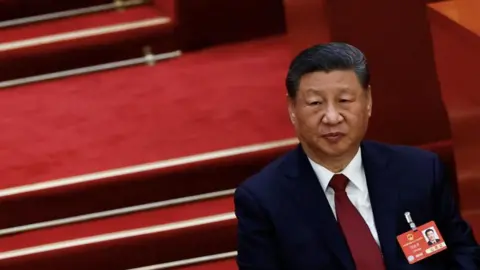
By Nitya Chakraborty The 14th National People’s Congress of China ended its one-week-long session in Beijing on Tuesday March 11 with a clear direction given by the President and the Communist Party supremo Xi Jinping that China will take on the disruptions made in the global order by the United States president Donald Trump in […]

The $1.5 billion theft from Dubai-based cryptocurrency exchange Bybit has prompted the European Union to initiate an investigation into OKX, another prominent crypto platform, to assess compliance with the Markets in Crypto-Assets regulation. The probe seeks to determine whether OKX’s operations fall under MiCA’s jurisdiction and, if so, what enforcement actions may be warranted.

On February 21, 2025, Bybit suffered a cyberattack resulting in the loss of approximately 400,000 Ethereum tokens, valued at $1.5 billion, marking the largest cryptocurrency exchange hack to date. The Federal Bureau of Investigation attributed the heist to North Korea’s Lazarus Group, known for previous high-profile cybercrimes.

In response to the Bybit incident, European regulators have intensified their scrutiny of cryptocurrency exchanges operating within the EU. The focus has turned to OKX to evaluate its adherence to MiCA, a regulatory framework established to oversee crypto-assets and ensure consumer protection within the European Union.

MiCA, enacted to create a unified regulatory environment for crypto-assets across EU member states, requires platforms like OKX to comply with specific standards to operate legally within the region. The current investigation aims to ascertain whether OKX’s activities align with these standards and to identify any potential regulatory breaches.

The outcome of this investigation could have significant implications for OKX and other cryptocurrency exchanges operating in the EU. Potential sanctions may include fines, operational restrictions, or even prohibition from offering services within the European market. This development underscores the EU’s commitment to enforcing regulatory compliance to protect consumers and maintain financial stability in the rapidly evolving crypto industry.

The Bybit hack has also reignited discussions about the security vulnerabilities inherent in cryptocurrency exchanges. Despite Bybit’s swift action to replenish its reserves within 72 hours by securing emergency funding from firms such as Galaxy Digital, FalconX, and Wintermute, the incident has raised concerns about the adequacy of existing security measures. The Lazarus Group exploited vulnerabilities in Bybit’s security infrastructure, transferring the stolen funds to multiple unidentified addresses, thereby complicating recovery efforts.

Coinbase Global Inc., a leading U.S.-based cryptocurrency exchange, has officially registered with India’s Financial Intelligence Unit , enabling the company to offer crypto trading services within the country. This strategic move marks Coinbase’s re-entry into the Indian market after it suspended operations in 2022 due to regulatory challenges.

The company plans to launch its initial retail services later this year, followed by the introduction of additional investment products. John O’Loghlen, Coinbase’s Regional Managing Director for Asia Pacific, expressed enthusiasm about the expansion, stating, “India represents one of the most exciting market opportunities in the world today, and we’re proud to deepen our investment here in full compliance with local regulations.”

This development comes at a time when interest in cryptocurrencies has surged among young Indians, many of whom are exploring crypto trading as a means to supplement their incomes. The Indian market already hosts several crypto exchanges, including CoinDCX, Binance, and KuCoin, indicating a competitive environment for Coinbase’s return.

Under Indian law, virtual digital asset service providers are required to register with the FIU and comply with anti-money laundering regulations. Despite a 30% tax on crypto trading gains, which is among the highest globally, the Indian government has yet to outline comprehensive regulations for the asset class. The country’s stance on cryptocurrencies is currently under review, influenced by global regulatory shifts and recent U.S. policy changes.

Coinbase’s re-entry into India signifies a notable shift in the country’s approach to digital currencies. Previously, the Reserve Bank of India had expressed strong opposition to cryptocurrencies, leading to a challenging environment for crypto exchanges. However, the recent dismissal of a lawsuit against Coinbase by U.S. market regulators, coupled with President Donald Trump’s support for cryptocurrencies, appears to have influenced India’s regulatory landscape, making it more conducive for exchanges like Coinbase to operate.

The Indian crypto market is estimated at $2.6 billion and is expected to grow annually by 18%. This growth potential, along with the increasing enthusiasm among young traders, presents a significant opportunity for Coinbase. The company’s commitment to complying with local regulations and its strategic plan to roll out services gradually demonstrate a measured approach to capturing this market.

Coinbase’s registration with the FIU not only allows it to offer trading services but also underscores its dedication to adhering to India’s anti-money laundering and counter-terrorism financing laws. This compliance is crucial for building trust with Indian regulators and users, who have been cautious about the risks associated with cryptocurrencies.

The Cayman Islands is set to implement stringent licensing regulations for cryptocurrency custody and trading firms, effective from April 1, 2025. This move signifies a pivotal shift in the territory’s approach to digital asset oversight, aiming to bolster investor protection and align with international financial standards.

Under the updated Virtual Asset Regulations 2025, all entities offering virtual asset custody and trading platform services within or from the Cayman Islands must secure a formal license from the Cayman Islands Monetary Authority . This mandate extends to both new entrants and the 17 virtual asset service providers currently registered in the jurisdiction. Existing firms are granted a 90-day window, concluding on June 29, 2025, to comply with the new licensing requirements.

The licensing process necessitates comprehensive disclosures from applicants. Custody service providers are required to detail the types and quantities of digital assets they intend to hold on behalf of clients, accompanied by justifications for their custodial strategies. This measure aims to ensure adherence to anti-money laundering and counter-terrorism financing protocols. Trading platforms, meanwhile, must furnish information regarding projected revenues and specify the physical locations of their operational hardware, enhancing regulatory transparency and jurisdictional oversight.

All applicants are obligated to submit robust cybersecurity plans, risk management strategies, and procedures designed to prevent asset loss or theft. These requirements underscore the territory’s commitment to addressing vulnerabilities within the digital asset sector and safeguarding investor interests.

This regulatory enhancement builds upon the foundational Virtual Asset Act of 2020, which was initially designed to attract new entities while ensuring compliance with global financial standards. The current amendments reflect a concerted effort to align the Cayman Islands’ regulatory framework with the recommendations of the Financial Action Task Force , thereby strengthening its position as a reputable financial hub.

The Cayman Islands has historically been a magnet for cryptocurrency firms, owing to its favorable regulatory environment. Major industry players such as Coinbase, Binance, and Bitwise have obtained licenses to operate within the territory. Furthermore, organizations like the Sui Foundation have established their headquarters there, drawn by the jurisdiction’s supportive stance on digital assets.

The introduction of these stringent licensing requirements is anticipated to reshape the Cayman Islands’ crypto sector by elevating operational compliance standards. While the enhanced regulatory framework is likely to attract established firms seeking a stable and well-regulated environment, it may also challenge smaller operators that struggle to meet the rigorous requirements. This development underscores the territory’s dedication to maintaining its status as a leading financial center while adapting to the evolving landscape of digital assets.

Careem Pay, the financial services arm of the Careem app, has introduced a new remittance service enabling United Arab Emirates residents to send funds directly to bank accounts in Egypt. This development aims to provide a swift and cost-effective alternative to traditional banking methods for the substantial Egyptian expatriate community in the UAE. The UAE hosts a significant number of Egyptian expatriates, positioning Egypt among the top […]

Ozak AI’s presale has experienced a remarkable 67% surge, attracting investors with its AI-driven predictive analytics and decentralized applications. The platform integrates artificial intelligence with blockchain technology, offering optimized trading strategies and real-time data analysis. This innovative approach has positioned Ozak AI as a potential game-changer in the cryptocurrency market.

Currently priced at $0.003 per token, Ozak AI presents an accessible entry point for investors. Experts anticipate substantial growth, with projections suggesting up to 300-fold returns as the platform gains traction. The presale’s success underscores the growing interest in AI-integrated blockchain solutions, reflecting a broader trend towards combining advanced technologies to enhance financial systems.

In contrast, Pi Coin, developed by Pi Network, has seen a dip in value amidst broader market fluctuations. Trading at approximately $1.38 with a 24-hour volume of $532 million, Pi Coin has experienced a 0.94% decrease over the past day and a 22.40% decline over the week. Despite these challenges, Pi Network has achieved significant milestones, notably reaching 4 million followers on the social media platform X, nearing Dogecoin’s 4.3 million.

Pi Network’s user-friendly, mobile-based mining approach has contributed to its rapid adoption since its 2019 inception. However, the platform faces hurdles, including securing listings on major exchanges like Binance. A recent community vote on Binance showed 88% support for Pi Coin’s listing, but official confirmation remains pending. This uncertainty may be influencing Pi Coin’s market performance, as accessibility on prominent exchanges is crucial for liquidity and investor confidence.

The contrasting trajectories of Ozak AI and Pi Coin highlight the dynamic nature of the cryptocurrency landscape. Ozak AI’s integration of AI to provide predictive financial insights offers a unique value proposition, attracting investors seeking innovative solutions. The platform’s ability to leverage machine learning algorithms for real-time, data-driven advice positions it well in the evolving digital asset ecosystem.

Dubai’s real estate industry is undergoing a significant transformation as developers, regulators, and investors align efforts to achieve a net-zero built environment by 2030. This collective endeavour is driven by policy initiatives, financial incentives, and technological advancements, positioning sustainability at the forefront of the sector’s evolution. The United Arab Emirates has committed to the Net Zero 2050 initiative, aiming to eliminate carbon emissions by mid-century. This national […]

AIQ, a subsidiary of Presight, has secured a $340 million contract from Abu Dhabi National Oil Company to deploy its ENERGYai platform and associated artificial intelligence solutions across ADNOC’s upstream operations. This three-year agreement marks a significant advancement in integrating AI within the energy sector, aiming to enhance efficiency and operational performance. The contract follows the successful completion of a proof-of-concept phase, during which ENERGYai demonstrated its […]

Dubai continues to dominate the global greenfield foreign direct investment rankings, further solidifying its position as a key investment hub. According to the latest data from the Financial Times’ fDi Markets, the emirate secured its spot as the leading destination for greenfield FDI projects in 2024. This achievement highlights the city’s resilience and attractiveness as an investment destination, despite global economic challenges. Greenfield FDI refers to investments […]

VISHNU RAJA
RYO YAMADA
HITORI GOTOH
IKUYO KITA