Just in:
ADNOC authorises Ruwais Diyab gas development for 2029 // ADIPEC leaders urge investment in global energy networks // Can Bernie Sanders Ensure Enough Left Representation In New Congress? // Wired earphones regain buyers as 2016 nostalgia spreads // Ondine Capital Announces First Close of Fund III to Drive AI and Semiconductor Innovation // Arrow Electronics showcases technologies advancing intelligent robotics, mobility and digital infrastructure // CPI, CPM dispute portrayal of Vayalar uprising leaders // America On Edge: November 3 Mid Term Polls Outcome May Weaken Trump // Apollo broadens Abu Dhabi partnership through Mubadala Capital stake // Binance SAFU bitcoin holdings halve after security breach // ChatGPT billing fraud deploys rotating sites for card theft // Use Of Nuclear Weapons Against Iran Could Trigger A Global Chain Reaction // Arrow Electronics showcases technologies advancing intelligent robotics, mobility and digital infrastructure // Arrow Electronics showcases technologies advancing intelligent robotics, mobility and digital infrastructure // ONYX Hospitality Group Expands Strategic Partnerships through ONYX Rewards // Democrats secure Senate majority after Republican election losses // Vingroup And Legends Global Announce Strategic Partnership For VinFast – Trong Dong Stadium // DIP Holding targets Dh1.12 IPO price and $529m proceeds // AI trust gap reveals distinct retail priorities: Divergent paths to consumer growth in Hong Kong and the GBA // Winners and losers if a blue wave sweeps US Congress //

News related to
digital

Sustainable bond issuance in the Middle East is anticipated to reach between $18 billion and $23 billion in 2025, according to S&P Global Ratings. This projection underscores the region’s commitment to environmental, social, and governance initiatives, with the United Arab Emirates and Saudi Arabia expected to contribute approximately 60% of the total issuance. In 2024, sustainable bonds constituted over 25% of regional corporate and financial institution issuances, […]

Elon Musk’s Department of Government Efficiency , established to streamline federal operations and reduce expenditures, has come under scrutiny as several of its staff members receive substantial taxpayer-funded salaries. This revelation contrasts with Musk’s earlier assertions that DOGE positions were unpaid and voluntary. Notably, Kyle Schutt, a software engineer assigned to the Cybersecurity and Infrastructure Security Agency, earns $195,200 annually—the maximum salary permitted for a federal employee. […]

iShopChangi blossoms this spring with an irresistible Spring Sale! Throughout the month of March, explore an array of new finds, from chic wardrobe must-haves to essential travel gear, all at GST-absorbed and tax-free prices. But that’s not all! Revel in the spirit of International Women’s Day by treating yourself to a selection of luxury fashion, beauty, and wellness items from women-led brands accelerating action in Singapore. Plus, […]

The Electronic Frontier Foundation has unveiled Rayhunter, an innovative open-source tool designed to detect covert cellular surveillance tactics employed by law enforcement and malicious actors. This development aims to enhance public awareness and defense against unauthorized monitoring. Rayhunter operates on an affordable Orbic RC400L mobile hotspot, enabling users to identify the presence of cell-site simulators , commonly known as “Stingrays” or IMSI catchers. These devices masquerade as […]

President Donald Trump’s announcement of a U.S. strategic crypto reserve has sent shockwaves through the cryptocurrency market, leading to significant price surges for selected digital assets.

On March 3, 2025, President Trump unveiled plans to establish a federal stockpile of digital currencies, initially including XRP, Solana , and Cardano . This move represents a substantial shift in governmental approach towards integrating cryptocurrencies into national financial strategies.

The immediate market response was notable. XRP’s value escalated from $2.23 to $2.99, SOL experienced an increase from $140 to $168, and ADA surged from $0.68 to nearly $1. Bitcoin, initially absent from the reserve, saw its price rise by 9% to $93,000, adding $166 billion to its market capitalization.

Following the initial announcement, the administration expanded the reserve to include Bitcoin and Ethereum , acknowledging their foundational roles in the cryptocurrency ecosystem.

The strategic reserve aims to bolster the crypto industry, providing governmental support and potentially stabilizing the market. This initiative aligns with broader Republican policies seeking to position the United States as a leader in digital asset adoption.

In tandem with the reserve’s creation, the White House is set to host a Digital Assets Summit on March 7, 2025. The summit will convene key industry leaders, including Michael Saylor and Brad Garlinghouse, to discuss the future of digital assets and regulatory frameworks.

The administration’s actions have also influenced the regulatory landscape. The U.S. Securities and Exchange Commission is reviewing applications for exchange-traded funds linked to various cryptocurrencies, including Cardano , Solana , XRP, Litecoin , Hedera , Dogecoin , and Polkadot . This development could reshape investor behavior by providing more accessible investment vehicles for digital assets.

The White House’s engagement with blockchain projects extends beyond the reserve. Leading blockchain initiatives, such as Chia , Filecoin , Sui , Aptos , NEAR, and Movement , have participated in discussions with the administration to advocate for clearer legislation and support for the crypto industry.

The administration’s comprehensive approach underscores a commitment to integrating cryptocurrencies into the national financial infrastructure. By establishing the strategic reserve, facilitating industry dialogues, and advancing regulatory clarity, the U.S. positions itself at the forefront of digital asset innovation.

A strategic gathering of House Republicans took place this week at a “Crypto Power Lunch,” which featured key players from the cryptocurrency sector, positioning the event as a precursor to the upcoming White House crypto summit. The meeting included representatives from influential organisations such as the Digital Chamber, Blockchain Association, Paradigm, a16z, CoinFlip, Coinbase, Anchorage Digital, DCG, and ConsenSys. The event highlighted the growing alignment between political leaders and crypto advocates, aiming to shape the future of regulatory frameworks for digital currencies in the United States.

The lunch, hosted in Washington, served as a platform for dialogue between legislators and crypto industry giants. Participants discussed regulatory clarity and the potential for future legislation that would address concerns about market stability, security, and innovation in the rapidly evolving digital assets space. Lawmakers who attended the meeting have voiced a commitment to creating a legislative environment that fosters innovation while ensuring consumer protection.

The move is part of a broader strategy by Republicans to engage with the cryptocurrency community, recognising its potential to drive economic growth and technological advancement. This outreach comes as digital currencies are becoming increasingly mainstream, attracting not only individual investors but also institutional players. Republican lawmakers are positioning themselves as champions of the crypto industry, which has seen explosive growth despite the ongoing regulatory challenges.

The presence of firms like Coinbase and Anchorage Digital signals the crypto industry’s continued interest in influencing policy. Coinbase, one of the largest cryptocurrency exchanges in the world, has long advocated for clear, consistent regulations that would allow businesses to thrive within a defined legal framework. Anchorage Digital, a leader in crypto custody, has similarly lobbied for clarity on how digital assets should be treated by financial regulators.

DCG, the parent company of Grayscale, one of the largest asset managers in the crypto space, also participated in the lunch. DCG’s involvement reflects its ongoing efforts to influence legislative decisions regarding the future of digital asset management. As the largest institutional player in the crypto sector, DCG is concerned about how potential regulation could impact the broader industry, especially in terms of accessibility for institutional investors.

The Blockchain Association and the Digital Chamber, both of which represent a wide array of cryptocurrency-related companies, have been active in advocating for more comprehensive regulation that allows for innovation while addressing concerns related to market manipulation and security risks. Their participation at the lunch signals the need for a more balanced approach to regulation that considers both the opportunities and risks posed by digital currencies.

The event also underscored a growing push from the crypto community to have a seat at the table when it comes to shaping policy. Many industry leaders have expressed concerns over the lack of a clear, unified regulatory framework, which has led to confusion and a fragmented approach to cryptocurrency governance in the US. While some regulators advocate for a more stringent approach, others argue that excessive regulation could stifle innovation and push the industry overseas, potentially leading to the loss of jobs and investment opportunities.

The timing of the lunch is significant, with the White House crypto summit on the horizon. At the summit, President Biden and his administration are expected to engage with both industry leaders and regulatory bodies to discuss the future of cryptocurrency policy. The Republican push to engage with crypto advocates aligns with broader political efforts to ensure that the US remains a global leader in cryptocurrency innovation and adoption.

Some policymakers have called for a more cautious approach, citing the volatility of digital currencies and the potential for misuse in illegal activities such as money laundering or fraud. These concerns have prompted calls for stronger enforcement of anti-money laundering and know-your-customer rules within the industry. However, proponents of the industry argue that the technology behind cryptocurrencies, such as blockchain, offers a more secure and transparent way of conducting financial transactions, reducing the risks of fraud and criminal activity.

As the crypto industry becomes more integrated into the global financial system, the question of how it should be regulated is becoming ever more urgent. The crypto power lunch, which served as a precursor to the summit, represents a concerted effort by Republicans to shape the narrative around digital assets and ensure that any regulatory measures taken in the future reflect the industry’s input.

The impact of these discussions could be far-reaching. Should Congress and the White House agree on a comprehensive regulatory framework for cryptocurrencies, it could set the stage for widespread adoption and integration of digital assets into mainstream financial systems. For businesses operating in the sector, such clarity would provide a level of stability that has been lacking in recent years, potentially unlocking new opportunities for growth and innovation.

SINGAPORE – Media OutReach Newswire – 6 March 2025 – Leading payments technology company, Visa, shared that Singapore residents continue to prioritise travel, with outbound spending surging in December last year, as well as the recent Lunar New Year holiday week. In fact, travel spend by Singapore consumers for December and January hit record levels. Supported by a strong Singapore dollar, cross-border spending remains robust across key […]

Advertisements

BANGKOK, THAILAND – Media OutReach Newswire – 5 March 2025 – vivo is boldly integrating art, technology, and social responsibility to redefine mobile photography and inspire creators. As part of its commitment to user-inspired innovation, vivo invited seven visionary photographers from different backgrounds to explore love’s boundless forms with the vivo V50. Their breathtaking results can be seen at the vivo VLOVE Portrait Gallery at Central World […]

Startups in India’s deep-tech and semiconductor sectors are increasingly positioning themselves as key players in the global technological race. With innovations spanning automotive semiconductors, AI-driven edge computing, and secure connectivity solutions, these startups are poised to lead the next wave of technological advancement.

The role of India’s emerging deep-tech ecosystem is gaining global recognition, especially in fields where cutting-edge technology is required to meet the rapidly evolving demands of industries. Notably, companies in the semiconductor sector are contributing significantly to the development of next-generation automotive systems. These systems rely heavily on semiconductor components to enable functions like autonomous driving, safety features, and advanced in-car connectivity, all of which are in high demand globally.

NXP Semiconductors, a global leader in semiconductor solutions, has highlighted the critical role India’s deep-tech startups are playing in this technological transformation. According to NXP executives, Indian startups are at the forefront of developing innovative solutions that can cater to the evolving needs of the automotive industry. “India’s deep-tech ecosystem is thriving, particularly in the semiconductor space, which is foundational for automotive technologies,” stated an NXP spokesperson. These startups are not only serving the domestic market but are also well-positioned to tap into the vast global market for automotive semiconductors.

India’s progress in automotive technology is attributed to a blend of innovation, government support, and a rapidly growing pool of highly skilled engineers and entrepreneurs. The country’s focus on fostering startups through initiatives like the ‘Startup India’ programme has provided a conducive environment for these companies to flourish. Additionally, the Indian government’s emphasis on expanding its semiconductor manufacturing capabilities has laid the foundation for more home-grown innovations in this sector.

While the automotive sector is receiving significant attention, Indian startups are also making strides in other high-growth sectors like AI-driven edge computing. These technologies are revolutionizing industries by enabling faster data processing at the source of data generation, as opposed to relying solely on cloud infrastructure. The ability to process data at the edge, especially in real-time applications such as smart cities and industrial IoT , is proving to be a game-changer. Indian startups are developing solutions that make edge computing more scalable, efficient, and secure, which is crucial for industries that demand low-latency operations and enhanced security.

India’s deep-tech startups are playing a vital role in advancing secure connectivity solutions, an area that has seen increasing demand with the rise of the Internet of Things and the digitalisation of services. In an era where data security is paramount, these companies are creating cutting-edge technologies to secure communications and data transmissions across various platforms. The emphasis on cybersecurity and secure communication protocols is vital in safeguarding critical infrastructure, especially with industries such as healthcare, finance, and defence becoming more interconnected.

Industry leaders believe that the synergy between India’s deep-tech startups and the government’s efforts to boost innovation will create a strong foundation for India’s dominance in these high-tech sectors. A key component of this success lies in the startups’ ability to develop customised solutions for both domestic and international markets. This is where their deep understanding of local challenges combined with global aspirations gives them a competitive edge.

With significant investments flowing into the country’s startup ecosystem, especially in semiconductors, AI, and edge computing, the outlook for India’s deep-tech sector is promising. The advent of 5G technology, in particular, is expected to further accelerate demand for these innovative solutions, particularly in automotive, smart cities, and industrial sectors. The country’s deep-tech startups are expected to play an instrumental role in the development and deployment of 5G-enabled technologies, which will provide them with more opportunities to scale globally.

India’s push towards developing indigenous semiconductor manufacturing capabilities has also opened doors for local companies to cater to the international semiconductor market. The government has actively sought to reduce India’s reliance on imported semiconductors, which has led to a surge in the development of local semiconductor fabs and research and development facilities. With global supply chains under pressure due to geopolitical factors, the demand for domestic semiconductor solutions has risen sharply. Indian startups are emerging as key players in this sector, meeting both the needs of the domestic market and providing competitive alternatives to global suppliers.

Experts predict that Indian deep-tech startups are not only set to lead in traditional areas like automotive and semiconductor technologies but are also likely to make breakthroughs in emerging fields such as quantum computing, robotics, and biotechnology. With the convergence of AI, machine learning, and quantum technologies, Indian startups are uniquely positioned to innovate at the intersection of these fields, driving future technological revolutions.

One of the challenges Indian startups face, however, is the scaling-up process. While the innovation coming out of India is impressive, the ability to scale these technologies globally remains a complex task. To overcome these challenges, Indian startups are increasingly collaborating with global players and securing strategic partnerships that help them expand their reach and capabilities. These partnerships also provide them with access to crucial markets and resources, enabling them to scale their solutions faster and more efficiently.

Dubai’s strategic initiatives have led to a significant influx of multinational companies , with a notable 62.7% originating from Asia in 2024, according to Dubai International Chamber. This trend underscores the emirate’s growing appeal as a global business hub. In 2024, Dubai International Chamber successfully attracted 51 MNCs, marking a 55% increase from the 33 companies in 2023. This growth reflects the emirate’s enhanced global positioning and […]

The White House is set to host a significant summit on March 7, aimed at discussing the future of cryptocurrency and digital assets. The event will see the participation of high-profile figures from the crypto industry, alongside members of the Presidential Working Group on Digital Assets. The gathering will provide a platform for leaders to discuss policy and regulatory frameworks surrounding digital currencies and their potential impact on the economy.

Among the 20 to 25 invitees are key players from some of the most influential companies in the crypto and blockchain sectors. The summit will bring together individuals who have shaped the industry through their work in technology, finance, and digital innovation. Some of the most prominent names on the guest list include Michael Saylor, the CEO of MicroStrategy, who is known for his advocacy of Bitcoin, Brian Armstrong, CEO of Coinbase, and Vlad Tenev, CEO of Robinhood.

Also attending are Arjun Sethi, CEO of Kraken, David Bailey, CEO of Bitcoin Magazine, and Matt Huang, co-founder of Paradigm. These leaders represent a cross-section of the cryptocurrency ecosystem, spanning exchanges, media, and venture capital firms. Other notable attendees include JP Richardson, CEO of Exodus, Kyle Samani, managing partner of Multicoin Capital, and Zach Witkoff, co-founder of WLFI. Sergey Nazarov, the co-founder of Chainlink, will also be present, further emphasizing the blockchain industry’s influence on the digital assets conversation.

The event’s significance extends beyond the individual discussions among these leaders. With the Biden administration focusing on digital assets and their regulatory framework, the summit marks a critical moment in the government’s ongoing effort to better understand the complexities of cryptocurrency markets. Attendees are expected to engage in dialogues that could shape the regulatory environment surrounding digital assets in the United States.

Over the past year, the U.S. government has shown an increasing interest in regulating the cryptocurrency industry. This heightened focus comes amid concerns over the volatility of digital assets, their potential for illicit use, and their long-term impact on financial markets. The summit at the White House is seen as a way to bridge the gap between policymakers and industry leaders, with the goal of crafting policies that support innovation while ensuring consumer protection.

A key topic likely to dominate discussions at the summit is the role of digital assets in the broader financial ecosystem. As cryptocurrencies become more mainstream, there is growing pressure to ensure that they operate within a clear regulatory framework. Some experts argue that without proper regulation, the risk of fraud, money laundering, and market manipulation could undermine trust in digital currencies. Others, however, advocate for a hands-off approach, arguing that overregulation could stifle innovation and limit the potential benefits of digital assets.

The White House summit is expected to focus on a range of issues, from the regulatory treatment of cryptocurrencies to their use in traditional financial markets. A major point of contention has been whether cryptocurrencies should be classified as commodities, securities, or a new class of assets entirely. This distinction has major implications for how they are taxed, traded, and regulated.

For many in the crypto space, this summit represents a critical opportunity to engage directly with policymakers and advocate for policies that support innovation. The presence of prominent figures like Michael Saylor, who has been vocal about his support for Bitcoin as a store of value, and Brian Armstrong, who has been an outspoken advocate for clearer regulatory guidelines, suggests that the meeting will feature a candid and open discussion on the future of digital assets.

One of the critical issues that attendees may address is the potential for a central bank digital currency in the U.S. While other countries, such as China, have made significant strides in developing CBDCs, the U.S. has been cautious in its approach. Some industry leaders are concerned that the introduction of a government-backed digital currency could undermine the decentralised ethos of blockchain technology and compete with private cryptocurrencies like Bitcoin.

At the same time, the growing interest in decentralized finance and non-fungible tokens is likely to feature in conversations. DeFi, in particular, has emerged as one of the most disruptive trends within the cryptocurrency space, offering financial services such as lending and borrowing without the need for traditional intermediaries like banks. This fast-evolving sector could pose challenges for regulators, who will need to balance fostering innovation while ensuring these platforms comply with existing financial laws.

Another important aspect of the summit will be the broader international context. As global governments begin to take action on cryptocurrency regulation, the U.S. faces increasing competition from other countries in setting the pace for crypto innovation. European countries, for example, have introduced their own regulatory frameworks for digital assets, while nations like El Salvador have adopted Bitcoin as legal tender. How the U.S. positions itself in this global race for regulatory leadership could have far-reaching consequences for the industry.


Japan has officially approved Circle’s USD Coin as the first dollar-pegged stablecoin to be legally distributed in the country, marking a significant milestone in the nation’s cryptocurrency landscape. This development comes as SBI VC Trade, a subsidiary of financial conglomerate SBI Holdings, secured regulatory approval under the Financial Services Agency’s revised regulations to list and distribute USDC.

SBI VC Trade’s registration as an Electronic Payment Instruments Business Operator under Japan’s updated regulatory framework allows the exchange to handle stablecoin transactions. This approval positions USDC as the only global dollar stablecoin authorized for use in Japan. Circle CEO Jeremy Allaire highlighted this achievement, stating that USDC is now “the first and only global dollar stablecoin to become approved for use in Japan.”

The exchange plans to initiate USDC transactions with selected users on March 12, following scheduled system maintenance. This phased rollout aims to ensure compliance with local regulations while enhancing Japan’s digital asset landscape. SBI VC Trade’s CEO, Tomohiko Kondo, emphasized the company’s commitment to expanding USDC adoption and offering secure, compliant digital payment solutions.

Japan’s stance on stablecoins has undergone a significant transformation since 2023, when regulators lifted a long-standing ban on foreign stablecoins. The FSA recently approved a policy report recommending the relaxation of stablecoin-related regulations, paving the way for licensed intermediaries to handle foreign stablecoins under strict oversight.

SBI Holdings has been an active player in the crypto sector, forging partnerships with major U.S. companies like Ripple. The company’s exchange arm, SBI VC Trade, currently supports various cryptocurrencies, including Bitcoin. The integration of USDC into its offerings signifies a pivotal moment for Japan’s crypto market, potentially enhancing cross-border transactions and digital asset innovation.

Circle’s USDC has been gaining global regulatory recognition and is currently the only major stablecoin compliant with the European Union’s Markets in Crypto-Assets regulations. This compliance gives it a competitive advantage over other stablecoins in the region. The approval in Japan further solidifies USDC’s position in the global market, reflecting a growing trend toward regulatory acceptance of stablecoins.

The rivalry between Circle’s USDC and Tether’s USDT has been a focal point in the cryptocurrency industry. Tether, the industry leader, has faced criticism for its opaque practices and alleged associations with criminal activities, while Circle promotes regulatory compliance and transparency. Allaire’s efforts to push for regulations aim to undermine Tether, which some believe threatens the anti-establishment ethos of crypto. As Circle gains ground, Tether relies on allies in the pro-crypto Trump administration, with Commerce Secretary Howard Lutnick as a key figure. The rivalry is heating up as new regulations and legislations emerge, potentially reshaping the future landscape of the $3 trillion crypto industry.

SBI VC Trade’s move to list USDC aligns with Japan’s broader efforts to embrace digital innovation while ensuring financial stability. The country’s regulatory framework aims to balance the benefits of digital assets with the need to protect consumers and maintain market integrity. This approach reflects a cautious yet progressive stance toward integrating stablecoins into the traditional financial system.

The introduction of USDC into Japan’s market is expected to have a ripple effect on the adoption of digital currencies in the region. Businesses and consumers may find new opportunities for efficient transactions, remittances, and financial services. The stablecoin’s approval could also encourage other countries to reevaluate their regulatory approaches to digital assets, potentially leading to broader acceptance and integration worldwide.

SBI VC Trade’s strategic move to integrate USDC into its platform demonstrates the company’s commitment to staying at the forefront of digital finance. By offering stablecoin transactions, the exchange aims to provide seamless and efficient digital payment solutions to its customers. This initiative aligns with the global trend of financial institutions exploring blockchain technology and digital currencies to enhance their services.

The collaboration between Circle and SBI VC Trade underscores the importance of partnerships in the evolving digital asset ecosystem. By working together, these companies are setting a precedent for how traditional financial institutions and fintech firms can collaborate to bring innovative solutions to market. This partnership also highlights the potential for stablecoins to bridge the gap between traditional finance and the emerging digital economy.

As SBI VC Trade prepares for the official rollout of USDC, the company is poised to play a significant role in shaping the future of digital payments in Japan. The exchange’s efforts to integrate stablecoin transactions into its financial offerings reflect a broader commitment to embracing technological advancements while adhering to regulatory standards. This approach ensures that innovation is balanced with responsibility, fostering trust and confidence among consumers and investors alike.

Dubai is set to enhance its electric vehicle infrastructure with the installation of new charging stations in the first quarter of 2025. This initiative results from a collaboration between the Dubai Electricity and Water Authority and Parkin Company PJSC , the emirate’s largest provider of paid public parking facilities and services. The new charging stations will operate on alternating current with a capacity of 22 kilowatts each, […]

Arabian Post Staff -Dubai RayNeo has unveiled its latest smart glasses, the Air 3s, promising to revolutionise the wearable display market with significant upgrades in both visual and audio performance. Priced at $259, these glasses are set to launch in April 2025, offering consumers an affordable yet advanced option for immersive viewing experiences. Building upon the foundation of its predecessor, the Air 2s, the Air 3s introduces […]

Offering Both General and Life Insurance to Meet Customers’ Various Protection Needs HONG KONG SAR – Media OutReach Newswire – 5 March 2025 – PAO Bank Limited (“PAObank”) announced that it has been granted an Insurance Agency Licence from the Insurance Authority (“IA”) and has signed strategic partnership agreements with China Ping An Insurance (Hong Kong) Company Limited (“PAHK”) and FWD Hong Kong (“FWD”) respectively. PAObank is […]

ByteDance, the parent company of TikTok, has initiated a new share buyback program for its U.S.-based employees, offering $189.90 per share. This marks an 11% increase from the previous buyback prices of $171 and $181 per share. The latest valuation positions ByteDance at approximately $315 billion, reflecting a significant recovery from its valuation dip in 2023.

The company’s robust balance sheet, bolstered by its expanding domestic and global operations, underpins this enhanced valuation. Despite facing potential U.S. bans over national security concerns, ByteDance continues to demonstrate financial strength. Congress passed legislation last year requiring ByteDance to divest TikTok by January 19, or face a ban in the United States. The enforcement of this ban was postponed for 75 days, allowing the company time to explore its options.

ByteDance’s consistent share buyback programs not only provide liquidity to its investors and early employees but also serve as a testament to its confidence in sustained growth. The company’s valuation trajectory has been noteworthy; in December 2023, a buyback offer valued ByteDance at $268 billion, and by November 2024, this figure had risen to $300 billion.

The company’s flagship product, TikTok, boasts a user base of 170 million Americans. Despite its popularity, TikTok has been under scrutiny due to national security concerns, leading to legislative actions aimed at curbing its operations in the U.S. ByteDance has been actively engaging with the U.S. administration to devise a plan that would allow TikTok to continue operating in the country.

In addition to its share buyback initiatives, ByteDance is making significant investments in artificial intelligence infrastructure. The company plans to spend over $12 billion on AI infrastructure in 2025, with approximately $5.5 billion allocated for acquiring AI chips in China, doubling its expenditure from the previous year. About 60% of these purchases will come from Chinese suppliers like Huawei and Cambricon, with the remainder from Nvidia, modified to comply with U.S. export controls. Furthermore, ByteDance plans to invest around $6.8 billion overseas to enhance its AI model training capabilities.

These strategic investments in AI are part of ByteDance’s efforts to bolster its technological capabilities and maintain a competitive edge in the rapidly evolving digital landscape. The company’s focus on AI aligns with industry trends, as rivals like Baidu, Alibaba, and Tencent also ramp up their AI initiatives.

However, ByteDance’s expansion and valuation growth are not without challenges. The company faces regulatory hurdles, particularly in the U.S., where concerns about data security and potential Chinese government influence have led to calls for stricter oversight or outright bans of TikTok. In response, ByteDance has filed a federal lawsuit against the proposed ban, arguing that it infringes on users’ free speech rights.

Consumers can look forward to learning more about Samsung products from local creators and uncover special deals exclusive to Samsung Singapore’s TikTok Shop page SINGAPORE – Media OutReach Newswire – 4 March 2025 – Samsung Electronics Singapore has launched its very own TikTok Shop page (search “@samsungsg”), offering consumers an exciting new way to discover and purchase Samsung products. Through TikTok Shop, Samsung aims to reach a […]

GNOME 48, the latest iteration of the widely used Linux desktop environment, is scheduled for official release on March 19, 2025. This update introduces a suite of new features and enhancements aimed at improving user experience, system performance, and overall digital wellbeing. One of the most notable additions is the ‘Wellbeing’ feature integrated into the Settings application. This tool provides users with a dashboard displaying daily screen […]

The U.S. Securities and Exchange Commission has officially concluded its investigation into Yuga Labs, the company behind prominent non-fungible token collections such as the Bored Ape Yacht Club and CryptoPunks. This development signifies a pivotal moment for the NFT industry, as the SEC’s decision implies that these digital assets are not classified as securities under federal law.

Yuga Labs announced the closure of the investigation on March 3, stating, “After 3+ years, the SEC has officially closed its investigation into Yuga Labs. This is a huge win for NFTs and all creators pushing our ecosystem forward. NFTs are not securities.”

The SEC initiated its probe into Yuga Labs in October 2022, aiming to determine whether certain NFTs could be considered securities, thereby subjecting them to specific regulatory requirements. The investigation also scrutinized the distribution of ApeCoin , a cryptocurrency associated with the BAYC ecosystem, to assess its compliance with securities regulations.

The decision to conclude the investigation without any enforcement action is perceived as a significant regulatory victory for Yuga Labs and the broader NFT community. This outcome provides a measure of clarity for NFT creators and marketplaces, suggesting a potential shift in the SEC’s approach to digital assets under the current administration.

Yuga Labs, established in 2021, has rapidly ascended to prominence within the NFT space. The company’s flagship collection, the Bored Ape Yacht Club, has garnered substantial attention, with individual NFTs selling for considerable sums. The collection’s floor price experienced a slight uptick following the announcement, reaching 13.75 Ether , though it remains significantly lower than its peak in May 2022.

The SEC’s closure of the Yuga Labs investigation aligns with a broader trend of the agency reevaluating its stance on cryptocurrency and digital asset regulation. In recent weeks, the SEC has also terminated investigations into other major players in the crypto industry, including exchanges like Kraken and Coinbase, as well as platforms such as OpenSea and Uniswap Labs. These developments indicate a potential shift toward a more accommodating regulatory environment for digital assets.

The NFT market has experienced significant fluctuations over the past few years, with periods of rapid growth followed by notable declines. The SEC’s decision to close the investigation into Yuga Labs without pursuing charges may bolster confidence among creators and investors, potentially influencing the market’s trajectory in the coming months.

However, despite this regulatory reprieve, the NFT market continues to face challenges. The floor prices of major NFT collections, including those by Yuga Labs, have seen substantial declines from their all-time highs. For instance, the Bored Ape Yacht Club’s floor price has dropped over 90% from its peak of 153.7 Ether in May 2022. Similarly, other collections like Mutant Ape NFTs and tokens such as ApeCoin have experienced significant devaluation.

The SEC’s decision not to classify NFTs as securities could have far-reaching implications for the digital asset industry. It may encourage more creators and companies to explore NFT ventures without the looming concern of stringent regulatory oversight. Additionally, this development might influence how other jurisdictions approach NFT regulation, potentially leading to a more harmonized global framework.

A massive security breach at Dubai-based cryptocurrency exchange Bybit has resulted in the theft of approximately $1.5 billion in Ethereum , marking one of the largest heists in the digital currency sector. The attack, attributed to North Korean hacking groups Lazarus and TraderTraitor, has raised significant concerns about cybersecurity within the cryptocurrency industry.

The Federal Bureau of Investigation has linked the theft to these North Korean-affiliated hackers, who reportedly utilized malware-infected cryptocurrency trading applications to infiltrate Bybit’s systems. This method allowed them to drain substantial amounts of Ethereum from the exchange’s reserves. The stolen funds are believed to be funneled into North Korea’s nuclear and missile programs, highlighting the geopolitical implications of such cybercrimes.

In response to the breach, Bybit’s CEO, Ben Zhou, announced that the exchange has fully restored its Ethereum reserves. The company secured approximately 446,870 ETH through strategic acquisitions and loans, ensuring that all client assets remain backed on a one-to-one basis. This swift action aims to maintain customer trust and stabilize the platform following the unprecedented hack.

The impact of the theft extended beyond Bybit, affecting the broader cryptocurrency market. Funding rates across various platforms experienced a decline, reflecting heightened uncertainty among investors. Ethereum’s price volatility increased as traders reacted to the news, with some large holders, or “whales,” expressing caution amid the fluctuating market conditions.

Despite the initial shock, there are signs of recovery within the market. Bybit’s replenishment of its Ethereum reserves has contributed to a gradual restoration of confidence among users and investors. Additionally, the exchange has launched a $140 million bounty program to incentivize information leading to the recovery of the stolen assets and the identification of the perpetrators.

The hackers have reportedly laundered approximately $335 million of the stolen funds, leaving around $900 million unaccounted for. This ongoing movement of assets poses challenges for authorities attempting to trace and recover the stolen cryptocurrency. The laundering process involves complex techniques, including transferring funds across multiple blockchains and utilizing mixing services to obscure the transaction trail.

Bybit has pledged to enhance its security protocols to prevent future breaches. The exchange is collaborating with international law enforcement agencies and cybersecurity firms to investigate the hack and mitigate potential risks. This incident underscores the critical need for robust security measures within the cryptocurrency industry, as exchanges remain prime targets for sophisticated cyberattacks.

The broader implications of the Bybit hack have prompted discussions about regulatory oversight and the responsibility of exchanges to protect user assets. As the digital currency market continues to evolve, ensuring the security of platforms and the integrity of transactions remains a paramount concern for both industry participants and regulators.

In the aftermath of the hack, Bybit conducted a comprehensive audit to verify the restoration of its reserves. The exchange plans to release an updated proof-of-reserves report, utilizing a Merkle tree structure to provide transparency and reassure clients of the platform’s solvency. This move aims to rebuild trust and demonstrate Bybit’s commitment to safeguarding user assets.

The cryptocurrency community has rallied in support of Bybit, with industry leaders emphasizing the importance of collective efforts to combat cyber threats. Collaborative initiatives are being explored to share threat intelligence and develop standardized security practices across exchanges. These efforts aim to fortify the industry’s defenses against increasingly sophisticated hacking groups.

While the Bybit hack serves as a stark reminder of the vulnerabilities within the cryptocurrency ecosystem, it also highlights the resilience of platforms and their ability to respond to crises. By swiftly restoring its reserves and implementing enhanced security measures, Bybit aims to turn this challenging episode into an opportunity to strengthen its operations and contribute to the overall security of the digital asset landscape.

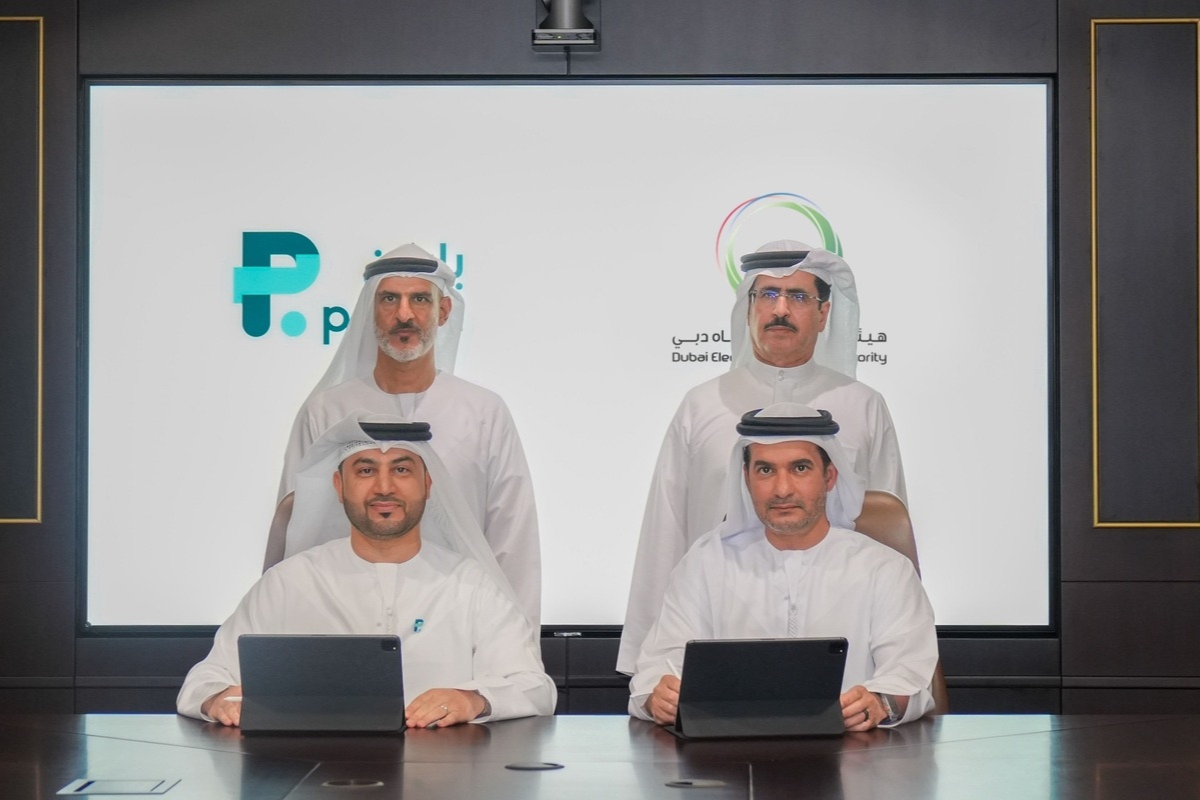
Dubai is set to enhance its electric vehicle infrastructure through a strategic collaboration between the Dubai Electricity and Water Authority and Parkin Company PJSC, the city’s leading provider of paid public parking facilities. This initiative aims to install new EV charging stations by the first quarter of 2025, reinforcing Dubai’s commitment to sustainable transportation.

The forthcoming charging stations will operate on alternating current , each offering a capacity of 22 kilowatts. Strategically positioned at prime parking locations managed by Parkin, each station is designed to serve two parking spaces. The focus will be on specific on-street parking areas in Zones A and C, targeting high-density residential communities that currently have limited access to EV charging facilities. This strategic placement aims to address the growing demand for EV infrastructure in densely populated areas.

To enhance user convenience, customers will be able to pay for both parking and charging fees through Parkin’s integrated app and digital wallet, streamlining the transaction process. This seamless payment system is expected to encourage more residents to consider transitioning to electric vehicles by simplifying the charging experience.

DEWA currently operates approximately 740 EV charging points across Dubai and has ambitious plans to expand this network to 1,000 stations by the end of 2025. This expansion aligns with Dubai’s broader sustainability goals and reflects the city’s proactive approach to supporting green mobility. The partnership with Parkin is a significant step towards achieving these objectives, as it leverages Parkin’s extensive network of parking facilities to provide accessible charging options for EV users.

This collaboration is part of DEWA’s ongoing efforts to enhance sustainability and encourage the use of environmentally friendly electric vehicles. By increasing the availability of EV charging stations in convenient locations, DEWA and Parkin aim to support the UAE’s vision for a sustainable future and reduce carbon emissions in the transportation sector.

The initiative also supports the Dubai Green Mobility Strategy 2030, which aims to promote the use of sustainable transport and reduce the emirate’s carbon footprint. By expanding the EV charging infrastructure, Dubai is taking concrete steps towards achieving its environmental goals and encouraging residents to adopt cleaner modes of transportation.

The integration of EV charging stations into Parkin’s facilities represents a significant advancement in Dubai’s efforts to promote sustainable mobility. As the largest provider of paid public parking facilities in the emirate, Parkin’s involvement ensures that EV users will have greater access to charging stations in convenient locations, thereby supporting the global transition to electric vehicles.

The collaboration between DEWA and Parkin underscores Dubai’s commitment to fostering a sustainable urban environment. By investing in EV infrastructure and promoting green mobility, the city is positioning itself as a leader in environmental sustainability and innovation.

The U.S. Securities and Exchange Commission has agreed to dismiss its lawsuit against cryptocurrency exchange Kraken. This decision, reached with prejudice, means the case cannot be refiled, and notably, Kraken will not admit to any wrongdoing, pay any penalties, or make changes to its business operations.

The lawsuit, initiated in November 2023 under former SEC Chair Gary Gensler, accused Kraken of operating as an unregistered securities exchange. At that time, the SEC alleged that Kraken had been facilitating the trading of digital assets deemed securities without proper registration, a move reflecting the agency’s stringent approach toward cryptocurrency platforms.

However, the regulatory landscape has shifted significantly with the appointment of Paul Atkins as the new SEC Chair under President Donald Trump’s administration. Atkins, known for his more favorable stance on digital assets, has steered the SEC toward a collaborative approach with the cryptocurrency industry. This policy shift aims to balance investor protection with fostering innovation within the digital asset economy.

Kraken’s official statement hailed the lawsuit’s dismissal as a pivotal moment for the U.S. crypto sector. The company emphasized that the SEC’s decision ends a “wasteful, politically motivated campaign” and removes uncertainties that had previously stifled innovation and investment. Kraken expressed appreciation for the new leadership at both the White House and the SEC, attributing the positive change to their “bold and thoughtful” approach.

The SEC has not issued a public comment regarding the dismissal.

This development is part of a broader trend under the current administration, which has signaled a more supportive regulatory environment for digital assets. The SEC’s recent actions include halting or dropping lawsuits against major cryptocurrency entities such as Binance, Coinbase, and Justin Sun. The agency has also restructured its crypto division, forming a “crypto task force” to establish clear regulatory guidelines while scaling down its investigative branch. This shift reflects the administration’s intent to encourage innovation while safeguarding investors from potential fraud.

Critics caution that this rapid policy reversal might reduce necessary scrutiny of the cryptocurrency industry, potentially allowing fraudulent activities to go unchecked. John Stark, a former SEC attorney, warned that the drastic changes could diminish oversight, emphasizing the need for a balanced approach to regulation.

Kraken’s history with regulatory bodies has been contentious. In February 2023, the company agreed to a $30 million settlement with the SEC over allegations that its crypto-asset staking products violated regulatory rules. Additionally, in November 2022, Kraken paid a $362,000 fine to the Office of Foreign Assets Control for potential violations of sanction regimes by allowing trade with customers based in Iran. The company has also faced fines from the Commodity Futures Trading Commission for offering unregistered margin trading.

Despite these challenges, Kraken has maintained its commitment to compliance and consumer protection. The company asserts that the dismissal of the SEC lawsuit reaffirms its dedication to operating with integrity within the evolving regulatory framework.

Tether, the prominent stablecoin issuer, has appointed Simon McWilliams as its new Chief Financial Officer , marking a pivotal move towards achieving a comprehensive financial audit. This strategic decision underscores Tether’s commitment to bolstering transparency and aligning with regulatory standards in the rapidly evolving cryptocurrency landscape.

McWilliams, a seasoned finance executive with over two decades of experience, has a distinguished track record in guiding large investment management firms through meticulous audits. His expertise is expected to play a crucial role in steering Tether towards its goal of a full financial audit, a milestone that has significant implications for the company’s credibility and the broader stablecoin market.

This leadership change also involves Giancarlo Devasini, the former CFO and a key figure in Tether’s inception, transitioning to the role of Chairman of the Group. Devasini’s new position will allow him to focus on macroeconomic strategies, guiding Tether as it continues to support the U.S. financial system while advancing digital asset adoption globally.

Tether has been a dominant force in the stablecoin market, offering users a means to move money between cryptocurrencies without exposure to price volatility. Stablecoins like Tether’s USD₮ are designed to maintain a constant value by being pegged to traditional currencies, providing a stable medium of exchange in the often-volatile cryptocurrency market.

The appointment of McWilliams is a significant step towards addressing longstanding calls for greater transparency within the stablecoin sector. Tether has previously set benchmarks for transparency through quarterly attestations with BDO, a top five global independent accounting firm. However, a full audit would provide a more comprehensive verification of reserves, thereby enhancing financial integrity and building trust among users and regulators alike.

This move comes at a time when regulatory bodies worldwide are intensifying scrutiny of stablecoins, given their growing prominence in the global financial system. By proactively pursuing a full audit, Tether aims to strengthen its position as a trusted partner in the expanding role of cryptocurrencies and the U.S. dollar.

In tandem with this leadership change, Tether has been preparing for broader strategic initiatives. The company recently relocated to El Salvador after securing a Digital Asset Service Provider license, signaling its intent to expand its global footprint and engage more deeply with regulatory frameworks.

Paolo Ardoino, CEO of Tether, expressed confidence in McWilliams’ appointment, stating, “Simon’s expertise in financial audits makes him the perfect CFO to lead Tether into this new era of transparency. With his leadership, we are moving decisively toward a full audit, reinforcing our role in supporting U.S. financial strength and expanding institutional engagement.”

The cryptocurrency industry has been under increasing pressure to enhance transparency and regulatory compliance. Tether’s initiative to undergo a full financial audit sets a precedent that could influence other stablecoin issuers to adopt similar measures, thereby elevating industry standards.

As Tether embarks on this new chapter, the focus will be on how effectively the company can navigate the complexities of a full financial audit and meet the heightened expectations of regulators and users. McWilliams’ extensive experience in financial audits is anticipated to be instrumental in achieving these objectives, potentially setting new benchmarks for transparency and accountability in the stablecoin market.

Immediate action needed to disrupt junk food diet trend Some of the fastest growing countries in the world are set for dietary disaster as the trend of convenience store and supermarket dominance takes hold, according to a new global study released today on World Obesity Day. MELBOURNE, AUSTRALIA – Media OutReach Newswire – 4 March 2025 – Just published in Nature Food, the study by researchers from […]

VISHNU RAJA
RYO YAMADA
HITORI GOTOH
IKUYO KITA