News related to
digital

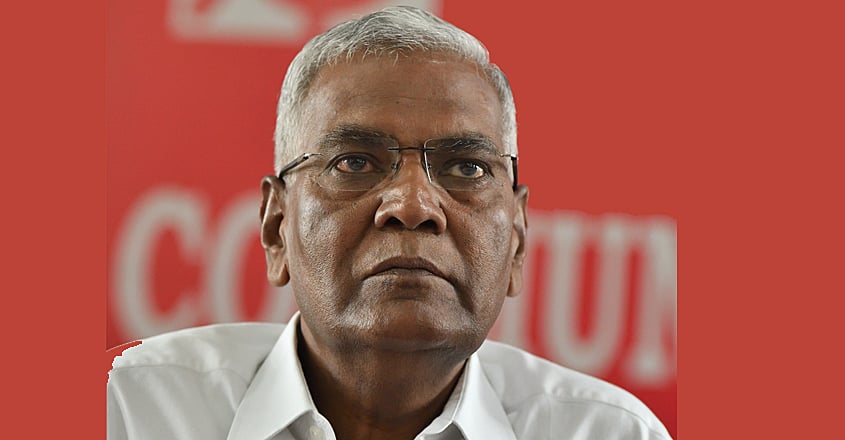
By Satyaki Chakraborty Communist Party of India (CPI) general secretary D. Raja gave a clarion call on Wednesday for the building of principled unity of all communists in India to act as the vanguard of the battle against the Narendra Modi government and the RSS-BJP led Sangh Parivar. Addressing the inaugural session of the 24th […]

Dubai’s leading parking management firm, Parkin, has announced a cash dividend of AED 280.9 million for the second half of 2024, slated for distribution in late April 2025. This decision reflects the company’s robust financial performance and aligns with its commitment to delivering consistent shareholder returns.

Concurrently, Parkin is set to implement a Variable Parking Tariff Policy starting 4 April 2025. This initiative, introduced in collaboration with Dubai’s Roads and Transport Authority , aims to optimise parking space utilisation by adjusting fees based on demand during specific timeframes.

Under the new policy, parking charges will vary between peak and off-peak hours. Peak periods are designated from 8:00 AM to 10:00 AM and 4:00 PM to 8:00 PM, during which premium parking zones will incur higher fees. Specifically, parking in these premium areas will cost AED 6 per hour during peak times. Off-peak hours, spanning 10:00 AM to 4:00 PM and 8:00 PM to 10:00 PM, will maintain the existing tariff structure.

The RTA has expanded the classification of premium parking zones to encompass approximately 40% of Parkin’s public parking portfolio, an increase from the previously communicated 35%. These zones are primarily located in high-demand, densely populated areas, including vicinities adjacent to public transport infrastructure. The remaining 60% of spaces will be designated as standard parking.

For multi-storey car parks , Parkin will maintain a fixed rate of AED 5 per hour, applicable 24/7. However, a maximum daily charge of AED 40 will be imposed for stays exceeding eight hours within a 24-hour period. As of the end of 2024, Parkin operated 3,200 parking spaces across six MSCPs.

Approximately 35% of Parkin’s developer parking spaces will now be subject to the Variable Parking Tariff Policy, a significant adjustment from the earlier expectation of 0%. This change is set to take effect simultaneously with the public parking tariff adjustments on 4 April 2025.

Parkin’s financial results for the fiscal year 2024 have surpassed the guidance provided during its March 2024 initial public offering . The company’s average public parking utilisation rate increased by 2.4 percentage points to 28.3%, underscoring a positive trend in demand for parking services.

The implementation of the Variable Parking Tariff Policy is part of Parkin’s broader strategy to enhance the efficiency of parking space usage across Dubai. By aligning parking fees with demand fluctuations, the company aims to improve accessibility and convenience for motorists while supporting the city’s transportation infrastructure.

Motorists are advised to acquaint themselves with the new tariff structures and zone classifications ahead of the changes to ensure compliance and avoid potential fines. Detailed information regarding the updated parking tariffs and zone designations is available on Parkin’s official website and mobile application.

Parkin’s proactive approach in adjusting its dividend payouts and parking tariffs reflects its responsiveness to market dynamics and commitment to delivering value to both shareholders and customers. As Dubai continues to evolve as a global metropolis, such initiatives are pivotal in maintaining the city’s reputation for efficient urban planning and infrastructure management.

The forthcoming changes underscore the importance of adaptive strategies in urban management, particularly in rapidly growing cities like Dubai. By implementing variable pricing models, Parkin aims to balance demand and supply effectively, ensuring that parking resources are utilised optimally.

As the implementation date approaches, stakeholders, including residents, businesses, and visitors, are encouraged to stay informed about the new parking regulations. This awareness will facilitate a smoother transition and help mitigate any potential inconveniences arising from the tariff adjustments.

Parkin’s collaboration with the RTA exemplifies a coordinated effort to enhance urban mobility and address the challenges associated with urbanisation. The Variable Parking Tariff Policy is expected to serve as a model for other cities grappling with similar issues, showcasing Dubai’s leadership in innovative urban management solutions.

In light of these developments, Parkin remains committed to monitoring the impact of the new tariff system and making necessary adjustments to ensure its effectiveness. Continuous feedback from the public will be instrumental in refining the policy to better serve the community’s needs.

The integration of technology in disseminating information about the new tariffs, through platforms like the Parkin mobile app, reflects the company’s dedication to leveraging digital tools for enhanced customer engagement and service delivery.


BlackRock, the world’s largest asset manager overseeing approximately $12 trillion, has obtained registration from the UK’s Financial Conduct Authority to function as a crypto asset firm. This authorisation enables BlackRock to offer cryptocurrency services within the United Kingdom.

The FCA’s decision positions BlackRock as the 51st entity on its crypto asset register, joining notable firms such as Coinbase, PayPal, and Revolut. The FCA maintains rigorous standards for registration, having approved only a fraction of applicants. According to the FCA, many submissions have been rejected due to incomplete or substandard components necessary for a thorough assessment.

This development aligns with BlackRock’s strategic expansion into digital assets. In January 2024, the firm introduced the iShares Bitcoin Trust in the United States, which rapidly attracted substantial investor interest. Building on this momentum, BlackRock launched the iShares Bitcoin Exchange-Traded Product on European exchanges in Paris and Amsterdam. The ETP debuted with a promotional fee waiver, reducing its expense ratio to 0.15% until the end of the year, after which it will revert to 0.25%, aligning with competitors like CoinShares. Manuela Sperandeo, BlackRock’s Head of Europe & Middle East iShares Product, remarked that this initiative reflects a tipping point in the industry, combining established retail investor demand with increasing professional engagement.

Market analysts interpret BlackRock’s FCA registration as a significant endorsement of the cryptocurrency sector, potentially encouraging broader institutional adoption. Given BlackRock’s substantial influence in global finance, its entry into the UK crypto market may signal a shift towards mainstream acceptance of digital assets.

OpenAI’s latest version of ChatGPT has set an unprecedented milestone, reaching 1 million users within just one hour of its release. This rapid adoption is being attributed to a new feature that allows users to generate AI images directly from text prompts. This significant demand for the new feature is being described as “biblical” by OpenAI’s CEO, Sam Altman, who has emphasised how this innovation is reshaping […]

HONG KONG SAR – Media OutReach Newswire – 1 April 2025 – Henderson Land Development Company Limited (“Henderson Land” or “the Group”) (Stock code: 12) actively supports and promotes the development of the arts in Hong Kong. By curating diverse artistic experiences, the Group strives to delight and inspire art lovers and the public at large. The Group has transformed the Lambeth Walk Rest Garden into the […]

DUBAI, UNITED ARAB EMIRATES – EQS Newswire – 1 April 2025 – iSON Xperiences (www.iSONXperiences.com), a global leader in AI-powered digital customer experience (CX) and BPO solutions, has appointed Ricardo Langwieder as its Chief Sales Officer. Ricardo will join the executive committee and lead the company’s global expansion, revenue growth, and strategic partnerships. With over 25 years of international corporate and entrepreneurial experience, Ricardo is a recognized […]

BlackRock’s USD Institutional Digital Liquidity Fund , a tokenized money market fund operating on the Ethereum blockchain, has witnessed a significant surge in total value locked , escalating from $615 million to $1.87 billion over a span of three weeks. This substantial growth underscores the increasing institutional interest in blockchain-based financial products.

The BUIDL fund invests in low-risk assets, including U.S. Treasury bills, cash, and repurchase agreements, offering investors a stable yield. The fund’s rapid expansion reflects a broader trend in the tokenization of real-world assets , a market that has recently surpassed $10 billion in TVL. Industry observers attribute this growth to a combination of factors, including enhanced regulatory clarity and the search for secure digital asset investments amid fluctuating cryptocurrency markets.

In addition to its presence on Ethereum, BlackRock has expanded BUIDL’s reach to multiple blockchains, including Avalanche, Aptos, Polygon, Optimism, and Arbitrum. This multi-chain strategy aims to leverage the unique advantages of each platform, such as reduced transaction fees and increased scalability. For instance, the management fee for BUIDL is set at 50 basis points on Ethereum, Arbitrum, and Optimism, while it is lower—only 20 basis points—on Aptos, Avalanche, and Polygon. This fee structure is supported by ecosystem development organizations that have agreed to subsidize the costs to incentivize usage on these platforms.

The tokenization of assets like those in the BUIDL fund offers several benefits, including fractional ownership, increased liquidity, and reduced transaction costs. By converting traditional financial products into digital tokens on a blockchain, investors can access and trade these assets more efficiently. This process also enables instantaneous and transparent settlement, enhancing the overall efficiency of financial markets.

Advertisements

EDGNEX Data Centers, the digital infrastructure arm of DAMAC Group, has solidified its position in the European market with the acquisition of Hyperco, a data centre company founded in Finland. The acquisition marks a significant step in EDGNEX’s strategy to enhance its global footprint, particularly within Europe, which is known for its robust digital infrastructure and commitment to sustainability. Hyperco operates cutting-edge data centres across Finland and […]

Emails falsely claiming to be from the cryptocurrency exchange Gemini are circulating, sparking concerns of a growing scam targeting its users. The fraudulent messages allege that the company has filed for bankruptcy and urge recipients to click on a link to confirm account details or withdraw their funds before an impending shutdown. Experts warn that this is part of an ongoing wave of phishing schemes aimed at […]

Greenlogue/AP Abu Dhabi National Oil Company has initiated a tender process for the engineering, procurement, and construction of Project Rabdan, a low-carbon ammonia production facility slated for construction in the Taziz industrial complex. The plant is designed to produce one million tonnes per year of blue ammonia, leveraging natural gas feedstocks while capturing and storing carbon dioxide emissions to reduce its carbon footprint. The EPC tender follows […]

One Year After Acquiring Banyan Security, SonicWall’s Cloud Secure Edge/ZTNA Remote Access Solutions See Remarkable Growth SINGAPORE – Media OutReach Newswire – 1 April 2025 – SonicWall today marks a significant milestone in its journey redefining advanced cyber security protection with its Zero Trust Network Access (ZTNA) solution known as Cloud Secure Edge (CSE). One year after acquiring Banyan Security, a leading provider of zero-trust security for […]

Highlights of the Annual Results for the Year Ended December 31, 2024: With rising demand for chips from AI technology-related industries, AI chip orders from Comtech continued to grow, driving the Group’s revenue up by 14.3% year-on-year to RMB10,129.1 million. The Group recorded a gross profit of approximately RMB889.4 million and a net profit of approximately RMB273.5 million. Profit attributable to equity shareholders of the Company was […]

A significant move has been made by a prominent Japanese hotel company, as it secured a 15.5% weighting in a crypto-focused exchange-traded fund . This marks an unexpected yet strategic shift towards the digital currency market by a company traditionally rooted in the hospitality sector. The hotel firm’s investment decision signals a broader trend of diversification and innovation within established industries, as more companies explore the potential of cryptocurrencies and blockchain technology.

The ETF, which predominantly focuses on digital assets, has attracted attention due to its potential to bridge the gap between traditional industries and the rapidly expanding cryptocurrency market. The hotel firm’s acquisition is particularly notable given the ongoing volatility in the cryptocurrency space, which often deters conservative investors. However, its decision reflects a calculated risk in pursuit of higher returns and the possibility of capturing the growing interest in decentralized finance systems.

Experts suggest that the firm’s move could serve as a signal to other companies in Japan and beyond, encouraging them to consider digital assets as part of their portfolios. Japan has historically been one of the more crypto-friendly nations, with a progressive regulatory approach that has supported the growth of the digital currency market. The country’s financial authorities have acknowledged the benefits of blockchain technology and the role it could play in shaping the future of global finance.

The hospitality sector, much like many others, has felt the pressure to adapt in the face of technological advancements. The COVID-19 pandemic has forced businesses to reimagine their operations and explore innovative avenues for growth. For the hotel company, investing in a crypto-focused ETF represents a forward-thinking approach to ensuring long-term sustainability in an increasingly digital world.

The decision comes as institutional interest in cryptocurrencies continues to rise, with major financial players such as investment firms and pension funds gradually incorporating digital currencies into their strategies. However, many experts caution that while the allure of crypto assets is undeniable, they remain a high-risk investment due to their volatility and regulatory uncertainty.

Despite these challenges, the hotel firm’s stake in the crypto ETF is seen as part of a broader trend of traditional companies seeking to capitalise on digital currencies. This move is not isolated; several other firms have either publicly stated their intention to invest in blockchain-based projects or have already made similar investments. The diversification of investment portfolios is a strategy being adopted by businesses looking to stay ahead in a fast-evolving financial landscape.

One of the driving factors behind this shift is the growing acceptance of cryptocurrency as a legitimate asset class. Bitcoin and Ethereum, two of the most well-known cryptocurrencies, have gained significant traction among both retail and institutional investors. Their increasing mainstream acceptance is pushing companies to reconsider their positions on digital currencies.

The hotel company’s move also comes at a time when the global financial markets are experiencing increased interest in crypto-related products. ETFs, which allow investors to gain exposure to various assets without directly purchasing them, have become one of the most popular investment vehicles for retail and institutional investors alike. The crypto ETF, in particular, has garnered significant attention for offering a more regulated and transparent way to invest in digital assets compared to direct investment in cryptocurrencies.

While the potential for growth within the crypto market is substantial, analysts continue to advise caution. The fluctuating nature of digital currencies, along with the regulatory uncertainties surrounding them, makes it a challenging environment for both investors and companies alike. Still, for businesses like the hotel firm, the potential rewards may outweigh the risks, especially as blockchain technology continues to demonstrate its utility beyond just financial transactions.

The investment also highlights the evolving role of hospitality companies in the broader tech landscape. As more businesses in traditional industries engage with the digital economy, the line between sectors becomes increasingly blurred. The integration of cryptocurrencies into established business models could pave the way for future innovations that bring added value to customers and stakeholders alike.

The hotel company’s shift into crypto represents a bold step in its ongoing transformation. Although the move might seem unorthodox, it is aligned with a growing trend of corporate diversification. The company’s leadership has expressed confidence in its ability to manage the risks associated with the crypto market, focusing on long-term growth prospects and positioning the company at the forefront of digital innovation.

Strategy, formerly known as MicroStrategy, has significantly bolstered its Bitcoin portfolio by acquiring 22,048 BTC for approximately $1.92 billion, averaging $86,969 per Bitcoin. This purchase elevates the company’s total holdings to over 500,000 BTC, reinforcing its position as the largest corporate holder of the cryptocurrency.

As of March 30, 2025, Strategy’s aggregate Bitcoin holdings stand at 506,137 BTC, acquired at a total purchase price of approximately $33.7 billion, with an average cost of $66,608 per Bitcoin. This substantial investment has yielded a year-to-date return of 11.0% in 2025, underscoring the firm’s commitment to Bitcoin as a primary treasury reserve asset.

Michael Saylor, Executive Chairman of Strategy, has been a vocal advocate for Bitcoin, positioning it as a strategic asset for the company’s financial strategy. Under his leadership, Strategy has consistently increased its Bitcoin holdings, viewing the cryptocurrency as a hedge against inflation and a store of value.

The company’s aggressive acquisition strategy has been facilitated through various financial instruments, including the issuance of convertible bonds and preferred stock offerings. In a notable move, Strategy announced a $21 billion at-the-market offering of convertible perpetual preferred stock, yielding over 9%, with the intent to fund further Bitcoin purchases. This initiative, part of the “21/21 plan,” reflects the company’s innovative approach to capital raising without committing to a repayment timeline, as these shares do not have a maturity date.

Strategy’s substantial Bitcoin holdings now represent over 2% of the global circulating supply, a figure that underscores the company’s influence in the cryptocurrency market. This accumulation strategy has positioned Strategy ahead of other major corporate holders, including Tesla and Coinbase, whose combined holdings are less than 1% of the total supply.

Despite the bullish accumulation, Strategy’s stock performance has experienced volatility, closely mirroring Bitcoin’s price fluctuations. The company’s stock has seen a decline of over 50% from its November highs, reflecting the inherent risks associated with its heavy reliance on Bitcoin’s market performance. This correlation highlights the potential financial exposure and the speculative nature of Strategy’s investment approach.

In addition to its investment activities, Strategy has implemented operational changes, including a 20% reduction in its workforce. This downsizing affected departments such as research and development, consulting, and sales and marketing, aligning with the company’s strategic shift towards digital assets. The workforce reduction coincided with a significant increase in Bitcoin holdings, indicating a reallocation of resources towards cryptocurrency investments.

The company’s financial maneuvers have attracted both attention and scrutiny. While some investors view Strategy’s Bitcoin-centric strategy as visionary, others express concern over the sustainability and risk associated with such a concentrated investment. The issuance of high-yield convertible securities to fund Bitcoin acquisitions raises questions about financial leverage and potential dilution of shareholder value.

Michael Saylor’s public statements have further amplified the discourse surrounding Strategy’s approach. At the Conservative Political Action Conference , Saylor emphasized Bitcoin as “digital property” and a crucial tool for the United States to “own cyberspace” in the future. Such assertions underscore his unwavering belief in Bitcoin’s potential but also invite regulatory and market scrutiny.

As Strategy continues to navigate the volatile cryptocurrency landscape, its substantial Bitcoin holdings and innovative financial strategies will remain focal points for investors and market analysts. The company’s future performance will likely hinge on Bitcoin’s market trajectory and the broader acceptance of cryptocurrencies in the global financial ecosystem.

The broader implications of Strategy’s Bitcoin accumulation extend beyond corporate finance, potentially influencing market dynamics and regulatory perspectives on cryptocurrency adoption. As the company holds a significant portion of the global Bitcoin supply, its actions may impact liquidity and price stability within the market.

Audi has initiated the deployment of virtual programmable logic controllers at its Böllinger Höfe facility in Germany, marking a significant advancement in automotive manufacturing. This initiative, part of Audi’s Edge Cloud 4 Production strategy, aims to enhance production efficiency and flexibility. The EC4P platform enables the virtualization of control systems, replacing traditional hardware-based programmable logic controllers with software-driven solutions. This transition allows for centralized management and real-time […]

HONG KONG SAR – Media OutReach Newswire – 31 March 2025 – Huatai Securities Co., Ltd. (the “Company”; stock codes: 601688.SH, 6886.HK, HTSC.L), a leading technology-driven comprehensive securities company in China, released its consolidated financial results for the year ended December 31, 2024, reporting record revenue and profit, alongside substantial progress in its internationalization strategy. Annual Highlights: In 2024, the Company continued to execute on strategic priorities, […]

The California State Assembly has introduced Assembly Bill 1052 , a legislative measure aimed at providing legal protections for individuals engaging with digital assets such as Bitcoin. The bill, spearheaded by Assemblymember Juan Carrillo Valencia, Chair of the Assembly Banking and Finance Committee, seeks to affirm the rights of Californians to self-custody digital assets and to use them as a valid form of payment.

AB-1052 explicitly recognizes the right of individuals and businesses within the state to accept digital financial assets for the sale of goods and services. It deems the use of such assets in private transactions as valid and legal consideration. Furthermore, the bill prohibits public entities from imposing taxes, withholdings, assessments, or other charges solely based on the use of digital assets as a method of payment. This provision aims to prevent discrimination against digital asset transactions by governmental bodies.

In addition to payment considerations, the bill addresses the management of unclaimed digital assets. It stipulates that intangible property held in a digital asset account will escheat to the state three years after certain conditions are met, such as the return of undelivered communication to the owner or the last exercise of ownership interest by the owner. Holders of private keys for such escheated digital assets are required to transfer them to a custodian designated by the Controller, ensuring that these assets are managed appropriately and securely.

AB-1052 also seeks to amend the Political Reform Act of 1974 by prohibiting public officials from issuing, sponsoring, or promoting any digital assets, securities, or commodities. This measure is intended to reduce potential conflicts of interest and political influence over emerging financial technologies. Public officials are further restricted from engaging in transactions or conduct related to digital assets that could create conflicts with their public duties.

Lumen Technologies and Flexential have announced an expansion of their Network-as-a-Service offerings, aiming to provide businesses with more flexible, secure, and agile networking solutions. This collaboration integrates Lumen’s NaaS platform with Flexential’s FlexAnywhere® platform, enabling customers to instantly purchase, utilize, and manage Lumen’s networking services. Dave Ward, Lumen’s Chief Technology and Product Officer, highlighted the significance of this development, stating, “Lumen and Flexential are bringing Network-as-a-Service capabilities […]

The United Arab Emirates has ascended to the forefront of global cryptocurrency adoption, marked by a 41% year-on-year increase in crypto app downloads, totaling 15 million in 2024. In January 2025 alone, the nation recorded 3.55 million installations of crypto applications, underscoring a robust and growing interest in digital assets. Projections indicate that user penetration will reach 39.1% by the end of 2025, signifying the transition of cryptocurrency from a niche interest to a mainstream financial instrument within the country.

This surge is underpinned by a proactive regulatory environment. The Dubai Financial Services Authority has expanded its list of recognized crypto tokens, while the Abu Dhabi Global Market introduced the world’s first Distributed Ledger Technology Foundations Framework, providing legal structures for blockchain-based organizations. Furthermore, the Central Bank of the UAE approved AE Coin, the nation’s inaugural dirham-pegged stablecoin, facilitating faster and more cost-effective digital transactions.

A study by Atmos, a proprietary trading platform by Taurex, highlights the UAE’s leadership in the crypto space. The research indicates a cryptocurrency ownership rate of 25.3% among the UAE population, coupled with an adoption growth rate of 210%. Despite the presence of only one Bitcoin ATM, the UAE secured the top position in the study’s rankings, reflecting the country’s deep integration of digital assets into its financial ecosystem.

The UAE’s commitment to fostering a crypto-friendly environment is further evidenced by substantial institutional investments. Abu Dhabi’s MGX, a $330 billion investment vehicle backed by Mubadala, recently acquired a $2 billion minority stake in Binance, one of the world’s leading cryptocurrency exchanges. This move aligns with the UAE’s ambition to become a global crypto hub and demonstrates confidence in the transformative potential of blockchain technology.

On a regional scale, the Middle East and North Africa have experienced significant growth in the crypto sector. Between July 2023 and June 2024, the UAE received over $30 billion in cryptocurrency, ranking among the top 40 globally and establishing itself as MENA’s third-largest crypto economy. This influx underscores the UAE’s pivotal role in the regional digital asset landscape.

Vivaldi Technologies has integrated Proton VPN into its desktop web browser, providing users with direct access to virtual private network services without additional downloads. This collaboration with Proton AG aims to bolster online privacy by concealing users’ IP addresses and encrypting internet traffic. Jon Stephenson von Tetzchner, Vivaldi’s CEO, has been a longstanding critic of surveillance capitalism. He emphasized that this partnership offers a European alternative to […]

Dr Imran Khalid The winds of uncertainty are sweeping through Europe as the continent grapples with the stark reality of a diminished U.S. commitment to its security. The handling of the Ukraine crisis by the Trump administration has rightly sent shockwaves through European capitals, unearthing a reality that policymakers have long feared but often failed to address head-on: the United States, under its current leadership, is no […]

Shiba Inu , the cryptocurrency that emerged as a meme coin, has demonstrated a remarkable trend in investor behavior, with a significant majority of its holders displaying long-term commitment. Data from IntoTheBlock reveals that 76% of SHIB holders have maintained their positions for over a year, surpassing the long-term holder percentages of both Bitcoin and Ethereum , which stand at 74% and 73% respectively.

This development is particularly noteworthy given Shiba Inu’s relatively recent entry into the cryptocurrency market compared to its more established counterparts. The data suggests a growing confidence among investors in SHIB’s potential, despite its origins as a meme-based digital asset.

Further analysis indicates that 22% of SHIB holders have retained their tokens for a period ranging from one to twelve months, while a mere 2% have held their assets for less than a month. This distribution underscores a trend toward long-term investment strategies within the SHIB community.

The average holding period for SHIB is reported at 2.6 years, which is notable when compared to Ethereum’s 2.4 years and Bitcoin’s 4.4 years. This metric reflects the duration investors are willing to hold onto their assets, indicating a level of patience and belief in the token’s future appreciation.

Despite this positive indicator of investor confidence, Shiba Inu’s price has experienced fluctuations. At the time of reporting, SHIB was trading at $0.00001616, marking a 3% decline over the past 24 hours. Such volatility is not uncommon in the cryptocurrency market, especially among tokens that originated from internet culture and memes.

The concentration of SHIB holdings among a few large investors, often referred to as “whales,” remains a point of discussion within the community. While high whale concentration can lead to concerns about market manipulation and liquidity, the increasing number of long-term holders may contribute to a more stable market environment for SHIB.

The Shiba Inu ecosystem has been expanding, with developments such as Shibarium, a Layer-2 blockchain solution, and ShibaSwap, a decentralized exchange. These initiatives aim to enhance the utility and adoption of SHIB, potentially influencing investor sentiment and contributing to the observed holding patterns.

In the broader context, the cryptocurrency market has seen a decline in the value of meme coins, with the market capitalization dropping from a peak of $137 billion in December to $56.2 billion by late February 2025. Despite this trend, SHIB’s strong long-term holder ratio suggests a resilient investor base that remains optimistic about the token’s prospects.

The increasing holding times among SHIB investors may also reflect a strategic response to market conditions, with holders opting to retain their assets in anticipation of future value appreciation. This behavior aligns with a broader trend in the cryptocurrency market, where investors are becoming more discerning and adopting long-term perspectives.

In an effort to achieve a target of 80% of patients controlling the three highs and protecting kidney health within eight years, Taiwan leads the international trend of precise prevention with public-private collaboration in response to the new health goals of Healthy Taiwan. TAIPEI, TAIWAN – Media OutReach Newswire – 28 March 2025 – As the global aging process accelerates, the prevention and care of chronic diseases […]

Galaxy Digital, a prominent cryptocurrency investment firm led by Michael Novogratz, has agreed to a $200 million settlement with the New York Attorney General’s office. The settlement addresses allegations that the firm promoted the cryptocurrency LUNA without adequately disclosing its financial interests, while simultaneously selling substantial holdings of the token at a profit prior to its collapse.

The Terra ecosystem, which included the algorithmic stablecoin TerraUSD and its sister token LUNA, experienced a catastrophic collapse in May 2022. At its peak, LUNA boasted a market capitalization of approximately $40 billion, ranking among the top cryptocurrencies globally. The collapse of UST and LUNA resulted in significant financial losses for investors and raised concerns about the stability of algorithmic stablecoins.

According to the settlement details, Galaxy Digital actively promoted LUNA to investors while concurrently liquidating its own holdings without proper disclosure of these transactions. This dual action allegedly misled investors regarding the firm’s financial interests and the stability of the Terra ecosystem. The New York Attorney General’s office emphasized that such practices undermine market integrity and investor trust.

The $200 million settlement is structured to be paid over a three-year period. Notably, while Galaxy Digital has agreed to the financial terms, the firm has neither admitted nor denied the allegations put forth by the Attorney General’s office.

The collapse of Terra’s tokens had far-reaching implications beyond individual investor losses. The event triggered a broader market downturn, leading to increased scrutiny of the cryptocurrency industry by regulators worldwide. In the aftermath, several firms associated with Terra faced legal actions and financial penalties. For instance, Jump Trading Group agreed to a $123 million settlement with the U.S. Securities and Exchange Commission over allegations related to misleading investors about the stability of TerraUSD.

Terraform Labs, the company behind the Terra blockchain, filed for bankruptcy in January 2024. Subsequently, the firm reached a $4.47 billion settlement with the SEC to address allegations of fraud related to the collapse of TerraUSD and LUNA. The bankruptcy proceedings are ongoing, with efforts focused on winding down operations and compensating affected stakeholders.

Do Kwon, co-founder of Terraform Labs, has also faced legal challenges. After being detained in Montenegro in March 2023, Kwon was extradited to the United States to face federal fraud charges related to the collapse of TerraUSD and LUNA. The charges include wire fraud, commodities fraud, securities fraud, and conspiracy.

The Terra incident has prompted regulators to intensify their oversight of the cryptocurrency industry, particularly concerning the promotion and stability of digital assets. The SEC and other regulatory bodies have been actively investigating and, in some cases, penalizing firms that fail to provide transparent disclosures to investors or engage in misleading promotional activities.

Galaxy Digital’s settlement underscores the importance of transparency and ethical practices within the cryptocurrency sector. As digital assets continue to gain mainstream adoption, regulatory authorities are likely to maintain rigorous enforcement to protect investors and ensure market integrity. Firms operating in this space are increasingly expected to adhere to stringent disclosure requirements and ethical standards to foster trust and stability in the evolving financial landscape.

The repercussions of the Terra collapse serve as a cautionary tale for both investors and firms within the cryptocurrency industry. Investors are urged to conduct thorough due diligence and remain cautious of high-yield investment opportunities that lack transparency. Simultaneously, firms are reminded of the critical need to maintain ethical standards and comply with regulatory requirements to sustain the industry’s credibility and foster long-term growth.

As the cryptocurrency market continues to evolve, the balance between innovation and regulation remains a focal point. The outcomes of legal actions, such as the settlement involving Galaxy Digital, highlight the ongoing efforts by authorities to establish a regulatory framework that protects investors while accommodating the dynamic nature of digital assets.

VISHNU RAJA
RYO YAMADA
HITORI GOTOH
IKUYO KITA
Just in:
Vance attributes Republican midterm defeats to Iran conflict // Ta’ziz finalises $1.39bn funding for Ruwais industrial facilities // mamun raises US$3 million to finance cross-border trade between the Gulf and Asia // Arrow Electronics showcases technologies advancing intelligent robotics, mobility and digital infrastructure // ADIA and partners establish $1.4 billion aviation venture // xCube Access Welcomes Entrust Capital Limited  Expanding Access to Professional Portfolio Management // After Reaching 7 Million Users in the Philippines, Skyro Launches Transparent Cash Loans in Malaysia // ADIA and partners establish $1.4 billion aviation venture // Democrats capture Senate majority with seven Republican seats // XRG secures agreement for $1.45bn Australian LNG stake // AI trust gap reveals distinct retail priorities: Divergent paths to consumer growth in Hong Kong and the GBA // Vingroup And Legends Global Announce Strategic Partnership For VinFast – Trong Dong Stadium // Middle East governments assess Iran war after US vote // As AI Reshapes Education, Singapore Convenes Global Dialogue on the Future of Early Childhood Education // Fast Just Got Fastest: STING Energy Boost™ Celebrates Kimi Antonelli’s Formula 1® World Championship and the Fan Energy Behind It // SC to examine students’ exam plea today // Anthropic to prohibit persistent abuse of Claude chatbot // Democrats secure Senate majority after Republican election losses // Burying Head In “India Made Poverty Reduction” Data Is Dangerous // ADIA and partners establish $1.4 billion aviation venture //