News related to
global

Arabian Post Staff The President of the United Arab Emirates held a meeting with former U.S. President Donald Trump during his official visit to the United States, signaling ongoing ties between key figures in global politics. The discussions, described as cordial and wide-ranging, took place amidst broader diplomatic efforts aimed at strengthening economic and political cooperation between the two nations. The meeting, which took place in New […]

Foreign direct investment (FDI) into artificial intelligence is seeing significant growth, with Dubai and the broader AI sector playing pivotal roles in shaping the landscape. FDI into AI-related projects surged by 44% in 2022, a reflection of the global push towards technological advancements. Notably, Dubai has emerged as a major global destination for FDI in AI, bolstered by several high-profile investments in technology infrastructure and research and development facilities.

Dubai’s prominence as a global AI hub can be traced to its forward-thinking governance and strategic location. Over the past year, the city has attracted a wide array of AI-related projects. Among these were significant initiatives from multinational firms such as Intel and Bert Labs, which established research hubs and regional offices. The strategic positioning of Dubai, combined with its investment-friendly policies and cutting-edge infrastructure, has made it a magnet for AI innovations, surpassing many traditional FDI centers in the process. This rise has placed Dubai among the top cities leading the world in cross-sectoral AI investments.

However, Dubai is not the sole recipient of AI-related FDI. India and Singapore, for instance, are key players in the AI ecosystem, benefiting from large FDI inflows. In 2022, India led with 122 AI-related projects, supported by substantial investments from major corporations such as Microsoft and Accenture. These investments primarily focused on data centers and advanced technology centers, especially in regions like Hyderabad and Tamil Nadu. This inflow of capital into India is driven by a combination of cost advantages, talent availability, and a growing demand for advanced AI-driven solutions.

The global surge in AI-related investments is not limited to emerging markets. The United States, traditionally a leader in greenfield investments, remains a key source of cross-border FDI in AI. In 2022 alone, the U.S. backed 285 AI-related projects globally. These projects range from the construction of chip production factories in Europe to the opening of new AI offices in cities like Berlin and London. The American dominance in AI investment is buoyed by its leading tech giants and the government’s strategic push to maintain an edge in the global AI race.

The implications of these trends are profound. As AI becomes increasingly central to various industries—from healthcare and finance to automotive and telecommunications—the geographical distribution of AI-related investments will shape the future of the global economy. Countries and cities that succeed in positioning themselves as AI leaders stand to reap significant economic benefits, attracting not only capital but also the high-skill jobs associated with AI and machine learning.

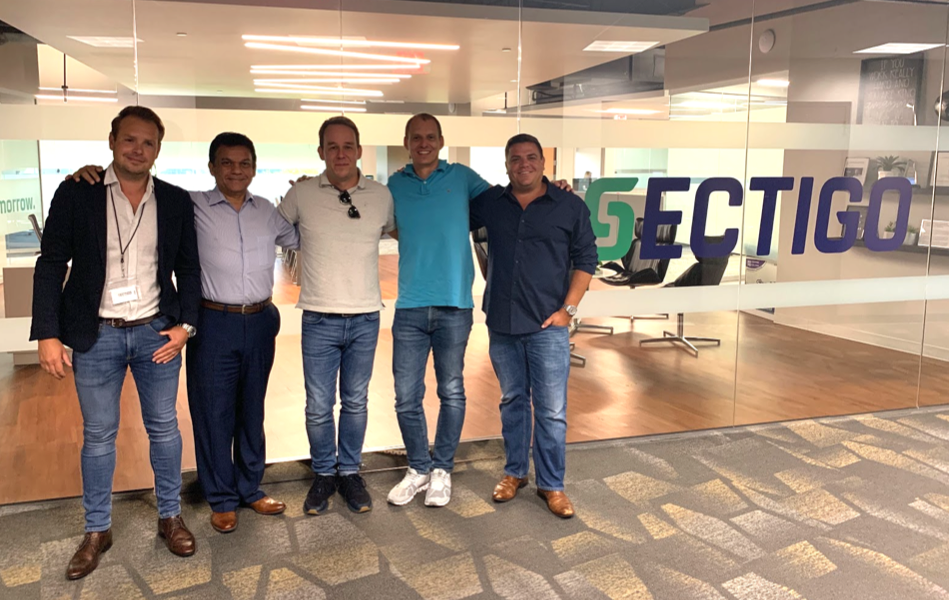
Sectigo, a global leader in digital certificates and Certificate Lifecycle Management (CLM), has officially opened its new office in Chennai, aiming to enhance its customer service delivery across the region. This strategic move not only strengthens Sectigo’s foothold in the rapidly growing technology sector in Chennai but also positions the company to better serve its increasing clientele in India and beyond.

The Chennai office will serve as a critical hub for Sectigo, enabling the company to offer improved technical support, sales, and customer service to its extensive portfolio of clients, which includes businesses of all sizes across various industries. The city is recognized for its robust tech ecosystem, featuring numerous IT parks and a skilled workforce, making it an ideal location for Sectigo’s expansion.

Chennai is among India’s most important technology centers, with a vibrant landscape of IT services and software development firms. The establishment of the new office aligns with the growing demand for digital security solutions as businesses increasingly rely on online transactions and digital platforms. With cyber threats becoming more sophisticated, organizations are prioritizing security measures, thereby driving the need for reliable certificate management.

In a statement during the opening ceremony, Sectigo’s executives emphasized the importance of this expansion in addressing the rising concerns over cybersecurity in the digital age. The Chennai office is expected to facilitate quicker response times and personalized service to clients, ultimately enhancing customer satisfaction.

The Indian market has become a focal point for many global tech companies, and Sectigo’s investment in Chennai signifies its commitment to harnessing the region’s potential. The decision to establish a local presence is driven by the growing adoption of cloud technologies and the shift towards digital-first strategies by businesses. As more companies migrate to cloud-based solutions, the need for secure digital identities becomes paramount, positioning Sectigo as a vital player in this landscape.

Sectigo’s expansion comes at a time when the demand for digital certificates is surging, fueled by the increasing reliance on secure online communications. The company’s comprehensive portfolio includes SSL/TLS certificates, code signing certificates, and IoT device certificates, all of which are critical in establishing trust and securing digital transactions.

The Chennai office is part of Sectigo’s broader strategy to expand its global reach while ensuring localized service. The establishment of regional offices allows Sectigo to better understand and cater to the specific needs of local markets. By leveraging Chennai’s skilled workforce, the company aims to enhance its operational efficiency and technical expertise.

Industry analysts note that the competitive landscape for digital security solutions is evolving rapidly. With the rise of cyber threats, organizations are seeking more robust and scalable solutions. Sectigo’s proactive approach to expanding its operations in key markets like India reflects an understanding of the regional dynamics and the growing demand for advanced security measures.

The Chennai office is expected to play a pivotal role in driving innovation within Sectigo, enabling the company to develop and deploy new security solutions tailored to local market needs. By collaborating with local technology firms and startups, Sectigo aims to foster a culture of innovation and leverage emerging technologies to enhance its service offerings.

This expansion not only supports Sectigo’s growth objectives but also contributes to the local economy by creating job opportunities and fostering talent development. The company plans to recruit skilled professionals from various disciplines, including cybersecurity, technical support, and sales, further bolstering Chennai’s reputation as a technology hub.

As organizations navigate the complexities of digital transformation, the demand for expert guidance in implementing effective security strategies is more critical than ever. Sectigo’s presence in Chennai positions it as a key partner for businesses looking to enhance their cybersecurity posture and protect their digital assets.

The establishment of the Chennai office is also a testament to Sectigo’s long-term vision for growth in the Asia-Pacific region. By investing in local infrastructure and resources, the company aims to create a sustainable model that not only addresses immediate customer needs but also anticipates future trends in the digital security landscape.

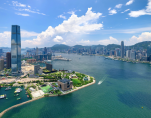
HONG KONG SAR – Media OutReach Newswire – 27 September 2024 – A delegation led by Hong Kong’s Financial Secretary Paul Chan is on a four-day visit to London (September 25-28, 2024), the second leg of an overseas trip to strengthen ties with European businesses and cultivate enhanced co-operation, especially in financial services and innovation and technology. Addressing approximately 350 leaders from the British political and business […]

Scala Data Centers, a leading hyperscale data center platform in Latin America, has obtained $500 million in structured financing aimed at enhancing its regional presence and meeting the surging demand for cloud services and artificial intelligence (AI). This significant capital influx is set to accelerate the company’s growth trajectory as it responds to the escalating requirements from enterprises leveraging digital technologies. The financing round comes at a […]

Global data infrastructure leader NetApp has launched its latest all-flash NetApp ASA A-Series storage systems, strategically aimed at transforming block storage solutions for enterprises. This introduction is part of the company’s initiative to enhance storage modernization, addressing the evolving needs of businesses seeking agility, efficiency, and robust performance. The ASA A-Series builds upon the legacy of the NetApp ASA product line, incorporating advancements in flash technology to […]

The UAE is pushing forward its ambitious agenda to transform its infrastructure and lead in climate action, leveraging public-private partnerships and significant capital mobilization efforts. The country’s leadership has emphasized that mobilizing private capital for green infrastructure projects is essential for advancing sustainable development, particularly as global climate challenges intensify. As part of its commitment to address climate change, the UAE, in collaboration with the Asian Infrastructure […]

Advertisements

A U.S. judge has ruled that the criminal case against Roman Storm, one of the key developers behind Tornado Cash, will proceed to trial on December 2. Storm, a notable figure in the cryptocurrency space, faces up to 45 years in prison if convicted on charges of conspiracy to commit money laundering and violating U.S. sanctions. His trial, which has drawn significant attention from the blockchain community, will be a crucial moment for the broader discussion surrounding decentralized finance (DeFi) and privacy tools within the cryptocurrency ecosystem.

The decision to move forward with the trial comes as part of a larger crackdown on Tornado Cash, a popular cryptocurrency mixing service that the U.S. government alleges was used to facilitate the laundering of illicit funds, including proceeds from hacking and other cybercriminal activities. Tornado Cash enables users to obscure the origin and destination of cryptocurrency transactions, making it difficult for regulators to track the flow of funds.

Storm, alongside other developers involved with Tornado Cash, was arrested in August 2023 after being accused of aiding cybercriminals, including the North Korean hacking group Lazarus. The group has been responsible for several high-profile cyberattacks and is believed to have laundered millions of dollars in stolen cryptocurrencies through Tornado Cash. The U.S. Treasury Department has sanctioned Tornado Cash, citing its role in enabling criminal activities and undermining national security.

The charges against Storm include conspiring to commit money laundering and violating the International Emergency Economic Powers Act (IEEPA), a law that grants the U.S. government broad powers to impose sanctions in response to national security threats. Prosecutors argue that Storm knowingly aided in the development and promotion of Tornado Cash, fully aware of its potential use by malicious actors.

Storm’s legal team, however, is contesting these allegations, claiming that Tornado Cash is a decentralized platform that cannot be held accountable for how individuals use the service. They argue that Storm had no direct involvement in criminal activities and that the platform was designed to enhance privacy, a fundamental principle of blockchain technology. Privacy advocates in the crypto industry have also rallied behind Storm, warning that the case could set a precedent for how developers of open-source software are treated by law enforcement.

The case has sparked a heated debate within the cryptocurrency community over the balance between privacy and compliance with government regulations. While blockchain technology was initially praised for its transparency, tools like Tornado Cash complicate regulatory oversight. Cryptocurrency mixers, which combine multiple transactions to obscure the trail of funds, have long been a controversial issue in the crypto space. Proponents argue that they are essential for protecting user privacy, particularly in a financial system where transaction data can be easily traced. However, regulators have increasingly focused on their potential misuse by criminals, terrorists, and sanctioned entities.

Tornado Cash, in particular, has been a focal point for regulators as they step up enforcement actions against entities operating in the DeFi space. According to the U.S. government, Tornado Cash has been linked to billions of dollars in illicit transactions, a claim that has intensified scrutiny on the platform and its developers.

In Storm’s defense, many in the industry highlight the decentralized nature of the platform, which operates without a central authority controlling its operations. Supporters argue that this makes it difficult, if not impossible, to hold individual developers accountable for how users interact with the platform. However, critics of this defense point to the fact that Tornado Cash’s smart contracts were developed and maintained by a team of engineers, implying that they had a responsibility to ensure compliance with legal frameworks.

The outcome of Storm’s trial is likely to have broader implications for the crypto industry, particularly in the development of privacy tools and the role of developers in ensuring regulatory compliance. Industry experts warn that if Storm is found guilty, it could deter innovation in the DeFi space and lead to increased pressure on developers to incorporate anti-money laundering (AML) and know-your-customer (KYC) protocols into their platforms.

Storm’s co-developer, Alexey Pertsev, also faces similar charges in the Netherlands. The case against Pertsev, who was arrested in August 2023, has attracted widespread criticism from the global crypto community, with many arguing that the arrest of developers for creating open-source software sets a dangerous precedent. Pertsev’s trial is scheduled to begin early next year, adding to the growing tension between privacy advocates and regulators.

As the trial date approaches, the case against Storm continues to draw attention from legal experts, industry insiders, and privacy advocates alike. The case highlights the delicate balancing act between technological innovation and the need for regulatory oversight in a rapidly evolving financial landscape. The legal battle over Tornado Cash is seen as part of a broader struggle over how to regulate the decentralized world of cryptocurrency without stifling innovation.

Generative AI has exhibited substantial capabilities in outperforming human decision-makers in corporate strategy, particularly in data-driven tasks. These developments stem from advancements in machine learning and AI’s prowess in handling large-scale datasets, optimizing processes such as product design, market analysis, and profitability forecasting. Despite AI’s superior ability to adapt and iterate based on real-time data, its potential limitations in strategic leadership are becoming increasingly apparent when facing […]

Evidencing Leadership in Sustainability in Textile Industry HONG KONG SAR – Media OutReach Newswire – 27 September 2024 – Texhong International Group Limited (“Texhong International” or the “Group“; HKEX stock code: 2678), one of the world’s largest suppliers of cotton yarns, was a speaker at the COTTON USATM Sustainability Seminar organised by the Cotton Council International (“CCI”), which was attended by more than 150 guests representing international […]

Raxio Group has inaugurated its latest colocation data center, Raxio Côte d’Ivoire (CIV1), in Abidjan, Ivory Coast, furthering its commitment to expanding digital infrastructure across Africa. This facility represents a critical step in Raxio’s strategy to enhance connectivity and support the region’s growing demand for reliable data management services. The CIV1 data center is Raxio’s fifth facility in Africa, demonstrating the company’s robust growth trajectory and dedication […]

A new typeface named “I AM SAUDI” has been launched, embodying the rich cultural diversity and historical heritage of Saudi Arabia. This initiative, aimed at unifying the nation’s unique identity, highlights contributions from various regions, weaving a narrative of togetherness and pride. The font emerges at a time when the Kingdom is seeking to enhance its cultural exports and reinforce its image on the global stage.

“I AM SAUDI” is designed in the simplified Kufic style, a geometric-display font that beautifully fuses traditional aesthetics with modern design sensibilities. The result is a bold and elegant visual representation of the Saudi identity, crafted to resonate with both locals and international audiences. Each letter in this typeface showcases contrasting shapes and designs, reflecting the artistic legacies of different regions across the Kingdom, from the coastal cities of Jeddah to the desert landscapes of Riyadh and beyond.

This initiative not only serves a practical purpose in terms of typography but also acts as a cultural ambassador for Saudi Arabia. As the Kingdom endeavors to diversify its economy and promote its cultural heritage, “I AM SAUDI” stands as a testament to the blending of tradition with contemporary aspirations. It encapsulates a narrative that extends beyond mere letters; it tells the story of a nation that values its past while looking confidently towards its future.

The launch of this typeface comes amid Saudi Arabia’s broader Vision 2030 initiative, which aims to reshape the nation’s economic landscape by fostering innovation, tourism, and cultural engagement. By promoting the use of this new font, the Kingdom seeks to instill a sense of national pride and identity in its citizens, encouraging them to embrace and share their unique heritage. The availability of “I AM SAUDI” for public download further emphasizes this goal, making it accessible for use in various applications ranging from marketing materials to educational resources.

The typeface has been well-received, with early feedback indicating that it resonates deeply with both Saudi citizens and expatriates living in the Kingdom. Graphic designers and branding experts have highlighted its versatility, noting that it can be utilized effectively across digital and print media, enhancing the visibility of Saudi brands while enriching the visual landscape of the nation. As businesses and organizations begin to adopt this font, it is expected to play a significant role in creating a cohesive visual identity for the Kingdom.

Cultural commentators have pointed out that “I AM SAUDI” aligns perfectly with the Kingdom’s efforts to promote its cultural heritage through various platforms, including art, music, and literature. The font serves as a medium through which Saudi stories can be told and shared, inviting both locals and visitors to engage more deeply with the rich tapestry of Saudi history and culture.

The introduction of this typeface reflects a growing trend among nations to leverage design as a means of soft power. By crafting a unique visual identity that encapsulates its essence, Saudi Arabia aims to enhance its cultural footprint globally, inviting the world to engage with its rich history and vibrant future.

With its clear lines and geometric precision, “I AM SAUDI” has the potential to become a recognizable symbol of Saudi Arabia’s brand. As more entities embrace this typeface, it will likely foster a sense of unity among Saudis, promoting a shared cultural narrative that resonates across different demographics and regions. The font stands as a reminder of the shared values and aspirations that bind the Kingdom’s diverse population.

In addition to its cultural implications, the launch of “I AM SAUDI” reflects a strategic move to invest in local design talent and innovation. By showcasing the work of Saudi designers and emphasizing the importance of homegrown creativity, this initiative underscores a commitment to nurturing the Kingdom’s artistic community. It encourages young Saudis to explore their creative potential while reinforcing the significance of cultural expression in a rapidly changing global landscape.

As the typeface gains traction, its adoption in various sectors—including advertising, education, and government communications—will play a pivotal role in establishing a cohesive national identity. The use of “I AM SAUDI” in official documents and promotional materials will signify a new era for Saudi Arabia, where design and culture converge to tell a compelling story of a nation in transformation.

An impressive shift in gaming habits has emerged in Southeast Asia, with individuals dedicating significantly more time to video games in 2024. This resurgence marks a 53.2% year-on-year increase in average weekly gaming hours, reflecting a strong recovery from the pandemic’s impact on leisure activities. Industry analysts attribute this rise to several key factors, including the easing of pandemic restrictions, the proliferation of gaming platforms, and an […]

Huawei’s unveiling of the Xinghe Intelligent Autonomous Driving Network Solution marks a significant milestone in the realm of autonomous driving technology. This groundbreaking solution was introduced at HUAWEI CONNECT 2024, an event that gathered over 100 representatives from various enterprises, industry experts, and partners. With this announcement, Huawei aims to lead the charge in the digital and intelligent transformations that are reshaping numerous industries.

The Xinghe Intelligent Autonomous Driving Network Solution is touted as the industry’s first Level 4 (L4) autonomous driving network solution. This advancement is designed to facilitate a new paradigm in autonomous driving by enhancing the efficiency and reliability of self-driving vehicles. As global markets continue to demand smarter and more sustainable transport solutions, the launch of the Xinghe network addresses these challenges head-on, promising to enable fully autonomous operations in complex environments.

During the session, Huawei’s executives highlighted the potential of the Xinghe solution to significantly impact industries such as logistics, transportation, and urban mobility. By integrating advanced AI capabilities and robust connectivity, this network solution aims to improve operational efficiency and safety. It enables vehicles to operate without human intervention in predefined conditions, which is particularly beneficial in logistics and public transport systems where operational cost savings and enhanced safety measures are paramount.

Huawei’s initiative is also part of a broader trend within the technology sector, where companies are increasingly focusing on developing autonomous solutions that not only improve operational capabilities but also adhere to stringent safety standards. The shift towards autonomous driving technology is not just about innovation; it is also about responding to regulatory requirements and consumer demand for safer, more reliable transport options.

The introduction of the Xinghe Intelligent Autonomous Driving Network Solution follows Huawei’s commitment to investing heavily in research and development within the autonomous vehicle space. The company has been collaborating with various industry partners to establish a cohesive ecosystem that supports the widespread adoption of autonomous driving technologies. This collaborative approach aims to create a seamless integration of hardware, software, and networking technologies that is essential for the functionality of autonomous vehicles.

In addition to addressing operational needs, the Xinghe solution is expected to enhance the user experience for passengers. With advanced features such as real-time navigation, enhanced communication capabilities, and intelligent route optimization, passengers will benefit from a smoother and more efficient travel experience. This focus on the passenger experience aligns with the industry’s broader goal of creating a more integrated and user-friendly autonomous transport system.

Huawei’s initiative also resonates with the increasing emphasis on sustainability within the automotive industry. As governments around the world push for greener transportation solutions to combat climate change, autonomous vehicles are seen as a viable solution that can reduce emissions and optimize fuel consumption. The Xinghe Intelligent Autonomous Driving Network Solution could play a critical role in enabling electric and hybrid vehicles to operate more efficiently, thus supporting global sustainability initiatives.

The company’s approach to data security and privacy is another crucial aspect of the Xinghe solution. With autonomous vehicles relying heavily on data collection and analysis for navigation and operation, ensuring the integrity and confidentiality of this data is paramount. Huawei is addressing these concerns by implementing robust security measures and compliance protocols to protect user information and maintain public trust.

As the autonomous vehicle market continues to grow, key players are ramping up their efforts to establish a competitive edge. The introduction of Huawei’s Xinghe network is a strategic move that places the company at the forefront of the industry, poised to influence the future trajectory of autonomous driving technology. With established partnerships and a focus on innovation, Huawei is set to become a pivotal player in the evolving landscape of smart transportation.

Industry experts anticipate that Huawei’s launch will stimulate further advancements in autonomous driving networks, encouraging competitors to accelerate their own research and development efforts. The ripple effect of this innovation could lead to enhanced collaboration among technology firms, automotive manufacturers, and regulatory bodies, fostering an environment conducive to the growth of autonomous vehicle solutions.

BANGKOK, THAILAND – Media OutReach Newswire – 27 September 2024 – The Ministry of Higher Education, Science, Research, and Innovation (MHESI), through the National Innovation Agency (NIA), along with five partners from both the public and private sectors: Program Management Unit for Competitiveness (PMUC), the Royal Thai Embassy Stockholm, Techsauce, and the Thai Startup Association (TSA), co-hosted the launch of the “The Scaleup Impact! Thailand – Sweden […]

Dar Global, the luxury property developer listed on the London Stock Exchange (LSE), has reported a net loss for the first half of 2024. The company, which specializes in high-end residential projects across key markets, highlighted market shifts and fluctuating costs as key factors contributing to the loss. Dar Global, a spinoff from Dubai-based Dar Al Arkan, had made waves in the real estate sector, aiming to […]

Sheikh Mohammed bin Rashid Al Maktoum, Vice President and Prime Minister of the UAE and Ruler of Dubai, hosted his regular Majlis gathering at the Za’abeel Palace, focusing on economic and investment strategies for the region. This week’s event saw the attendance of Sir Mark Tucker, Group Chairman of HSBC Holdings, among various dignitaries, business leaders, and members of the Federal National Council. Sheikh Mohammed emphasized Dubai’s […]

Abu Dhabi Developmental Holding Company (ADQ) successfully completed its second bond issuance of 2024, raising a significant $2 billion. This strategic financial move aims to bolster its investment initiatives and enhance the capital structure as it navigates diverse market conditions. The issuance comprises various tranches, reflecting ADQ’s commitment to maintaining a robust financial position while capitalizing on favorable market dynamics. ADQ, which has emerged as a pivotal […]

The United Arab Emirates has secured its position as the top-ranking country in North Africa and Western Asia in the World Intellectual Property Organization’s (WIPO) 2024 Global Innovation Index (GII), underscoring its growing influence in innovation, technology, and intellectual property rights. The GII report highlights the UAE’s continued success in fostering an innovation-friendly ecosystem, advancing its regional leadership in a competitive global landscape. The country’s rise in […]

Malaysia’s state-owned oil and gas company, PETRONAS, has successfully entered into a new exploration agreement with the Abu Dhabi National Oil Company (ADNOC). This landmark deal marks a significant milestone for both entities as they aim to bolster their energy portfolios amid shifting global market dynamics. The agreement involves PETRONAS participating in the exploration and production of oil and gas resources in the Al Dhafra region of […]

The global push for reducing industrial carbon emissions is gaining momentum as EMSTEEL Group has been named as a co-chair for the newly formed ‘Alliance for Industry Decarbonisation’ spearheaded by the International Renewable Energy Agency (IRENA). The alliance aims to unite global industry leaders in a bid to expedite decarbonisation efforts across various sectors, a key initiative toward meeting global climate goals. Decarbonising industries is one of […]

Oil markets have experienced an unusual shift, with algorithmic trading exerting increasing influence on prices. What has been seen as a continuous slide in crude oil prices appears to be linked more to advanced trading programs than traditional market fundamentals. This shift highlights the growing dominance of algorithm-driven strategies, leaving oil increasingly vulnerable to swings driven by computer models rather than supply and demand factors alone. The […]

A strategic pivot is unfolding in Saudi Arabia’s oil policy, as the kingdom plans to move away from its unofficial target of $100 per barrel. This decision comes as the nation gears up to increase its oil production in an effort to regain market share, even if it results in lower prices for crude oil. The new approach signals a significant shift in the dynamics of the global oil market, as Saudi Arabia navigates a complex landscape influenced by geopolitical tensions and fluctuating demand.

The Organization of the Petroleum Exporting Countries (OPEC), under Saudi Arabia’s leadership, has been actively involved in adjusting oil production levels to stabilize prices. Alongside allies, including Russia, the group—collectively referred to as OPEC+—has implemented production cuts to support oil prices amid a volatile market. However, as the world economy continues to recover from the impacts of the COVID-19 pandemic, demand for oil has risen, prompting Saudi Arabia to reconsider its pricing strategy.

Market analysts suggest that Saudi Arabia’s decision to increase output could be driven by a desire to regain dominance in the oil market. The kingdom has faced stiff competition from countries like the United States, which has ramped up shale oil production in recent years. Additionally, OPEC’s recent efforts to control supply have not completely offset the impacts of rising production elsewhere, leading to a complex interplay of market forces that has prompted Saudi leaders to reassess their tactics.

As part of this shift, Saudi Arabia may be looking to reclaim its traditional role as a price setter in the global oil market. By increasing production, the kingdom aims to attract buyers who may have turned to other suppliers during periods of elevated prices. This move could potentially drive prices lower in the short term, but analysts argue that such a strategy might be necessary to secure long-term market share.

The ramifications of this decision extend beyond Saudi Arabia, impacting global oil prices and economies that heavily rely on oil revenues. Lower oil prices could benefit consumers and industries that depend on energy, potentially spurring economic activity. However, for oil-dependent economies, particularly those within the Gulf Cooperation Council (GCC), decreased prices could pose budgetary challenges and necessitate adjustments in fiscal policies.

Experts emphasize that this approach reflects a pragmatic response to shifting market conditions. While Saudi Arabia has historically maintained a price target to ensure stable revenues, the current global landscape necessitates a more flexible strategy. The kingdom’s readiness to accept lower prices signals an acknowledgment of the realities of modern oil markets, where rapid changes in supply and demand dynamics can lead to volatility.

Saudi Arabia’s internal dynamics also play a crucial role in this strategic recalibration. The kingdom has been investing heavily in diversifying its economy away from oil dependence, as outlined in its Vision 2030 plan. This initiative seeks to develop sectors beyond hydrocarbons, such as tourism and technology, aiming to create a more resilient economy. By adjusting its oil production strategy, Saudi Arabia may be positioning itself to better support these broader economic ambitions, ensuring that its energy sector remains robust while diversifying revenue sources.

This shift in Saudi Arabia’s oil policy is likely to influence OPEC’s future meetings and decisions. The organization has historically aimed to balance production to maintain price stability, but this new direction may necessitate a reevaluation of OPEC’s collective strategy. The responses from other member countries will be closely watched, as any discord within the group could have profound implications for global oil markets.

As Saudi Arabia prepares for this transition, market observers will be keenly analyzing its impacts on both regional and global levels. The kingdom’s ability to effectively navigate this shift will be critical in determining its position in the evolving energy landscape. Furthermore, the response from major consumers, including China and the United States, will also shape the trajectory of oil prices and production levels.

Dubai-based Emirates Central Cooling Systems Corporation (Empower), a key player in the district cooling industry, is preparing to pass a board resolution that would allow the refinancing of a significant $749 million loan. The move reflects the company’s continued efforts to bolster its financial position, improve liquidity, and maintain a competitive edge in the region’s rapidly expanding energy sector. This step comes amid growing demand for sustainable energy solutions in the UAE and wider Middle East region.

Empower, known for being one of the largest district cooling providers globally, is strategically focused on enhancing its operational capacity. The proposed refinancing plan aligns with Empower’s broader objectives of reducing costs and restructuring debt to optimize its financial structure. The corporation’s board is expected to convene soon to formalize this critical financial decision. Empower’s decision follows years of steady growth, driven by increasing urbanization, coupled with the region’s heightened focus on energy efficiency and environmental sustainability.

The UAE’s district cooling sector has been growing in prominence, thanks to its energy-saving benefits and environmental sustainability. Empower, being a leading name in this industry, has been instrumental in providing large-scale cooling solutions, particularly to Dubai’s residential and commercial sectors. The upcoming refinancing is expected to streamline Empower’s financial obligations, paving the way for further expansion and operational efficiency.

District cooling systems have gained traction as an effective solution to manage the rising cooling demands in hot climates, especially in large urban centers like Dubai. Empower operates over 1.4 million Refrigeration Tons (RT) of cooling capacity, serving a diverse portfolio of clients, including commercial buildings, hotels, hospitals, and residential towers. The company’s ability to offer cooling solutions while minimizing environmental impact has made it a preferred partner for several mega-development projects in Dubai.

Empower has continuously worked towards improving its financial health, evident in its strong financial performance in recent years. The proposed refinancing of the $749 million loan is part of a broader strategy to take advantage of favorable market conditions, ensuring lower interest rates, extended repayment terms, and better liquidity management. This move is seen as an opportunity for Empower to capitalize on its existing market position while exploring potential opportunities for growth within the region.

Market experts view this refinancing deal as a testament to Empower’s sound financial strategy. By lowering its borrowing costs, the company can channel more resources toward infrastructure investments, technology upgrades, and expanding its market reach. The board resolution is expected to mark a key milestone for the company’s next phase of growth, which may include deeper involvement in public-private partnerships, regional expansion, and further investments in sustainable energy solutions.

As urbanization and infrastructure development continue to rise in the UAE, the demand for district cooling services has surged, placing companies like Empower in a prime position to expand their influence. The company’s cooling systems provide significant energy savings compared to traditional air conditioning systems, offering more efficient and sustainable solutions to cooling large urban areas. This aligns closely with the UAE’s long-term goals to achieve sustainability and reduce carbon emissions, as outlined in its national energy strategies.

Dubai’s government has been an active proponent of district cooling systems, recognizing the long-term benefits of energy efficiency and reduced electricity consumption. Empower, as a result, has secured contracts with several of the city’s most prestigious developments, including Dubai Healthcare City, Jumeirah Beach Residences, Business Bay, and the Dubai International Financial Centre. Its reputation for reliability and efficiency has earned it contracts for cooling systems in various large-scale real estate developments across Dubai.

As part of its refinancing initiative, Empower aims to secure more favorable financing terms from lenders, leveraging its strong credit rating and financial history. The deal is anticipated to extend the maturity of the existing loan and reduce its interest rate burden, allowing the company to optimize its capital allocation strategy and increase profitability. The company is also likely to use the refinanced amount to reinvest in its growing operations, including expanding its cooling infrastructure and investing in new technologies that enhance energy efficiency.

The district cooling market in the Gulf region has been expanding steadily, thanks to rising energy consumption driven by urbanization and high temperatures. Empower’s ability to meet the region’s cooling demands while maintaining operational efficiency has set it apart from competitors. As the market leader, Empower’s influence on shaping the district cooling sector in the UAE is expected to continue growing, and the refinancing deal will likely help position the company for continued success in the future.

Beyond financial restructuring, Empower has also made significant strides in promoting environmentally sustainable practices. The company has introduced several initiatives aimed at reducing its carbon footprint, optimizing water usage, and ensuring that its cooling solutions align with the UAE’s vision for a green economy. The integration of renewable energy sources into its cooling processes is among the company’s next objectives, aligning closely with Dubai’s ambitious goals under its Clean Energy Strategy 2050.


VISHNU RAJA
RYO YAMADA
HITORI GOTOH
IKUYO KITA