News related to
global

ADNEC Group, a subsidiary of Modon Holding, has finalized an agreement to acquire 100% of Abu Dhabi’s Royal Catering Services. The financial specifics of the deal have not been disclosed, but this move aligns with ADNEC’s broader strategy to expand its portfolio, particularly within the hospitality and catering sectors. This acquisition is part of Abu Dhabi’s continued efforts to consolidate its industry assets and further strengthen its position in the region’s growing hospitality market.

Royal Catering Services, a well-established player in the UAE’s food and hospitality industry, has been serving high-profile clients, including government entities, private corporations, and large-scale events, for years. The company’s reputation for quality and its expansive range of catering solutions made it a prime target for ADNEC, which has been on an aggressive expansion spree to diversify its operations. By acquiring Royal Catering, ADNEC is positioning itself to leverage the catering company’s expertise to enhance its offerings, especially for the numerous international events it hosts at its venues.

ADNEC, well-known for its management of Abu Dhabi’s largest convention and exhibition center, has long focused on expanding its capabilities in tourism, events, and hospitality. This latest acquisition represents a natural extension of its services. The catering industry in the UAE has shown substantial growth over the past few years, driven by the increasing demand for high-end catering services across events, conferences, and weddings. ADNEC’s acquisition signals its commitment to becoming a major player in this booming sector.

In addition to its strong foothold in the hospitality space, ADNEC has been steadily increasing its investments in other industries. Modon Holding, the parent company of ADNEC, recently integrated ADQ’s and IHC’s shareholding assets into a new entity, Q Holding, valued at approximately AED 44 billion. This move is part of a larger vision to consolidate Abu Dhabi’s real estate and hospitality assets under one umbrella, ensuring more streamlined operations and maximizing growth opportunities.

Royal Catering’s integration into ADNEC is expected to benefit from the increased scale of operations and access to a broader customer base, including major public events and government contracts. The synergy between ADNEC’s event management expertise and Royal Catering’s well-established service offerings is expected to enhance both brands’ market positions and operational efficiencies.

The acquisition also coincides with Abu Dhabi’s broader strategy to attract more tourists, investors, and businesses to the region. By bolstering its hospitality sector, the emirate is aligning itself with global trends where large corporations are increasingly consolidating to create industry-leading conglomerates. This deal follows other key strategic mergers in the region, including ADQ’s ongoing efforts to boost tourism and real estate by bringing together assets like Modon, ADNEC, and Q Holding.

Industry experts have noted that ADNEC’s move is a reflection of a larger regional trend of consolidation in hospitality and event management. As Abu Dhabi continues to position itself as a global hub for business tourism, ADNEC’s acquisition of Royal Catering is likely to enhance its ability to offer comprehensive event solutions—from venue management to catering—on a much larger scale.

Global oil prices have started to recover after last week’s sharp decline, which saw a 7% loss driven by concerns over supply and demand dynamics. Factors such as higher output from major oil-producing nations and fears of slowing demand due to global economic uncertainty had sent prices tumbling. However, industry analysts now anticipate a gradual recovery, citing potential geopolitical risks and tightening supply measures from key producers like Saudi Arabia and Russia. Market participants are closely monitoring the evolving situation, especially with winter approaching, which traditionally bolsters demand.

Several contributing factors have influenced the market volatility. Last week’s sharp drop was linked to bearish demand signals, particularly from China, one of the largest importers of crude oil. China’s economic slowdown has continued to worry energy traders, as the country’s lower-than-expected industrial activity and economic data cast a shadow over oil demand projections.

Meanwhile, on the supply side, major oil exporters have maintained elevated production levels, adding to the downward pressure on prices. Saudi Arabia and Russia, both key members of the OPEC+ alliance, have previously agreed on voluntary cuts to manage the market, but production has remained higher than some traders anticipated. The United States, too, has seen an increase in shale production, further influencing the global oil supply glut.

Despite the recent pullback, market experts believe a rebound is on the horizon. Seasonal factors, including colder weather in the northern hemisphere, are likely to drive demand for heating oil, helping to support prices. In addition, geopolitical tensions in key energy regions, such as the Middle East, remain a wildcard that could lead to supply disruptions and drive prices higher in the near term. Any further developments in the Israel-Gaza conflict, for example, could ripple through the global energy markets, with potential repercussions for oil flows.

Energy traders have also been closely watching U.S. crude inventories, which play a crucial role in balancing global supply-demand. A significant drop in stockpiles could prompt oil prices to move upward. Additionally, the Federal Reserve’s approach to interest rates and inflation continues to impact broader market sentiment, including energy commodities.

Abu Dhabi is making bold strides to position itself as a global leader in food security by launching a pioneering initiative aimed at transforming the emirate into a net food exporter. The newly approved AgriFood Growth and Water Abundance (AGWA) cluster, backed by billions in investments, is set to become a game-changer in addressing global food shortages while leveraging advanced technologies in agriculture and water resource management.

The AGWA cluster, located in Abu Dhabi and supported by the Department of Economic Development (ADDED) and the Abu Dhabi Investment Office (ADIO), is designed to become an innovation hub for food production and water management. The emirate has earmarked substantial resources, expecting AGWA to generate AED 90 billion in additional GDP by 2045 and create over 60,000 new jobs. These figures are seen as essential to diversify Abu Dhabi’s economy beyond oil, providing critical support to its “Falcon Economy” and ensuring long-term sustainability.

This initiative builds on the UAE’s longstanding history of addressing food security. In 1969, under the leadership of Sheikh Zayed, the UAE established its first network of greenhouses on Saadiyat Island, a pioneering effort at the time to create sustainable food production systems. Today, AGWA continues this legacy by focusing on advanced technologies like alternative proteins, algae cultivation, and reverse osmosis for water desalination, among other innovations.

As global food demands rise due to population growth, expected to surpass nine billion by 2050, Abu Dhabi’s proactive measures highlight the emirate’s forward-thinking approach. The World Bank estimates that feeding this population will require a 50% increase in agricultural production and a 15% increase in water use, making solutions like AGWA critical. Abu Dhabi is home to approximately 24,000 farms, half of which are located in Al Ain, and these farms are expected to benefit from the cluster’s advanced infrastructure and support systems.

AGWA’s focus is on fostering sustainable food production, addressing both local and international needs. By supporting local suppliers and creating export opportunities, Abu Dhabi aims to strengthen its food security strategy while also contributing to global agricultural sustainability. This effort is seen as part of the UAE’s National Food Security Strategy 2051 and Water Security Strategy 2036, which aim to enhance the country’s resilience to food and water shortages by using cutting-edge technologies.

Abu Dhabi has also been working to enhance its infrastructure, attracting investors through a business-friendly environment, strong supply chain networks, and substantial government support. The launch of AGWA follows the introduction of other high-tech economic clusters, such as the Smart and Autonomous Vehicle Industries (SAVI) cluster, highlighting the emirate’s commitment to innovation across multiple sectors.

Organised in collaboration with Singapore Chefs’ Association, this internationally celebrated event also takes place on the first day of Worldchefs Congress & Expo 2024 SINGAPORE – Media OutReach Newswire – 21 October 2024 – Nestlé Professional Singapore, in collaboration with Singapore Chefs’ Association, celebrated the 20th anniversary of International Chefs Day at the Nestlé Professional Customer Engagement Centre (CEC) on 19 October with a local and global […]

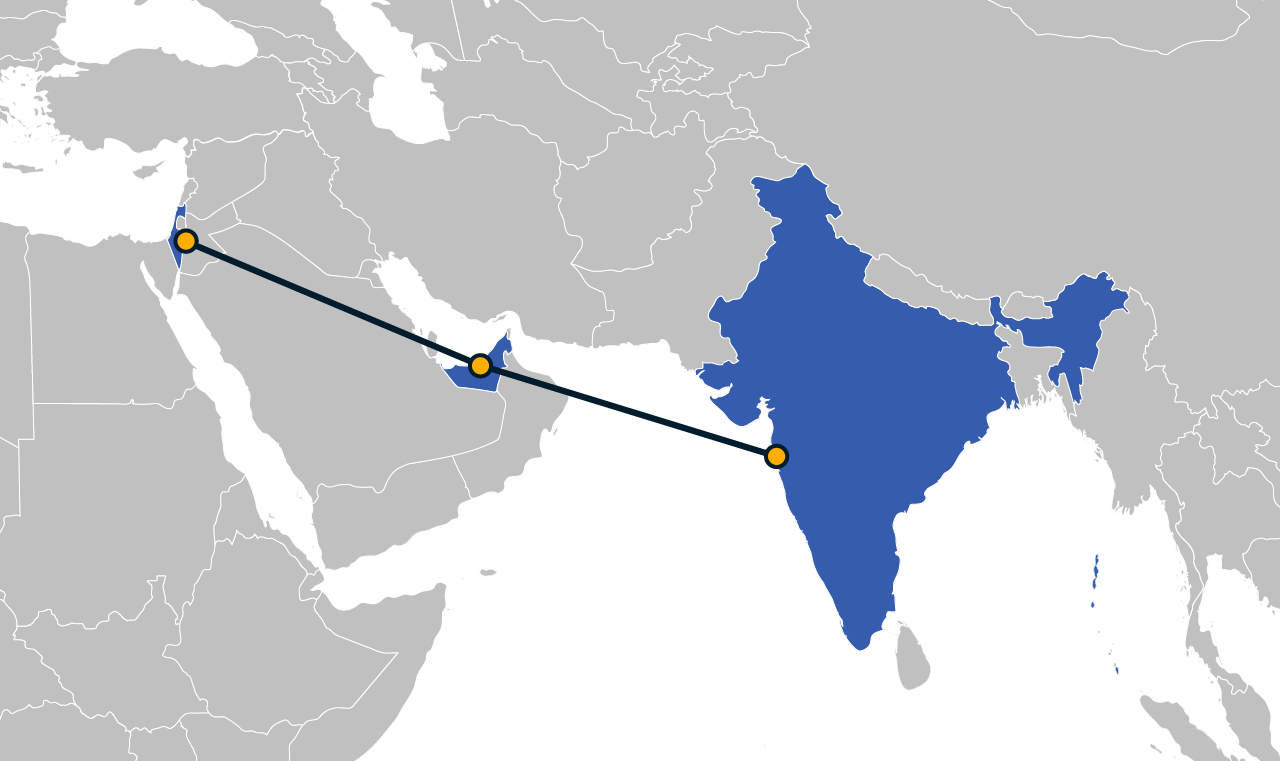
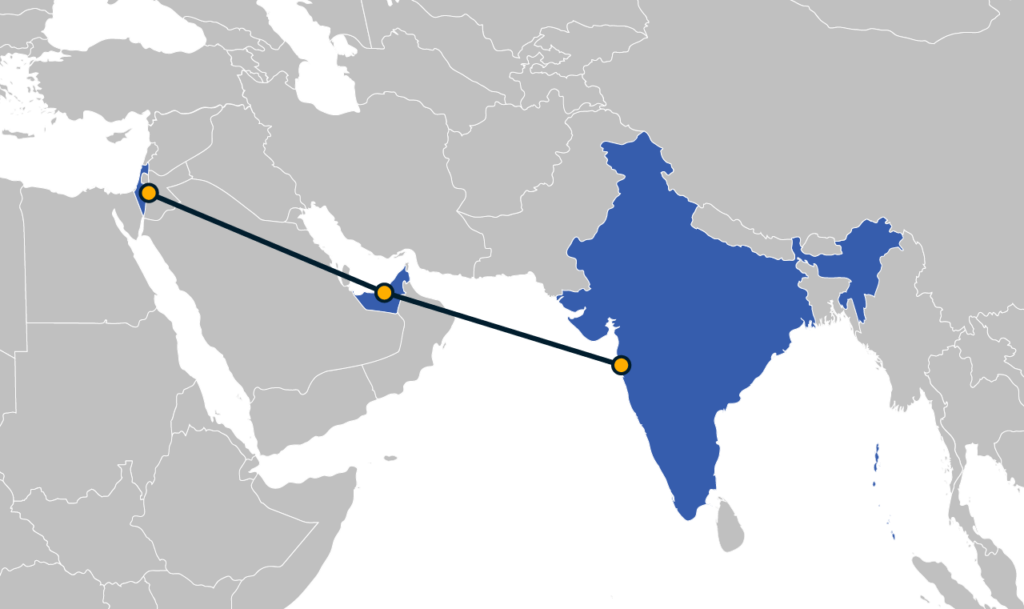
By Nantoo Banerjee It is good to note that the proposed India-UAE food corridor has already roped in a third partner, Israel. The project is expected to eventually involve the United States as well. The US was a key initiator of the historic four-nation I2U2 virtual summit in July 2022 bringing together leaders of India, […]


Emirates has made a significant investment in its cargo capabilities by ordering five additional Boeing 777 freighters, marking a strategic move to enhance its air freight operations. This latest acquisition will expand the airline’s freighter fleet to 21 aircraft by the end of 2026, allowing it to meet growing global demand for air cargo services. The new freighters are expected to deliver improved efficiency and capacity, supporting Emirates’ commitment to providing reliable and high-quality logistics solutions.

The decision to enhance the fleet comes amid a surge in e-commerce and a rise in international trade, factors that have contributed to increased demand for air freight services. As global supply chains evolve, airlines are adapting to changing market dynamics, and Emirates is no exception. The Boeing 777 freighter, known for its operational efficiency and cargo capacity, is a popular choice among airlines looking to optimize their cargo operations.

Emirates SkyCargo, the cargo division of Emirates, has been at the forefront of this growth, leveraging its extensive network to facilitate the transport of goods worldwide. The division has invested in modernizing its fleet and expanding its facilities to accommodate the needs of its customers. By introducing additional freighters, Emirates aims to solidify its position as a leader in the air cargo market.

The order for the new 777 freighters is part of Emirates’ broader strategy to expand its cargo operations. The airline has been actively increasing its capacity to handle a diverse range of goods, from perishables to pharmaceuticals. The 777 freighter can carry up to 102 metric tons of cargo, making it well-suited for transporting high-volume shipments.

Market analysts have highlighted the importance of air cargo in the global supply chain, particularly in the wake of disruptions caused by the pandemic. The resilience of the air freight sector has become evident as businesses increasingly rely on fast and efficient transportation of goods. Emirates’ investment reflects its confidence in the recovery and growth of the global economy, as well as its commitment to meeting the demands of its customers.

Emirates’ freighter fleet expansion aligns with industry trends that show a robust recovery in air cargo volumes. According to the International Air Transport Association (IATA), air cargo demand remains strong, driven by the ongoing e-commerce boom and a shift in consumer behavior. The IATA has reported that air freight is not only resilient but also a crucial enabler of trade, providing businesses with the ability to reach global markets swiftly.

The new freighters will support Emirates SkyCargo’s operations across its extensive network, which spans six continents. The airline currently operates in over 130 destinations, offering a range of logistics services tailored to the needs of different industries. Emirates SkyCargo has established itself as a trusted partner for businesses seeking reliable air freight solutions.

In addition to expanding its fleet, Emirates has also invested in infrastructure improvements at its hub in Dubai. The Dubai International Airport has undergone significant upgrades to enhance its cargo handling capabilities. These enhancements include state-of-the-art facilities for temperature-sensitive goods and specialized handling processes for fragile and high-value items. Such investments are essential for maintaining the airline’s reputation for quality and reliability.

Industry experts predict that the demand for air cargo will continue to rise in the coming years, driven by factors such as globalization, increasing consumer expectations, and the need for rapid delivery. This positive outlook has prompted airlines to invest heavily in their freighter fleets and logistics capabilities.

Emirates’ commitment to sustainability is also reflected in its fleet expansion strategy. The airline has been actively pursuing initiatives to reduce its carbon footprint and improve operational efficiency. The new Boeing 777 freighters are designed with advanced technology that enhances fuel efficiency, contributing to Emirates’ goals of sustainable aviation.

As Emirates prepares to welcome the new freighters into its fleet, it remains focused on providing exceptional service to its customers. The airline’s dedication to innovation and quality service has garnered it a loyal customer base, further strengthening its position in the competitive air cargo market.

Dubai’s real estate sector is poised for a significant expansion, projected to deliver approximately 90,000 new homes within the next two years. This surge, driven by a blend of robust demand, favorable government policies, and infrastructural advancements, marks a pivotal moment in the emirate’s housing market, indicating a strong recovery from the downturn experienced during the pandemic.

The influx of new housing is expected to address the growing population’s needs and meet the demand from expatriates and investors seeking to establish residence in the emirate. Recent reports from various real estate consultancies highlight that Dubai’s property market has shown resilience, with residential sales and rental prices steadily increasing. This trend has been underpinned by factors such as Dubai’s strategic location, world-class amenities, and a business-friendly environment that continues to attract global investments.

Leading real estate developers have ramped up their construction efforts, with several large-scale projects underway across various districts. Notable developers such as Emaar Properties, DAMAC Properties, and Nakheel are among the key players contributing to this ambitious housing agenda. Emaar, for instance, is actively advancing its Dubai Hills Estate and Downtown Dubai projects, which are anticipated to add thousands of units to the market.

Analysts emphasize that this upcoming supply will not only enhance housing availability but also introduce a diverse range of options, from affordable units to luxury villas. The diversification in housing stock is crucial for catering to the varied needs of potential buyers and renters. Moreover, government incentives aimed at boosting homeownership, including long-term residency visas for property investors, have further stimulated market interest.

Data from the Dubai Land Department indicates a remarkable growth trajectory in property transactions. The value of real estate transactions in Dubai reached AED 69 billion (approximately USD 18.8 billion) in the first half of 2024, reflecting a 23% increase compared to the same period in 2023. This vibrant market dynamic is expected to sustain momentum as the emirate continues to position itself as a global business hub.

Emerging trends in the housing market reveal a growing preference for sustainable and smart living solutions. Developers are increasingly incorporating green technologies and sustainable practices in their projects, appealing to environmentally-conscious buyers. This shift is aligned with Dubai’s broader vision to become one of the world’s most sustainable cities, as outlined in its Dubai 2040 Urban Master Plan.

In addition to sustainability, there is a heightened focus on community living, with many new developments emphasizing integrated communities that provide residents with a blend of lifestyle, leisure, and connectivity. The trend reflects a growing recognition of the importance of communal spaces and amenities in enhancing the overall quality of life for residents.

Infrastructure developments also play a pivotal role in bolstering Dubai’s real estate sector. The ongoing expansion of public transportation, including the Metro and road networks, is facilitating easier access to various neighborhoods, thereby enhancing their attractiveness. The upcoming Expo 2025 and the anticipated hosting of major events will further augment the demand for housing, as international visitors flock to experience what Dubai has to offer.

Challenges remain, however, as the market navigates through fluctuations in global economic conditions and interest rates. Rising construction costs and supply chain disruptions pose potential hurdles that could impact project timelines and profitability. Developers are urged to adopt innovative construction methodologies and materials to mitigate these challenges and maintain project viability.

Investors are also keeping a close watch on regulatory developments that could affect market dynamics. The Dubai government’s commitment to transparency and investor protection has fostered a favorable climate for investment. New regulations aimed at enhancing the ease of doing business and ensuring the stability of the property market are likely to maintain investor confidence and encourage further capital inflows.

Advertisements

Meets with Cita Tenun Indonesia (CTI), one of Indonesia’s most renowned fashion organizations Engages in a discussion on design aesthetics and the progress of EmpowerHer initiatives. TAIPEI, TAIWAN- Media OutReach Newswire – 21 October 2024 – International fashion icon Tia Lee (李毓芬) recently visited Jakarta. The primary purpose of her visit was for a cover shoot with Harper’s Bazaar Indonesia, but she also had another significant objective […]

Dubizzle Group, the leading online classifieds platform in the Middle East, is preparing for a landmark initial public offering (IPO) expected in 2025. The company’s efforts to restructure and position itself for this significant milestone reflect its commitment to consolidating its market presence and scaling its operations across the MENA region. This move comes after a series of successful funding rounds and acquisitions, further enhancing its valuation […]

Growing economic ties between Russia and the United Arab Emirates (UAE) are underscored by a notable increase in trade, which has reportedly tripled over the last three years, according to President Vladimir Putin. This significant surge in bilateral commerce reflects a strengthening partnership that encompasses various sectors, including energy, agriculture, and technology. Both nations have shown a commitment to further expanding these economic relations, particularly in the […]

SINGAPORE – Media OutReach Newswire – 21 October 2024 – Food Japan 2024, ASEAN’s premier exhibition for Japanese food and beverage (F&B) products, technology, and services, returns for its 12th edition, running from 24 to 26 October at the Suntec Singapore Convention & Exhibition Centre, Hall 403. With 194 exhibitors from 37 prefectures, including special pavilions such as Tokyo, Himeji City, Onojo City, Sake and Spirits, Sake […]

HONG KONG SAR – Media OutReach Newswire – 21 October 2024 – Southco Asia Ltd., a subsidiary of Southco Inc., a leading global provider of engineered access solutions such as locks, latches, captive fasteners, electronic access solutions, and hinges/positioning technology, has launched the E3 Compact MIM compression latch, bringing new ergonomic and safety features to the durable family of compression latches in a low-profile package. E3 Compact […]

Global warming is reshaping ecosystems, with one of the more pressing concerns being its profound impact on aquatic environments. As water temperatures rise, fish diseases are proliferating at alarming rates, placing aquaculture and wild fish populations at greater risk. This issue, compounded by factors such as salinity and ocean acidification, has captured the attention of researchers worldwide, urging the need for strategic action in fisheries management. Researchers […]

Lulu Group International, one of the Middle East’s largest retail conglomerates, is planning to sell a 25% stake in its retail and sourcing divisions, raising approximately $1.7 billion to $1.8 billion. This move is a precursor to its highly anticipated initial public offering (IPO), expected on the Abu Dhabi Securities Exchange (ADX). The company, led by Chairman and Managing Director Yusuff Ali M.A., is seeking a valuation in the range of $6.5 billion to $7 billion, according to sources with direct knowledge of the matter.

The decision to proceed with an IPO is expected to be announced within the week, marking a significant milestone for the company, which operates more than 250 hypermarkets across the Middle East, Africa, and Asia. Lulu Group’s IPO plans come amid a wave of interest in the Gulf’s capital markets, bolstered by investor confidence and economic diversification efforts across the region.

Lulu’s expansion into the public market is seen as part of a broader strategy to tap into new growth opportunities and enhance its market presence. The company’s financial performance has remained solid over the years, with continued revenue growth fueled by its expansion in key markets such as Egypt, India, and Malaysia. In addition to its retail operations, Lulu Group has invested heavily in logistics and infrastructure to support its growing global footprint.

The timing of the IPO coincides with heightened market activity on the ADX, where several major IPOs have been launched recently. Analysts view Lulu Group’s entry into the public market as a significant event, one that could set a precedent for other large family-owned businesses in the region to follow suit. The dual listing of the company on both the ADX and Saudi Arabia’s Tadawul is also under consideration, according to reports, which could further amplify investor interest.

Octa, a global financial broker, sponsored an on-sight coding bootcamp called STATUS 200 in Kuala Lumpur, Malaysia. Having joined forces with Ideas International, Octa provided a group of young Malaysian men and women with a unique opportunity to level up their coding skills and make a significant leap towards future careers in a sought-after field. KUALA LUMPUR, MALAYSIA – Media OutReach Newswire – 1 October 2024 – […]

European Central Bank (ECB) economists have voiced their concerns regarding Bitcoin’s growing role in financial markets. They warn that the cryptocurrency’s rising value could potentially exacerbate wealth inequality, especially by benefiting early adopters and investors, thus concentrating wealth in fewer hands. Originally envisioned as a decentralized, global payment system, Bitcoin’s limited use in everyday transactions has raised questions about its broader societal impact, particularly as its speculative appeal overtakes its utility.

Bitcoin’s trajectory, especially in the post-pandemic economic landscape, has been closely monitored by institutions like the ECB. Analysts argue that its rapid appreciation has led to a divergence from its intended function, with its primary use now largely centered around investment rather than payments. This shift has had profound implications for wealth distribution. A significant portion of Bitcoin’s wealth is concentrated among a small group of holders, typically those who invested early, while new investors often enter the market at inflated prices, exposing themselves to financial risks without proportionate rewards.

The cryptocurrency’s volatile nature further complicates its role in financial ecosystems. While some advocate Bitcoin as a hedge against inflation, critics, including those at the ECB, believe its unpredictability makes it more of a speculative asset than a reliable store of value. This speculation-driven environment attracts a particular segment of the population, typically wealthier, tech-savvy investors, while leaving lower-income groups on the sidelines, thus reinforcing economic divides.

The energy-intensive process of Bitcoin mining has drawn criticism for its environmental impact, with ECB experts highlighting the environmental cost as another factor contributing to its unsustainability as a mainstream currency. These issues have caused European regulators to explore measures that could curb Bitcoin’s influence, particularly as central banks globally weigh the potential for digital currencies issued and controlled by state authorities. A shift towards Central Bank Digital Currencies (CBDCs), which are being developed in several countries, could serve as an alternative to cryptocurrencies like Bitcoin, offering the benefits of digital payments without the associated risks of speculative bubbles and wealth inequality.

Ras Al Khaimah, the northernmost emirate in the UAE, is making a concerted effort to increase its population, particularly by attracting more residents and workers from both local and international markets. With its booming economy and strategic development initiatives, the emirate is positioning itself as a prime destination for living and working in the Gulf region. The ongoing initiatives, spearheaded by various government bodies and private sector […]

Dubai-based Emirates SkyCargo has announced a significant expansion of its cargo operations with a new order for additional Boeing 777F freighters. This move underscores the airline’s commitment to enhancing its global logistics capabilities and meeting the increasing demand for air freight services. The deal is expected to bolster Emirates SkyCargo’s position as a leading player in the global air cargo industry, which has witnessed remarkable growth amid […]

Fertiglobe, a joint venture between Adnoc and OCI, has positioned itself for a significant expansion in long-term ammonia contracts following Adnoc’s acquisition of a 25% stake from OCI. This move strengthens Fertiglobe’s ambitions in the global clean ammonia sector, particularly amid rising demand for low-carbon solutions. CEO Ahmed El Hoshy, while highlighting the company’s ongoing contract negotiations, affirmed that the deal would unlock more opportunities for sustained […]

Bahrain is contemplating a major infrastructure project, considering the development of a new terminal for Bahrain International Airport. This initiative aims to bolster the country’s position as a regional transportation hub, significantly increasing its capacity and efficiency. Transport Minister Mohammed bin Thamer Al Kaabi has emphasized that the new terminal would accommodate a growing number of passengers and airlines, improving the overall traveler experience. Currently, Bahrain International […]

Construction plans in Dubai are unveiling a striking new addition to the skyline: a skyscraper designed to be just one apartment wide, set to reach an impressive height of 380 meters. This innovative architectural marvel, dubbed “The One,” is part of a growing trend in urban development focused on maximizing space in densely populated cities. The project represents a shift towards vertical living, showcasing a blend of cutting-edge design and functional urban planning that aims to redefine modern living.

Developed by the UAE-based firm, HDA Architecture, “The One” is positioned in the bustling Business Bay district, an area known for its luxurious residential and commercial properties. The building’s unique design aims to maximize views of the iconic Dubai skyline and the Burj Khalifa, enhancing the living experience for its residents. The project is emblematic of the ongoing transformation within Dubai, where space constraints and rising population demands have prompted architects to explore innovative solutions.

Construction of “The One” is slated to commence in early 2025, with completion expected in 2028. The structure will comprise 80 floors, housing a total of 140 luxury apartments. Each unit will feature floor-to-ceiling windows, offering unobstructed views and allowing natural light to permeate the narrow living spaces. This design approach aims to create a sense of openness despite the building’s slender profile, making it attractive to potential buyers seeking both luxury and uniqueness.

The concept of ultra-slim skyscrapers is not entirely new, with similar projects emerging worldwide. However, “The One” stands out due to its unprecedented width-to-height ratio. The tallest of such buildings, “The One,” sets a new benchmark for urban architecture. The development also includes various amenities, such as a sky garden, fitness center, and swimming pool, all designed to cater to the high-end lifestyle of its residents.

Dubai’s real estate market continues to flourish, driven by a combination of factors, including foreign investments, tourism, and the emirate’s status as a global business hub. The demand for unique living spaces has increased, particularly among high-net-worth individuals looking for exclusive properties that offer both luxury and distinctive features. “The One” is expected to attract significant interest from international buyers, further enhancing Dubai’s reputation as a destination for innovative and opulent living.

The construction of such a narrow skyscraper raises questions about the practicalities of living in a one-apartment-wide structure. Experts in architecture and urban design have pointed out that while the aesthetic appeal is undeniable, there are challenges related to logistics, fire safety, and structural integrity. The design and engineering teams behind “The One” are working diligently to address these concerns, ensuring that the building meets the highest safety and sustainability standards.

The development reflects broader trends in architecture, where the need for space efficiency is paramount. As urban centers become more congested, the focus shifts toward vertical living solutions that utilize limited land effectively. Innovations in materials and construction techniques have paved the way for skyscrapers that were previously deemed impractical. “The One” embodies this ethos, pushing the boundaries of what is possible in high-rise construction.

As the project moves forward, it will undergo rigorous evaluations and approvals from local authorities. Dubai’s Urban Planning Department and the Dubai Municipality will ensure that the design adheres to safety regulations and urban planning guidelines. These assessments are critical to the success of such an ambitious project, and stakeholders are optimistic about the outcomes.

The architectural vision for “The One” includes not only residential spaces but also a commitment to sustainability. Developers are incorporating eco-friendly technologies, such as energy-efficient systems and sustainable building materials, aiming to minimize the environmental footprint of the skyscraper. This aligns with Dubai’s broader goals to enhance sustainability and resilience within the built environment, as outlined in its urban development strategy.

Dubai’s reputation as a hub for innovative architecture and luxury living continues to solidify with projects like “The One.” The city’s skyline is rapidly evolving, characterized by futuristic designs that draw global attention. The upcoming construction of this narrow skyscraper not only showcases cutting-edge architecture but also reflects the emirate’s ambition to be at the forefront of urban innovation.

Saudi Arabia’s next major development, dubbed the “New Murabba,” is set to transform Riyadh’s skyline with the addition of a futuristic cube-shaped structure, slated to be one of the largest in the world. As the centerpiece of this $50 billion mega-development, the “Mukaab” will tower over 400 meters, making it taller than the Empire State Building. The cube is set to house various attractions, including residential spaces, hotels, cultural landmarks, and retail experiences, all within a digitally enhanced interior.

The New Murabba project is part of Riyadh’s push to become a global metropolis under the ambitious Vision 2030 initiative. Spearheaded by Crown Prince Mohammed bin Salman, Vision 2030 aims to diversify Saudi Arabia’s economy away from oil dependency by developing sectors such as tourism, entertainment, and technology. As part of this transformation, the Mukaab will serve not just as an architectural wonder but as a symbol of Saudi Arabia’s rapid modernization and growing influence in the global arena.

The cube’s massive scale reflects the Kingdom’s broader focus on positioning Riyadh as the Middle East’s primary hub for business, culture, and tourism. The project is expected to play a central role in hosting international events, including Expo 2030 and potentially the FIFA World Cup in 2034. Riyadh’s population is projected to reach 9.2 million by 2030, spurring the need for new infrastructure developments, including an improved road network and the construction of a metro system.

However, the massive scope of this project has raised concerns regarding its financial feasibility. With an estimated cost of $7.8 billion for the Expo alone, the Saudi government is recalibrating its priorities to manage the growing expenses of multiple giga-projects. Some developments, such as the $500 billion Neom city, have been delayed as Riyadh diverts resources toward completing critical infrastructure on time for these international events. The Public Investment Fund (PIF), which backs these mega-projects, has resorted to raising debt to meet its financial obligations. Nonetheless, the Mukaab remains a priority, given its symbolic and economic potential.

As the cube takes shape, it promises to offer more than just luxurious living spaces. Its immersive environment will incorporate augmented reality and digital technologies, creating a fully interactive experience for visitors and residents alike. This vision aligns with Riyadh’s goal of becoming a leading smart city, catering to both tourists and residents with cutting-edge technology and unique architectural designs. The Mukaab, in this sense, embodies the future Saudi Arabia envisions—a fusion of tradition and innovation, framed within a monumental structure that captures the imagination.

KUALA LUMPUR, MALAYSIA – Media OutReach Newswire – 17 October 2024 – BRICS represents a formidable economic bloc that significantly influences global trade and geopolitics. In January, the alliance of Brazil, Russia, India, China, and South Africa formally welcomed Egypt, Ethiopia, Iran, and the United Arab Emirates into its fold. Recent discussions have focused on expanding BRICS to include nations like Malaysia and Indonesia, presenting these countries […]

BANGKOK, THAILAND – Media OutReach Newswire – 18 October 2024 – The inaugural Asia-Pacific Heart Summit kicked-off today in Bangkok, bringing together over 100 delegates from across the region to confront the urgent need for greater public and policy awareness of cardiovascular disease (CVD), the leading cause of death in the Asia-Pacific. Co-hosted by the Thailand Ministry of Public Health-Department of Medical Services (MOPH-DMS), the National Health […]

VISHNU RAJA
RYO YAMADA
HITORI GOTOH
IKUYO KITA