News related to
global

Bahrain has unveiled a new tax regulation requiring large multinational corporations to pay a minimum tax rate of 15%, effective from January 2025. This policy marks a significant shift in the Gulf nation’s economic strategy, aiming to align with global tax standards and diversify its revenue streams.

The decision comes in response to the ongoing international movement towards a unified global tax system. Bahrain’s move aligns with the Organisation for Economic Co-operation and Development (OECD) framework, which seeks to curb tax avoidance by imposing a minimum tax rate on large corporations worldwide. By adopting this policy, Bahrain joins a growing list of countries implementing measures to ensure fairer taxation practices and reduce the competitive advantage of low-tax jurisdictions.

Bahrain’s Finance Minister, Sheikh Salman bin Khalifa Al Khalifa, announced the tax reform, emphasizing that the new rate would enhance the nation’s economic stability and transparency. The reform targets multinational companies with annual revenues exceeding a specified threshold, focusing on sectors such as finance, technology, and manufacturing.

The introduction of this tax rate represents a notable departure from Bahrain’s previously favorable tax environment, which has been a significant attraction for foreign investments. The country’s economic diversification strategy, spearheaded by its Economic Vision 2030, aims to reduce reliance on oil revenues and bolster other sectors of the economy. This new tax policy is expected to generate substantial revenue, which will be reinvested into public services and infrastructure projects.

International businesses operating in Bahrain will need to adapt to the new tax regime by recalibrating their financial strategies and compliance practices. The tax rate is set to apply to both local and foreign entities meeting the revenue criteria, potentially affecting a broad spectrum of industries. Corporate leaders and financial analysts anticipate that this shift could influence Bahrain’s attractiveness as a business hub, though the government has reassured that it remains committed to maintaining a competitive business environment.

Economic experts suggest that Bahrain’s tax policy aligns with global efforts to tackle tax avoidance and ensure that multinational companies contribute a fair share of taxes. The OECD’s initiative, supported by over 130 countries, aims to create a level playing field in international taxation. Bahrain’s decision to implement this policy reflects its commitment to international tax norms and its desire to improve fiscal integrity.

The impact of this new tax policy will be closely monitored by businesses and economic analysts. While it may lead to adjustments in Bahrain’s business landscape, it also signals the country’s proactive approach in adapting to global economic trends. Companies with operations in Bahrain will need to prepare for the changes by updating their financial planning and tax compliance measures in the lead-up to 2025.

As Bahrain moves forward with this tax reform, it underscores a broader global shift towards more equitable tax systems. The nation’s commitment to implementing the 15% minimum tax rate highlights its strategic efforts to align with international standards and foster a more transparent and sustainable economic environment.
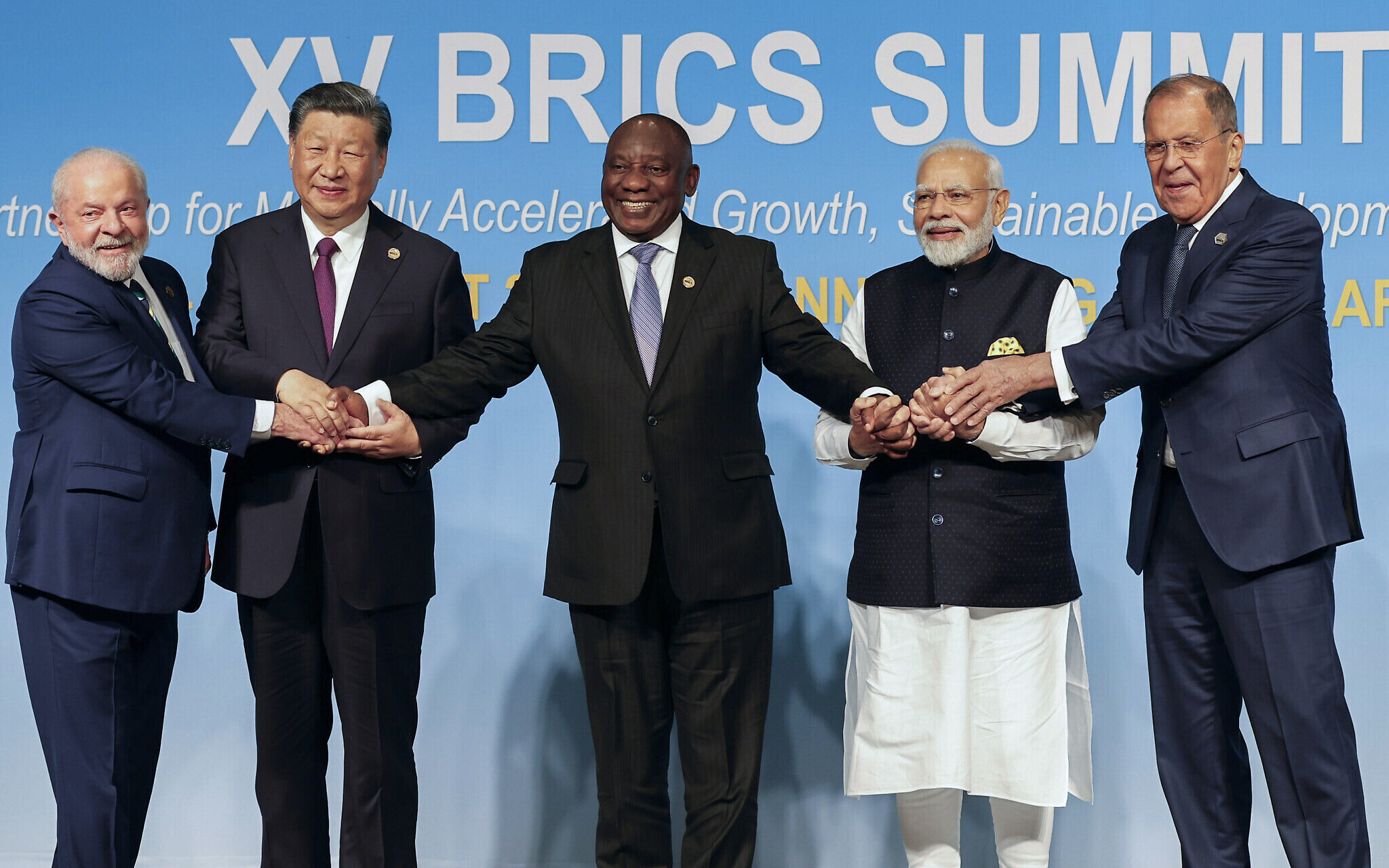
The United Arab Emirates (UAE) is expanding its global influence by deepening its relationship with the BRICS group, comprised of Brazil, Russia, India, China, and South Africa. This initiative underscores the UAE’s strategic efforts to bolster its economic competitiveness and tap into new growth avenues through international collaboration. The partnership with BRICS is poised to strengthen economic ties and foster mutual prosperity on a global scale.

The UAE’s involvement with BRICS is part of a broader strategy to diversify its economic base and enhance its role in global trade and investment. By aligning with BRICS, the UAE seeks to leverage the collective economic power of these emerging markets, which represent a significant portion of global economic activity. This partnership is expected to open new avenues for trade, investment, and technology exchange.

The UAE’s engagement with BRICS reflects its ongoing commitment to building robust partnerships that drive economic growth and sustainability. The country has consistently pursued international collaborations to enhance its economic resilience and competitiveness. This latest move with BRICS represents a continuation of this strategic approach, aimed at positioning the UAE as a key player in the evolving global economic landscape.

The BRICS group itself is undergoing significant transformations, with its members focusing on deepening economic cooperation and expanding their influence in global affairs. For the UAE, this partnership offers an opportunity to access new markets and investment opportunities, particularly in sectors such as technology, energy, and infrastructure. The collaboration is anticipated to yield benefits not only for the UAE but also for the BRICS countries, fostering a more integrated and dynamic global economy.

The UAE’s alignment with BRICS also highlights its role in advocating for a multipolar world order, where diverse economic centers contribute to global development. This approach is consistent with the UAE’s vision of being a bridge between different regions and fostering international cooperation. By working closely with BRICS, the UAE aims to contribute to a more balanced and equitable global economic system.

The partnership is set to explore joint initiatives that could include collaborative projects in technology innovation, sustainable development, and infrastructure development. These areas are crucial for driving long-term economic growth and addressing global challenges such as climate change and resource management. The UAE’s proactive stance in these domains aligns with its broader goals of advancing global sustainability and technological advancement.

In addition to economic benefits, the UAE’s partnership with BRICS could enhance cultural and educational exchanges. Such interactions are expected to foster mutual understanding and strengthen ties between the UAE and the BRICS nations. This aspect of the partnership underscores the UAE’s commitment to building comprehensive and multifaceted relationships on the global stage.

The UAE’s strategic partnership with BRICS represents a significant step in its quest to enhance global development and prosperity. This move aligns with its longstanding approach of forging international partnerships to drive economic growth and explore new opportunities. As the UAE continues to build on its relationships with key global players, the collaboration with BRICS is poised to play a pivotal role in shaping the future of international economic relations.

Emirates has significantly broadened its global network by forging partnerships that connect travellers to approximately 1,700 cities worldwide. This expansion is achieved through an extensive array of codeshare, interline, and combined rail and helicopter services.

The Dubai-based airline now offers 31 codeshare agreements, which allow passengers to seamlessly transfer between Emirates flights and those of partner airlines. These agreements enhance connectivity across continents and streamline travel experiences. Additionally, Emirates has established 118 interline agreements. These arrangements enable the integration of different airlines’ services, facilitating smoother connections and more efficient travel itineraries.

Furthermore, Emirates has introduced 13 rail and helicopter services, further enhancing its network. These services bridge the gap between airports and key urban or remote destinations, offering a comprehensive travel solution that integrates multiple modes of transportation.

This expansion reflects Emirates’ commitment to providing a seamless travel experience, leveraging its partnerships to offer unparalleled global connectivity. The airline’s strategic alliances not only extend its reach but also contribute to a more flexible and integrated travel ecosystem. This initiative aligns with the growing demand for comprehensive travel solutions that accommodate diverse and evolving passenger needs.

The global transport network now includes numerous key destinations across more than 100 countries, facilitated by these strategic partnerships. Emirates’ approach exemplifies a modern trend in the aviation industry where airlines enhance their service offerings through collaborative agreements, optimizing passenger convenience and accessibility.

As the travel landscape continues to evolve, Emirates’ extensive network of partnerships underscores the importance of connectivity and collaboration in meeting the needs of a global audience. By integrating a wide range of transport services, Emirates is positioned to offer an exceptional level of convenience and choice for international travellers.

Dubai Fashion Week (DFW) has officially commenced its Spring/Summer 2025 edition, marking a significant event on the global fashion calendar. This year’s edition, running from September 2nd, promises to showcase a blend of regional talent and international fashion giants, reinforcing Dubai’s status as a burgeoning fashion capital.

The event, co-founded by Dubai Design District (d3) and the Arab Fashion Council, will unfold over a week, featuring a series of runway shows, exhibitions, and exclusive launches. Designers from across the globe are set to present their latest collections, reflecting the diversity and creativity that the event has become known for. Highlights include collections from both established names and emerging designers, with a focus on sustainable fashion, innovative materials, and contemporary designs.

This edition of Dubai Fashion Week continues to build on the city’s growing influence in the fashion industry. Dubai’s strategic location and its role as a cultural and commercial hub have attracted a wide array of international brands and designers, eager to tap into the Middle Eastern market and beyond. The event is expected to draw fashion enthusiasts, buyers, and media from around the world, further elevating its global profile.

The week-long event will also include a series of panel discussions and workshops, addressing key trends and challenges in the fashion industry. Topics such as sustainability, digital innovation in fashion, and the role of technology in design will be central to these discussions, offering valuable insights to industry professionals and attendees.

As Dubai continues to position itself as a leader in the global fashion scene, Dubai Fashion Week serves as a critical platform for showcasing talent and fostering international collaboration. The Spring/Summer 2025 edition is set to leave a lasting impact on the industry, with many eagerly anticipating the innovative designs and trends that will emerge from this year’s event.

KUALA LUMPUR, MALAYSIA – Media OutReach Newswire – 2 September 2024 – The influence of presidential elections on financial markets is often temporary. Still, the psychological effect of elections on traders and investors can cause emotional and illogical behaviour, contributing to increased market swings. Apart from the White House, the Senate is also up for grabs this fall, and the balance of power inside the legislative branch […]

ACWA Power has successfully secured $2.6 billion in financing to advance three major solar projects in Saudi Arabia, underscoring the Kingdom’s commitment to expanding its renewable energy portfolio. The projects, expected to significantly boost the country’s solar power capacity, align with Saudi Arabia’s Vision 2030 initiative, which aims to reduce reliance on fossil fuels and increase the share of renewable energy in its energy mix. The deal, […]

Saudi Arabia and Ethiopia have launched a new business council to deepen economic cooperation and boost trade between the two nations. The Federation of Saudi Chambers made the announcement following the approval by the General Authority for Foreign Trade, underscoring the growing importance of bilateral ties between Riyadh and Addis Ababa. The newly established Saudi-Ethiopian Business Council is set to operate for the 2024-2028 term and will […]

Advertisements

Abu Dhabi’s Mohamed bin Zayed University of Artificial Intelligence (MBZUAI) has inaugurated its largest-ever cohort, welcoming over 200 graduate students from around the world. This milestone marks a significant expansion of the university’s role in shaping the future of artificial intelligence.

The new class comprises a diverse group of scholars from more than 50 countries, reflecting MBZUAI’s commitment to global collaboration and innovation in AI. This substantial increase in student enrollment underscores the university’s growing influence in the field and its pivotal role in advancing AI research and applications.

MBZUAI, established as a leading institution for AI education and research, offers specialized programs in machine learning, computer vision, and natural language processing. The influx of students aligns with the university’s vision to foster international talent and address complex challenges in artificial intelligence.

The university’s rigorous selection process ensures that students possess exceptional academic backgrounds and research potential. The new cohort will engage in cutting-edge projects and collaborate with industry leaders to drive technological advancements. This growth in student numbers is expected to further enhance MBZUAI’s reputation as a premier hub for AI research and innovation.

The expansion comes at a time when artificial intelligence is becoming increasingly central to technological advancements and industry developments globally. By attracting a large, diverse student body, MBZUAI aims to contribute significantly to the global AI landscape, addressing key issues and pushing the boundaries of technology.

This development highlights Abu Dhabi’s strategic focus on becoming a global leader in technology and innovation. The UAE has been investing heavily in AI and related technologies, recognizing their potential to transform various sectors including healthcare, finance, and transportation.

As MBZUAI continues to grow, it will play a crucial role in shaping the future of AI through its academic programs and research initiatives. The university’s efforts are anticipated to have a lasting impact on the field, contributing to the development of new technologies and methodologies.

With this record-setting cohort, MBZUAI reaffirms its position as a critical player in the global AI ecosystem, offering students unparalleled opportunities to advance their knowledge and make significant contributions to the field.

Saudi Arabia’s pharmaceutical and medical device manufacturing sectors have witnessed a significant surge, with the total number of factories reaching 206 and investments exceeding SR10 billion ($2.6 billion). This rapid growth underscores the Kingdom’s commitment to expanding its healthcare infrastructure and supporting domestic production.

The Ministry of Industry and Mineral Resources revealed that out of the 206 factories, 56 are dedicated to pharmaceutical production. These pharmaceutical factories, licensed by the Saudi Food and Drug Authority (SFDA), represent investments of over SR7 billion. This expansion aligns with the Kingdom’s Vision 2030, which aims to reduce dependency on imports by bolstering local manufacturing capabilities.

The remaining 150 factories focus on the production of medical devices and equipment. These facilities have been instrumental in meeting the country’s growing healthcare needs, especially as global supply chains faced disruptions over the past few years. The investments in medical devices alone account for SR3 billion, reflecting the strategic importance of this sector in Saudi Arabia’s broader industrial diversification efforts.

A key factor driving this growth is the government’s active support for the private sector through favorable policies and incentives. These include tax exemptions, financial grants, and streamlined licensing processes. The Kingdom has also invested in infrastructure development, creating industrial zones dedicated to pharmaceutical and medical device manufacturing, which provide companies with the necessary resources to scale their operations efficiently.

The rise in local manufacturing is also attributed to the increasing demand for healthcare services in Saudi Arabia, fueled by a growing population and the government’s focus on improving public health. The healthcare sector is one of the fastest-growing segments in the Kingdom, with the government allocating substantial funds in its budget to enhance healthcare facilities, promote research and development, and attract foreign investment.

In addition to meeting domestic demand, Saudi Arabia is positioning itself as a regional hub for pharmaceutical and medical device production. The Kingdom’s strategic location and well-developed logistics network make it an ideal base for exporting products to neighboring countries and beyond. This has attracted interest from international pharmaceutical giants looking to establish a presence in the Middle East.

The local pharmaceutical industry has also benefited from partnerships with global companies, which bring in advanced technologies and expertise. These collaborations have led to the development of new products and the transfer of knowledge, further strengthening the capabilities of Saudi manufacturers. The SFDA has played a crucial role in this regard, ensuring that locally produced pharmaceuticals and medical devices meet international standards, thus enhancing their competitiveness in the global market.

Moreover, the Saudi government has launched several initiatives to support innovation and research in the pharmaceutical and medical device sectors. These include funding programs for startups and small and medium-sized enterprises (SMEs), as well as partnerships with academic institutions to foster research and development. These efforts are aimed at creating a sustainable ecosystem that encourages continuous innovation and contributes to the long-term growth of the industry.

The ongoing expansion in the pharmaceutical and medical device manufacturing sectors is expected to continue, with the government outlining ambitious plans for the coming years. These plans include increasing the number of factories, boosting production capacity, and enhancing the quality of locally produced products. The government’s emphasis on developing these sectors is seen as a crucial step towards achieving self-sufficiency in healthcare and reducing the reliance on imports, thereby ensuring the country’s resilience in the face of global challenges.

Saudi Arabia’s strides in the pharmaceutical and medical device industries reflect its broader economic transformation under Vision 2030. By fostering local manufacturing, the Kingdom is not only enhancing its healthcare capabilities but also contributing to the diversification of its economy, creating jobs, and positioning itself as a key player in the global healthcare market.

SHENZHEN, CHINA – Media OutReach Newswire – 28 August 2024 – Arrow Electronics is collaborating with onsemi to showcase Autonomous Mobile Robot (AMR) platform at PCIM Asia, a leading exhibition in power electronics in the fields of intelligent motion, renewable energy and energy management, scheduled in Shenzhen, China from 28th to 30th August 2024. Arrow Electronics and onsemi to Showcase Autonomous Mobile Robot Platform for Smart Manufacturing […]

HONG KONG SAR – Media OutReach Newswire – 28 August 2024 – Championing health, equality, and inclusion, Bupa Hong Kong is proud to announce its role as the Official Healthcare Partner for the China Hong Kong Paralympic Committee, supporting Hong Kong’s Para athletes in their journey to Paris 2024 Paralympic Games. Bupa Hong Kong champions inclusivity as Official Healthcare Partner for the China Hong Kong Paralympic Committee […]

A positive outlook for the US steel industry has emerged, with experts anticipating a significant rebound in demand by 2025. After struggling with lackluster demand and low prices, steel manufacturers are optimistic that the economic revival will drive a surge in demand for the industrial material, supported by infrastructure projects and technological advancements. Steel executives and industry analysts have noted that the industry has faced considerable challenges […]

HONG KONG SAR – Media OutReach Newswire – 29 August 2024 – To promote coffee culture, CONCEPT AVENUE will hold the inaugural COFFEETURE Event from August 28 to September 1 on the 16th floor of Sogo, Causeway Bay, lasting for five days. The event combines three major concepts: Collab-Coffee-Culture, inviting various coffee bean merchants and coffee equipment suppliers from Hong Kong to showcase their latest products. There […]

A remarkable surge in smartphone sales has propelled London-based technology firm Nothing to the forefront of the global market, according to Canalys research. With an impressive 246% year-over-year growth during the first half of 2024, Nothing has positioned itself as the fastest-growing smartphone vendor across multiple key markets, including Saudi Arabia, the United Kingdom, Japan, India, Spain, and Italy.

The company’s expansion strategy has been bolstered by the launch of several new products. Nothing introduced the Phone (2a) and a Special Edition variant, alongside its flagship Phone (2), which debuted in July 2023. These offerings have been instrumental in driving the company’s significant market share increase, particularly in regions like the UAE, where the Phone (2) ranked third in its price category during Q2 2024.

Beyond smartphones, Nothing has also made notable strides in the True Wireless Stereo (TWS) segment. The company recorded an exceptional 313% growth in TWS sales during H1 2024 compared to the previous year. This momentum continued into Q2 2024, where Nothing became the fastest-growing TWS vendor in countries such as France, the USA, Spain, Italy, and the Netherlands.

This rapid growth reflects Nothing’s strategic focus on innovation and market expansion. The company’s ability to swiftly scale its operations and adapt to varying consumer demands across different regions has set a new benchmark in the competitive tech landscape. As Nothing continues to expand its product lineup and geographical presence, the company’s upward trajectory is expected to persist in the coming months.

The Canalys report underscores Nothing’s growing influence in the global technology sector, with its market performance in H1 2024 signaling a significant shift in the competitive dynamics of the smartphone and TWS markets.

TAIPEI, TAIWAN – Media OutReach Newswire – 29 August 2024 – The Asian Sports and Leisure Online Exhibition 2024 (ASLE 2024) is a hybrid event that integrates virtual and physical elements, targeting Asian suppliers, importers, and exporters. The exhibition will run from August 29, 2024, to January 31, 2025, offering an excellent opportunity for exhibitors to showcase their brands. This transnational trade event, jointly organized by AsianNet […]

HONG KONG SAR – Media OutReach Newswire – 31 August 2024 – Rapid Project Growth Since its launch, Live4Well has steadily accumulated real users by integrating AI and blockchain technology, uniting the sports health industry with community engagement. Leading the health industry trends in the Web3 era, Live4Well has grown into a global community with over 250,000 members, primarily young sports enthusiasts aged 18-25. The platform boasts […]

By leveraging each other’s strengths, both companies aim to break new ground and plant flags in destinations where they have yet to have a presence. BANGKOK, THAILAND – Media OutReach Newswire – 29 August 2024 – Dusit Hotels and Resorts, the hotel arm of Dusit International, one of Thailand’s leading hotel and property development companies, and Generator and Freehand Hotels, an award-winning developer and operator of experiential […]

Jebel Ali Port in Dubai has achieved its highest container throughput in a single month since 2015, marking a significant milestone for the UAE’s maritime industry. This surge comes amid a notable increase in non-oil foreign trade, driven by the nation’s strategic economic partnerships. The port’s container handling reached unprecedented levels, surpassing previous records and reflecting a robust growth trajectory in trade activities. This spike in volume […]

SINGAPORE – Media OutReach Newswire – 30 August 2024 – Vizzio Technologies Pte Ltd has been awarded a groundbreaking patent by the United States Patent and Trademark Office (USPTO), marking a significant milestone in the field of 3D city mapping. This world-first patent recognises Vizzio Technologies for its innovative integration of 2D satellite imagery and state-of-the-art AI technology to produce highly detailed and geometrically accurate 3D city […]

Dubai is elevating its tourism sector by integrating cutting-edge technologies and sustainable practices. The city is leveraging artificial intelligence (AI), virtual reality (VR), and eco-friendly initiatives to create immersive and environmentally conscious experiences for visitors.

AI-driven technologies are playing a pivotal role in personalizing tourist experiences. From chatbots providing instant assistance to predictive analytics enhancing travel recommendations, AI is transforming how visitors interact with the city. For instance, Dubai’s tourism apps now use AI to tailor suggestions based on user preferences and behavior, offering customized itineraries and real-time updates.

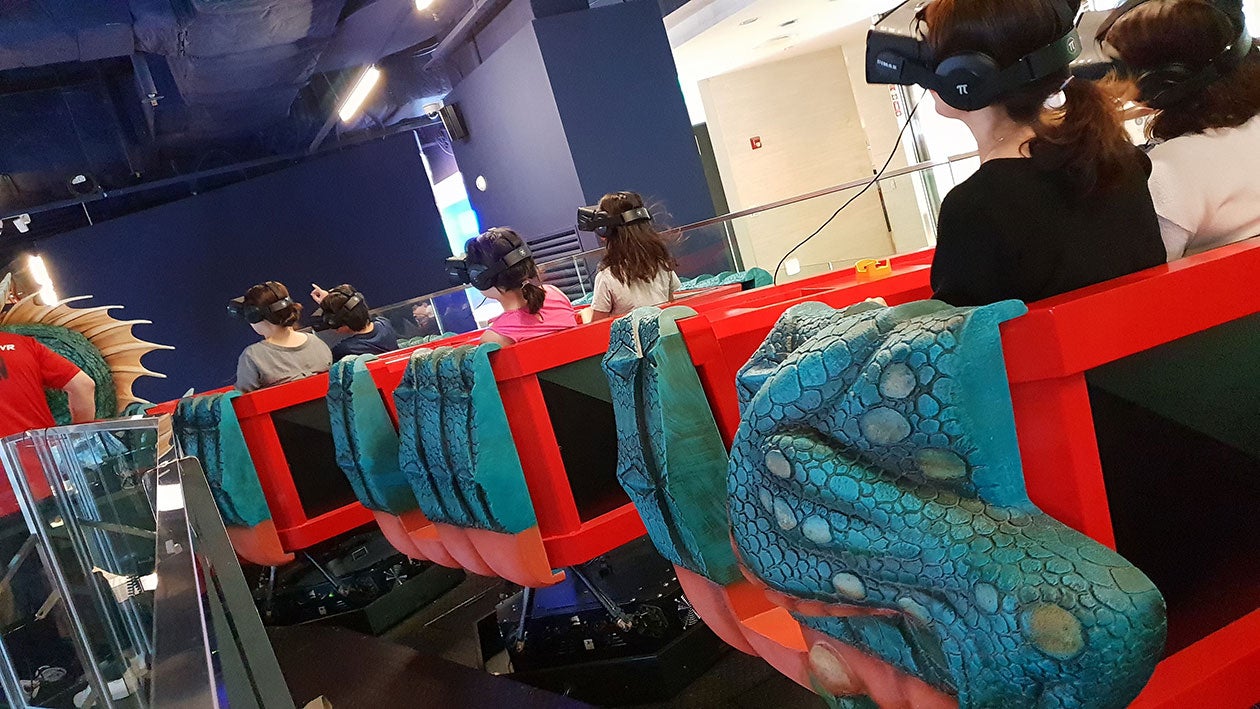
Virtual reality is also revolutionizing how Dubai showcases its attractions. The Dubai Tourism Board has launched VR experiences that allow potential tourists to explore landmarks and cultural sites before arrival. These immersive previews are designed to enhance engagement and interest, potentially increasing actual visitation rates. VR tours of iconic spots like the Burj Khalifa and Dubai Mall provide a glimpse into the grandeur and excitement of the city from anywhere in the world.

Sustainability is a core focus in Dubai’s strategy to improve tourism. The city is implementing green technologies and practices to minimize its environmental impact. Eco-friendly transport options, including electric buses and bike-sharing programs, are becoming more prevalent, offering tourists a greener way to explore the city. Additionally, sustainable building practices are being adopted in new developments, ensuring that tourism infrastructure aligns with environmental goals.

The integration of AI and VR technologies is not only about enhancing the visitor experience but also about streamlining operations for businesses in the tourism sector. AI is being used to optimize resource allocation and manage visitor flows more effectively, which can improve overall service quality and operational efficiency.

Dubai’s efforts in embracing these technologies reflect its ambition to remain a leading global destination while addressing contemporary challenges such as environmental sustainability. The city’s proactive approach in combining technological advancements with sustainable practices positions it as a model for other destinations aiming to enhance their tourism sectors.

As Dubai continues to innovate and adapt, it is expected that these technological and sustainable advancements will further solidify its reputation as a premier travel destination. The city’s ongoing commitment to integrating AI, VR, and green practices highlights its dedication to providing exceptional experiences for visitors while promoting environmental stewardship.

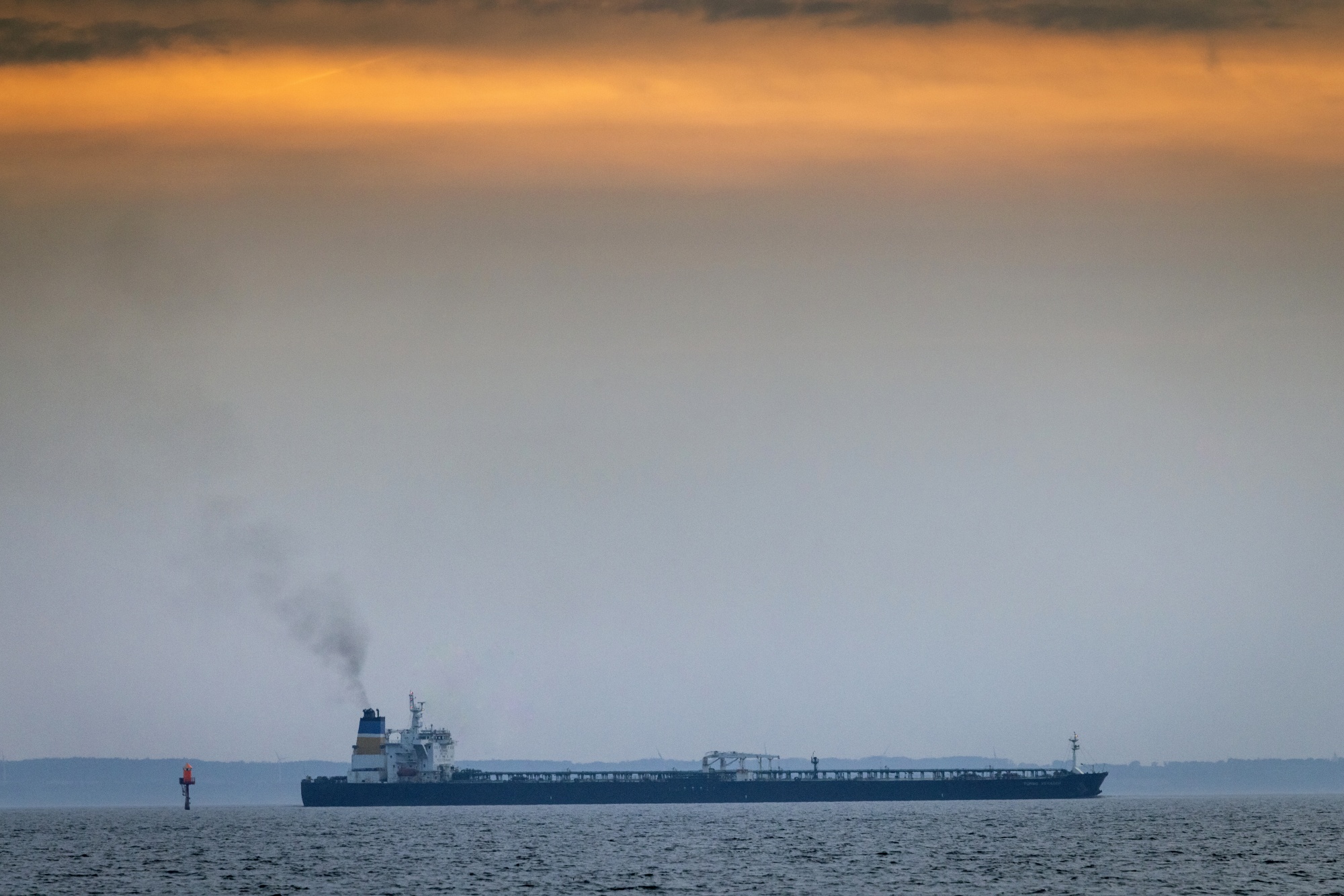
A clandestine figure identified as ‘Hector’ has emerged as a pivotal player in the Iranian oil trade, reshaping the global energy landscape. Operating under a veil of secrecy, Hector has orchestrated a complex web of transactions that challenges conventional oil market dynamics.

Hector’s influence extends across various regions, with reports indicating a sophisticated network facilitating the clandestine export of Iranian oil despite international sanctions. This network has reportedly employed innovative methods to bypass restrictions and maintain a steady flow of oil to markets that are otherwise difficult to penetrate.

A recent investigation unveiled that Hector’s operations involve an intricate system of shell companies and intermediaries. These entities, often based in jurisdictions with lax regulatory frameworks, obscure the true origin of the oil, allowing it to enter the global market without direct association with Iranian sources. This method not only aids in evading sanctions but also helps in maintaining competitive pricing, which has disrupted established market equilibrium.

The financial aspects of Hector’s operations are equally sophisticated. The trader has reportedly leveraged advanced financial instruments to launder money, further complicating efforts to track and curb illicit oil transactions. By utilizing cryptocurrency and other digital assets, Hector has managed to obscure financial trails, making it challenging for authorities to follow the money.

Hector’s network reportedly includes a range of actors from various sectors, including shipping companies, financial institutions, and political operatives. These collaborators play crucial roles in ensuring the smooth operation of the illicit trade, from logistics to financial transactions. The involvement of such a diverse group underscores the complexity of Hector’s operations and the breadth of his influence in the global oil market.

The implications of Hector’s activities extend beyond mere economic impacts. The ability to circumvent sanctions and manipulate market dynamics poses a significant challenge to international regulatory efforts. This situation underscores the need for more robust measures to address the evolving methods employed by entities engaged in illicit trade.

Energy analysts are closely monitoring the situation, noting that Hector’s operations could have far-reaching consequences for global oil markets. The disruption of traditional supply chains and the introduction of lower-priced oil from these illicit sources could lead to increased volatility in global oil prices. Moreover, the undermining of sanctions regimes could embolden other actors to pursue similar strategies, further complicating efforts to enforce international regulations.

In response to these developments, international bodies and national governments are ramping up their efforts to identify and dismantle such networks. Enhanced cooperation and intelligence-sharing among nations are seen as crucial steps in combating the sophisticated methods employed by traders like Hector. Additionally, there is a growing emphasis on improving financial transparency and regulatory oversight to close loopholes exploited by such actors.

As the global community grapples with these challenges, Hector’s case highlights the need for a multifaceted approach to addressing illicit trade in critical resources. The evolving tactics of secretive traders and the complexities of their operations demand a coordinated and innovative response from policymakers and enforcement agencies alike.

As Vietnam becomes a magnet for foreign investment, Vingroup is at the forefront of the country’s global ascent. Beyond the electric vehicle company VinFast, the conglomerate is making waves in real estate, tourism, and technology, with initiatives like VinFuture underscoring the company’s commitment to a better world. HANOI, VIETNAM – Media OutReach Newswire – 30 August 2024 – Vietnam’s economy is revving up, with foreign investment pouring […]

Highlights of the Interim Results for the Six Months Ended June 30, 2024: With the increasing demand for chips from AI technology-related industries, orders for AI chip orders from Comtech continued to rise, driving the Group’s revenue up by 11.9% year-on-year to RMB4,321.4 million. The Group recorded a gross profit of approximately RMB457.6 million and a net profit of approximately RMB169.1 million. Profit attributable to equity shareholders […]

The initial public offering (IPO) of NMDC Energy has captured significant investor interest, with subscriptions exceeding the offered shares within hours of its opening. The company, a subsidiary of NMDC Ltd., set its price range at ₹100 to ₹120 per share, aiming to raise approximately ₹5,000 crore through the offering.

The IPO’s rapid over-subscription underscores a robust market appetite for energy sector investments, particularly in companies poised for growth. NMDC Energy, which focuses on oil and gas exploration, has been positioned as a key player in the burgeoning sector due to its substantial reserves and strategic assets.

Investors have shown confidence in NMDC Energy’s potential for growth and profitability, driven by its diversified portfolio and strong balance sheet. The company’s recent operational improvements and strategic initiatives have further bolstered its appeal in the market. Analysts highlight that NMDC Energy’s focus on enhancing production capabilities and expanding its asset base positions it well for long-term success in the energy sector.

The strong investor response is indicative of broader trends in the capital markets, where energy sector IPOs are increasingly attracting attention. This is reflective of a growing trend where investors are seeking to capitalize on the sector’s recovery and expansion potential.

NMDC Energy’s entry into the public market comes at a time when energy stocks are experiencing heightened volatility due to global economic conditions and shifting energy policies. However, the company’s robust fundamentals and strategic vision have helped it stand out in a competitive landscape.

As the IPO continues to attract interest, market observers are closely monitoring the final subscription numbers and investor feedback. The successful launch of NMDC Energy’s IPO could potentially set a positive precedent for upcoming offerings in the sector, influencing future market dynamics and investor behavior.

VISHNU RAJA
RYO YAMADA
HITORI GOTOH
IKUYO KITA