News related to
global

Gulf Cooperation Council (GCC) companies are fortifying their strategies to address a range of economic challenges as investor confidence in the region soars to unprecedented levels. This optimism is driven by the GCC’s robust economic diversification efforts and increasing stability in key markets.

The GCC, consisting of Saudi Arabia, the United Arab Emirates, Qatar, Kuwait, Oman, and Bahrain, has been actively pursuing economic reforms aimed at reducing reliance on oil revenues and fostering sustainable growth. This shift is becoming evident as regional corporates enhance their focus on non-oil sectors, including technology, renewable energy, and healthcare.

Saudi Arabia, the largest economy in the GCC, continues to make significant strides under its Vision 2030 program. Recent developments include the expansion of its non-oil industries and increased foreign direct investment (FDI). The Saudi government is leveraging its fiscal policies to attract global investors and stimulate private sector growth. Key projects such as the Red Sea Development and NEOM are expected to further bolster investor sentiment by showcasing the country’s commitment to innovation and sustainability.

The United Arab Emirates (UAE) is also experiencing a surge in investor confidence, driven by its strategic economic initiatives. The UAE’s efforts to enhance its financial markets, coupled with reforms aimed at improving the ease of doing business, have strengthened its position as a regional investment hub. Initiatives such as the introduction of new visa categories and regulatory adjustments are designed to attract talent and capital, further enhancing the UAE’s appeal to international investors.

Qatar has similarly seen a positive shift in investor sentiment, supported by its ongoing investments in infrastructure and diversification away from hydrocarbons. The country’s emphasis on developing sectors like education, health, and sports has been instrumental in driving economic growth and attracting foreign interest. Qatar’s robust economic policies and strategic investments are poised to sustain its upward trajectory in investor confidence.

Kuwait, Oman, and Bahrain are also adapting to evolving economic landscapes by focusing on fiscal reforms and diversification strategies. Kuwait’s economic plans include substantial investments in infrastructure and the development of its financial sector. Oman is enhancing its economic resilience through initiatives aimed at boosting tourism and small-to-medium enterprises. Bahrain’s economic reforms and investment in financial services are expected to foster a conducive environment for investors.

The overall trend in investor sentiment within the GCC reflects a growing confidence in the region’s economic stability and potential for growth. This shift is attributed to the GCC’s proactive approach in addressing economic challenges, enhancing business environments, and diversifying away from oil dependence. The positive outlook among investors is further supported by strong economic fundamentals and a commitment to long-term development goals.

As GCC corporates navigate these headwinds, they are increasingly focusing on strategic investments and innovation to maintain competitive advantage. The region’s evolving economic landscape presents both opportunities and challenges, requiring companies to adapt to changing market dynamics and leverage emerging trends.

The surge in investor confidence underscores the GCC’s successful efforts in transforming its economies and positioning itself as a global investment destination. With continued focus on diversification and strategic growth, the region is set to maintain its momentum and attract further investment in the coming years.


HANOI, VIETNAM – Media OutReach Newswire – 3 September 2024 – HeeSay, the LGBTQ+ online community, made a debut at White Party Vietnam 2024 as the ‘community’ concept materialized in its booth and sparked a buzz of excitement among local attendees. The “Mini-Community” orchestrated by HeeSay featured several interactive games that mirrored online social scenarios within the app. The “YAY!” game, inspired by the tacit agreement challenge, […]

Ripple has made a significant move in the blockchain sector by announcing new collaborations aimed at enhancing its infrastructure and broadening its institutional reach. These developments underscore Ripple’s ongoing commitment to advancing blockchain technology and fostering greater adoption among businesses. The company’s latest venture includes a strategic partnership with Futureverse, a prominent AI and metaverse technology firm. This alliance will focus on providing advanced secure asset custody […]

Singapore has secured the top position in the Henley Crypto Adoption Index for 2024, showcasing its leading role in the global cryptocurrency landscape. The city-state’s rise to the forefront of crypto adoption reflects its robust regulatory framework, innovative financial infrastructure, and growing investment in digital assets. Singapore’s commitment to creating a supportive environment for cryptocurrencies, including clear regulations and a proactive stance towards technological advancements, has solidified […]

Playbook and Unipal have launched a strategic partnership aimed at equipping university students with the skills necessary to thrive in the workforce. This collaboration focuses on providing practical education and resources, aligning with industry needs to prepare students for the demands of today’s job market.

Playbook, a leading educational technology company, is renowned for its innovative approach to learning, emphasizing real-world applications and industry-relevant skills. By partnering with Unipal, a platform dedicated to connecting students with opportunities and experiences, Playbook seeks to expand its reach and impact within the academic community.

The partnership is set to introduce a series of tailored programs and workshops designed to enhance students’ employability. These initiatives will focus on areas such as digital literacy, soft skills development, and career readiness. Playbook’s expertise in educational content, combined with Unipal’s extensive network and student engagement capabilities, aims to bridge the gap between academic education and professional success.

Playbook’s CEO has highlighted the importance of this collaboration, stating that the initiative is a significant step toward addressing the skills gap that many graduates face upon entering the job market. The programs are designed to be accessible to a broad range of students, regardless of their academic background, ensuring that all participants can benefit from the resources provided.

Unipal, which has rapidly gained traction as a key player in the education sector, brings to the table a deep understanding of student needs and aspirations. The platform’s ability to connect students with relevant opportunities, from internships to part-time jobs, complements Playbook’s educational offerings, creating a comprehensive support system for students as they transition from academia to the workforce.

The partnership will also leverage technology to deliver personalized learning experiences. Students will have access to a variety of online courses and tools, enabling them to learn at their own pace and focus on areas that are most relevant to their career goals. This approach not only enhances the learning experience but also ensures that students can apply their knowledge in real-world scenarios.

Moreover, the collaboration is expected to have a long-term impact on the education sector by setting new standards for how educational institutions and businesses can work together to benefit students. By aligning educational content with industry requirements, the partnership aims to produce graduates who are not only knowledgeable but also capable of adapting to the rapidly changing demands of the global job market.

The partnership between Playbook and Unipal underscores a broader trend in the education sector, where collaboration between educational platforms and industry leaders is becoming increasingly important. As the job market evolves, so too must the approach to education, and this partnership represents a forward-thinking response to these challenges.

The collaboration has already generated significant interest among universities and students alike, with many expressing enthusiasm for the new opportunities it presents. As the programs roll out, Playbook and Unipal will continue to work closely with academic institutions to ensure that the offerings meet the needs of both students and employers.

This partnership is a testament to the growing recognition of the importance of practical, skills-based education in today’s world. By bringing together the strengths of Playbook and Unipal, the initiative aims to empower the next generation of professionals, ensuring they are well-prepared to succeed in their careers and contribute meaningfully to society.

Qatar Financial Centre (QFC) has officially unveiled its Digital Assets Framework for 2024, marking a significant step in the nation’s efforts to position itself as a global hub for digital finance. This framework, introduced on September 1, provides a comprehensive legal and regulatory structure for digital assets, encompassing a range of services from tokenization to smart contracts. The new framework was meticulously developed in consultation with over […]

UAE and Kuwait have reinforced their diplomatic and economic ties by signing several memoranda of understanding (MoUs) aimed at enhancing cooperation across various strategic sectors. The agreements were finalized during the fifth session of the UAE-Kuwait Joint Higher Committee, held in Abu Dhabi and chaired by UAE Deputy Prime Minister and Minister of Foreign Affairs, Sheikh Abdullah bin Zayed Al Nahyan.

The discussions underscored the significance of deepening collaboration in areas such as industry, trade, renewable energy, transportation, and infrastructure development. Both countries highlighted the importance of these sectors in driving economic growth and diversifying their economies, particularly in the context of shifting global energy dynamics.

Sheikh Abdullah emphasized the strong historical relationship between the two nations and the mutual benefits of the agreements. He noted that the partnership between UAE and Kuwait has always been a cornerstone of stability and progress in the Gulf region. The MoUs, he added, are not just symbolic but represent actionable plans that will have a tangible impact on the economic and social development of both countries.

The Kuwaiti delegation, led by Foreign Minister Sheikh Salem Abdullah Al-Jaber Al-Sabah, echoed these sentiments, stressing the strategic importance of the agreements in fostering long-term cooperation. Sheikh Salem highlighted that these MoUs are aligned with Kuwait’s Vision 2035, which aims to transform the country into a financial and trade hub, with a sustainable and diversified economy.

One of the key areas of focus during the talks was the renewable energy sector. Both UAE and Kuwait have committed to increasing investments in this area, recognizing the critical role of renewable energy in achieving energy security and environmental sustainability. The UAE, with its ambitious clean energy targets, is expected to share its expertise and technological advancements with Kuwait, which is also exploring ways to reduce its dependency on fossil fuels.

Trade and industry were also central to the discussions, with both sides agreeing to enhance bilateral trade relations. The MoUs are expected to facilitate easier access to markets, remove trade barriers, and encourage joint ventures in key industries. This move is anticipated to boost economic activity and create new opportunities for businesses in both countries.

Transportation and infrastructure development were other major topics on the agenda. The two countries plan to collaborate on large-scale infrastructure projects, including the expansion of transportation networks and the development of smart cities. These initiatives are part of broader efforts to modernize infrastructure and improve connectivity within the Gulf region, which is vital for sustaining economic growth and enhancing regional integration.

The UAE-Kuwait Joint Higher Committee has been a key platform for strengthening bilateral relations since its establishment. The committee meets periodically to review the progress of joint initiatives and explore new areas of cooperation. This latest session marked a significant step forward in UAE-Kuwait relations, with both sides expressing optimism about the future of their partnership.

As the global landscape continues to evolve, UAE and Kuwait are positioning themselves as key players in the Gulf region by building on their strong diplomatic ties and expanding their cooperation in critical sectors. The MoUs signed at the fifth session of the Joint Higher Committee are expected to pave the way for further collaboration and contribute to the economic and social development of both countries.

Advertisements

Leaders from Zuellig Pharma, Gulf Marine, Fullerton Health, PRISM+, Kuok Group and more will discuss new ways to approach AI, Automation, and Integration SINGAPORE – Media OutReach Newswire – 3 September 2024 – Workato®, the leading AI-driven enterprise orchestration platform, unveiled the lineup of keynotes and speakers for its fourth annual customer and partner conference, Automate: Business As Unusual. The in-person event, taking place September 12, will […]

SHENZHEN, CHINA – Media OutReach Newswire – 2 September 2024 – The Plan for Comprehensively Deepening Reform and Opening-up of the Qianhai Shenzhen-Hong Kong Modern Service Industry Cooperation Zone (hereinafter referred to as the “Qianhai Plan”) was officially released on September 6, 2021. Over the past three years, the GDP, fixed asset investment, and imports & exports of Qianhai have grown at an average annual rate of […]

A joint venture between ADNOC Drilling and Alpha Dhabi has secured an expanded stake in Gordon Technologies, marking a significant development in the energy sector. This acquisition comes as part of an ongoing effort to enhance the technological capabilities of ADNOC’s oilfield services, reflecting a broader strategy to strengthen the company’s global presence. Gordon Technologies, a Texas-based firm specializing in Measurement While Drilling (MWD) technology, has been […]

A former senior executive at SHUAA Capital has filed a $6 million lawsuit against the investment banking firm, alleging unpaid labor dues and breach of contract. The legal action, filed in Dubai’s civil courts, has drawn significant attention within the financial community, highlighting ongoing disputes over compensation in the industry. The executive, who held a prominent position at SHUAA Capital, claims that the company failed to fulfill […]

BAODING, CHINA – Media OutReach Newswire – 2 September 2024 – In recent years, Chinese cultural elements have gained widespread popularity worldwide. From the hit game Black Myth: Wukong, inspired by Chinese mythology, to viral trends like “City, or not City” and “China Travel” among foreign tourists visiting China, the unique charm and broad influence of Chinese culture are evident. On August 31st, GWM thoughtfully organized a […]

Saudi Arabia is streamlining its investment framework to attract more foreign capital, aiming to enhance its position as a leading investment destination in the Middle East. The Kingdom’s recent regulatory overhaul is part of a broader strategy to diversify its economy beyond oil dependency and encourage international investors.

The Saudi government has unveiled a series of reforms designed to simplify the process for foreign investors. Key changes include faster approval times for investment projects, reduced bureaucratic hurdles, and more transparent procedures. These measures are expected to lower entry barriers and provide a more predictable business environment for global investors.

This regulatory shift aligns with Saudi Arabia’s Vision 2030 plan, which seeks to transform the nation’s economic landscape by fostering a more robust private sector and reducing its reliance on oil revenues. Vision 2030 is a comprehensive blueprint aimed at diversifying the economy, enhancing public sector efficiency, and developing key industries such as tourism, entertainment, and technology.

In addition to streamlining administrative processes, the Saudi government has introduced new incentives for investors. These include tax breaks, subsidies, and support for infrastructure development in high-priority sectors. By offering such incentives, Saudi Arabia hopes to attract a broad range of international businesses, from technology firms to manufacturing giants.

The Kingdom’s push to attract foreign investment comes amid increasing competition from neighboring countries that are also vying to position themselves as investment hubs. Nations such as the United Arab Emirates and Qatar have implemented their own strategies to lure global capital, making the regional investment landscape highly competitive.

Saudi Arabia’s efforts have already shown some positive outcomes. There has been a noticeable uptick in foreign direct investment (FDI) flows into the country, particularly in sectors that align with the Vision 2030 goals. The influx of foreign capital is not only bolstering the Saudi economy but also contributing to job creation and technological advancement.

Several multinational corporations have announced plans to expand their operations in Saudi Arabia, attracted by the improved investment climate. These companies are setting up new facilities and forming partnerships with local businesses, further integrating Saudi Arabia into the global economic network.

Despite these advancements, challenges remain. Investors still face some risks related to political and economic stability, and ongoing global economic uncertainties could impact investment flows. However, the Saudi government’s proactive approach and commitment to creating a favorable business environment are seen as significant steps toward mitigating these risks.

Saudi Arabia’s regulatory reforms represent a decisive move to solidify its status as a top investment destination. By addressing key barriers to entry and offering attractive incentives, the Kingdom is positioning itself to capture a larger share of global investment flows, thereby supporting its long-term economic transformation goals.

Dubai-based DP World has acquired Hong Kong’s Cargo Services Far East (CSFE) in a strategic move aimed at strengthening its foothold in the retail logistics sector across China. This acquisition, valued at approximately $300 million, highlights DP World’s intent to expand its operations within the Asia-Pacific region, particularly by enhancing its supply chain capabilities to meet the growing demands of the Chinese market.

CSFE, a leading player in retail logistics, provides comprehensive supply chain services, including warehousing, freight forwarding, and distribution, primarily serving major retail brands across Asia. By integrating CSFE’s operations into its global network, DP World is poised to offer end-to-end solutions that cater to the increasingly complex logistics needs of its customers.

The deal aligns with DP World’s broader strategy of diversifying its portfolio beyond traditional port operations. This acquisition is seen as a significant step in DP World’s efforts to position itself as a leading provider of integrated logistics solutions, leveraging CSFE’s established presence and expertise in the region to enhance its service offerings.

This move also reflects DP World’s commitment to expanding its presence in key growth markets. With China’s retail market continuing to grow, the acquisition of CSFE allows DP World to tap into a vast and dynamic consumer base, providing a crucial link between manufacturers and end-users across the region.

The acquisition is expected to enhance DP World’s ability to offer seamless, efficient, and cost-effective logistics solutions, further strengthening its competitive position in the global logistics landscape.

DP World’s acquisition of CSFE comes amid a broader trend of consolidation in the logistics industry, driven by the need to offer more integrated and scalable solutions to customers. As global trade dynamics continue to evolve, DP World’s strategic acquisitions and investments underline its commitment to adapting to these changes and staying ahead in a highly competitive market.

The integration of CSFE into DP World’s network is anticipated to bring significant synergies, including improved operational efficiencies, enhanced service capabilities, and increased market penetration in the Asia-Pacific region. This acquisition is expected to contribute positively to DP World’s financial performance, reflecting the company’s strategic focus on expanding its logistics and supply chain services.

DP World’s acquisition of CSFE marks a critical milestone in its expansion strategy, reinforcing its position as a leading global logistics provider. By leveraging CSFE’s established market presence and expertise, DP World is well-positioned to capitalize on the growing demand for integrated logistics solutions in China and beyond.

This acquisition is also in line with DP World’s vision of becoming an end-to-end logistics provider, offering a full range of services that encompass the entire supply chain, from port operations to last-mile delivery. As the logistics industry continues to evolve, DP World’s strategic investments in key growth markets like China are expected to drive its long-term growth and success.

Huawei Technologies Co. has announced a major product launch event scheduled for hours after Apple Inc. unveils its iPhone 16, intensifying the competition between the tech giants. The strategic timing of Huawei’s event is poised to capture the global spotlight immediately following Apple’s showcase, as both companies vie for consumer attention and market share in the highly competitive smartphone sector. The upcoming event, set to take place […]

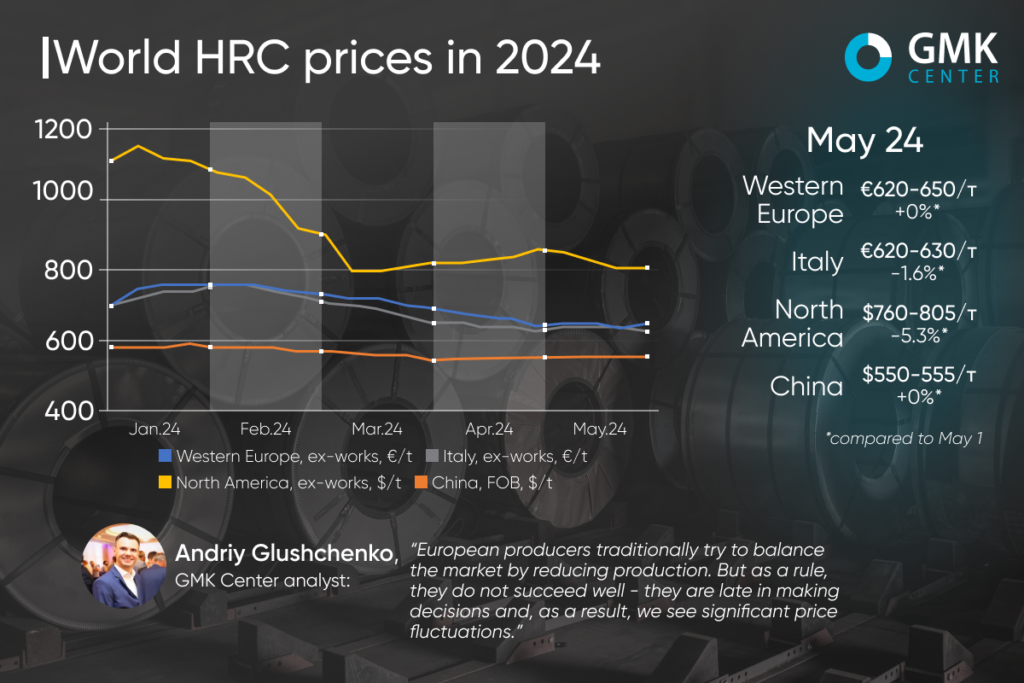
Iron ore prices are projected to maintain stability despite ongoing challenges in China’s steel industry. The steel sector, a major driver of iron ore demand, has faced significant headwinds recently due to declining production and fluctuating market conditions. This downturn has raised concerns about the potential impact on iron ore prices, which have historically been closely tied to the performance of the steel industry.

The steel sector in China, the world’s largest producer and consumer of steel, has encountered a range of issues, including reduced domestic demand, stricter environmental regulations, and economic uncertainties. These factors have led to a decrease in steel production and, consequently, a slowdown in the demand for iron ore. However, despite these challenges, iron ore prices have shown resilience.

Market analysts attribute this stability to several key factors. Firstly, iron ore remains a crucial raw material for steel production, and despite the slowdown, demand has not diminished entirely. China’s commitment to infrastructure projects and construction, although reduced, continues to support a baseline level of demand for steel and, by extension, iron ore. Furthermore, global supply constraints have helped to offset some of the downward pressure on prices. Issues such as logistical disruptions and geopolitical tensions have limited the availability of iron ore from major producing regions, contributing to the price stability.

Additionally, major iron ore producers have adjusted their production strategies to align with current market conditions. Companies in Brazil and Australia, two of the largest iron ore exporters, have implemented measures to manage supply levels and maintain price equilibrium. These adjustments have helped to balance the market and prevent excessive price fluctuations.

Economic indicators also play a role in the outlook for iron ore prices. Despite the slowdown in China’s steel sector, broader economic trends show signs of recovery. Increased investment in infrastructure and technology, coupled with government stimulus measures, could potentially boost steel demand in the future. This anticipated recovery may provide additional support for iron ore prices, as the steel industry begins to rebound.

Investor sentiment and market speculation are other factors influencing iron ore prices. The commodity markets are often driven by investor expectations and perceptions of future trends. As investors remain cautious but optimistic about the global economic recovery, this sentiment can contribute to price stability in the iron ore market.

The overall outlook for iron ore prices remains cautiously optimistic. While the steel sector in China faces significant challenges, the iron ore market has demonstrated resilience due to a combination of supply management, global economic trends, and investor sentiment. As the situation evolves, stakeholders in the iron ore industry will continue to monitor these factors closely to navigate the shifting dynamics of the market.

Nintendo of Europe has unveiled a new leadership team following an extensive reorganization. Luciano Pereña has been appointed as the president, CEO, and chairman of the company. He succeeds Stephen Bole, who has stepped down after a six-year tenure and a total of 35 years with Nintendo. Stephen Bole, who joined Nintendo of Europe as COO and president in 2018, has decided to retire. His departure marks […]

The UK’s video game sector experienced a notable increase in tax relief claims, with payouts reaching £282 million for the 2022-23 financial year. This represents a 10% rise from the previous year, highlighting the industry’s robust growth and the effectiveness of government incentives designed to support game developers.

According to data from the HMRC’s Creative Industries Statistics commentary, 525 claims were made under the Video Games Tax Relief (VGTR) scheme, which allows developers to claim a 20% credit on production costs. The increase in claims is largely attributed to a surge in high-value projects, with several exceeding the £2 million threshold.

The VGTR scheme, introduced in 2014, has been instrumental in supporting the UK’s position as a leading hub for video game development. The UK games industry is a significant contributor to the economy, generating approximately £2.9 billion annually and supporting over 47,000 jobs. The tax relief has enabled both large and small studios to undertake ambitious projects that might otherwise have been financially unfeasible.

However, the industry is on the brink of a major transition. The UK government has announced that the VGTR will be replaced by the Video Games Expenditure Credit (VGEC) starting April 2025. This new scheme, which offers a higher headline rate of 34%, is designed to align with international tax reforms and focus on domestic spending within the UK. While the VGEC is expected to provide similar levels of support, it introduces stricter criteria, particularly regarding eligible expenditures.

Despite these changes, the current VGTR remains in place for projects already in development, with a transition period extending to April 2027 for some claims. This phased approach aims to minimize disruption and allow developers time to adjust to the new regulations.

The continued success of the UK’s video game industry is likely to depend on how smoothly this transition is managed. With VGEC offering slightly more favorable terms, there is cautious optimism within the sector that the new system will continue to foster innovation and maintain the UK’s competitive edge on the global stage.

Oil prices declined on Monday as market participants adjusted their strategies in light of anticipated increases in OPEC+ production starting in October. The price of Brent crude fell to $86.20 per barrel, while West Texas Intermediate (WTI) dropped to $83.10 per barrel, reflecting the market’s response to new supply forecasts and ongoing concerns about global demand. The Organization of the Petroleum Exporting Countries and its allies (OPEC+) […]

AlephYa Education, a prominent educational provider across the Gulf Cooperation Council (GCC) region, has announced a significant majority investment from TA Associates. This strategic investment aims to accelerate AlephYa’s growth and enhance its educational offerings, reinforcing its position in the competitive GCC education market. The deal, disclosed earlier today, positions TA Associates as the majority stakeholder in AlephYa Education. This investment is anticipated to provide AlephYa with […]

By Nantoo Banerjee Democratically elected governments often think their electors are idiots. They may have good reasons to build such a notion as a good number of them don’t deserve to be there in terms of their personal background and characteristic traits. Many of them are booked for even criminal offences. Voters have little choice […]
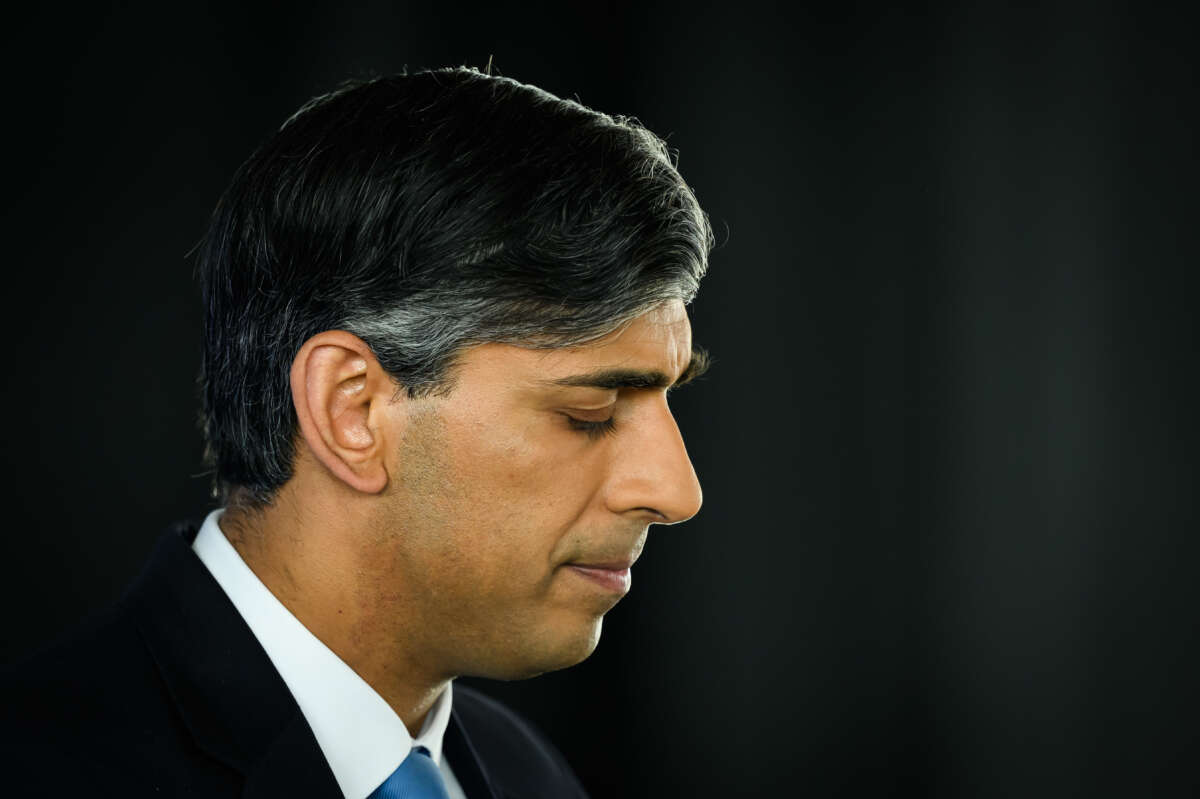
British Prime Minister Rishi Sunak is undertaking a delicate balancing act as he navigates the complex post-Brexit landscape, aiming to reset the United Kingdom’s relationship with the European Union while also addressing internal pressures. The evolving strategy reflects the challenges of maintaining sovereignty and regulatory freedom while avoiding economic disruptions that have emerged since the UK formally exited the EU.

Sunak has recently reaffirmed his commitment to the controversial Retained EU Law Bill, which mandates the repeal or reform of all EU-derived laws still in effect in the UK by the end of the year. Despite criticism from some quarters, including members of his Conservative Party, who fear that the accelerated timeline may lead to significant legislative gaps, Sunak remains steadfast. He argues that the bill is essential for fully capitalizing on the UK’s regulatory independence and for driving economic growth.

However, this push to remove EU regulations is being met with opposition. A growing faction within Parliament, including senior Conservative figures like David Davis and Robert Buckland, has expressed concerns over the feasibility of the year-end deadline. They advocate for a more measured approach, suggesting that Parliament should have greater oversight to ensure that critical areas are not neglected in the rush to eliminate EU laws. Sunak’s government, however, insists that sufficient progress is being made, with departments actively scoping out the necessary reforms.

Complicating matters further, Sunak is also managing the UK’s broader relationship with the EU. Trade tensions remain a significant concern, particularly regarding Northern Ireland, where the post-Brexit arrangements have sparked political and economic friction. Sunak has sought to ease these tensions by engaging with EU leaders and seeking areas of consensus. His efforts have included dialogues aimed at refining the Northern Ireland Protocol to address concerns from both unionists and the EU while maintaining the integrity of the UK’s internal market.

These efforts to recalibrate relations with the EU come at a time when the UK is facing economic headwinds, with businesses calling for more clarity and stability in the regulatory environment. Sunak’s approach reflects a broader strategy to reassert the UK’s global position post-Brexit while also responding to domestic pressures for economic revitalization.

As the year progresses, the success of Sunak’s strategy will likely hinge on his ability to balance these competing demands. The outcome will not only shape the future of UK-EU relations but also define Sunak’s legacy as a leader navigating the complex post-Brexit era.

Brazil has officially suspended the social media platform X, owned by Elon Musk, following a court order from Supreme Court Justice Alexandre de Moraes. The suspension is the result of X’s failure to comply with a mandate to appoint a legal representative in the country and pay fines totaling 18.5 million reais ($3.28 million). The ban is part of a broader conflict between Musk and Brazilian authorities, which also saw the freezing of financial accounts tied to Musk’s Starlink service.

Justice de Moraes ordered the immediate shutdown of X, citing the platform’s repeated non-compliance with Brazilian law. The ban is accompanied by stringent measures to prevent users from accessing X via virtual private networks (VPNs), with hefty daily fines imposed on those who attempt to bypass the blockade. The situation has sparked widespread controversy, with figures both in Brazil and internationally criticizing the move as a suppression of free speech.

Elon Musk, who has been vocal about his commitment to free speech, expressed outrage over the ban. He accused the Brazilian government of authoritarian behavior, likening the actions of the administration to those of oppressive regimes. The suspension of X has also drawn criticism from various political and social commentators, who see it as a dangerous precedent for censorship in the digital age.

Brazilian President Luiz Inácio Lula da Silva defended the court’s decision, stating that all entities operating within Brazil must adhere to the country’s laws. He emphasized that foreign companies are not exempt from Brazilian legal requirements, a sentiment echoed by Justice de Moraes in his ruling. This legal battle marks a significant moment in the ongoing global discourse on the regulation of social media platforms and the balance between free speech and legal accountability.

The ban on X has driven many Brazilian users to seek alternatives, with platforms like Bluesky seeing a surge in new registrations. This shift highlights the growing concern among users about the potential for governmental overreach and the future of free expression online. The implications of this legal standoff extend beyond Brazil, as global observers watch closely to see how it may influence social media regulation worldwide.

As the situation continues to develop, it remains to be seen how Musk and X will respond to the Brazilian government’s actions and whether this conflict will escalate further. The outcome could have far-reaching consequences for the relationship between tech giants and sovereign states, as well as the broader fight over digital rights in the 21st century.

SINGAPORE – Media OutReach Newswire – 2 September 2024 – Ontech Group, a global leader in electromagnetic field sensor technology, today announced a significant breakthrough with the launch of a new family of 128-channel Application-Specific Integrated Circuits (ASICs), designed to significantly enhance the technical capabilities and commercial benefits of its revolutionary Controlled Electromagnetic Field (CEMF) sensor. Designed to meet market demands in growth industries such as health […]

VISHNU RAJA
RYO YAMADA
HITORI GOTOH
IKUYO KITA