News related to
global

Leon Black, co-founder of Apollo Global Management, is establishing a new branch of their family office in Abu Dhabi. This significant move marks a pivotal expansion in the region, reflecting a broader trend of high-profile financial figures investing in the UAE’s growing financial hub. The new branch aims to leverage Abu Dhabi’s robust economic environment and favorable business conditions. Black’s entry into the Abu Dhabi market follows […]

Etihad Airways is scrutinizing its fleet of Airbus A350 aircraft due to concerns over engine performance. The airline has grounded several planes for inspection following reports of engine anomalies. This proactive measure aims to ensure the safety and reliability of its operations. The decision comes amid growing scrutiny of the A350’s engine performance globally. Several airlines have reported similar issues with the Rolls-Royce Trent XWB engines, which […]

Saudi Arabia is urged by the International Monetary Fund (IMF) to persist with its economic reforms despite fluctuations in global oil prices. The IMF’s recent analysis underscores the importance of maintaining structural changes to ensure long-term economic stability and diversification.

The IMF’s call comes at a pivotal moment for Saudi Arabia, which is navigating a volatile oil market while striving to reduce its economic dependence on petroleum revenues. As oil prices exhibit considerable volatility due to global economic uncertainties and shifting energy policies, the IMF emphasizes that the Kingdom’s reform efforts are crucial for sustained economic growth and resilience.

In its latest report, the IMF highlights that Saudi Arabia’s Vision 2030 program, which seeks to diversify the economy away from oil, remains a critical strategy. This ambitious reform agenda includes investments in non-oil sectors, enhancement of the business environment, and initiatives to boost private sector participation. Despite the current challenges posed by fluctuating oil prices, the IMF argues that these reforms should continue unabated to foster a more robust and adaptable economy.

The IMF’s recommendation is grounded in the belief that economic diversification is essential for mitigating the risks associated with oil price volatility. Historically, Saudi Arabia’s economy has been highly susceptible to the ups and downs of global oil markets, which has often led to significant economic fluctuations. By advancing reforms and investing in sectors beyond oil, Saudi Arabia aims to build a more stable and resilient economic foundation.

Key components of the Vision 2030 reform agenda include the development of the tourism sector, expansion of the digital economy, and enhancement of the Kingdom’s investment environment. The Saudi government has been actively pursuing these goals, with notable progress in areas such as infrastructure development and regulatory improvements. For instance, the establishment of the Saudi Public Investment Fund (PIF) has been a cornerstone of the Kingdom’s strategy to drive investments in diverse sectors, ranging from technology to entertainment.

The IMF’s recommendation also reflects a broader trend among international financial institutions that advocate for structural reforms in oil-dependent economies. Such reforms are seen as essential for ensuring sustainable economic growth and reducing vulnerability to external shocks. The IMF’s stance aligns with previous assessments that underscore the need for comprehensive economic strategies to manage the transition from a resource-dependent economy to a more diversified and knowledge-based economy.

Saudi Arabia’s commitment to reform has been demonstrated through various high-profile initiatives, including the privatization of state-owned enterprises and the introduction of new business regulations aimed at fostering entrepreneurship. Additionally, the Kingdom has made strides in enhancing its social and economic infrastructure, with initiatives such as the Saudi National Industrial Development and Logistics Program (NIDLP) aimed at strengthening industrial capabilities and logistics networks.

Despite these efforts, the challenges posed by fluctuating oil prices continue to impact the Saudi economy. Recent data indicates that the Kingdom has experienced fluctuations in its fiscal balance and external trade due to variations in oil revenue. These fluctuations underscore the importance of the IMF’s recommendation to sustain reform efforts as a means of stabilizing the economy and ensuring long-term prosperity.

As Saudi Arabia navigates these challenges, the IMF’s guidance provides a strategic framework for policymakers to follow. The emphasis on maintaining reform momentum is intended to help the Kingdom achieve its economic goals and enhance its position in the global economy. By addressing structural vulnerabilities and advancing diversification, Saudi Arabia aims to create a more resilient and dynamic economic landscape.

Samana Properties has achieved a significant milestone with its latest waterfront project in Dubai, which sold out within two hours of its launch. The project, named Samana Hills, has attracted substantial interest from both local and international investors, reflecting a strong appetite for premium real estate in Dubai’s competitive market.

Located in the heart of Dubai, Samana Hills promises an upscale living experience with modern amenities and stunning waterfront views. The development comprises luxury apartments designed to cater to high-net-worth individuals seeking exclusive properties in one of the world’s most sought-after real estate markets. The rapid sales pace highlights a trend of increasing demand for high-end residential properties in Dubai, driven by the city’s status as a global business hub and tourism hotspot.

The success of Samana Hills comes amidst a broader trend in Dubai’s real estate market, where luxury and waterfront properties have seen a surge in popularity. Analysts attribute this rise to Dubai’s robust economic recovery and the ongoing influx of expatriates and international investors. The city’s strategic location, coupled with its tax-free status and favorable business environment, continues to make it an attractive destination for property buyers.

Samana Properties, a notable player in the Dubai real estate sector, has capitalized on these trends by offering a project that aligns with current market demands. Their ability to sell out a development so quickly underscores the strong demand for well-located, high-quality properties. This also suggests a growing confidence among investors in the stability and profitability of Dubai’s real estate market.

The launch of Samana Hills is part of a broader strategy by Samana Properties to expand its portfolio in the luxury segment. The company’s focus on waterfront properties taps into a niche market where exclusivity and high value are key selling points. By offering a limited number of units with premium features, Samana Properties has successfully created a sense of urgency and exclusivity that resonates with high-end buyers.

Dubai’s real estate market has seen various phases of boom and adjustment over the past decades. However, the current phase appears to be characterized by sustained growth, particularly in the luxury segment. The demand for waterfront and high-end properties is driven by factors such as Dubai’s appealing lifestyle, the high standard of living, and the city’s continuing role as a global financial and tourism center.

The rapid sell-out of Samana Hills is also indicative of a broader trend where developers are increasingly targeting affluent buyers with exclusive offers. This approach not only meets the demand for luxury living but also positions developers to capitalize on the premium pricing of such properties. The high-speed sales performance is likely to encourage other developers to adopt similar strategies to tap into the lucrative luxury real estate market.

The United Arab Emirates (UAE), Saudi Arabia, and several other oil-producing nations have extended their voluntary cuts in oil production, aiming to stabilize global oil markets and support prices amid ongoing economic uncertainties. This decision follows a series of discussions among key members of the OPEC+ alliance, which includes countries outside the Organization of the Petroleum Exporting Countries (OPEC) such as Russia, Iraq, Kuwait, Kazakhstan, Algeria, and Oman.

The latest agreement, confirmed in a joint statement from the participating countries, includes an extension of the existing production cuts into the coming months. The initiative, originally set to be reassessed at the end of this year, now reflects a strategic move to address fluctuations in global demand and counteract economic pressures impacting the energy sector.

Saudi Arabia, as one of the world’s largest oil exporters, will continue its policy of reducing output by an additional one million barrels per day, a step that aligns with its broader efforts to maintain oil prices within a targeted range. This decision is part of a coordinated strategy to stabilize the market and prevent a significant drop in prices that could adversely affect the economies of oil-dependent nations.

The UAE has also committed to reducing its oil production, extending its cut of 500,000 barrels per day, reflecting its ongoing support for the broader goals of the OPEC+ group. Other key contributors to the cuts include Iraq, Kuwait, and Kazakhstan, each of which has pledged to limit their oil output as part of the collective effort. Algeria and Oman are similarly maintaining their voluntary reductions, underscoring the unified approach of these oil-producing nations.

The decision to extend these cuts comes amid a complex global economic environment characterized by fluctuating energy demands, geopolitical tensions, and evolving consumer behavior. Analysts note that the prolonged cuts are aimed at balancing the market and preventing an oversupply that could lead to a decline in oil prices, which have experienced volatility in recent months.

Key players in the oil market have responded positively to the announcement, viewing the extension as a proactive measure to ensure market stability. Oil prices have shown signs of support following the news, with traders optimistic that the coordinated effort by major oil producers will contribute to a more stable pricing environment.

In addition to the immediate impacts on oil prices, the extended cuts highlight the ongoing collaboration among major oil-producing nations to navigate the challenges of a volatile global market. This unity reflects a broader commitment to maintaining stability in the oil sector and ensuring that the interests of both producers and consumers are addressed.

BMW has revealed plans to introduce a hydrogen-electric vehicle to its lineup by 2028, marking a significant advancement in its commitment to alternative propulsion technologies. This forthcoming model will feature a new hydrogen-electric powertrain developed in collaboration with Toyota, underscoring a significant partnership in the automotive industry.

The hydrogen-electric vehicle will utilize a fuel cell stack to generate power, a departure from traditional battery-electric vehicles which rely on energy stored in batteries. This innovative approach combines the benefits of hydrogen fuel cells with a battery system that can provide additional power during high-demand scenarios. The move is part of BMW’s broader strategy to diversify its lineup and address varying consumer preferences and environmental concerns.

Since late 2022, BMW has been experimenting with hydrogen-electric X5 SUVs, which have been used primarily for testing and demonstration purposes. These initial models were produced in limited quantities and were not available to the public. The new hydrogen-electric vehicle, however, will enter regular production and be available to consumers, representing a key milestone in BMW’s hydrogen strategy.

The collaboration with Toyota brings together two major players in the automotive industry, both of which have invested heavily in hydrogen technology. Toyota, known for its pioneering efforts in hydrogen vehicles, will also incorporate this next-generation powertrain into its own models, signaling a significant step forward for hydrogen propulsion.

Hydrogen fuel cell technology presents several advantages over conventional battery systems. It offers faster refueling times and greater range, attributes that can potentially address some of the limitations associated with electric vehicles. However, the technology also faces challenges, including the high cost of fuel cells and the need for a more extensive refueling infrastructure.

BMW’s decision to advance hydrogen technology reflects a growing interest among automakers in diversifying energy sources. While battery-electric vehicles have dominated the market, hydrogen-powered vehicles are seen as a complementary technology that could play a crucial role in reducing carbon emissions and meeting future mobility needs.

As the automotive industry moves towards greener technologies, BMW’s initiative highlights the competitive landscape of hydrogen vehicle development. The company’s upcoming model will likely set a new benchmark in the industry, contributing to the ongoing evolution of vehicle powertrains and sustainability efforts.

This development aligns with global trends towards cleaner energy solutions and reflects a commitment to innovation in the face of pressing environmental challenges. The introduction of BMW’s hydrogen-electric vehicle by 2028 will not only enhance its vehicle lineup but also potentially influence broader industry practices and consumer expectations.

The partnership with Toyota, a key player in the hydrogen space, signifies a collaborative approach to overcoming the technological and economic hurdles associated with hydrogen vehicles. Both companies are expected to leverage their expertise and resources to advance this technology, paving the way for a new era of automotive propulsion.

As BMW prepares to roll out this new model, the focus will likely be on refining the technology and expanding the infrastructure needed to support hydrogen vehicles. The company’s efforts reflect a strategic vision aimed at positioning itself as a leader in the next generation of automotive innovation.

The forthcoming hydrogen-electric vehicle represents a crucial step in BMW’s evolution and its response to the growing demand for sustainable transportation solutions. By integrating advanced fuel cell technology and leveraging a collaborative development approach, BMW aims to address both consumer needs and environmental imperatives in the automotive sector.

The accolade is for the sixth year running with 24 countries and territories certified a Great Place to Work® this year This is also the eighth time DHL Express has achieved this honor SINGAPORE – Media OutReach Newswire – 6 September 2024 – DHL Express is proud to be once again named the number 1 Great Place to Work® in the Asia Pacific region for 2024. It […]

Advertisements

Crypto.com has announced a strategic partnership with PayPal to streamline cryptocurrency transactions for U.S. consumers. This collaboration is set to enhance the user experience by integrating PayPal’s payment infrastructure with Crypto.com’s digital asset services.

The deal will enable users of Crypto.com to directly link their PayPal accounts for buying, selling, and trading cryptocurrencies. This integration aims to provide a seamless transition between fiat and digital currencies, leveraging PayPal’s extensive user base and Crypto.com’s robust crypto ecosystem.

This development comes as the cryptocurrency market continues to grow, with increasing interest from both individual investors and institutional players. By incorporating PayPal’s payment capabilities, Crypto.com is positioning itself to capture a larger share of the expanding market. The partnership is expected to address several barriers faced by new users, such as the complexities of funding crypto accounts and the need for multiple transactions across different platforms.

PayPal, which has been a significant player in the fintech space, has been gradually expanding its involvement in the cryptocurrency sector. The company’s previous moves included allowing users to hold and sell crypto assets directly within their PayPal accounts. This new collaboration with Crypto.com represents a further step in PayPal’s strategy to broaden its influence in the digital asset market and offer more versatile solutions to its customers.

The integration will allow PayPal users to purchase cryptocurrencies with their PayPal balance or linked bank accounts, directly from the Crypto.com platform. This feature aims to simplify the process of acquiring and managing cryptocurrencies, making it more accessible for everyday users who may find the traditional crypto purchasing methods cumbersome.

Industry analysts see this partnership as a significant move in the crypto space, reflecting a growing trend of mainstream financial services companies integrating with digital asset platforms. By offering easier access to cryptocurrencies, the partnership is likely to attract a broader audience and encourage wider adoption of digital currencies.

The timing of this announcement is notable, as it coincides with a period of heightened regulatory scrutiny and evolving market dynamics in the cryptocurrency sector. Both companies have expressed a commitment to complying with regulatory requirements and ensuring that the new services adhere to the highest security standards.

Crypto.com, which has been expanding its product offerings and global reach, views this partnership as a key element in its strategy to enhance its market position. The company has been actively seeking ways to bridge the gap between traditional financial systems and the emerging crypto economy.

PayPal’s involvement in this partnership underscores its ongoing efforts to remain at the forefront of digital payments and financial innovation. By working with a major player in the cryptocurrency market, PayPal aims to provide its users with a more comprehensive suite of financial services, catering to the growing interest in digital assets.

As the partnership moves forward, both companies will focus on rolling out the integrated services and ensuring a smooth transition for users. The collaboration is expected to deliver a more streamlined and user-friendly experience for those looking to explore and invest in cryptocurrencies.

CFI Financial Group, a leading online trading provider in the region, has expanded its UAE-regulated entity, CFI Financial Markets LLC (CFI UAE), into Abu Dhabi. This move reinforces the company’s growing presence in the country, following a strategic approach to further enhance its offerings across the Emirates. The expansion underscores the Group’s commitment to providing a wider range of financial services to clients nationwide while maintaining its reputation for delivering quality trading solutions.

The decision to enter Abu Dhabi comes as CFI UAE looks to leverage its Category One license, which was granted by the Securities and Commodities Authority (SCA). This license allows the firm to offer a broad spectrum of financial instruments, including access to global markets through cutting-edge technology. By choosing Abu Dhabi, the firm seeks to tap into the capital’s growing investor base and enhance its service offerings in line with the region’s economic ambitions.

The CEO of CFI Financial Group has noted that this expansion reflects the company’s continued focus on meeting the evolving needs of traders in the UAE. By extending operations to Abu Dhabi, CFI UAE aims to provide investors with more robust trading opportunities and seamless access to global financial markets. The move also aligns with Abu Dhabi’s vision of becoming a key financial hub in the region, as part of its broader economic diversification strategy.

CFI UAE has already established itself as a key player in the UAE’s financial landscape, particularly through its presence in Dubai. The expansion into Abu Dhabi marks another milestone in the company’s ambitious growth plan, which is focused on strengthening its regional presence and offering clients a comprehensive suite of financial services. As a fully regulated entity, CFI UAE adheres to stringent regulatory standards, ensuring transparency and investor protection in all its operations.

With the growing demand for sophisticated trading platforms and services, CFI UAE has consistently invested in the latest financial technology to provide its clients with innovative solutions. The company’s platform allows access to thousands of financial instruments, including forex, stocks, commodities, indices, and cryptocurrencies, giving traders the flexibility to diversify their portfolios. The expansion into Abu Dhabi is expected to further boost these offerings, providing local investors with even more options and opportunities.

The financial services sector in the UAE has been experiencing rapid growth, driven by increasing demand for investment products and the government’s efforts to attract foreign investment. As the UAE continues to develop its financial infrastructure, companies like CFI Financial Group are positioning themselves to capitalize on these opportunities. The firm’s entry into Abu Dhabi is seen as a strategic step in capturing a larger share of the growing market, particularly as more investors seek access to global markets from the UAE.

CFI UAE’s expansion also comes at a time when the financial industry is becoming increasingly competitive, with numerous players offering similar services. However, the firm believes that its strong regulatory foundation, coupled with its focus on innovation and client satisfaction, will set it apart from the competition. The company’s leadership has emphasized that the move to Abu Dhabi is part of a broader strategy to stay ahead of market trends and continue delivering value to its clients.

Abu Dhabi, as the capital of the UAE, has been steadily building its reputation as a financial center, attracting both regional and international firms. The government’s efforts to diversify the economy, combined with the emirate’s favorable regulatory environment, have created an attractive destination for financial services companies. CFI UAE’s entry into the Abu Dhabi market is expected to contribute to this growth, further solidifying the city’s status as a key player in the global financial industry.

This expansion is not only a reflection of CFI Financial Group’s long-term vision but also an indication of the broader trends shaping the financial sector in the UAE. With the global economy continuing to evolve, and technological advancements driving changes in the way people trade and invest, CFI UAE is well-positioned to take advantage of these developments. The company’s focus on innovation, regulatory compliance, and customer service has been central to its success, and these values are expected to guide its future growth.

HONG KONG SAR – Media OutReach Newswire – 6 September 2024 – The Chinese University of Hong Kong (CUHK) continues to cement its position as a world-leading institution for postgraduate education, offering unparalleled support and opportunities for aspiring researchers and global talent. Ranked 36th globally in the QS World University Rankings 2025, 10th in Asia by Times Higher Education, and 1st in Hong Kong by U.S. News […]

TOKYO, JAPAN – Media OutReach Newswire – 5 September 2024 – Azbil Corporation (Tokyo Stock Exchange code: 6845) announced that it has been honored as the Award Winner in the Innovation and Design category at the Singapore Environmental Achievement Awards (SEAA) 2024 organized by the Singapore Environmental Council (SEC)*. Azbil won this award for enhancing its sustainability performance through creativity, life cycle thinking, and technological advancements. Azbil’s […]

Agility Global, a leading logistics and supply chain company listed on the Abu Dhabi Securities Exchange, is contemplating a strategic divestment of its stake in Tristar Group, a prominent fuel logistics firm. The potential sale highlights a significant shift in Agility’s focus as it seeks to optimize its portfolio and enhance its strategic positioning in the market. Agility Global’s decision to explore the sale of its shares […]

Wizz Air has announced the launch of its inaugural long-haul flight from Abu Dhabi to Milan, marking a significant expansion of its route network. This new service reflects the airline’s strategic push into longer-haul markets and aims to strengthen its presence in the European and Middle Eastern travel corridors.

Starting from next month, the Abu Dhabi-Milan route will offer passengers a direct link between the UAE capital and Italy’s fashion and finance hub. This development underscores Wizz Air’s commitment to enhancing connectivity between key global cities. The service is expected to cater to both leisure and business travelers, offering a new, affordable option for flying between the two cities.

The addition of this route is part of Wizz Air’s broader strategy to increase its footprint in long-haul operations. The airline has been expanding its network extensively over the past year, adding several new destinations and enhancing its connectivity. The Abu Dhabi-Milan route will operate multiple times a week, providing passengers with greater flexibility and convenience.

Wizz Air’s move into long-haul flights aligns with a growing trend among budget carriers to explore longer routes, traditionally dominated by full-service airlines. By entering this market, Wizz Air aims to capture a share of the increasing demand for affordable long-haul travel options.

Milan, known for its fashion industry, rich cultural heritage, and vibrant business environment, is expected to attract a significant number of travelers from the UAE and beyond. The city serves as a major hub for commerce and tourism, making it an attractive destination for both business and leisure trips.

The airline’s new route is anticipated to bolster tourism and business ties between the UAE and Italy. It reflects a broader trend of increasing bilateral connections between the Middle East and Europe. As global travel recovers and evolves, airlines are continually adapting their strategies to meet shifting demands and market opportunities.

Wizz Air’s expansion into long-haul services also highlights the competitive nature of the budget airline sector. As airlines strive to differentiate themselves, adding long-haul routes provides an opportunity to offer more comprehensive travel options and appeal to a broader audience.

In addition to expanding its route network, Wizz Air is focusing on improving its operational efficiency and passenger experience. The airline has been investing in new aircraft and technology to enhance its service offerings and streamline its operations.

This new route is expected to be well-received by travelers seeking affordable and direct flights between Abu Dhabi and Milan. With competitive pricing and a focus on customer satisfaction, Wizz Air aims to establish a strong foothold in the long-haul market.

Aldar Properties has introduced a new luxury villa community on Yas Island, expanding its portfolio of high-end residential offerings in Abu Dhabi. This development marks a significant step in the company’s strategy to enhance its presence in the premium real estate market. The project, named “The Villas at Yas,” promises to set new standards in luxury living with its array of upscale amenities and prime location.

Situated on the northeastern side of Yas Island, the villa community spans an extensive area, featuring a blend of contemporary design and traditional influences. Each villa is designed with meticulous attention to detail, boasting spacious layouts, high-quality finishes, and expansive outdoor areas. The development includes a variety of villa types, catering to different preferences and family sizes, all while maintaining the highest standards of luxury.

Aldar’s latest offering emphasizes sustainability and modern living. The villas are equipped with advanced energy-efficient systems and smart home technologies, ensuring both environmental responsibility and convenience. Residents will have access to private gardens, swimming pools, and dedicated recreational areas, enhancing the overall living experience.

The strategic location of the villas on Yas Island offers residents proximity to key attractions, including Yas Marina Circuit, Yas Waterworld, and Ferrari World. This prime positioning ensures that residents enjoy a vibrant lifestyle with easy access to entertainment, dining, and leisure facilities.

The launch of “The Villas at Yas” reflects Aldar’s commitment to meeting the growing demand for luxury residential options in Abu Dhabi. The company aims to cater to affluent individuals and families seeking an unparalleled living experience in a prestigious setting. The development is expected to attract both local buyers and international investors, bolstering Abu Dhabi’s position as a global real estate hub.

The project underscores Aldar’s ongoing efforts to diversify its portfolio and address various segments of the real estate market. By focusing on high-end residential properties, Aldar is enhancing its reputation for delivering exceptional quality and innovative designs. This initiative aligns with the company’s broader vision of shaping Abu Dhabi’s urban landscape with premium developments.

The introduction of this luxury community also comes at a time when Abu Dhabi’s real estate market is experiencing significant growth. With increasing interest from international investors and a rising number of high-net-worth individuals, there is a growing appetite for upscale properties. Aldar’s new project is well-positioned to capitalize on this trend, offering a unique blend of luxury and convenience that meets the expectations of discerning buyers.

Emirates Steel Arkan has unveiled its new identity as EMSTEEL, signaling a strategic shift towards international markets. This rebranding aligns with the company’s broader ambition to cement its presence on the global stage and enhance its competitive edge in the steel industry.

Founded in 1998 and headquartered in Abu Dhabi, Emirates Steel Arkan has long been a dominant force in the Middle Eastern steel sector. The rebranding to EMSTEEL marks a pivotal moment for the company as it seeks to leverage its established reputation to tap into new markets worldwide.

The company’s decision to rebrand comes at a time when the steel industry is undergoing significant transformation. With increasing demand for infrastructure development and industrialization across various regions, EMSTEEL aims to position itself as a leading global player. This move is also in response to a rapidly evolving global steel market characterized by shifts in trade policies, technological advancements, and environmental regulations.

The rebranding effort is not merely a change in name but a reflection of a comprehensive strategic overhaul. EMSTEEL plans to expand its product portfolio, incorporating advanced steel solutions to meet diverse market needs. The company will focus on enhancing its manufacturing capabilities and exploring opportunities in emerging markets, particularly in Asia and Africa, where infrastructural development is burgeoning.

The steel industry has witnessed a surge in mergers and acquisitions, with companies consolidating to enhance their market positions. EMSTEEL’s rebranding aligns with this trend, as it seeks to strengthen its global footprint and compete effectively against other major players in the industry. By adopting a new brand identity, EMSTEEL aims to signal its readiness to embrace global challenges and opportunities, ensuring sustained growth and innovation.

Market analysts view this rebranding as a strategic move to address the increasing competition in the global steel sector. As countries worldwide invest in infrastructure and urban development, there is a growing demand for high-quality steel products. EMSTEEL’s enhanced focus on research and development is expected to drive innovation in product offerings, setting new standards in the industry.

The company’s shift towards a global market presence is also indicative of broader economic trends. Global steel consumption has been fluctuating due to various factors, including trade tensions and shifts in production capacities. EMSTEEL’s strategic repositioning aims to mitigate these challenges by diversifying its market reach and aligning its operations with global industry standards.

EMSTEEL’s rebranding is accompanied by an emphasis on sustainability and environmental stewardship. The company plans to integrate sustainable practices into its production processes, aiming to reduce its carbon footprint and adhere to international environmental regulations. This commitment to sustainability reflects a growing industry trend towards more eco-friendly operations, responding to increasing consumer and regulatory demands for environmental responsibility.

Industry experts anticipate that EMSTEEL’s rebranding will facilitate its entry into new markets and enhance its competitiveness. The company’s focus on technological advancement and product innovation is expected to attract new clients and partnerships, further solidifying its position in the global steel market.

The initial public offering (IPO) of NMDC Energy has seen an unprecedented level of demand, closing 31.3 times oversubscribed. The IPO, which offered 1.15 billion shares representing 23% of the company’s total share capital, was priced at AED2.8 per share. This strong market response underscores investor confidence in NMDC Energy, a key player in the UAE’s energy sector. The offering attracted substantial interest from a wide range […]

Rebound, an innovative UAE-based company, has unveiled a pioneering global subscription-based recycling platform aimed at addressing the escalating waste management crisis. This platform, which promises to revolutionize recycling practices, offers users a streamlined and efficient way to manage and reduce waste across various regions. The platform’s core functionality revolves around providing users with a comprehensive recycling service that spans multiple countries. Subscribers will receive detailed instructions and […]

An investment fund backed by the Abu Dhabi Investment Authority (ADIA) is seeking to raise $4 billion to expand its infrastructure portfolio in India. This move underscores the growing appeal of Indian infrastructure as a strategic investment opportunity amid an evolving economic landscape.

The fund, operating under the name of its supporting entity, ADIA, aims to tap into India’s burgeoning infrastructure sector, which has seen increased interest from global investors. The initiative reflects ADIA’s strategy to capitalize on high-growth opportunities in emerging markets, leveraging its significant financial resources to drive infrastructure development in India.

India’s infrastructure sector has become a focal point for foreign investments due to the country’s ambitious growth targets and substantial need for infrastructure development. The Indian government has rolled out several initiatives to bolster infrastructure, including road construction, urban development, and renewable energy projects. These initiatives are intended to support the nation’s rapid urbanization and economic growth, presenting a lucrative opportunity for investors.

ADIA’s decision to invest further in Indian infrastructure aligns with broader trends in global investment strategies, where there is a noticeable shift towards infrastructure assets in high-growth regions. The focus on India is particularly significant due to the country’s ongoing economic reforms and its strategic importance in the global economy.

The fund’s investment strategy involves identifying and financing key infrastructure projects that can provide long-term value and stability. This includes investments in sectors such as transportation, energy, and urban development. By targeting these areas, the fund aims to contribute to India’s economic growth while securing attractive returns for its investors.

India’s infrastructure needs are vast and varied, with the government estimating a requirement of several trillion dollars over the next decade to support its development goals. The country’s infrastructure deficit has been a critical barrier to sustained economic growth, and substantial investments are required to address this gap. The influx of capital from ADIA’s backed fund is expected to play a significant role in meeting these needs.

The Indian government has been proactive in creating an investor-friendly environment to attract foreign capital. This includes policy reforms aimed at improving the ease of doing business, enhancing regulatory frameworks, and offering incentives for infrastructure investments. These measures have contributed to increased confidence among global investors and have been instrumental in driving foreign direct investment (FDI) into the infrastructure sector.

As the fund gears up for its fundraising campaign, it is also expected to face competition from other global investors looking to tap into India’s infrastructure market. Several international players have shown keen interest in Indian infrastructure projects, driven by the country’s robust economic growth prospects and its large-scale infrastructure requirements.

The impact of this fund’s investment will likely be far-reaching, contributing to the development of critical infrastructure projects that are essential for India’s continued economic advancement. It will also highlight the attractiveness of Indian infrastructure assets to other global investors, potentially leading to additional capital inflows into the sector.

The ADIA-backed fund’s effort is part of a broader trend where sovereign wealth funds and large institutional investors are increasingly looking towards emerging markets for growth opportunities. With India being one of the fastest-growing major economies, it stands out as a key destination for such investments.

HO CHI MINH, VIETNAM – Media OutReach Newswire – 5 September 2024 – HeeSay, the LGBTQ+ online community, made a debut at White Party Vietnam 2024 as the ‘community’ concept materialized in its booth and sparked a buzz of excitement among local attendees. The “Mini-Community” orchestrated by HeeSay featured several interactive games that mirrored online social scenarios within the app. The “YAY!” game, inspired by the tacit […]

A substantial rise in gambling interest has emerged in the United Arab Emirates (UAE), with recent data indicating a 12.54% increase following a pivotal announcement in 2024. This uptick marks a significant shift in leisure activities and reflects broader changes in societal attitudes and regulatory frameworks concerning gambling.

The surge in interest is attributed to a high-profile decision by the UAE government to review and amend its stance on gambling activities. The announcement, made earlier this year, involved a major policy shift aimed at modernizing the country’s entertainment regulations. This move is part of a broader strategy to diversify the UAE’s economy and enhance its appeal as a global destination for tourism and leisure.

According to industry reports and consumer behavior studies, this policy change has sparked a notable increase in both online and land-based gambling activities within the UAE. The growth is particularly evident in online platforms, where a marked rise in user registrations and engagement metrics has been observed. Traditional casinos and betting shops are also experiencing higher foot traffic and increased revenue, reflecting the changing preferences of residents and visitors.

Experts attribute this shift to several factors. Firstly, the relaxation of regulatory constraints has opened new avenues for gambling operators, leading to a broader range of offerings and promotional activities. This increased accessibility is likely contributing to the higher levels of public interest and participation. Additionally, the integration of advanced technology in gambling platforms has made them more appealing and user-friendly, attracting a wider audience.

The UAE’s move aligns with a global trend where traditional restrictions on gambling are being reevaluated in favor of economic benefits. Many countries have undergone similar transformations, driven by the potential for substantial revenue generation and the creation of new job opportunities. For the UAE, the focus has been on balancing economic growth with the need to maintain social and cultural values.

Another significant aspect of this development is the impact on tourism. The UAE, known for its luxury tourism sector, sees gambling as a potential enhancer of its global tourism appeal. By incorporating modern gambling facilities, the country aims to attract a new segment of tourists who are seeking diverse entertainment options. This strategy is expected to boost overall tourism revenue and contribute to the UAE’s goal of becoming a leading global leisure destination.

The regulatory changes have also sparked discussions about the potential social implications. While the economic benefits are considerable, there is ongoing debate about the need for safeguards to prevent gambling-related issues. Public health experts and social commentators are advocating for measures to address potential risks associated with increased gambling participation. Ensuring that responsible gambling practices are promoted and that support systems are in place will be crucial as the industry expands.

LG Electronics is making a strong push into the future of smart homes with its latest AI-powered innovations showcased at IFA 2024. Under the theme “Experience, Affectionate Intelligence Home”, LG is positioning itself at the forefront of AI home technologies, aiming to redefine how people interact with their living environments. The IFA exhibition, held in Berlin from September 6 to 10, presents a comprehensive look into LG’s […]

MILAN, ITALY – Media OutReach Newswire – 5 September 2024 – GKSD Investmet Holding and the World Economic Forum signed a partnership to enhance global health and wellbeing. At the World Economic Forum Head Quarters in Geneva, Professor Klaus Schwab, Founder and Executive Chairman of the World Economic Forum and Mr. Kamel Ghribi, Founder and President of GKSD Investment Holding, joined forces to sign a groundbreaking partnership […]

CERT and IIT Madras have officially embarked on a landmark collaboration aimed at fostering global innovation and strengthening educational excellence. The memorandum of understanding (MoU) signed between the two entities is set to create a dynamic platform that will leverage both organizations’ strengths in cutting-edge research, academic distinction, and technological development.

This strategic alliance is expected to pave the way for a series of initiatives that will not only boost the institutions’ reputations on the global stage but also have a far-reaching impact on industries worldwide. By integrating the expertise of IIT Madras, a leader in academic research, and CERT’s proficiency in cybersecurity and technology solutions, the partnership seeks to address pressing global challenges and advance technological solutions across various sectors.

The collaboration outlines several key areas of focus, including research in artificial intelligence, cybersecurity, and advanced technology solutions, all of which are critical in today’s digital age. The MoU also emphasizes the importance of fostering innovation in education through joint efforts to develop advanced curricula and research programs that cater to the evolving needs of industries and academia alike.

Industry experts have lauded the move as a significant step towards bridging the gap between academia and industry. The combination of IIT Madras’s academic prowess and CERT’s technical expertise in cybersecurity will serve to fuel research that addresses complex global issues, especially in sectors such as healthcare, finance, and critical infrastructure. This partnership is poised to contribute to the development of solutions that could be transformative for both the education system and the industrial sector at large.

One of the primary goals of the collaboration is the establishment of a joint innovation lab that will focus on research in emerging technologies. This lab will act as a hub for students, faculty, and industry professionals to collaborate on projects that have the potential to generate innovative solutions to real-world problems. The innovation lab will facilitate the development of products and services that align with global industry standards, positioning both CERT and IIT Madras as leaders in technological advancement.

Furthermore, the partnership will work on creating academic programs that integrate real-world technological challenges into the curriculum. Students from IIT Madras will have the opportunity to collaborate with experts from CERT on cutting-edge research projects, gaining hands-on experience in fields like artificial intelligence and cybersecurity. This exchange of knowledge and expertise is expected to produce graduates who are not only academically proficient but also equipped with the practical skills required in the global workforce.

As part of the agreement, CERT and IIT Madras plan to host joint conferences, workshops, and seminars, bringing together thought leaders from various industries to discuss the latest trends in technology and innovation. These events will serve as platforms for exchanging ideas, promoting interdisciplinary collaboration, and inspiring the next generation of innovators.

The strategic partnership between CERT and IIT Madras also includes provisions for developing joint patent filings and intellectual property management. This aspect of the collaboration is particularly significant as it will encourage the commercialization of new technologies and innovations, contributing to the global tech ecosystem. Both institutions are keen on ensuring that the research and development emerging from this partnership can be translated into practical solutions that have a tangible impact on industries.

CERT, a renowned name in cybersecurity and risk management, brings a wealth of experience in handling complex cyber challenges. Its collaboration with IIT Madras, known for its expertise in technology and engineering education, represents a fusion of academia and industry that is expected to produce groundbreaking research. Both institutions have expressed their commitment to pushing the boundaries of innovation and expanding their influence beyond their respective regions to the global stage.

In addition to technological advancements, the partnership aims to enhance educational frameworks by developing new methods of teaching and learning. IIT Madras is already known for its forward-thinking approach to education, and this collaboration is expected to further enrich its programs by incorporating global industry perspectives. The collaboration will likely see a revamping of existing curricula to ensure they meet the demands of a rapidly changing technological landscape, preparing students for the challenges and opportunities of the future.

On a broader scale, this collaboration marks an important milestone in international academic and industry partnerships. The global push for innovation, particularly in the realms of artificial intelligence, cybersecurity, and advanced technology, has made partnerships like this one increasingly essential. With the global economy becoming more interconnected, the exchange of knowledge and expertise between institutions like CERT and IIT Madras will be instrumental in addressing complex global issues and driving sustainable development.

As both organizations work towards achieving their shared objectives, there is an expectation that this partnership will serve as a model for other academic and industrial collaborations. The blend of academic excellence and industry know-how is a recipe for success, not only in terms of producing world-class research but also in ensuring that the results of this research can be applied in practical and impactful ways.


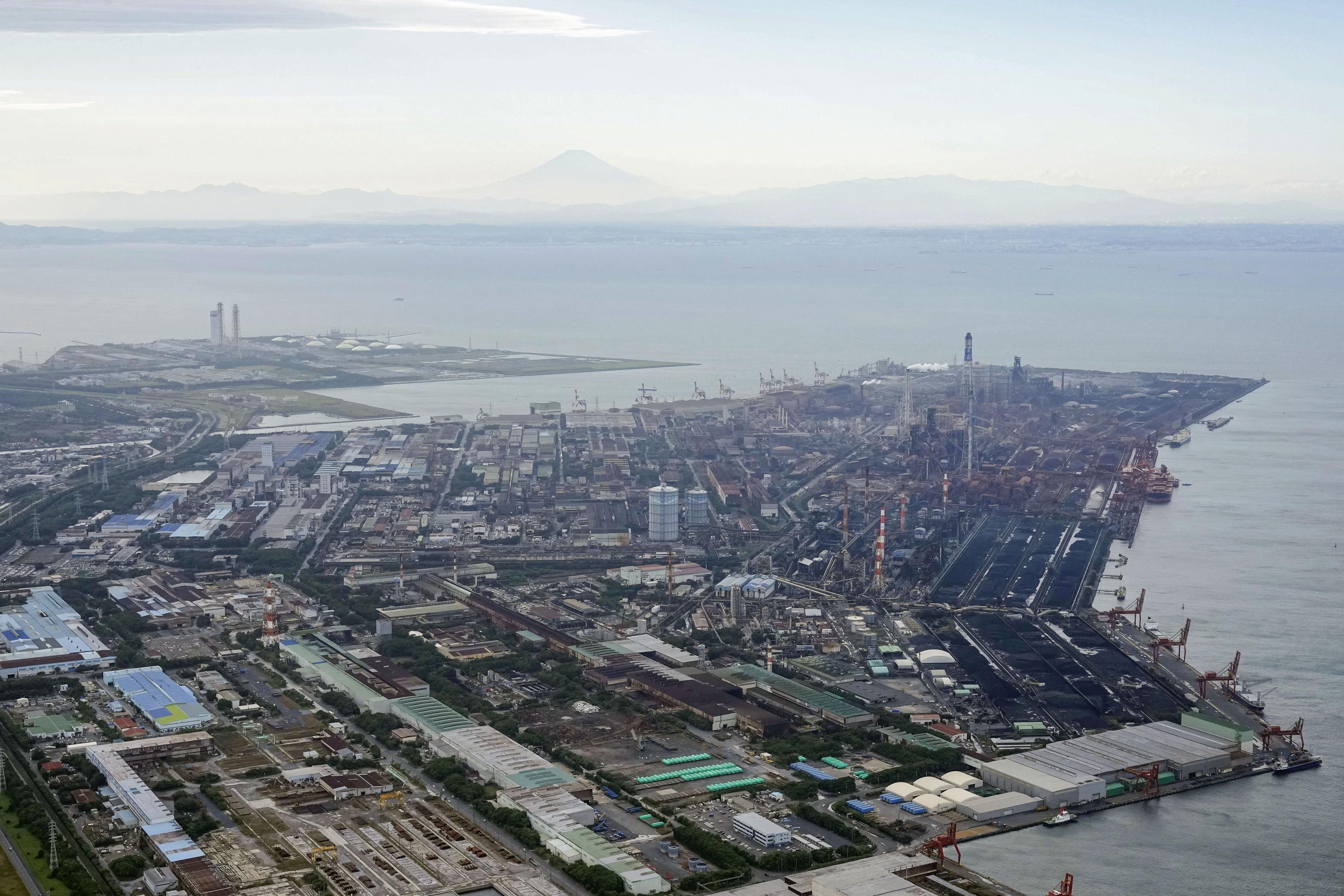
Nippon Steel Corp.’s ambitious $14.1 billion takeover of United States Steel Corp. appears to be in jeopardy, with the Biden administration signaling its intention to block the deal. The acquisition, seen as a strategic move by the Japanese steel giant to secure a larger foothold in the U.S. market, has run into significant political opposition as the White House prepares to intervene on grounds of national security and competition concerns. The move could derail what was shaping up to be one of the most significant cross-border acquisitions in the steel industry in years.

The takeover bid, which has been in the works for months, aimed to combine two of the world’s leading steel producers in a move that would have created a global steel powerhouse. Nippon Steel, already a major player in the industry, viewed the acquisition as a way to strengthen its presence in the U.S. market, where demand for steel is expected to surge due to infrastructure projects and defense contracts. U.S. Steel, on the other hand, has been grappling with aging infrastructure and rising costs, making it a potential target for foreign buyers seeking growth opportunities.

However, the proposed deal has drawn scrutiny from U.S. lawmakers and regulatory authorities, particularly due to the strategic importance of the steel sector to national defense. The Biden administration, keen on maintaining control over critical industries, is reportedly preparing to invoke regulatory powers to block the acquisition, citing national security concerns. Officials are reportedly worried that the sale of U.S. Steel to a foreign entity, even one as established as Nippon Steel, could pose risks to the country’s defense capabilities, especially with steel being a critical component in military hardware and infrastructure.

Nippon Steel’s interest in acquiring U.S. Steel is part of a broader strategy by the company to expand its global operations and secure a stable supply chain. With steel prices fluctuating and supply chains becoming more fragile in the aftermath of the COVID-19 pandemic, securing production capacity in key markets has become a priority for many manufacturers. The acquisition of U.S. Steel, with its extensive domestic production facilities and established relationships with American contractors, was seen as an ideal fit for Nippon Steel’s long-term plans.

The Biden administration’s opposition to the deal reflects a broader shift in U.S. trade and industrial policy, which has become increasingly protectionist under the current leadership. As part of its strategy to bolster domestic manufacturing and reduce reliance on foreign suppliers, the White House has taken a more aggressive stance on foreign takeovers, particularly in sectors deemed critical to national security. The steel industry, long considered a backbone of the U.S. economy and defense capabilities, has become a focal point of this policy shift.

Political opposition to the deal has been growing steadily. U.S. lawmakers have raised concerns over the potential loss of control over domestic steel production, pointing to the importance of maintaining a strong domestic industry in the face of global uncertainties. The U.S. Congress has also weighed in, with some members advocating for a review of the transaction under the Committee on Foreign Investment in the United States (CFIUS), which has the authority to block deals that pose a threat to national security.

At the same time, industry insiders argue that Nippon Steel’s acquisition of U.S. Steel would bring much-needed investment to the American company, which has struggled to modernize its operations in the face of mounting competition from international players. U.S. Steel, once a symbol of American industrial might, has seen its market share erode in recent years as cheaper imports and rising production costs have taken their toll. Proponents of the deal argue that foreign investment, particularly from a company with the resources and expertise of Nippon Steel, could revitalize U.S. Steel and strengthen the domestic industry in the long run.

The Biden administration’s stance, however, suggests that political considerations will ultimately outweigh economic arguments. With the 2024 elections looming, the White House is under pressure to demonstrate its commitment to protecting American jobs and industries, especially in critical sectors like steel. Blocking the Nippon Steel takeover allows the administration to signal its support for domestic manufacturing while reinforcing its broader trade policy objectives.

For Nippon Steel, the collapse of the deal would represent a significant setback in its efforts to expand its global footprint. The Japanese company has been aggressively pursuing international acquisitions in recent years as part of a strategy to diversify its operations and reduce its reliance on domestic markets. The U.S. market, with its robust demand for steel and favorable economic conditions, was seen as a key target for expansion. Losing out on the U.S. Steel acquisition would force Nippon Steel to reevaluate its options and look for alternative avenues for growth.

VISHNU RAJA
RYO YAMADA
HITORI GOTOH
IKUYO KITA