News related to
global

Demand for diversified services and strategic investments are significantly driving the expansion of businesses in the Gulf Cooperation Council (GCC) region, setting a course for sustained economic growth. Efforts to localize supply chains, foster digital transformation, and promote infrastructure development are key contributors to this dynamic growth landscape. Strategic sectors such as technology, real estate, healthcare, and tourism have emerged as focal points for investments. Countries like […]

Masdar, the UAE’s leading renewable energy company, has forged a strategic partnership with China’s Silk Road Fund to advance a series of renewable energy projects. This collaboration is expected to boost global efforts in sustainable energy development, with a particular focus on wind and solar energy initiatives. By combining Masdar’s expertise in renewable energy with the Silk Road Fund’s financial capacity, the partnership is poised to drive […]

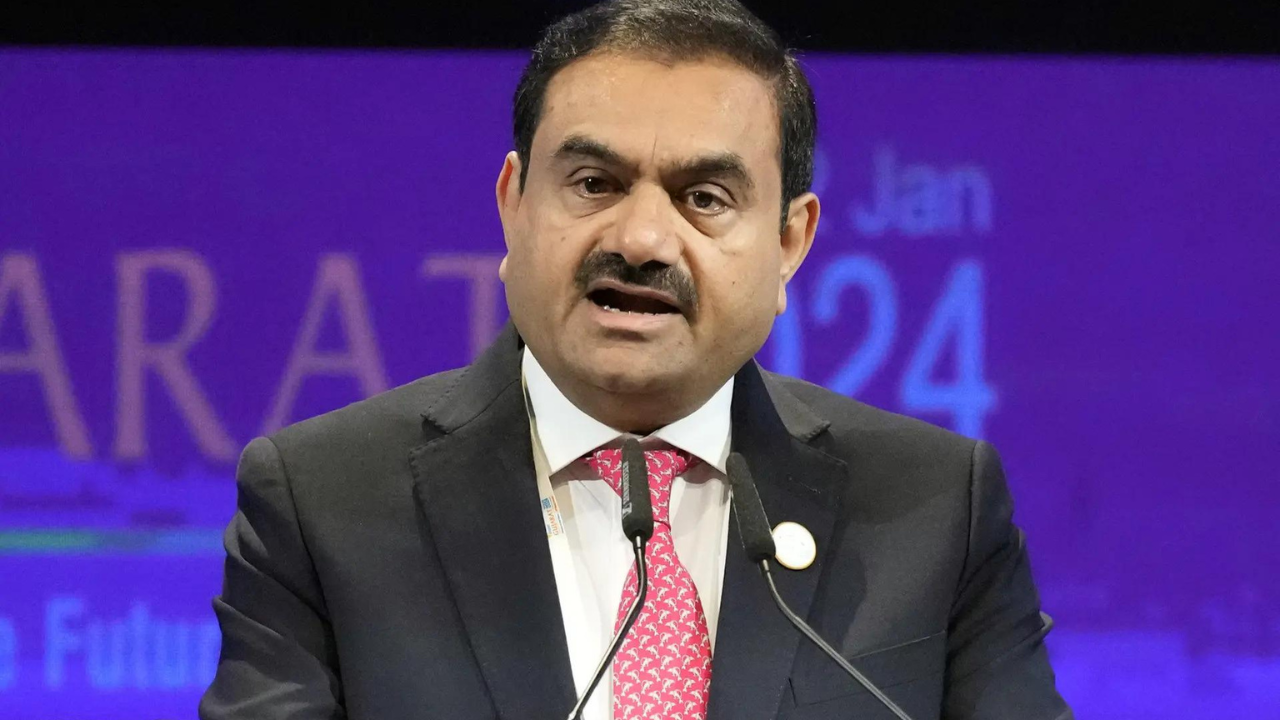
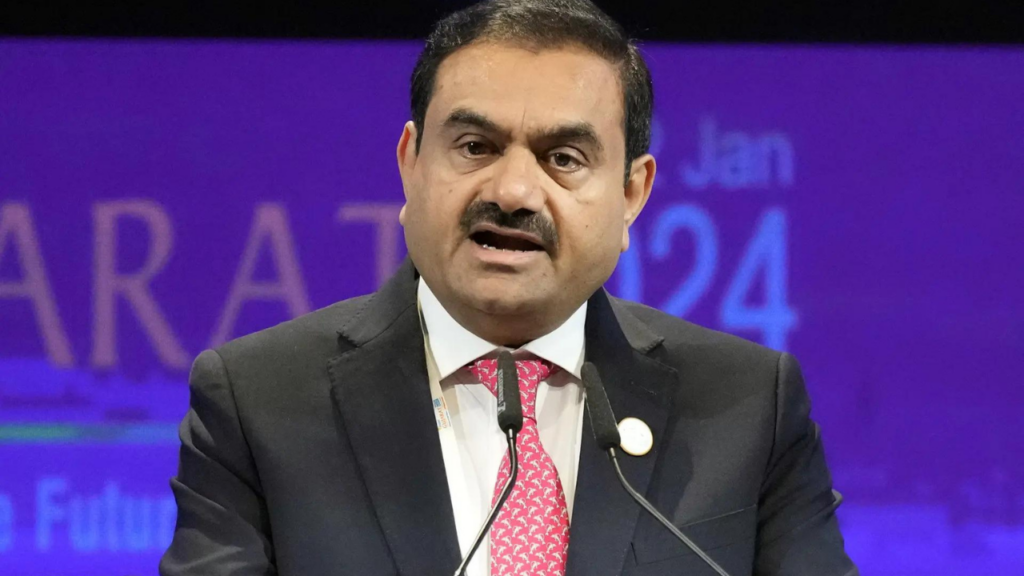
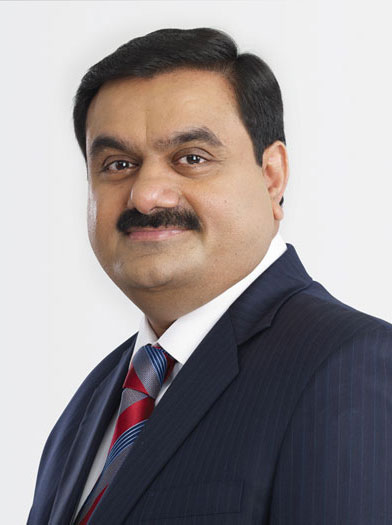
The Adani Group, led by Gautam Adani, has come under global scrutiny following an indictment in the United States targeting its founder on allegations of bribery and money laundering. This legal development has amplified questions about the financial practices of the conglomerate, which is one of Asia’s largest business entities, with diversified interests in ports, energy, and infrastructure. The indictment, unveiled by the US Department of Justice, […]

Lulu Group International has reported a remarkable leap in profits for the third quarter, marking a significant milestone in the company’s financial journey following its initial public offering (IPO). The group, known for its retail and wholesale operations across the Middle East and Asia, saw its profit more than double compared to the same period last year. This surge in earnings is the first after Lulu’s IPO, […]

A company and its director based in Abu Dhabi have been penalized with a hefty fine of Dh118,500 for engaging in fraudulent activities involving the falsification and concealment of documents. The legal case, which has attracted attention from both local and international business communities, underscores the serious ramifications of corporate dishonesty in the UAE.

The Abu Dhabi Economic Department (ADED) acted on a complaint alleging that the company, identified as a prominent player in the sector, had been involved in fabricating financial and operational records to mislead authorities and stakeholders. The director, who was accused of orchestrating the fraudulent acts, was also held accountable for failing to comply with regulatory standards, putting the company’s operations and the integrity of its industry in jeopardy.

The fine imposed is a reflection of the UAE’s commitment to maintaining a robust regulatory environment for businesses. UAE authorities have been keen to enforce corporate governance and ensure that enterprises adhere to legal frameworks that protect consumers, investors, and the market as a whole. Falsification of documents is considered a serious breach of trust, and the legal consequences for those involved can be far-reaching, affecting not only financial outcomes but also the reputation of companies and their leaders.

Experts suggest that this case serves as a stark reminder of the increasing scrutiny that businesses face in the region. With the UAE positioning itself as a global business hub, it has been tightening regulations on corporate behavior to attract foreign investment and ensure market transparency. The country’s legal framework has evolved over the years, placing more emphasis on corporate responsibility and ethical practices.

The incident came to light after an audit conducted by the ADED revealed discrepancies in the company’s financial and operational documentation. According to sources close to the investigation, the falsified records were intended to present an inflated image of the company’s profitability and operational scale. These actions were not only illegal but also placed investors at significant risk, as the fraudulent documents misrepresented the actual performance of the business.

The investigation also uncovered that the director had personally instructed staff to alter the documents, and in some cases, to completely conceal crucial financial transactions. This led to a violation of several sections of the UAE’s Commercial Companies Law, which requires businesses to maintain accurate records for transparency and accountability. The penalties for such offenses are designed to act as a deterrent to others considering similar actions.

The company in question, which operates in the manufacturing sector, has faced significant backlash from both industry regulators and the public. While the ADED’s investigation was thorough, some experts argue that the legal framework surrounding corporate accountability could still be more robust in tackling such cases before they escalate to this extent. Calls for stronger preemptive checks and balances have emerged, as businesses strive to align with international standards.

Local legal professionals have pointed out that the case highlights the ongoing trend of increased vigilance within the UAE’s regulatory environment. The government has made significant strides in updating its corporate laws to address issues like document falsification and other fraudulent activities. However, experts agree that a collaborative effort between regulatory bodies, businesses, and investors is essential to maintaining transparency and trust across the market.

The fine imposed on both the company and its director is one of the largest of its kind in the sector, and it serves as a warning to other firms operating in the UAE. As more businesses seek to expand their presence in the region, compliance with legal requirements and ethical standards is becoming increasingly critical.

The ADED’s decision has been widely supported by industry observers who emphasize the importance of fostering an environment where businesses operate with integrity. The fine also underscores the UAE’s zero-tolerance policy toward corporate fraud, with authorities signaling that they will continue to enforce strict penalties for those found guilty of engaging in unethical or illegal activities.

This development has brought to light the need for enhanced corporate governance in the UAE, particularly as the country continues to attract a wide array of international businesses. The regulatory landscape is expected to evolve further as authorities continue to refine policies and measures aimed at ensuring accountability and transparency within the business community.

For companies operating in the UAE, this case serves as a stark reminder that maintaining proper documentation and adhering to legal standards are not just ethical obligations, but essential to the sustainability and growth of their businesses. As the global business environment becomes more interconnected, the repercussions of failing to meet regulatory standards can extend beyond national borders, impacting relationships with international partners and investors.

Egypt and the United Arab Emirates have entered into a series of agreements aimed at boosting their renewable energy collaboration. These deals, announced during a high-level diplomatic visit, underscore the strengthening economic partnership between the two nations. With both countries prioritizing energy transition strategies, the agreements could play a crucial role in achieving their sustainability and energy security goals.

The signing ceremony, held in Cairo, marks a significant milestone in the growing economic cooperation between the two nations, particularly in the renewable energy sector. Under the terms of the deals, the UAE will contribute both expertise and financial support to help Egypt accelerate its renewable energy initiatives. The projects will focus on solar and wind energy, aligning with Egypt’s broader objective to increase its renewable energy capacity in the coming decades.

The partnership is built on a foundation of shared strategic interests in energy security and sustainability. Egypt has set ambitious targets to generate 42% of its energy from renewable sources by 2035, with a particular emphasis on expanding its solar and wind energy capacities. Meanwhile, the UAE, which has been a leader in the renewable energy space through investments such as the Masdar energy initiative, is eager to bolster its influence in the Middle East and North Africa (MENA) region by supporting Egypt’s green energy transition.

Egypt, located at the crossroads of Africa and the Middle East, offers vast opportunities for renewable energy investments due to its geographic advantages, including abundant sunlight and wind potential. As part of the deal, the UAE’s energy firms will help finance and develop large-scale solar parks, as well as offshore wind farms along Egypt’s Mediterranean coastline. These ventures are expected to enhance Egypt’s energy export potential, particularly to Europe, which has shown increasing interest in diversifying its energy supply sources in light of current geopolitical tensions.

The strategic importance of this collaboration is further underscored by the fact that it comes amid global energy shifts. As countries around the world work toward meeting climate change goals, many have turned their attention to renewable energy as a key pillar of energy security. For both Egypt and the UAE, this agreement represents a significant step toward achieving their respective goals of reducing dependence on fossil fuels, creating green jobs, and positioning themselves as leaders in the global renewable energy market.

Both nations have been active participants in the global push to combat climate change. The UAE has been a strong advocate for decarbonization and played a leading role in the 2023 COP28 climate summit, which took place in Dubai. Egypt, on the other hand, hosted the COP27 summit in Sharm El Sheikh in 2022, focusing on solutions for sustainable development and advancing renewable energy technologies. This shared commitment to environmental stewardship is expected to deepen their collaborative efforts in the years to come.

The Egyptian government has expressed optimism that these agreements will bring not only energy transformation but also broader economic benefits. By expanding its renewable energy capacity, Egypt aims to create jobs, boost foreign direct investment, and reduce its energy import dependency. Additionally, the projects could help Egypt manage its growing energy demands as the population expands and industrial development accelerates.

The UAE’s role in these developments is also seen as a key element in its strategy to diversify its economy beyond oil and gas. With the UAE’s heavy investments in clean energy technologies, the country is positioning itself as a regional leader in the green energy revolution. Through Masdar, one of the UAE’s leading renewable energy companies, the country has been actively involved in solar and wind energy projects across the globe. By partnering with Egypt, the UAE is not only extending its energy portfolio but also reinforcing its influence in one of the region’s largest economies.

Both Egypt and the UAE have set ambitious goals for their renewable energy initiatives. Egypt has a target to generate 20 gigawatts of renewable energy by 2025, and it is currently one of the largest producers of solar energy in the MENA region. Meanwhile, the UAE has invested heavily in technologies such as carbon capture and storage, green hydrogen production, and nuclear energy, with plans to become a global leader in clean energy innovation.

The deals are also expected to benefit local communities in Egypt by providing much-needed infrastructure, skills development, and employment opportunities. As Egypt continues to expand its renewable energy sector, the demand for technical expertise and local labor is expected to rise. Both Egyptian and UAE officials have emphasized the importance of creating long-term, sustainable benefits for the local workforce, including vocational training and capacity-building programs.

Energy cooperation between Egypt and the UAE is not limited to just these renewable energy projects. Both countries have also been discussing potential collaborations in other sectors, such as agriculture, water management, and technology. These efforts are part of a broader economic strategy aimed at fostering deeper ties between the two nations, which share strong trade relations and mutual interests in advancing economic growth and regional stability.


A U.S. federal probe is scrutinizing JPMorgan Chase & Co.’s dealings linked to a hedge fund with alleged connections to the Iranian oil trade, raising concerns over compliance with sanctions and anti-money laundering regulations. The investigation, spearheaded by the U.S. Department of Justice (DOJ), focuses on potential violations stemming from the bank’s financial transactions involving entities associated with Al-Qatirji Company, a Syrian conglomerate tied to Iranian oil revenue streams.

JPMorgan’s involvement reportedly includes providing banking services to a hedge fund accused of facilitating the transfer of Iranian oil proceeds. Authorities are examining whether the bank sufficiently adhered to due diligence protocols in flagging and addressing transactions potentially linked to the Al-Qatirji network. This Syrian entity has been implicated in financing Iran’s Islamic Revolutionary Guard Corps-Qods Force (IRGC-QF) and other regional proxies, including the Houthis in Yemen.

The hedge fund under investigation is alleged to have channeled millions of dollars from Iranian oil sales into international markets, circumventing sanctions designed to limit Iran’s access to global financial systems. U.S. officials assert that such networks allow the IRGC-QF to sustain operations and fund regional destabilization efforts. The Al-Qatirji network reportedly laundered proceeds through financial hubs such as Istanbul and Beirut, enabling the movement of significant sums to entities in Syria and East Asia, including the People’s Republic of China.

The DOJ’s inquiry underscores broader U.S. efforts to curtail illicit financial flows tied to sanctioned regimes. A Treasury Department action earlier this month targeted 26 individuals, companies, and vessels linked to Al-Qatirji’s operations. Acting Under Secretary for Terrorism and Financial Intelligence, Bradley T. Smith, highlighted the critical role of corporate networks in sustaining Iran’s regional agenda, stating that ongoing measures aim to dismantle these channels.

While JPMorgan has yet to face formal allegations, the investigation reflects growing regulatory scrutiny over banks’ roles in potentially facilitating sanctions evasion. Financial institutions worldwide are increasingly held accountable for ensuring robust compliance frameworks that prevent illicit activities, particularly involving entities on U.S. sanctions lists.

Experts note that global banks often grapple with challenges in identifying sophisticated evasion tactics employed by sanctioned entities. Advanced laundering schemes, such as utilizing shell companies and obfuscated trade routes, complicate detection efforts. In JPMorgan’s case, regulators are likely examining whether compliance lapses enabled the hedge fund’s activities.

The investigation also raises questions about corporate accountability and the effectiveness of sanctions in curbing malign activities. Analysts suggest that while sanctions can impose significant economic costs, their enforcement depends heavily on vigilance from financial institutions and governments. The JPMorgan case could set a precedent for how major banks address exposure to high-risk clients and transactions.

Advertisements

Three senior Bank of America executives in India have stepped down amid an internal investigation into alleged irregularities in equity market dealings. Debasish Purohit, co-head of investment banking in India; Subhrajit Roy, managing director and head of global capital markets for India; and Vikram Khaitan, director of investment banking, are reportedly at the center of this inquiry.

This probe underscores potential governance and compliance concerns, prompting significant changes within the leadership of one of the largest foreign banks operating in the Indian financial ecosystem. The investigation appears to focus on equity market transactions handled under the purview of these executives, but specific details about the alleged wrongdoing remain undisclosed. Bank of America has so far declined to comment on the situation.

Debasish Purohit, a seasoned investment banker with decades of experience, has been integral to Bank of America’s operations in the region. Similarly, Subhrajit Roy, a prominent figure in India’s capital markets, has held leadership roles at multiple global banks, contributing to major transactions across the corporate landscape. Vikram Khaitan’s expertise further bolstered the bank’s strategic advisory functions, making these departures significant for the institution’s operations in the country.

US authorities are investigating allegations of bribery involving the Adani Group, focusing on whether its founder Gautam Adani or entities linked to the conglomerate engaged in improper practices to secure benefits on energy projects. The probe, led by the US Department of Justice and the Eastern District of New York, aims to determine if payments were made to officials for favorable treatment. The allegations center on the renewable energy sector, including Azure Power Global, a company associated with Adani’s network.

This investigation has reignited discussions around the Quebec-based Caisse de dépôt et placement du Québec’s (CDPQ) dealings with Adani. CDPQ, one of Canada’s largest pension funds, already faced challenges with its $150 million investment in Azure Power, a venture that faltered after governance and compliance issues surfaced. The fund has expressed concern over the deteriorating investment, which once symbolized a push toward renewable energy but has now become a source of embarrassment.

The Adani Group, a key player in India’s energy and infrastructure sectors, has consistently denied wrongdoing. In response to the ongoing US inquiry, the group stated that it was unaware of any such investigation, maintaining its position that the company abides by the highest standards of compliance. The company also faces allegations from the Hindenburg Research report published earlier this year, accusing Adani entities of stock manipulation and accounting fraud, allegations which the conglomerate has strongly denied.

The unfolding situation adds further strain on CDPQ, whose strategic investments in developing economies aimed at boosting sustainable energy initiatives have come under fire. Critics argue that due diligence in such high-stakes markets requires more robust frameworks to mitigate risks tied to governance challenges. Meanwhile, the Adani Group’s broader operations, spanning ports, energy, and agriculture, are being closely scrutinized globally amid calls for greater corporate transparency.

The implications of the US investigation could significantly impact Adani’s international reputation and investor confidence. As regulatory oversight tightens, the group’s ability to attract foreign investment, critical for its expansion plans, may face hurdles. Observers highlight that the outcomes of such probes could set a precedent for multinational operations in emerging markets, emphasizing the need for stringent ethical compliance.

The developments underline the interconnected nature of global finance, where the consequences of allegations against one entity reverberate across continents, affecting public institutions and private stakeholders alike. As CDPQ and Adani grapple with these challenges, the case serves as a cautionary tale about navigating complex, high-growth environments with greater vigilance.

By Anjan Roy The real import of the US department of justice (DOJ) indictment of Indian billionaire, Gautam Adani, on counts of corruption and bribery has been somewhat lost on the wider public. It is the geo-economics of US dominion over the rest of the world that has to be taken note of. It is […]

Russia has announced the deployment of a hypersonic ballistic missile in the ongoing conflict with Ukraine, a move that Moscow claims is a direct response to Western military aid, including U.S. and British weaponry. President Vladimir Putin stated that this advanced missile system was launched during intensified fighting, marking a significant escalation in the conflict. This development comes against the backdrop of continued Russian missile strikes across […]

Federal scrutiny of Apple Pay has intensified as the Consumer Financial Protection Bureau (CFPB) moves to enhance oversight of digital payment platforms. The CFPB is evaluating how Apple Pay aligns with consumer protection laws, citing concerns over competition, data security, and equitable access to digital payment services. The platform, which has become a leader in mobile payments, may face significant changes if the proposed regulations proceed. The […]

Donald Trump’s Media and Technology Group (TMTG), parent company of Truth Social, has taken a significant step into the cryptocurrency sector. Reports suggest the company has filed a trademark application for “TruthFi,” signaling plans to develop a platform for cryptocurrency payments, digital asset custody, and trading. This move aligns with its reported discussions to acquire shares in Bakkt, a prominent cryptocurrency exchange platform backed by Intercontinental Exchange.

TMTG’s ambitions in the crypto domain appear to capitalize on the growing influence of digital assets. By potentially acquiring Bakkt, the company seeks to enhance its foothold in the emerging market of decentralized finance and digital payments. Bakkt’s infrastructure, which includes a consumer app for managing cryptocurrencies and other digital assets, could serve as a robust foundation for TMTG’s new venture. Market analysts speculate that this acquisition could bridge Truth Social’s ecosystem with blockchain technology, fostering a streamlined integration of social media and financial technology.

The decision comes during a bullish phase for cryptocurrencies. Bitcoin recently surpassed $93,000, buoyed by optimism surrounding President-elect Donald Trump’s policies, which are expected to favor a lighter regulatory approach to digital assets. This spike has further stimulated activity in the cryptocurrency market, with Ethereum and decentralized finance tokens also experiencing substantial gains.

Bakkt, which went public via a SPAC merger in 2021, has positioned itself as a significant player in the crypto market, offering a regulated platform for trading and managing digital assets. Its potential integration with TMTG could unlock opportunities for users seeking seamless transactions within a politically conservative ecosystem. Trump’s team has declined to comment on the acquisition, though Bakkt acknowledged the market speculation but refrained from issuing a confirmation.

The broader implications of this development extend beyond TMTG’s immediate interests. Analysts believe that a successful foray into cryptocurrency by Trump’s media group could reshape the financial technology landscape, especially by linking ideological media with decentralized finance. This could cater to a niche market of users aligned with Trump’s policies while leveraging the soaring popularity of cryptocurrencies.

Shares of Bakkt surged over 160% following reports of the potential deal, reflecting market optimism. Similarly, TMTG shares experienced fluctuations as speculation about the acquisition grew. Industry observers anticipate further volatility as negotiations progress, with a formal announcement expected to clarify the strategic objectives of the partnership.

As TMTG continues to diversify its portfolio, the integration of cryptocurrency services marks a transformative step in the evolution of its digital ventures. While the success of this endeavor hinges on regulatory approvals and market reception, the potential synergy between Truth Social’s platform and Bakkt’s crypto expertise underscores the growing intersection of media, politics, and finance in the digital age.

This strategic pivot also aligns with Trump’s broader vision to establish a technology-driven economy with minimal government intervention, appealing to proponents of blockchain innovation. As cryptocurrency adoption accelerates globally, TMTG’s initiatives could set a precedent for other media companies exploring similar integrations.

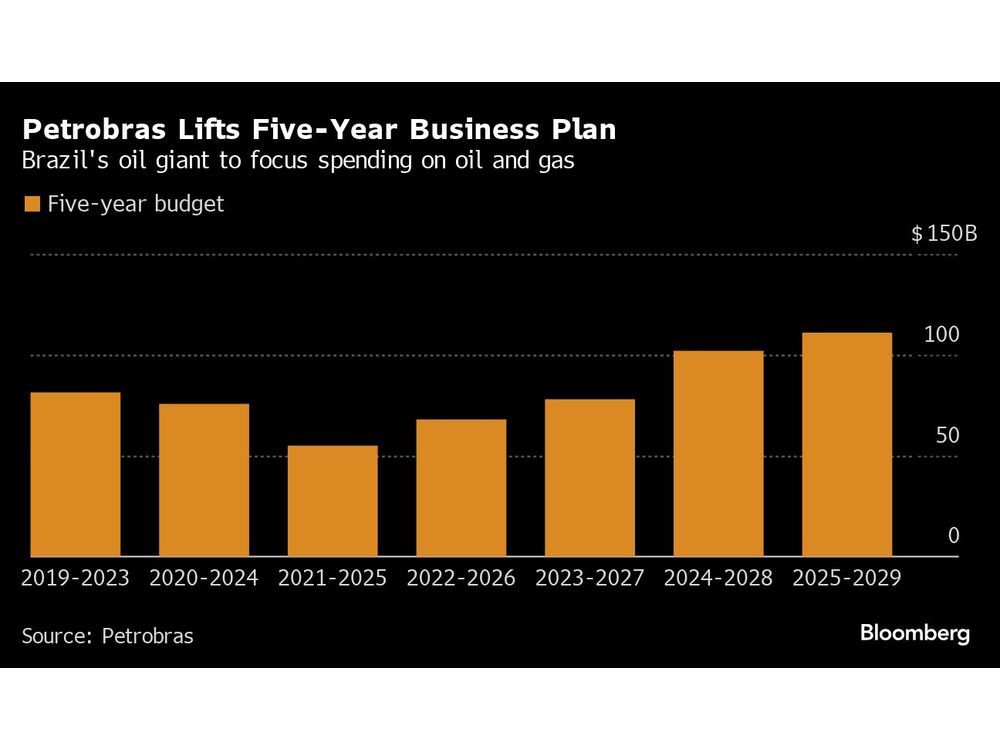
Petrobras, officially Petroleo Brasileiro SA, has committed to paying up to $55 billion in dividends by 2029 as part of its recently unveiled five-year strategic plan. This initiative underscores the state-controlled company’s ongoing emphasis on robust shareholder returns while navigating operational and market challenges. The substantial payout is linked to the company’s goal of balancing investor expectations with reinvestment in its core projects.

According to Petrobras, the projected dividend distributions align with a policy stipulating payouts equivalent to 45% of the firm’s free cash flow, a figure adjusted for specific tax considerations. Analysts suggest this conservative approach may allow for further flexibility, including potential extraordinary dividends depending on market conditions and Petrobras’ liquidity position. The estimated free cash flow for shareholders over the next fiscal year stands at approximately $16 billion.

The updated strategy incorporates a total investment plan of $78 billion spanning from 2024 to 2028, focusing primarily on exploration and production, particularly in offshore and deepwater oil fields. The allocation is intended to maintain Petrobras’ competitive edge in Brazil’s energy sector, which accounts for a significant portion of its revenues. While upstream activities will receive the bulk of investments, renewable energy projects and decarbonization efforts are gradually gaining traction within the portfolio.

Chief Executive Officer Jean Paul Prates emphasized the importance of maintaining operational efficiency and ensuring dividend payments remain sustainable. He also noted the growing scrutiny Petrobras faces in balancing returns with its broader role as a national oil company, particularly amid rising environmental concerns.

Despite promising financial targets, the company has faced criticism over its focus on traditional fossil fuels. Environmental advocates and some industry experts argue that a greater share of resources should be directed toward clean energy initiatives to future-proof the company’s relevance in a rapidly transitioning global energy landscape.

AirAsia is charting a bold course to establish a low-cost aviation hub, inspired by the success of Dubai, in key Southeast Asian cities like Bangkok and Kuala Lumpur. The carrier’s move comes at a time when it seeks to reposition itself after enduring a series of challenges that have shaped the airline industry post-pandemic. AirAsia’s vision is to become a major player in the global air transport scene by capitalizing on the low-cost model that has become increasingly attractive to budget-conscious travelers.

The decision to target Bangkok and Kuala Lumpur reflects a strategic pivot toward optimizing the airline’s existing routes and expanding its presence in an increasingly competitive air travel market. The model aims to leverage these cities as central hubs from which passengers can access a wide range of affordable international destinations. This vision mirrors the transformative success of Dubai International Airport, which has become one of the world’s busiest transit hubs by offering extensive connections at competitive prices.

This ambitious project is not just a push for more flight routes but a larger vision of connecting key Southeast Asian cities to the world. AirAsia aims to position these locations as gateways for travelers seeking affordable access to global destinations. By doing so, AirAsia hopes to replicate the success of Dubai, which has thrived on a similar strategy of fostering global connectivity through a low-cost airline model.

The role of technology and innovative service models is central to AirAsia’s approach. The airline plans to enhance its digital capabilities, streamlining operations and customer engagement through mobile apps, online booking systems, and other digital platforms. By focusing on efficiency and customer-centric services, AirAsia intends to remain competitive in the increasingly digital world of air travel.

One of the key challenges AirAsia faces is the evolving nature of the aviation industry. While the low-cost model has proven successful, especially during times of financial instability, the airline is now contending with a new set of pressures. Rising fuel costs, inflationary pressures on travel demand, and labor shortages have all made it more difficult for low-cost carriers to maintain profitability without compromising service quality. In this challenging landscape, AirAsia’s focus on cost efficiency and technological innovation is crucial to ensuring long-term sustainability.

The airline’s pivot toward Southeast Asia as a potential low-cost hub also taps into the growing demand for regional air travel. The COVID-19 pandemic reshaped many travelers’ preferences, with a notable shift toward short-haul flights in regional markets. As countries in the Asia-Pacific region begin to recover from the pandemic, AirAsia anticipates that demand for budget-friendly travel options will surge, especially as economic uncertainty remains a significant concern for many consumers.

AirAsia’s ability to offer cheap fares while maintaining operational efficiency is critical to its long-term strategy. A key part of this strategy is maintaining a fleet of narrow-body aircraft, which are more fuel-efficient and better suited for short-haul, budget-friendly routes. AirAsia has already begun expanding its fleet in anticipation of this growth, particularly focusing on the latest aircraft models that offer lower operational costs. By doing so, the airline hopes to maintain its competitive edge while providing a seamless travel experience to its customers.

Despite the airline’s optimism, competition remains fierce in Southeast Asia’s budget airline market. Regional competitors, including Singapore Airlines’ Scoot and Jetstar Asia, have also adopted low-cost models and are expanding their services in key markets. As these rivals continue to grow, AirAsia will need to ensure that its hubs in Bangkok and Kuala Lumpur are not just affordable but also offer a unique and attractive proposition to travelers.

AirAsia’s ability to succeed in establishing itself as a global hub will depend on its partnerships with local governments, airport authorities, and tourism boards. AirAsia’s experience in fostering relationships with regional authorities will be a key advantage, as the airline seeks to integrate seamlessly into the local tourism and transportation infrastructure. By aligning its objectives with those of local stakeholders, AirAsia can position its Southeast Asian hubs as integral parts of regional and global travel networks.

The airline’s expansion also taps into broader trends in the global aviation industry, which has seen significant consolidation and a shift towards sustainability. AirAsia has committed to reducing its carbon footprint and has already introduced several initiatives to make its operations more environmentally friendly, including the purchase of more fuel-efficient aircraft and the implementation of carbon offsetting measures. While these efforts are still in their early stages, the airline’s focus on sustainability is likely to appeal to an increasingly environmentally conscious traveler base.

One aspect that could play a significant role in AirAsia’s bid to establish a low-cost hub in Southeast Asia is the region’s growing middle class. With countries like Indonesia, Thailand, and Malaysia witnessing rapid urbanization and a rise in disposable income, air travel is becoming more accessible to a wider segment of the population. As this trend continues, the potential for a low-cost hub to serve as a gateway for millions of travelers expands.

Solana (SOL) has reached a landmark valuation, achieving a new all-time high of $262, solidifying its position among the most prominent blockchain networks. This price surge underscores Solana’s growing influence, making it the 149th largest asset by market value globally. The achievement reflects heightened interest in altcoins, signaling a possible shift in the cryptocurrency market dynamics.

This rise is attributed to Solana’s scalability and low transaction fees, which have made it a favored platform for developers and investors alike. Over the past months, the blockchain’s capacity to process thousands of transactions per second has positioned it as a key player in decentralized finance (DeFi) and non-fungible token (NFT) sectors. Decentralized applications (DApps) built on Solana, such as Raydium and Jito, have reported substantial increases in activity and revenue, further reinforcing its dominance.

The surge coincides with an uptick in the broader altcoin market, historically characterized by alternative cryptocurrencies outperforming Bitcoin during specific cycles. Analysts suggest that Solana’s robust infrastructure and community engagement through innovative features, such as meme coins, have catalyzed its growth. Tokens like BONK and PNUT, developed within Solana’s ecosystem, have gained popularity for their ease of creation and low-cost transactions, introducing a unique facet to its blockchain economy.

Institutional interest has also played a pivotal role in driving Solana’s momentum. As the blockchain garners recognition for its long-term potential, investment firms and crypto-focused funds are increasingly including SOL in their portfolios. Meanwhile, retail participation remains strong, with users engaging in staking and other blockchain activities facilitated by Solana’s seamless user interface and accessibility.

SINGAPORE – Media OutReach Newswire – 22 November 2024 – Wine enthusiasts in Singapore can embark on a global wine adventure at Wine Connection’s Wine Tasting Fair 2024. Held on November 23rd and 24th at the Wine Connection Bistro @ Robertson Walk, the two-day event offers a chance to explore over 170 wines from across the globe, including exclusive sneak peeks at the upcoming 2025 New Collection. […]

BANGKOK, THAILAND – Media OutReach Newswire – 22 November 2024 – Michelin, world-leading manufacturer of life-changing composites and experiences, welcomed international media to its two-day Asia Pacific Media Event at Michelin’s Talent Campus, located in Chon Buri, Thailand. The event focused on the theme “Innovating for a Sustainable Future” and Michelin’s dedication to innovation and sustainability, outlined through its All-Sustainable Strategy: People X Profit X Planet. MICHELIN […]

Featuring Hong Kong’s first ink art carnival InkFinity Fair with a blend of interactive games and art engagements HONG KONG SAR – Media OutReach Newswire – 21 November 2024 – UOB Art Academy and UOB Hong Kong are pleased to announce the return of the “UOB Art in Ink Festival” (Festival), Hong Kong’s premier ink art celebration, running from 13 to 29 December 2024 at the West […]

Their project, SilentGuide, is a pair of smart glasses that transcribes spoken words into subtitles, to help individuals with hearing impairment participate more meaningfully in social conversations SINGAPORE – Media OutReach Newswire – 21 November 2024 – Samsung Electronics Singapore has crowned Team redbluegold from Anglo-Chinese School (Independent) as the grand winner of its Solve for Tomorrow 2024 competition in Singapore. The team, comprising Aiden Lim and […]

Billionaire Gautam Adani, head of the Adani Group, is under investigation in the United States for alleged involvement in a multibillion-dollar bribery scheme. U.S. authorities have indicted the mogul, accusing him of orchestrating fraudulent activities tied to his global business empire. This investigation has already led to the cancellation of a major bond deal, further compounding the challenges for Adani, whose conglomerate had faced mounting scrutiny over financial practices and corporate governance in recent years. The charges are part of an ongoing effort by U.S. regulators to target global corruption networks with cross-border implications.

The controversy surrounding Adani has sparked international concern, with the group’s complex web of operations spanning multiple sectors, including infrastructure, energy, and logistics. In light of the charges, the financial community has reacted swiftly, with investors and stakeholders reassessing the risks involved in partnering with the Adani Group. Additionally, the cancellation of the bond deal highlights the growing caution among international financiers in relation to the conglomerate’s financial stability.

Authorities are examining multiple aspects of the group’s operations, particularly those involving alleged illicit financial transactions. The investigation centers on whether Adani, along with other key figures within his organization, utilized corrupt practices to secure key business deals across the globe. These actions, if proven, would violate both U.S. anti-bribery laws and international standards of corporate conduct.

OPPO Find X8 and Find X8 Pro launched in global markets Find X8 Series delivers ultra-grade cameras, performance and battery life ColorOS 15 debuts on Find X8 Series with cutting-edge OPPO AI JAKARTA, INDONESIA – Media OutReach Newswire – 21 November 2024 – OPPO, the world’s leading smart device brand, today announced the global availability of its Find X8 and Find X8 Pro flagship smartphones. Each delivers […]

Bithumb, South Korea’s second-largest cryptocurrency exchange, is set to launch trading for TONCOIN (TON) and METIS (METIS) in Korean won (KRW) on November 21 at 8 p.m. KST. This move is anticipated to attract increased interest from both local and international investors, further positioning the platform as a key player in the region’s digital asset market.

The decision to list these two cryptocurrencies comes at a time of growing adoption and interest in the global crypto space. TONCOIN, a blockchain originally developed by the Telegram team, has gained considerable traction since its inception, while METIS, known for its Ethereum Layer 2 scaling solution, has also secured a loyal following for its efficiency and reduced transaction fees. By adding these coins to its roster, Bithumb hopes to cater to the increasing demand for both established and emerging crypto assets.

TONCOIN’s potential is rooted in its association with Telegram, one of the most popular messaging apps worldwide. The coin has carved out a niche by leveraging Telegram’s massive user base, with users able to use TONCOIN for a variety of decentralized applications (dApps) and services. As Telegram has faced regulatory hurdles in various markets, the coin has emerged as a decentralized alternative, gaining adoption both in the consumer space and by developers building on its blockchain.

On the other hand, METIS has been gaining attention due to its focus on improving the scalability and cost-efficiency of the Ethereum network. As the Ethereum blockchain faces growing network congestion and high gas fees, METIS offers an alternative by enabling faster, cheaper transactions without sacrificing the security that Ethereum provides. This scaling solution has attracted several projects, making METIS a strong contender in the Layer 2 space.

Bithumb’s decision to list both coins follows the growing trend of exchanges expanding their offerings to cater to investor demands for more diverse assets. The exchange, which handles a significant portion of South Korea’s cryptocurrency trading volume, has previously listed various popular coins, including Bitcoin, Ethereum, and Ripple, but the addition of TONCOIN and METIS signals its strategy to embrace more specialized cryptocurrencies that have garnered international interest.

The announcement was met with positive feedback from both the investor community and developers in the crypto space. TONCOIN’s supporters believe that the coin’s listing on Bithumb will help further its acceptance and adoption, particularly in South Korea, a country known for its tech-savvy population and strong interest in digital assets. Meanwhile, METIS proponents see the listing as a validation of their efforts to improve Ethereum’s scalability, a key issue for the network as it continues to expand.

The timing of the listing could also be significant given the evolving regulatory environment surrounding cryptocurrencies. South Korea has historically taken a cautious approach to crypto regulation, balancing innovation with consumer protection. The government has taken steps in recent years to tighten its grip on the sector, but has also indicated its willingness to support blockchain and cryptocurrency development. The introduction of TONCOIN and METIS trading on a major exchange like Bithumb comes at a time when South Korea is looking to position itself as a regional leader in the crypto and blockchain industries.

This development also underscores the ongoing importance of Korean won (KRW) trading pairs in the broader cryptocurrency market. As one of the leading fiat currencies in the crypto world, the South Korean won is often used as a reference point for cryptocurrency pricing in the Asian market. The availability of TONCOIN and METIS for KRW trading provides local investors with an accessible way to participate in the growing blockchain ecosystem, especially for those who may not have exposure to international exchanges or prefer to trade in their local currency.

Despite the positive outlook, some analysts caution that the ongoing volatility of the cryptocurrency market means that the success of these listings will depend heavily on market conditions. The global crypto market has experienced significant fluctuations in recent months, with both Bitcoin and Ethereum facing substantial price corrections. Therefore, while the listing of TONCOIN and METIS could attract short-term interest, the long-term viability of these coins will largely depend on broader market trends and the ongoing development of their respective blockchain ecosystems.

Nevertheless, Bithumb’s strategic move aligns with the growing demand for diverse cryptocurrency options and the need for exchanges to stay ahead of emerging trends in the industry. With more investors seeking alternative assets outside of traditional financial markets, the exchange’s decision to list TONCOIN and METIS could enhance its competitive edge in the dynamic and rapidly evolving crypto market.

SINGAPORE – Media OutReach Newswire – 21 November 2024 – Aon plc (NYSE: AON), a leading global professional services firm, today appointed Magnus Roe as global chief data and analytics officer. This appointment is part of the firm’s strategy to advance its commercial solutions with analytical capabilities and empower clients to make better decisions. Magnus Roe Roe will be based in Singapore, Aon’s global analytics hub, and […]

VISHNU RAJA
RYO YAMADA
HITORI GOTOH
IKUYO KITA