News related to
global

Enjoy up to 10% rebate and chance to win business class round trip to Tokyo on Citibank Global Wallet forex spending with Citibank debit card HONG KONG SAR – Media OutReach Newswire – 5 November 2024 – From now until December 31, 2024, selected Citibank customers* are entitled to Citibank Debit Mastercard® Triple Rewards[1] upon successful registration. Customers can earn up to a 10% cash rebate and […]

Up to 18% First Year Premium Discount Complimentary Health Services including Health Check-up, Chinese Medicine Services or Vaccination Services HONG KONG SAR – Media OutReach Newswire – 4 November 2024 – As global life expectancy prolongs and the costs of living continue to rise, it is not easy to properly plan for the future of oneself and his beloved ones. Hong Kong Life understands the needs of […]

International Forum for sustainable development gathered political and commercial leaders HONG KONG SAR – Media OutReach Newswire – 4 November 2024 – To celebrate its 35th Anniversary, Hong Kong Quality Assurance Agency (HKQAA) held the 35th Anniversary Forum cum Celebration Ceremony at Ballroom, Level 3, JW Marriott Hotel Hong Kong. The Forum in the morning session was officiated by Mr Christopher Hui, GBS, JP, Secretary for Financial […]

Celebrates Excellence in Luxury, Service, and World-Class Hospitality MACAU SAR – Media OutReach Newswire – 4 November 2024 – This golden autumn season marks another triumphant chapter for Galaxy Macau™ Integrated Resort (“Galaxy Macau”), as its exceptional dining, hotel, and spa offerings have earned a series of prestigious awards. These honors reflect the discerning preferences of global travelers, further solidifying Galaxy Macau’s position as the “Most Spectacular […]

Hong Kong’s regulatory landscape for stablecoins is expected to undergo significant transformation with new frameworks anticipated by the end of the year. This marks a substantial step in the Hong Kong Monetary Authority’s (HKMA) broader plan to establish the city as a central player in the digital asset ecosystem. Through an upcoming licensing scheme, the HKMA intends to create a structured environment for fiat-backed stablecoins, ensuring stringent oversight that would apply not only to domestic issuers but also to overseas companies actively marketing stablecoins to the Hong Kong public. This regulatory approach aligns with Hong Kong’s ambition to become a global hub for virtual assets while maintaining a secure environment for investors.

The proposed framework follows Hong Kong’s recent initiatives to regulate virtual asset exchanges and has sparked interest from key industry figures, including Circle’s CEO, who identified Hong Kong as a strategic market for USD Coin (USDC). The stablecoin issuer has shown readiness to engage with Hong Kong’s new regulations, positioning itself for early compliance as the city shapes a potentially influential model for stablecoin governance worldwide.

The core of the HKMA’s strategy targets fiat-referenced stablecoins, distinguishing them from algorithmic or arbitrage-backed digital currencies, which are less likely to meet the agency’s stringent requirements. Under the proposed system, stablecoin issuers must uphold the stability of their currencies by maintaining equivalent reserve assets in segregated accounts, preferably held in Hong Kong–based financial institutions. This approach is intended to prevent destabilization risks seen with algorithmic stablecoins and offers an added layer of financial assurance by linking reserves to the value of the Hong Kong dollar or other fiat currencies.

In setting these standards, the HKMA is seeking to build consumer confidence in stablecoins as reliable digital alternatives to traditional currency. The proposed licensing requirements include a mandated HK$25 million in capital and the presence of a registered office in Hong Kong, requirements that aim to ensure operational transparency and accountability. Additionally, stablecoin issuers will need to meet rigorous internal controls, including risk management practices for handling and safeguarding reserve assets, similar to standards seen in traditional banking and finance.

The HKMA’s approach reflects the “same activity, same risk, same regulation” principle, which mandates that entities offering similar financial services be subject to comparable oversight regardless of their digital or traditional format. This regulatory alignment is intended to create an even playing field, further solidifying Hong Kong’s appeal as a stablecoin issuance and trading center. With the HKMA as the principal regulatory authority, the agency is positioned to enforce these new rules, impacting not only issuers but also entities involved in the stablecoin distribution network.

This framework brings with it an extraterritorial element, meaning that foreign stablecoin issuers could fall under Hong Kong’s regulatory scope if they issue stablecoins pegged to the Hong Kong dollar or target Hong Kong consumers. This provision seeks to limit risks associated with cross-border stablecoin transactions, which can complicate efforts to maintain monetary stability and secure reserves. Overseas issuers operating within Hong Kong’s jurisdiction will be required to obtain the necessary licenses, ensuring that foreign entities adhere to Hong Kong’s regulatory standards when they conduct business with local investors.

The HKMA’s efforts also highlight a broader trend in Asia toward more precise stablecoin regulations. With Japan recently setting its own regulations, Hong Kong is looking to offer a competitive regulatory framework that could draw international digital asset firms to establish operations within the city. This move reflects Hong Kong’s attempt to balance innovation with investor protection, a challenging dynamic as central banks worldwide navigate the complexities of digital finance.

As the regulatory framework unfolds, industry leaders like Circle’s Jeremy Allaire have recognized the advantages of a structured stablecoin ecosystem in Hong Kong, citing its role as a key market for USDC, one of the most widely used fiat-backed stablecoins globally. Circle’s interest in Hong Kong underscores the potential of the market and the appeal of the city’s stable regulatory environment, which could provide stability and growth opportunities for USDC and similar stablecoins within Asia.

Hong Kong’s proactive stance contrasts with the regulatory approaches seen in many Western jurisdictions, where stablecoin legislation remains in preliminary stages or subject to extensive legislative debate. The HKMA’s framework positions Hong Kong as a leader in digital currency regulation, providing a model that could inform stablecoin policies in other regions. By requiring stablecoin reserves to be held in highly liquid and low-risk assets, the proposed guidelines aim to create a safeguard against market volatility and instill confidence among users and investors alike.

AC Milan has embarked on a transformative partnership with Pure Storage to significantly upgrade its digital and data management capabilities, impacting both fan engagement and player performance. This collaboration is enhancing the club’s digital outreach and enabling data-driven insights, particularly through the integration of artificial intelligence (AI) for sports analytics and improved fan content delivery. Through Pure Storage’s platform, AC Milan has managed to increase the speed […]

By Nantoo Banerjee With geopolitical tensions rising in Europe and Asia and central banks across the world buying gold like never before are mainly behind the near continuous rise in gold prices since last year. The surging gold price trend may continue through the coming months unless peace and economic stability soon return to the […]
Advertisements

To Foster Emotional Well-Being Through Art and Technology HONG KONG SAR – Media OutReach Newswire – 4 November 2024 – Breast cancer is the most common cancer among women in Hong Kong. In addition to improving treatment options for better disease management and survival rates, the medical community is increasingly prioritizing the enhancement of patients’ emotional well-being. From left to right: Professor Angela, Leung Yee-man, Associate Head […]

Unity Technologies, the well-known platform for creating and operating interactive, real-time 3D content, has appointed Alex Blum as its new Chief Operating Officer. This strategic move aims to bolster Unity’s operational capabilities and enhance its leadership in the competitive landscape of gaming and augmented reality development. Blum joins Unity following a successful tenure as the Chief Financial Officer at DigitalOcean, where he was instrumental in guiding the […]

The ongoing geopolitical tensions, particularly related to the Russia-Ukraine conflict, have started to seep into the development of open-source software, notably the Linux kernel. A significant decision by prominent developers to exclude contributions from Russian individuals has sparked debate about the implications of political affiliations in software development. Following the onset of the conflict in Ukraine, the open-source community has grappled with ethical considerations regarding the involvement […]

20 years of applied digitalization and 5 years of experience with AI HEIDELBERG has been networking machines and systems in print shops since 2004 13,000 units worldwide are connected to the HEIDELBERG Cloud Three-digit million euro amount for digital processes, products and services HEIDELBERG, GERMANY – Newsaktuell – 4 November 2024 – Many people see printing and digitalization as opposites. But today, the printing industry is more […]

The Monetary Authority of Singapore (MAS) is set to launch a new wholesale Central Bank Digital Currency (CBDC) testnet, named the SGD Testnet, which aims to facilitate the commercialization of tokenization in the financial sector. This initiative is designed to enhance digital financial transactions, allowing various financial institutions to explore innovative applications of digital currencies in their operations. Notable participants include major banks such as Standard Chartered, DBS, Citi, and HSBC, indicating strong industry interest and potential collaboration.

Tokenization has garnered significant attention in Singapore’s financial landscape, particularly within the fixed income, foreign exchange (FX), and asset management sectors. MAS has actively promoted this technology as a means to improve efficiency and security in financial transactions, aiming to leverage blockchain technology for better transparency and trust. The regulator envisions that the SGD Testnet will enable financial institutions to experiment with digital assets and tokenized forms of traditional securities, thereby reducing settlement times and enhancing overall liquidity in the market.

The push for tokenization aligns with global trends as financial institutions and regulators explore ways to modernize the financial system. Tokenized assets, which represent ownership of real-world assets on the blockchain, can provide enhanced accessibility and liquidity, transforming how investors engage with financial products. By establishing the SGD Testnet, MAS seeks to position Singapore as a leader in the tokenization movement and attract more participants to its burgeoning fintech ecosystem.

Initial trials on the SGD Testnet will focus on specific use cases, including tokenizing fixed-income securities and facilitating cross-border transactions. This will provide participating banks with the opportunity to assess the operational capabilities of a wholesale CBDC and how it can integrate with existing systems. The testnet will also serve as a sandbox for innovation, allowing institutions to experiment with new business models and services that could emerge from widespread tokenization.

MAS has already indicated strong interest from various financial sectors, particularly in how tokenization can streamline processes. The regulator aims to gather feedback and insights from participating institutions during the testing phase to refine the framework and regulations surrounding CBDCs and tokenized assets. This iterative approach not only enhances the regulatory environment but also fosters collaboration among banks, technology providers, and other stakeholders in the financial ecosystem.

As the demand for tokenization grows, global financial markets are increasingly recognizing its potential benefits. The integration of tokenized assets into traditional financial systems could enable greater access for retail investors, democratizing investment opportunities and improving market efficiency. Moreover, tokenization can enhance the transparency of transactions, allowing for real-time tracking and reporting, which could be particularly beneficial for compliance and regulatory oversight.

In addition to improving transaction speed and reducing costs, the development of a wholesale CBDC could also enhance the resilience of Singapore’s financial system. By providing a secure and stable digital currency alternative, MAS aims to mitigate risks associated with traditional banking systems and increase the overall robustness of the financial infrastructure. The SGD Testnet represents a crucial step toward achieving these objectives and ensuring that Singapore remains at the forefront of global financial innovation.

As part of the initiative, MAS has highlighted the importance of collaboration with the private sector to ensure the successful deployment of the testnet. By engaging with major banks and fintech firms, MAS hopes to harness a diverse range of expertise and insights that will contribute to the ongoing development of tokenization technologies. This collaborative approach is expected to accelerate the adoption of digital currencies and tokenized assets, allowing Singapore to capitalize on emerging trends in the global financial landscape.

Baker Hughes has inaugurated its latest state-of-the-art facility dedicated to surface pressure control (SPC) solutions in Abu Dhabi. This new headquarters and manufacturing center is poised to serve as a pivotal hub for the company, enhancing its operational capabilities within the region and beyond.

Covering an expansive area of 46,000 square meters, the Abu Dhabi SPC facility will specialize in providing a comprehensive range of wellhead and subsea tree equipment and services. This strategic investment underscores Baker Hughes’ commitment to meeting the growing demand for energy solutions in the Middle East, a region increasingly recognized for its vital role in the global energy landscape.

The new center will not only cater to local markets but will also support international clients seeking advanced SPC technology. It is designed to facilitate enhanced production and operational efficiency, aligning with the industry’s shift towards digitalization and sustainable practices. With a focus on innovation, the facility will leverage cutting-edge technology to develop and deliver robust solutions tailored to the unique challenges of the energy sector.

In a statement during the inauguration, the company’s executives emphasized that this investment is a testament to Baker Hughes’ long-term strategy to strengthen its presence in key markets. The facility will incorporate advanced manufacturing techniques and is equipped with high-tech machinery to enhance productivity and streamline operations. This move aligns with broader industry trends where companies are increasingly prioritizing automation and efficiency to remain competitive.

Baker Hughes has established itself as a leader in energy technology, serving a diverse clientele that includes oil and gas operators, renewable energy firms, and industrial companies. The new Abu Dhabi center will be pivotal in extending its service offerings across various energy sectors, reflecting the company’s dedication to providing comprehensive support for its customers’ evolving needs.

The location of the facility in Abu Dhabi is strategically significant, given the emirate’s position as a major hub for energy production and innovation in the Middle East. Abu Dhabi continues to attract substantial foreign investment in the energy sector, making it an ideal site for Baker Hughes to amplify its operations. The company aims to enhance its collaboration with local stakeholders and contribute to the emirate’s vision of sustainable development in energy.

In addition to meeting regional demands, the Abu Dhabi SPC solutions unit is set to play a vital role in the company’s global supply chain. The facility is expected to streamline the production of critical components, reduce lead times, and improve service delivery. By localizing manufacturing capabilities, Baker Hughes can respond more swiftly to the needs of its clients, ensuring that they receive high-quality equipment and services without unnecessary delays.

Baker Hughes has also expressed a strong commitment to sustainability. The new facility is designed with environmental considerations in mind, incorporating energy-efficient technologies and processes to minimize its carbon footprint. As the global energy landscape shifts toward greener alternatives, the company’s efforts to integrate sustainability into its operations are expected to resonate well with stakeholders who prioritize environmentally responsible practices.

The inauguration ceremony highlighted Baker Hughes’ role in advancing the energy transition. Executives noted the importance of investing in new technologies and solutions that can help the industry meet its decarbonization goals. This aligns with the broader agenda of governments and organizations around the world to pursue cleaner energy sources and reduce greenhouse gas emissions.

The facility is anticipated to create numerous job opportunities for local talent, supporting the development of skills in advanced manufacturing and energy technologies. Baker Hughes is committed to fostering a diverse and inclusive workforce that reflects the communities it serves. By investing in local talent, the company not only enhances its operational capabilities but also contributes to the socioeconomic development of the region.

Industry analysts view this expansion as a strategic move that positions Baker Hughes favorably amid an evolving energy market characterized by increasing demand for innovative solutions. As the company continues to invest in technology and infrastructure, it reinforces its commitment to providing exceptional service and maintaining a competitive edge in the energy sector.

Verax AI has successfully completed a seed funding round, amassing $7.6 million to enhance its enterprise AI solutions aimed at promoting transparency and control. This funding round, which has attracted significant attention in the tech industry, was spearheaded by TQ Ventures, with participation from Concept Ventures, Cardumen Capital, Seedcamp, InMotion Ventures, and XTX Ventures. The investment reflects the growing demand for reliable and transparent AI technologies as […]

Rackspace Technology has formalized a multi-year Strategic Collaboration Agreement (SCA) with Amazon Web Services (AWS), marking a significant expansion of their partnership. This agreement aims to enhance Rackspace’s ability to deliver a comprehensive suite of cloud services, including hybrid and multicloud solutions, as well as artificial intelligence capabilities to its clients. As enterprises increasingly pivot toward cloud-based infrastructures, this collaboration positions Rackspace to play a pivotal role […]

Establishing itself as a premier destination for cybersecurity innovation, the UAE has become a thriving hub for startups focused on securing digital assets. This surge in activity is fueled by the government’s commitment to enhancing national cybersecurity and supporting entrepreneurial ventures within this critical sector. The UAE Cybersecurity Council is pivotal in fostering this ecosystem, launching programs such as CyberE71, aimed at incubating promising cybersecurity startups. This […]

TECOM Group has reported a substantial rise in net profit for the first nine months of 2024, marking a 23% increase year-on-year. The group’s net profit reached AED 943 million ($256 million), driven by robust revenue figures that hit AED 1.7 billion, an impressive 10% increase compared to the same period in the previous year. This performance reflects the ongoing demand for premium commercial and industrial real […]

Dubai’s Crown Prince, Sheikh Hamdan bin Mohammed bin Rashid Al Maktoum, has assessed the Roads and Transport Authority’s (RTA) ambitious infrastructure plan, which encompasses an investment of approximately $4.35 billion for the years 2024 to 2027. This extensive project aims to enhance road networks across the emirate, reflecting the ongoing commitment to improving transportation infrastructure in alignment with Dubai’s strategic vision for growth and sustainability. During a […]

Actress and filmmaker Olivia Wilde has entered the world of venture capital with the launch of her new firm, which aims to invest in innovative start-ups across various industries. This move marks a significant shift from her Hollywood career and positions Wilde as a burgeoning player in the investment landscape. With a focus on nurturing creativity and fostering entrepreneurial spirit, the firm seeks to support companies that align with Wilde’s values, particularly those led by women and underrepresented founders.

Wilde’s firm has been described as an extension of her long-standing commitment to advocating for diverse voices in the entertainment industry. By transitioning into venture capital, she intends to amplify these efforts by providing financial backing to emerging companies that challenge the status quo. This venture comes at a time when the tech and entertainment sectors are increasingly intertwined, offering unique opportunities for innovative collaborations.

In her announcement, Wilde emphasized her desire to empower entrepreneurs who prioritize ethical practices and social responsibility. The firm is particularly interested in companies that address pressing global issues, such as climate change and social inequality. This aligns with Wilde’s own advocacy work and reflects a broader trend among investors who are increasingly seeking to make a positive impact through their financial decisions.

The establishment of Wilde’s venture capital firm reflects a growing trend among Hollywood figures who are diversifying their portfolios and engaging in investment activities. Celebrities such as Ashton Kutcher and Serena Williams have also made headlines with their venture capital endeavors, demonstrating that the intersection of entertainment and entrepreneurship is becoming more commonplace. These figures leverage their influence and resources to identify and support promising start-ups, often bringing valuable connections and insights from their respective industries.

Wilde’s approach to venture capital aims to differentiate her firm from traditional investment models. By prioritizing personal connections and collaborative relationships with entrepreneurs, she seeks to create a supportive ecosystem where start-ups can thrive. This ethos is particularly relevant in a market that can be notoriously challenging for new businesses to navigate.

Emerging trends in the venture capital landscape indicate a growing demand for investments in technology that address sustainability and social justice. As investors increasingly recognize the importance of Environmental, Social, and Governance (ESG) criteria, Wilde’s firm appears well-positioned to capitalize on this shift. Many investors are prioritizing companies that not only show potential for financial returns but also contribute positively to society.

Wilde’s entry into venture capital also comes at a time when the start-up ecosystem is witnessing unprecedented growth. According to industry reports, investment in start-ups has surged in various sectors, including health tech, fintech, and green technology. This influx of capital has created a competitive landscape, making it crucial for entrepreneurs to differentiate themselves to attract funding. Wilde’s firm may offer a unique advantage to start-ups that resonate with her values and vision.

The firm has already begun to explore potential investment opportunities, actively engaging with founders and attending pitch events. With Wilde’s celebrity status and industry connections, she can leverage her platform to elevate the visibility of the start-ups she chooses to support. This aspect of her venture could open doors for promising companies that might otherwise struggle to gain traction in a crowded market.

Wilde’s commitment to mentorship is expected to be a hallmark of her investment strategy. By offering guidance and resources to start-ups, she aims to foster an environment where innovative ideas can flourish. This hands-on approach contrasts with the more traditional model of passive investment, positioning Wilde’s firm as a collaborative partner in the entrepreneurial journey.

The impact of Wilde’s venture capital firm may extend beyond financial support; it could also inspire other figures in the entertainment industry to explore similar paths. As more celebrities engage in venture capital, the potential for creative partnerships and cross-industry innovation grows. This could lead to exciting developments in sectors ranging from technology to sustainability.

As Wilde embarks on this new chapter, her background as a filmmaker may influence her investment choices. Her experience in storytelling and understanding of audience engagement could guide her in identifying start-ups with compelling narratives and strong market potential. By focusing on the human element of entrepreneurship, Wilde’s firm is likely to emphasize not just the financial metrics but also the stories behind the companies and their founders.

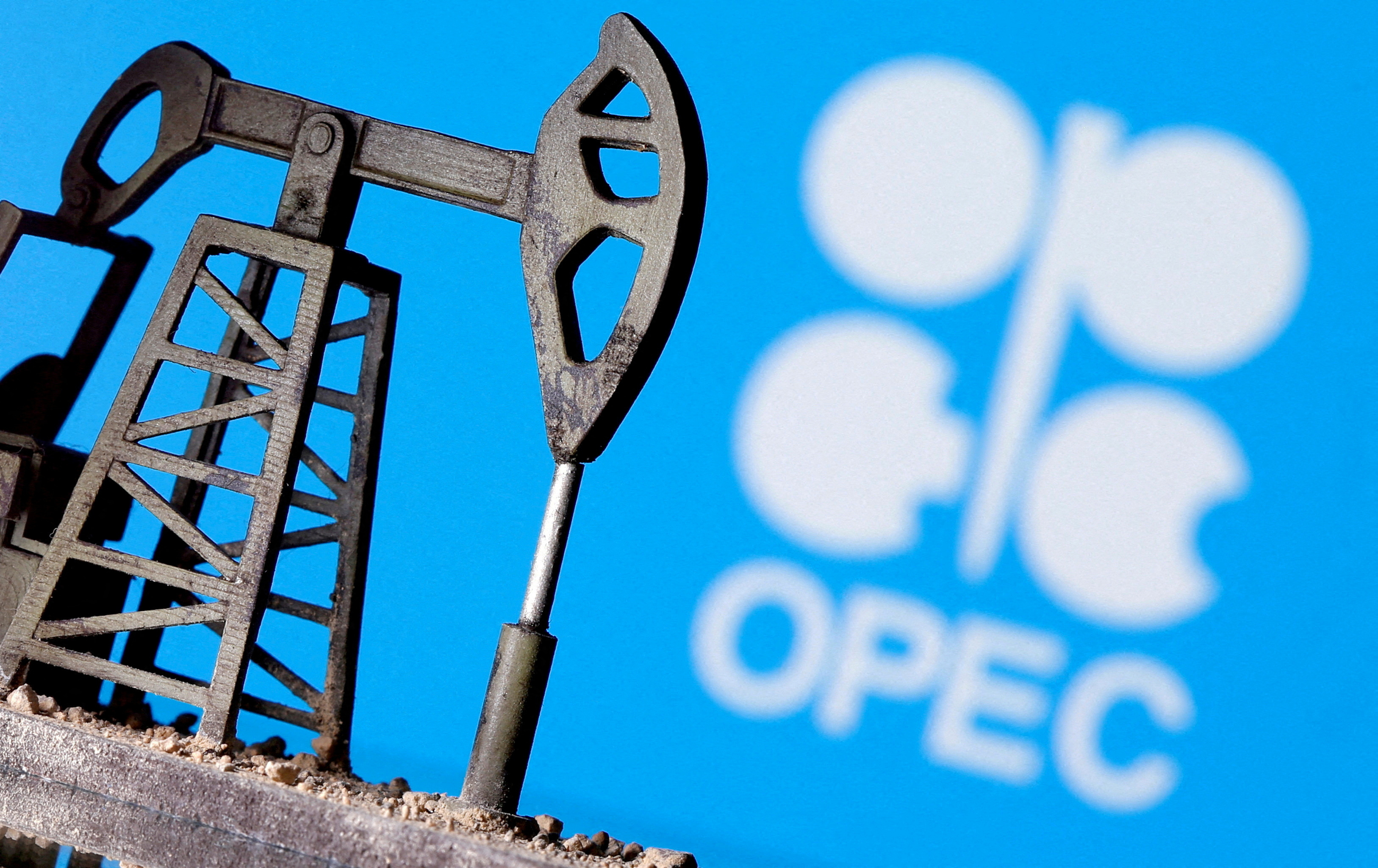
OPEC+ has announced a delay in the anticipated resumption of oil supply cuts, reflecting the ongoing challenges within the global crude market as prices continue to struggle. This decision follows a meeting of the coalition’s Joint Ministerial Monitoring Committee, where key players voiced concerns over persistent low oil prices and their impact on market stability.

In its recent deliberations, OPEC+ leaders emphasized the need for a strategic approach to support oil prices, which have seen significant fluctuations in the past year. Current benchmarks for crude oil have hovered around $80 per barrel, well below the levels needed for many member countries to balance their budgets. The ongoing geopolitical tensions and the potential economic fallout from inflationary pressures have further complicated the landscape, prompting OPEC+ to reconsider its production strategy.

The decision to delay the resumption of supply cuts is particularly notable given that earlier predictions had pointed towards an increase in production levels by the end of the year. Several member states, particularly those reliant on oil revenue, had anticipated a gradual easing of the cuts implemented to stabilize the market amid the COVID-19 pandemic. Instead, the coalition now appears to be adopting a more cautious stance, prioritizing price recovery over volume increase.

Saudi Arabia, the de facto leader of OPEC, has been vocal in advocating for measures to sustain oil prices. The Kingdom’s Energy Minister, Prince Abdulaziz bin Salman, reiterated the importance of market stability, emphasizing that the organization must remain vigilant in its assessment of global demand and supply dynamics. His remarks highlight the broader sentiment among OPEC+ members regarding the delicate balance required to navigate current market conditions.

Market analysts have pointed to several factors contributing to the ongoing volatility in oil prices. Demand forecasts have been revised downward, largely influenced by slowing economic growth in major economies such as China and Europe. Additionally, concerns regarding a potential resurgence of COVID-19 variants and their impact on global mobility have added to the uncertainty. As a result, some analysts project that oil demand may not rebound to pre-pandemic levels for some time.

Iran’s position within OPEC+ has also added complexity to the group’s dynamics. With ongoing negotiations surrounding the Joint Comprehensive Plan of Action, there is speculation about Iran’s potential return to the market. Should sanctions be lifted, the influx of Iranian oil could further exacerbate supply challenges, undermining efforts to stabilize prices. The coalition remains divided over how to handle Iran’s situation, as some members fear that increased production from Iran could lead to an oversupply, thereby pushing prices lower.

U.S. shale production continues to be a significant player in the global oil market. The American shale industry has proven to be remarkably resilient, adapting quickly to changing price environments. As crude prices struggle, shale producers have ramped up production, providing a counterbalance to OPEC+’s efforts to restrict supply. This dynamic has led to a tug-of-war in the market, with OPEC+ trying to manage its output while the U.S. shale industry responds to price signals by increasing production.

As OPEC+ deliberates its next steps, the energy market is also keeping a close eye on the potential impacts of environmental policies and the transition towards renewable energy sources. The global shift towards sustainability and decarbonization is expected to influence long-term oil demand. Many analysts predict that the transition could accelerate, particularly as countries commit to more aggressive climate goals. This has raised questions about the future role of oil in the global energy mix and how OPEC+ will adapt to these changes.

Looking ahead, OPEC+ faces the challenge of balancing its traditional role as a stabilizer in the oil market with the evolving landscape of energy consumption and production. The coalition’s next meeting, scheduled for December, will be crucial in shaping its strategy. Participants will likely focus on assessing both the short-term market outlook and the long-term implications of the ongoing transition towards alternative energy sources.

Roblox Corporation has announced a remarkable surge in its financial performance for the third quarter of 2024, reporting total bookings of $1.1 billion. This figure represents a substantial increase driven primarily by a notable uptick in activity within its console gaming segment. The company’s performance highlights the growing popularity of its platform and its ability to attract new users.

Roblox’s financial report reveals that bookings, which include both virtual currency sales and user-generated content, rose 20% year-over-year. This growth underscores the platform’s ongoing expansion and its appeal to a diverse demographic, particularly among younger audiences. The company’s Chief Financial Officer, Michael Guthrie, noted that the increase was partly attributed to “unusually high growth” in the console market, which has become a significant contributor to the company’s revenue.

The surge in console bookings can be linked to several factors, including the launch of new features that enhance user engagement and the introduction of exclusive content that draws players back to the platform. As gaming increasingly shifts to console platforms, Roblox has capitalized on this trend by optimizing its offerings to cater to console gamers. The company has been proactive in expanding its partnerships with major gaming console manufacturers, allowing it to leverage their marketing capabilities and reach a broader audience.

The user engagement metrics indicate a positive trajectory. Average daily active users (DAUs) for the quarter reached 66 million, reflecting a 15% increase from the same period in the previous year. This growth is crucial as it not only drives bookings but also fosters a vibrant community that attracts developers and advertisers alike. The platform’s ability to maintain a high level of user activity is vital for its long-term sustainability and growth.

Roblox’s ecosystem benefits from its user-generated content model, which allows developers to create and monetize games on the platform. During the third quarter, Roblox paid out approximately $250 million to developers, marking a 30% increase compared to the same quarter last year. This investment in its developer community not only incentivizes quality game creation but also enhances the overall gaming experience for users. By fostering a diverse array of experiences, Roblox ensures that its platform remains fresh and engaging.

The company has also been focusing on international markets, seeking to expand its footprint beyond its primary user base in North America. By investing in localized content and marketing strategies, Roblox aims to attract users in regions such as Europe and Asia, where gaming culture is rapidly evolving. The localization efforts have proven fruitful, with international bookings contributing a larger share to total revenues. As the global gaming market continues to grow, Roblox’s international strategy positions it well for future expansion.

Another significant development for Roblox is its ongoing commitment to safety and moderation. The company has enhanced its content moderation systems to ensure a safe environment for younger users. This focus on user safety has become increasingly important as regulatory scrutiny on online gaming platforms intensifies. By prioritizing safety, Roblox aims to build trust with parents and guardians, which is essential for the platform’s sustained growth.

Roblox’s strategic initiatives extend to technological advancements. The company has been actively investing in augmented reality (AR) and virtual reality (VR) technologies to enhance user experiences. As the gaming landscape evolves, the integration of AR and VR features could provide Roblox with a competitive edge, attracting a more diverse user base interested in immersive gaming experiences.

Despite the impressive financial results, Roblox faces challenges, including increased competition from other gaming platforms and social media networks. Companies like Fortnite and Minecraft continue to vie for the attention of gamers, prompting Roblox to innovate and differentiate its offerings. To remain competitive, Roblox must continually refine its platform, expand its content library, and enhance user experiences.

Price fluctuations for Bitcoin have surged, reaching levels not seen in three months as the U.S. presidential election approaches. This spike in volatility reflects the heightened uncertainty and speculation among investors in both cryptocurrency and traditional financial markets. As the electoral landscape becomes more complex, analysts suggest that market participants are increasingly turning their attention to the potential impacts of the upcoming election on economic policies and financial regulations.

Bitcoin’s price, a benchmark for the broader cryptocurrency market, recently showed significant swings, underscoring the tendency of digital assets to react strongly to political developments. Analysts note that this uptick in volatility is closely linked to investor sentiment regarding regulatory frameworks that could emerge post-election. With candidates from both major political parties holding contrasting views on cryptocurrency regulation, the stakes for Bitcoin and other digital currencies have escalated.

Investors are particularly attentive to signals from leading candidates, such as the incumbent President and potential challengers. Their positions on digital currency policies and broader economic strategies are being closely monitored, as they could influence the legislative environment surrounding cryptocurrencies. The outcome of the election could determine the trajectory of regulatory measures impacting the sector, which many see as critical for the long-term viability of digital assets.

Market observers emphasize that the correlation between political events and Bitcoin price movements is becoming increasingly pronounced. The volatility jump is viewed as a precursor to more significant price adjustments that could follow the election. Historically, political events have played a crucial role in shaping investor behavior in financial markets, and cryptocurrencies are no exception.

In addition to regulatory concerns, macroeconomic factors such as inflation rates and monetary policy are also contributing to Bitcoin’s volatility. The Federal Reserve’s stance on interest rates and inflationary pressures are vital considerations for investors. A potential change in the administration could result in shifts in fiscal policy that directly affect financial markets, leading to speculative trading behavior.

With analysts predicting increased trading volumes in the lead-up to the election, the interplay between market sentiment and political developments is likely to intensify. Investors in Bitcoin are now more focused on potential outcomes and their implications for the digital currency space, which could lead to rapid price changes. The market’s response to the election will also be influenced by key economic indicators released in the weeks leading up to voting day, such as job reports and inflation data.

The heightened volatility comes amid a broader trend of increasing institutional interest in Bitcoin. Major financial institutions are beginning to incorporate cryptocurrencies into their portfolios, signaling a shift in acceptance and potential mainstream integration of digital assets. This institutional involvement adds another layer of complexity to market dynamics, as larger players with substantial capital can amplify price movements in response to political news.

As traders navigate these turbulent waters, the focus remains on strategies to mitigate risks associated with price swings. Many are employing advanced trading techniques, including options and futures contracts, to hedge against potential losses. This trend reflects a growing sophistication in the cryptocurrency market, as participants become more adept at managing volatility.

The decentralized nature of Bitcoin and its underlying technology, blockchain, continues to attract attention as a revolutionary force in finance. As debates around digital currency regulations unfold, advocates for cryptocurrency assert that the technology can provide financial inclusion and transparency, regardless of the election outcome. However, concerns regarding security, fraud, and consumer protection remain central to discussions on regulation.

In the context of international markets, Bitcoin’s performance is also being viewed against the backdrop of global economic conditions. Investors are keenly aware of how changes in U.S. policy could ripple through global markets, influencing everything from trade relationships to investment flows. The interconnectedness of financial systems means that developments in the U.S. can have significant implications for the broader cryptocurrency ecosystem.

As election day approaches, investors and analysts alike are keeping a close eye on sentiment shifts and potential surprises in the political landscape. The ability of Bitcoin to weather these fluctuations will likely depend on the clarity and stability of regulatory frameworks established post-election. Market participants are poised for action, recognizing that the outcomes of political contests often reverberate far beyond the ballot box, impacting investment strategies and market valuations.


Phasmophobia, the co-op horror game developed by Kinetic Games, has achieved a significant milestone by surpassing 20 million copies sold globally. This accomplishment marks a notable success in the gaming industry, particularly for an indie title that was released in early access in September 2020. The game’s unique premise, which revolves around players taking on the roles of ghost hunters, has captivated a diverse audience and garnered considerable attention on various streaming platforms.

Since its launch, Phasmophobia has attracted a robust player base due to its immersive gameplay and social elements. The game allows up to four players to investigate haunted locations, utilizing various tools and gadgets to gather evidence of paranormal activity. The combination of cooperative gameplay, strategic planning, and the thrill of encountering supernatural elements has resonated with players, contributing to its remarkable sales figures.

Kinetic Games, a small independent studio, initially created Phasmophobia as a part-time project. The developers aimed to blend horror with teamwork, offering players an experience that evokes both fear and camaraderie. As word of mouth and streaming videos showcased the game’s engaging features, its popularity soared, leading to rapid sales growth. The game quickly climbed the charts on platforms like Steam, where it gained prominence in the horror game category.

The rise of Phasmophobia can be attributed to its effective utilization of social media and streaming platforms. Influencers and streamers played a pivotal role in showcasing the game to wider audiences, creating a ripple effect that significantly boosted its visibility. Platforms such as Twitch and YouTube became essential in demonstrating gameplay, sharing reactions, and fostering community engagement. This virality, coupled with positive reviews from players and critics alike, helped cement Phasmophobia’s place in gaming culture.

Continuous updates and community engagement have further enhanced the game’s longevity. Kinetic Games has actively listened to player feedback, implementing new features, maps, and ghosts to keep the gameplay fresh and exciting. Seasonal events and updates have also contributed to player retention, ensuring that the community remains engaged. As players return for new content, the cycle of engagement helps sustain sales momentum.

In a competitive gaming landscape, Phasmophobia stands out not only for its unique concept but also for its ability to adapt to player preferences. The developers have introduced quality-of-life improvements and gameplay enhancements, such as better graphics, sound design, and user interface adjustments. This commitment to ongoing development has fostered a loyal player base, eager to experience the latest updates and improvements.

The rise of the horror genre in gaming cannot be overlooked. Phasmophobia has benefited from a broader trend where horror games have seen increased popularity. Titles like Resident Evil Village and the resurgence of classic franchises have reignited interest in horror gaming, leading players to explore new experiences like Phasmophobia. This trend has created an environment conducive to the growth of indie horror games, allowing smaller studios to thrive.

Phasmophobia’s success has also inspired other developers to explore cooperative horror gameplay. Several new titles are emerging in the market, aiming to replicate the winning formula of teamwork and suspense that Phasmophobia has popularized. This trend highlights a shift in consumer interest toward multiplayer experiences that blend horror with collaboration, paving the way for innovative game design.

As the gaming industry evolves, Phasmophobia remains at the forefront of a thriving niche market. The 20 million copies sold represent not just a sales figure but a testament to the power of community-driven gameplay and the effectiveness of grassroots marketing strategies. Kinetic Games has proven that a small studio can achieve monumental success by prioritizing player engagement and fostering a vibrant community.

Venture capital funding in the Americas took a significant lead in Q3 2024, according to KPMG’s Q3 Venture Pulse Report, reflecting both the strength of U.S. technology sectors and ongoing international interest in AI, defense technology, and clean energy. Despite an overall decline in global funding volume, the Americas have continued to dominate, with North American firms capturing the lion’s share of investments, led by growth in generative AI, defense tech, and other high-stakes innovations, even as other regions recorded slower capital inflows.

The third quarter saw roughly $38 billion raised by VC-backed companies globally, with over half of this funding directed to American companies. AI alone accounted for an impressive 33% of all U.S. venture capital funding, showing the sector’s resilience even as some high-profile names, such as Anthropic and OpenAI, completed multimillion-dollar funding rounds this year. Notably, VC funding in Europe, the Middle East, and Asia has contracted compared to previous quarters. In Europe, market watchers note that funding has slowed down, especially in fintech and climate tech, previously fast-growing sectors. In Asia, investments have shown mixed results; China’s subdued economic environment impacted overall venture capital inflows, although China saw continued investment in artificial intelligence, robotics, and advanced manufacturing.

A shift in defense technology investments has emerged in 2024, with the U.S. and allied nations emphasizing strategic technologies that support national security. This has resulted in significant funding growth for American defense-tech firms, which benefited from increased federal spending and private sector collaboration. Noteworthy deals included significant rounds raised by emerging defense-tech firms that are leveraging AI to enhance surveillance, reconnaissance, and cybersecurity operations. The U.S. government’s increased focus on countering security risks from AI-related technologies has spurred both private and public investment in dual-use tech—civilian technologies with potential military applications, which are becoming increasingly prioritized.

Generative AI has maintained its role as a primary driver of VC funding. According to data from Accel, AI-related startups received nearly two-thirds of all generative AI funding across the U.S., Europe, and Israel. This trend was most visible in large-scale investments in foundational AI infrastructure, including cloud services, model training, and neural network development. Market research indicates that U.S. firms like OpenAI continue to set records, raising approximately $18.9 billion since early 2023, with Anthropic following closely with $7.8 billion. Notably, new players such as Elon Musk’s xAI have also seen significant investments, reflecting the strategic importance and market enthusiasm for AI innovation.

In Europe, artificial intelligence continues to attract capital, albeit at a slower pace. Notable AI recipients included Wayve, a UK-based autonomous driving startup, and Mistral, a French AI firm focusing on natural language processing. While European investment levels have softened overall, AI and defense-related sectors show continued resilience, aligning with national priorities and security considerations.

Globally, clean energy investments also attracted substantial VC interest, especially in areas related to hydrogen and battery technologies. Despite the sector’s promise, climate tech funding was one of the hardest-hit areas globally, affected by economic uncertainties and fluctuating energy prices. This has led to a more conservative approach from investors, although breakthroughs in energy storage, carbon capture, and hydrogen fuel cells remain attractive for long-term investors looking at green energy’s potential within sustainability mandates and decarbonization policies.

VISHNU RAJA
RYO YAMADA
HITORI GOTOH
IKUYO KITA