News related to
global

Setec, a French multinational engineering giant, has embarked on a significant transformation of its global operations by partnering with GTT Communications. The move comes as Setec looks to modernize its infrastructure, enhance efficiency, and improve communications across its various business segments worldwide. GTT’s advanced cloud-based network solutions, combined with SIP trunking, are at the heart of this technological overhaul.

The collaboration aims to address growing operational complexities for Setec, which is known for delivering cutting-edge construction and engineering projects across the globe. Setec’s group CIO, Laurent Cuny, noted that this partnership is a critical step toward reducing costs while simultaneously boosting the company’s capacity to collaborate more effectively across borders. “By working with GTT as our trusted partner to upgrade our network and implement SIP Trunking, we have not only achieved a 15% reduction in total cost of ownership but also significantly improved the quality and speed of communication,” said Cuny.

The digital transformation enables Setec to consolidate its telecommunications infrastructure by replacing legacy telephony systems with a modern SIP-based network. GTT’s cloud networking solutions provide a more reliable and secure communication platform that supports seamless connectivity across all Setec’s international offices. The partnership has facilitated a drastic improvement in bandwidth—ranging from a 12-fold to 100-fold increase in some locations—allowing Setec’s global teams to collaborate more efficiently in real-time.

In addition to SIP trunking, GTT implemented robust networking solutions that include a multi-layered WAN architecture. Each of Setec’s primary locations now operates on a high-speed primary link with dedicated broadband for backup, ensuring continuous operations and minimizing the risk of downtime. This infrastructure overhaul also allowed Setec to centralize its data processing by consolidating numerous data centers spread across various sites into five major locations. This consolidation effort aligns with Setec’s broader goals of streamlining operations while enhancing data security and reducing overhead costs.

Setec, which operates in more than 20 countries, faces growing pressure to meet sustainability targets while delivering technically complex projects. As part of its mandate, Setec is increasingly focused on providing solutions that support global efforts to mitigate climate change. GTT’s secure cloud solutions are expected to play a role in enabling Setec to reduce its carbon footprint, as it shifts away from traditional, resource-heavy technologies to more energy-efficient cloud-based systems.

Tom Homer, president of GTT’s Europe Division, highlighted the significance of this partnership, noting that it marks a critical milestone in Setec’s digital transformation journey. “We are proud to be the catalyst for Setec’s digital transformation journey,” Homer said. The strategic focus of the collaboration has been on delivering solutions that not only meet Setec’s immediate operational needs but also future-proof the company’s global operations.

Telstra has achieved a significant technological milestone, setting a new benchmark in optical networking. The Australian telecommunications giant successfully completed a trial that delivered 1.6 terabits per second (Tb/s) over a single optical channel across 700 kilometers. This breakthrough was made possible by leveraging the cutting-edge WaveLogic 6 Extreme (WL6e) technology developed by Ciena and Ericsson, both of whom played key roles in the trial. The WL6e […]

Vingroup, a leading Vietnamese conglomerate, is redefining the role of business in society. Through a diverse portfolio and a deep commitment to social responsibility, they are actively cultivating an ecosystem that fosters positive social impact. HANOI, VIETNAM – Media OutReach Newswire – 20 September 2024 – In the wake of Typhoon Yagi’s devastating impact, Vingroup, a leading Vietnamese conglomerate with a diverse portfolio spanning real estate, technology, […]

A testimony before a U.S. Coast Guard investigatory panel has revealed significant concerns regarding the safety of submersible missions conducted by OceanGate, the company behind the Titan vessel. A passenger who participated in a previous dive to the Titanic reported that his expedition was aborted due to a suspected mechanical failure, raising critical questions about the operational integrity of the company’s submersibles. The incident, which occurred during […]

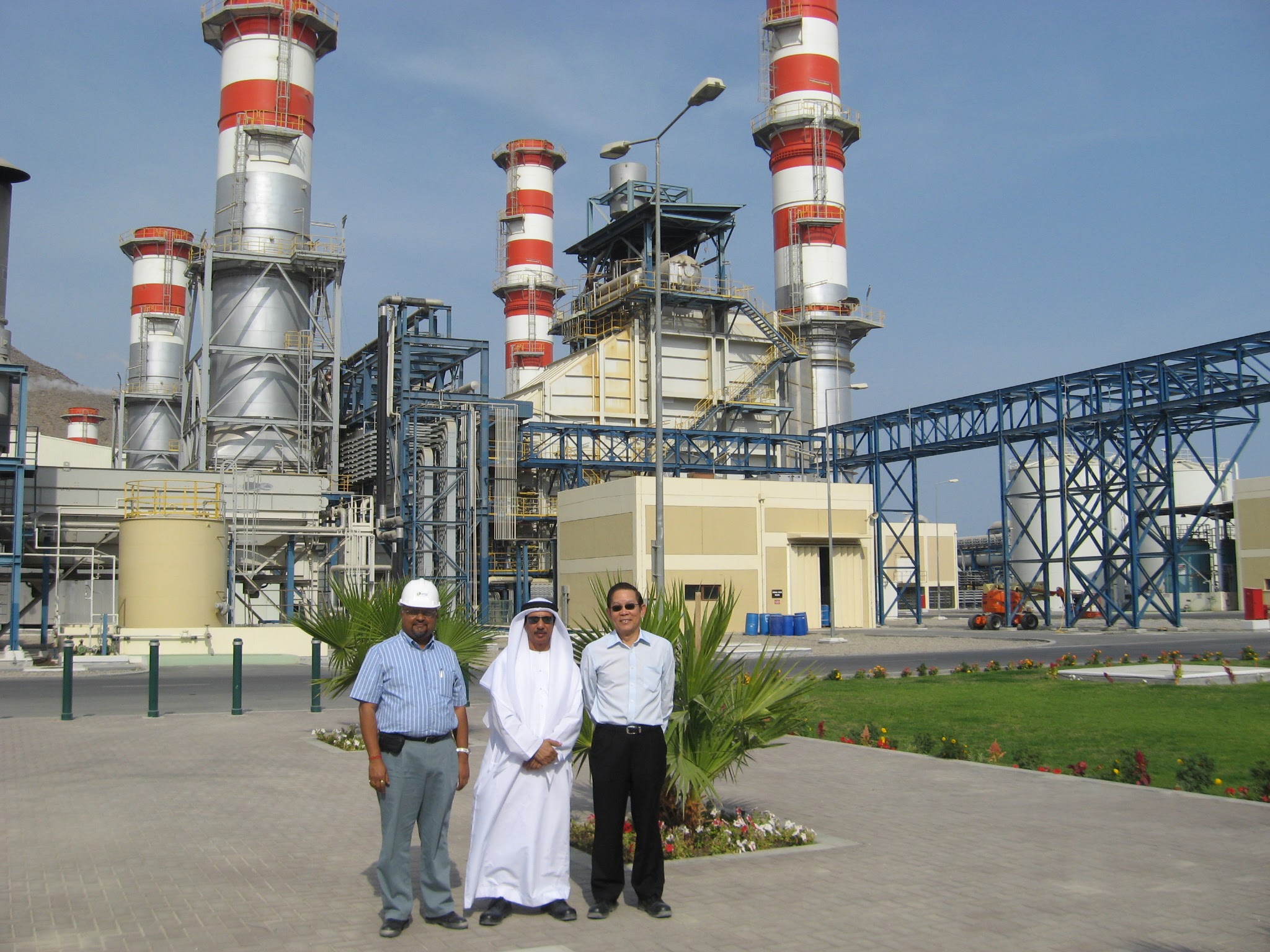
A significant deal has been struck in the UAE’s energy and water infrastructure sector as the UAE Offsets Group (UOG) awarded a $453 million contract to a consortium of Al Jaber Energy Services (AJES) and Technip for the transmission package of the Fujairah desalination and power project. The signing of this agreement marks a crucial step forward in efforts to meet the rising demand for water in Al Ain and power in the Northern Emirates.

The consortium, featuring AJES as the local partner and Technip, a global leader in engineering and construction, will be responsible for the design, construction, and commissioning of a 185-kilometer pipeline. This pipeline will transport water from Fujairah to Al Ain, including a 16-kilometer extension to Al Dhaid. In addition to the pipeline, the project involves the construction of associated infrastructure such as water pumping stations and storage tanks to ensure an efficient supply of water to meet growing consumption in the region.

The contract comes at a time when power demand in the Northern Emirates is increasing by 10 to 15 percent annually, particularly during the peak summer months. Addressing these needs has become a top priority for the UAE government. The project will provide a much-needed solution to the region’s persistent power shortages while catering to the growing population and industrial expansion in the area.

Al Jaber Energy Services and Technip were selected as the preferred bidders after a competitive tender process. The successful award of the contract is part of a broader strategy by the UAE to develop its water and energy infrastructure to meet both present and future needs. The project is also aligned with the country’s sustainable development goals, particularly in water conservation and energy efficiency.

The pipeline will play a critical role in ensuring the long-term security of water supply for residents of Al Ain, a city that has seen rapid growth in recent years. The consortium is expected to deliver the project with high standards of efficiency and reliability, leveraging their combined expertise in large-scale engineering projects.

This award follows a series of projects aimed at bolstering the UAE’s infrastructure, including power generation and desalination initiatives. The Fujairah desalination plant itself, part of the overall package, will have a significant capacity to meet future water demands, thus reinforcing the UAE’s commitment to sustainable water management and infrastructure resilience.

Al Jaber, a UAE-based conglomerate with vast experience in the construction and engineering sectors, has previously been involved in major infrastructure projects across the region. Meanwhile, Technip, known for its global reach and expertise in energy infrastructure, will provide the technical know-how and engineering capabilities needed to ensure the project’s success.

This contract award highlights the importance of public-private partnerships in the UAE’s ongoing efforts to address infrastructure challenges. The UOG’s involvement ensures that the project will be executed within the strategic framework of the UAE’s national development objectives. It also underscores the growing role of international companies like Technip in supporting the UAE’s infrastructure and energy needs.

Construction on the pipeline and its associated facilities is set to begin shortly, with a tight project timeline to meet the pressing demand for water and power. The Fujairah-Al Ain pipeline is expected to significantly improve water distribution efficiency and address critical shortages that have affected the region in recent years.

The rising tensions in the Red Sea, particularly due to Houthi rebel threats against shipping vessels, have led to a sharp increase in insurance premiums for maritime companies operating in the region. The volatile security environment, combined with the risk of targeted attacks on vessels linked to countries like the UK, US, or those having called at Israeli ports, has left insurers increasingly cautious about providing war-risk cover for ships transiting the waters.

War-risk insurance premiums have skyrocketed to as much as 2% of a vessel’s value for a single transit through the Red Sea. This steep increase reflects heightened concerns following several incidents, most notably the August 21 strike on the oil tanker Sounion, which was carrying about one million barrels of crude oil at the time. Though the tanker was safely towed without spillage, the attack underscored the vulnerability of maritime assets in the region, adding pressure on insurers and shipping companies alike.

The market for insuring ships passing through this critical shipping route has narrowed as smaller insurers retreat from offering coverage. A limited number of firms, mostly high-risk underwriters, continue to offer protection, but at significantly elevated costs. Industry insiders have noted that some vessels, especially those perceived as high-value targets for potential attacks, are struggling to secure any coverage at all.

The risks have intensified with the Houthis’ declaration that ships with certain affiliations would face potential attacks. While traditionally, war-risk cover has been available, the situation is unprecedented with underwriters outright refusing coverage, citing the region’s escalating risks. For shipping operators, this poses not only financial but also operational challenges, as the necessity of traversing the Red Sea for global oil and goods trade remains critical despite the threats.

A consortium of insurance underwriters led by Brit provided the war-risk cover for the Sounion, alongside firms such as Antares, Iquw, Hamilton, and others. However, many of these insurers have been notably silent regarding the details of coverage, which underscores the sensitivity and complexities of offering insurance in such a volatile region. The consortium’s willingness to continue offering protection contrasts with smaller players who are increasingly unwilling to take on such risks.

The situation has compounded concerns for global shipping companies, especially with the strategic importance of the Red Sea in connecting Europe, the Middle East, and Asia. As attacks threaten to disrupt not just oil shipments but broader trade routes, the rising insurance costs may further exacerbate existing challenges for global supply chains.

Maritime experts are urging caution as geopolitical tensions in the region show little sign of abating, with insurers increasingly exercising selective underwriting processes to minimize exposure. Ships perceived as having higher exposure to attacks are now finding it exceedingly difficult to secure coverage at any price. This selective process not only reflects the complexities of the situation but also highlights the unpredictable nature of risk in conflict-prone areas like the Red Sea.

As shipping companies scramble to mitigate these rising costs, the long-term impact on global trade remains a looming concern. Many in the industry are questioning how long they can sustain operations under such financial pressure and whether alternative routes or additional security measures might provide a viable solution in the coming months.

Global Cloud Leader Collaborates with NVIDIA, XPENG, miHoYo, Atlas, Codium, UNESCO-ICHEI to Drive the Future of Mobility, Gaming, Travel, IT and Education HANGZHOU, CHINA – Media OutReach Newswire – 20 September 2024 – Alibaba Cloud, the digital technology and intelligence backbone of Alibaba Group, today announced at its annual flagship event Apsara Conference that its proprietary foundational model Tongyi has attracted over 300,000 customers via its generative […]

Advertisements

Reinforcing Citi’s Commitment to the Region with Hong Kong as a Nexus HONG KONG SAR – Media OutReach Newswire – 20 September 2024 – Citi Hong Kong recently welcomed Head of Wealth Andy Sieg back in the city for the third time since last September, underlining Citi’s commitment to investing further to support client-led growth in Hong Kong and across the region. During his visit, Andy attended […]

HONG KONG SAR – Media OutReach Newswire – 20 September 2024 – DL Holdings Group Limited (“DL Holdings” or the “Company“, together with its subsidiaries, the “Group“, Stock Code: 1709.HK) announced that on September 19, 2024, DL Holdings has entered into an acquisition MOU with a Singapore-based wealth management firm (the “Target Company”). The consideration of the Sale Shares is expected to be settled by a combination […]

LiquidStack, a prominent player in liquid cooling technologies, has successfully raised $20 million in a Series B extension round. This funding, led by Tiger Global, brings the company’s total Series B round to $35 million and underscores the growing interest in liquid cooling for data centers, particularly as artificial intelligence (AI) and high-performance computing continue to escalate global energy demands.

This additional capital will be crucial for expanding LiquidStack’s research and development efforts as well as its commercial reach. With the rise of generative AI models, data centers are increasingly pressured to manage the heat generated by high-density servers. Traditional air-cooling methods are becoming less efficient, leading to a surge in demand for more advanced, sustainable cooling systems like those offered by LiquidStack.

Founded in 2020, LiquidStack has quickly gained recognition for its immersion cooling solutions, which involve submerging servers in dielectric fluids to disperse heat efficiently. The company’s solutions are specifically designed to support AI workloads, which are highly energy-intensive and require advanced thermal management to avoid throttling performance. As AI continues to grow in importance across various industries, LiquidStack’s technology is becoming integral to maintaining the operational efficiency of data centers while reducing their carbon footprint.

The strategic investment from Tiger Global comes at a critical juncture for the AI and data center industries. Market reports indicate that liquid cooling is becoming a key component in tackling the environmental challenges posed by the massive power consumption of AI servers. Estimates suggest that liquid cooling could lead to energy savings of up to 40%, positioning it as a crucial technology for the future of sustainable computing.

SINGAPORE – Media OutReach Newswire – 20 September 2024 – Today, NTS proudly opens its new facility in Singapore, merging assembly and manufacturing operations into a state-of-the-art, future-proof production and office space. With this expansion, NTS is fully equipped to be the first-tier contract manufacturer and partner of choice for its clients. The new site in Singapore is set to become an important hub for global clients […]

Aruba has expanded its collaboration with NetApp, a leader in data infrastructure solutions, to bolster its capabilities in the rapidly growing digital services sector. The Italian web hosting firm, known for its extensive range of cloud services, domain registration, and email hosting solutions across Europe, is leaning heavily on NetApp’s technology to enhance its data center operations and improve the efficiency of its services. This partnership marks […]

The goal is to enhance resilience in facing the effects of climate change on occupational health and safety in schools, homes and workplaces DUBAI, UNITED ARAB EMIRATES – EQS Newswire – 20 September 2024 – The 26th Water, Energy, Technology and Environment Exhibition (WETEX), organised by Dubai Electricity and Water Authority (DEWA) will take place from 1 to 3 October 2024 at the Dubai World Trade Centre. […]

Mergers and acquisitions within the small and medium-sized enterprise (SME) sector in the UAE are expected to undergo significant transformation, as Bidzi, an emerging player in the digital M&A space, expands its operations into the region. Known for its innovative platform that facilitates efficient business transactions, Bidzi is entering a competitive market with a focus on simplifying the process for SMEs, which often face hurdles in navigating […]

Polus Capital Management announced a significant capital commitment from the Abu Dhabi Investment Authority (ADIA) for its Special Situations strategy, increasing the assets under management for this strategy to approximately $5 billion. This development underscores a strategic alignment between Polus and ADIA, which is seeking to diversify its portfolio and leverage opportunities in distressed asset classes.

The investment comes on the heels of a pivotal shift in U.S. monetary policy, marked by the Federal Reserve’s first interest rate cut in four years. This change is anticipated to enhance liquidity and provide much-needed support for companies grappling with balance sheet issues, which aligns closely with the focus of Polus Capital’s investment strategy. The firm specializes in identifying and capitalizing on undervalued companies that may benefit from restructuring or operational improvements.

Polus Capital, known for its expertise in special situations investing, plans to deploy this new capital to target a range of distressed assets across various sectors. The firm’s strategy includes acquiring equity stakes in companies that are undergoing significant transformations or facing financial difficulties. Such investments not only aim to deliver attractive returns but also to assist these companies in their recovery processes.

ADIA’s decision to commit capital to Polus Capital reflects a growing trend among sovereign wealth funds to diversify their investments into specialized asset classes. With the current economic landscape presenting both challenges and opportunities, institutional investors are increasingly turning to experienced asset managers who can navigate complex market conditions.

The Federal Reserve’s rate cut is expected to have broad implications for the market. Lower interest rates typically reduce borrowing costs for companies, making it easier for them to finance operations and restructure debts. This environment is particularly conducive for special situations investing, as it enhances the prospects for companies that have been struggling financially but possess strong underlying business models.

Polus Capital’s leadership has expressed confidence that the partnership with ADIA will enable the firm to scale its operations significantly. This collaboration not only brings additional capital but also positions Polus to capitalize on potential investment opportunities in both established and emerging markets. The firm has outlined a commitment to rigorous due diligence processes, ensuring that every investment aligns with its strategic objectives and risk management frameworks.

Moreover, Polus Capital is poised to benefit from the expertise of ADIA, one of the world’s largest sovereign wealth funds, which manages a diverse portfolio across various asset classes. The insights and resources that ADIA brings to the table could prove invaluable in identifying high-potential investment opportunities, particularly in markets where Polus seeks to expand its footprint.

As global economic conditions evolve, the role of specialized investment firms like Polus Capital becomes increasingly significant. Investors are becoming more discerning, seeking out managers who can deliver value through innovative strategies and a deep understanding of market dynamics. Polus’ approach to special situations aligns well with this trend, as it focuses on navigating complexities to unearth investment potential.

Polus Capital’s recent capital commitment signals a broader shift in the investment landscape, where institutional investors are gravitating towards specialized strategies that offer unique value propositions. As the firm prepares to deploy the new capital, stakeholders are watching closely to see how it will leverage this opportunity to enhance its portfolio and achieve its investment goals.

A significant development in the logistics and trading sector has emerged as Rorix Holdings, backed by the International Holding Company (IHC), has entered into a Memorandum of Understanding (MoU) with Adani Ports and Special Economic Zone (APSEZ). This partnership aims to integrate advanced technologies from Rorix into Adani’s existing logistics and trading platforms, marking a pivotal moment for both entities. Dr. Thani bin Ahmed Al Zeyoudi, executive […]

Gulf Cooperation Council (GCC) countries are making steady progress towards a unified economic framework that would grant economic citizenship across the bloc. The move aims to boost regional integration, attract investments, and facilitate smoother economic relations among the six member states. These efforts are considered essential for strengthening economic cooperation, a goal that has been part of the bloc’s broader vision since its establishment in 1981. The […]

MGM Resorts, one of the world’s most prominent gaming and hospitality operators, has officially confirmed plans to expand its reach into the UAE by seeking a gaming license in Abu Dhabi. The move marks a significant development in the global gaming industry, as MGM becomes one of the first major players to explore the opportunity to establish gaming operations in the UAE. This announcement follows growing interest from international casino operators looking to enter the Gulf market, as regional governments consider diversifying their economies.

MGM Resorts CEO Bill Hornbuckle confirmed the company’s intent during a shareholders’ meeting, outlining how the expansion aligns with the company’s global strategy. While the UAE is traditionally known for its conservative stance on gambling, this marks a shift in the region’s approach to attracting global tourism. Hornbuckle expressed optimism about Abu Dhabi’s potential to become a key destination for luxury gaming resorts, similar to what MGM has established in locations such as Las Vegas and Macau.

The UAE has increasingly been recognized for its willingness to explore new avenues to enhance its tourism offerings. Abu Dhabi, in particular, has become a focal point for luxury hospitality, and MGM’s entry into this market could reshape the entertainment landscape. The capital city is already home to a number of world-class resorts, and the addition of MGM would likely attract a new demographic of tourists and international business.

Hornbuckle highlighted Abu Dhabi’s strategic location and reputation for high-end tourism as key factors in the decision. He also emphasized the Emirate’s growing status as a global hub for both leisure and business, noting the potential for MGM to contribute to the evolving landscape. The company aims to bring its signature blend of gaming, luxury accommodations, and entertainment to the region, further bolstering Abu Dhabi’s attractiveness to affluent travelers.

While specific details of the proposal are still under wraps, industry insiders suggest that the license would likely involve a large-scale integrated resort, combining gaming with a range of luxury amenities. This could include high-end restaurants, entertainment venues, and shopping, which are all hallmarks of MGM’s international projects. Should the license be granted, it would represent a pivotal moment for the gaming industry, marking the UAE as one of the few countries in the Middle East to allow such operations.

The UAE’s move toward legalizing gaming is seen as part of a broader effort to diversify its economy, which has long been reliant on oil revenues. In an era where tourism and entertainment are becoming key economic drivers, gaming could prove to be a significant contributor to Abu Dhabi’s growth. Many experts believe that introducing regulated gaming could further solidify the Emirate’s status as a global tourist destination, similar to Las Vegas or Singapore, both of which have leveraged integrated resorts to boost their economies.

Although the UAE has not yet officially confirmed the legalization of gaming, there have been several indicators that the government is exploring the possibility. Earlier this year, Wynn Resorts announced plans for an integrated resort in Ras Al Khaimah that would feature gaming facilities, signaling that the groundwork for regulated gaming might already be in place. The UAE’s consideration of such projects points to a broader trend of Gulf nations opening up to more liberal forms of entertainment and tourism to attract international visitors.

Market analysts are optimistic about MGM’s potential success in the region, citing the company’s track record of delivering high-quality resorts and entertainment experiences worldwide. Abu Dhabi, with its blend of cultural heritage and modern attractions, is seen as a fitting destination for MGM’s brand, which is synonymous with luxury and world-class service. Analysts have also pointed out that MGM’s expertise in navigating regulated gaming markets could give the company an advantage as the UAE considers introducing gaming regulations.

Despite the optimism, there remain challenges and uncertainties about how gaming will be regulated in the UAE, particularly in a region where cultural and religious factors play a significant role in governance. Analysts have noted that any gaming operations in Abu Dhabi would likely be subject to strict regulatory oversight and would need to cater to both local sensitivities and international standards. Hornbuckle acknowledged these complexities but expressed confidence in MGM’s ability to adapt to different markets while respecting local laws and customs.

As the region inches closer to potentially legalizing gaming, other international operators are also eyeing the UAE for expansion. Alongside MGM and Wynn Resorts, there has been speculation that Las Vegas Sands is also interested in entering the UAE market. These developments suggest that the UAE could become a new frontier for the global gaming industry, attracting billions in investments and creating thousands of jobs.

Bitcoin’s surge past $62,000 has rekindled interest in the cryptocurrency market, with growing attention from major financial institutions. As fears of a U.S. dollar crisis mount, BlackRock, one of the world’s largest asset management firms, has issued warnings about the potential fallout from America’s rising debt burden. The firm has indicated that this escalating debt, now towering over $35 trillion, could erode confidence in the U.S. dollar, pushing investors toward alternative assets like Bitcoin.

A sharp 0.5% interest rate cut by the U.S. Federal Reserve shocked the financial world, marking a significant policy shift. This surprise move has added momentum to Bitcoin’s rally, with many investors interpreting it as a sign that traditional financial systems may be under strain. The combination of surging inflation, monetary easing, and ballooning U.S. debt levels is seen by some as a perfect storm for institutional investors to seek refuge in digital assets. BlackRock’s growing focus on Bitcoin reflects this sentiment, as it positions itself ahead of potential macroeconomic upheavals.

The asset manager’s shift towards Bitcoin marks a noteworthy moment in the broader adoption of cryptocurrencies by institutional players. Bitcoin, long regarded as a fringe asset or speculative plaything, is increasingly being viewed as a credible alternative to traditional stores of value. The rise of digital currencies is not just a retail phenomenon anymore; institutional investors like BlackRock are finding it prudent to diversify their portfolios in the face of looming economic uncertainty.

Fears over the stability of the U.S. dollar are not unfounded. Analysts have pointed out that the Federal Reserve’s dovish stance, combined with government borrowing, is creating an environment where the dollar could weaken further. With interest rates low and inflation persisting, the purchasing power of the dollar faces increasing pressure. BlackRock has underscored the importance of preparing for such scenarios, highlighting Bitcoin’s distinct potential as a hedge against currency depreciation.

Bitcoin’s unique characteristics are drawing institutional attention. Unlike gold or other traditional safe-haven assets, Bitcoin offers a blend of scarcity, decentralization, and growing utility in global financial systems. As central banks worldwide grapple with inflation and currency fluctuations, Bitcoin’s role as a hedge has gained legitimacy among institutional investors. BlackRock’s analysts have stressed that Bitcoin’s fixed supply—capped at 21 million coins—makes it a robust alternative to fiat currencies, which can be devalued by excessive monetary policies.

The cryptocurrency’s surge past $62,000 has only strengthened the case for its adoption. A combination of factors, including institutional buying and a broader acceptance of Bitcoin as a financial asset, have contributed to its price rally. Analysts believe that Bitcoin’s newfound appeal as a long-term hedge could propel it further, especially as central banks continue to implement aggressive monetary easing measures.

One of the key drivers behind Bitcoin’s rise is the increasing participation of institutional investors. BlackRock’s move signals a broader trend where traditional financial players, who once viewed Bitcoin with skepticism, are now embracing it as part of their risk management strategies. The company’s endorsement of Bitcoin comes at a time when more hedge funds, pension funds, and asset managers are looking to incorporate digital assets into their portfolios. This growing interest marks a pivotal shift in the financial landscape, with Bitcoin no longer confined to niche markets or retail traders.

BlackRock’s leadership in asset management means its endorsement of Bitcoin is likely to resonate across the financial industry. As one of the largest and most influential firms, BlackRock’s insights often set the tone for broader market trends. Its acknowledgment of Bitcoin as a viable hedge against U.S. dollar risks may spur other institutions to reconsider their stance on digital currencies, further driving adoption in the months to come.

Despite the positive momentum surrounding Bitcoin, the cryptocurrency market remains volatile. Bitcoin’s price swings are still more pronounced compared to traditional assets, and some investors are cautious about jumping in. However, BlackRock has argued that Bitcoin’s volatility may be a risk worth taking in the current macroeconomic climate. The firm’s analysts suggest that as long as the U.S. government continues to accumulate debt and rely on monetary easing, Bitcoin’s role as a hedge will become more valuable.

Institutional investors are also looking beyond Bitcoin’s price movements. The underlying technology of blockchain, which supports Bitcoin and other cryptocurrencies, is increasingly being explored for its potential in financial systems. BlackRock has recognized the long-term value of blockchain technology, acknowledging its potential to revolutionize sectors beyond just finance. The company’s interest in Bitcoin can be seen as part of a broader strategy to position itself at the forefront of technological innovation in finance.

Bitcoin’s status as a “digital gold” is being cemented by its growing adoption. BlackRock’s focus on Bitcoin is a reflection of the wider belief that the world’s oldest cryptocurrency could play a significant role in future financial markets. As the U.S. dollar faces challenges from both domestic and international forces, institutional players like BlackRock are preparing for scenarios where traditional assets might underperform. By including Bitcoin in their portfolios, they are hedging against a potential loss of confidence in the world’s reserve currency.

LONDON, UK / SINGAPORE – Media OutReach Newswire – 20 September 2024 – The Ascott Limited (Ascott), the Official Global Hotels Partner of Chelsea Football Club, is excited to bring The Famous CFC to Singapore as the event’s presenting partner. This will mark the inaugural Southeast Asian destination for Chelsea’s flagship international fan engagement programme. Scheduled for the weekend of 30 November and 1 December 2024, the […]

AD Ports Group has successfully refinanced loans, taking advantage of favorable conditions following a recent reduction in interest rates by the Federal Reserve. This strategic move aims to bolster the company’s financial position and enhance its growth potential in the competitive logistics and port management sectors.

The refinancing encompasses a total of AED 1.1 billion ($300 million) in loans. These financial adjustments allow AD Ports to lower its cost of capital while extending the maturity period of its debt obligations. The revised terms reflect a significant shift in the financial landscape, influenced by the Fed’s decision to cut rates, which has eased borrowing conditions across global markets. This development is anticipated to support AD Ports’ expansion initiatives and operational efficiencies.

AD Ports Group operates a diverse portfolio that includes ports, logistics, and trade activities, playing a pivotal role in the UAE’s economic growth. The company has been at the forefront of enhancing the country’s status as a global logistics hub, strategically positioning itself to leverage emerging trends in trade and commerce. By securing more advantageous loan terms, AD Ports aims to sustain its momentum in capitalizing on opportunities within the region and beyond.

The decision to refinance aligns with broader trends in the industry, where companies are actively seeking to optimize their capital structures amid fluctuating interest rates. Analysts suggest that the refinancing is indicative of a proactive approach by AD Ports, enabling it to navigate economic uncertainties while pursuing growth strategies. The company’s management has expressed confidence that these improved financial conditions will facilitate investments in technology and infrastructure, further strengthening its operational capabilities.

Moreover, the impact of the Fed’s rate cut is being felt across various sectors, prompting businesses to reconsider their financial strategies. The logistics and transportation industries, in particular, are seeing a surge in refinancing activity as firms aim to enhance liquidity and reduce financing costs. This trend underscores the interconnectedness of global economic policies and local market dynamics, illustrating how international decisions can significantly influence domestic corporate strategies.

AD Ports Group’s commitment to sustainability and innovation has also played a vital role in its refinancing efforts. The company has been investing in green technologies and sustainable practices, aligning itself with global trends toward environmental responsibility. Such initiatives are not only crucial for meeting regulatory requirements but also resonate with investors who increasingly prioritize sustainable investment opportunities.

Key stakeholders within the logistics sector are closely monitoring AD Ports’ financial maneuvers, as they may set a precedent for similar companies in the region. The refinancing serves as a benchmark, demonstrating how organizations can leverage external economic shifts to enhance their financial health and competitive positioning. Industry experts predict that other logistics firms may follow suit, seeking to capitalize on the favorable lending environment.

As the global economy continues to grapple with challenges such as inflation and geopolitical tensions, companies like AD Ports are adapting their strategies to maintain resilience. The ability to refinance under improved terms not only reinforces AD Ports’ financial foundation but also positions it well for future investments that could yield substantial returns.

The logistics and shipping industry is evolving rapidly, with digital transformation and automation becoming central themes. AD Ports has made strides in integrating technology into its operations, enhancing efficiency and responsiveness to market demands. The refinancing initiative is expected to provide additional resources for further digital advancements, allowing the company to remain competitive in a fast-paced environment.

A potential shift in the real estate landscape is underway as Dubai-based developer BinGhatti explores the tokenization of its property assets. This move aligns with the growing trend of leveraging blockchain technology to enhance liquidity and accessibility in the real estate sector. Tokenization involves converting real estate assets into digital tokens, enabling fractional ownership and simplifying transactions. The initiative reflects broader changes in how real estate investments […]

Estithmar Holding Group has successfully listed its debut corporate sukuk, valued at QAR 1 billion, on the London Stock Exchange. This milestone marks the first corporate sukuk denominated in Qatari Riyals to be listed on an international exchange. The issuance aims to diversify the group’s funding sources while bolstering investor confidence in Qatar’s corporate sector. The sukuk, which is Sharia-compliant, represents an important step for Estithmar Holding, […]

Regional stock markets across the Arab world reached a total market capitalization of $4.268 trillion in August, marking another significant milestone for the financial hubs of the Middle East. Major players such as Saudi Arabia, the UAE, and Qatar continue to lead the region’s stock exchanges, driven by robust economic conditions, high energy prices, and increased investor confidence in non-oil sectors. This rise reflects growing interest from […]

VISHNU RAJA
RYO YAMADA
HITORI GOTOH
IKUYO KITA