News related to
global

Google has announced a significant investment of $1 billion (36 billion Thai baht) into Thailand, marking a strategic move to enhance the country’s digital infrastructure. The tech giant will establish a new data center and further expand its cloud capabilities in Thailand, a region recognized as a growing hub for digital transformation. This investment, disclosed on Monday, positions Thailand as a pivotal location in Google’s broader Asia-Pacific strategy to harness the potential of artificial intelligence (AI) and cloud computing.

This expansion reflects Google’s growing interest in Southeast Asia’s digital economy, which has been steadily increasing in global significance. By building a data center in Thailand, Google aims to support the country’s rapidly evolving digital landscape, while also strengthening its cloud infrastructure across the Asia-Pacific region. The move is part of Google’s broader efforts to stay competitive in the AI and cloud computing markets, where it faces fierce competition from other tech players, including Microsoft and OpenAI.

Thailand’s digital economy has gained substantial momentum in the past decade, positioning the country as a key player in Southeast Asia’s tech scene. According to a 2023 report by Google, Temasek, and Bain & Company, Thailand’s digital economy ranks as the second-largest in Southeast Asia. It is projected to reach a valuation of $50 billion by 2025, underscoring the country’s rapid digitalization and growing importance in the regional tech landscape. Google’s investment aligns with these trends, helping to accelerate digital transformation in a market poised for further growth.

Google’s decision to invest heavily in Thailand is also influenced by the country’s growing digital consumption. With increased internet penetration and rising demand for cloud-based services, the Thai market presents a substantial opportunity for tech giants to expand their services. The new data center will support the growing needs of businesses and consumers in the region, providing enhanced connectivity, improved access to cloud computing services, and greater data storage capacities. This development is expected to spur innovation, particularly in sectors such as e-commerce, financial technology (fintech), and digital content creation.

Artificial intelligence is another key area where Google seeks to make significant strides with this investment. The data center in Thailand will not only serve as a cloud infrastructure hub but will also contribute to Google’s efforts to push AI applications and services into the Thai market. As AI becomes increasingly integrated into various industries, including healthcare, education, and finance, the infrastructure provided by Google’s new data center is anticipated to support a wide array of AI-driven innovations. The expansion will also facilitate the adoption of AI technologies by local businesses, enhancing their operational efficiencies and enabling them to compete on a global scale.

Thailand’s strategic geographical location within Southeast Asia makes it an ideal choice for Google’s investment. The country serves as a gateway to several other fast-growing markets in the region, offering access to both emerging and established economies. By enhancing its infrastructure in Thailand, Google is well-positioned to tap into broader regional opportunities, particularly as Southeast Asia continues to witness a surge in digital adoption and technological advancements.

Google’s investment is also expected to have a significant economic impact on Thailand. The construction of the data center will create numerous jobs, both directly and indirectly, across various sectors, including technology, construction, and services. Moreover, the expansion of Google’s cloud services in Thailand will benefit local businesses, enabling them to leverage advanced digital tools and platforms to drive growth and innovation. As a result, Thailand is likely to experience a boost in its digital economy, contributing to the overall economic development of the country.

This announcement comes at a time when major tech companies are increasingly focusing on artificial intelligence as the next frontier of technological advancement. As companies like Microsoft and OpenAI continue to advance their AI capabilities, Google’s investment in Thailand underscores its commitment to remaining competitive in this evolving landscape. The new data center will be a critical part of Google’s strategy to enhance its AI infrastructure and deliver cutting-edge AI solutions to customers in Southeast Asia and beyond.

Google’s AI ambitions in Thailand are not just about technology development; they also encompass AI education and skills development. The company has been working with local institutions to provide training in AI and cloud computing, aiming to build a workforce capable of supporting the country’s digital future. This initiative is expected to create a pipeline of skilled workers in Thailand, further positioning the country as a regional leader in AI and digital innovation.

This $1 billion investment also highlights the increasing importance of Southeast Asia as a focus for global tech giants. As the region’s digital economy continues to expand, companies are recognizing the need to invest in local infrastructure to meet the growing demand for digital services. Google’s data center in Thailand is part of a broader trend of tech companies establishing a stronger presence in Southeast Asia, seeking to capitalize on the region’s rapid digital growth.
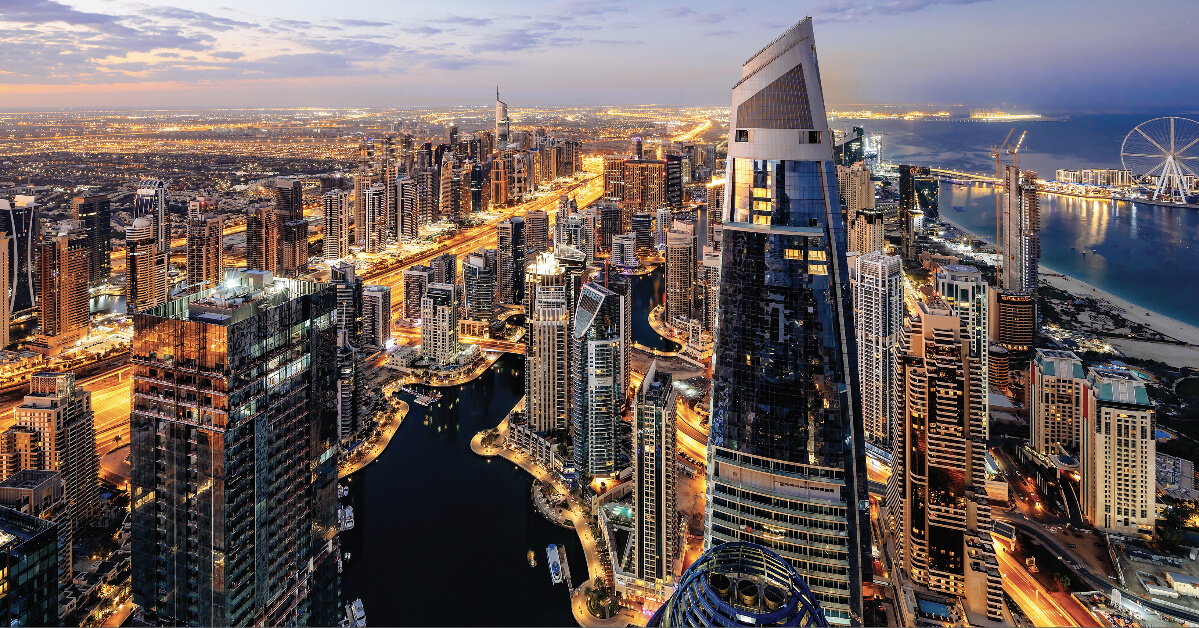

Dubai has taken a significant step toward solidifying its position as a global leader in innovation and intellectual property (IP) management with the launch of the Dubai Intellectual Property Hub (DIPH). Developed in collaboration between the Dubai Future Foundation (DFF) and the UAE Ministry of Economy, the DIPH aims to provide a centralized platform for managing IP and intangible assets (IA) in the region. The initiative targets a wide range of stakeholders, including innovators, artists, entrepreneurs, researchers, academics, and startups, by offering streamlined support and resources.

The DIPH was unveiled at the “IP2024: Glimpse on the Future of IP” event, which attracted high-level officials, industry experts, and leading figures from the IP sector. The introduction of this hub underscores the UAE’s ambitions to position itself as a competitive hub for global intellectual property development and protection. The platform is designed to assist those working in knowledge-based industries, which are becoming increasingly crucial in today’s digital economy.

The Dubai Intellectual Property Hub is expected to fill a longstanding gap in the region’s innovation ecosystem by offering a one-stop solution for intellectual property needs. Through DIPH, innovators will have access to various resources that streamline the IP registration and management process, reducing the complexity that often hampers the commercialization of innovative ideas. By making it easier for creators to secure their intellectual property rights, Dubai is also encouraging the creation and growth of knowledge-based industries.

The launch of the DIPH comes at a critical time when global economies are placing more emphasis on knowledge and innovation. Intangible assets, such as patents, trademarks, copyrights, and trade secrets, are increasingly valuable, and their protection is crucial to driving growth and competitiveness in global markets. This new hub aims to address that demand by providing comprehensive support for the entire IP lifecycle, from idea generation and patent registration to commercialization and enforcement.

In remarks delivered during the launch event, officials highlighted the significance of the DIPH in fostering innovation not just in the UAE but across the broader Middle East and North Africa (MENA) region. The platform aims to establish Dubai as a center for IP-related activities, attracting talent and investment from across the globe. By empowering individuals and organizations to secure their intellectual property more efficiently, the UAE aims to create an environment that nurtures creativity and entrepreneurship.

The DIPH’s comprehensive services include assistance with patent filings, IP rights consultations, educational workshops, and resources on the commercialization of intangible assets. The hub also promises to facilitate networking opportunities between innovators, investors, and legal experts, thereby fostering collaborations that could lead to the development of cutting-edge technologies and creative endeavors.

The collaboration between the Dubai Future Foundation and the Ministry of Economy also reflects the UAE’s broader strategy of diversifying its economy away from traditional sectors like oil and gas. By promoting knowledge-based industries, the UAE is positioning itself as a global leader in sectors like artificial intelligence, biotechnology, and clean energy, where intellectual property plays a critical role. Officials at the launch underscored that the Dubai Intellectual Property Hub is aligned with the UAE’s long-term vision for innovation-driven economic growth.

The DIPH aims to be more than just a registry for patents and trademarks; it aspires to be a catalyst for innovation across multiple sectors. By providing a centralized resource for IP-related activities, the hub is set to attract innovators from around the world, providing them with the tools and support they need to succeed. This effort is in line with Dubai’s larger objective to become a leader in the global knowledge economy, fostering a fertile environment where new ideas and technologies can flourish.

The launch of the Dubai Intellectual Property Hub coincides with the UAE’s commitment to aligning its innovation goals with international standards. Officials noted that DIPH would ensure that the UAE remains compliant with international intellectual property laws and agreements, facilitating smoother collaboration with global partners and investors. This alignment is particularly crucial in today’s interconnected world, where cross-border collaborations are becoming more prevalent.

The introduction of DIPH has been met with widespread optimism from industry experts, who believe that the hub will help to overcome several challenges currently faced by innovators and businesses in the region. One of the primary obstacles to IP protection in many emerging markets is the lack of streamlined processes and resources for managing intellectual property rights. By addressing these gaps, the Dubai Intellectual Property Hub is expected to provide an essential service that will benefit both local and international innovators.

The DIPH is also designed to support the growth of startups in the UAE, which are often heavily reliant on their intellectual property for competitive advantage. Startups and small businesses frequently struggle to navigate the complex world of intellectual property law, and the DIPH aims to alleviate some of these burdens by offering tailored support to emerging companies. Through educational resources, legal consultations, and partnerships with venture capital firms, the hub will assist startups in securing their innovations and bringing them to market.

Ripple has secured in-principle approval from the Dubai Financial Services Authority (DFSA), marking a pivotal step in its global expansion. The approval allows Ripple, a prominent digital asset infrastructure provider, to extend its operations within the Dubai International Financial Centre (DIFC), one of the world’s leading financial hubs. This regulatory nod signals the continued embrace of blockchain-based financial solutions in the Middle East, further positioning Dubai as […]

NEOM has officially unveiled the highly anticipated Sindalah Yacht Club, a hallmark of its first island development, signaling its intent to become a premier global yachting destination. Located within the breathtaking Sindalah island, the club has been meticulously designed by renowned Florentine designer Stefano Ricci, blending Italian craftsmanship with the island’s natural beauty. It serves as both a luxurious gathering place for yacht owners and a key attraction in NEOM’s vision to transform the Red Sea coast.

Stefano Ricci’s design of the Sindalah Yacht Club reflects a harmonious fusion of elegance and nature. The interiors feature the timeless white Carrara marble, accentuated by a unique “Sindalah Blue,” a color crafted specifically to capture the pristine waters surrounding the island. The use of briar-root wood adds warmth and depth, providing a refined and inviting ambiance for guests. With a layout spanning 1,800 square meters, the club boasts opulent lounges, a terrace pool with sweeping ocean views, and an exclusive fine-dining experience curated by Michelin-starred chef Enrico Bartolini.

The Sindalah Yacht Club aims to cater to the upper echelon of the yachting world, offering state-of-the-art berthing for superyachts up to 180 meters in length. Managed by IGY Marinas, known for their expertise in luxury marina services, the facility is positioned to serve as a year-round hub for the global yachting elite. Its strategic location on the Red Sea makes it an ideal destination for leisure travelers seeking both adventure and tranquility.

Sindalah’s development as a yachting paradise is part of NEOM’s broader vision to redefine urban living through sustainable, futuristic projects. NEOM’s leadership has emphasized the role of Sindalah as a significant milestone in its push to attract global tourism and investment. Nicholas Smith, General Manager of Sindalah, highlighted the excitement surrounding the unveiling of the Yacht Club, noting that it showcases the innovative and luxury-driven ethos of the entire island development. He emphasized that the collaboration with Stefano Ricci is a testament to NEOM’s commitment to offering world-class experiences to its visitors.

Sofitel has officially launched its inaugural branded residences in Downtown Dubai, marking a significant expansion of the luxury hotel brand’s presence in the region. The development, in collaboration with Azha Development and Dubai Sotheby’s International Realty, is strategically located just minutes away from iconic landmarks like the Burj Khalifa and the Dubai Mall, catering to affluent buyers and investors seeking a premium living experience.

The Sofitel branded residences comprise 174 luxurious units, including one, two, and three-bedroom apartments, designed to embody the essence of French elegance fused with Middle Eastern hospitality. Each residence features modern amenities, sophisticated interiors, and expansive views of the city’s skyline, ensuring a lavish lifestyle for residents. The project aims to attract both local and international buyers, reflecting the growing demand for upscale living spaces in Dubai’s thriving real estate market.

The launch comes at a time when Dubai’s property sector is witnessing robust growth, fueled by the UAE’s strategic initiatives to boost tourism and attract foreign investment. Recent reports indicate a surge in luxury property sales, with many buyers from various regions, including Europe and Asia, looking to invest in Dubai’s thriving real estate market. This trend is partly driven by the UAE’s successful handling of the pandemic and its appeal as a global business hub.

Sofitel’s entry into the branded residences segment aligns with its global strategy to enhance brand visibility and cater to an evolving clientele that values luxury and lifestyle. The residences are not merely living spaces; they are designed to provide a holistic lifestyle experience. Residents will have access to a range of amenities, including a swimming pool, a wellness center, and exclusive dining options, all curated to deliver the signature Sofitel experience.

Azha Development’s partnership with Sofitel exemplifies a growing trend among developers in Dubai, who are increasingly collaborating with international brands to elevate their projects. The collaboration aims to leverage Sofitel’s prestigious reputation in the luxury hospitality sector to enhance the appeal of the residences. This synergy is expected to boost the overall value of the development, making it an attractive investment opportunity.

Dubai Sotheby’s International Realty plays a crucial role in the sales strategy for these branded residences, leveraging its extensive network and expertise in the luxury real estate market. The agency’s involvement underscores the importance of marketing strategies tailored to affluent buyers, utilizing high-end branding and exclusive events to showcase the lifestyle offered by the Sofitel residences.

Market analysts suggest that branded residences have become a significant trend in the global real estate market, particularly in high-demand areas like Dubai. Buyers are increasingly drawn to properties that offer the backing of renowned brands, as these often promise a certain level of quality, service, and lifestyle. This trend is expected to continue, with luxury brands like Sofitel leading the charge in meeting the growing demand for high-end living.

The demand for branded residences is fueled by the lifestyle aspirations of wealthy individuals who prioritize a seamless blend of luxury, service, and location. The proximity of the Sofitel residences to major attractions in Dubai positions it as a prime choice for buyers looking for convenience and accessibility. The development’s strategic location allows residents to immerse themselves in the vibrant culture, entertainment, and leisure activities that Dubai offers.

The launch of the Sofitel branded residences also coincides with ongoing efforts by Dubai’s government to promote the city as a premier destination for expatriates and investors. Initiatives such as long-term residency visas and the Golden Visa program have attracted a diverse pool of buyers, further boosting demand for luxury properties. The city’s real estate market has seen a notable uptick in transactions, with luxury properties leading the way in terms of both sales and price appreciation.

BARCELONA, SPAIN – Media OutReach Newswire – 1 October 2024 – Participating in InCabin Europe 2024, VinAI will introduce DrunkSense, the world’s first system that passively detects drunk driving without a breathalyzer. This is the first time this breakthrough solution, with an accuracy rate of up to 85%, has been introduced in Europe, promising to revolutionize modern traffic safety. DrunkSense is a safety technology for next-generation smart […]

PeptiGrowth Inc., based in Chiyoda-ku, Tokyo, has unveiled an innovative synthetic peptide known as the “FGF2 alternative peptide (FGFR1c agonist),” designed to mimic the functionalities of recombinant Fibroblast Growth Factor 2 (FGF2). The launch of this product, set for early October 2024, marks a significant advancement in regenerative medicine and therapeutic applications, especially in wound healing and tissue repair.

FGF2 plays a pivotal role in various biological processes, including cell proliferation, differentiation, and angiogenesis, making it essential in tissue engineering and regenerative therapies. Traditional methods of utilizing FGF2 have relied on recombinant forms, which, while effective, come with several limitations, including high production costs and stability issues. PeptiGrowth’s novel peptide aims to address these concerns by providing a more stable, cost-effective alternative without compromising therapeutic efficacy.

This new peptide has been rigorously tested in preclinical trials, demonstrating its capacity to engage with FGFR1c effectively, thereby activating key cellular pathways that facilitate tissue regeneration. The trials showed promising results in enhancing wound healing processes, with faster recovery times and improved tissue quality compared to controls. Experts in the field have noted that the implications of such a product could extend beyond wound healing into broader applications within regenerative medicine.

Industry analysts highlight that the demand for alternatives to recombinant growth factors is increasing, particularly in the context of the rising costs associated with biopharmaceuticals. PeptiGrowth’s FGFR1c agonist could cater to this demand by offering a synthetic option that is both economically viable and functionally robust. The ability to produce this peptide on a larger scale may significantly lower production costs for healthcare providers, ultimately benefiting patients.

The market for growth factors is projected to experience substantial growth over the next few years, fueled by advances in regenerative therapies and an aging population that requires effective solutions for chronic wounds and tissue degeneration. PeptiGrowth’s introduction of the FGFR1c agonist positions the company as a key player in this evolving landscape, with potential for partnerships with healthcare institutions and research organizations focused on innovative treatment modalities.

Notably, PeptiGrowth’s commitment to innovation is underscored by its ongoing research into other synthetic peptides that could complement the FGFR1c agonist. These developments may pave the way for combination therapies that enhance the effectiveness of existing treatments. The company’s R&D team is actively exploring how these peptides can be integrated into various therapeutic protocols, particularly in oncology and regenerative medicine.

As the healthcare sector increasingly shifts towards personalized medicine, PeptiGrowth’s advancements could also align with this trend. Customizable therapeutic strategies involving synthetic peptides may offer tailored solutions for individual patients, optimizing treatment outcomes and minimizing adverse effects. Such flexibility could revolutionize approaches to managing conditions that have historically been challenging to treat.

The launch of the FGF2 alternative peptide comes at a time when the global market for peptide therapeutics is expanding rapidly, with a compound annual growth rate (CAGR) projected at over 10% in the next five years. This growth is driven by advancements in peptide synthesis technologies and a better understanding of their mechanisms of action. PeptiGrowth’s innovative approach, focusing on stability and functionality, positions it strategically within this dynamic market.

In addition to its commercial endeavors, PeptiGrowth is also dedicated to contributing to the scientific community. The company plans to publish its findings from preclinical studies in peer-reviewed journals, fostering transparency and encouraging collaboration with other researchers in the field. Such initiatives not only bolster PeptiGrowth’s credibility but also help advance the broader understanding of peptide therapeutics.

The launch of the FGFR1c agonist reflects PeptiGrowth’s strategic vision to lead in the peptide-based therapeutic space. By prioritizing research and development, the company aims to remain at the forefront of innovation while addressing the pressing needs of healthcare providers and patients alike. Stakeholders across the healthcare spectrum are closely monitoring this development, eager to assess the impact of this synthetic peptide on clinical practices and patient outcomes.

Advertisements

DUBAI, UAE – EQS Newswire – 1 October 2024 – Dubai Electricity and Water Authority (DEWA) (www.DEWA.gov.ae) organises the 26th Water, Energy, Technology and Environment Exhibition (WETEX) from 1 to 3 October 2024 at the Dubai World Trade Centre. The exhibition is a standout event in the global sustainability calendar. It is the largest exhibition in the region in energy, water, green development, sustainability, decarbonisation, green mobility, […]

Consumer behavior in the Middle East is evolving significantly, driven by a complex interplay of climate change concerns and rising inflation. A recent survey conducted by PwC reveals that while economic pressures are palpable, consumers are increasingly willing to pay a premium for sustainable products. This shift highlights a growing awareness of environmental issues, even as individuals grapple with the financial strains of daily life. The survey, […]

A significant shift to biofuels for dnata’s UK operations has resulted in a reduction of over 2,400 tonnes of carbon dioxide emissions annually. This transition aligns with the global push for more sustainable practices in the aviation industry and highlights dnata’s commitment to environmental responsibility. Dnata, a major player in ground handling and cargo services, has implemented a program to replace traditional fossil fuels with sustainable aviation […]

Ripple has achieved a significant milestone by receiving in-principle approval from the Dubai Financial Services Authority (DFSA) to enhance its operations from the Dubai International Financial Centre (DIFC). This approval marks Ripple as the first blockchain-enabled payment services provider licensed by the DFSA, enabling the company to offer its suite of digital asset infrastructure and services in the United Arab Emirates (UAE). With this regulatory endorsement, Ripple […]

Concerns are mounting for French equities as speculation intensifies regarding potential tax increases aimed at blue-chip companies. Analysts from Barclays Plc have raised alarms, suggesting that these proposed hikes may exacerbate the already sluggish performance of the French stock market. This forecast comes as the French government grapples with a growing budget deficit, prompting considerations for fiscal measures that could have far-reaching implications for corporate profitability and […]

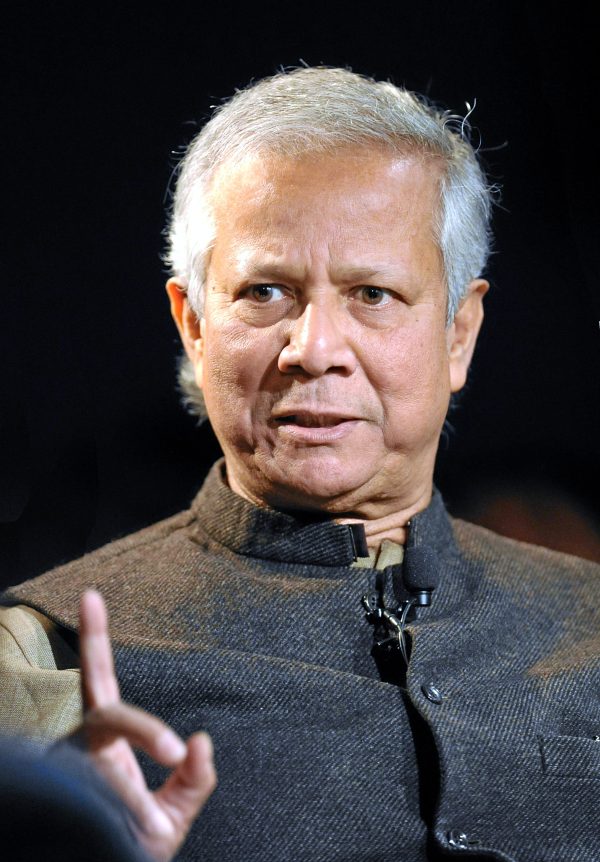
By Nitya Chakraborty In the first battle between the interim Government of Bangladesh and India in the international forum — that is the United Nations, Bangladesh interim government chief adviser Dr. Muhammad Yunus had a clear victory over Prime Minister Narendra Modi without having any one on one meeting between the two. Dr. Yunus was […]

DP World, the global logistics giant headquartered in Dubai, is preparing to make a significant contribution to Mozambique’s economic landscape by expanding its operations in the country. This development follows a high-profile meeting between Sultan Ahmed bin Sulayem, the CEO and Chairman of DP World Group, and Mozambique’s President, Filipe Nyusi, during the United Nations General Assembly (UNGA) in New York. The two discussed a range of new investment initiatives aimed at enhancing Mozambique’s logistics and industrial capabilities, with DP World confirming its intention to deepen its involvement in the nation’s infrastructure projects.

The company’s new plans come amid Mozambique’s efforts to become a critical player in regional trade, particularly as it seeks to leverage its strategic location along the southeastern coast of Africa. DP World’s planned investments focus primarily on the development of ports and related infrastructure, with an emphasis on increasing trade capacity, boosting local employment, and fostering economic growth.

DP World has long viewed Africa as a key area for growth, and Mozambique represents a strategic link in the company’s broader ambitions across the continent. The nation’s ports, including Maputo and Nacala, serve as vital gateways for international trade, facilitating the movement of goods to and from landlocked countries in southern Africa. By enhancing these logistics hubs, DP World aims to further integrate Mozambique into global trade routes, making it a more attractive destination for foreign investment and positioning the country as a regional logistics hub.

The meeting between DP World’s leadership and President Nyusi underscores the importance of Mozambique’s logistics sector in regional economic development. According to sources familiar with the discussion, both parties are committed to ensuring that the planned investments align with Mozambique’s national development strategy. This includes improving the efficiency of port operations, upgrading existing facilities, and constructing new logistics centers to meet the growing demand for trade services.

Mozambique has already benefited from DP World’s presence in the region. The company operates several ports and terminals across Africa, and its involvement in Mozambique is expected to bring similar benefits. This expansion is part of a broader strategy by DP World to strengthen its footprint across Africa, where it has already made substantial investments in countries like Senegal, Egypt, and Somaliland. In these nations, DP World has transformed local port infrastructure, increasing trade volumes and creating thousands of jobs.

For Mozambique, the focus on infrastructure investment comes at a critical time. The country has been recovering from economic disruptions caused by natural disasters and regional instability, and the development of its logistics sector is seen as vital to ensuring long-term growth. By improving trade routes and modernizing ports, Mozambique hopes to attract more foreign investors, stimulate job creation, and diversify its economy beyond natural resource extraction.

DP World’s involvement in Mozambique could also serve as a catalyst for the country’s broader development goals. In addition to the direct economic benefits of improved logistics infrastructure, there are potential spillover effects in areas like industrial development, transportation, and tourism. The expansion of port facilities could, for example, lead to the growth of ancillary industries such as manufacturing and processing, which in turn would create further job opportunities for the local population.

The partnership between DP World and Mozambique is expected to support regional trade by facilitating the movement of goods across borders. Mozambique’s ports play a critical role in serving landlocked countries like Zimbabwe, Malawi, and Zambia, which rely on Mozambique’s transportation networks to access global markets. With DP World’s expertise in logistics and port management, these networks could become more efficient, reducing transportation costs and speeding up trade flows.

Mozambique’s growing importance as a logistics hub is also evident in the increasing number of global players looking to invest in the country. Aside from DP World, other international companies have shown interest in Mozambique’s ports, attracted by the country’s geographical position and the potential for growth in regional and international trade. The expansion of logistics services in Mozambique not only benefits the local economy but also contributes to the wider African Continental Free Trade Area (AfCFTA) initiative, which seeks to create a single market for goods and services across the continent.

DP World’s investment in Mozambique is part of a long-term strategy to strengthen its presence in emerging markets. The company has been expanding aggressively across Asia, Latin America, and Africa, focusing on regions with high growth potential and strategic importance. Mozambique fits well into this strategy, given its natural resources, growing population, and proximity to major international trade routes.

Creditors of FTX Dotcom have overwhelmingly backed a reorganization plan aimed at resolving one of the largest financial collapses in cryptocurrency history. Over 94% of the affected creditors voted in favor of the proposal, marking a significant step towards restructuring the beleaguered cryptocurrency exchange. This plan was submitted by FTX’s debtors following months of legal battles and negotiations, reflecting a major attempt to repay debts owed to […]

Bitcoin’s sharp decline, coinciding with recent shifts in Japan’s economic landscape, has raised eyebrows among analysts and traders alike. Market participants have been paying close attention to the cryptocurrency’s performance against traditional indices, particularly the Nikkei 225, amid significant fluctuations in the yen. However, the suggestion that Japan’s political dynamics, especially surrounding the potential rise of former Defense Minister Shigeru Ishiba, are driving Bitcoin’s downward momentum may […]

Sheikh Khaled bin Mohamed Al Nahyan, the Crown Prince of Abu Dhabi, arrived in Qatar on Tuesday for a significant official visit aimed at strengthening ties between the two Gulf nations. This diplomatic mission comes after years of strained relations between Qatar and some of its neighboring states, including the UAE, following the resolution of the 2017 blockade, where the UAE, Saudi Arabia, Bahrain, and Egypt severed ties with Qatar over allegations of supporting extremist groups—claims that Doha consistently denied.

The visit marks a turning point in relations, with Sheikh Khaled’s arrival signaling a renewed effort to bolster diplomatic, economic, and cultural cooperation between Abu Dhabi and Doha. The Crown Prince is scheduled to meet with Qatar’s Emir, Sheikh Tamim bin Hamad Al Thani, along with other senior Qatari officials. Their discussions are expected to focus on enhancing collaboration in areas such as energy, infrastructure, and regional security.

This visit also serves as part of a broader effort by the UAE to maintain its influential role in the Gulf Cooperation Council (GCC) and foster stability across the region. Relations between the UAE and Qatar have gradually improved since the signing of the Al-Ula Agreement in January 2021, which ended the three-and-a-half-year-long diplomatic rift.

Sheikh Khaled’s ascension as Crown Prince of Abu Dhabi earlier this year was a significant development, solidifying his position as one of the most powerful figures in the UAE. He has since been active in international diplomacy, leading state visits and launching major projects within the UAE, such as infrastructure initiatives and cultural advancements. His visit to Qatar underscores the UAE’s commitment to restoring strong bilateral ties with its neighbor and addressing shared concerns in a rapidly changing geopolitical landscape.

Observers believe the visit could yield agreements on several critical fronts, particularly in natural gas, where Qatar is a dominant player, and clean energy, a focus for both nations. As Qatar continues to expand its liquefied natural gas (LNG) exports, the UAE is keen to explore collaborations that could benefit both countries’ economies. Moreover, the two leaders are expected to discuss ongoing tensions in the broader Middle East, including the situation in Yemen and Iran’s influence in the region.

The talks come at a crucial time, as Gulf states seek to diversify their economies and reduce their reliance on oil. Both the UAE and Qatar have been investing heavily in sustainable energy and technology, areas where further cooperation could be mutually beneficial. Additionally, with Qatar set to host global events in the coming years, there is potential for Abu Dhabi and Doha to collaborate on tourism and infrastructure projects.

The broader context of Sheikh Khaled’s visit also reflects a shift in the UAE’s foreign policy approach under his leadership. While his father, Sheikh Mohamed bin Zayed Al Nahyan, focused on an assertive regional strategy, including military interventions in Yemen and Libya, Sheikh Khaled’s diplomatic approach appears to emphasize reconciliation and economic diplomacy. His visit to Qatar is seen as part of this recalibrated policy, aimed at building bridges with key regional players.

Economic ties between Qatar and the UAE are expected to be a major focal point during this visit. Despite the political fallout of the blockade, trade between the two nations resumed shortly after the Al-Ula Agreement, and both nations have expressed interest in boosting these exchanges further. Given Qatar’s vast energy resources and the UAE’s role as a regional business hub, stronger ties could lead to significant economic benefits for both nations.

Diplomatic sources indicate that beyond economic and security discussions, cultural exchanges will also be a priority. The UAE and Qatar have been vying to position themselves as cultural leaders in the region, with both countries investing in museums, art galleries, and other cultural institutions. Collaboration in this domain could enhance their global soft power and further their ambitions to be recognized as cultural hubs in the Middle East.

Fed Chair Jerome Powell has affirmed that the Federal Reserve will persist in its strategy of gradually lowering interest rates to bolster economic growth, yet he clarified that there is no immediate need for aggressive cuts. During a recent press conference, Powell highlighted the strength of the current economy, pointing to robust employment figures and moderate inflation as key indicators of stability.

Powell’s remarks come amid ongoing discussions regarding the balance between fostering growth and maintaining inflation targets. The Fed has faced pressure from various economic sectors to reduce rates more substantially, particularly in light of uncertainties stemming from geopolitical tensions and supply chain disruptions. However, Powell emphasized a cautious approach, aiming to avoid potential market distortions that could arise from rapid rate adjustments.

Economic data supports Powell’s position. The labor market remains strong, with the unemployment rate holding steady near historic lows. Job growth continues, with sectors like technology and healthcare leading the way. Additionally, consumer spending has shown resilience, contributing to sustained economic expansion. Recent reports indicate that consumer confidence remains high, with spending trends suggesting that households are willing to maintain their purchasing habits despite rising interest rates.

Inflation, while a significant concern for policymakers, has remained within acceptable bounds. Year-on-year inflation rates have fluctuated but generally align with the Fed’s target of around 2%. Powell indicated that this level of inflation allows the Fed to proceed with caution, balancing the need for growth with the imperative of keeping prices stable. He remarked on the Fed’s commitment to its dual mandate of promoting maximum employment and stable prices, underscoring that both goals can be pursued concurrently.

The Fed’s cautious stance has garnered mixed reactions from economists and market analysts. Some argue that maintaining higher interest rates for an extended period could stifle growth, particularly for small businesses reliant on affordable credit. Others caution against rapid cuts, suggesting that this could lead to overheating the economy, ultimately resulting in higher inflation. The debate underscores the complexities of navigating monetary policy in a diverse and evolving economic landscape.

In light of these discussions, Powell reaffirmed the Fed’s commitment to transparency in its decision-making process. He stated that the Fed would continue to communicate its intentions clearly to avoid unnecessary market volatility. This approach aims to provide investors and the public with a better understanding of the Fed’s policy direction, fostering confidence in the overall economic environment.

Market reactions to Powell’s statements were immediate, with stock indices responding positively to the indication of continued support for economic growth. Investors appeared reassured by the prospect of a steady approach to interest rates, with many interpreting Powell’s comments as a sign that the Fed is prepared to act if economic conditions warrant further intervention.

Analysts predict that the Fed’s cautious approach may influence other central banks globally, particularly those grappling with similar challenges of balancing growth and inflation. As economies worldwide navigate the post-pandemic recovery, Powell’s insights into the Fed’s strategy may serve as a guide for other monetary authorities facing comparable dilemmas.

Looking ahead, Powell signaled that the Fed would closely monitor economic indicators to assess the need for any adjustments to its policy. He emphasized the importance of data-driven decision-making, indicating that future rate cuts would depend on evolving economic conditions. This approach aligns with the Fed’s historical commitment to responsive and responsible monetary policy.

The broader implications of Powell’s remarks extend beyond immediate monetary policy. They reflect the ongoing challenges faced by policymakers in an increasingly interconnected global economy. As central banks around the world adapt to changing economic realities, the Fed’s measured approach may set a precedent for how to effectively manage monetary policy in uncertain times.

SiFive, a pioneering leader in RISC-V-based processors, has unveiled key developments that mark significant progress in the adoption of RISC-V for artificial intelligence (AI) workloads. The company’s latest offering, the SiFive Intelligence XM Series, is designed to meet the growing demand for scalable and high-performance AI solutions across various industries, including automotive, edge computing, and data centers. This release introduces a range of AI-focused capabilities, notably the […]

Arabian Post Staff A significant trend has emerged among foreign residents in the UAE, revealing a strong preference for local healthcare services over those available in their home countries. This inclination reflects the high standards and accessibility of medical care in the UAE, where advanced facilities and skilled professionals are increasingly attracting expatriates seeking health services. A recent survey conducted by the healthcare consultancy firm IQVIA highlights […]

Ranking: Up 2 places to 41st – the best in a decade NIA partners with allies to delve into the roadmap for innovation development, propelling Thailand towards becoming an ‘Innovation Nation’ BANGKOK, THAILAND – Media OutReach Newswire – 1 October 2024 – The Ministry of Higher Education, Science, Research, and Innovation (MHESI), through the National Innovation Agency (NIA), has announced the results of the Global Innovation Index […]

Aptadir Therapeutics, a biotechnology startup based in Italy, has made a noteworthy entry into the pharmaceutical landscape with the launch of a groundbreaking class of RNA inhibitors aimed at treating cancer and genetic disorders. The company, founded with an initial investment of $1.6 million, is expected to bring its cutting-edge drug development platform to clinical trials in the near future, signaling potential breakthroughs in precision medicine.

The innovative approach that Aptadir Therapeutics employs centers around RNA inhibitors, a class of drugs that target and silence specific gene expressions linked to cancerous growth and genetic abnormalities. The company’s proprietary technology is designed to interfere with the production of proteins that drive disease progression, offering a targeted and potentially more effective treatment solution compared to conventional therapies. RNA inhibition is rapidly emerging as a frontier in medical research, offering new possibilities for tackling diseases that have been difficult to treat using existing methods.

The promise of RNA inhibitors lies in their ability to focus on the underlying genetic causes of diseases. Aptadir’s approach aims to selectively bind to RNA sequences responsible for harmful protein production, effectively halting the development of malignancies or correcting genetic mutations. This targeted intervention holds significant promise for cancers that are resistant to current treatments as well as for hereditary conditions where faulty gene expression has been a critical factor.

Aptadir’s early-stage research has shown encouraging results in preclinical studies, where their RNA inhibitors demonstrated strong efficacy in reducing tumor growth and reversing certain genetic mutations in animal models. With this success, the company plans to accelerate its efforts toward clinical trials, focusing first on cancers with high unmet medical needs, such as pancreatic and ovarian cancers. These cancers, often associated with poor survival rates and limited treatment options, represent an urgent area for therapeutic innovation.

The decision to concentrate on these particular cancer types is strategic, as they are often linked to specific genetic mutations that can be more effectively targeted by RNA-based therapies. Aptadir’s technology could offer a much-needed alternative to patients who have exhausted traditional treatment options, such as chemotherapy or radiation, which often come with significant side effects and limited efficacy in late-stage cancers.

Another key area of focus for Aptadir Therapeutics is the treatment of genetic disorders, particularly those that result from single-gene mutations. Diseases such as cystic fibrosis, Huntington’s disease, and certain muscular dystrophies are among the potential targets for RNA inhibition therapy. These disorders, which have been notoriously challenging to treat, may see significant advancements through the precision offered by Aptadir’s drug development platform. The ability to correct defective gene expressions at the RNA level could offer new hope for patients suffering from these debilitating conditions.

The founders of Aptadir Therapeutics bring substantial experience from the biotech industry, with a team composed of leading experts in RNA biology, genomics, and pharmaceutical development. Their combined expertise has been instrumental in the rapid advancement of the company’s research pipeline. Aptadir’s CEO emphasized that the company’s mission is to deliver transformative therapies for diseases that have so far lacked effective treatment options, and their innovative RNA inhibitors represent a major step toward achieving that goal.

The global biotechnology community has taken note of Aptadir’s entry into the space, particularly as RNA therapies have garnered increasing attention in the wake of the mRNA-based COVID-19 vaccines. While RNA-based treatments have traditionally faced challenges related to delivery and stability within the body, advancements in nanoparticle technology and delivery mechanisms have significantly improved the feasibility of these therapies. Aptadir’s platform takes advantage of these advancements, ensuring that their RNA inhibitors can be safely and effectively delivered to targeted tissues in the body.

As Aptadir Therapeutics prepares to move into clinical trials, there are high expectations for the impact of their RNA inhibitors on the broader pharmaceutical market. The potential for these drugs to address critical gaps in current cancer and genetic disorder treatments positions the company as a key player in the field of precision medicine. Industry analysts are already speculating about future partnerships or acquisitions, as large pharmaceutical companies are likely to show interest in Aptadir’s innovative platform.

The company’s funding strategy reflects its ambitious goals, with the initial $1.6 million investment earmarked for advancing preclinical studies and initiating the regulatory process for human trials. Additional rounds of funding are expected as the company progresses through the clinical stages, with investors eager to support a technology that could revolutionize the treatment landscape for several hard-to-treat conditions.

The Mississippi River, a lifeline for the American Midwest, faces severe water shortages as persistent drought conditions continue to affect its flow. The river, spanning 2,340 miles from Minnesota to the Gulf of Mexico, supports a vast network of industries, including agriculture, transportation, and energy. With millions of people depending on it for drinking water, irrigation, and commerce, the threat of the Mississippi drying up is raising […]

Adnoc Drilling has initiated a significant campaign targeting unconventional oil and gas resources, with an investment exceeding $1.7 billion. This move underscores the company’s commitment to expanding its operational capabilities and enhancing its production capacity amid the growing global demand for energy. The unconventional campaign aims to unlock resources that require advanced extraction technologies, reflecting a strategic shift toward maximizing the potential of the region’s energy landscape. […]

VISHNU RAJA
RYO YAMADA
HITORI GOTOH
IKUYO KITA