News related to
green

MUFG EMEA and Doha Bank have completed the Middle East’s inaugural Green Repurchase Agreement (repo), marking a significant milestone in the region’s sustainable finance landscape. This transaction, which was successfully closed in September 2024, underscores the growing commitment to integrating environmental sustainability into financial practices across the Middle East. The Green Repo involves the temporary sale of securities with an agreement to repurchase them at a later […]

Saudi Arabia’s Vision 2030 initiative, a comprehensive plan aimed at diversifying the nation’s economy away from oil dependency, has seen its portfolio of projects reach an impressive valuation of $1.3 trillion. This substantial figure reflects the ambitious scale and economic impact of the country’s efforts to transform its infrastructure, technology, and business sectors by 2030.

Among the most notable projects under this vision is the NEOM megacity, a $500 billion endeavor designed to be a hub for innovation, technology, and sustainable living. NEOM will stretch across 10,230 square miles, integrating artificial intelligence, robotics, and renewable energy sources to create a futuristic urban environment. The city is expected to drive significant economic growth and attract international investors and technology firms.

Another significant element is the Red Sea Project, an extensive tourism development plan set to transform the coastline into a luxury travel destination. With an estimated value of $10 billion, this project aims to develop 50 islands and a series of high-end resorts, enhancing Saudi Arabia’s position in the global tourism market. This development is aligned with the broader goal of increasing the tourism sector’s contribution to the national economy.

The King Salman Park, a $23 billion initiative, represents a major urban development project. Spanning 13.4 square miles in Riyadh, the park will feature green spaces, recreational areas, and cultural facilities, designed to improve the quality of life for residents and support Saudi Arabia’s environmental and sustainability goals.

Significant investment is also flowing into the entertainment and cultural sectors. The $15 billion Qiddiya project is set to become a leading entertainment and cultural hub, incorporating theme parks, sports facilities, and cultural venues. This project aims to diversify Saudi Arabia’s entertainment offerings and attract tourists from around the world.

In the energy sector, the Saudi Arabian Oil Company (Aramco) is spearheading several major initiatives to invest in renewable energy and technology. The company’s investments are part of a broader strategy to reduce reliance on oil and position itself as a global leader in energy innovation. This includes substantial funding towards solar and wind energy projects, as well as advancements in hydrogen fuel technology.

The development of the Saudi Arabian Industrial Investments Company (SAIIC) is another crucial aspect of Vision 2030. SAIIC’s focus is on fostering the growth of new industrial sectors and attracting foreign investment into Saudi Arabia’s manufacturing and high-tech industries. This includes significant investments in sectors such as aerospace, automotive, and electronics.

Education and research are also pivotal in the Vision 2030 framework. The establishment of new universities and research centers, such as the King Abdullah University of Science and Technology (KAUST), represents a $15 billion investment in developing a knowledge-based economy. These institutions are aimed at fostering innovation and supporting the country’s shift towards high-value industries.

The real estate sector is booming as well, with significant investments flowing into residential and commercial developments. Mega-projects like the Riyadh Metro, a $23 billion investment, are designed to address urban congestion and improve public transportation infrastructure. The metro system is expected to enhance connectivity within the city and support the broader goals of urban development and sustainability.

In addition to these major projects, the Vision 2030 initiative includes numerous smaller-scale projects aimed at improving various aspects of daily life, including healthcare, education, and public services. These projects collectively contribute to the overarching goal of transforming Saudi Arabia into a global investment powerhouse and a leading example of modern economic diversification.

The success of Vision 2030 will largely depend on the effective implementation and management of these diverse projects. The Saudi government has been actively seeking international partnerships and investments to support its ambitious plans. This includes efforts to enhance regulatory frameworks, streamline business processes, and create an environment conducive to growth and innovation.

China has intensified its efforts to transform its education system as part of a broader national strategy aimed at becoming a global leader in academia by 2035. The latest drive aligns with the nation’s ambition to enhance innovation capacity, cultivate top-tier talent, and modernize its educational infrastructure. President Xi Jinping, speaking at a national education meeting in Beijing, reiterated the importance of strengthening the country’s educational framework as a fundamental aspect of China’s modernization and development strategy.

Since the 18th Congress of the Communist Party of China (CPC), substantial reforms have been implemented to accelerate the modernization of education. These reforms include investments in digitalization initiatives, improving access to quality education, and promoting international cooperation in academic research. The overarching goal is to narrow the disparities between rural and urban areas, and between different social groups, ensuring that education becomes more inclusive and accessible across the country.

The government has focused on fostering virtue and innovation within the education system. President Xi emphasized that a balanced and high-quality compulsory education system is critical for China’s socio-economic development. This includes enhancing cooperation between universities and enterprises, promoting interdisciplinary research, and building a high-caliber teaching workforce. Measures to improve teachers’ welfare and career development have also been prioritized, reflecting the government’s intention to make teaching one of the most respected professions in China.

A key part of this strategy involves expanding China’s international academic exchanges and strengthening partnerships in global scientific research. China seeks to position itself as a leader not only in the quantity of educational opportunities but also in the quality of research and innovation, aiming to cultivate a generation of globally competitive scholars and professionals.

These reforms come at a critical juncture, as China faces challenges such as an aging population and slowing economic growth. A modernized, robust education system is seen as essential to maintaining China’s competitive edge on the global stage, particularly in emerging fields such as artificial intelligence, biotechnology, and green technology.

The Dubai Integrated Economic Zones Authority (DIEZ) has reported substantial growth in the first half of 2024, showcasing strong performance across all its business sectors. Marked by rising occupancy rates and improved key strategic indicators, the authority has bolstered its position as a key player in the region’s economic landscape. This growth mirrors Dubai’s ongoing efforts to strengthen its position as a global business hub and attract more investments in line with its long-term strategic goals.

The DIEZ, which oversees several major business districts in Dubai, including Dubai Airport Freezone (DAFZ), Dubai Silicon Oasis (DSO), and Dubai CommerCity, highlighted increased demand for commercial space, enhanced business activities, and the continuous expansion of its service offerings. These factors have collectively contributed to the robust financial performance recorded during the first half of 2024, further reinforcing Dubai’s image as a leading destination for global businesses.

As of mid-2024, DIEZ’s combined occupancy rates have surged, particularly in key sectors such as logistics, technology, and e-commerce. The consistent demand for warehousing and office space, coupled with the influx of businesses across these sectors, has significantly contributed to DIEZ’s outstanding performance. The growth in these sectors has been driven by the global trend of digital transformation, which has accelerated since 2020, alongside increasing demand for efficient logistics and e-commerce solutions in the region.

Dubai’s strategic location, its favorable regulatory environment, and the advanced infrastructure provided by DIEZ continue to be instrumental in attracting foreign direct investment (FDI). This aligns with the Emirate’s broader economic vision to diversify its economy beyond oil and solidify its standing as a leading center for business, trade, and innovation. The growth DIEZ has witnessed is reflective of the larger economic trajectory of Dubai, which has been experiencing sustained economic recovery and growth following the global pandemic.

DIEZ’s leadership has pointed to the authority’s ongoing efforts to provide innovative and future-ready solutions as a critical factor in its success. The organization’s strategic initiatives to offer tailored support for businesses, including customized packages for start-ups and small and medium-sized enterprises (SMEs), have played a vital role in attracting both local and international companies to establish operations within its zones. These efforts have been supported by Dubai’s strategic focus on creating a business-friendly environment with competitive incentives.

One of the primary areas of growth has been Dubai Silicon Oasis, which has emerged as a critical hub for technology-driven companies. The technology park has seen an influx of businesses involved in sectors ranging from software development to artificial intelligence and advanced robotics. The availability of cutting-edge infrastructure and high-tech facilities at DSO has helped the zone capture the interest of both established global players and emerging tech firms. This surge in business activity at DSO mirrors the broader global demand for tech-driven solutions across industries.

Dubai Airport Freezone (DAFZ), which primarily caters to logistics, aviation, and trade companies, has similarly benefited from the ongoing recovery of global trade. The rebound in the aviation sector, coupled with the rise in demand for logistics services, has helped DAFZ maintain high occupancy rates throughout the first half of 2024. The zone’s proximity to Dubai International Airport has also been a major advantage, enabling companies to benefit from streamlined import-export operations, which have played a critical role in supporting the supply chain needs of businesses operating within the free zone.

Another key contributor to DIEZ’s strong performance has been Dubai CommerCity, which has positioned itself as a specialized e-commerce hub within the region. As e-commerce continues to flourish, with both regional and international companies expanding their operations, the zone has seen significant demand for its tailored e-commerce solutions, including logistics support, technology infrastructure, and marketing services. The strong performance of Dubai CommerCity highlights the growing importance of the e-commerce sector, which has seen tremendous growth globally and regionally, fueled by changing consumer behaviors and the increasing prevalence of online shopping.

DIEZ has also taken significant steps toward sustainability and innovation, which have contributed to its growing appeal to businesses focused on environmental, social, and governance (ESG) goals. The organization has implemented several initiatives aimed at reducing carbon emissions, enhancing energy efficiency, and promoting green technologies within its economic zones. These initiatives align with Dubai’s broader goals of becoming a leader in sustainable development and reducing its carbon footprint in line with the UAE’s national agenda for sustainability.

As a result of these various factors, DIEZ has managed to attract a wide range of businesses from different industries, all of which are contributing to the economic vitality of the Emirate. The growth seen across DIEZ’s portfolio reflects the broader diversification of Dubai’s economy and its continued transition towards becoming a global leader in technology, logistics, and trade. The authority has outlined plans to further expand its offerings and infrastructure, signaling continued growth for the remainder of 2024 and beyond.

National Holding has achieved a significant milestone by earning the Green Certificate from Moro Hub, a recognition awarded for outstanding sustainability practices. The UAE-based investment company has been actively involved in promoting green initiatives, aligning itself with the national agenda on environmental sustainability. The certification comes as an acknowledgment of its commitment to reducing environmental impact and adopting energy-efficient solutions across its portfolio of companies. The certification […]

Taiwan welcomed the establishment of a trade office by the U.S. state of Indiana as a significant step towards expanding economic collaboration, particularly in the high-tech and semiconductor sectors. Taiwan’s Ministry of Foreign Affairs (MOFA) expressed optimism that this move will further deepen bilateral ties and open new avenues for investment and innovation, positioning both Taiwan and Indiana as key players in critical global supply chains. Taiwan’s […]

Organic Light-Emitting Diodes (OLEDs) have made significant advancements in color accuracy and energy efficiency, redefining the standards for display technology. These developments mark a new phase for OLED panels, positioning them as frontrunners in the competitive global market dominated by companies such as LG Display and Samsung Display. One of the critical breakthroughs has been the ability of OLED panels to cover more than 95% of the […]

Advertisements

Offset8, an Abu Dhabi-based environmental organization, and iRise, a tech and sustainability company, have unveiled an ambitious initiative to restore 10 million trees in Malawi. This extensive reforestation project, which will be executed over the next decade, aims to address both environmental and socio-economic challenges in the Southern African nation. The initiative marks a significant collaboration between technology and conservation, with Offset8 focusing on the reforestation efforts […]

Abu Dhabi is set to embark on a transformative energy project, aiming to expand its gas-fired power generation capacity by 5 gigawatts (GW). This significant investment underscores the emirate’s commitment to maintaining energy security and supporting its economic growth while transitioning towards a more diversified energy mix. The initiative is a key component of Abu Dhabi’s broader strategy to balance its energy portfolio and enhance its position […]

China is poised to extend its national carbon market by compelling major polluting sectors such as steel, aluminum, and cement to participate in emissions trading by 2025. The move is part of Beijing’s broader efforts to meet its ambitious climate goals, including peaking carbon emissions by 2030 and achieving carbon neutrality by 2060. The carbon market, initially launched in 2021 with a focus on the power sector, […]

The United Arab Emirates has completed its first-ever successful test flights of High-Altitude Pseudo-Satellites (HAPS), marking a significant milestone in the country’s efforts to become a global leader in advanced aerospace technologies. The HAPS flights, carried out in the UAE’s desert regions, offer groundbreaking potential for long-duration aerial monitoring, communication, and surveillance operations at high altitudes, a capability that could revolutionize industries ranging from agriculture to national […]

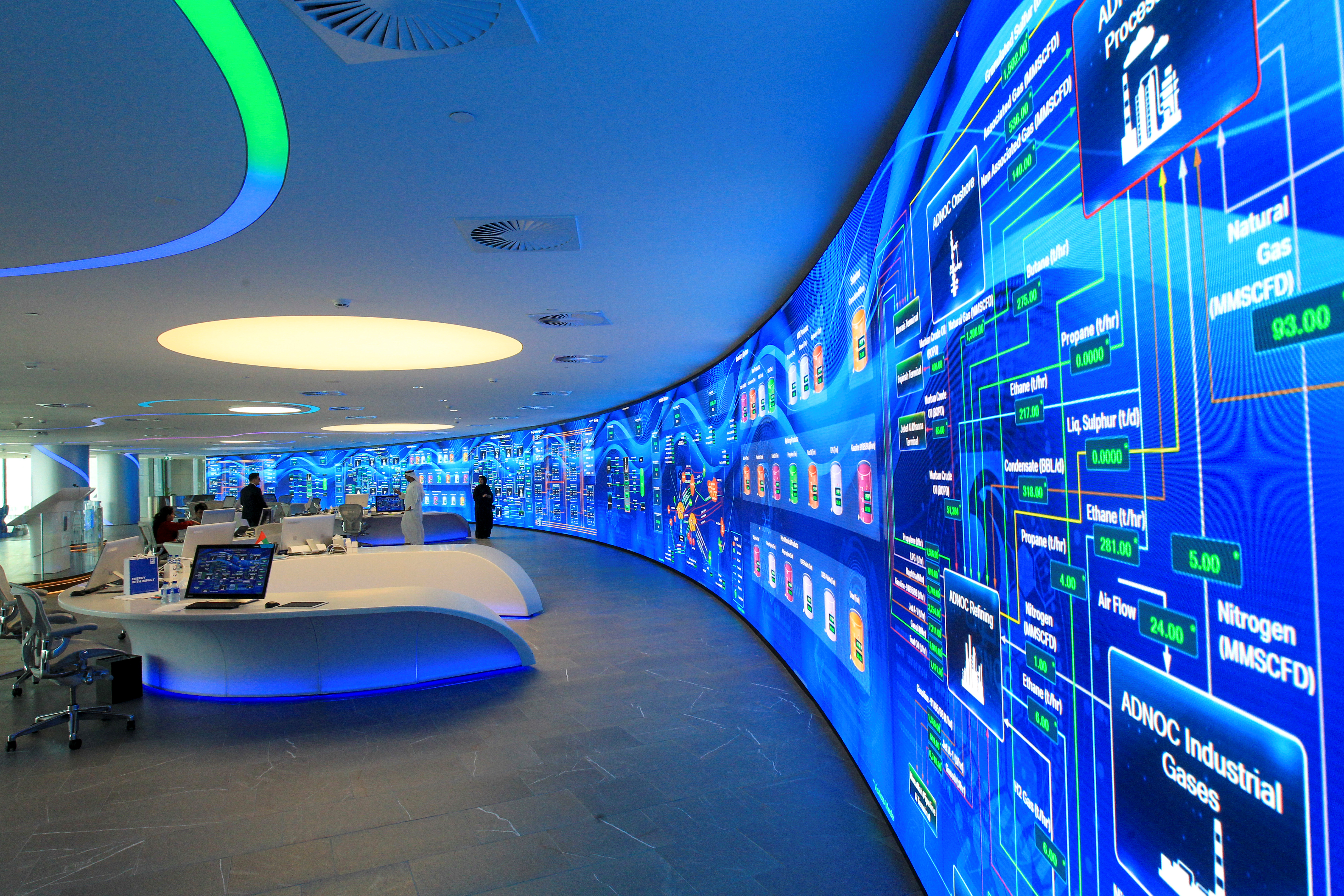
Abu Dhabi National Oil Company (Adnoc) has entered into a significant 15-year agreement with Indian Oil Corporation (IOC), aimed at supplying 1 million tonnes per year of liquefied natural gas (LNG) to India. This long-term deal highlights the strengthening energy ties between the United Arab Emirates (UAE) and India, reflecting a broader strategic partnership across various sectors.

The agreement, unveiled this week, underscores the UAE’s commitment to bolstering its role in the global energy market while addressing India’s growing energy demands. For Adnoc, the deal represents a key milestone in its international expansion strategy, reinforcing its position as a leading LNG supplier. Indian Oil, India’s largest commercial enterprise, will benefit from a stable and substantial supply of LNG, crucial for meeting the country’s increasing energy needs and supporting its transition to cleaner fuels.

This collaboration emerges amidst a backdrop of heightened energy cooperation between the UAE and India. Both nations have been working to deepen their engagement in the energy sector, aiming to enhance energy security and drive sustainable development. The deal is expected to facilitate greater stability in energy supplies for India, which is seeking to diversify its sources of energy amidst a global shift towards more sustainable practices.

Adnoc’s decision to supply LNG to India aligns with its broader strategy to secure long-term contracts and expand its footprint in key global markets. The UAE has been actively pursuing agreements with various countries to ensure a steady demand for its hydrocarbon resources, reflecting a calculated approach to navigating the evolving dynamics of global energy markets.

Indian Oil, on the other hand, is focusing on expanding its portfolio of energy sources to support India’s ambitious goals of transitioning to a greener energy mix. As the country ramps up its efforts to reduce carbon emissions and increase the use of natural gas, the partnership with Adnoc will play a pivotal role in securing a reliable supply of LNG, which is seen as a cleaner alternative to coal and oil.

The deal also reflects the strategic importance of LNG in the current global energy landscape. LNG is becoming an increasingly vital component in the global energy mix, offering a flexible and cleaner energy solution compared to traditional fossil fuels. As countries around the world seek to balance their energy needs with environmental considerations, LNG is emerging as a key player in the energy transition.

For both Adnoc and Indian Oil, this agreement represents a significant step towards achieving their long-term strategic objectives. Adnoc’s commitment to supplying LNG aligns with its vision of becoming a leading global energy player, while Indian Oil’s focus on securing reliable energy sources supports its efforts to drive sustainable growth and energy security for India.

The agreement also highlights the growing trend of energy cooperation between nations, driven by mutual interests in ensuring energy security and promoting sustainable development. As countries navigate the complexities of the global energy market, strategic partnerships like the one between Adnoc and Indian Oil are becoming increasingly important.

In addition to its strategic significance, the deal is expected to have a positive impact on the economies of both nations. For the UAE, it represents a substantial export opportunity and a means of leveraging its abundant natural resources. For India, it provides a crucial supply of LNG that will support its economic growth and energy transition goals.

Dubai has revealed plans to establish a new university, the National University of Dubai, with an ambitious budget of AED4.5 billion ($1.23 billion), in a move that aims to transform the emirate into a global education hub. His Highness Sheikh Mohammed bin Rashid Al Maktoum, Vice President and Prime Minister of the UAE and Ruler of Dubai, shared the news during a public address, outlining the long-term […]

The UAE’s economy experienced a 3.4% growth year-on-year in the first quarter of 2024, reaching a total of $117.1 billion (Dhs430 billion), according to data released by the Federal Competitiveness and Statistics Centre. This growth reflects a robust performance across various sectors, with non-oil GDP increasing by 4% during the same period.

The expansion highlights the UAE’s continued economic resilience and diversification efforts. The growth rate, though slightly lower than previous peaks, demonstrates a stable economic trajectory amid global uncertainties and evolving market conditions. The non-oil sector’s performance is particularly noteworthy, as it underscores the UAE’s strategic shift away from oil dependence towards a more diversified economic model.

Key sectors contributing to this growth include tourism, technology, and financial services. The tourism sector, buoyed by ongoing investments in infrastructure and global marketing campaigns, has continued to attract international visitors, boosting spending and job creation. Similarly, the technology sector has benefitted from significant investments and innovations, driving both domestic and international interest.

Financial services have also played a crucial role in this economic expansion. The sector’s growth can be attributed to increased lending, higher investment inflows, and a burgeoning fintech industry. This development aligns with the UAE’s strategic vision of becoming a global financial hub, with regulatory reforms and advancements in financial technologies further supporting this goal.

The growth in non-oil GDP reflects a broader trend of economic diversification that has been a central focus of UAE policy over the past decade. Efforts to reduce reliance on hydrocarbons have led to substantial investments in alternative sectors, fostering a more balanced economic environment. This diversification strategy is supported by various government initiatives aimed at enhancing the competitiveness of non-oil sectors and attracting foreign investment.

Despite global economic challenges, including fluctuating oil prices and geopolitical tensions, the UAE’s economy has shown remarkable resilience. The government’s proactive measures, such as economic stimulus packages and infrastructure development, have bolstered economic stability and growth. Additionally, the UAE’s strategic location and business-friendly environment continue to attract international companies and investors.

The economic performance in the first quarter of 2024 is also reflective of ongoing structural reforms and policy adjustments aimed at enhancing the ease of doing business. The UAE has been actively pursuing reforms to streamline regulations, improve transparency, and foster innovation. These measures have contributed to a favorable business climate, encouraging both local and foreign investment.

Furthermore, the growth figures align with the UAE’s Vision 2021 and beyond, which emphasize sustainable development, economic diversification, and technological advancement. The government’s commitment to these goals is evident through various initiatives, including investments in green technologies, smart cities, and digital transformation projects.

The dominance of the US stock market in recent years, led by tech giants like Apple, Microsoft, and Nvidia, has been undeniable. These Magnificent Seven companies have driven much of the growth in US equities, with the S&P 500 reaping the rewards of their strong earnings performance. However, as we sit in September 2024, global investors should seriously reconsider their portfolios. Relying heavily on US stocks, especially […]

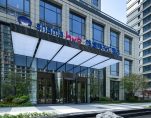
Group Positions ‘Shama Serviced Apartments’ as Flagship to Address Long-Term Accommodation Market Demand BANGKOK, THAILAND – Media OutReach Newswire – 9 September 2024 – ONYX Hospitality Group, a leading management company renowned for its portfolio of luxury hotels, resorts, serviced apartments, and residences across Southeast Asia, has proudly announced its success in solidifying its position as the regional market leader. Shama Hub Qiantang Hangzhou Entrance Day In […]

BANGKOK, THAILAND – Media OutReach Newswire – 2 September 2024 – On behalf of CPAC, a cement and building materials company under Siam Cement Group (SCG), Mr. Thammasak Sethaudom, President & CEO of SCG (second from the left), and Mr. Surachai Nimlaor, President of SCG Cement and Green Solution Business (first from the left), signed the Memorandum of Understanding (MoU) with Mr. Hong Namkoong, President and CEO […]

President Xi Jinping has reaffirmed China’s commitment to Africa through a newly unveiled 10-point partnership action plan, aimed at advancing modernization across the continent. The pledge was made during Xi’s keynote speech at the 2024 Summit of the Forum on China-Africa Cooperation (FOCAC) in Beijing. Xi’s speech emphasized China’s dedication to being a reliable development partner, focusing on addressing Africa’s pressing challenges such as poverty, food insecurity, […]

Beijing’s Future Science City is hosting the 2024 Global Energy Transition Conference, which began on September 7 in the Changping District. This annual event, now in its sixth year, serves as a pivotal platform for global discourse on energy transformation and sustainability. The conference is attracting attention from leading figures in the energy sector, including policymakers, industry executives, and academic researchers. This year’s agenda emphasizes the accelerating […]

Abu Dhabi Crown Prince Sheikh Khaled bin Mohamed bin Zayed Al Nahyan is scheduled to travel to India for a state visit on Sunday, September 8, where he will engage in high-level talks with Prime Minister Narendra Modi in New Delhi. The visit marks a significant step in the growing bilateral relationship between the UAE and India, and it is Sheikh Khaled’s first visit to the country since assuming the position of Crown Prince of Abu Dhabi. The meeting will focus on advancing strategic ties, with an emphasis on key economic sectors that are mutually beneficial.

Emaar The Economic City (EEC), the master developer behind King Abdullah Economic City (KAEC), has unveiled a comprehensive capital optimization plan aimed at revitalizing the city’s growth and operational efficiency. This new strategy, recently approved by EEC’s board, marks a significant shift in the company’s approach to achieving financial stability and enhancing long-term sustainability.

The plan focuses on several key areas, including debt restructuring, asset management, and operational efficiencies. By recalibrating its financial strategy, EEC aims to reduce its overall debt burden and allocate resources more effectively. The company’s leadership believes this will not only improve liquidity but also enhance investor confidence.

Central to EEC’s new strategy is a detailed debt reduction initiative. The company plans to renegotiate existing loan terms and seek refinancing options to lower interest rates and extend repayment periods. This move is designed to ease the financial pressures that have been mounting due to previous economic challenges and market fluctuations.

In addition to financial restructuring, EEC is also placing a strong emphasis on optimizing its asset portfolio. This includes reviewing and potentially divesting non-core assets to focus on more strategic investments. The company aims to enhance the value of its core assets by improving operational efficiencies and leveraging technology to drive better outcomes.

The operational side of the plan involves a thorough review of existing processes and systems to identify areas where efficiency can be improved. EEC is investing in advanced technologies and innovative solutions to streamline operations, reduce costs, and increase overall productivity. This includes the adoption of smart city technologies that align with the broader vision of transforming KAEC into a leading global business hub.

Moreover, the capital optimization plan outlines a commitment to sustainable development practices. EEC is integrating sustainability into its strategic initiatives, focusing on reducing the environmental impact of its projects and promoting green building standards. This approach not only supports global sustainability goals but also enhances the appeal of KAEC to environmentally-conscious investors and businesses.

The announcement comes at a time when EEC faces growing competition from other economic zones in the region. By implementing this comprehensive turnaround plan, EEC seeks to strengthen its position and attract new investment opportunities. The company’s leadership is optimistic that these strategic moves will create a more resilient and competitive economic city, capable of driving future growth and development.

Emaar The Economic City’s updated strategy has been met with positive responses from market analysts and investors. Many view the plan as a necessary step toward stabilizing the company’s financial footing and positioning KAEC as a prime destination for international business and investment. The next few quarters will be critical in assessing the effectiveness of these strategic changes and their impact on the company’s performance.

A transformative initiative by HKRITA and H&M Foundation to drive advanced technologies and global collaboration HONG KONG SAR – Media OutReach Newswire – 4 September 2024 – The Hong Kong Research Institute of Textiles and Apparel (HKRITA) and the H&M Foundation proudly announce the official unveiling of the Open Lab, a pioneering initiative designed to revolutionise the textile and fashion industry through sustainable innovation. Located at the […]

Guests can experience the latest Courtyard Premier rooms, refreshed Junior Suites and even a staycation for pet owners and their fur-kids SINGAPORE – Media OutReach Newswire – 5 September 2024 – Oasia Resort Sentosa by Far East Hospitality unveils a new room category, Courtyard Premier, alongside the hotel’s refreshed Junior Suites. A testament to the resort’s commitment to being a leading wellness destination, the new offerings will […]

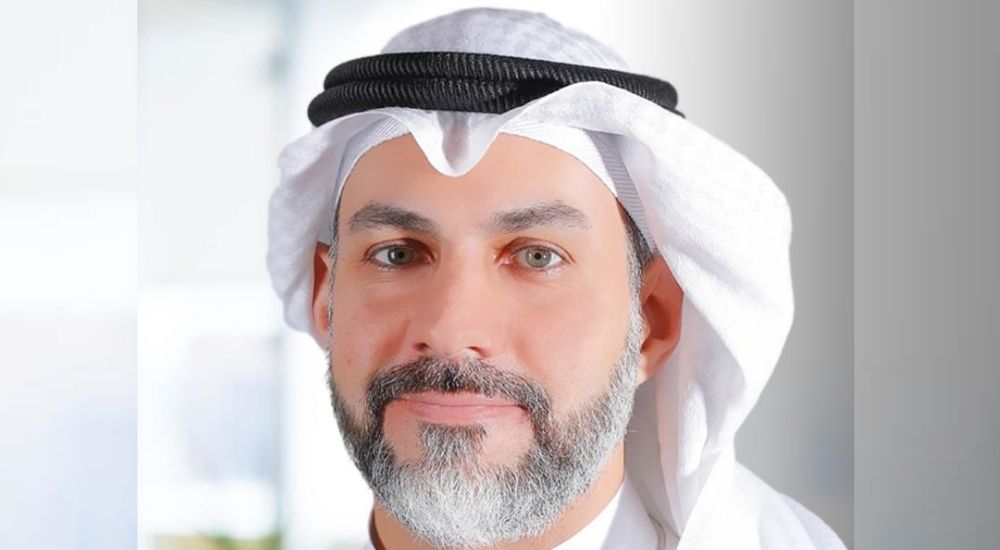
Bahrain’s Economic Development Board (EDB) is set to embark on a multi-city tour across India, aiming to deepen bilateral ties and strengthen economic collaboration. The initiative, scheduled for September 9-14, comes as part of Bahrain’s broader efforts to attract investments and enhance partnerships across key sectors. Spearheaded by Noor bint Ali Al Khulaif, Bahrain’s Minister of Sustainable Development and Chief Executive of the EDB, the delegation will engage with top Indian business leaders, investors, and policymakers in Mumbai, New Delhi, Bengaluru, and Hyderabad.

Bahrain’s move to engage directly with India underscores the increasing significance of bilateral relations between the two countries. India, a rapidly growing economy and a key player in global trade, has been identified as a strategic partner for Bahrain’s economic ambitions. The tour is expected to showcase the Gulf nation’s business-friendly environment, investment opportunities, and the diverse sectors open to collaboration, including finance, manufacturing, technology, and logistics.

The Bahrain Economic Development Board, responsible for promoting investment in the Kingdom, has been working to position Bahrain as a hub for international businesses seeking a foothold in the Middle East and North Africa (MENA) region. By targeting India, Bahrain aims to tap into one of the world’s largest consumer markets and the fast-developing Indian economy, which is increasingly driven by innovation, technology, and industrial growth.

Bahrain’s strategic geographical location, coupled with its investor-friendly regulatory environment, is likely to be a focal point of discussions during the India tour. The Kingdom offers 100% foreign ownership in many sectors, low operational costs, and access to the Gulf Cooperation Council (GCC) market of over 50 million consumers. These advantages are expected to appeal to Indian companies looking to expand their presence in the Gulf region, particularly those involved in sectors such as financial services, logistics, ICT, and manufacturing.

The India visit also marks a significant opportunity for both nations to explore new areas of collaboration, particularly in emerging technologies. Bahrain has positioned itself as a leader in fintech, having launched a number of initiatives in recent years to support the sector. The Kingdom’s regulatory sandbox for fintech startups has attracted numerous international firms, and there is considerable scope for Indian technology companies to collaborate with Bahrain on financial innovation and digital services.

Moreover, Bahrain has been keen to bolster its manufacturing sector, especially in fields such as chemicals, food processing, and aluminum production. India’s robust manufacturing base makes it a natural partner for collaboration in these industries. The visit will likely focus on building synergies in these areas, with discussions centered on how Indian businesses can leverage Bahrain’s competitive edge as a production hub for the GCC market.

The tour will also provide a platform for discussions on sustainable development and climate change. Bahrain, through its Vision 2030 economic plan, has placed sustainability at the heart of its development strategy. Minister Noor bint Ali Al Khulaif, a key proponent of sustainable economic growth, is expected to highlight Bahrain’s initiatives in this area, which align with India’s own commitment to sustainable development. Both countries are signatories to the Paris Agreement and are looking to collaborate on green technologies, renewable energy, and sustainable infrastructure projects.

The Bahrain-India relationship is not limited to trade and investment. The two nations share a long history of cultural and diplomatic ties, with a sizable Indian expatriate community living in Bahrain. These deep-rooted connections are likely to be emphasized during the tour, as both sides seek to build on their historical relationship and foster stronger people-to-people ties.

On the economic front, bilateral trade between Bahrain and India has shown steady growth. According to the latest data, total trade between the two countries stood at around $1.4 billion in 2022. India is among Bahrain’s top trading partners, and there is potential for further expansion in sectors such as hydrocarbons, engineering goods, pharmaceuticals, and food products. Bahrain is also home to several prominent Indian companies, and the EDB’s tour is expected to explore new avenues for Indian firms to increase their presence in the Kingdom.

In addition to meetings with business leaders and investors, the Bahrain delegation is expected to hold discussions with Indian government officials on strengthening bilateral relations. These talks could pave the way for future cooperation agreements in areas such as trade, investment, and technology transfer. The tour aligns with India’s own foreign policy objectives of enhancing relations with Gulf countries, which have become critical economic partners for New Delhi in recent years.

The timing of Bahrain’s outreach to India is also notable, coming at a time when global economic dynamics are shifting. Both nations are looking to diversify their economies and reduce dependence on traditional industries, such as oil and gas. For Bahrain, India represents a key partner in its efforts to modernize and diversify its economic base, while for India, Bahrain provides access to the GCC and MENA markets, which are crucial for India’s energy security and trade.


VISHNU RAJA
RYO YAMADA
HITORI GOTOH
IKUYO KITA