News related to
green

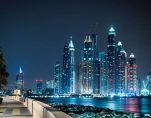
Dubai has firmly established itself as one of the world’s most influential urban centers, securing a spot among the top 10 cities globally in the 2024 Global Power City Index (GPCI). The index, which evaluates cities based on various economic, cultural, political, and environmental factors, underscores Dubai’s growing status as a critical global hub for finance, innovation, and infrastructure.

The GPCI is a highly regarded tool that ranks major cities worldwide according to their strength in multiple categories, including business environment, human capital, cultural interaction, and quality of life. Dubai’s ascent in the rankings is attributed to its robust economic performance, advanced technological infrastructure, and the expansion of its global reach through strategic international partnerships.

One of the primary factors behind Dubai’s rise is its dominance in the business and financial sectors. The city has become an increasingly important player in global markets, offering a favorable environment for both startups and multinational corporations. It is home to a dynamic economy, buoyed by its position as a key financial hub in the Middle East, drawing significant foreign investment and becoming the headquarters for numerous international firms.

Dubai’s business-friendly regulatory environment has contributed significantly to this growth. Policies that promote ease of doing business, combined with tax incentives and world-class infrastructure, have made it a magnet for companies and entrepreneurs seeking to establish a presence in the region. The city’s ambitious plans to further develop its financial sector and embrace emerging technologies such as blockchain and fintech have also cemented its place as a future-facing global economic powerhouse.

The city’s commitment to technological innovation has also played a crucial role in its rising global standing. Dubai has been at the forefront of the tech revolution in the Middle East, with a heavy focus on smart city initiatives and advancements in artificial intelligence, digital payments, and autonomous transport systems. The government’s initiatives, such as the Dubai Smart City project, have positioned it as a model for cities worldwide seeking to integrate technology into urban development.

Dubai has been increasingly recognized for its role in international trade. The city’s ports and logistics infrastructure, including the world-renowned Jebel Ali Port, have made it a central node in global shipping and freight networks. The expansion of Dubai’s air transport sector, led by Emirates Airlines, has further strengthened its position as a vital air transit hub, connecting it to key global markets and boosting its tourism industry.

Dubai’s influence extends well beyond the financial and technological sectors. The city is also gaining recognition for its leadership in cultural and lifestyle offerings. The growth of its art, entertainment, and sports industries has enhanced its soft power, attracting international events such as the Dubai International Film Festival and Formula 1 Grand Prix. The city’s unique blend of modernity and tradition appeals to a diverse range of visitors and residents, making it an increasingly sought-after destination for global talent.

On the social front, Dubai’s focus on enhancing the quality of life for its residents has helped it climb in the GPCI rankings. The city’s government has invested heavily in developing green spaces, improving public transportation, and providing high-quality healthcare and educational facilities. These efforts contribute to Dubai’s reputation as a livable city with a high standard of living, further attracting expatriates from around the world.

Dubai’s dynamic real estate market also plays a pivotal role in its positioning on the global stage. The city’s skyline, dominated by landmarks such as the Burj Khalifa and other ultra-modern developments, has become synonymous with cutting-edge architectural design and luxury living. With ongoing projects in sustainable urban development and the continued growth of residential, commercial, and tourism sectors, Dubai’s real estate market remains a key driver of its economic growth and global visibility.

The city’s tourism industry continues to thrive, drawing millions of visitors annually for business, leisure, and cultural experiences. Dubai’s attractions, including iconic landmarks, shopping festivals, and luxury resorts, attract travelers from around the world, bolstering its image as a global tourism destination. The government’s strategic focus on expanding the city’s tourism infrastructure and diversifying its offerings, such as through cultural initiatives and major international exhibitions, has contributed to its international appeal.

Dubai’s rise in the GPCI rankings is a testament to the city’s forward-thinking approach and its ability to adapt to changing global dynamics. Its growth trajectory aligns with its broader vision of becoming a global leader in innovation, sustainability, and economic development. As Dubai continues to attract global talent, investment, and attention, it is poised to solidify its position as a central player in the global urban landscape.

This transformation is also reflected in the city’s ambitious plans for the future. Dubai aims to continue enhancing its competitiveness by investing in next-generation infrastructure, sustainable urban planning, and new industries such as space exploration. Its growing stature in the GPCI highlights its resilience and capacity to navigate challenges, from geopolitical uncertainties to global economic shifts, while maintaining its upward trajectory.

SINGAPORE – Media OutReach Newswire – 2 January 2025 – Kim Yew Integrated, a leader in the facilities management industry, proudly celebrates its 40th anniversary in 2025, marking four decades of innovation, resilience, and commitment to excellence. Founded in 1985, the company has evolved from a traditional term contractor to an Integrated Facilities Management firm, redefining industry standards with data-driven solutions, technology integration, and sustainable practices. Patrick […]

BEIJING, CHINA – Media OutReach Newswire – 4 January 2025 – A large number of Chinese women are breaking the glass ceiling to enter professions that were previously dominated by men. The first female pilot recruited by the People’s Liberation Army (PLA) Air Force in China’s Xizang (Tibet) Autonomous Region has attracted wide attention. According to data from the National Bureau of Statistics (NBS) of China, the […]

Next-gen harmonious user experience that perfectly embodies the fusion of technology, comfort, and freedom LAS VEGAS – Media OutReach Newswire – 3 January 2025 – CarUX Technology Pte. Ltd., with the direction “More than Display, and Far Beyond,” will showcase new vision solutions for automotive products based on her strategy, Harmonious User Experience “HUE”, from January 7th to 9th in Las Vegas, USA. CarUX keeps providing the […]

SINGAPORE – Media OutReach Newswire – 3 January 2025 – Flint, the pioneering deep tech company developing a proprietary paper battery technology, has raised US$2 million in seed funding. This funding round, led by a global consortium of angel investors, will accelerate Flint’s efforts to bring high-performance, sustainable energy storage solutions to market. “This funding milestone represents years of technical breakthroughs, and now, with real-world applications on […]

Oman has launched the Oman Net Zero Centre, a strategic initiative by the Ministry of Energy and Minerals to guide the nation toward its goal of carbon neutrality by 2050. This move underscores Oman’s commitment to environmental sustainability and aligns with directives from His Majesty Sultan Haitham bin Tarik to combat climate change and promote sustainable energy innovation. The Centre’s primary mandate includes developing and updating Oman’s […]

Crude oil prices are projected to remain within the $70 per barrel range, influenced by multiple factors, including potential oversupply conditions and shifts in geopolitical dynamics. Experts suggest that while the market might stabilize around this figure, uncertainty from global demand and political maneuvers will continue to shape its trajectory in the coming months.

The crude market has entered a phase where supply and demand fundamentals are being tested against evolving global economic conditions. Several key developments, particularly around oil-producing nations, have created a delicate balance that keeps prices in a relatively stable range, yet susceptible to fluctuations driven by external factors.

For months, the oil market has been closely watching the decisions of the Organization of the Petroleum Exporting Countries (OPEC) and its partners, such as Russia, who collectively manage production quotas to balance supply. OPEC’s recent moves to curb production have been aimed at propping up prices, but an increase in U.S. oil output has led to speculation that there may be an oversupply in the market. The United States has reached record production levels, largely driven by shale oil, which could overshadow OPEC’s production cuts.

Geopolitical tensions in major oil-producing regions, such as the Middle East, remain a persistent risk to price stability. However, analysts have indicated that, at least for now, the global oil market is able to absorb disruptions without a significant impact on prices. The advent of more diverse energy sources, including natural gas and renewable energy, has also lessened oil’s price volatility compared to previous decades.

One of the most notable contributors to the ongoing price forecast is former U.S. President Donald Trump’s impact on energy policies. His administration’s push for energy independence and deregulation policies have led to a surge in domestic oil production. While Biden’s administration has implemented more stringent climate and energy policies, the effects of Trump’s legacy are still visible, with shale producers continuing to drive the U.S. oil production boom.

Despite this, global oil consumption, especially in China, has shown signs of slower growth, a factor that could weigh on oil prices. Experts note that while China remains a major driver of global energy demand, its economic slowdown could dampen the demand for crude, putting downward pressure on prices. Additionally, OPEC’s attempts to control prices by adjusting production could be more difficult to execute as non-OPEC countries, particularly the U.S., maintain higher levels of output.

Environmental pressures are also playing a role in shaping oil demand. Many nations are intensifying their efforts to transition to cleaner energy sources, potentially limiting the demand for fossil fuels in the long term. Governments worldwide are setting more ambitious renewable energy targets and offering incentives for green technologies, which could lead to a future reduction in oil dependency.

Despite these long-term trends, the immediate outlook for crude remains cautiously optimistic. The global recovery from the pandemic, especially in developed economies, is expected to continue driving demand for oil, particularly for transportation and manufacturing. Yet, the resurgence of COVID-19 in certain regions and the ongoing supply chain disruptions may have a complex impact on global economic growth, which will, in turn, influence oil demand.

In the U.S., gas prices remain a central topic as consumers face fluctuating fuel costs. While gas prices in the country have seen recent increases due to tighter refinery margins and seasonal demand spikes, there is no consensus on how long this trend will persist. Analysts believe that domestic production levels, combined with seasonal factors, could prevent prices from surging uncontrollably.

In Europe, the situation is more nuanced. Energy prices, including natural gas and oil, have been a driving force behind inflation. The war in Ukraine, ongoing for several years now, has further complicated Europe’s energy dynamics, pushing countries to reconsider their energy strategies. Despite Europe’s focus on alternative energy, oil continues to play a significant role in meeting energy demand, particularly in transportation and industry. With the cost of living rising and energy prices still high, consumers in Europe are facing additional financial strain.

At a global level, the shift toward more sustainable energy production and consumption is growing, but it is clear that oil remains a cornerstone of the global energy mix for the time being. Countries that rely heavily on oil exports, like Saudi Arabia and Russia, continue to exert influence on the market, pushing for price stabilization measures. However, the dynamics of global energy consumption are changing, and the transition to greener alternatives remains a key factor to monitor.

Advertisements

Dubai’s property market has experienced a remarkable surge in demand, with the fourth quarter of 2024 marking the highest-ever quarterly sales, signaling a bullish outlook for 2025. The city’s real estate sector continues to attract investors and homebuyers, bolstered by favorable economic conditions and government initiatives aimed at supporting growth. The trend suggests that Dubai’s property market will likely maintain its momentum, making it one of the most attractive destinations for real estate investment globally.

The Dubai Land Department (DLD) reported that in Q4 2024, the total value of real estate transactions soared to new heights, breaking previous records. In addition to an increase in the volume of sales, the average property prices have seen upward movements, driven by high demand in both residential and commercial segments. This strong performance is attributed to a combination of factors, including the city’s resilient economic recovery, strong investor confidence, and a growing population that is increasingly seeking quality housing and investment opportunities.

Leading this growth is the luxury real estate segment, which has experienced a particularly sharp uptick. High-net-worth individuals and international investors have shown a preference for prime residential properties, with villas, penthouses, and beachfront developments seeing the most significant price increases. As international travel restrictions ease and global investors return to the market, Dubai’s luxury offerings continue to be seen as attractive, safe havens for capital preservation.

In addition to the luxury sector, there is increasing interest in mid-market housing. The city’s developers have been responding to this demand by focusing on affordable housing projects, catering to the growing middle class. Several large-scale developments, particularly in emerging areas such as Dubai South, Dubai Creek Harbour, and Mohammed bin Rashid City, are underway to address this need.

The government’s proactive role in shaping the property landscape cannot be overstated. Initiatives such as long-term visas, tax breaks, and investor-friendly policies continue to provide a favorable business environment for property owners. Furthermore, the Expo 2020 Dubai, despite its delayed launch, has had a lasting impact on the city’s infrastructure, attracting additional global attention and investment. The city’s diverse and dynamic economy, with sectors like tourism, technology, and finance growing at a rapid pace, further strengthens the property market’s growth potential.

Dubai’s location as a global financial hub and a gateway between East and West remains a crucial factor for foreign buyers. The city’s diversification efforts, which focus on sectors such as fintech, renewable energy, and logistics, make it an attractive option for investors seeking growth and stability. As a result, Dubai’s real estate market remains a strong performer compared to other global cities.

The UAE’s ambitious Vision 2025 plans, which include expanding tourism, enhancing urban infrastructure, and fostering a knowledge-based economy, will likely boost demand for both residential and commercial properties in the long term. These national efforts support the city’s appeal as a thriving center for business and leisure, encouraging both local and foreign investments.

As Dubai’s economy continues to diversify and evolve, real estate will remain a key pillar. Developments in the infrastructure sector, such as the expansion of the Dubai Metro and road networks, are expected to play a significant role in sustaining the growth of property markets in both established and developing areas. Additionally, a growing focus on sustainability and green developments has led to an increase in eco-friendly properties, which appeal to environmentally conscious buyers and investors.

The residential market, while currently the star of the show, is not the only segment benefitting from this upswing. Dubai’s commercial real estate market has also seen robust demand, particularly in office spaces and retail developments. As more businesses, particularly tech and financial firms, establish a foothold in the city, the demand for high-quality office spaces in prime locations has risen. Moreover, the hospitality industry has also enjoyed a boost, with new luxury hotels and resorts attracting both international and regional visitors, supporting the broader tourism sector.

Looking ahead to 2025, experts predict that Dubai’s property market will continue to attract investment, particularly from buyers and developers seeking stability amid global economic uncertainties. Analysts are particularly optimistic about the long-term prospects of the market, with the growing demand for both luxury and affordable housing creating a balanced real estate ecosystem. The projected growth of the city’s economy, combined with its increasing role as a global business hub, positions Dubai to maintain its upward trajectory.

Despite the optimistic outlook, challenges remain, particularly in terms of rising construction costs and the potential for market saturation in some areas. However, developers are adapting to these challenges by focusing on innovative design and sustainable construction practices. The launch of new projects is expected to continue at a strong pace, with an emphasis on meeting the needs of an increasingly diverse population. Whether through green building initiatives, mixed-use developments, or community-focused design, Dubai’s real estate sector is evolving to meet the demands of modern buyers and investors.

SINGAPORE – Media OutReach Newswire – 2 January 2025 – Conservation International and Sateri, a member of the RGE group of companies, have announced the launch of the third phase of the Poyang Lake Ecosystem Restoration Initiative. This new phase marks a critical milestone in restoring China’s largest freshwater lake by integrating carbon neutrality efforts, building on the initiative’s significant success since its inception in 2019. Located […]

Dubai’s public transport network experienced a significant surge in usage during New Year’s Eve celebrations, with over 2.5 million passengers utilizing various modes of transportation, marking a 9.3% increase from the previous year’s 2.29 million riders. The Dubai Metro, encompassing both the Red and Green lines, was the most utilized service, accommodating 1,133,251 passengers. The Dubai Tram also saw substantial patronage, transporting 55,391 individuals. Public buses played […]

Saudi Arabia’s ACWA Power has successfully secured a financing deal worth $692 million for a major wind power plant in Egypt. The agreement underscores the growing momentum in the renewable energy sector as Egypt intensifies its push to diversify energy sources and reduce its carbon footprint. The financing package for the wind power plant was finalized with the involvement of a consortium of international banks, including the […]

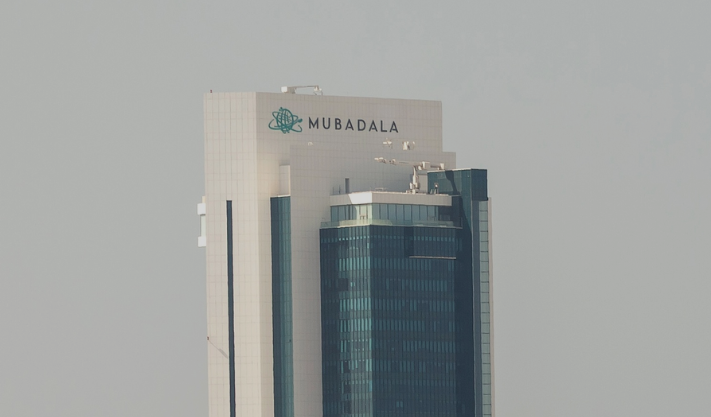
Abu Dhabi’s sovereign wealth fund Mubadala has taken the lead in global investment deals, outshining Saudi Arabia’s Public Investment Fund (PIF) with a remarkable $29 billion in recent transactions. The massive deals, which span various sectors from energy to technology, signal Mubadala’s growing influence in international markets and its strategic approach to diversifying assets. This shift also highlights the evolving power dynamics between the Gulf’s financial titans, with each country intensifying efforts to bolster its economic position amid fluctuating oil prices and geopolitical shifts.

Mubadala’s landmark investments come at a time when Saudi Arabia has aggressively expanded the reach of its PIF, particularly through high-profile acquisitions and a focus on sectors such as entertainment, tourism, and green energy. However, Mubadala’s swift maneuvers in the market have positioned it to not only compete with the PIF but potentially reshape the future of the investment landscape in the Middle East. The fund’s most notable deals include a series of investments in technology companies, as well as strategic moves in the renewable energy sector, aimed at securing long-term returns in an increasingly volatile global economy.

Experts suggest that Mubadala’s success is tied to its methodical approach to diversification. Unlike the PIF, which has been bold in pursuing large-scale, high-risk investments, Mubadala has focused on stabilizing its portfolio with balanced investments across a wide range of industries. This includes a heightened focus on cutting-edge industries such as artificial intelligence, clean energy, and biotechnology. As a result, Mubadala has emerged as a significant player in these high-growth areas, while also maintaining a strong foothold in more traditional sectors like real estate and infrastructure.

The timing of Mubadala’s recent success also speaks volumes about its ability to adapt to changing market conditions. Amid rising inflation and shifting investor sentiments, the fund has strategically pivoted towards companies with promising growth prospects, even as market conditions become more unpredictable. The diversification strategy has not only paid off but has also placed Mubadala in a position to capitalize on opportunities in the rapidly changing global economy.

Saudi Arabia, meanwhile, is determined to maintain the prominence of the PIF as the engine driving the kingdom’s economic transformation under its Vision 2030 plan. The PIF has ramped up its investments in global companies, most notably in the entertainment and sports sectors, including stakes in firms like Lucid Motors and endeavors such as the development of the $500 billion smart city, Neom. But despite the PIF’s ambitious projects and high-profile investments, critics argue that its heavy reliance on the oil sector makes it vulnerable to market fluctuations, a concern that Mubadala’s diversified approach may be better positioned to mitigate.

Saudi officials have defended the PIF’s strategy, stating that it plays a critical role in advancing the country’s non-oil economy. The PIF’s investments, particularly in the entertainment and sports sectors, are expected to bring long-term returns and aid in the creation of new jobs, especially for Saudi youth. Yet, this aggressive pursuit of diversification has raised questions about the risk of spreading its resources too thin. Mubadala, on the other hand, has positioned itself to weather global downturns by maintaining a more balanced portfolio, one that includes significant investments in both emerging technologies and established industries.

The United Arab Emirates (UAE) has introduced the National Agenda for Integrated Waste Management, a strategic initiative by the Ministry of Climate Change and Environment (MOCCAE) aimed at revolutionizing waste management practices to bolster the circular economy and advance sustainable development. This comprehensive agenda is structured around three strategic directions: minimizing waste production, adopting circular economy practices, and enhancing landfill management. Developed in collaboration with local authorities, […]

Saudi Arabia’s ACWA Power has entered the Chinese renewable energy market, securing over 1 gigawatt (GW) of solar photovoltaic and wind energy projects. These initiatives, located across multiple Chinese provinces, are in advanced development stages and will be jointly owned with leading Chinese renewable energy firms. Lyu Yunhe, ACWA Power’s Executive Vice President for China, outlined plans to invest up to $50 billion in renewable energy projects […]

Citigroup has announced its departure from the Net-Zero Banking Alliance (NZBA), becoming the third major U.S. bank to exit the United Nations-backed coalition this month. This move follows similar decisions by Goldman Sachs and Wells Fargo, highlighting a significant shift among American financial institutions regarding collective climate commitments. The NZBA, established in 2021, comprises banks dedicated to aligning their lending and investment portfolios with net-zero greenhouse gas […]

Abu Dhabi National Oil Company (ADNOC) has made significant strides in its efforts to bolster the UAE economy, with its In-Country Value (ICV) program channeling Dhs55 billion into the local economy in 2024 alone. This reinvestment has played a pivotal role in creating thousands of private-sector jobs, contributing to the growth of both the oil and gas sector and broader industries across the nation. The ICV program, […]

The United Arab Emirates has undertaken a series of ambitious infrastructure projects throughout 2024, aiming to enhance economic growth and improve the quality of life for its residents. These initiatives span various sectors, including transportation, water management, and urban development. In the transportation sector, the Dubai Roads and Transport Authority (RTA) awarded a contract valued at 20.5 billion dirhams (approximately $5.6 billion) for the construction of the […]

Arabian Post Staff -Dubai The United Arab Emirates, once a federation of small desert states, has become a beacon of rapid development and transformation over the past five decades. Under the visionary leadership of the late Sheikh Zayed bin Sultan Al Nahyan, the UAE has emerged as a global economic hub, with its journey serving as an inspiration to countries around the world. From humble beginnings in […]

Elevating Urban Living with Holistic Wellness and Timeless Elegance: Proud Real Estate Redefines Luxury with Romm Convent, Bangkok’s Premier Wellness Residence in the Heart of Convent-Sathorn BANGKOK, THAILAND – Media OutReach Newswire – 30 December 2024 – In the bustling heart of Bangkok’s prestigious Convent-Sathorn area, Proud Real Estate Plc. introduces Romm Convent, a beacon of luxury wellness living designed for the discerning urbanite. Amidst a thriving […]

By Nitya Chakraborty Year 2025 is going to witness a new era of global advance of far right led by the incoming U.S. President Donald Trump and his acolyte, the richest man of the world Elon Musk. It will be a unique combination fusing the brand of Trump with the big money and tech skills […]

BEIJING, CHINA – Media OutReach Newswire – 31 December 2024 – CGTN publishes an article on a special interactive page named “Chinese Modernization, People’s Well-being Matters Most,” which details China’s modernization drive and high-quality development in various areas in 2024 through visual effects and in-depth stories. The article summarized Chinese President Xi Jinping’s domestic tour in 2024, and highlighted his care for improving people’s well-being in various […]

These days, laptops are such a part of our lives. It has indeed helped in giving us the lead to keep connected, productive and entertained as well. Amongst best-selling reliable and versatile laptops available in the market is HP, which is marked with performance and durability. Despite always having a price tagged when it comes to buying a brand-new HP laptop. This is where refurbished HP laptops […]

The United Arab Emirates (UAE) has made significant strides in its infrastructure sector throughout 2024, launching a series of transformative projects aimed at bolstering economic growth and fostering development across various industries. A cornerstone of these advancements is the Barakah Nuclear Energy Plant, which has achieved full operational status with the commencement of commercial operations for Unit 4. This milestone enables the plant to generate 40 terawatt-hours (TWh) of electricity annually, supplying up to 25% of the nation’s electricity needs with clean, carbon-free energy.

The Barakah Plant’s full operational capacity represents the largest decarbonization effort in the UAE and the region, positioning the country ahead of its 2030 climate commitments. The 22.4 million tonnes of annual carbon emissions prevented by the plant are equivalent to removing 4.6 million cars from the roads each year, contributing significantly to the nation’s environmental goals.

In addition to advancements in nuclear energy, the UAE has embarked on several ambitious infrastructure projects set to transform its urban landscape and enhance its global standing. One such project is the expansion of Al Maktoum International Airport in Dubai. Approved in April 2024, the expansion includes the construction of a new passenger terminal, with plans to make it the largest airport in the world, capable of handling up to 260 million passengers upon completion. This development underscores Dubai’s commitment to becoming a leading global hub for travel and commerce.

Another transformative initiative is “The Spine,” a 40-mile-long futuristic motorway in Dubai designed to incorporate robo-trams, shopping malls, and one million trees to support sustainable transportation. This project aims to replace the busy Sheikh Mohammed Bin Zayed Road, fostering smoother commutes and greener energy use as part of Dubai’s 2040 Urban Master Plan.

The UAE’s commitment to enhancing its infrastructure is further evidenced by the approval of significant investments in various sectors. Abu Dhabi, for instance, has approved infrastructure projects worth $18 billion in the first quarter of 2024, focusing on housing, education, and tourism. These investments are crucial for supporting the UAE’s long-term economic strategy and enhancing public services.

In the realm of transportation, the Dubai Roads and Transport Authority (RTA) has awarded a contract worth 20.5 billion dirhams ($5.6 billion) for the construction of the Dubai Metro Blue Line. This project includes a metro line extending 30 kilometers with 14 stations, further enhancing the city’s public transportation network and reducing traffic congestion.

The UAE’s construction industry is poised for substantial growth, with forecasts indicating a 5.6% expansion in real terms in 2024. This growth is supported by improving economic conditions and public and private sector investments in major projects across transportation, energy, and housing sectors. The commercial construction sector is expected to expand by 6.6% in real terms, driven by a recovery in tourism activities and investments in the hospitality sector.

These infrastructure developments are complemented by the UAE’s focus on sustainability and environmental conservation. Projects such as the Jebel Ali Beach development in Dubai, set to become the longest public open beach in the country, emphasize environmental conservation and recreational facilities, including turtle rehabilitation centers and mangrove ecosystems.

Abu Dhabi has announced plans to build the world’s second Sphere entertainment complex, modeled after the first Sphere in Las Vegas. This project aims to enhance Abu Dhabi’s distinction as a tourist destination, contributing to the diversification of the UAE’s economy.

German President Frank-Walter Steinmeier has dissolved the Bundestag, setting new federal elections for February 23, 2025. This decisive action follows the collapse of Chancellor Olaf Scholz’s coalition government and his subsequent loss in a vote of confidence. The political crisis intensified on November 6, 2024, when Chancellor Scholz dismissed Finance Minister Christian Lindner, leading to the disintegration of the three-party coalition comprising the Social Democrats (SPD), Free […]

VISHNU RAJA
RYO YAMADA
HITORI GOTOH
IKUYO KITA