News related to
green

Dubai’s Roads and Transport Authority has unveiled its fourth-generation traditional abras, a key initiative aimed at modernising the city’s iconic water transport system. The new abras, which combine traditional design with innovative technology, are expected to enhance the overall passenger experience while maintaining the charm and heritage of Dubai’s waterways.

The new fleet marks a significant step in the evolution of Dubai’s abras, which have long been a cornerstone of the city’s transport network, offering both locals and tourists a scenic and practical way to cross the Dubai Creek. These traditional boats, often seen as a symbol of the emirate’s rich maritime history, will now feature advanced features including more eco-friendly propulsion systems, improved safety measures, and greater passenger comfort.

In an announcement made by the RTA, it was revealed that the new generation of abras will include enhanced materials for durability, better fuel efficiency, and a more comfortable ride. These innovations come as part of a broader push to modernise Dubai’s transport infrastructure, positioning the city as a global leader in integrating sustainable technologies with its cultural heritage.

The fourth-generation abras will include air-conditioning systems for passenger comfort, and a more streamlined design to reduce fuel consumption and emissions, aligning with Dubai’s environmental goals. This new fleet is also part of RTA’s efforts to boost Dubai’s tourism sector by providing an upgraded and attractive water transport option for visitors while ensuring the traditional spirit of the abras is retained.

“The launch of the fourth-generation abras is a major milestone in the evolution of public transport in Dubai,” said Mattar Al Tayer, Director-General and Chairman of the RTA. He highlighted that the initiative represents the authority’s ongoing commitment to enhancing mobility solutions that balance modernity with tradition. “This project exemplifies Dubai’s vision of fostering sustainable growth while embracing its rich cultural heritage.”

The new generation of abras will also feature state-of-the-art navigation systems, offering more efficient scheduling and tracking of the fleet. These improvements are designed to further enhance the operational efficiency of the boats, making travel along the Creek smoother for both commuters and tourists alike.

The decision to modernise the traditional abras aligns with the UAE’s long-term commitment to sustainability and technological integration. The nation has already made substantial investments in green technologies across various sectors, with a particular focus on reducing carbon emissions and promoting energy-efficient systems. The RTA’s new abras are expected to play a key role in helping the city achieve its ambitious sustainability targets, especially as the global focus on eco-friendly transportation intensifies.

In addition to their sustainability features, the new abras will incorporate advanced safety features, including GPS tracking and communication systems, which will allow for better coordination and faster response times in case of emergency. This is expected to reassure passengers and enhance the overall reliability of the service, especially in high-traffic areas of Dubai Creek.

The RTA’s initiative is expected to not only improve the experience for daily commuters but also attract more tourists to the waterway, which has long been a popular attraction in Dubai. The new abras, with their modern features and enhanced comfort, will likely offer an even more appealing way to explore the historic district of Bur Dubai, Deira, and other key areas along the Creek.

The traditional abras have been a feature of Dubai’s public transport network for decades, offering a scenic and affordable way to navigate the city’s waterways. However, the evolving needs of residents and visitors, alongside the city’s rapid growth, have necessitated changes to the system. The RTA’s decision to upgrade the abras aims to address these needs while ensuring the city’s water transport continues to serve as both a practical mode of transport and a cultural symbol.

RTA’s modernisation efforts are also seen as part of a broader trend across Dubai, where a mix of traditional values and modern technological advancements is shaping the city’s transport landscape. From driverless taxis to electric buses and sustainable metro services, the RTA has been at the forefront of integrating innovation into the city’s public transport network.

The new abras are also expected to be more inclusive, with design modifications that make the boats more accessible to people with disabilities. The RTA has stated that it is committed to ensuring all its public transport services meet the needs of the entire population, including those with mobility challenges. The new abras will have specially designed seating and ramps to accommodate passengers with physical disabilities, further enhancing the inclusivity of Dubai’s transport system.

As the global transportation industry increasingly turns towards sustainability, the RTA’s new abras demonstrate how cities like Dubai are seeking to preserve their cultural heritage while embracing new technologies. The launch of these boats highlights the emirate’s commitment to becoming a leader in sustainable urban development and reflects the growing importance of integrating green solutions into public transport systems worldwide.

Passengers on the new abras will also benefit from enhanced security features, with additional surveillance cameras and safety protocols in place. These measures are expected to ensure that Dubai’s water transport remains one of the safest and most reliable in the region, with a focus on passenger welfare at every stage of the journey.

Ducab Group has joined forces with the Mohammed Bin Rashid Housing Establishment in a strategic partnership aimed at enhancing Dubai’s large-scale residential developments with advanced cable solutions. This collaboration marks a significant step in promoting sustainability and advancing infrastructure within the emirate, as Ducab provides an array of high-quality products, including low-voltage power cables, wires, flexible cables, and Flam BICC2 fire-resistant cables.

The partnership comes in response to the UAE’s ambitious push for sustainable development, aligning with the country’s wider vision of creating environmentally responsible and energy-efficient housing. MBRHE, tasked with providing affordable homes to UAE nationals, is focused on modernising its housing projects, making this collaboration a key element in ensuring that their new developments adhere to the highest standards of safety, energy efficiency, and environmental sustainability.

The low-voltage power cables, central to the collaboration, are designed to meet the growing demand for reliable energy supply in urban areas. These cables are essential for transmitting electricity efficiently across residential complexes, enabling the seamless operation of essential services such as lighting, heating, and air conditioning. Flexible cables, which allow for easy installation in a variety of configurations, will also play a vital role in maintaining the safety and durability of the electrical systems within these residential areas.

The incorporation of Flam BICC2 fire-resistant cables adds an extra layer of safety, protecting the residents and properties from potential electrical fires. These fire-resistant cables, which meet stringent international standards, provide superior protection by preventing the spread of fire through the electrical infrastructure, crucial in high-rise buildings and densely populated areas. With fire safety becoming an increasing concern in residential construction, these cables will play an important role in mitigating risks and ensuring the well-being of Dubai’s growing population.

Ducab, a prominent manufacturer of cables and electrical products in the UAE, has a long-standing reputation for providing innovative and reliable solutions for various sectors, including construction, energy, and infrastructure. Its involvement in this partnership strengthens its position as a leading provider of electrical solutions for the UAE’s residential and commercial sectors. The company’s commitment to sustainable practices is evident in its product offerings, which not only meet international quality standards but also incorporate eco-friendly manufacturing processes.

The collaboration with MBRHE also signals Ducab’s continued efforts to support the UAE’s ambitious sustainability goals, including its drive to reduce carbon emissions and promote energy efficiency across all industries. By providing cutting-edge cable technology that adheres to the highest safety standards, Ducab is contributing to the UAE’s goal of building smart, sustainable cities that can meet the challenges of the future.

MBRHE’s role in the partnership is pivotal, as it oversees the construction and delivery of homes for UAE nationals. The establishment is responsible for implementing Dubai’s housing strategy, ensuring that projects are not only cost-effective but also meet the sustainability standards required for long-term success. The inclusion of Ducab’s advanced cable solutions is part of a broader initiative to elevate the quality of these homes, ensuring they are equipped with the latest technology and built to withstand the demands of modern living.

Dubai’s housing sector has seen significant transformation over the past few years, with an increasing focus on green building practices and energy-efficient solutions. This partnership between Ducab and MBRHE is a direct response to this shift, as developers and stakeholders strive to meet the growing demand for sustainable housing options. The project aligns with Dubai’s broader goals outlined in its Vision 2021 and other long-term urban planning strategies, which focus on sustainable development, energy efficiency, and the creation of smart cities.

As part of the collaboration, Ducab’s role extends beyond the supply of cables and wires. The company is also involved in providing technical support and expertise, ensuring that the installation and maintenance of these systems meet the highest standards of quality and safety. Ducab’s commitment to research and development ensures that its products continue to evolve in line with technological advancements and the shifting demands of the construction and energy sectors.

The move to integrate advanced cable solutions into Dubai’s residential projects also comes as the emirate ramps up efforts to bolster its position as a global hub for innovation and sustainability. With growing pressure on governments and industries to adopt more environmentally conscious practices, collaborations like the one between Ducab and MBRHE are essential in driving the change needed to support sustainable urban development.

Dubai’s International Financial Centre has seen an unprecedented 25% rise in company registrations over the last year, marking a record high. The financial district, now home to 6,920 active companies, has experienced a significant surge, up from 5,523 in the previous year. This surge signals a growing trend of international businesses, particularly hedge funds, flocking to the emirate’s burgeoning financial sector. The rapid rise in registrations comes […]

UAE President Sheikh Mohamed bin Zayed Al Nahyan met with Ukrainian President Volodymyr Zelensky in Abu Dhabi on Monday, marking a significant step towards enhancing diplomatic and economic cooperation between the two nations. The meeting, which took place at Qasr Al Shati, underscored the UAE’s commitment to bolstering global partnerships and supporting peaceful conflict resolution in the region. Both leaders discussed a range of issues aimed at […]

By Satyaki Chakraborty The anti-discrimination students body which pioneered the massive upsurge in Bangladesh last year leading to the fall of the Awami League government on August 5 and abdication of the then Prime Minister Sheikh Hasina to India, is set to float their new political party with specific programme and constitution by the end […]

In a strategic move to enhance sustainable energy access, Masdar, TotalEnergies, and EPointZero have entered into a framework agreement aimed at delivering clean energy solutions across Africa and Asia. This collaboration seeks to address energy deficits in underserved communities by leveraging the combined expertise of the three companies in renewable energy development. The partnership focuses on deploying secure and sustainable electricity to local neighborhoods in Africa, with […]

A team of scientists from Bengaluru has developed a cutting-edge catalyst that could significantly enhance the production of green hydrogen, offering a promising solution for a cleaner energy future. Green hydrogen, produced by splitting water into hydrogen and oxygen using renewable electricity in a process called electrolysis, has emerged as one of the most sought-after clean fuels to decarbonise various sectors, including transport and heavy industry. The […]

Advertisements

FLUX 1.1, developed by Black Forest Labs, has emerged as a leading AI-powered image generation model, enabling users to create ultra-realistic images with remarkable precision. This comprehensive guide provides a step-by-step tutorial on utilizing FLUX 1.1 and its associated tools—FLUX Fill, Canny, Redux, and Camera Filename Prompt Techniques—to generate and edit images online for free. To begin, access the FLUX AI Image Generator through platforms like Aitubo, […]

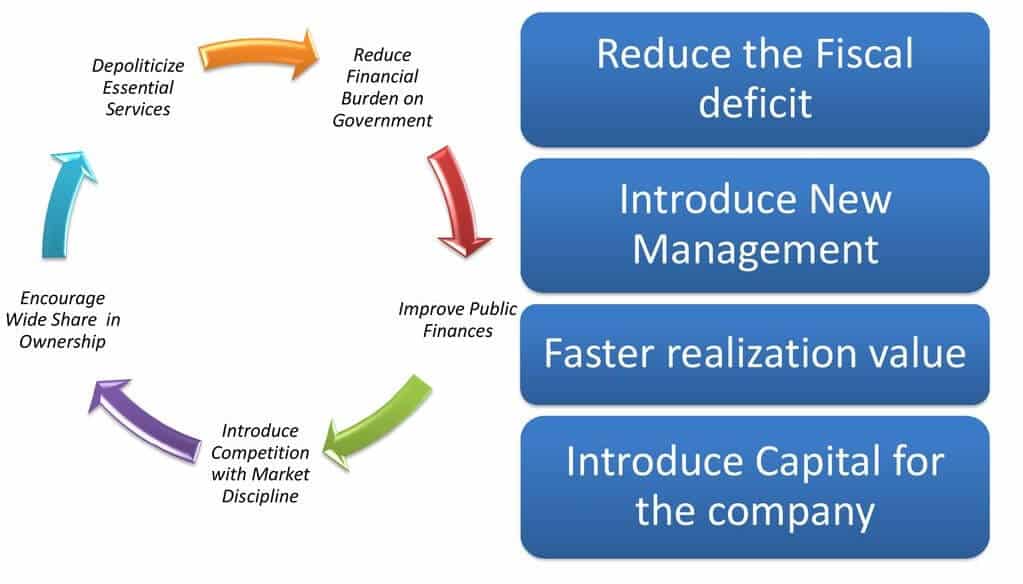
By Nantoo Banerjee The government disinvestment in India’s state-controlled enterprises is always welcome if it is aimed to make them professionally managed entities for faster growth. Unfortunately, the haphazard disinvestments in public sector enterprises (PSE) by the government seem to have only a single purpose — financing part of the annual union budget deficit. The […]

French energy giant EDF has entered a strategic partnership with TAQA Group, a Saudi-based energy company, to push forward innovations in geothermal energy technology. The deal, which also includes power generation and HVAC applications as well as compressed air energy storage, was formalised during the third PIF Private Sector Forum at the King Abdul Aziz International Conference Centre in Riyadh, Saudi Arabia. Omar Aldaweesh, CEO of EDF […]

Cryptocurrency exchange Bybit has officially removed itself from the blacklist of France’s financial regulator, the Autorité des Marchés Financiers , after over two years of collaboration. The decision to lift the restriction was confirmed by the exchange’s CEO, who stated that Bybit had worked diligently to address regulatory concerns and align with France’s legal frameworks.

This marks a significant development for the platform, which faced scrutiny in the European nation for operating without proper regulatory approval. The resolution signals a growing acceptance of cryptocurrency exchanges in France, following an increasing global push for tighter controls in the digital asset sector.

Bybit’s relationship with the AMF, which regulates financial markets in France, had been fraught with challenges. The exchange was initially blacklisted by the AMF, a key move made to protect investors and ensure that cryptocurrency platforms met the necessary legal and compliance requirements. However, this ban is now officially lifted, with Bybit’s CEO publicly announcing the successful removal from the list, following a series of efforts to comply with France’s stringent regulatory standards.

The French government has been active in its efforts to manage the growing cryptocurrency market, enforcing regulations designed to mitigate risks such as fraud and money laundering. As one of the major players in the global cryptocurrency exchange landscape, Bybit’s removal from the blacklist is seen as a positive move in terms of broader regulatory acceptance of crypto platforms.

Bybit has stated that its compliance with the AMF has included significant efforts to enhance transparency, bolster anti-money laundering measures, and improve customer protection strategies. The exchange has worked on building a framework that is in line with France’s Financial Markets Law, which governs the activities of digital asset providers in the country. These changes aim to address concerns raised by the AMF and other regulatory bodies.

The approval also comes amid France’s broader strategy to become a leading hub for cryptocurrency in Europe. Last year, the country introduced new laws to encourage crypto innovation while ensuring market participants adhere to regulatory requirements. This regulatory clarity aims to foster a secure environment for digital asset exchanges while protecting both consumers and the financial system.

With the lifting of the ban, Bybit now has the green light to offer its services to French citizens without the looming threat of regulatory sanctions. This is an important step for the exchange, which is one of the largest global platforms for cryptocurrency trading, offering a wide range of products from spot trading to derivatives and futures.

However, the approval also serves as a reminder of the ongoing challenges facing cryptocurrency exchanges globally as regulators grapple with how best to manage the rapidly evolving market. While the lifting of Bybit’s ban signifies progress, it highlights the broader regulatory complexities facing cryptocurrency exchanges across Europe.

The resolution is expected to have a positive impact on Bybit’s growth prospects in Europe, particularly in France, where the digital asset market is experiencing growing interest. France’s move to approve Bybit is likely to influence other European regulators and crypto exchanges, encouraging a more harmonised regulatory approach across the region.

The collaboration between Bybit and the AMF exemplifies how the cryptocurrency market is evolving towards a more regulated and secure environment. Despite initial hurdles, Bybit’s dedication to regulatory compliance in France signals a shift in the broader narrative of how cryptocurrency exchanges must operate within European markets.

While the approval is a step forward for Bybit, it will not necessarily shield the exchange from ongoing regulatory scrutiny. The cryptocurrency industry, while growing, remains under close watch by regulators globally, especially in Europe, where authorities are increasingly taking a proactive approach to combatting financial crime and protecting investors.

Gold-backed tokens have not lived up to expectations as the price of the precious metal sees a decline while risk assets gain traction. Amid growing speculation that former President Donald Trump’s tariffs may only be a negotiating strategy, investors are reassessing the global economic landscape. As the price of gold drops, the market shift raises questions about the stability of gold-backed tokens and whether they can weather the storm of fluctuating commodity prices.

Despite gold-backed tokens being promoted as a safe haven for investors, their performance has faltered in recent months, mirroring a broader decline in the precious metal’s price. Gold, once viewed as a reliable store of value, has faced downward pressure as investors recalibrate their portfolios in the face of shifting economic factors. The appeal of these tokens—cryptocurrencies that are tied to the price of gold—has diminished in light of market developments that have bolstered other asset classes.

The scenario surrounding Trump’s tariffs has added to the uncertainty. Wall Street analysts are increasingly speculating that the tariffs might not be as severe as originally anticipated. In fact, some view them as a mere tactic in a broader trade negotiation strategy. This perspective has led to a shift in sentiment, with risk assets—such as stocks—seeing an uptick as investors shift focus toward growth opportunities, leaving gold-backed assets in a precarious position.

The price of gold, which peaked earlier in the year due to inflation fears and global uncertainties, has now come under pressure. This decline has seen gold tokens, which track the price of the commodity, underperforming. As institutional investors have shifted their attention to more volatile but potentially lucrative assets, gold has lost some of its former appeal as a hedge against inflation and economic instability.

At the same time, riskier assets, particularly stocks, have surged. Investors are encouraged by signs of economic recovery and the resilience of equity markets. Analysts suggest that the ongoing optimism surrounding the potential easing of trade tensions, particularly between the US and China, has contributed to the rising demand for equities and corporate bonds. This sentiment is in stark contrast to the subdued demand for gold, which typically thrives in periods of heightened economic uncertainty.

The divergence between traditional assets and gold has prompted some financial experts to rethink the role of gold-backed tokens in a diversified portfolio. These digital assets, which have been gaining traction over the past few years, are now facing criticism for not providing the same level of stability that physical gold traditionally offers. With risk assets becoming more attractive to institutional investors, there are concerns that gold-backed tokens might not be able to maintain their value in the face of these shifting market dynamics.

The situation is further complicated by ongoing debates surrounding the broader implications of Trump’s trade policies. With tariffs remaining a key point of contention in international trade relations, the market remains on edge. The possibility of a trade war or retaliatory measures from other nations has been a key driver of gold’s price in the past. However, if the tariffs prove to be a bluff or a short-term negotiation tactic, the potential for further downside in gold prices could become less likely, providing more space for risk assets to flourish.

While gold-backed tokens have faced challenges, the broader cryptocurrency market has continued to evolve. The rise of other types of digital assets, particularly those tied to more volatile sectors like technology and energy, has drawn investor attention away from precious metals. This shift is evident in the increasing focus on tokens linked to blockchain innovation, artificial intelligence, and green energy. Gold, historically seen as a safe bet in times of economic crisis, is now competing with a new generation of digital assets that offer the promise of higher returns, albeit with greater risk.

This change in the investment landscape has left many wondering whether gold-backed tokens will continue to serve as a reliable store of value. The volatility in both the price of gold and the broader financial markets has highlighted the complex relationship between traditional assets and their digital counterparts. As more investors look to diversify their portfolios, the demand for assets like gold-backed tokens may become less pronounced, particularly if the broader trend towards riskier, high-growth investments continues.

Dubai’s public parking operator, Parkin, has introduced a change in the parking tariff structure, particularly targeting areas close to major event venues. Starting from February 17, the revised charges will see parking rates rise significantly in zones around the Dubai World Trade Centre , often referred to as the “Grand Event Zone.” The move comes as the city braces for a series of high-profile events, and the […]

Abu Dhabi Commercial Bank Egypt is strategically aligning its operations with sustainability and green finance initiatives, reflecting the growing emphasis on environmentally responsible banking practices within the financial sector. The CEO of ADCB Egypt highlighted that the bank is committed to advancing sustainability as a key part of its broader corporate strategy, which mirrors the UAE-based parent group’s efforts to support eco-friendly projects and initiatives. Under the […]

Dubai has rolled out a new system for parking fees in designated zones near major event venues. The system, which went into effect today, introduces variable pricing, with rates set to increase during large-scale events. The move is part of ongoing efforts to streamline traffic management and improve the overall visitor experience in high-demand areas, including around the Dubai World Trade Centre .

Under the new policy, parking charges will rise to Dh25 per hour during events, a significant increase from the regular fees, which will remain lower during non-event periods. The increased rates apply to the parking areas closest to key venues, such as those surrounding DWTC, which hosts a variety of international conferences, exhibitions, and events that draw large crowds.

The decision to introduce variable parking fees comes after growing concerns over congestion in the vicinity of these event zones. Dubai’s authorities have been actively working on strategies to manage the influx of visitors to major events, ensuring both the smooth flow of traffic and accessibility to key locations.

Officials explained that the rise in parking fees during events is designed to encourage visitors to use alternative modes of transport, such as public transit, which would help alleviate the pressure on parking spaces. The implementation of this system is also expected to contribute to reducing the environmental impact by promoting greener transport options.

The new fee structure is part of a broader effort to modernise the city’s infrastructure in anticipation of increased demand as Dubai continues to establish itself as a global hub for business, culture, and tourism. The city’s proactive approach to managing its transport systems is also a reflection of its ambitions to maintain high standards of urban planning and sustainability.

While the fee hike may be seen as a necessary adjustment in light of the growing demand for parking, it has drawn mixed reactions from residents and visitors alike. Some express concerns that the increased charges could disproportionately affect those attending less prominent events or those who may rely on parking due to the lack of public transport options in certain areas. Others welcome the change, viewing it as a positive step towards ensuring better traffic management and improving the overall quality of life in high-demand zones.

Transport experts have emphasised the importance of integrated planning when it comes to urban mobility. As Dubai continues to develop and expand, experts suggest that a more comprehensive approach to transport, which includes enhanced public transportation networks and better parking management strategies, will be crucial to maintaining the city’s appeal to both residents and visitors.

The Dubai Roads and Transport Authority has been at the forefront of this initiative, working closely with local authorities to ensure the effective implementation of the new fee structure. RTA has also highlighted the expansion of alternative transport options, such as the Dubai Metro and bus services, as essential components of the strategy to support the city’s growing population and increasing number of tourists.

This change aligns with Dubai’s long-term vision of reducing traffic congestion and carbon emissions. The city’s leaders have repeatedly expressed a commitment to sustainable urban development, with a particular focus on reducing the number of private vehicles on the roads. The introduction of variable parking fees is one of many measures designed to support these goals, encouraging more people to rely on public transportation rather than private cars.

Dubai’s move to introduce variable parking fees is also reflective of a broader trend seen in major cities around the world, where dynamic pricing models have been introduced to manage traffic congestion and improve access to key areas. Cities like London and New York have employed similar strategies to control the flow of vehicles in high-traffic zones, with varying degrees of success.

In addition to the economic and environmental benefits, the new pricing model is expected to have a positive impact on the city’s public transportation system. By encouraging more people to use the Metro or buses, the pressure on parking spaces should be alleviated, making it easier for those who truly need to park to find a spot. This shift is expected to help optimise the use of available infrastructure, benefiting both residents and visitors who rely on public transport for their daily commute or during special events.

Vedanta Aluminium, India’s leading aluminium producer, has introduced an AI-powered drone system to bolster safety measures at its Jamkhani coal mine in Odisha. This initiative, developed in collaboration with Vedanta’s Spark program, aims to enhance operational efficiency and safety protocols within the mining sector.

The AI-driven drones are equipped with advanced software capable of real-time aerial surveillance, automatically detecting and tracking human, animal, and vehicle movements within a 500-meter radius of blasting zones. This technology enables remote monitoring, providing live-streaming alerts for unauthorized activities and facilitating seamless audio communication between officials, drone pilots, and blasting officers for precise coordination.

Sunil Gupta, Chief Operating Officer of Vedanta Aluminium, emphasized the company’s commitment to workplace safety, stating that the integration of AI-powered drones signifies a significant advancement in creating a secure work environment while improving monitoring and compliance.

David Stone, Chief Executive Officer of Vedanta’s Coal Mines, highlighted the impact of this technology, noting that the deployment of AI-powered drones sets a new benchmark for mine safety by enhancing situational awareness and risk management.

The Jamkhani coal mine, Vedanta’s first greenfield project in Odisha, plays a crucial role in supplying fuel to the company’s Jharsuguda plant, one of the world’s largest aluminium smelters. The introduction of AI-powered drones is part of Vedanta Aluminium’s broader strategy to implement digital transformation across its operations, leveraging technologies such as artificial intelligence, robotics, the Internet of Things , and smart safety solutions.

Amitesh Sinha, Vice President and Head of CVC & Spark at Vedanta, underscored the importance of corporate-startup collaborations in driving innovation. He mentioned that the partnership with Skylark Drones and the Vedanta Mines team reflects the company’s focus on safety innovation, with the Spark program actively working with over 70 startups and deploying more than 100 projects to integrate AI and digital solutions into manufacturing.

Beyond technological advancements, Vedanta Aluminium remains committed to Odisha’s socio-economic development, engaging in initiatives that encompass education, healthcare, sustainable livelihoods, and rural infrastructure enhancement. As India’s largest aluminium producer, the company manufactured 2.37 million tonnes in the fiscal year 2024, supplying critical industries and reinforcing its leadership in sustainable mining and digital innovation. Notably, Vedanta Aluminium ranks second globally in the S&P Global Corporate Sustainability Assessment 2024 for the aluminium industry, reaffirming its dedication to responsible mining practices and a greener future.

The integration of AI-powered drones into mining operations signifies a transformative approach to safety and efficiency in the industry. By providing comprehensive surveillance and instant communication capabilities, this technology empowers mining teams with greater situational awareness, enabling swift responses to potential hazards and ensuring a safer working environment.

The AI-driven drones operate autonomously, scanning the designated areas and identifying any unauthorized movement or anomalies. Upon detection, the system generates immediate alerts, allowing for prompt intervention to prevent potential incidents. This proactive approach not only mitigates risks but also enhances overall operational efficiency by reducing downtime associated with manual inspections and clearances.

The collaboration between Vedanta Aluminium and technology startups exemplifies a growing trend in the industry, where established corporations partner with agile innovators to co-develop solutions that address complex operational challenges. Such partnerships facilitate the rapid adoption of cutting-edge technologies, driving continuous improvement in safety standards and operational practices.

In addition to enhancing safety, the deployment of AI-powered drones contributes to environmental sustainability. By ensuring precise monitoring and control over mining activities, the technology helps in minimizing ecological disturbances and promotes adherence to environmental regulations. This aligns with Vedanta Aluminium’s commitment to sustainable practices and its efforts to reduce the environmental footprint of its operations.

The successful implementation of AI-driven drone technology at the Jamkhani coal mine serves as a model for the mining industry, demonstrating how digital transformation can lead to safer and more efficient operations. As the industry continues to evolve, the integration of such innovative solutions is poised to become a standard practice, setting new benchmarks for safety and operational excellence.

Vedanta Aluminium’s proactive approach in adopting advanced technologies reflects its strategic vision of leading the industry towards a more sustainable and technologically advanced future. By prioritizing safety, efficiency, and environmental responsibility, the company not only enhances its operational capabilities but also contributes positively to the broader socio-economic landscape.

smart, the automotive brand renowned for compact urban vehicles, has unveiled a series of compelling offers to promote electric vehicle adoption in the United Arab Emirates . These initiatives, introduced in collaboration with the AW Rostamani Group, aim to make sustainable transportation more accessible to consumers.

The incentives encompass flexible financing options and comprehensive warranties covering both vehicles and batteries. This strategic move is designed to facilitate a seamless transition for drivers considering the shift to electric mobility. The AW Rostamani Group, with over five decades of automotive excellence in the UAE, supports this endeavour, reflecting a commitment to environmental sustainability and innovative automotive solutions.

The UAE’s EV market is experiencing significant growth, driven by government policies and increasing environmental awareness. In 2023, the market reached a valuation of USD 2.0 billion and is projected to escalate to USD 11.3 billion by 2032, with a compound annual growth rate of 19.30% between 2024 and 2032. This surge is attributed to ongoing infrastructure development, technological advancements, and a national vision to reduce carbon emissions.

Projections indicate that electric vehicles will constitute approximately 22.32% of the UAE’s automotive market by 2029, with aspirations to surpass 50% adoption by 2050. Currently, the nation boasts over 70,000 EVs, a number expected to rise to 100,000 by 2027. This growth is supported by enhanced charging infrastructure and a heightened public consciousness regarding the benefits of sustainable mobility.

The Trump administration has directed the Department of Homeland Security to terminate all climate-related activities, effectively removing climate considerations from the agency responsible for managing disaster responses across the United States. This directive, issued through an internal memo, signifies a substantial shift in federal disaster preparedness and response strategies. The memo, disseminated to DHS leadership, mandates the cessation of programs and initiatives that address climate change impacts, […]

Q3 sales at previous year’s level and adjusted EBITDA margin improves significantly to 9.2 percent Incoming orders up 8.3 percent for Q3 and 7.7 percent after nine months compared with previous year High order backlog points to strong final quarter Full-year forecast confirmed, adjusted EBITDA margin to rise to up to around 8 percent in FY 2025/2026 Packaging remains a growth driver Growth strategy promises sales potential […]

The Environmental, Social, and Governance sukuk market has achieved a significant milestone, with its outstanding value exceeding $50 billion by the end of 2024. This growth underscores the increasing integration of ethical and sustainable principles within Islamic finance. Data from the London Stock Exchange Group indicates that ESG sukuk issuances reached $15.2 billion in 2024, marking a 14.5% annual growth. This represents the eighth consecutive year of […]

JAKARTA, INDONESIA – Media OutReach Newswire – 13 February 2025 – At the Indonesia International Motor Show (IIMS) 2025, VinFast officially opened for sales for its mini-SUV VF 3. The company also announced a special policy providing free charging for all VinFast electric vehicles at VinFast charging stations operated by V-GREEN across Indonesia, reaffirming its commitment to delivering smart, accessible, and sustainable mobility solutions. VinFast announces the […]

LEAP, the acclaimed technology event, is expanding into Asia with the introduction of LEAP East, scheduled at the Hong Kong Convention and Exhibition Centre from 9 to 11 July 2026. Organised by Tahaluf, this inaugural event aims to attract global tech leaders, innovators, and investors to one of the world’s most dynamic cities. The conference will feature over 300 expert speakers and 300 exhibitors, showcasing advancements across […]

Hong Kong-based Volar Air Mobility has announced plans to manufacture electric aircraft in Abu Dhabi, aligning with the United Arab Emirates’ commitment to sustainable transportation. The company aims to produce the RX4E, a four-seater electric aircraft designed for various applications, including eco-tourism, pilot training, medical evacuations, border control, and surveillance. The RX4E has achieved a significant milestone by becoming the world’s first electric aircraft certified under Part 23 regulations for commercial use. citeturn0search3

Volar Air Mobility has been actively collaborating with UAE authorities to advance green aviation initiatives. In September 2024, the company signed a Memorandum of Understanding with the UAE’s General Civil Aviation Authority to establish a Green Aviation technological development hub in the country. Additionally, Volar partnered with Etihad Aviation Training to explore the development of a sustainability cluster focused on research and development in green aviation within the UAE. citeturn0search0

The UAE has been investing in sustainable transportation modes, including electric vehicles, buses, and the Dubai Metro system, significantly reducing the number of cars on the road. citeturn0search2 The UAE’s Net Zero 2050 Strategy aims to stimulate economic and societal advancement by leading the transition to net zero emissions. citeturn0search16

Volar’s decision to establish production facilities in Abu Dhabi aligns with the UAE’s strategic vision for sustainable development. The RX4E’s applications in eco-tourism and pilot training are expected to contribute to the nation’s environmental goals. The aircraft’s capabilities in medical evacuations, border control, and surveillance also offer potential enhancements to public services.

HANOI, VIETNAM – Media OutReach Newswire – 12 February 2025 – F88 Investment Joint Stock Company (F88) has just announced its highest-ever consolidated after-tax profit, along with several key financial indicators that highlight the company’s rapid and sustainable recovery, following a challenging year. F88 posts highest-ever consolidated after-tax profit in 2024. Photo courtesy of the firm. F88, which owns 99.99 per cent of F88 Business Joint Stock […]

VISHNU RAJA
RYO YAMADA
HITORI GOTOH
IKUYO KITA