News related to
green

Ambitious renewable energy goals set by the UAE have not only been met but are expected to be exceeded by 2030, according to a recent report from the International Energy Agency (IEA). The report highlights the nation’s strategic investments and policies that have accelerated the development of renewable energy sources, particularly solar and wind power. With a commitment to diversifying its energy mix and reducing reliance on […]

Dubai Silicon Oasis (DSO) has garnered the prestigious title of “Middle East Free Zone of the Year” at the Global Free Zones of the Year 2024 Awards, hosted by the Financial Times’ fDi Intelligence. This recognition underscores DSO’s commitment to fostering innovation and entrepreneurship within the region’s economic landscape. The accolade highlights DSO’s strategic initiatives aimed at enhancing the free zone’s competitiveness, infrastructure, and service offerings, positioning it as a premier hub for technology and innovation.

Established in 2006, Dubai Silicon Oasis serves as a Special Economic Zone (SEZ) that focuses on attracting technology-based companies and supporting innovative businesses. It is one of five Urban Zones identified within Dubai’s 2040 Urban Master Plan, reflecting the emirate’s vision to transform into a global center for knowledge and innovation. DSO’s robust framework facilitates the growth of start-ups and established companies alike, offering a conducive environment for research, development, and collaboration.

Key to DSO’s success is its state-of-the-art infrastructure, which includes a mix of residential, commercial, and educational facilities. The free zone boasts advanced telecommunications and technology systems, making it an attractive destination for businesses seeking to establish a presence in the UAE. Moreover, DSO provides a variety of incentives for companies, including tax exemptions, 100% foreign ownership, and full repatriation of profits, which are critical in attracting international firms.

The recent award signifies DSO’s proactive approach to evolving with industry demands. The zone has embraced innovative practices, such as implementing smart city technologies and promoting sustainability initiatives, which resonate with global trends in urban development. DSO has introduced initiatives aimed at integrating artificial intelligence and smart solutions within its operational framework, thereby enhancing the overall efficiency and competitiveness of businesses operating within its premises.

One of the key factors contributing to DSO’s recognition is its extensive support for start-ups and entrepreneurs through initiatives like the Dubai Technology Entrepreneur Campus (DTEC). DTEC serves as an incubator for technology-focused businesses, providing mentorship, networking opportunities, and access to funding. The center plays a pivotal role in nurturing local talent and encouraging innovation, positioning Dubai as a prominent player in the global technology ecosystem.

DSO actively collaborates with academic institutions and research centers to drive innovation. This partnership model ensures that businesses have access to cutting-edge research and development resources, further enhancing the zone’s appeal. The synergy between industry and academia fosters a vibrant ecosystem that encourages knowledge sharing and innovation.

DSO’s commitment to sustainability is also noteworthy. The free zone has launched several initiatives aimed at reducing its carbon footprint and promoting green practices among its tenants. This focus on sustainability not only aligns with global environmental goals but also attracts businesses that prioritize corporate social responsibility.

The recognition from fDi Intelligence is expected to further bolster DSO’s reputation as a leading free zone in the region. This accolade will likely enhance its attractiveness to foreign investors and companies looking to tap into the lucrative Middle Eastern market. As the UAE continues to position itself as a hub for technology and innovation, DSO is poised to play a critical role in shaping the future of the region’s economy.

In addition to attracting international businesses, DSO is focused on fostering a diverse and inclusive workplace culture. This approach has contributed to its reputation as an employer of choice among skilled professionals. The free zone’s commitment to diversity not only enriches its work environment but also drives creativity and innovation among its workforce.

As the competitive landscape among free zones intensifies, DSO’s ability to adapt to changing market conditions and embrace new technologies will be crucial. The ongoing investment in infrastructure and services indicates that DSO is well-positioned to maintain its leadership in the innovation sector. The zone’s emphasis on continuous improvement and customer-centric services ensures that it remains responsive to the needs of businesses.

DSO’s strategic location in Dubai enhances its accessibility to global markets, facilitating trade and collaboration. The free zone’s proximity to major transport hubs and its integration with Dubai’s extensive logistics network make it an ideal base for companies seeking to expand their reach.

Collaborative efforts between Veolia Energia Poznan and hosting provider Beyond.pl have launched a groundbreaking project aimed at recycling waste heat generated from data centers in Poznan, Poland. This partnership, marked by a signed letter of intent, seeks to channel thermal energy produced by Beyond.pl’s facilities into the city’s district heating network, effectively providing low-emission heating for local residents.

The initiative focuses on recovering heat from servers in Beyond.pl’s data centers, especially those powered by high-performance, AI-driven computing systems. It will incorporate advanced waste heat recovery technology utilizing industrial-grade heat pumps alongside high-density servers, facilitating the distribution of thermal energy suitable for integration into the district heating system. This innovative setup is projected to deliver thermal energy with a capacity of around 30 megawatts, primarily serving the southeastern area of Poznan.

Significantly, this project aims to reduce the city’s carbon footprint, with estimates indicating a potential decrease of approximately 52,500 tons of CO2 emissions annually and a reduction in water usage by around 76,500 cubic meters. By replacing fossil fuel sources with this waste heat, the initiative enhances energy security and sustainability for Poznan and its surroundings.

Luiz Hanania, CEO of Veolia Group in Poland, highlighted the alignment of this project with their GreenUp strategy, designed to promote decarbonization and improve quality of life through sustainable solutions. This approach underscores the company’s commitment to utilizing waste heat as a renewable energy resource, which contributes significantly to increasing the low-emission heating options in Poznan’s energy mix.

Beyond.pl, recognized as a leader in sustainable practices within the data center industry, has established its reputation by operating its facilities entirely on renewable energy. The data center located at Poznan’s campus, operational since 2016, has already been recycling waste heat for its office and logistics spaces, making this city-wide initiative a natural progression of its existing sustainability efforts.

Industry’s first AI powered end-to-end decarbonization software solution receives recognition from the United Nations Global Compact Network Singapore SINGAPORE – Media OutReach Newswire – 10 October 2024 – Univers, the global decarbonization software leader headquartered in Singapore, is pleased to showcase the capabilities of EnOS™ Ark (‘Ark’), an all-in-one enterprise decarbonization Software as a Service (SaaS) solution that provides comprehensive, validated data and insights to empower enterprises […]

Etihad Rail has taken a bold step toward sustainable operations by initiating a solar-powered freight terminal at Ghuweifat. This project, developed in partnership with Emerge, marks a milestone in the UAE’s commitment to green energy as part of the nation’s broader goal of achieving net-zero emissions by 2050. By integrating solar power into its logistics network, Etihad Rail is redefining freight transport in the UAE with a […]

Abu Dhabi National Oil Company (ADNOC) is set to close its acquisition of a controlling stake in Fertiglobe, the joint venture it holds with Netherlands-based OCI N.V. Fertiglobe, a major player in the global nitrogen fertilizer market, produces ammonia and urea, two crucial components in agriculture and industrial applications. This strategic move will expand ADNOC’s influence in the fertilizer industry, positioning it as a significant global player […]

ADNOC L&S, the shipping and logistics arm of the Abu Dhabi National Oil Company (ADNOC), has signed a joint venture agreement to build two ammonia carriers valued at $250 million. This move marks a significant step in ADNOC’s growing role in the global energy transition and reflects the increasing demand for low-carbon fuel transport. The vessels, which will be used to transport blue ammonia, align with the company’s strategic objectives in clean energy, offering a glimpse into the future of shipping for energy companies worldwide.

The joint venture, formed between ADNOC L&S and the Norwegian shipping giant, Navig8, will oversee the construction of these ammonia carriers, marking an important development in the regional and international maritime landscape. This agreement signifies ADNOC’s intent to expand its green energy shipping capacity, positioning itself as a key player in the ammonia market as the world continues to shift towards cleaner energy solutions.

Blue ammonia, produced using natural gas where the resulting carbon emissions are captured and stored, has become a crucial part of ADNOC’s broader decarbonization strategy. Ammonia’s potential as a hydrogen carrier makes it a vital component in the global energy transition, and the demand for such low-carbon fuels has surged amid the drive toward net-zero emissions. These new vessels will meet international standards for transporting this form of ammonia and enhance ADNOC’s logistical capabilities, ensuring that the company can meet growing market demands.

The ships will be designed to transport ammonia safely over long distances and are expected to play a critical role in serving both regional and international markets. The ammonia trade is poised to grow, with several energy producers looking at ammonia not only as a fuel but also as a means of storing and transporting hydrogen, which is increasingly viewed as a key element in the decarbonization of heavy industries. With ADNOC’s growing emphasis on its low-carbon projects, the joint venture’s investment highlights the Middle East’s rising prominence in clean energy innovation.

This joint venture comes at a time when ADNOC is accelerating its investments in energy transition initiatives. The ammonia carriers will add to ADNOC’s existing fleet, which already plays a pivotal role in transporting various energy products, including crude oil, liquefied petroleum gas (LPG), and refined products. The company’s ongoing commitment to sustainable shipping is evident in its drive to incorporate low-carbon solutions within its broader fleet strategy.

The deal is also a milestone for Navig8, whose expertise in managing shipping assets and operations on a global scale complements ADNOC’s ambitions. Navig8 will bring its deep technical and operational expertise in the maritime sector, ensuring the successful delivery and management of the ammonia carriers. This collaboration aligns with the broader industry trend toward partnerships that bridge regional energy players with international logistics and shipping firms, furthering decarbonization efforts across supply chains.

Ammonia’s importance has been highlighted by both industry experts and governments, with many viewing it as a significant enabler in the global transition to a cleaner energy future. The International Energy Agency (IEA) has underscored ammonia’s potential, particularly in helping countries meet their climate goals by providing a versatile, storable fuel that can be used in various industries. The vessels being built under this agreement will serve a growing number of markets, enabling the secure and efficient delivery of low-carbon ammonia to key hubs around the world.

ADNOC’s investment in ammonia carriers coincides with a broader push within the company to diversify its portfolio beyond oil and gas. The company is exploring a range of clean energy initiatives, including renewable energy projects and carbon capture technologies. By investing in vessels that can transport ammonia, ADNOC is positioning itself to take advantage of the rising demand for green hydrogen and its derivatives, a market that is expected to grow exponentially over the next decade.

As the demand for cleaner energy sources increases, the global maritime industry has been under pressure to adapt to new regulations and fuel standards. The International Maritime Organization (IMO) has set ambitious targets to reduce carbon emissions from ships, pushing shipping companies to innovate and find new ways to meet these demands. The ammonia carriers being constructed through the ADNOC-Navig8 joint venture will not only support the energy industry’s needs but also contribute to the maritime sector’s efforts to lower its carbon footprint.

The vessels, scheduled for delivery by 2026, will operate under ADNOC’s clean energy logistics strategy, furthering the company’s capabilities in handling low-carbon fuels. This move signals ADNOC’s readiness to be at the forefront of the evolving global energy market, where clean fuel transport is becoming increasingly vital. The global transition toward decarbonized industries is gathering pace, and ADNOC’s latest joint venture is set to strengthen its foothold in the green fuel sector, positioning the company to meet the demands of both regional and global customers.

Advertisements

MALAYSIA – Media OutReach Newswire – 9 October 2024 – The International Greentech and Eco Products Exhibition & Conference Malaysia (IGEM) 2024, the region’s longest-running green technology exhibition, officially opens today, reaffirming Malaysia’s leadership in sustainable development with this year’s theme “Race Towards Net Zero: Regional Leadership for Climate Urgency“. Organised by the Ministry of Natural Resources and Environmental Sustainability (NRES) and co-organised by the Malaysian Green […]

KUALA LUMPUR, MALAYSIA – Media OutReach Newswire – 10 October 2024 – Malaysia is advancing its role in global green leadership with the official launch of the International Greentech & Eco Products Exhibition & Conference Malaysia (IGEM) 2024, which aims to generate RM4.8 billion in business leads. Hosted at the Kuala Lumpur Convention Centre (KLCC), IGEM 2024 cements Malaysia’s commitment to a green economy as the country […]

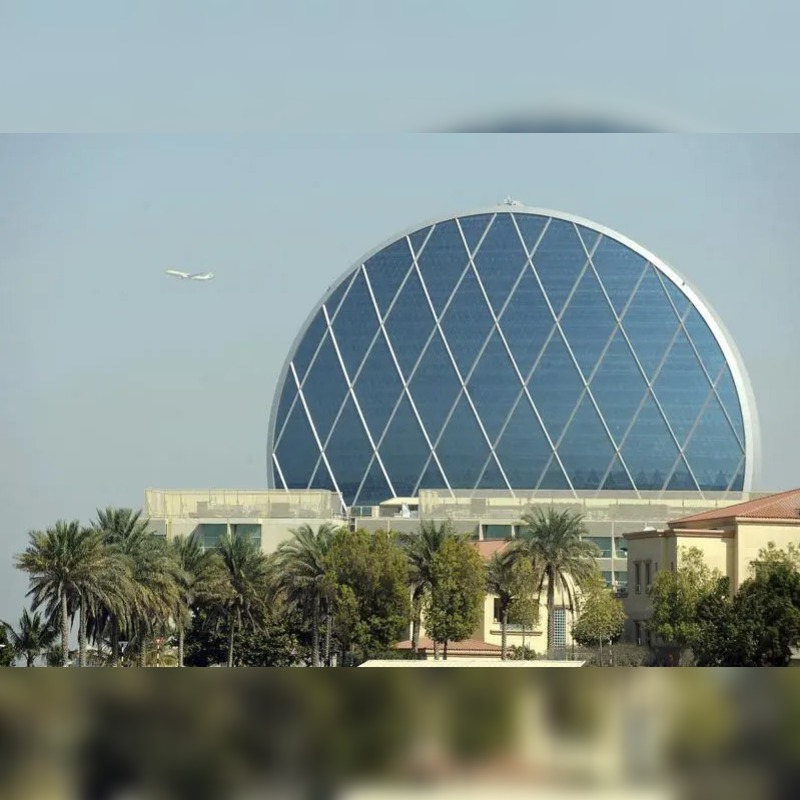
Aldar has unveiled a joint venture to spearhead a $476 million real estate development in Expo City Dubai, marking a significant move in the Emirate’s property market. The collaboration, which brings together Aldar and Dubai Holding, is expected to fuel Expo City’s transformation into a premier residential and commercial hub. The partnership will develop approximately 38,000 square meters of land within the city, with a focus on sustainability, innovation, and high-end living. This latest announcement is viewed as a strategic step for Aldar as it seeks to expand its portfolio and strengthen its presence in Dubai’s booming property sector.

Expo City Dubai, originally conceived as a site for the World Expo 2020, has been gradually transformed into a multi-functional district, serving residential, business, and entertainment needs. Aldar’s latest development aims to further enhance this district by introducing a series of new residential complexes designed to cater to the increasing demand for upscale living spaces. The development is anticipated to attract both residents and businesses looking to benefit from Expo City’s strategic location and well-established infrastructure.

This project comes at a time when the UAE’s property market is experiencing steady growth, with rising demand for luxury homes and commercial spaces. The collaboration between Aldar and Dubai Holding will leverage the strengths of both entities, with Aldar contributing its expertise in real estate development and Dubai Holding providing prime land and access to Expo City’s robust infrastructure. The project’s primary goal is to create an integrated community that aligns with Expo City’s vision of becoming a leading global destination for business, leisure, and sustainable living.

Aldar, headquartered in Abu Dhabi, has been expanding its footprint in Dubai’s real estate market over the past few years. This joint venture highlights the developer’s ambitions to play a more prominent role in shaping Dubai’s urban landscape. Aldar’s CEO has emphasized that the project will not only contribute to the city’s economic growth but also help position Dubai as a leading destination for property investment. The development, he said, aligns with the UAE’s long-term strategy to diversify its economy and boost its non-oil sectors, particularly real estate and tourism.

Expo City, which has retained much of its infrastructure and facilities from the World Expo, has seen an uptick in investment since the event concluded. Aldar’s project is one of several high-profile developments slated for the area, which is expected to attract both domestic and international buyers and investors. The city is being marketed as a hub for sustainability, innovation, and connectivity, with easy access to key locations such as Al Maktoum International Airport, Jebel Ali Port, and major highways connecting it to Abu Dhabi and the rest of Dubai.

With a focus on environmental sustainability, the development will incorporate energy-efficient designs and technologies, in line with the UAE’s broader sustainability goals. Aldar has a strong track record of integrating eco-friendly features into its projects, and this new venture is expected to follow suit, offering smart homes, green spaces, and pedestrian-friendly environments. Such features are increasingly sought after by buyers in the UAE, where the government has been promoting sustainable urban development as part of its Vision 2030 plan.

Dubai’s real estate market has shown resilience over the past year, with property prices and transactions rebounding after a challenging period due to the pandemic. Experts in the industry are optimistic about the future, pointing to Expo City’s unique selling points and its role in Dubai’s broader urban development plans. Aldar’s involvement in such a high-profile project further cements its status as one of the leading developers in the UAE, and the collaboration with Dubai Holding is expected to bring considerable synergies to the development.

Aldar’s focus on high-end residential units in this project aligns with the broader trend in Dubai’s property market, where luxury homes and apartments have seen significant growth in demand. The influx of high-net-worth individuals, particularly from Europe and Asia, has driven the expansion of the luxury segment, with properties in premium locations commanding higher prices. Aldar and Dubai Holding’s joint venture is well-positioned to capitalize on this trend, offering a blend of exclusivity, innovation, and strategic location within Expo City.

Dubai Holding, which manages an extensive portfolio of assets across multiple sectors, is expected to play a crucial role in facilitating the development’s integration with the rest of Expo City. As a key player in Dubai’s real estate and infrastructure sectors, Dubai Holding has the resources and expertise to ensure the success of this venture. Both companies have expressed confidence in the project’s potential to contribute to the city’s long-term vision of becoming a global hub for trade, tourism, and investment.

The new development is also expected to create numerous job opportunities, both during the construction phase and after the project’s completion. Expo City has already seen significant interest from businesses looking to set up offices in the area, and Aldar’s project will likely further boost its appeal as a commercial center. The mixed-use nature of the development means that it will cater to both residential and business needs, creating a dynamic community that reflects the diverse nature of Dubai’s population and economy.


NANJING, CHINA – Media OutReach Newswire – 10 October 2024 – CLP China (CLP), BASF, and Envision Energy signed a 10-year power purchase agreement to support BASF’s adoption of 100% renewable energy at its manufacturing sites in Nanjing, Rudong, and Zhenjiang in Jiangsu province. The agreement will contribute to BASF’s corporate goal of achieving net-zero carbon emissions by 2050 and accelerate the low-carbon energy transformation of Jiangsu. […]

Thailand’s Securities and Exchange Commission (SEC) has officially given the green light for mutual and private funds to explore investments in digital assets. This regulatory shift, seen as a significant development in the nation’s financial landscape, aims to provide more diverse investment opportunities, especially in cryptocurrency, to both domestic and foreign markets. The SEC’s decision comes as global interest in digital assets and crypto-based exchange-traded funds (ETFs) […]

Dubai, UAE – EcoClean, a leading provider of eco-friendly cleaning solutions, is proud to announce the expansion of its home and apartment cleaning services, designed to offer Dubai residents a cleaner, healthier, and more sustainable living environment. With a commitment to eco-friendly practices, EcoClean’s services cater to homeowners seeking high-quality cleaning without harmful chemicals.   Comprehensive cleaning solutions for every home EcoClean’s home cleaning services provide a […]

COP28 President Sultan Al Jaber has called on world leaders to fully implement the “UAE Consensus,” a pivotal roadmap designed to accelerate climate action and socio-economic development. Addressing the Pre-COP29 session, Al Jaber emphasized the urgency of building on the achievements made at COP28 in Dubai and continuing the momentum at COP29 in Baku. His message centered on the need for nations to “unite, act and deliver” […]

Jonathan Keyes has been appointed as the Head of Sustainable Finance for the Middle East by ING, the Dutch multinational banking and financial services corporation. This strategic move aligns with ING’s commitment to promoting sustainability and supporting clients in their transitions toward more sustainable business practices. Keyes, who previously held the position of Global Head of Sustainable Finance at the bank’s headquarters in Amsterdam, brings a wealth […]

Bond sales across the Middle East are expected to achieve unprecedented levels in 2024, driven by favorable market conditions, a surge in infrastructure spending, and robust economic recovery initiatives. This trend reflects a growing confidence among investors in the region’s economic resilience and long-term potential. Financial analysts project that bond issuances could surpass previous records as governments and corporations capitalize on favorable borrowing conditions and the need […]

China Tiejsu has been awarded a significant construction contract for a tower in Dubai’s Business Bay, marking a notable expansion of its presence in the UAE construction market. This contract comes at a time when the UAE is experiencing a construction boom, fueled by ambitious development projects aimed at enhancing the country’s infrastructure and real estate sectors. The new tower is set to contribute to the skyline of Business Bay, a hub for commercial and residential developments in Dubai.

The announcement of this deal highlights the growing confidence in the UAE’s real estate sector, which is recovering robustly following the economic impacts of the COVID-19 pandemic. With an increase in demand for both commercial and residential properties, developers are keen on investing in high-profile projects. Business Bay has emerged as a focal point for real estate investments, driven by its strategic location and modern amenities, making it an attractive area for businesses and residents alike.

The contract awarded to China Tiejsu signifies not only the company’s commitment to quality construction but also its ability to navigate the complexities of large-scale projects. The firm, which has previously engaged in various international projects, is known for its efficient construction practices and innovative engineering solutions. The Business Bay tower will likely incorporate modern design elements and sustainable building practices, aligning with global trends towards greener construction.

As the UAE government pushes forward with its Vision 2040 initiative, which aims to diversify the economy and enhance sustainability, the demand for innovative construction solutions is more pronounced. The emphasis on building environmentally friendly structures is expected to be a key component of the Business Bay project, positioning it as a leader in sustainable urban development.

This contract is part of a broader strategy by China Tiejsu to establish a foothold in the Gulf region, leveraging its expertise in infrastructure development. The company aims to enhance its reputation by delivering high-quality projects on time and within budget, ensuring client satisfaction. The strategic location of Business Bay, with its proximity to key areas such as Downtown Dubai and the Dubai Canal, further adds to the attractiveness of this project.

With the global construction industry also facing challenges such as supply chain disruptions and fluctuating material costs, China Tiejsu’s ability to manage these factors will be critical. The firm has developed robust supply chain strategies to mitigate these risks, ensuring the smooth progression of its projects. This proactive approach not only enhances operational efficiency but also positions China Tiejsu as a reliable partner in the region.

The award of this contract is expected to create numerous job opportunities within the local market, further supporting the UAE’s economic recovery. The construction sector, which plays a crucial role in the nation’s economy, has seen a surge in employment as new projects get underway. Skilled labor and construction workers will be in high demand, contributing to the local workforce and economic growth.

The government’s commitment to enhancing the infrastructure in Dubai has attracted various international construction firms, resulting in heightened competition and innovation within the sector. This environment has pushed companies to adopt advanced technologies and sustainable practices, which are increasingly becoming the norm in new construction projects. China Tiejsu’s entry into the Business Bay market underscores this trend, showcasing the potential for future collaborations and partnerships.

Market analysts predict that the construction sector in the UAE will continue to grow, driven by ongoing investments in infrastructure, tourism, and real estate. The upcoming Expo 2025 in Dubai is also expected to stimulate further development, as the city prepares to accommodate increased visitors and businesses. With the backing of the government’s supportive policies and investment incentives, the landscape for construction companies appears promising.

A showcase of rare, fancy colour diamonds, a 126.92-carat natural rough diamond and High Jewellery Masterpieces will be on public view from 9 – 13 October at LANDMARK HONG KONG SAR – Media OutReach Newswire – 9 October 2024 – De Beers Jewellers, the leading diamond Jewellery House, and LANDMARK, a world-class luxury shopping destination, are proud to announce a one-of-a-kind exhibition titled “Inspired by Nature” in […]

Abu Dhabi’s Modon Properties has announced a strategic joint venture with Candy Capital to develop a luxury real estate portfolio aimed at affluent buyers. This collaboration reflects the growing demand for high-end living spaces in the United Arab Emirates, particularly as the market rebounds from the impacts of the global pandemic. Modon, a leading developer in Abu Dhabi, has established a strong reputation for creating master-planned communities […]

Dubai has taken a significant step toward becoming a cashless economy with the launch of the “Dubai Cashless Strategy.” This ambitious initiative aims to boost the emirate’s position as a global digital economy leader by increasing cashless payments across both public and private sectors. The strategy’s goal is to ensure that 90% of all transactions in Dubai are digital by 2026, a move expected to generate over AED 8 billion in economic growth annually.

A key component of this transformation is fintech innovation, with particular focus on digital payment solutions driven by artificial intelligence and contactless technologies. These innovations will be instrumental in delivering seamless, secure payment experiences for businesses and consumers alike.

Abdulrahman Saleh Al Saleh, Director-General of Dubai’s Department of Finance, noted that Dubai already boasts an advanced financial ecosystem adhering to international standards. He emphasized that 97% of government transactions were conducted digitally in 2023, illustrating the strong foundation for this cashless transition. This effort aligns with the broader goals of the Dubai Economic Agenda (D33), which seeks to enhance the city’s economic standing on the world stage.

Hamad Obaid Al Mansoori, Director-General of Digital Dubai, reiterated the strategic significance of the initiative. He emphasized that the move toward cashless transactions not only enhances the ease of daily life but also reinforces Dubai’s attractiveness as an investment hub. The fintech sector, critical to this strategy, will help the city maintain its digital leadership while fostering new innovations in financial services.

India is set to become a global leader in sustainable aviation fuel (SAF) production by 2040, aiming for a target of 8-10 million tonnes annually. This ambitious goal is driven by the country’s commitment to decarbonizing its rapidly growing aviation sector, which ranks among the fastest-expanding in the world. The initiative is also expected to attract an estimated investment of USD 70-85 billion over the coming years, as reported by industry experts.

The planned SAF output could significantly contribute to reducing carbon emissions, with projections indicating a reduction of 20-25 million tonnes of carbon dioxide annually. This effort aligns with global sustainability goals and places India as a potential major player in the SAF market, not only meeting domestic demand but also catering to the international aviation industry. The country’s strategic location, close to major airline hubs in the Middle East and Europe, further enhances its potential as a key SAF exporter.

To realize these ambitions, India’s SAF production strategy focuses on leveraging its agricultural and municipal waste as primary feedstocks. The country produces around 230 million tonnes of surplus agricultural residue, which will be crucial for producing biofuels through advanced technologies. This includes the Alcohol-to-Jet (AtJ) process, which converts ethanol derived from agricultural waste into aviation fuel. Ethanol (second generation) produced from non-food sources like agricultural residue and municipal solid waste is expected to be a cornerstone of India’s SAF development.

The initiative aims to generate significant economic benefits. It is projected to create between 1.1 and 1.4 million jobs throughout the SAF production value chain. The reduction in crude oil imports, estimated at USD 5-7 billion annually, is another expected outcome of the country’s SAF development efforts.

India’s aviation sector has been exploring diverse feedstocks for SAF production, with options ranging from used cooking oil and municipal solid waste to more unconventional sources like sweet sorghum and seaweed. Experts believe that the scalability and success of these alternative materials will depend on technological advancements and regulatory support over the next decade.

A comprehensive SAF roadmap was recently unveiled, detailing the investments needed to meet production targets while also highlighting the environmental and economic benefits for India. Government policies, coupled with private sector involvement, are expected to play a crucial role in scaling up SAF production. The international market for SAF is expanding rapidly, and India’s competitive cost structures may position it favorably to supply global aviation giants as demand surges.

However, challenges remain in ramping up production and creating a reliable supply chain for SAF in India. Infrastructure bottlenecks, technological constraints, and the need for regulatory incentives are key issues that need to be addressed to achieve the ambitious targets set for 2040. Yet, experts remain optimistic that with sustained investment and collaboration between public and private sectors, India will be able to meet its SAF production goals.

This focus on SAF is part of a broader trend in India’s decarbonization efforts across multiple sectors. The aviation industry’s move towards cleaner fuels not only reduces greenhouse gas emissions but also aligns with India’s broader climate commitments under the Paris Agreement. As the global aviation industry looks for greener alternatives, India’s push for SAF could place it at the forefront of this transformation, catering to both domestic and international markets.

In addition to benefiting the environment, the production of SAF in India is expected to improve the incomes of local farmers by 10-15% through the utilization of agricultural residue that would otherwise be burned. This has the potential to address long-standing environmental issues like air pollution caused by crop stubble burning, particularly in northern India.

Dubai Holding, a prominent global investment conglomerate, has announced its intention to establish a Real Estate Investment Trust (REIT), targeting substantial investment in the region’s thriving real estate sector. This strategic move aligns with the company’s broader vision of enhancing Dubai’s position as a premier investment destination while responding to the increasing demand for innovative financial products in the market. The planned REIT will focus on a […]

A transformative budget for 2025 has been approved by the UAE Cabinet, reflecting a strategic vision to enhance the nation’s economic growth, development, and social welfare. The budget, amounting to an unprecedented AED 72.8 billion (approximately USD 19.8 billion), is designed to bolster critical sectors, improve infrastructure, and drive innovation.

Key allocations in the budget underscore a commitment to education, healthcare, and economic diversification. The Ministry of Education will receive AED 16.2 billion, marking a significant increase aimed at advancing educational facilities and enhancing the quality of teaching. This initiative aligns with the broader objective of cultivating a skilled workforce equipped to meet the demands of a rapidly evolving job market.

Healthcare also sees substantial investment, with AED 10 billion earmarked to improve public health services and infrastructure. This funding is expected to expand healthcare access and enhance service delivery across various emirates, particularly in remote areas. The focus on healthcare is part of a long-term strategy to prioritize citizens’ health and well-being, especially in light of the challenges posed by global health crises.

Infrastructure development continues to be a priority, with a notable AED 14 billion allocated for projects aimed at modernizing transport and logistics systems. This investment is poised to facilitate greater connectivity within the UAE and enhance the nation’s position as a global trade hub. It underscores the commitment to maintaining a competitive edge in the region’s logistics and supply chain sectors.

The budget also emphasizes environmental sustainability and energy efficiency. Initiatives aimed at promoting renewable energy and reducing carbon emissions are integral to the government’s long-term vision. Funding for green projects and sustainable practices reflects a commitment to diversifying the energy portfolio and reducing dependency on fossil fuels. This aligns with the UAE’s ambitious sustainability goals, which aim to establish the country as a leader in clean energy solutions.

The Cabinet’s decision to prioritize economic diversification is evident in the allocation of AED 9 billion to support small and medium-sized enterprises (SMEs). Recognizing the pivotal role that SMEs play in driving economic growth and job creation, the government aims to provide these businesses with the necessary resources and support to thrive in a competitive market. This initiative is expected to stimulate innovation and entrepreneurship across various sectors.

Digital transformation is another focal point of the budget, with AED 6.4 billion directed towards enhancing digital infrastructure and cybersecurity measures. As the UAE continues to position itself as a tech-savvy nation, investments in digitalization are crucial for driving efficiency and improving service delivery in both public and private sectors. This funding aims to foster a digital ecosystem that encourages technological advancements and enhances the overall quality of life for residents.

The Cabinet’s approval of the budget reflects a comprehensive approach to governance, prioritizing both immediate needs and long-term goals. The strategic allocations signal a robust framework for navigating challenges while harnessing opportunities for growth. The budget aims to position the UAE as a resilient economy capable of adapting to global shifts and uncertainties.

In addition to focusing on domestic priorities, the budget also highlights the UAE’s commitment to international partnerships. Allocations for foreign aid and developmental assistance demonstrate the nation’s dedication to fostering relationships with other countries and contributing to global efforts in areas such as education, health, and infrastructure development. This commitment enhances the UAE’s reputation as a proactive player on the international stage, reinforcing its position as a leading contributor to global development.

The government has expressed optimism that the 2025 budget will stimulate economic activity and support job creation across various sectors. Officials anticipate that strategic investments will yield positive returns, enhancing overall economic resilience. The budget serves as a roadmap for growth, providing a foundation for initiatives aimed at increasing productivity and fostering a culture of innovation.

Abu Dhabi has emerged as the wealthiest city globally, boasting sovereign wealth funds (SWFs) that collectively manage assets worth $1.7 trillion. This ranking highlights the city’s financial significance and positions it as a critical player on the world stage.

The analysis, conducted by various financial institutions, underscores Abu Dhabi’s SWFs, including the Abu Dhabi Investment Authority (ADIA) and Mubadala Investment Company. These entities have strategically diversified their investments across sectors such as technology, infrastructure, healthcare, and renewable energy, driving substantial returns. As of this year, the ADIA alone manages assets estimated at over $700 billion, positioning it as one of the largest SWFs globally.

A crucial aspect of Abu Dhabi’s financial success stems from its oil and gas revenues, which have historically fueled the growth of these funds. The emirate has effectively transformed its natural resource wealth into a broad-based investment strategy, allowing it to capitalize on opportunities beyond hydrocarbons. Investments in international markets and partnerships with global firms have further diversified its portfolio and reduced dependency on oil revenues.

The financial environment in Abu Dhabi benefits from robust government support and a commitment to enhancing the investment climate. Initiatives to attract foreign direct investment (FDI) have played a vital role in expanding the emirate’s economic landscape. The introduction of new laws and reforms aimed at easing business operations, coupled with free trade zones, has made Abu Dhabi an appealing destination for global investors.

Recent developments indicate that the UAE, led by Abu Dhabi, is keen on positioning itself as a center for financial technology (fintech). The government has launched various initiatives to promote innovation in the financial sector, attracting startups and established companies to the region. These initiatives are expected to create a vibrant ecosystem that enhances the emirate’s economic resilience.

While Abu Dhabi’s wealth continues to grow, it faces challenges common to cities reliant on large-scale investments. The ongoing global shift towards sustainable investments and green energy poses both risks and opportunities. Abu Dhabi is already taking proactive measures to address these changes, with investments in renewable energy projects such as the Mohammed bin Rashid Al Maktoum Solar Park and the Barakah Nuclear Energy Plant.

Another key player in Abu Dhabi’s economic landscape is the Abu Dhabi Global Market (ADGM), an international financial center that has garnered attention for its regulatory framework and ease of doing business. ADGM has attracted numerous global financial institutions and fintech firms, enhancing the emirate’s reputation as a financial hub. This growth is evidenced by a significant increase in the number of registered entities within ADGM, reflecting the appeal of Abu Dhabi as a business destination.

The global economic climate, characterized by inflationary pressures and geopolitical uncertainties, also influences investment strategies in Abu Dhabi. Financial analysts note that the emirate’s diversified approach mitigates risks associated with market volatility. Its emphasis on long-term investments and sustainable growth positions Abu Dhabi favorably compared to cities that may rely heavily on cyclical industries.

Abu Dhabi’s wealth is not just confined to financial markets. The emirate has invested heavily in cultural and social projects aimed at enhancing quality of life and promoting tourism. Initiatives such as the Louvre Abu Dhabi and the Guggenheim Museum project exemplify the city’s commitment to fostering a rich cultural scene, making it an attractive destination for visitors and expatriates alike.

As global economies navigate the complexities of post-pandemic recovery, Abu Dhabi’s status as the world’s richest city reinforces its position as a resilient and adaptive financial center. The emirate’s strategic investments and commitment to innovation and sustainability ensure that it remains a focal point for wealth generation and investment opportunities.

The ranking of Abu Dhabi as the wealthiest city underscores not only its financial prowess but also the broader trends shaping global wealth distribution. As sovereign wealth funds gain prominence in the investment landscape, cities like Abu Dhabi exemplify how strategic asset management can lead to sustainable economic growth.

VISHNU RAJA
RYO YAMADA
HITORI GOTOH
IKUYO KITA