News related to
green

Abu Dhabi Securities Exchange has opened the pricing stage for the first blockchain-based digital bond in the Middle East and North Africa, issued by First Abu Dhabi Bank and powered by HSBC Orion, marking a significant leap in regional capital market innovation. Global investors will be able to participate through accounts at the Central Moneymarkets Unit in Hong Kong, Euroclear, Clearstream or via HSBC Orion, either directly or through […]

Abu Dhabi, Dubai – The United Arab Emirates has climbed to second place in the 2025 VisaGuide Digital Nomad Visa Index, surpassing established destinations such as the Bahamas, Hungary, and Montenegro, and trailing only Spain. This ascent reflects the UAE’s strategic pivot from an oil-driven economy to a digital-first global destination, underpinned by technological infrastructure, favourable tax regimes, and quality of life enhancements.

With a score of 4.48 out of 5, the UAE trails Spain’s top score of 5.00 on the index. VisaGuide’s assessment considered six key factors: cost of living, visa income thresholds, taxation policies, internet connectivity, healthcare provisions, and tourism appeal. Among these, the UAE excels particularly in internet speed—the highest among index participants—and its zero income tax environment.

Industry experts highlight the UAE’s Virtual Working Programme as central to its success. The visa requires applicants to demonstrate a monthly income of at least USD 5,000, but offers long-term stability with a one-year renewable visa and a pathway to tax residency after 183 days of occupancy. As a result, the nation is increasingly perceived as a strategic location for professionals seeking financial efficiency and high-speed connectivity.

Beyond the index metrics, the UAE has invested heavily in public–private partnerships aimed at improving urban liveability. Smart city initiatives in Dubai and Abu Dhabi have brought upgrades to healthcare, public transport, cultural amenities, and green spaces—features that cater to both expatriates and nomads. Local business leaders report rising demand for flexible work hubs, with coworking operators expanding operations across the emirates to accommodate this new demographic.

At the same time, the nation’s positioning as a global events centre—hosting high-profile conventions, sporting events and art exhibitions—has enhanced its appeal. The UAE now markets itself as a lifestyle destination which balances professional infrastructure and cultural vibrancy.

Global digital nomad trends further bolster the UAE’s rise. Industry reports suggest there are now between 40 and 80 million digital nomads worldwide, with significant proportions working in full-time remote positions. The majority are aged between 25 and 44, well-educated, and drawn to locations offering work–life synergies, cost-efficiency and mobility—all areas where the UAE measures strongly.

Nevertheless, some critique remains. The USD 5,000 income requirement places the UAE out of reach for lower-earning nomads, in contrast to more accessible programmes in Eastern Europe or Latin America. That said, proponents argue the premium threshold aligns with the UAE’s higher cost of living and positions the country as a destination for highly skilled professionals capable of contributing to its Vision 2030 economic diversification goals.

VisaGuide’s shift in ranking—from fourth place in 2023 to second in 2025—signals a rapidly evolving policy landscape. Since launching the Virtual Working Programme in mid-2021, the government has continued refining visa issuance processes, digitising applications, and exploring expanded visa durations and multi-entry permits. Such developments are likely to reinforce the UAE’s standing as a top-tier remote-work hub as demand continues to grow.

Looking ahead, rising competition from Spain and Montenegro—which offer lower income thresholds and EU access—suggests the UAE must maintain its digital edge. Experts recommend continued investment in affordable living solutions, broadband enhancements, and nomad-focused community services. The introduction of satellite cities and regional hubs is also under consideration to spread digital infrastructure beyond the emirate centres.

For aspiring nomads plotting their next move, the UAE’s rapid climb sends a clear message: remote work is no longer tethered to temperate climates or journey-to-work simplicity. With its borderless toolkit—tax freedom, connectivity, modern urbanism—it has repositioned itself as a compelling alternative to traditional European destinations.

Dogecoin is a crypto in the CRYPTO market.
The price is 0.164341 USD currently with a change of -0.00 USD from the previous close.
The intraday high is 0.167214 USD and the intraday low is 0.161817 USD.

Memecoin Resilience: Dogecoin Holds Firm at $0.16 Level

Dogecoin bounced off the $0.16 mark after a sharp intraday decline, signalling that bulls are defending this multi‑week floor. Trading volume surged near these levels, indicating accumulation and potential consolidation ahead.

The memecoin dropped around 5 per cent intraday, bottoming at approximately $0.161 before recovering to about $0.163, according to CoinDesk’s data. Volume during the bounce doubled the daily average, underscoring robust buyer interest around this critical price band. Market observers note that holding above $0.160 could pave the way for a sustained recovery.

Technical analysts suggest Dogecoin may be forming a base around this level. CoinDesk’s Shaurya Malwa points out that the token remained in a narrow range between $0.162 and $0.164 after the bounce—a pattern often associated with consolidation and trend reversals.

The broader cryptocurrency landscape remains volatile. Macroeconomic pressures—particularly global trade tensions and central bank policy uncertainty—have triggered risk‑off sentiment. That volatility tends to amplify swings in meme‑style tokens like Dogecoin, yet it also creates value opportunities for strategic buyers.

On‑chain interest appears healthy. Cryptocurrency analytics platform CoinGecko reports substantial trading activity across centralised exchanges, with 24‑hour turnover exceeding $900 million, although this reflects a slight dip from the previous week’s average. Coinbase indicates Dogecoin remains the top memecoin by trading volume, commanding approximately 1 per cent of the total crypto market cap.

In European trading on 3 July, Dogecoin climbed close to $0.174 following a defence of the $0.16 region. Analysts caution that this rebound, representing an 11 per cent gain from the low, may end up corrective rather than reflecting a confirmed trend shift. More Crypto Online, a technical analyst, contends the price movement fits an ABC diagonal wave pattern, warning that failure to hold $0.16 could invalidate bullish outlooks. Should the token maintain support, targets around $0.196 appear plausible; yet a break below $0.151 may trigger renewed weakness.

Amid this backdrop, speculation builds around a possible Dogecoin‑based ETF. Amendments filed by Bitwise for a spot‑DOGE ETF have increased optimism, with analysts estimating a high probability of SEC approval by the year‑end. A green light could invite fresh institutional capital and broader market legitimacy, although timing expectations remain uncertain.

Social media and celebrity influence continue to play a strong role. Elon Musk’s intermittent endorsements and jovial online commentary have historically driven surges in trading volume and public interest.

At present, Dogecoin remains range‑bound, with the $0.16 level acting as both a psychological and technical barrier. A sustained break above $0.164—coupled with upticks in volume—could signal a reversal toward mid‑$0.18 or even $0.20. Conversely, capitulation below the $0.16 threshold may re‑test June lows and weaken broader memecoin sentiment.

Traders await forthcoming macroeconomic signals—US inflation data, central bank communications—and updates on ETF applications, all of which could determine whether Dogecoin’s floor holds or fractures.

Global tourism is projected to reach 30 billion trips by 2034 and contribute $16 trillion to world GDP, growing 1.5 times faster than the global economy, according to the World Economic Forum’s latest report. Amid this surge, Saudi Arabia is emerging as a pivotal force, ranking the second fastest-growing tourism destination and leading global investments in innovation, infrastructure, and sustainability The WEF report, Travel and Tourism at a Turning […]

Imran Khalid In a global economic environment that remains shaky and uneven, China’s ability to attract foreign direct investment (FDI) is more than just a bright spot – it’s a quiet vindication of long-term planning, policy stability, and a commitment to innovation-led growth. Contrary to Western narratives of economic decoupling or investor flight, the latest data paints a far more grounded picture: foreign capital is not just […]

Dubai’s real estate market achieved its most robust performance on record during the second quarter of 2025, with property transactions climbing to unprecedented levels in both volume and value. A total of 53,252 property deals were registered during the three-month period, amounting to a combined value of AED184.3 billion, underscoring the emirate’s sustained appeal as a global investment magnet amid broader geopolitical and economic volatility.

The volume of transactions surged 22 per cent compared to the same quarter last year, while the overall value leapt by 49 per cent, further consolidating Dubai’s position as one of the world’s fastest-growing and most resilient real estate hubs. The latest performance builds on the momentum seen in the first quarter and is reflective of continued interest from both regional and international buyers, particularly in high-end and luxury segments.

Analysts attribute the strong results to a convergence of factors including the emirate’s investor-friendly policies, rapid population growth, strong infrastructure pipeline, and the appeal of Dubai’s tax-free environment. Real estate consultancies tracking market data also note a significant uptick in off-plan sales, accounting for nearly 44 per cent of all transactions in Q2 2025, driven largely by launches from developers targeting the mid-to-premium housing segments.

Demand for ready properties remained equally robust, particularly in waterfront and master-planned communities, as buyers sought out completed units for either immediate occupancy or long-term leasing opportunities. Popular districts such as Dubai Marina, Business Bay, Jumeirah Village Circle, and Downtown Dubai saw double-digit transaction growth, with villa communities in areas like Dubai Hills Estate and Palm Jumeirah also attracting high-net-worth investors.

Developers responded to surging demand by accelerating project launches, with a slew of new developments unveiled during the quarter, many of which sold out within days of announcement. The off-plan boom has been accompanied by heightened investor interest in fractional ownership models and branded residences, trends that have increasingly defined Dubai’s luxury property narrative over the past year.

The secondary market saw sustained activity as well, with resale prices across several prime areas recording upward adjustments due to tight supply and ongoing demand. Apartments recorded a strong increase in both number of units sold and price per square foot, while the villa segment continued to outperform due to limited new supply and a growing preference for larger living spaces, especially among end-users from Europe and Asia.

Several macroeconomic tailwinds continue to support the market’s resilience, including Dubai’s population growth — which is projected to exceed 3.8 million by the end of 2025 — as well as low interest rates, rising foreign direct investment, and policy reforms that promote long-term residency for investors and skilled professionals. The emirate’s status as a financial and logistical hub has also been instrumental in driving sustained inflows of capital into the property market.

Institutional investors and real estate investment trusts have increased their presence across the commercial and mixed-use segments, acquiring assets across hospitality, logistics, and retail sectors. Office leasing volumes also posted notable gains, with Grade A space witnessing reduced vacancy rates in business districts such as DIFC, Dubai Design District, and Sheikh Zayed Road.

Developers are simultaneously placing a stronger focus on sustainability and smart technology integration, with many new launches boasting green building certifications and digital infrastructure enhancements. These features have grown in appeal among environmentally conscious buyers and tech-savvy investors who see long-term value in smart homes and ESG-compliant assets.

The government’s proactive regulatory framework, aimed at improving transparency, investor protection, and market efficiency, has further bolstered sentiment. Initiatives such as unified transaction platforms and digital documentation processes have reduced red tape and enhanced buyer confidence, particularly among first-time investors and international participants unfamiliar with the region’s legal landscape.

Tourism-driven demand has also played a critical role in buoying the short-term rental market, with areas close to entertainment, beach, and retail zones witnessing increased activity. The integration of lifestyle amenities within mixed-use developments has enhanced their attractiveness for both short-stay visitors and long-term residents, contributing to the rising absorption rates across the emirate.

The Abu Dhabi Securities Exchange has initiated the pricing phase for the MENA region’s first bond underpinned by distributed ledger technology, marking a new era in regional capital markets. The fixed-income instrument, issued by First Abu Dhabi Bank via HSBC Orion, is set to be listed on ADX, promising enhanced operational efficiency, transparency and market access. ADX, the UAE’s largest exchange and the second-largest in the Middle […]

Advertisements

Alibaba Cloud has unveiled its third data centre in Malaysia and confirmed plans for a second facility in the Philippines, deepening its infrastructure presence in Southeast Asia. The Malaysian centre became operational on 1 July 2025, while the Philippine hub is scheduled to launch by October 2025. These moves are part of Alibaba’s broader efforts to bolster cloud and AI services across the region.

Growth in cloud demand and the strategic importance of Southeast Asia underpin this expansion. Alibaba Group’s cloud division has embarked on a $52 billion investment over the next three years to build a unified global cloud network, spanning Asia, the Middle East, Europe and the Americas. Southeast Asia has emerged as a pivotal battleground as enterprises accelerate AI adoption and seek resilient digital infrastructure.

At a summit in Singapore marking Alibaba Cloud’s tenth anniversary in the city-state, Eddie Wu, CEO of Alibaba Cloud, highlighted the company’s strategy: “Globalisation is Alibaba Cloud’s long‑term strategy,” he said, adding that the company would “accelerate the development of its global cloud computing network”. These statements reinforce Alibaba’s ambition to deliver end‑to‑end cloud services, spanning compute, storage, networking and AI capabilities.

This announcement follows earlier infrastructure roll‑outs across Asia. The company deployed a second data centre in South Korea in June 2025 and launched new regions in Thailand and Mexico in the first half of the year. Strategic market withdrawals from Australia and India in 2024 appear to be counterbalanced by intensified investment in high‑potential markets.

Southeast Asia’s accelerating digital transformation is creating rising demand for secure, scalable cloud services. Malaysia, with its growing ecosystem of startups and tech‑savvy enterprises, will now benefit from three Alibaba Cloud zones, an improvement in redundancy and local connectivity. The Philippine expansion addresses growing demand in Manila and surrounding urban centres, where cloud adoption is being propelled by fintech, e‑commerce, and the BPO sector.

At the Singapore summit, Alibaba also launched its AI Global Competency Centre, designed to support over 5,000 businesses and 100,000 developers. The centre offers access to advanced AI models, labs and infrastructure support. These investments aim to accelerate enterprise AI adoption by providing both tools and training through partnerships with more than 120 universities, aiming to train 100,000 AI professionals annually.

In addition to infrastructure, Alibaba Cloud is upgrading its cloud offerings. The ninth‑generation intel‑based Enterprise Elastic Compute Service will roll out across Malaysia, the Philippines, Japan, South Korea, Thailand, UAE, Germany and the UK from July. Enhancements to its Data Transmission Service and Platform for AI demonstrate a push to simplify deployment of large language models and accelerate inference capabilities.

Competitive pressure in Southeast Asia is intensifying, with other hyperscalers—AWS, Microsoft Azure, Google Cloud—announcing new regions and services. Alibaba’s bets on localised data centres, AI‑centric products and talent development programmes are its response to positioning itself as a regionally integrated cloud‑AI partner.

Regulatory headwinds and trade tensions, particularly restrictions on Chinese cloud firms, lend further urgency to Alibaba’s diversification strategy. By embedding infrastructure in Southeast Asia, the company aims to mitigate geopolitical risk, offer compliant local services and deliver low‑latency performance.

Corporate results reflect this momentum: Alibaba Cloud has reported double‑digit year‑on‑year growth in AI‑related product revenues for six consecutive quarters, with Q4 cloud revenue hitting CNY 31.7 billion and quarterly growth of 13%. These figures position the unit as the fastest‑growing segment within the broader Alibaba Group.

Tech analysts and regional partners have praised the expansion as timely. “These deployments will significantly improve resilience, latency and service coverage across key markets,” remarked a Southeast Asia‑based CIO. A telco executive added that local data centres are crucial to scaling AI‑powered services like real‑time analytics, IoT and smart city infrastructure.

Channel partners in Malaysia and the Philippines, including telcos and systems integrators, anticipate accelerated digital transformations. Industry groups reported a surge in enquiries following the Malaysian centre’s opening, particularly from manufacturing and education sectors. Cloud‑native startups welcomed the news, viewing the increased compute availability as essential to scaling AI‑driven products.

Optimising energy use and sustainability is also part of the plan. Alibaba’s “Energy Expert” ESG‑focused reporting tool integrates AI into energy management. This aligns with industry benchmarks that 84% of leaders see green AI as important, although 69% are still at early adoption stages. Emerging green data centre practices—including renewable power sourcing and efficient cooling—are expected to feature prominently in the Southeast Asian roll‑outs.

The Malaysian data centre opens amid strong macro trends: Malaysia’s digital economy was projected to grow at over 10% annually through the next five years, while Philippine cloud adoption is forecast to grow at a similar rate, driven by government digitalisation policies and enterprise cloudisation. As Alibaba deploys this enhanced infrastructure, both nations are expected to see AI‑centred cloud services gain momentum in verticals ranging from finance to manufacturing.


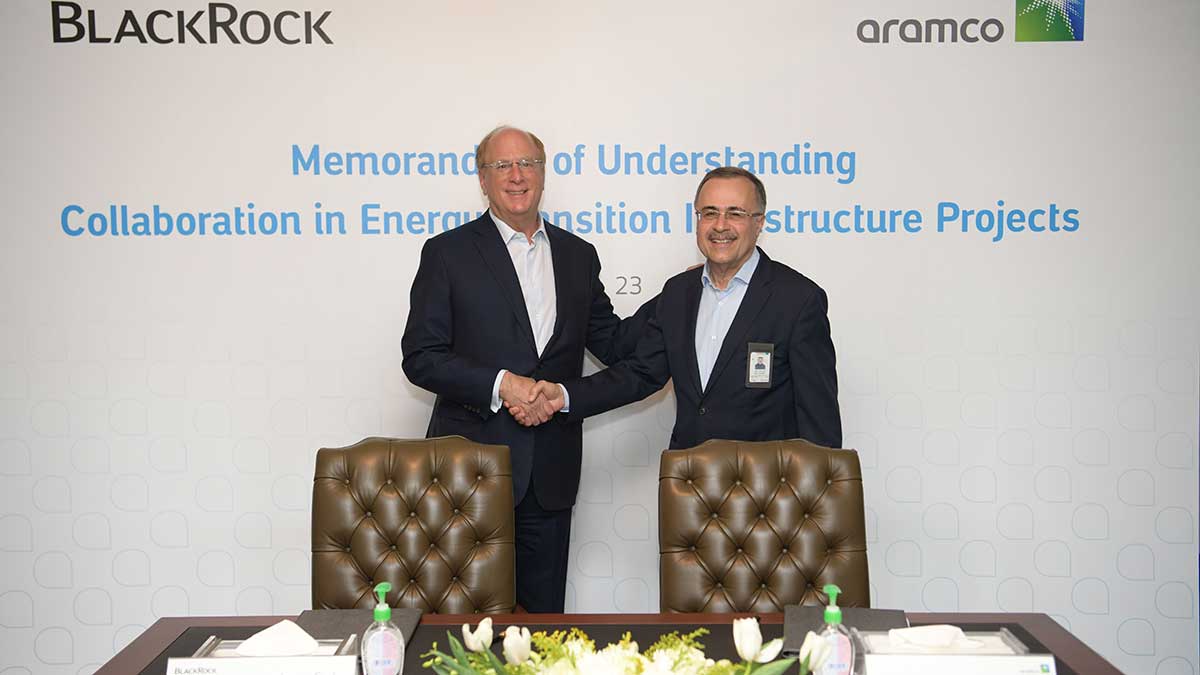
BlackRock Inc is reportedly engaged in discussions with Saudi Aramco over the future ownership of its stake in the leasing rights of a major natural gas pipeline network. The asset manager, which entered the arrangement in 2021, acquired the rights as part of a $15.5 billion lease-and-leaseback agreement. Sources close to the matter indicate BlackRock now values its position at several billion dollars and is considering divesting the stake back to the state oil major.

In 2021, BlackRock joined a consortium to purchase a 49 per cent interest in an entity known as Aramco Gas Pipelines Co under a lease-and-leaseback deal, financing the project with bridge loans and later issuing bonds to refinance the structure. The network comprises critical infrastructure integral to Saudi Arabia’s petroleum operations, serving both domestic consumption and export logistics.

Financial analysts highlight that BlackRock’s move represents a shift in strategy for pipeline investments. As bond markets recover from turbulence and the global energy transition reshapes demand, investors are recalibrating their exposure to long-cycle fossil fuel assets. One advisor noted that BlackRock will “weigh other options if discussions don’t lead to agreement,” indicating the firm might pursue third‑party sales or stake dilution.

Saudi Aramco’s interest in regaining full control aligns with its broader strategy of asset consolidation. Reacquiring the lease rights would enhance its operational sovereignty and reduce dependency on external partners in a sector that underpins national energy security. Aramco’s share in regional indices has already seen modest gains, supported by optimism over non-oil growth; the company itself has been trading up by around 0.9 per cent in recent sessions.

The bonds issued by the consortium in 2024—worth $3 billion across tranches due in 2036 and 2042—were aimed at refinancing initial acquisition debts. Demand for those bonds was robust, with subscription levels significantly exceeding issuance. BlackRock’s majority ownership of Greensaif Pipelines Bidco grants it leverage in shaping any transaction, whether through direct sale or restructuring of lease terms.

Market observers note that BlackRock’s pivot may be driven as much by strategic repositioning as by financial calculation. With global pressure building on climate policy and energy transition commitments, large institutional investors are under increasing scrutiny over holdings tied to fossil fuel extraction and transport. Divesting from pipeline leases allows BlackRock to reallocate capital to renewable infrastructure or alternative energy real estate, while still preserving long-term client relationships.

However, the sale would mark a significant return on investment. The original acquisition and bond refinancing positioned BlackRock to gain from stable, long-duration lease revenues pegged to volume throughput. Exiting now at a multi-billion-dollar valuation ensures a profitable wind-down of exposure while the asset remains robust. Some of the stakeholders in the consortium may view this as a precedent for handling similar assets in other jurisdictions.

Observers anticipate a negotiation process extending into the next quarter, with both parties likely to focus on valuation frameworks, lease renewal terms, and host‑country regulatory approvals. Any agreement may set a template for future transactions between global asset managers and sovereign energy entities, particularly in the Gulf region. While details of the discussions are confidential, the size and strategic nature of the pipeline network suggest that a deal could shift later this year.

Investment flows in the Middle East have showed renewed strength. Saudi and Emirati stock markets climbed this week, powered by stronger service-sector indices and easing of global trade tensions. Against this backdrop, Aramco’s potential repurchase aligns with sovereign objectives to consolidate energy assets in the hands of national champions.

Should talks falter, analysts predict BlackRock may explore secondary-market sales to other infrastructure investors, or retain partial control under renegotiated terms. A phased exit or continued minority stake is also plausible, contingent on pricing, return targets, and geopolitical sensitivities.

SunJoy Global Insurance Plan II, SunGift Global Insurance Plan II and Stellar Multi-Currency Insurance Plan II offer market-leading flexible Death Benefit Settlement Solution, multiple Contingent Policy Owner Arrangement and Interim Policy Owner Arrangement HONG KONG SAR – Media OutReach Newswire – 3 July 2025 – Sun Life today announced the launch of an upgraded suite of savings insurance products. The upgraded products – SunJoy Global Insurance Plan […]

The Securities and Exchange Commission has placed a hold on Grayscale’s bid to convert its Digital Large Cap Fund into a spot exchange‑traded fund, pending review by the full Commission. The stoppage comes despite staff-level approval and a delegated‑authority green light issued on 1 July for the fund’s listing on NYSE Arca.

With around $755 million in assets, GDLC is heavily weighted towards Bitcoin, with additional holdings in Ethereum, Solana, Ripple, and Cardano. The proposed spot ETF would have been the first U.S. regulated multi‑crypto fund, broadening exposure beyond single‑asset offerings approved earlier.

The SEC’s Acting Division of Trading and Markets approved the listing via delegated authority under Rule 19b‑4. However, under Rule 431, any commissioner can request review—and at least one did on 2 July, triggering an automatic stay of the approval. The Commission has not stated which member requested the review nor provided a timeline for resolving it.

Market analysts suggest the pause may reflect the SEC’s intent to finalise a regulatory framework for spot crypto ETFs—especially products holding assets under unresolved legal status like Solana, XRP, and Cardano—prior to the launch of diversified digital‑asset vehicles. Bloomberg ETF specialist James Seyffart opined that the Commission may be preparing formal listing standards under the 19b‑4 rule before further layered launches.

Grayscale has been converting several trusts into ETFs to close price inefficiencies and align fund prices with net asset value. GDLC tracks CoinDesk’s CoinDesk 5 Index and was trading over-the-counter since 2019. The product had been expected to bring greater liquidity and lower premiums typical of Grayscale trusts.

Financial observers warn that the hold introduces uncertainty for Grayscale, NYSE Arca and other issuers—including Bitwise and Franklin Templeton—who have filed for multi‑asset crypto ETFs and await regulatory clarity. The SEC’s prior approvals for Bitcoin and Ethereum‑only spot ETFs in January and July 2024, respectively, signal cautious acceptance for those assets—but the inclusion of altcoins poses new legal and risk considerations.

Key regulatory questions remain unresolved: the treatment of tokens with ongoing litigation, safeguards against market manipulation, valuation transparency, and asset custody protocols. Rule 431 empowers commissioners to review staff‑level delegations and, once invoked, mandates a suspension of the approval—until the Commission issues a resolution.

The International Monetary Fund has cleared the initial review of its Extended Credit Facility arrangement with the Democratic Republic of Congo, triggering an immediate disbursement of US$ 262 million. That sum bolsters the Kinshasa government’s fiscal breathing room as it seeks to address critical economic vulnerabilities and foster sustainable growth. This second tranche under the three‑year programme comes after IMF staff and Congolese authorities agreed on key conditions aimed […]

Launches Extended Round to Accelerate Climate Tech Innovation Across Indonesia SINGAPORE – Media OutReach Newswire – 3 July 2025 – GreenTeams, a rapidly growing climate technology company advancing data-driven environmental governance in Indonesia, has announced the successful close of its Series A funding round. The round was led by Oriza Greenwillow Technology Fund. Operating at the intersection of environmental intelligence, regulatory compliance, and industrial decarbonization, GreenTeams empowers […]

KUALA LUMPUR – Media OutReach Newswire – 2 July 2025 – This Thursday at 12:30 p.m. UTC, the U.S. Bureau of Labor Statistics will release its highly anticipated Nonfarm Payroll (NFP) report. While typically issued on the first Friday of each month, this week’s release has been brought forward due to the upcoming U.S. Independence Day holiday. The NFP report is traditionally considered to be the most […]

The European Central Bank has green‑lit a pioneering dual‑track framework to enable settlement of transactions on distributed ledger technology platforms using central bank money. The Governing Council’s initiative combines a short‑term pilot, dubbed Pontes, scheduled to interface DLT platforms with TARGET Services by the end of the third quarter of 2026, and a longer‑term initiative, Appia, which seeks to establish a future‑proof global DLT infrastructure.

Pontes represents the near‑term goal: creating a secure link between existing DLT platforms and the Eurosystem’s TARGET services—namely TARGET2, T2S and TIPS—through a unified Eurosystem solution. It builds directly on exploratory work carried out between May and November 2024, where 64 participants explored over 50 experimental setups that used intraday escrow and liquidity tokens. The ECB has indicated its intention to invite expressions of interest from the market to join Pontes’ pilot phase, expected to commence by Q3 2026.

The longer‑term Appia track explores integration of DLT in a broader ecosystem, extending into global payment and securities infrastructures. This initiative aims to support international use cases such as cross‑border foreign exchange settlements and compliance with global standards, collaborating with public and private sector stakeholders to assess interoperability, scalability and legal frameworks.

During the 2024 discovery phase, experiments featured diverse approaches, including trials led by the Banque de France and Banca d’Italia. These trials used escrow-based intraday liquidity provision mechanisms that participants later advocated to evolve into overnight capabilities, shedding light on liquidity management inefficiencies. Officials noted the potential for simultaneous settlement and collateral automation to cut credit and liquidity risks, while potentially reducing operational costs.

Piero Cipollone, a member of the ECB’s Executive Board, remarked that although DLT and tokenisation remain nascent, they “are likely to offer new ways of improving the settlement of financial transactions.” He emphasised that the dual‑track approach serves innovation while maintaining security and efficiency in financial market infrastructure.

Pontes and Appia will operate under dedicated market contact groups. The ECB intends to outfit each with analysts and market participants to ensure operational robustness and collect stakeholder feedback as integration proceeds. With Pontes launching a Q3 2026 pilot, the ECB is concurrently reviewing additional trial proposals for integration within existing TARGET services frameworks.

The initiatives support the Eurosystem’s wider ambition to modernise wholesale settlement systems. Appia is envisioned as an evolution towards integrated ecosystems that support global operations and stimulate interoperability with other jurisdictions, thereby elevating Europe’s position in the digital infrastructure space.

European authorities have signalled enduring commitment to innovation since experimental work in 2024. The report released today, aligned with Pontes and Appia’s dual‑track launch, highlights how central banks across the continent are balancing emerging technologies with systemic resilience goals—managing legal, technical and liquidity implications harmoniously.

Market analysts believe the Pontes initiative addresses immediate demand from DLT innovators for central bank money settlement in familiar frameworks, while Appia opens the door to more ambitious, globally interoperable DLT ecosystems. Senior banking figures in Frankfurt have described the move as a “critical turning point” in central banks embracing digital transformation to reduce transaction costs and boost cross-border efficiency across Europe.

The ECB’s decision signals readiness to bridge traditional financial infrastructure with blockchain-based innovations without compromising safety or oversight. Through Pontes, the Eurosystem seeks to preserve market standards for liquidity and settlement, building confidence among banks and fintechs in central bank money λ integration. Appia, in turn, presents a vision of digital finance aligned with evolving global regulation and technological standards.

This marks the first time the ECB has approved a formal pilot to connect central bank money with DLT platforms. The outcomes of Pontes will help shape future integrations—potentially serving as a template for central bank digital currencies and wholesale tokenised ecosystems. The experiments under Appia could establish key precedents for global interoperability standards and regulatory coordination, reinforcing the Eurosystem’s role as a leader in secure, innovative payment infrastructures.

A specialised Indian geological team has been dispatched to Zambia to commence a three‑year survey of copper and cobalt within a 9,000 km² exploration zone. The initiative, authorised by the Zambian government earlier this year, aligns with New Delhi’s broader drive to shore up supplies of strategic minerals essential for its energy‑transition and technological ambitions. Zambia, a major exporter of copper—Africa’s second‑largest producer after the Democratic Republic of […]

South Africa will receive a $474.6 million loan from the African Development Bank to overhaul its transport systems and energy infrastructure, the Bank announced on Tuesday. The financing, part of a broader international development package, aims to tackle persistent power outages, outdated rail networks and port congestion that have hampered economic performance. The loan is being deployed under the Infrastructure Governance and Green Growth Programme, the Bank’s second […]

By Manish Rai The question of regime change in Iran has recently resurfaced after the killing of Iran’s top military commanders following the Israeli airstrikes. However, Israel’s short-term goal was to damage Iran’s nuclear facilities to severely diminish its weapons program. But the Israeli Prime Minister mentioned during his speeches that the war with Iran “could certainly” lead to regime change in the Islamic Republic. It is […]

Aldar Investment has sealed the acquisition of 17 high‑quality warehousing and light industrial units from Waha Capital for AED 530 million, immediately expanding its net leasable area by 182,500 sq m at Almarkaz Industrial Park in Al Dhafra, Abu Dhabi. The assets, now near full occupancy, welcome a mix of international, regional and government-related tenants, reinforcing Aldar’s logistics footprint across the UAE. The Almarkaz site spans six million sq m and operates under […]

HONG KONG SAR – Media OutReach Newswire – 30 June 2025 – As a global trade and financial centre and a key link in the Belt and Road Initiative (B&RI), Hong Kong plays a pivotal role in connecting the Belt and Road regions, spanning some 150 countries around the world. Hong Kong’s external trade with Belt and Road economies other than Mainland China has surged by almost […]

Star Entertainment is confronting a fresh financial crisis as its partners in the Brisbane Queen’s Wharf development have formally sought to cancel the sale of the casino operator’s 50 per cent interest in the integrated precinct. This blow lands just days after shareholders approved a $300 million rescue package that was expected to stabilise the business. The termination notice, issued by Hong Kong-based Far East Consortium and Chow Tai Fook […]

Greenlogue/AP The American University of Ras Al Khaimah has emerged as the top performer among universities in the United Arab Emirates, recording the lowest greenhouse gas emissions under its five‑year Sustainability Action Plan. Spanning 1.3 million‑1.6 million sq ft, the campus integrates a series of targeted initiatives aimed at deep energy and operational efficiency, positioning the university as a rising model of institutional sustainability. Analysis of the latest greenhouse gas emissions […]

Bhutan has become the first country to integrate cryptocurrency payments across its entire tourism infrastructure, enabling visitors to use Binance Pay for everything from booking flights and paying visa fees to purchasing local goods in rural areas. The system, implemented in partnership with Binance Pay and fully digital DK Bank, supports over 100 cryptocurrencies—including Bitcoin, Binance Coin and USD Coin —and is accepted at more than 100 merchants nationwide.

Tourists can complete transactions via static or dynamic QR codes, with DK Bank instantly converting crypto payments into Bhutanese ngultrum, avoiding volatility for merchants and eliminating traditional card fees. Real‑time confirmations, two‑factor authentication, encryption, and zero gas fees ensure a secure and efficient experience. Department of Tourism director Damcho Rinzin emphasised that the solution “empowers even small vendors in remote villages to participate in the tourism economy”.

The initiative aligns with Bhutan’s broader strategy of embedding digital assets into its economy, which already includes green Bitcoin mining powered by hydropower. With a cryptocurrency reserve worth over US$600 million and bitcoin holdings exceeding 12,000 BTC, Bhutan aims to leverage its carbon‑neutral energy for economic diversification and sustainable growth.

Binance CEO Richard Teng described the partnership as “setting a precedent for how technology can bridge cultures and economies”, reflecting a vision that blends tradition and digital innovation. The kingdom’s emphasis on Gross National Happiness underpins this move: by making tourism more accessible and inclusive, Bhutan hopes to reinforce community wellbeing and economic opportunity across all regions.

Bhutan’s payments infrastructure ties into existing efforts to tackle youth unemployment—estimated at between 16.5 % and 19 %—and brain drain by cultivating jobs in blockchain, AI, and fintech. Since 2019, the sovereign wealth fund Druk Holding and Investments Ltd. has mined cryptocurrencies using surplus hydropower, channelled gains into public salaries, and fostered youth training to build a future-proof economy.

Initial adoption has drawn participation from boutique hotels, tour operators, and rural artisans. By enabling markets in Thimphu and remote mountain villages to accept digital payments without traditional banking hardware, the system extends financial inclusion where it has been limited. Analysts note that reducing transaction friction and foreign‑exchange costs is likely to enhance Bhutan’s appeal to digital‑savvy travellers and boost tourism revenues.

Bhutan’s model emerges amid a global rise in crypto‑enabled travel. Nations such as Thailand and El Salvador have piloted tourism payments, but Bhutan’s national‑level implementation is unprecedented. The country also plans major future investments, including expanding hydropower from 3.5 GW to an estimated 15 GW over the next decade and exploring smart‑city projects like Gelephu Mindfulness City to further embed digital and green infrastructure.

Challenges remain. Regulatory clarity for cryptocurrencies in Bhutan is still evolving, and full infrastructure rollout in remote areas will test logistics and connectivity. Moreover, sustainability will depend on maintaining the balance between technological advancement and the country’s core value of environmental stewardship.

U.S. former President Donald Trump has announced that a group of “very wealthy people” is set to acquire TikTok’s U.S. operations, with identities expected to be disclosed in approximately two weeks. He stated that the sale would likely require approval from China’s President Xi Jinping, whom he anticipates will greenlight the transaction.

This development follows an extension of the deadline — now set for mid‑September — under a 2024 law mandating that ByteDance divest its U.S. TikTok assets or face a ban. Trump granted this third 90‑day reprieve on 19 June, citing negotiations and U.S. investors’ desire to maintain the app while safeguarding American user data.

The Protecting Americans from Foreign Adversary Controlled Applications Act, passed in April 2024, requires a “qualified divestiture” or risk removal from U.S. app stores. ByteDance challenged it in court, but the Supreme Court upheld its constitutionality in January 2025. TikTok was removed temporarily before Trump’s administration issued executive orders delaying its enforcement.

Trump reversed his earlier stance — once favouring a complete ban — after gaining a large TikTok following during his 2024 campaign. He credited the platform with boosting his appeal among younger voters.

A consortium led by Oracle, with interest from firms such as Blackstone, Amazon and Walmart, reportedly lost momentum this spring when China refused to approve the proposed transaction. The impasse was linked to Trump’s threat of tariffs, used as negotiating leverage.

Several potential bidders have emerged in the course of discussions. Notably, real‑estate magnate Frank McCourt has confirmed he remains ready to support a $20 billion bid through his group, Project Liberty. Other names associated with interest include Kevin O’Leary, former Activision Blizzard CEO Bobby Kotick, YouTuber Jimmy Donaldson — known as MrBeast — and former Treasury Secretary Steve Mnuchin.

Negotiations have involved U.S. Vice‑President J.D. Vance’s office and TikTok, which has pledged to continue working with U.S. officials and expressed gratitude for the extensions. ByteDance has stated that any deal would require compliance with both U.S. and Chinese legal frameworks.

As the mid‑September Reuters‑mandated deadline approaches, Trump’s timeline for announcing the buyer coincides with intensifying public and legal scrutiny. Critics, including Senator Mark Warner, argue that repeated extensions exceed presidential authority and compromise U.S. national security.

Trade expert Joel Thayer noted that even if the app is sold without its proprietary algorithm, the core TikTok experience could remain affordable — possibly undervalued compared to its full potential.

Approval from China remains the primary hurdle. Trump said securing Xi Jinping’s consent will be vital to finalising the transaction. Analysts suggest that any concessions — including a rollback of U.S. tariffs — may be part of a broader trade‑off tied to China’s agreement.

TikTok continues to operate in the U.S. ahead of the deadline, with its managers asserting commitment to user safety and asserting they have no intention of relinquishing presence in the market.

VISHNU RAJA
RYO YAMADA
HITORI GOTOH
IKUYO KITA