News related to
growth

HANOI, VIETNAM – Media OutReach Newswire – 17 October 2024 – Vietnam Airlines has successfully launched an unprecedented series of initiatives to offset CO2 emissions and reduce plastic waste. These efforts represent a significant step in the airline’s commitment to sustainable development and align with The Aviation Challenge 2024 organized by the global airline alliance SkyTeam. Students in Con Dao participated in waste collection and learned how […]

DUBAI, UAE – Media OutReach Newswire – 29 October 2024 – During an official visit to the United Arab Emirates (UAE), Vietnamese Prime Minister Pham Minh Chinh witnessed the signing of Memoranda of Understanding (MOUs) between Vingroup, VinFast, and leading partners in the Middle East. These MOUs cover strategic areas, including maritime development and shipyard building capabilities, sustainable coastal land utilization, digital transformation, and collaboration in electric […]

Navigating Opportunities in the MENA: Cultivating a Smart Mobility Ecosystem HONG KONG SAR – Media OutReach Newswire – 29 October 2024 – Mobile Shop Group Limited (“Mobile Shop” or the “Company“), a Hong Kong based taxi management and operation company, is pleased to announce a collaboration with Zand Bank, the United Arab Emirates (UAE)’s fully licensed all-digital bank, to provide “Smart City Innovation Solutions” in the Middle […]

NINGBO, CHINA – Media OutReach Newswire – 29 October 2024 – The highly anticipated 9th Zhejiang Book Fair and the 2024 Maritime Silk Road Culture and Tourism Expo, also known as the 2024 Ningbo International Tourism Expo (referred to as the “Maritime Silk Road culture and tourism grand expo”), officially kicked off in Ningbo, east China’s Zhejiang Province on the October 25. During the expo, the Ningbo […]

HONG KONG SAR – Media OutReach Newswire – 29 October 2024 – FGA Trust is proud to announce its inaugural participation in Hong Kong FinTech Week. Chief Strategy Officer Helen Chen contributed to the panel discussion titled “Seizing Growth Capital Opportunities: Exploring the Tech Landscape” at the WealthTech Forum, where she introduced FGA Trust’s all-in-one digital solution poised to transform the wealth management industry. She highlighted how […]

Foreign direct investment (FDI) in the United Arab Emirates reached a landmark $16 billion in 2023, marking a robust 37% increase in greenfield projects from the prior year. This notable surge, amid ongoing global economic challenges, underscores the UAE’s strategic appeal as a premier investment destination in sectors ranging from renewable energy to high-tech manufacturing and healthcare. Global uncertainties have challenged capital flows worldwide, with the UAE […]

Dubai Aerospace Enterprise (DAE) Ltd. has entered an agreement to acquire ten narrow-body, next-generation aircraft in a deal valued at approximately $500 million. This acquisition forms part of DAE’s ongoing expansion strategy and bolsters its fleet with highly sought-after, fuel-efficient models that cater to current market demand. The newly acquired aircraft are exclusively narrow-body models, a category known for operational efficiency on high-demand, short to medium-haul routes. […]

Advertisements

Arabian Post Staff A potential increase in supply could saturate the unfulfilled demand, and lead to lower prices and rents in the Dubai real estate market, S&P said in a report. It notes that the market expects residential supply stock will increase by about 182,000 units over 2025-2026, given that the large number of properties that were presold over 2022-2023 will be delivered. This is significantly higher […]

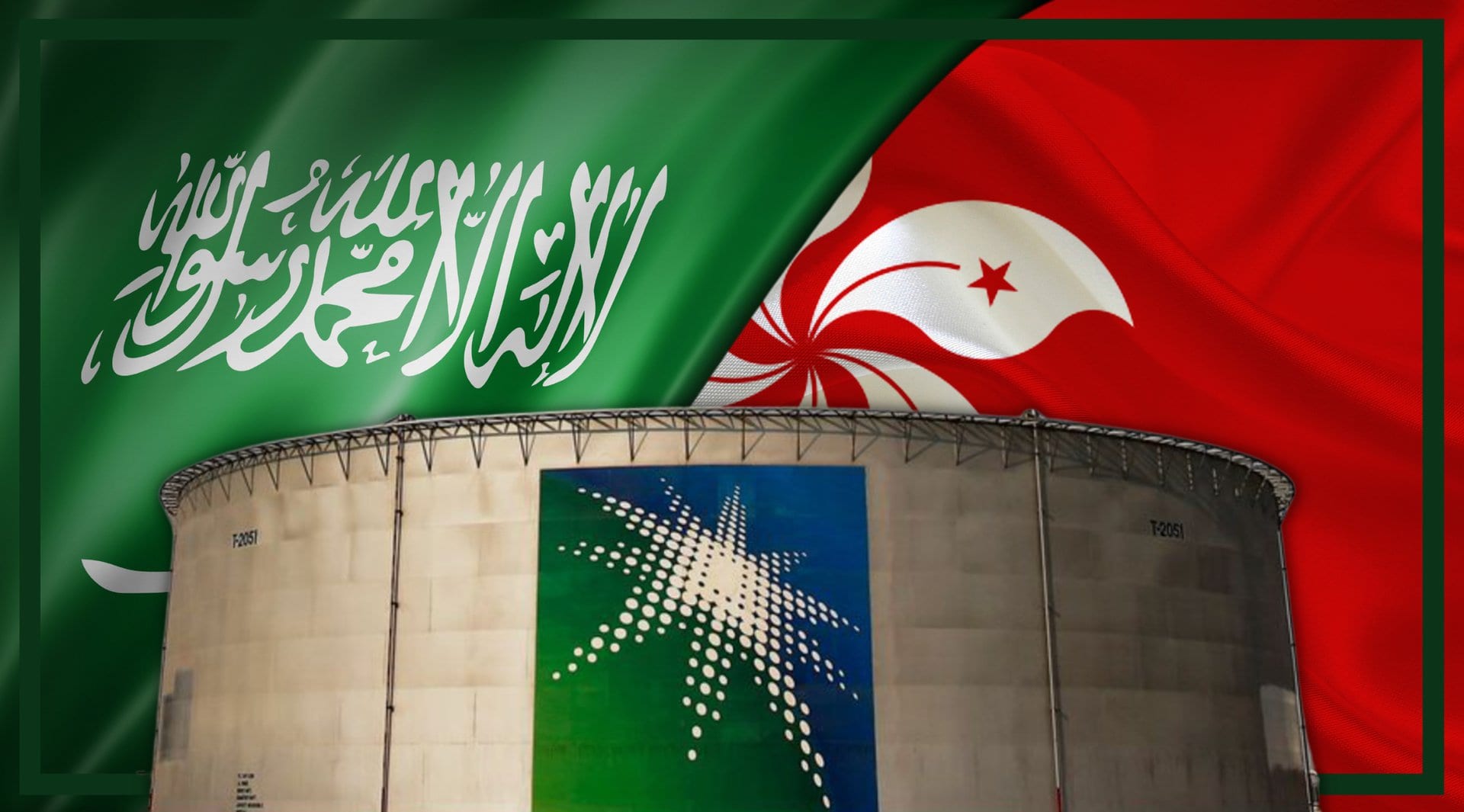
Hong Kong’s tech and innovation sector has stepped into a strategic collaboration with Saudi Arabia’s Vision 2030, underscoring the growing relationship between these two economic hubs. In a landmark move, InvestHK, Hong Kong’s leading economic development agency, recently sent its largest startup delegation to the Kingdom to explore new avenues for investment and innovation in sectors such as fintech, smart manufacturing, and biotechnology. This alignment reflects a critical juncture as Saudi Arabia continues to diversify beyond oil and adopt a knowledge-driven economy through strategic global partnerships and a pivot towards tech and sustainability.

At the Future Investment Initiative (FII) held in Riyadh, Hong Kong’s representatives, including top executives from InvestHK, engaged directly with Saudi public and private sector leaders to understand the vast opportunities emerging in the Kingdom’s evolving market. The delegation highlighted Hong Kong’s robust tech ecosystem and advanced capabilities in finance and logistics, seeking collaboration in new areas of digital transformation and green technology. These meetings aim to serve as groundwork for greater bilateral relations, aligning with Saudi Arabia’s development of NEOM, an ambitious $500 billion smart city designed to be a hub for advanced technology, renewable energy, and AI-driven innovation.

The FII summit served as a platform for Hong Kong’s startups to showcase their expertise, particularly in sectors such as fintech, e-commerce, supply chain technology, and data analytics. Saudi Arabia, with a clear agenda to attract foreign investment, has positioned itself as a fertile ground for growth, with a primary focus on technology and diversified industries. Hong Kong startups found particular resonance in Saudi initiatives around blockchain, IoT, and renewable energy technologies—areas where Hong Kong has been a leader across Asia. The nation’s supportive business environment, competitive tax framework, and international connectivity make it an attractive collaborator as Saudi Arabia envisions a post-oil economy by 2030.

Hong Kong’s appeal as a tech incubator has surged in recent years, with InvestHK reporting that its startup sector reached a new high in 2023, with 4,257 startups employing over 16,000 professionals. The ecosystem’s steady expansion is attributed to Hong Kong’s low tax rates, favorable business environment, and proximity to the Mainland China market. The city’s fintech sector is particularly vibrant, bolstered by government support and private investment, drawing attention from economies seeking to boost their own digital economies. InvestHK’s delegation in Riyadh emphasized Hong Kong’s standing as a gateway to Asia and its significance in the Greater Bay Area, which comprises key cities in Southern China and supports an increasingly interconnected economic network.

The collaboration between Hong Kong and Saudi Arabia is set to be mutually beneficial, as Saudi initiatives are increasingly inviting global tech pioneers to participate in its ambitious transformation. Saudi Vision 2030’s blueprint includes the growth of high-tech cities, the promotion of renewable energy, and the fostering of innovation-driven sectors—creating ample opportunity for foreign enterprises and startups. As such, the Hong Kong delegation’s visit was also a step towards establishing Hong Kong as a vital partner in Saudi Arabia’s pursuit of economic diversification and sustainable development, further cementing the city’s status as a key player in global tech advancement.

Despite current global economic headwinds, both Hong Kong and Saudi Arabia remain committed to advancing their tech sectors. The FII platform allowed participants from Hong Kong to discuss strategic growth areas with Saudi officials, focusing on infrastructure, venture capital, and talent development. Given the record-high startup figures in Hong Kong, the exchange of expertise and collaborative projects in fields such as AI, logistics technology, and health tech appear poised for expansion.

HONG KONG SAR – Media OutReach Newswire – 28 October 2024 – Hong Kong Science and Technology Parks Corporation (HKSTP) joined the FinTech Week 2024 in illuminating new pathways for fintech developments. Inclusive of a spectrum of fintech sectors, market-ready solutions of 41 startups gained traction from over 30 corporate partners at more than 100 business matching sessions, potential investors through immersive networking set-up, the exhibition received […]

A remarkable milestone occurred on October 26 when Base achieved a record in stablecoin trading volume, momentarily eclipsing major blockchain platforms such as Solana, Ethereum, and Tron. The platform accounted for an impressive 30.06% of the total stablecoin volume, marking a significant shift in the landscape of digital asset trading.

Base, a layer-2 solution built on the Ethereum blockchain, has gained traction for its scalability and low transaction fees, making it an attractive option for traders and developers alike. The recent surge in stablecoin activity can be attributed to a confluence of factors, including growing interest in decentralized finance (DeFi) and the increasing acceptance of cryptocurrencies by mainstream financial institutions.

Alongside the stablecoin volume milestone, Base also set a new benchmark in daily transactions, recording 5.6 million transactions on the same day. This figure represents a notable 20% increase from the previous month, underscoring the growing engagement of users with the platform. The impressive transaction volume reflects not only heightened trading activity but also a broader trend toward the adoption of blockchain technology.

Several key players have contributed to Base’s success in the stablecoin market. The integration of various decentralized applications (dApps) on its platform has enhanced user experience and attracted a diverse range of users. Developers are increasingly building on Base due to its compatibility with Ethereum, allowing for seamless integration of existing Ethereum-based dApps while benefiting from lower gas fees and faster processing times.

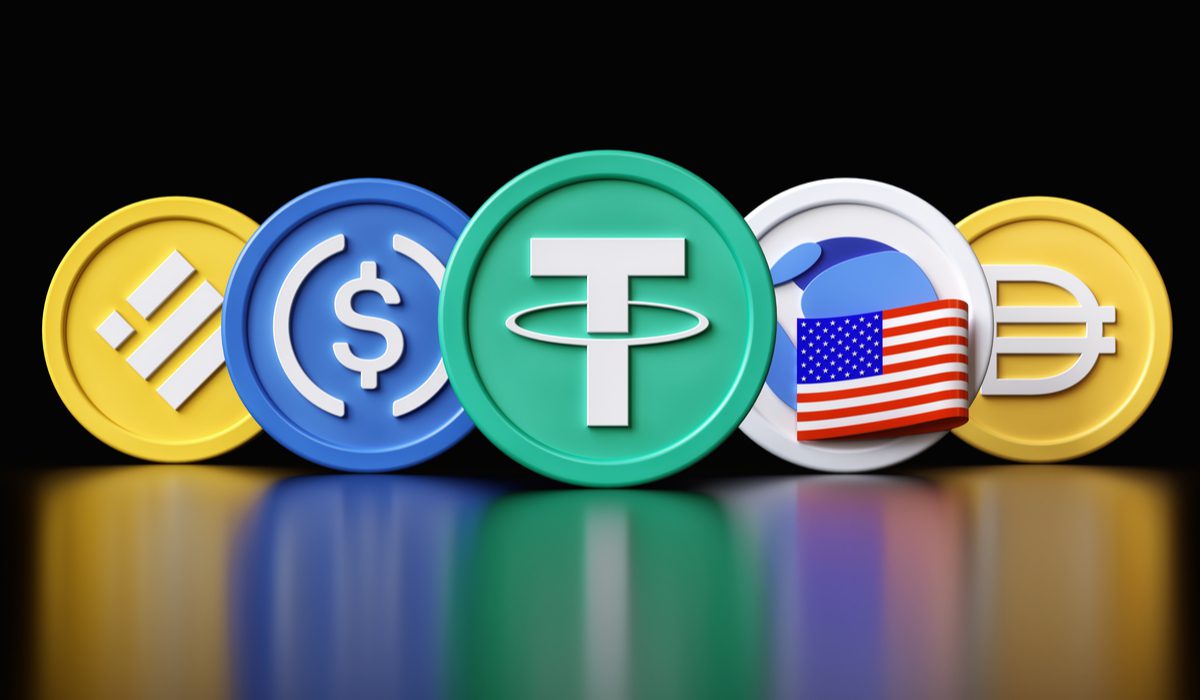
The momentum gained by Base comes in the context of an evolving stablecoin landscape. Traditional stablecoins like Tether (USDT) and USD Coin (USDC) continue to dominate, yet alternative stablecoins and newer entrants are making significant inroads. This shift illustrates the dynamic nature of the cryptocurrency market and highlights Base’s ability to position itself as a formidable player amid these changes.

Partnerships with financial institutions have played a crucial role in Base’s ascent. Collaborations with firms that support crypto transactions have bolstered user confidence and expanded the platform’s reach. As institutional adoption of cryptocurrencies continues to grow, platforms like Base are well-positioned to capitalize on the increased demand for efficient, reliable trading environments.

The surge in daily transactions can also be linked to the rising popularity of yield farming and liquidity provision within the DeFi space. Users are incentivized to engage with platforms that offer competitive yields, prompting a surge in transaction volume as liquidity pools are funded and manipulated to optimize returns. This trend reflects a broader shift toward decentralized financial services, where users can take greater control of their assets without intermediaries.

Market analysts observe that Base’s focus on user experience has been instrumental in its growth. Simplifying the process of trading and providing users with intuitive interfaces has lowered barriers to entry for newcomers to the crypto space. Educational initiatives and community engagement have also played a role in fostering a sense of trust and loyalty among users, which is vital in an industry often marred by volatility and uncertainty.

The competitive landscape for stablecoins and blockchain platforms remains fierce. As Base continues to expand its user base and enhance its offerings, attention must be paid to regulatory developments that could impact the broader market. The regulatory environment for cryptocurrencies and stablecoins is evolving, with various jurisdictions exploring frameworks that could affect operations and user engagement. This regulatory scrutiny emphasizes the importance of compliance and the need for platforms like Base to adapt to changing legal landscapes.

Innovative features are also on the horizon for Base as it looks to maintain its growth trajectory. Enhancements to its infrastructure, including scalability improvements and security measures, are in development to ensure that the platform can handle increasing transaction volumes without compromising performance. Continued investment in technology will be crucial for sustaining user trust and engagement, particularly as competitors vie for market share.

Global IT spending is projected to reach an impressive $5.74 trillion by 2025, reflecting a robust growth rate of 9.3% compared to 2024. This remarkable surge is primarily fueled by escalating investments in generative artificial intelligence (GenAI) technologies and the expanding data center infrastructure required to support these advancements. According to industry analysis, the demand for GenAI applications is reshaping the IT landscape, prompting organizations across various […]

Cologix has successfully secured $1.5 billion in a combination of debt and equity financing, aimed at advancing its growth strategy focused on artificial intelligence (AI) data centers across North America. This substantial investment will facilitate the expansion of the company’s existing network-neutral interconnection and hyperscale edge data centers, which are increasingly critical in a digital economy dominated by AI applications. The financing is set to enhance Cologix’s […]

Inflows into digital assets reached $901 million this month, culminating in a remarkable $27 billion year-to-date total, signaling a substantial shift in market sentiment. The surge in inflows is largely attributed to increasing political optimism within the United States, which has invigorated investor confidence in the sector. Notably, the U.S. recorded the largest inflows, totaling $906 million, while Canada, Brazil, and Hong Kong faced slight outflows, highlighting a regional divergence in market dynamics.

Bitcoin emerged as the standout performer this month, drawing an impressive $920 million in inflows, a stark contrast to Ethereum, which witnessed $35 million in outflows. This pronounced divergence indicates a growing preference among investors for Bitcoin, reinforcing its dominance in the digital asset landscape. Solana also attracted attention, garnering $10.8 million in inflows, while blockchain equities gained $12.2 million, reflecting a broader appetite for diversified investments within the crypto ecosystem.

The influx of capital into digital assets aligns with a backdrop of significant political developments in the U.S., including legislative efforts aimed at regulating the cryptocurrency sector. Increased regulatory clarity is seen as a key factor fostering a more secure investment environment, encouraging institutional investors to re-enter the market. This positive sentiment is underscored by discussions surrounding potential regulatory frameworks that could facilitate mainstream adoption of digital currencies.

Analysts highlight the role of political stability in shaping market trends. The Biden administration’s focus on creating a more structured regulatory environment for cryptocurrencies is viewed favorably by investors, contributing to the bullish outlook for digital assets. The prospect of clearer regulations is particularly appealing to institutional investors who have previously been cautious due to the lack of defined guidelines.

As capital flows into digital assets, the implications for traditional financial markets are becoming increasingly pronounced. Financial institutions are taking note of this trend, with several firms beginning to incorporate cryptocurrencies into their portfolios. This shift could signify a broader acceptance of digital assets as a legitimate asset class, potentially reshaping investment strategies across various sectors.

In terms of market performance, Bitcoin’s continued ascent underscores its status as the flagship cryptocurrency. The asset’s ability to attract significant inflows, even amid fluctuating market conditions, reinforces its position as a safe haven for investors seeking refuge from economic uncertainty. Conversely, Ethereum’s outflows may suggest a reassessment of its value proposition, prompting investors to seek alternative avenues within the crypto space.

Emerging trends in the digital asset sector are also evident in the increasing interest in decentralized finance (DeFi) projects. These platforms, which leverage blockchain technology to provide financial services without traditional intermediaries, are gaining traction among investors seeking higher yields and innovative solutions. The continued growth of DeFi is likely to further diversify the landscape of digital assets, attracting a broader range of participants to the market.

The integration of cryptocurrencies into mainstream financial systems is progressing. Major payment processors and financial institutions are exploring ways to facilitate cryptocurrency transactions, enhancing accessibility for everyday consumers. This shift could pave the way for increased adoption, as consumers become more comfortable using digital assets for transactions.

Internationally, the divergence in inflows among different countries illustrates the varying levels of acceptance and regulatory approaches to digital assets. While the U.S. leads in inflows, the outflows in Canada, Brazil, and Hong Kong signal the need for these regions to adapt to changing market conditions. Investors in these areas may be looking for clarity on regulatory measures before committing significant capital to digital assets.

As the market evolves, key players in the digital asset space are adapting their strategies to align with changing investor sentiments. Institutional players, in particular, are refining their approaches to capitalize on the growing demand for cryptocurrencies. The ongoing competition among asset managers to offer crypto-related products reflects a broader trend toward integrating digital assets into traditional investment frameworks.

Looking ahead, the trajectory of digital asset inflows will likely be influenced by ongoing political developments and regulatory updates. As policymakers continue to grapple with the implications of cryptocurrency adoption, the market will respond to both domestic and international regulatory signals. Investors are expected to remain vigilant, monitoring these developments closely as they navigate the evolving landscape of digital assets.


A significant transformation is underway in Saudi Arabia as a growing number of start-ups are choosing the kingdom as their base, marking it as a crucial destination for entrepreneurs. This influx stems from the nation’s strategic investments and reforms aimed at diversifying its economy beyond oil dependence. The Vision 2030 initiative has played a pivotal role in shaping a conducive environment for innovation and entrepreneurship, facilitating the kingdom’s emergence as a vibrant start-up ecosystem.

Investment in technology and innovation has surged, with the government introducing various initiatives to encourage entrepreneurial activities. The Saudi Arabian government has allocated substantial funding to support start-ups through entities like the Public Investment Fund (PIF) and initiatives such as the Saudi Venture Capital Company. This funding is complemented by a supportive regulatory framework, designed to simplify processes for new businesses, making it easier for both local and foreign entrepreneurs to establish their ventures in the kingdom.

The burgeoning tech sector in Saudi Arabia is drawing attention not just locally but globally. The kingdom has become increasingly attractive to international investors looking for opportunities in fast-growing markets. Notably, the start-up scene has expanded in sectors like fintech, e-commerce, health tech, and logistics. Reports indicate that Saudi Arabia’s start-up ecosystem raised around $1.1 billion in funding in 2023 alone, with numerous investment rounds capturing significant amounts for emerging companies. This financial influx is crucial as it allows entrepreneurs to scale their businesses and tap into new markets.

Major international companies are increasingly establishing their operations in Saudi Arabia. Global tech giants like Amazon and Microsoft have expanded their presence in the region, contributing to a thriving tech environment. Their involvement not only brings investment but also fosters a culture of innovation by creating partnerships with local start-ups and providing mentorship opportunities.

Networking events and incubators have also proliferated, serving as platforms for entrepreneurs to connect with potential investors, mentors, and peers. Initiatives like the Misk Innovation program and the Saudi Startups Network have emerged as significant players in facilitating the growth of start-ups by providing essential resources, training, and networking opportunities. These networks enhance collaboration among entrepreneurs, allowing them to share knowledge, insights, and experiences.

The cultural shift towards entrepreneurship is also evident in the changing perceptions among Saudi youth. With a large proportion of the population being young and tech-savvy, there is a growing eagerness to embrace entrepreneurship as a viable career path. Educational institutions are adapting their curricula to emphasize entrepreneurship and innovation, equipping students with the skills necessary to navigate the challenges of starting and running a business.

However, challenges persist for start-ups operating in the kingdom. While the regulatory environment has improved, issues related to bureaucracy and access to financing still exist. Entrepreneurs often face hurdles in navigating the legal landscape, which can impede their ability to establish and scale their businesses. Additionally, there is a need for greater access to venture capital, as many start-ups struggle to secure funding beyond initial rounds.

Despite these challenges, the outlook remains positive as the Saudi government continues to implement reforms aimed at enhancing the business climate. The Kingdom is actively working to promote a knowledge-based economy by fostering innovation and entrepreneurship through policies that encourage research and development. Collaboration with educational institutions and private sectors is crucial in creating a robust ecosystem that supports start-ups and nurtures talent.

Saudi Arabia’s geographical location presents a strategic advantage, offering easy access to regional and international markets. Its proximity to other Middle Eastern and North African countries positions it as a gateway for start-ups aiming to expand their reach beyond local borders. As logistics and transportation networks improve, the kingdom is likely to become a vital hub for companies looking to serve a broader audience.

With the upcoming U.S. presidential election casting a shadow over global financial markets, cryptocurrency stands out as an asset class poised for high volatility based on the election’s outcome. As former president Donald Trump reenters the electoral scene against Vice President Kamala Harris, crypto investors are paying close attention to how a Trump win could reshape cryptocurrency regulation and performance, particularly for Bitcoin and other key digital assets.

Historically, presidential election cycles have shown significant influence on cryptocurrency market behavior, especially for Bitcoin. Data from previous elections indicates that Bitcoin prices tend to experience substantial movements post-election, irrespective of the winning candidate. Following the 2020 election, for example, Bitcoin’s value surged, marking an increased interest among investors amid the heightened economic uncertainty tied to COVID-19 relief measures and concerns over inflation. However, as the 2024 election approaches, Trump’s potential return to the presidency introduces a new level of uncertainty that differs markedly from 2020. According to a report by Bitwise Asset Management, Bitcoin’s value could rise by an estimated 10.7% should Trump secure victory. Conversely, a Harris win is forecasted to prompt a similar decline, likely due to her administration’s alignment with current regulatory approaches under President Joe Biden.

Regulatory policies in the U.S. have tightened considerably over the past year, with the SEC leading several enforcement actions aimed at crypto firms, exchanges, and initial coin offerings (ICOs). As such, Trump’s stance on cryptocurrency, which has previously wavered, now appears more lenient compared to Harris. During Trump’s previous administration, oversight was relatively hands-off, providing crypto investors a fertile environment for market growth, albeit without structured guidelines. In contrast, Harris is expected to continue Biden’s approach, emphasizing consumer protection through regulatory frameworks, a trend currently contributing to restrained market enthusiasm among retail investors. Observers suggest that Trump’s promise to relax crypto regulations could rekindle enthusiasm among retail and institutional investors, who view clearer guidelines and reduced scrutiny as conducive to growth in both valuation and adoption rates of cryptocurrencies.

Crypto market responses are also anticipated to align with Bitcoin’s Halving cycle, a built-in scarcity feature that reduces block rewards by half approximately every four years, with the most recent event occurring in April 2024. Historically, Bitcoin rallies have closely followed Halvings, influenced further by investor interest in assets with perceived scarcity. Analysts expect this dynamic to be heightened under a Trump presidency, as reduced regulation coupled with supply restrictions could make Bitcoin a more attractive inflation hedge. Conversely, a continuation of current regulatory trends under a Harris administration might suppress these price escalations, as crypto businesses face heightened scrutiny and potential restrictions on stablecoin and DeFi protocols.

Market watchers note that alongside Bitcoin, certain altcoins such as Dogecoin and Cardano could be notably impacted by the election result. Both coins have shown sensitivity to Trump’s political narratives, especially as Dogecoin, with its origins as a meme asset, often aligns with social and speculative trends. Cardano, known for its environmentally-conscious proof-of-stake model, may also benefit from a shift in sentiment toward alternative digital assets under Trump’s policy approach, which is expected to favor financial deregulation broadly. Meanwhile, Ethereum and other blockchain projects emphasizing regulatory compliance may perform better under Harris’ administration, whose regulatory approach aligns with a systematic scrutiny of decentralized finance ecosystems.

Despite these speculations, experts caution that market sentiment may experience only short-lived spikes based on the election outcome. The long-term impact, they argue, hinges on substantial regulatory actions and the economic policies pursued post-election, especially concerning inflation and recessionary pressures. Crypto market reactions have been muted in the face of uncertainty over potential policy shifts, given that many investors prefer tangible policy enactments over rhetoric.

Economic fundamentals also play a role in investor strategies, with inflation rates, interest rate hikes, and the potential for recession forming a significant backdrop. Analysts at Coinbase Research point to the likelihood of heightened volatility for both traditional and digital assets amid interest rate adjustments and global economic challenges. The Federal Reserve’s monetary policy, particularly regarding interest rate hikes, remains a critical factor, as crypto’s inverse relationship to interest rates often leads to valuation adjustments in line with broader financial markets. Should a Trump administration adopt an expansionary fiscal stance, this may lower interest rates, encouraging borrowing and spending in financial markets, including crypto. A more cautious fiscal policy from Harris could contribute to slower crypto market growth, potentially accelerating a shift toward stablecoins as a hedge against market swings.

Lulu Group International, the UAE-based retail giant, has unveiled the price range for its initial public offering (IPO), setting the stage for a significant financial maneuver aimed at bolstering its market position. The company, known for its extensive network of hypermarkets and supermarkets across the Middle East and beyond, is targeting a price range between AED 2.30 and AED 2.70 per share. This pricing strategy could raise […]

LOUDI, HUNAN, CHINA – Media OutReach Newswire – 28 October 2024 – On the evening of October 25, the 3rd Loudi Tourism Development Conference opened at the Shuangfeng County Sports Center’s main venue, bringing together more than 400 guests from various sectors. Under the themes “Hometown of Chiyou, Gem of Central Hunan” and “For Home and Country, Prosperous Shuangfeng,” attendees shared friendships, discussed cooperation, and collaboratively planned […]

A growing number of start-ups are flocking to Saudi Arabia, transforming the kingdom into a significant exit market for entrepreneurs seeking to capitalize on burgeoning opportunities. This shift reflects the nation’s ambition to diversify its economy beyond oil dependency, aligning with its Vision 2030 initiative aimed at fostering innovation and entrepreneurship. Data from recent industry reports highlights a surge in venture capital investment in Saudi Arabia, signaling […]

International Holding Company (IHC), a prominent player in various sectors, has expanded its portfolio by acquiring a majority stake in Gallega Global Logistics. This strategic move aims to enhance IHC’s logistics capabilities and bolster its presence in the rapidly evolving logistics and supply chain sector. The acquisition was officially announced, with IHC stating that it will leverage Gallega’s established networks and expertise to improve operational efficiency across […]

Mubadala Investment Company’s subsidiary, Mamoura Diversified Global Holdings, has formally appointed several banks to assist in the issuance of sukuk, marking a strategic move in the evolving financial landscape. This transaction, aimed at bolstering Mamoura’s financial capabilities, reflects a growing interest in Sharia-compliant investment instruments amid a global push for sustainable finance. Sources indicate that Mamoura has engaged prominent financial institutions to manage the sukuk issuance process. […]

Arada has officially launched W Residences at Dubai Harbour, marking a significant addition to the luxury real estate market in the UAE. This vibrant three-tower complex is designed to offer residents an unparalleled seafront living experience, combining modern luxury with the natural beauty of the waterfront. The announcement comes amid a broader trend of increasing investment in high-end residential properties in the region, as demand for luxurious living spaces continues to grow.

The W Residences complex comprises three elegant towers, each offering stunning views of the Arabian Gulf and Dubai’s iconic skyline. The project features 104 lavish residences, ranging from two to four-bedroom apartments. The design incorporates contemporary architecture with elements that reflect the rich cultural heritage of the UAE. Each residence boasts floor-to-ceiling windows that not only enhance natural light but also provide breathtaking panoramic views.

The amenities at W Residences are designed to cater to a lifestyle of luxury and comfort. Residents will have access to exclusive facilities, including a state-of-the-art fitness center, infinity pools, and private beach access. The complex also features beautifully landscaped gardens and private outdoor spaces, allowing for a seamless blend of indoor and outdoor living. A dedicated concierge service ensures that all residents’ needs are met, from housekeeping to event planning.

The launch of W Residences aligns with Dubai’s ongoing efforts to position itself as a leading global destination for luxury living. Real estate experts note that high-net-worth individuals are increasingly drawn to the city, attracted by its vibrant lifestyle, world-class amenities, and tax-free environment. The strategic location of Dubai Harbour further enhances the appeal of the W Residences, situated in proximity to key attractions such as the Dubai Marina, the Palm Jumeirah, and the upcoming Dubai Lighthouse.

Arada’s commitment to sustainability is evident in the construction of W Residences, which adheres to the highest environmental standards. The development is designed to minimize its carbon footprint through energy-efficient technologies and sustainable materials. This approach reflects a growing trend within the UAE’s real estate sector, where developers are increasingly prioritizing eco-friendly practices in response to both regulatory pressures and consumer demand.

The launch event was attended by key figures from the real estate industry, including investors, developers, and influencers, who gathered to witness the unveiling of this innovative project. Arada’s leadership emphasized their vision of creating not just residences but a vibrant community that reflects the lifestyle aspirations of modern residents. The company has positioned itself as a pioneer in the UAE’s real estate landscape, with previous successful developments that have garnered significant attention and accolades.

The demand for luxury properties in Dubai has been bolstered by a surge in tourism, with the city welcoming millions of visitors each year. The hosting of major global events, such as Expo 2020, has further enhanced Dubai’s visibility on the world stage, attracting affluent individuals seeking to invest in prime real estate. Industry analysts suggest that this trend will continue, with expectations of sustained growth in property prices and rental yields for high-end developments.

The W Residences project also benefits from Arada’s strategic partnerships with leading international brands, which enhance the overall living experience for residents. Collaborations with renowned interior designers and luxury brands ensure that each residence is not only aesthetically pleasing but also equipped with high-end finishes and state-of-the-art technology. This attention to detail resonates with buyers looking for a sophisticated lifestyle that combines comfort with modern convenience.

As the real estate market evolves, Arada’s W Residences stands out as a prime example of the luxury offerings that are redefining living standards in Dubai. The project’s focus on both community and individual luxury reflects broader trends in the market, where buyers increasingly seek more than just a place to live. Instead, they desire a holistic lifestyle experience that encompasses leisure, wellness, and social engagement.

The success of W Residences could pave the way for further developments in the region, as other developers look to capitalize on the growing demand for luxury residential options. The strategic positioning of the project within the rapidly developing Dubai Harbour area suggests that it will serve as a catalyst for future investments and enhancements to the local infrastructure. With its unique blend of luxury, sustainability, and community-focused design, W Residences is poised to become a landmark in Dubai’s luxury real estate market.

A significant decline in oil prices, exceeding 4%, has been observed after Israel conducted airstrikes in Iran, reportedly avoiding energy infrastructure. The unexpected military action has stirred uncertainty in the global oil markets, with analysts weighing the potential implications for future supply dynamics in an already volatile geopolitical landscape.

Crude oil futures, particularly West Texas Intermediate (WTI), fell sharply to around $83 per barrel, while Brent crude dipped below $87. The downward trend comes in the wake of heightened tensions in the Middle East, which had already led to fluctuations in oil prices due to fears of supply disruptions. Analysts had anticipated that military action between Israel and Iran could provoke a response that might impact oil production, but the avoidance of direct hits on energy facilities has seemingly mitigated immediate concerns.

Market sentiment turned bearish as traders reacted to the news. “The focus is on the geopolitical risks that have historically pushed oil prices higher. However, the fact that energy facilities were not targeted means that supply fears are somewhat alleviated, leading to this decline in prices,” commented David Wilson, a senior analyst at a leading energy consultancy. Investors now seem to be reassessing the risk factors that typically influence oil market volatility.

This latest escalation is part of a broader backdrop of ongoing hostilities between Israel and Iran, which have been characterized by intermittent exchanges of fire and military posturing. Iran’s Revolutionary Guard has warned that any attack on its soil will trigger severe retaliation. This historical animosity, coupled with Iran’s significant role as an oil exporter, continues to inject volatility into oil markets. Iran produces approximately 4 million barrels of oil per day, a vital contribution to the global supply.

The broader market reaction also reflects concerns regarding global economic performance, particularly in light of ongoing inflationary pressures and monetary policy tightening in several economies. Experts note that if economic growth slows, demand for oil may diminish, further complicating the price outlook. “Even with geopolitical tensions, the underlying economic indicators suggest a slowdown. If demand continues to weaken, we could see prices stabilize at lower levels,” stated Maria Chan, a commodities strategist.

In the wake of this geopolitical incident, analysts are also scrutinizing other potential threats to oil supply, including disruptions in other oil-producing regions. The Organization of the Petroleum Exporting Countries (OPEC) and its allies, including Russia, are continually adjusting their output strategies to stabilize prices, but such maneuvers become increasingly complicated amid geopolitical instability.

The ongoing conflict in Ukraine remains a significant factor influencing oil prices. Russia’s actions in Ukraine have led to widespread sanctions, disrupting energy supplies and complicating global market dynamics. While the current geopolitical climate suggests heightened risks, some analysts believe that the market has already factored in many of these risks due to the historical precedent of volatility in energy prices.

With the energy market closely monitoring developments in the Middle East, any signs of further escalation could quickly alter price trajectories. “The balance of risk has shifted slightly with this event, but we are still very much in a reactive mode as traders evaluate the ongoing situation,” remarked Samir Gupta, an oil market expert.

On a corporate level, oil companies are assessing how these geopolitical developments could impact their operations and investment strategies. Executives are increasingly focused on the dual challenge of navigating regulatory environments while managing geopolitical risks. “We have to remain agile. The situation can change rapidly, and we must be prepared to adapt our strategies accordingly,” noted Rachel Green, a chief financial officer at a major oil producer.

The situation remains fluid, with various stakeholders keenly observing the geopolitical landscape for further developments. Oil prices are expected to remain sensitive to news from the region, influencing not only immediate market reactions but also long-term strategic planning for oil companies and investors alike.

Indonesia’s ambitious Trans Sumatra toll road project is set to receive a significant boost with the support of Abu Dhabi’s ADIA (Abu Dhabi Investment Authority) and the Netherlands-based APG Asset Management. The two global investment giants have signed agreements with Indonesia’s sovereign wealth fund, the Indonesia Investment Authority (INA), targeting key sections of the extensive toll road network spanning Sumatra, one of Indonesia’s most populous islands.

As Indonesia seeks to modernize its transportation infrastructure, the collaborative investment is aimed at reducing logistical costs, accelerating regional development, and strengthening the country’s investment appeal to both local and international stakeholders. INA, founded in 2021, has adopted a partnership-driven approach, drawing interest from heavyweight investors worldwide. This toll road initiative exemplifies INA’s broader strategy of pooling funds to expand infrastructure and is seen as part of Indonesia’s vision to position itself as a major player in the region’s economic landscape.

The $2.72 billion funding commitment for the Trans Sumatra project will support the expansion of nearly 3,000 kilometers of toll roads. In a region where economic growth is largely reliant on logistics and mobility, the initiative is designed to enable more efficient transportation of goods and services across Sumatra’s economically diverse regions. It is expected to cut transit times substantially, which is anticipated to reduce costs across industries, benefiting both large and small enterprises reliant on timely logistics.

VISHNU RAJA
RYO YAMADA
HITORI GOTOH
IKUYO KITA