News related to
growth

Global leaders converge in Singapore to mark new era of growth and collaboration SINGAPORE – Media OutReach Newswire – 25 November 2024 – Forvis Mazars, the global professional services network, celebrated the new network formation in Asia-Pacific (APAC) on 30 October 2024 in Singapore. The event brought together key global and regional leaders, including Hérve Hélias, Chair of the Forvis Mazars Global Network Executive Board, and Matt […]

New reality show connects regional culinary talent with global opportunities in an exciting competition. BANGKOK, THAILAND – Media OutReach Newswire – 21 November 2024 – Dusit International, one of Thailand’s leading hotel and property development companies, is delighted to announce its role as a key sponsor of The Maverick Academy, a groundbreaking culinary competition series hosted by the renowned chef Alvin Leung – aka The Demon Chef […]

Flex (NASDAQ: FLEX), a leading global manufacturing and supply chain solutions provider, has officially acquired JetCool Technologies, a Massachusetts-based pioneer in liquid cooling solutions for data centers. The acquisition aligns with Flex’s strategy to enhance its capabilities in managing the growing demands of artificial intelligence (AI) and high-performance computing (HPC) workloads, which necessitate advanced thermal management systems. JetCool Technologies, founded in 2019, has established itself as a […]

BANGKOK, THAILAND – Media OutReach Newswire – 22 November 2024 – PT. Eka Mas Republik, operating as MyRepublic, has received two prestigious honours at the 2024 Asia Corporate Excellence & Sustainability (ACES) Awards: Asia’s Best Performing Companies and Asia’s Most Inspiring Executives. These accolades recognise MyRepublic’s leadership in Indonesia’s digital landscape and the exceptional vision of CEO Timotius Max Sulaiman. PT. Eka Mas Republik celebrates a double […]

HONG KONG SAR – Media OutReach Newswire – 22 November 2024 – The Hong Kong Productivity Council (HKPC) recently won the gold award in the “Government Public Relations” category at the 20th China Golden Awards for Excellence in Public Relations. This accolade recognises HKPC’s outstanding efforts in promoting New Productive Forces. The award ceremony took place on 15 November in Beijing. Ms Karen FUNG, Chief Marketing Officer […]

Bringing together UK and global expertise, the 12th edition of the global language testing and assessment conference explores how language learning and assessment can drive social and economic progress, boost education quality, and contribute to global interconnectedness. HONG KONG SAR – Media OutReach Newswire – 22 November 2024 – The British Council’s flagship event on language testing and assessment, New Directions East Asia 2024, brings together regional […]

President-elect Donald Trump has appointed Scott Turner, a former NFL player and experienced public servant, to oversee the U.S. Department of Housing and Urban Development (HUD). Turner, who previously served as executive director of the White House Opportunity and Revitalization Council, will now lead efforts to address affordable housing, urban development, and homelessness in the nation’s growing metropolitan areas.

Scott Turner’s appointment has drawn attention due to his blend of athletic career achievements and his leadership role in public policy. Having worked closely with President Trump during his first term, Turner brings a practical understanding of the challenges facing low-income communities. His previous work involved spearheading initiatives to revitalize distressed neighborhoods, aiming to stimulate economic growth and improve living conditions.

Turner’s NFL career, although a central part of his public identity, is not the focal point of his qualifications for the HUD post. Instead, his background in community service and economic development stands out. He has focused his efforts on helping underserved communities, working to foster business investment in areas that have long struggled with high poverty rates and economic stagnation.

The HUD department, which plays a critical role in the housing market, has faced significant scrutiny over the years, especially concerning the affordability of housing and the challenges posed by homelessness in major cities. As the new head of HUD, Turner is expected to tackle these issues head-on, bringing a blend of policy expertise and a fresh perspective to the department. His work with the Opportunity and Revitalization Council, aimed at empowering economically disadvantaged communities, aligns with the broader goals of the HUD, focusing on job creation and urban renewal.

Turner’s track record as a former player in the NFL may not immediately seem related to his new role, but his time with the league instilled in him a team-oriented approach to problem-solving. These qualities are expected to be crucial in his leadership role at HUD, as the department requires effective coordination with local governments, nonprofits, and private sector entities to implement its programs successfully.

During his tenure at the Opportunity and Revitalization Council, Turner was instrumental in promoting the “Opportunity Zones” initiative, which aimed to bring investment to struggling areas through tax incentives. The program has received both praise and criticism for its mixed results in revitalizing economically distressed communities, but Turner’s role in its implementation has put him in a position to make a significant impact at HUD. His new appointment could signal a continuation of policies focused on economic regeneration through infrastructure and housing.

Despite his strong support for community development, Turner’s appointment also places him in the midst of an ongoing debate over affordable housing in the United States. The housing crisis, exacerbated by rising construction costs, limited availability of affordable units, and increasing demand in urban areas, is one of the biggest challenges facing policymakers. As the new head of HUD, Turner will be under pressure to implement policies that increase affordable housing stock while also addressing zoning regulations that have long been a barrier to housing development.

Affordable housing advocates have already begun voicing concerns over Turner’s approach. While he has championed economic growth and business development, critics argue that his focus on market-driven policies may not sufficiently address the immediate housing needs of low-income families. For Turner, striking a balance between stimulating investment and ensuring access to housing for vulnerable populations will be a critical challenge in his new role.

Turner’s leadership will be tested in the area of homelessness, an issue that continues to worsen in many parts of the country. Cities such as Los Angeles, San Francisco, and New York have seen a sharp rise in homelessness, with thousands of individuals living on the streets and in shelters. Turner’s experience with urban revitalization may be an asset in addressing this crisis, but the solutions required are multifaceted and will demand cooperation across various levels of government, nonprofits, and private organizations.

In addition to these challenges, Turner’s leadership will play a key role in shaping the direction of HUD’s policies on fair housing, discrimination, and community development. His approach to these sensitive issues will be closely watched, as HUD has historically been involved in enforcing civil rights protections in housing and ensuring that federally funded housing programs are free of discrimination. Turner’s ability to navigate these complexities while advancing the administration’s housing agenda will be a pivotal aspect of his tenure.

For President-elect Trump, appointing Turner underscores a broader vision of empowering communities through economic opportunity. Turner’s work with the Opportunity Zones and his commitment to revitalizing distressed neighborhoods align closely with the administration’s focus on creating jobs and fostering economic independence for American families. However, the true impact of Turner’s leadership at HUD will ultimately depend on his ability to address the growing housing needs of a rapidly urbanizing country while also ensuring that the most vulnerable populations are not left behind.

Advertisements

Openreads, a new open-source mobile app, is revolutionizing the way readers track their books. The app, designed for avid readers and book lovers, offers a customizable platform to organize, catalog, and review books from an extensive library. As the popularity of digital platforms continues to rise, Openreads provides a refreshing alternative by giving users complete control over their data while supporting the open-source community. The app’s clean […]

BEIJING, CHINA – Media OutReach Newswire – 22 November 2024 – The 2024 Beijing Changping Forum on Life Science, themed “Explore Life for A Shared Future” was grandly kicked off on November 22. The forum aims to further create an innovative ecosystem that is open, international, and full of market dynamism. It will help build Beijing Zhongguancun Life Science Park into a cutting-edge “Life Science Valley”, accelerate […]

JAKARTA, INDONESIA – Media OutReach Newswire – 22 November 2024 – VinFast Auto has officially launched the delivery of its electric VF 5, at the Gaikindo Jakarta Auto Week, held from November 22 to December 1, 2024. This is the second electric car model VinFast has delivered in Indonesia, reinforcing its mission to make electric vehicles accessible for all and contributing to the green transportation revolution in […]

Demand for diversified services and strategic investments are significantly driving the expansion of businesses in the Gulf Cooperation Council (GCC) region, setting a course for sustained economic growth. Efforts to localize supply chains, foster digital transformation, and promote infrastructure development are key contributors to this dynamic growth landscape. Strategic sectors such as technology, real estate, healthcare, and tourism have emerged as focal points for investments. Countries like […]

Masdar, the UAE’s leading renewable energy company, has forged a strategic partnership with China’s Silk Road Fund to advance a series of renewable energy projects. This collaboration is expected to boost global efforts in sustainable energy development, with a particular focus on wind and solar energy initiatives. By combining Masdar’s expertise in renewable energy with the Silk Road Fund’s financial capacity, the partnership is poised to drive […]

Lulu Group International has reported a remarkable leap in profits for the third quarter, marking a significant milestone in the company’s financial journey following its initial public offering (IPO). The group, known for its retail and wholesale operations across the Middle East and Asia, saw its profit more than double compared to the same period last year. This surge in earnings is the first after Lulu’s IPO, […]

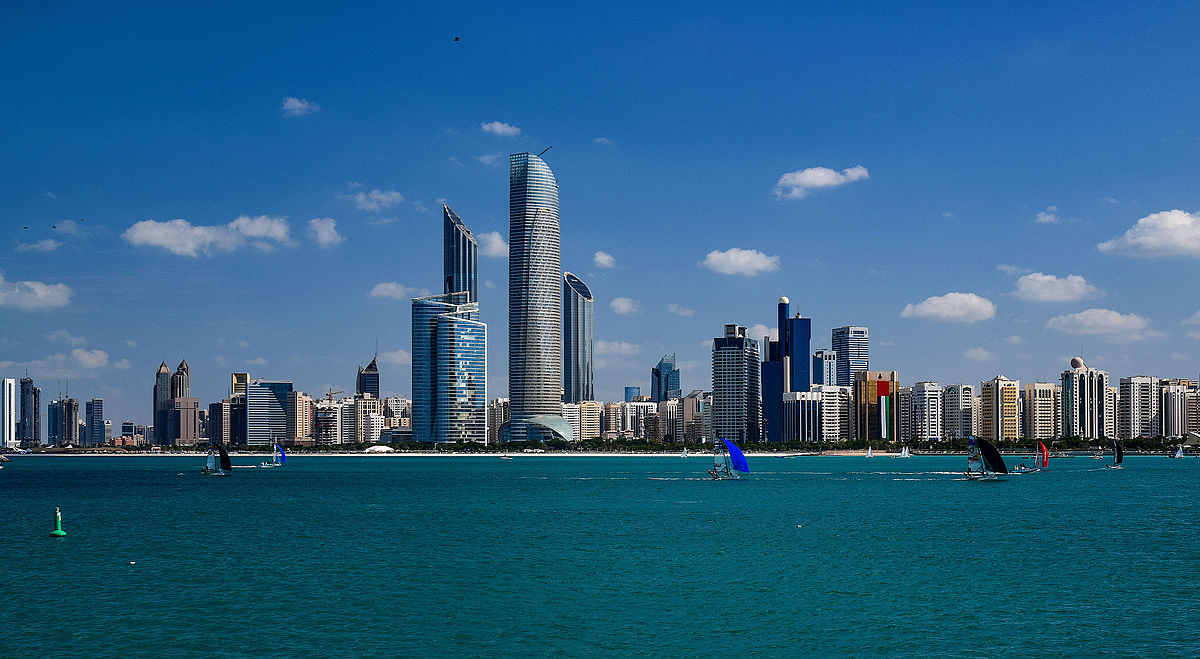
A company and its director based in Abu Dhabi have been penalized with a hefty fine of Dh118,500 for engaging in fraudulent activities involving the falsification and concealment of documents. The legal case, which has attracted attention from both local and international business communities, underscores the serious ramifications of corporate dishonesty in the UAE.

The Abu Dhabi Economic Department (ADED) acted on a complaint alleging that the company, identified as a prominent player in the sector, had been involved in fabricating financial and operational records to mislead authorities and stakeholders. The director, who was accused of orchestrating the fraudulent acts, was also held accountable for failing to comply with regulatory standards, putting the company’s operations and the integrity of its industry in jeopardy.

The fine imposed is a reflection of the UAE’s commitment to maintaining a robust regulatory environment for businesses. UAE authorities have been keen to enforce corporate governance and ensure that enterprises adhere to legal frameworks that protect consumers, investors, and the market as a whole. Falsification of documents is considered a serious breach of trust, and the legal consequences for those involved can be far-reaching, affecting not only financial outcomes but also the reputation of companies and their leaders.

Experts suggest that this case serves as a stark reminder of the increasing scrutiny that businesses face in the region. With the UAE positioning itself as a global business hub, it has been tightening regulations on corporate behavior to attract foreign investment and ensure market transparency. The country’s legal framework has evolved over the years, placing more emphasis on corporate responsibility and ethical practices.

The incident came to light after an audit conducted by the ADED revealed discrepancies in the company’s financial and operational documentation. According to sources close to the investigation, the falsified records were intended to present an inflated image of the company’s profitability and operational scale. These actions were not only illegal but also placed investors at significant risk, as the fraudulent documents misrepresented the actual performance of the business.

The investigation also uncovered that the director had personally instructed staff to alter the documents, and in some cases, to completely conceal crucial financial transactions. This led to a violation of several sections of the UAE’s Commercial Companies Law, which requires businesses to maintain accurate records for transparency and accountability. The penalties for such offenses are designed to act as a deterrent to others considering similar actions.

The company in question, which operates in the manufacturing sector, has faced significant backlash from both industry regulators and the public. While the ADED’s investigation was thorough, some experts argue that the legal framework surrounding corporate accountability could still be more robust in tackling such cases before they escalate to this extent. Calls for stronger preemptive checks and balances have emerged, as businesses strive to align with international standards.

Local legal professionals have pointed out that the case highlights the ongoing trend of increased vigilance within the UAE’s regulatory environment. The government has made significant strides in updating its corporate laws to address issues like document falsification and other fraudulent activities. However, experts agree that a collaborative effort between regulatory bodies, businesses, and investors is essential to maintaining transparency and trust across the market.

The fine imposed on both the company and its director is one of the largest of its kind in the sector, and it serves as a warning to other firms operating in the UAE. As more businesses seek to expand their presence in the region, compliance with legal requirements and ethical standards is becoming increasingly critical.

The ADED’s decision has been widely supported by industry observers who emphasize the importance of fostering an environment where businesses operate with integrity. The fine also underscores the UAE’s zero-tolerance policy toward corporate fraud, with authorities signaling that they will continue to enforce strict penalties for those found guilty of engaging in unethical or illegal activities.

This development has brought to light the need for enhanced corporate governance in the UAE, particularly as the country continues to attract a wide array of international businesses. The regulatory landscape is expected to evolve further as authorities continue to refine policies and measures aimed at ensuring accountability and transparency within the business community.

For companies operating in the UAE, this case serves as a stark reminder that maintaining proper documentation and adhering to legal standards are not just ethical obligations, but essential to the sustainability and growth of their businesses. As the global business environment becomes more interconnected, the repercussions of failing to meet regulatory standards can extend beyond national borders, impacting relationships with international partners and investors.

Egypt and the United Arab Emirates have entered into a series of agreements aimed at boosting their renewable energy collaboration. These deals, announced during a high-level diplomatic visit, underscore the strengthening economic partnership between the two nations. With both countries prioritizing energy transition strategies, the agreements could play a crucial role in achieving their sustainability and energy security goals.

The signing ceremony, held in Cairo, marks a significant milestone in the growing economic cooperation between the two nations, particularly in the renewable energy sector. Under the terms of the deals, the UAE will contribute both expertise and financial support to help Egypt accelerate its renewable energy initiatives. The projects will focus on solar and wind energy, aligning with Egypt’s broader objective to increase its renewable energy capacity in the coming decades.

The partnership is built on a foundation of shared strategic interests in energy security and sustainability. Egypt has set ambitious targets to generate 42% of its energy from renewable sources by 2035, with a particular emphasis on expanding its solar and wind energy capacities. Meanwhile, the UAE, which has been a leader in the renewable energy space through investments such as the Masdar energy initiative, is eager to bolster its influence in the Middle East and North Africa (MENA) region by supporting Egypt’s green energy transition.

Egypt, located at the crossroads of Africa and the Middle East, offers vast opportunities for renewable energy investments due to its geographic advantages, including abundant sunlight and wind potential. As part of the deal, the UAE’s energy firms will help finance and develop large-scale solar parks, as well as offshore wind farms along Egypt’s Mediterranean coastline. These ventures are expected to enhance Egypt’s energy export potential, particularly to Europe, which has shown increasing interest in diversifying its energy supply sources in light of current geopolitical tensions.

The strategic importance of this collaboration is further underscored by the fact that it comes amid global energy shifts. As countries around the world work toward meeting climate change goals, many have turned their attention to renewable energy as a key pillar of energy security. For both Egypt and the UAE, this agreement represents a significant step toward achieving their respective goals of reducing dependence on fossil fuels, creating green jobs, and positioning themselves as leaders in the global renewable energy market.

Both nations have been active participants in the global push to combat climate change. The UAE has been a strong advocate for decarbonization and played a leading role in the 2023 COP28 climate summit, which took place in Dubai. Egypt, on the other hand, hosted the COP27 summit in Sharm El Sheikh in 2022, focusing on solutions for sustainable development and advancing renewable energy technologies. This shared commitment to environmental stewardship is expected to deepen their collaborative efforts in the years to come.

The Egyptian government has expressed optimism that these agreements will bring not only energy transformation but also broader economic benefits. By expanding its renewable energy capacity, Egypt aims to create jobs, boost foreign direct investment, and reduce its energy import dependency. Additionally, the projects could help Egypt manage its growing energy demands as the population expands and industrial development accelerates.

The UAE’s role in these developments is also seen as a key element in its strategy to diversify its economy beyond oil and gas. With the UAE’s heavy investments in clean energy technologies, the country is positioning itself as a regional leader in the green energy revolution. Through Masdar, one of the UAE’s leading renewable energy companies, the country has been actively involved in solar and wind energy projects across the globe. By partnering with Egypt, the UAE is not only extending its energy portfolio but also reinforcing its influence in one of the region’s largest economies.

Both Egypt and the UAE have set ambitious goals for their renewable energy initiatives. Egypt has a target to generate 20 gigawatts of renewable energy by 2025, and it is currently one of the largest producers of solar energy in the MENA region. Meanwhile, the UAE has invested heavily in technologies such as carbon capture and storage, green hydrogen production, and nuclear energy, with plans to become a global leader in clean energy innovation.

The deals are also expected to benefit local communities in Egypt by providing much-needed infrastructure, skills development, and employment opportunities. As Egypt continues to expand its renewable energy sector, the demand for technical expertise and local labor is expected to rise. Both Egyptian and UAE officials have emphasized the importance of creating long-term, sustainable benefits for the local workforce, including vocational training and capacity-building programs.

Energy cooperation between Egypt and the UAE is not limited to just these renewable energy projects. Both countries have also been discussing potential collaborations in other sectors, such as agriculture, water management, and technology. These efforts are part of a broader economic strategy aimed at fostering deeper ties between the two nations, which share strong trade relations and mutual interests in advancing economic growth and regional stability.


US authorities are investigating allegations of bribery involving the Adani Group, focusing on whether its founder Gautam Adani or entities linked to the conglomerate engaged in improper practices to secure benefits on energy projects. The probe, led by the US Department of Justice and the Eastern District of New York, aims to determine if payments were made to officials for favorable treatment. The allegations center on the renewable energy sector, including Azure Power Global, a company associated with Adani’s network.

This investigation has reignited discussions around the Quebec-based Caisse de dépôt et placement du Québec’s (CDPQ) dealings with Adani. CDPQ, one of Canada’s largest pension funds, already faced challenges with its $150 million investment in Azure Power, a venture that faltered after governance and compliance issues surfaced. The fund has expressed concern over the deteriorating investment, which once symbolized a push toward renewable energy but has now become a source of embarrassment.

The Adani Group, a key player in India’s energy and infrastructure sectors, has consistently denied wrongdoing. In response to the ongoing US inquiry, the group stated that it was unaware of any such investigation, maintaining its position that the company abides by the highest standards of compliance. The company also faces allegations from the Hindenburg Research report published earlier this year, accusing Adani entities of stock manipulation and accounting fraud, allegations which the conglomerate has strongly denied.

The unfolding situation adds further strain on CDPQ, whose strategic investments in developing economies aimed at boosting sustainable energy initiatives have come under fire. Critics argue that due diligence in such high-stakes markets requires more robust frameworks to mitigate risks tied to governance challenges. Meanwhile, the Adani Group’s broader operations, spanning ports, energy, and agriculture, are being closely scrutinized globally amid calls for greater corporate transparency.

The implications of the US investigation could significantly impact Adani’s international reputation and investor confidence. As regulatory oversight tightens, the group’s ability to attract foreign investment, critical for its expansion plans, may face hurdles. Observers highlight that the outcomes of such probes could set a precedent for multinational operations in emerging markets, emphasizing the need for stringent ethical compliance.

The developments underline the interconnected nature of global finance, where the consequences of allegations against one entity reverberate across continents, affecting public institutions and private stakeholders alike. As CDPQ and Adani grapple with these challenges, the case serves as a cautionary tale about navigating complex, high-growth environments with greater vigilance.

HANOI, VIETNAM – Media OutReach Newswire – 22 November 2024 – By capitalizing on its first-mover advantage, Vincom Retail has had a profound impact on Vietnamese leisure culture. Over the past two decades, the company has demonstrated significant growth through a tripartite strategy: expanding its footprint, diversifying its retail real estate formats to cater to a wide range of consumer needs, and continuously pioneering to stay ahead. […]

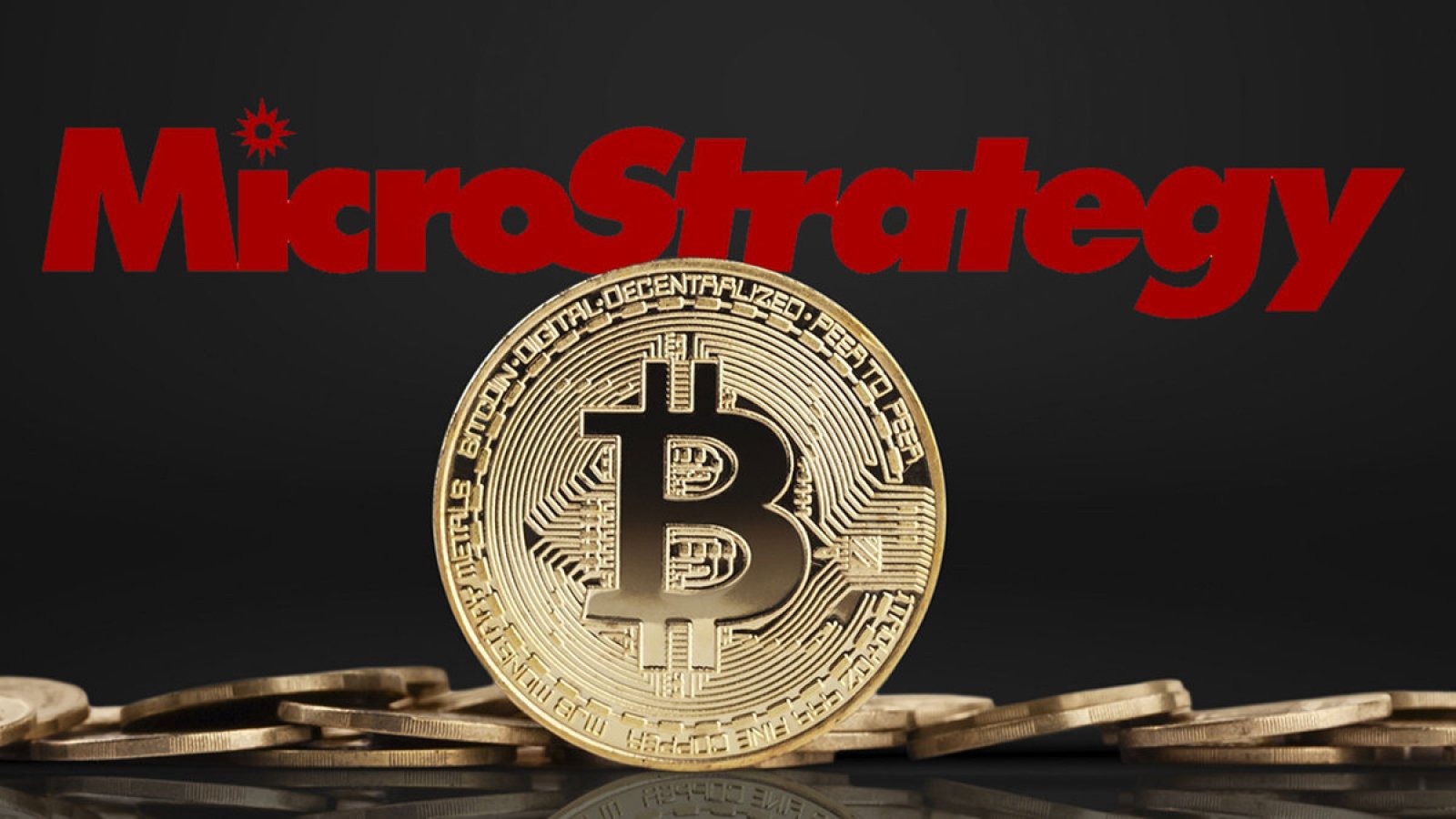
MicroStrategy has successfully completed the issuance of $3 billion in convertible senior notes, marking a significant move just three days after its initial offering. The company, known for its significant Bitcoin holdings, opted for the issuance as part of its strategy to bolster its financial flexibility. The move has attracted widespread attention due to the nature of the deal, which offers investors the opportunity to convert their debt into equity in the future, with a 0% interest rate attached to the notes.

The offering is part of the company’s ongoing efforts to raise capital, primarily to fund its Bitcoin investments. MicroStrategy’s strategy of accumulating Bitcoin over the years has been a key aspect of its business model, and this convertible note issuance is seen as a way to support its ambitious cryptocurrency acquisition goals without incurring immediate interest payments.

The $3 billion raised through this debt offering is a notable increase compared to its previous financing moves. The company had already raised substantial funds through similar offerings in the past, and with Bitcoin’s market fluctuations, the timing of this move is seen as a proactive measure. MicroStrategy’s ability to offer a 0% interest rate has been an enticing factor for investors, signaling confidence in the company’s future performance, even amidst the volatile nature of cryptocurrency markets.

Convertible notes have become a preferred financing option for firms like MicroStrategy, which are heavily involved in the cryptocurrency space. By issuing convertible debt, companies offer investors the potential upside of equity conversion while avoiding the pressure of paying interest, which could strain their balance sheets. The terms of the offering specify that the notes will mature in 2027, giving MicroStrategy ample time to execute its strategy and raise additional capital through its Bitcoin holdings.

The offering comes at a time when cryptocurrency markets are experiencing significant shifts, with Bitcoin prices seeing both upward and downward trends. This volatility makes financing through traditional methods such as equity offerings less appealing for companies like MicroStrategy, which is why convertible debt has become increasingly popular. By issuing these notes, MicroStrategy is able to maintain its focus on acquiring more Bitcoin, which it views as a long-term hedge against inflation and economic instability.

In terms of execution, the completion of the offering so quickly reflects MicroStrategy’s readiness and confidence in its financial strategy. The company was able to swiftly finalize the deal, a testament to its strong investor base and the strategic importance of its Bitcoin holdings. The capital raised from this offering will be used to buy more Bitcoin, aligning with the company’s goal of becoming the world’s largest corporate holder of the cryptocurrency. With this latest round of funding, MicroStrategy’s Bitcoin acquisition plan is set to continue, further solidifying its position in the market.

The notes issued are convertible into common stock at a premium to the current price of MicroStrategy’s shares, offering investors the possibility to benefit from future price appreciation. This structure is a clear indication that MicroStrategy anticipates growth in its stock value, which could eventually lead to profitable conversions of the debt into equity.

The company’s CEO, Michael Saylor, has been a vocal advocate for Bitcoin, emphasizing the cryptocurrency’s role as a store of value. Saylor’s firm stance on Bitcoin as a strategic asset has made MicroStrategy one of the most visible corporate players in the space. The company has continued to accumulate Bitcoin despite the fluctuations in market prices, demonstrating its unwavering commitment to the asset class. As of now, MicroStrategy holds over 150,000 Bitcoin, with the value of these holdings exceeding $4 billion at current prices.

The interest in convertible notes from investors is also reflective of the broader appetite for cryptocurrency exposure. The growing acceptance of Bitcoin and other digital assets in mainstream financial markets has led to an increase in investment vehicles that allow for indirect exposure to the cryptocurrency market. For MicroStrategy, this offering represents a savvy financial maneuver to maintain flexibility while continuing to build its Bitcoin portfolio.

Despite the volatility of Bitcoin and the broader cryptocurrency market, MicroStrategy’s approach to capital raising is attracting attention for its innovation and the company’s unique position in the tech and financial sectors. The move to issue convertible notes also signals that MicroStrategy is positioning itself to ride out any short-term market fluctuations while staying committed to its long-term Bitcoin acquisition strategy.

MicroStrategy’s latest financing effort marks a crucial step in its larger strategy of integrating Bitcoin into its corporate structure. While critics may question the company’s reliance on a volatile asset, MicroStrategy’s leadership remains focused on its vision for the future, with Bitcoin expected to play a central role in its corporate growth. By issuing convertible notes with a zero-interest rate, the company has secured the funds needed to continue its expansion in the cryptocurrency market without taking on additional financial strain.

AirAsia is charting a bold course to establish a low-cost aviation hub, inspired by the success of Dubai, in key Southeast Asian cities like Bangkok and Kuala Lumpur. The carrier’s move comes at a time when it seeks to reposition itself after enduring a series of challenges that have shaped the airline industry post-pandemic. AirAsia’s vision is to become a major player in the global air transport scene by capitalizing on the low-cost model that has become increasingly attractive to budget-conscious travelers.

The decision to target Bangkok and Kuala Lumpur reflects a strategic pivot toward optimizing the airline’s existing routes and expanding its presence in an increasingly competitive air travel market. The model aims to leverage these cities as central hubs from which passengers can access a wide range of affordable international destinations. This vision mirrors the transformative success of Dubai International Airport, which has become one of the world’s busiest transit hubs by offering extensive connections at competitive prices.

This ambitious project is not just a push for more flight routes but a larger vision of connecting key Southeast Asian cities to the world. AirAsia aims to position these locations as gateways for travelers seeking affordable access to global destinations. By doing so, AirAsia hopes to replicate the success of Dubai, which has thrived on a similar strategy of fostering global connectivity through a low-cost airline model.

The role of technology and innovative service models is central to AirAsia’s approach. The airline plans to enhance its digital capabilities, streamlining operations and customer engagement through mobile apps, online booking systems, and other digital platforms. By focusing on efficiency and customer-centric services, AirAsia intends to remain competitive in the increasingly digital world of air travel.

One of the key challenges AirAsia faces is the evolving nature of the aviation industry. While the low-cost model has proven successful, especially during times of financial instability, the airline is now contending with a new set of pressures. Rising fuel costs, inflationary pressures on travel demand, and labor shortages have all made it more difficult for low-cost carriers to maintain profitability without compromising service quality. In this challenging landscape, AirAsia’s focus on cost efficiency and technological innovation is crucial to ensuring long-term sustainability.

The airline’s pivot toward Southeast Asia as a potential low-cost hub also taps into the growing demand for regional air travel. The COVID-19 pandemic reshaped many travelers’ preferences, with a notable shift toward short-haul flights in regional markets. As countries in the Asia-Pacific region begin to recover from the pandemic, AirAsia anticipates that demand for budget-friendly travel options will surge, especially as economic uncertainty remains a significant concern for many consumers.

AirAsia’s ability to offer cheap fares while maintaining operational efficiency is critical to its long-term strategy. A key part of this strategy is maintaining a fleet of narrow-body aircraft, which are more fuel-efficient and better suited for short-haul, budget-friendly routes. AirAsia has already begun expanding its fleet in anticipation of this growth, particularly focusing on the latest aircraft models that offer lower operational costs. By doing so, the airline hopes to maintain its competitive edge while providing a seamless travel experience to its customers.

Despite the airline’s optimism, competition remains fierce in Southeast Asia’s budget airline market. Regional competitors, including Singapore Airlines’ Scoot and Jetstar Asia, have also adopted low-cost models and are expanding their services in key markets. As these rivals continue to grow, AirAsia will need to ensure that its hubs in Bangkok and Kuala Lumpur are not just affordable but also offer a unique and attractive proposition to travelers.

AirAsia’s ability to succeed in establishing itself as a global hub will depend on its partnerships with local governments, airport authorities, and tourism boards. AirAsia’s experience in fostering relationships with regional authorities will be a key advantage, as the airline seeks to integrate seamlessly into the local tourism and transportation infrastructure. By aligning its objectives with those of local stakeholders, AirAsia can position its Southeast Asian hubs as integral parts of regional and global travel networks.

The airline’s expansion also taps into broader trends in the global aviation industry, which has seen significant consolidation and a shift towards sustainability. AirAsia has committed to reducing its carbon footprint and has already introduced several initiatives to make its operations more environmentally friendly, including the purchase of more fuel-efficient aircraft and the implementation of carbon offsetting measures. While these efforts are still in their early stages, the airline’s focus on sustainability is likely to appeal to an increasingly environmentally conscious traveler base.

One aspect that could play a significant role in AirAsia’s bid to establish a low-cost hub in Southeast Asia is the region’s growing middle class. With countries like Indonesia, Thailand, and Malaysia witnessing rapid urbanization and a rise in disposable income, air travel is becoming more accessible to a wider segment of the population. As this trend continues, the potential for a low-cost hub to serve as a gateway for millions of travelers expands.

Solana (SOL) has reached a landmark valuation, achieving a new all-time high of $262, solidifying its position among the most prominent blockchain networks. This price surge underscores Solana’s growing influence, making it the 149th largest asset by market value globally. The achievement reflects heightened interest in altcoins, signaling a possible shift in the cryptocurrency market dynamics.

This rise is attributed to Solana’s scalability and low transaction fees, which have made it a favored platform for developers and investors alike. Over the past months, the blockchain’s capacity to process thousands of transactions per second has positioned it as a key player in decentralized finance (DeFi) and non-fungible token (NFT) sectors. Decentralized applications (DApps) built on Solana, such as Raydium and Jito, have reported substantial increases in activity and revenue, further reinforcing its dominance.

The surge coincides with an uptick in the broader altcoin market, historically characterized by alternative cryptocurrencies outperforming Bitcoin during specific cycles. Analysts suggest that Solana’s robust infrastructure and community engagement through innovative features, such as meme coins, have catalyzed its growth. Tokens like BONK and PNUT, developed within Solana’s ecosystem, have gained popularity for their ease of creation and low-cost transactions, introducing a unique facet to its blockchain economy.

Institutional interest has also played a pivotal role in driving Solana’s momentum. As the blockchain garners recognition for its long-term potential, investment firms and crypto-focused funds are increasingly including SOL in their portfolios. Meanwhile, retail participation remains strong, with users engaging in staking and other blockchain activities facilitated by Solana’s seamless user interface and accessibility.

BANGKOK, THAILAND – Media OutReach Newswire – 22 November 2024 – Michelin, world-leading manufacturer of life-changing composites and experiences, welcomed international media to its two-day Asia Pacific Media Event at Michelin’s Talent Campus, located in Chon Buri, Thailand. The event focused on the theme “Innovating for a Sustainable Future” and Michelin’s dedication to innovation and sustainability, outlined through its All-Sustainable Strategy: People X Profit X Planet. MICHELIN […]

Bitcoin surged to a new all-time high, surpassing the $97,600 mark, triggering a wave of liquidations worth over $450 million. The spike in value led to the forced closure of significant positions, with $270 million tied to long positions and $180 million to short positions. The volatility underscores the market’s highly reactive nature, as sudden price movements continue to fuel liquidations among traders.

The record-breaking surge in Bitcoin’s value occurred during a period of increased market optimism, with institutional interest and retail participation driving demand. This surge was also influenced by favorable macroeconomic factors, including speculation around potential future regulations and the growing acceptance of Bitcoin as a store of value. Investors and traders alike reacted strongly, as evidenced by the liquidation totals, further highlighting the level of leverage employed in the market.

Bitcoin’s rise above $97,600 marks a major milestone in the cryptocurrency’s price history, surpassing its previous record of $69,000 set in late 2021. This growth came after several months of volatility, in which the digital asset fluctuated widely due to macroeconomic uncertainties, regulatory concerns, and evolving market sentiment. However, despite these fluctuations, Bitcoin has managed to maintain its position as the leading cryptocurrency, with many analysts now predicting a continuation of its bullish trajectory.

The dynamics of cryptocurrency trading, particularly in leveraged positions, play a crucial role in these rapid price movements. Leverage amplifies both gains and losses, leading to a cascade of liquidations when prices swing sharply. The forced selling during Bitcoin’s price ascent is a direct result of traders being unable to meet the margin calls on their leveraged positions, causing automatic closures of both long and short positions.

A closer look at the figures reveals a substantial divide in the liquidations between long and short positions. The majority of the liquidated positions were long trades, valued at approximately $270 million. This reflects the high level of optimism among investors, with many betting that Bitcoin would continue to rise. On the other hand, the $180 million worth of short positions that were liquidated underscores the significant bearish sentiment that existed prior to the rally, as traders who had placed bets on Bitcoin’s decline were forced to close their positions as prices soared.

The liquidity impact extends beyond individual traders. The liquidations also contribute to heightened market volatility, as the closure of large positions can further drive price swings. This feedback loop is a common feature of markets that involve high levels of speculation and leverage, where short squeezes and long squeezes can exacerbate price movements. Such events, while often triggering short-term panic, have the potential to reshape market sentiment and influence future price expectations.

While liquidations are a natural part of the trading cycle, they can have a cascading effect on market participants and broader market trends. Many traders, especially those involved in high-leverage positions, face significant risk when price movements are unpredictable. Despite the allure of large potential returns, the risks associated with trading on margin are substantial, as demonstrated by the liquidation figures.

For Bitcoin and other cryptocurrencies, this volatility is not only a feature of the market but a driving force behind its evolution. As institutional participation increases and market infrastructure improves, there is a growing focus on the stability and regulation of the crypto space. However, the wild price swings that result from speculative trading remain a defining characteristic of the market.

This record-breaking price surge also highlights the ongoing evolution of the digital asset landscape. The acceptance of Bitcoin by institutional investors and large corporations has increased, with more prominent financial institutions entering the space. This institutional participation is seen by some as a validation of Bitcoin’s status as a legitimate financial asset, further fueling its upward trajectory. However, the same institutions are also grappling with the risks associated with the volatile nature of the market.

The Bitcoin rally is reflective of broader trends in the cryptocurrency industry. The increase in Bitcoin’s value comes alongside the rise of other digital assets, such as Ethereum and various altcoins. While Bitcoin remains the dominant cryptocurrency by market capitalization, the overall market for digital assets has grown substantially, with a growing number of investors looking to diversify their portfolios beyond traditional stocks and bonds.

As the digital asset market continues to mature, the balance between speculation and institutional involvement will likely determine the long-term sustainability of these price movements. While Bitcoin’s new all-time high is a significant achievement, the liquidations serve as a reminder of the risks involved in trading digital currencies. Traders and investors alike must remain mindful of the potential for sudden price shifts that can result in substantial financial losses.

Saudi Aramco, the world’s largest oil company, is advancing its debt strategy, seeking to optimize financial resources while prioritizing consistent dividend payouts to its shareholders. This strategy aligns with the company’s broader goals to remain resilient in the face of global energy market fluctuations and economic challenges.

Aramco’s approach comes at a time when global oil markets are in a state of volatility, driven by geopolitical tensions, supply chain disruptions, and shifting demand. The company’s decision to increase its debt load is seen as an effort to safeguard its dividend policy, which is a critical aspect of its value proposition to investors. Aramco’s dividends have been a significant draw for shareholders, especially given the company’s size and influence in the energy sector.

The company’s recent bond issuance, one of the largest in its history, is a key element in this strategy. Analysts suggest that Aramco is strategically leveraging debt to bolster its liquidity while avoiding the pitfalls of excessive dependence on oil revenues alone. As oil prices fluctuate, Aramco has turned to debt instruments to help ensure stability in its cash flow, a move that underscores its commitment to its long-standing dividend policy.

In its latest move, Aramco plans to issue more bonds and engage in strategic financing activities. The company has emphasized that this will allow it to balance its capital expenditures, which include investments in both upstream and downstream operations, while maintaining robust dividends for its stakeholders. By strengthening its debt profile, Aramco is positioning itself for long-term sustainability, despite potential market risks.

The strategy is designed to support Aramco’s ambitious growth plans. These include continuing investment in key oilfields and enhancing its refining and chemical operations, which are integral to its diversification efforts. The company has also focused on its low-carbon initiatives and investments in renewable energy, both of which have become critical to securing its future in an energy transition world.

With the global energy landscape in flux, Aramco’s management is keenly aware of the pressures that both internal and external factors exert on the company’s financial performance. The increase in debt comes at a time when the company must balance short-term obligations with long-term growth objectives. As part of this initiative, Aramco has reassured investors that the funds raised through debt will be used strategically to support both its operational goals and financial returns.

Aramco’s expanded debt strategy is expected to ensure its ability to maintain a competitive edge in an increasingly dynamic and uncertain energy market. The company’s solid track record of profitability, bolstered by its vast reserves and global footprint, provides a foundation for this enhanced financial approach. By strategically increasing its debt levels, Aramco aims to navigate the unpredictable nature of the oil market while positioning itself as a financially stable and attractive option for investors.

Financial analysts closely monitoring Aramco’s moves believe that the company’s debt strategy could have wider implications for the energy sector. As the global energy transition accelerates, many energy giants are exploring similar strategies to adapt to new market conditions. For Aramco, the challenge will be balancing its debt load with continued operational success, especially as global energy consumption patterns evolve.

Some experts suggest that while Aramco’s strategy to increase debt is sound in the short term, it could present challenges in the longer term, particularly if energy prices experience sustained declines. The company’s massive capital expenditures in the form of infrastructure development and the diversification into non-oil sectors could be financially strained if global oil prices slump. However, with its deep pockets and strong backing from the Saudi government, Aramco is likely to weather these challenges better than most.

Aramco’s increasing reliance on debt raises broader questions about the future of the global energy sector, especially among state-owned oil giants. The move is seen as a response to the changing dynamics of global energy, where sustainability and long-term shareholder value are becoming more important than immediate profits. For Aramco, the shift in focus to maintaining dividends through debt could mark a new phase in its evolution, one where financial flexibility becomes as important as its oil and gas output.

Saudi Aramco is set to bolster its financial positioning by increasing its debt levels, as it aims to continue delivering substantial dividends to shareholders. The decision is part of a broader strategy to maintain its capital return policy while balancing the financial demands of its massive oil and gas operations. The move highlights the company’s commitment to rewarding investors, even as it navigates the complex global energy market.

In a statement issued by the oil giant’s Chief Financial Officer, Aramco emphasized that the increased debt would help facilitate its expansion plans, while also ensuring the growth of its dividend payouts. These dividends have been a key component of Aramco’s investment appeal, with the company previously distributing more than $75 billion to its stakeholders in 2023 alone. The plan to take on more debt underscores a long-term commitment to high dividend levels, despite fluctuations in global oil prices and other macroeconomic factors.

Aramco’s pivot towards debt financing is indicative of its effort to balance its need for reinvestment in oil and gas infrastructure with the demands of shareholders seeking stable returns. Analysts suggest that this move could help the company better withstand market volatility and competition within the global energy sector. However, the strategy also places additional pressure on the company’s financial structure, as it may increase the burden of debt servicing over time.

The company’s debt-to-equity ratio and overall leverage are expected to come under scrutiny as it embarks on this new strategy. While Saudi Aramco remains one of the world’s most profitable companies, critics warn that heavy reliance on debt could expose it to risks if oil prices decline sharply or if geopolitical tensions disrupt supply chains. Nonetheless, Aramco’s financial management team remains confident that the company’s robust cash flow and diversified assets will allow it to service this debt while maintaining its dividend policy.

Aramco’s decision to increase debt comes as oil prices face pressure from a combination of global supply challenges and shifting demand patterns. While the global energy landscape remains unpredictable, Aramco has been consistently outperforming its peers, with solid profits in the last few quarters despite fluctuating crude prices. The company is focusing on maintaining its dominance in the energy sector by investing heavily in both upstream and downstream operations, while also seeking growth in renewable energy projects.

The Saudi oil giant’s move also aligns with its broader goal of diversifying its portfolio to reduce its dependency on crude oil revenue. With a growing interest in natural gas, petrochemicals, and renewable energy ventures, Aramco is looking to adapt to the shifting energy market. This diversification strategy, alongside its increasing debt, suggests that Aramco is positioning itself not only for immediate financial stability but also for long-term resilience.

Despite the challenges posed by shifting global energy markets, Saudi Aramco’s financial position remains strong. The company continues to be a key player in both the energy market and global finance, with investors closely watching its strategies for growth and sustainability. As Aramco ramps up its debt, it also seeks to maintain its reputation as a leading source of stable returns for its investors, cementing its status as one of the world’s most valuable companies.

One of the key aspects of Aramco’s financing strategy is its commitment to shareholder returns, a factor that has long been a hallmark of the company’s business model. As global energy demand fluctuates, Aramco has made it clear that it intends to prioritize its dividend payments as a central element of its financial strategy, which could provide stability to its investors in uncertain times.

However, Aramco’s decision to increase debt is not without its critics. Some experts believe that the move could signal potential concerns over the company’s long-term growth prospects, particularly if energy transition efforts in key markets reduce reliance on fossil fuels. The company’s substantial cash reserves have long been a point of pride, and while debt can provide short-term liquidity, some analysts caution that a more aggressive debt strategy could limit flexibility in the future.

Ultimately, the decision to take on more debt aligns with Aramco’s strategy to balance dividend growth with sustainable investments in its operations and energy diversification. The company’s financial team has expressed confidence that this approach will allow Aramco to meet the demands of its investors while also securing its future in an evolving global energy market.

VISHNU RAJA
RYO YAMADA
HITORI GOTOH
IKUYO KITA