Just in:
Middle East governments assess Iran war after US vote // Meraas showcases five residential zones at Dubai Design Week // Trump’s Iran War Has A Share Of Contribution To His Midterm Debacle // Asia Left Behind: Ten international companies have yet to report delivering on their cage-free egg pledges across the region // Dubai boat show confirms international shipyard line-up for November // Private varsities bill all set to face the axe // Hong Kong mandates crypto transaction disclosures to tax authorities // UK air traffic outage inflicted £33m financial losses // Miss Universe Hong Kong Jen Zhou Departs for Puerto Rico to Compete in the 75th Miss Universe World Final // Cyberport Venture & Capital Forum 2026 Grand Opening // CR Longdation Aethereal Cybersecurity × Global Cybersecurity Alliance (GCSA) Join Hands to Establish the “AI and Cybersecurity Research Centre” // SC to examine students’ exam plea today // Utilities pursue ₹1,992 cr in unpaid bills // e-Crime Bureau Signs Cybersecurity Partnership With Smart Africa, Reinforcing Its Global Expansion // Oil and chip shares retreat after Democratic victories // OpenAI identifies 948 Linux privilege escalation flaws using AI // APT29-linked campaign exploits outdated Apple and Android software // The “1st Greater Bay Area Health and Longevity Summit & Awards Ceremony” concludes successfully in Macao // Cloudflare unveils Zero Wire vulnerability intelligence service // ADIA and partners establish $1.4 billion aviation venture //

News related to
growth

Coinbase’s recent lobbying efforts have intensified, reflecting a broader strategy to sway U.S. regulatory landscapes in favor of the cryptocurrency sector. Over the past two years, the cryptocurrency exchange has channeled a significant portion of its lobbying budget, with 74% of its total spending during this period aimed at influencing policy and legislative outcomes. Despite these efforts, the exchange’s attempts to elevate cryptocurrency issues during high-profile political […]

Huda Beauty, a prominent player in the global cosmetics market, is exploring the sale of its rapidly growing perfume division, Kayali, according to sources familiar with the matter. The Dubai-based beauty company has engaged Goldman Sachs Group Inc. as an advisor for this potential transaction. The move signifies a strategic shift aimed at enabling both the fragrance and cosmetics segments of the business to pursue independent growth trajectories.

The Kayali perfume line, known for its distinctive fragrances, has significantly contributed to Huda Beauty’s success. The brand, which boasts a substantial social media presence surpassing that of Kylie Jenner and Selena Gomez’s beauty brands combined, has been a focal point of Huda Beauty’s product diversification. Given the division’s performance and growth, the potential sale could attract considerable interest from buyers seeking to capitalize on the burgeoning fragrance market.

Sources indicate that the decision to consider a sale comes as part of Huda Beauty’s broader strategic review. By potentially divesting the Kayali perfume line, the company aims to streamline its operations and sharpen its focus on its core cosmetics business, which includes popular products like foundations and eyeshadows. The separation of Kayali could allow the fragrance brand to operate more flexibly and innovate within its sector without the constraints of being part of a larger conglomerate.

The involvement of Goldman Sachs underscores the seriousness of the undertaking. The investment bank is known for its expertise in handling high-profile transactions and could facilitate the process by identifying potential buyers and structuring the deal. The potential sale of Kayali reflects broader trends within the industry where companies are increasingly looking to spin off or sell non-core assets to concentrate on their primary business areas.

Kayali, which was launched by Huda Beauty’s founder, Huda Kattan, has garnered a loyal following for its luxurious scents and innovative product offerings. The brand’s growth trajectory has positioned it as a strong contender in the competitive fragrance market. A sale could provide the necessary capital to fuel further expansion and development, potentially enhancing Kayali’s market presence.

The perfume industry itself is experiencing a resurgence, with consumers increasingly seeking unique and high-quality fragrances. This trend could make Kayali an attractive acquisition target for larger fragrance houses or private equity firms looking to enter or expand their footprint in the premium fragrance sector.

The discussions around the potential sale come at a time when Huda Beauty is also navigating other aspects of its business strategy. The company, founded by Kattan in 2013, has rapidly scaled its operations, building a strong brand presence and a robust product portfolio. The potential sale of Kayali is part of a strategic effort to refine its focus and drive long-term value for shareholders and stakeholders.

While details of the potential transaction remain under wraps, industry experts anticipate that any deal would be significant given Kayali’s growth and the strategic implications for Huda Beauty. The perfume market’s competitive landscape, coupled with the brand’s reputation, could make for an intriguing negotiation process.

Saudi Aramco has solidified its footprint in Asia with a new agreement involving China’s Rongsheng Petrochemical Co. Ltd. and Hengli Group. This strategic partnership is set to bolster Aramco’s position in the global petrochemical market while deepening ties with significant Chinese industrial players. The agreement includes a comprehensive framework for cooperation in the refining and petrochemical sectors. It encompasses both upstream and downstream activities, reinforcing Aramco’s strategy […]

Bapco Energies has completed a landmark transaction by selling a minority stake in its pipeline assets to BlackRock. This deal marks the first significant asset monetization by the Bahraini state oil company, reflecting a strategic shift toward attracting global investment while enhancing operational efficiency. The sale, announced in early September, involves a substantial investment from BlackRock, which has been increasing its footprint in the energy sector. This […]

China’s Premier Li Qiang has advocated for accelerated trade negotiations with Gulf nations during his visit to Riyadh. Li’s call for swift advancement in economic relations underscores the growing strategic importance of the Gulf region to China’s global trade network. This visit highlights a pivotal moment in the bilateral relationship between China and Gulf Cooperation Council (GCC) countries, focusing on enhancing economic cooperation and investment. Li’s remarks […]

Hong Kong is actively pursuing free trade agreements with the UAE and other Gulf Cooperation Council (GCC) nations in a bid to strengthen economic ties in the region. This effort comes as the city seeks to enhance its role as a global financial hub and gateway between Asia and the Middle East. Trade in goods between Hong Kong and the UAE amounted to approximately USD 12.8 billion […]

NMDC Energy has officially commenced trading on the Abu Dhabi Securities Exchange (ADX), marking a significant milestone for the Indian multinational’s expansion into the Middle Eastern market. The company’s initial public offering (IPO) has garnered exceptional interest, being oversubscribed by an impressive 31.3 times, underscoring robust investor confidence in its future prospects.

The IPO, launched to raise capital for its expansion and operational activities, was met with an unprecedented response from both institutional and retail investors. This enthusiastic backing reflects growing optimism about NMDC Energy’s strategic direction and the broader energy sector’s performance in the region. The substantial oversubscription rate highlights the market’s positive sentiment towards NMDC Energy’s growth potential and its business model.

NMDC Energy’s debut on the ADX comes at a time when the energy sector is undergoing significant transformations, driven by both global shifts towards sustainable energy and regional economic diversification efforts. The company aims to leverage its IPO proceeds to enhance its exploration and production capabilities, expand its portfolio, and invest in innovative technologies.

The successful launch of the IPO and the subsequent trading activity on the ADX is expected to boost NMDC Energy’s visibility and strengthen its market presence. This development aligns with Abu Dhabi’s strategic vision of attracting global investors and supporting the growth of leading industry players. NMDC Energy’s entry into the UAE market is seen as a strategic move that will enhance its operational capabilities and expand its influence in the region.

The overwhelming response to the IPO is attributed to several factors, including NMDC Energy’s strong track record, its strategic growth plans, and the broader favorable market conditions. Investors have been particularly attracted to the company’s robust financial performance and its commitment to innovation and sustainability. The IPO’s success also underscores the growing investor interest in the energy sector, which continues to attract significant capital inflows amidst global economic uncertainties.

NMDC Energy’s trading debut on the ADX is a significant achievement, reflecting the company’s successful positioning within the competitive energy sector. The IPO’s success is expected to drive further investment and interest in the company, supporting its strategic objectives and long-term growth.

As NMDC Energy begins its journey on the ADX, it will be closely watched by investors and industry analysts for its performance and ability to meet its strategic goals. The company’s entry into the UAE market represents a pivotal moment in its expansion strategy and highlights the increasing opportunities available in the energy sector.

Advertisements

The collaboration will help to enhance cross-border payments for Shoplazza’s 500,000+ merchants, improve payment success rates, and support the growth of the e-commerce industry in the APAC region. LONDON, UK – Media OutReach Newswire – 12 September 2024 – Global fintech Unlimit has today announced a strategic partnership with the global AI-commerce technology company, Shoplazza. The partnership is focused on enhancing cross-border payment services for e-commerce merchants […]

The Central Bank of the UAE (CBUAE) has reported that the total assets of banks operating within the country reached over $1.17 trillion by the end of June. This substantial figure reflects a robust growth trajectory in the banking sector, driven by increased economic activity and higher liquidity levels.

According to the CBUAE, the significant asset increase is attributed to a combination of factors including strong lending practices, improved deposit inflows, and a buoyant economic environment. The growth in bank assets is indicative of the financial sector’s resilience and its crucial role in supporting the UAE’s economic expansion.

The expansion in bank assets comes amidst a broader economic backdrop characterized by a recovery in non-oil sectors and sustained investment inflows. The UAE’s diverse economic base, including key sectors such as real estate, infrastructure, and tourism, continues to support a stable and growing banking sector. Increased foreign investments and strategic economic initiatives have further bolstered the financial sector’s stability.

In the first half of the year, the banking sector saw a marked increase in credit facilities extended to both individuals and businesses. This rise in lending reflects heightened consumer confidence and corporate investment, driven by favorable economic policies and improved business conditions. The CBUAE’s report highlights that the surge in credit demand has been met with adequate liquidity and strong capital positions by the banks.

The asset growth is also a result of the banks’ strategic focus on enhancing operational efficiency and leveraging digital transformation. Many institutions have adopted advanced technologies to streamline their operations and offer more innovative financial products to meet the evolving needs of customers. This technological advancement has not only improved customer experience but also contributed to operational cost reductions and revenue growth.

Furthermore, the regulatory framework established by the CBUAE has played a pivotal role in maintaining the stability of the financial sector. The central bank’s proactive stance in enforcing sound banking practices and its role in ensuring adequate capital reserves have helped in managing risks and sustaining growth. The introduction of new regulations aimed at enhancing transparency and operational resilience has reinforced confidence in the banking sector.

The increase in bank assets is also reflective of the broader trend of consolidation and growth within the regional banking sector. Several major banks have engaged in strategic mergers and acquisitions to enhance their market positions and expand their service offerings. This consolidation trend is expected to continue as banks seek to leverage economies of scale and integrate advanced technologies to remain competitive in a rapidly evolving financial landscape.

Additionally, the steady rise in deposit balances underscores the growing trust of consumers in the banking system. Increased deposits have provided banks with more capital to support their lending activities and investment opportunities. The positive sentiment towards the banking sector is further evidenced by the growth in investment portfolios and the expanding range of financial services offered to clients.

SINGAPORE – Media Outreach Newswire – 10 September 2024 – In a strategic move to bolster its global presence, Indonesia-based enterprise performance management software startup Happy5 has announced it is acquiring Singapore-based startup SugarOKR for an undisclosed sum. This acquisition marks a significant milestone in Happy5’s growth strategy, positioning the company for expansion into new international markets, including the United States. The Happy5 team This acquisition of […]

Abu Dhabi-based advanced technologies group G42 is set to establish AI-ready data centers in India with a capacity of up to 2 gigawatts (GW), a move that will double the country’s existing total capacity. The ambitious project is part of a strategic pact between the governments of the UAE and India, which seeks to foster collaboration in artificial intelligence (AI) and related technological advancements, a senior executive confirmed.

Manu Kumar Jain, the CEO of G42 India, emphasized the significance of this initiative, stating that the UAE-based company will play a critical role in executing the key goals outlined in the Memorandum of Understanding (MoU) signed between the two countries in February 2024. Jain, in an interview with a leading business publication, affirmed that G42 is fully committed to ensuring that the vision of the bilateral agreement is realized. The group’s investment in these state-of-the-art data centers, Jain said, reflects its dedication to supporting India’s burgeoning tech infrastructure and AI ecosystem.

This development is expected to be a game-changer for India, where the need for advanced digital infrastructure has surged in response to the growth of AI, cloud computing, and data-driven industries. G42’s data centers, designed to meet AI-specific demands, will substantially boost the country’s digital capacity and enhance its standing as a global player in the AI and tech innovation sectors.

The UAE and India’s collaboration comes at a time when both nations are striving to strengthen ties across key sectors, particularly technology. The MoU aims to encourage the co-development of sovereign AI technologies, which will be crucial for both governments as they look to secure their digital futures. India’s tech market, which has been experiencing exponential growth, is seen as a crucial partner for the UAE’s strategic goals, while the UAE provides critical investment and expertise for India’s infrastructure.

Data centers play a pivotal role in the AI landscape by offering the storage, computational power, and connectivity needed for AI applications. As AI continues to revolutionize industries, from healthcare to financial services, the demand for specialized data centers capable of handling AI workloads has grown. G42’s decision to build AI-ready facilities underscores the company’s recognition of the importance of this infrastructure for fostering AI innovation and ensuring that industries have the resources they need to thrive in the AI-driven future.

G42’s investment in India is expected to not only boost the country’s digital capabilities but also spur job creation and innovation in related fields. Data centers require skilled personnel to manage operations, security, and technical requirements, creating opportunities for tech professionals and engineers. Furthermore, the expansion of AI infrastructure will likely attract more global tech companies and investors to India, further solidifying the country’s position as a global technology hub.

This project also underscores G42’s growing global ambitions. Known for its leadership in AI and cloud computing, G42 has expanded its footprint across multiple sectors, including healthcare, finance, and energy. The company’s experience in handling large-scale AI projects will be instrumental in ensuring the success of this initiative in India. G42’s expertise in building and managing AI infrastructure is expected to accelerate the pace of AI development in the country, bringing both nations closer to achieving their shared objectives under the UAE-India pact.

India’s current data center capacity, while growing, remains limited compared to the demands of an economy increasingly reliant on AI and digital services. The addition of 2 GW in capacity will significantly alleviate the bottleneck faced by industries reliant on data-heavy operations. The project is expected to elevate India’s data infrastructure to a new level of efficiency and reliability, making it an attractive destination for both domestic and international tech enterprises.

The partnership between the UAE and India is also a reflection of the broader geopolitical shifts where countries are increasingly focusing on digital sovereignty. Governments are prioritizing the development of domestic AI capabilities to reduce dependence on external technologies and ensure greater control over their data and technological resources. The UAE’s investment in India aligns with its goal of positioning itself as a global leader in AI, while India’s growing technological capabilities offer mutual benefits for both nations.

AI-ready data centers are a critical component of this digital sovereignty agenda, providing governments and businesses with the infrastructure necessary to develop and deploy homegrown AI solutions. By investing in India’s data center capacity, G42 and the UAE are supporting India’s ambitions to build a robust AI ecosystem that can compete on a global scale. This initiative is seen as a key pillar in India’s broader digital transformation strategy, which aims to boost its AI and cloud computing sectors and drive economic growth through technological innovation.

The project’s scale also highlights the deepening ties between the UAE and India, particularly in the technology and innovation sectors. As both nations continue to collaborate on strategic initiatives, the construction of these data centers is expected to serve as a catalyst for further joint ventures and investments. The MoU signed earlier this year provides a framework for ongoing cooperation, with both countries benefiting from the exchange of expertise, investment, and technological know-how.

HONG KONG SAR – Media OutReach Newswire – 11 September 2024 – The Hong Kong Polytechnic University (PolyU) today signed a collaboration agreement with Suzhou Kowloon Hospital, a subsidiary of the Hong Kong Kowloon Group, to jointly establish the “Suzhou Kowloon Hospital – The Hong Kong Polytechnic University Innovation Incubation Platform”. The two institutions will leverage their respective strengths, sharing resources over the next three years to […]

India continues to hold its position as the world leader in cryptocurrency adoption, according to the 2024 Chainalysis Global Crypto Adoption Index. The country’s dominance in this space persists despite a challenging regulatory environment that includes stringent tax policies and bans on foreign crypto platforms. This latest report reflects India’s ability to stay at the forefront of crypto trading and investment, showcasing the nation’s growing influence in […]

The gaming industry is undergoing a seismic shift as Web3 technology propels a new era of decentralized gaming. In a bold move that promises to redefine the future of the gaming world, two of the largest tech giants, traditionally fierce competitors, have now entered the Web3 gaming ecosystem, signaling a convergence of blockchain, cryptos, and gaming. This collaboration, which would have been unthinkable a few years ago, highlights the growing influence of Web3 in mainstream gaming.

Web3 gaming has captured the attention of major players across the tech and gaming industries. Leading the charge are three significant companies—two well-known gaming behemoths and a surprise third contender that has taken the gaming and tech community by surprise. While the first two companies have long been associated with the gaming industry, the third entity is a global tech powerhouse, known for selling hundreds of millions of gaming devices and software, but until now, had not made its stance on Web3 clear.

This transformation comes at a time when companies from various sectors are exploring partnerships with blockchain platforms and Web3 startups. The momentum toward decentralization and the integration of blockchain into everyday applications is reshaping business strategies, especially in industries like gaming where decentralized ownership, play-to-earn models, and enhanced user control are gaining traction.

The partnership between these two tech giants, with a combined annual revenue exceeding $400 billion, marks a historic moment in the gaming industry. This alliance was made possible through blockchain technology, which provides a neutral and decentralized platform for collaboration. The decision to integrate Web3 gaming solutions into their business models has opened new avenues for revenue generation, as well as new experiences for users, creating a dynamic ecosystem where players can own, trade, and monetize in-game assets in unprecedented ways.

Web3’s foundational principles of decentralization, transparency, and ownership align with the demands of today’s gaming community, where players are increasingly seeking greater control over their digital assets and in-game economies. As traditional gaming platforms faced challenges with centralized systems and rigid control over content, Web3 offers a flexible, user-driven alternative that empowers gamers and developers alike.

The gaming industry is no stranger to disruption. From the rise of mobile gaming to the explosion of cloud gaming, each innovation has brought with it new opportunities and challenges. But Web3 gaming represents something far more transformative. By leveraging blockchain technology, developers can create games with integrated token economies, allowing players to earn, trade, and sell digital assets in ways that were previously impossible. This has given rise to the “play-to-earn” model, where players are not just participants in the game but also stakeholders in its economy.

The two tech giants making headlines with their foray into Web3 gaming have long been at the forefront of technological innovation. One is renowned for its gaming consoles, which have sold hundreds of millions of units worldwide, while the other has established itself as a leader in cloud computing, software, and entertainment. Both companies have recognized the potential of Web3 gaming, not just as a technological novelty but as a fundamental shift in how games are developed, distributed, and played.

This partnership also underscores the growing significance of blockchain-based platforms in the gaming industry. As more traditional companies explore the possibilities of Web3, they are increasingly turning to blockchain protocols to facilitate secure, decentralized transactions and to ensure transparency in gaming ecosystems. By embracing blockchain, these companies can provide their users with a level of ownership and control that is unparalleled in traditional gaming environments.

The third player in this Web3 revolution is a tech company that has been quietly but steadily increasing its presence in the gaming sector. Known primarily for its dominance in the tech industry, this company’s decision to dive into Web3 gaming has been a surprise to many, given its previous reluctance to publicly endorse blockchain technology. However, its vast resources and extensive user base make it a formidable force in the space, and its entry into the Web3 gaming market has the potential to accelerate the adoption of blockchain-powered gaming on a global scale.

Web3 gaming is rapidly gaining popularity due to its emphasis on decentralization and player empowerment. Traditional gaming platforms, which often limit players’ ability to control and monetize their in-game assets, are being challenged by Web3 games that enable users to own, trade, and sell their digital items. This paradigm shift is leading to a new wave of innovation in game design and development, as developers create games that offer players a direct stake in the virtual worlds they inhabit.

As Web3 gaming continues to evolve, more and more traditional companies are seeking partnerships with blockchain-based platforms and Web3 startups. These partnerships are critical to the growth of the ecosystem, as they provide the necessary infrastructure and expertise to support large-scale gaming operations on the blockchain. Moreover, they help bridge the gap between traditional gaming companies and the Web3 community, fostering collaboration and innovation across both sectors.

The implications of Web3 gaming extend beyond the gaming industry. As blockchain technology becomes more integrated into gaming platforms, it has the potential to influence other industries as well. For example, the tokenization of digital assets, which is a core feature of Web3 games, could revolutionize industries such as finance, real estate, and entertainment by enabling the secure and transparent transfer of ownership.


By K Raveendran India’s economic aspirations have long been anchored in the expansion of its manufacturing sector, a goal that has become increasingly critical as the country seeks to position itself as a global economic powerhouse. It is widely believed that the realisation of this goal would be impossible without Chinese investments, which however, come […]

Vinhomes offers a fertile ground for international real estate investors seeking opportunities in Vietnam. HANOI, VIETNAM – Media OutReach Newswire – 11 September 2024 – The real estate market in Vietnam, despite facing numerous challenges in recent years, is showing signs of robust recovery. This resurgence has made the market increasingly attractive to both local and international investors. Amidst this revival, Vinhomes has emerged as a key […]

Abu Dhabi-based technology company G42 has introduced a new Hindi language model, marking a significant development in the AI field. This move aims to strengthen India’s growing artificial intelligence ecosystem by providing advanced language processing capabilities tailored for Hindi speakers. The launch underscores the expanding role of international tech firms in supporting and integrating with India’s technological advancements. G42’s Hindi Language Model (LLM) is designed to enhance […]

Chinese automotive giants are intensifying their efforts to establish manufacturing operations in Saudi Arabia, marking a significant shift in the global automotive landscape. This move is driven by Saudi Arabia’s Vision 2030 initiative, which aims to diversify the kingdom’s economy and reduce its dependence on oil revenues. The discussions between Chinese car manufacturers and Saudi authorities reflect a growing trend of cross-border industrial cooperation. Companies such as […]

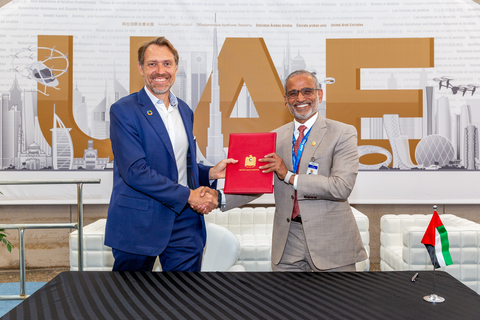
Joby Aviation, the electric vertical takeoff and landing (eVTOL) aircraft manufacturer, has formally applied for aircraft certification in the United Arab Emirates. This strategic move marks a significant step in the company’s expansion plans, aiming to establish a presence in the Middle Eastern market for its innovative flying taxis.

The application, submitted to the General Civil Aviation Authority (GCAA) of the UAE, represents a crucial milestone for Joby Aviation, which has been at the forefront of developing urban air mobility solutions. The certification process will involve rigorous testing and compliance with the UAE’s stringent aviation regulations, designed to ensure safety and operational standards for new aircraft technologies.

Joby Aviation’s eVTOL aircraft, characterized by its all-electric propulsion and vertical takeoff capabilities, is positioned to revolutionize urban transportation by reducing travel time and congestion. The company’s push into the UAE market is part of a broader strategy to tap into emerging global markets where infrastructure and regulatory frameworks are increasingly supportive of advanced aviation technologies.

The UAE has been actively working to become a hub for cutting-edge technologies, including advancements in aviation and transportation. The government’s initiatives to support smart city projects and sustainable transport align with Joby Aviation’s mission to provide efficient and eco-friendly transport solutions. As part of its expansion strategy, Joby has engaged in discussions with various stakeholders in the UAE to explore potential partnerships and operational frameworks that would facilitate the integration of its aircraft into the local transportation network.

The certification process will require Joby Aviation to demonstrate the safety, reliability, and efficiency of its aircraft under the UAE’s aviation standards. This involves a comprehensive evaluation of the aircraft’s performance, maintenance procedures, and safety features. The GCAA will oversee this process to ensure that the aircraft meets all necessary criteria before it is allowed to operate commercially in UAE airspace.

Joby’s entry into the UAE market comes at a time when there is growing interest in urban air mobility solutions globally. Several countries and cities are exploring similar technologies, driven by the need to address urban congestion and environmental concerns. By seeking certification in the UAE, Joby is positioning itself to capitalize on the increasing demand for innovative transportation solutions in a region known for its rapid development and technological adoption.

The company has already made significant strides in its home market of the United States, where it has received substantial investment and support from various stakeholders, including government agencies and private investors. The UAE certification is seen as a key step in Joby Aviation’s international growth strategy, which aims to bring its flying taxi services to major cities around the world.

As Joby Aviation progresses through the certification process, it will likely face several challenges, including navigating the regulatory landscape and establishing operational infrastructure in a new market. However, the company’s commitment to advancing urban air mobility and its track record of innovation position it well for success in the UAE.

The outcome of this certification process will not only impact Joby Aviation but also influence the broader landscape of urban air mobility. If successful, it could pave the way for other companies in the sector to enter the UAE market and contribute to the development of a new dimension in urban transportation.

The UAE’s proactive approach to integrating advanced technologies and supporting sustainable initiatives provides a promising environment for Joby Aviation’s ambitions. The company’s application for certification is a clear indication of the growing global interest in eVTOL aircraft and the potential for such technologies to transform urban travel.

As the aviation industry continues to evolve, the introduction of eVTOL aircraft represents a significant leap forward in the quest for more efficient and environmentally friendly transportation solutions. Joby Aviation’s efforts to gain certification in the UAE underscore the importance of regulatory support and innovation in shaping the future of urban mobility.

The UAE’s ambitious high-speed rail initiative has officially entered its prequalification stage, marking a significant step toward transforming the country’s transport infrastructure. This development follows the recent unveiling of a strategic plan to revolutionize rail travel across the United Arab Emirates.

Etihad Rail, the state-owned company spearheading the project, is inviting companies to submit their qualifications to participate in the development of the rail network. This marks a pivotal moment as the UAE aims to introduce a high-speed rail system that will significantly enhance connectivity between key cities and economic hubs.

The high-speed rail project is part of a broader vision to modernize the UAE’s transportation infrastructure, reduce road congestion, and promote sustainable travel options. When completed, it is expected to link major cities including Abu Dhabi, Dubai, and Sharjah, and extend to other Gulf Cooperation Council (GCC) countries, enhancing regional connectivity.

This initiative is not just about speed but also about efficiency and sustainability. The planned rail network will feature state-of-the-art technology aimed at providing a reliable and eco-friendly alternative to conventional transportation methods. The project underscores the UAE’s commitment to sustainable development and its ambition to become a leading player in global transport innovation.

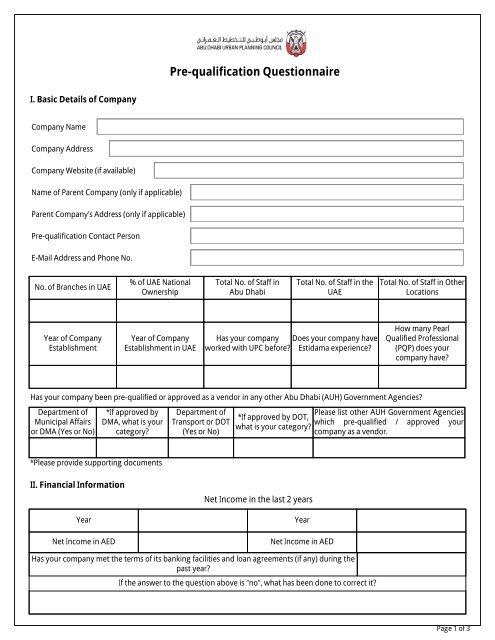
The prequalification process is crucial for ensuring that only the most capable and experienced companies are involved in the project. Etihad Rail is seeking firms with proven expertise in high-speed rail systems, construction, and project management. This phase will help identify and shortlist potential partners who can contribute to the successful delivery of the rail network.

The high-speed rail system is expected to have a transformative impact on the UAE’s economy. By improving transportation efficiency, it will facilitate better movement of goods and people, potentially boosting economic activities and reducing travel time significantly. This aligns with the UAE’s broader economic diversification strategy, which aims to reduce reliance on oil revenues and foster growth in other sectors.

Key players in the global rail industry are closely watching the progress of this project. Companies from Europe, Asia, and the Americas are anticipated to show interest, bringing a wealth of international experience and technological advancements to the table. This influx of expertise will be crucial for the successful implementation of such an ambitious undertaking.

The UAE’s commitment to high-speed rail reflects a broader trend in the region towards investing in advanced infrastructure projects. Similar initiatives are underway in neighboring countries, with the aim of creating a cohesive and integrated transport network across the GCC. The UAE’s project is poised to set a benchmark for other nations in the region and beyond.

As the prequalification phase progresses, it will be essential for Etihad Rail to ensure transparency and fairness in the selection process. This will help build trust among potential partners and stakeholders and pave the way for a successful collaboration. The project’s success will not only enhance the UAE’s transportation infrastructure but also contribute to its economic and environmental goals.

Solidarity Group, a prominent insurance and investment company in Bahrain, has received approval from its board to acquire two units from Bahrain National Holding (BNH) in a transaction valued at $200 million. This strategic move is set to bolster Solidarity’s market position and diversify its portfolio significantly. The acquisition involves the purchase of BNH’s wholly-owned subsidiaries: Bahrain National Insurance Company (BNIC) and Bahrain National Life Assurance Company […]

Saudi Arabia’s debt market is set to surpass $500 billion, according to Fitch Ratings, driven by a surge in government borrowing and increased investor appetite. This milestone reflects the Kingdom’s evolving financial landscape as it continues to implement its Vision 2030 reforms and diversify its economy away from oil dependency. Fitch’s forecast highlights the Kingdom’s substantial shift in fiscal strategy. The government’s borrowing has intensified in recent […]

A sharp decline in oil prices has bolstered prospects for a more stable global economic landscape. Falling into the $60s per barrel range, the price of crude oil is offering economies around the world some breathing room amid a complex economic environment marked by geopolitical tensions and inflationary pressures. As oil prices retreat from their earlier highs, this shift provides a critical cushion for economies grappling with […]

Saudi Arabia’s Vision 2030 initiative, a comprehensive plan aimed at diversifying the nation’s economy away from oil dependency, has seen its portfolio of projects reach an impressive valuation of $1.3 trillion. This substantial figure reflects the ambitious scale and economic impact of the country’s efforts to transform its infrastructure, technology, and business sectors by 2030.

Among the most notable projects under this vision is the NEOM megacity, a $500 billion endeavor designed to be a hub for innovation, technology, and sustainable living. NEOM will stretch across 10,230 square miles, integrating artificial intelligence, robotics, and renewable energy sources to create a futuristic urban environment. The city is expected to drive significant economic growth and attract international investors and technology firms.

Another significant element is the Red Sea Project, an extensive tourism development plan set to transform the coastline into a luxury travel destination. With an estimated value of $10 billion, this project aims to develop 50 islands and a series of high-end resorts, enhancing Saudi Arabia’s position in the global tourism market. This development is aligned with the broader goal of increasing the tourism sector’s contribution to the national economy.

The King Salman Park, a $23 billion initiative, represents a major urban development project. Spanning 13.4 square miles in Riyadh, the park will feature green spaces, recreational areas, and cultural facilities, designed to improve the quality of life for residents and support Saudi Arabia’s environmental and sustainability goals.

Significant investment is also flowing into the entertainment and cultural sectors. The $15 billion Qiddiya project is set to become a leading entertainment and cultural hub, incorporating theme parks, sports facilities, and cultural venues. This project aims to diversify Saudi Arabia’s entertainment offerings and attract tourists from around the world.

In the energy sector, the Saudi Arabian Oil Company (Aramco) is spearheading several major initiatives to invest in renewable energy and technology. The company’s investments are part of a broader strategy to reduce reliance on oil and position itself as a global leader in energy innovation. This includes substantial funding towards solar and wind energy projects, as well as advancements in hydrogen fuel technology.

The development of the Saudi Arabian Industrial Investments Company (SAIIC) is another crucial aspect of Vision 2030. SAIIC’s focus is on fostering the growth of new industrial sectors and attracting foreign investment into Saudi Arabia’s manufacturing and high-tech industries. This includes significant investments in sectors such as aerospace, automotive, and electronics.

Education and research are also pivotal in the Vision 2030 framework. The establishment of new universities and research centers, such as the King Abdullah University of Science and Technology (KAUST), represents a $15 billion investment in developing a knowledge-based economy. These institutions are aimed at fostering innovation and supporting the country’s shift towards high-value industries.

The real estate sector is booming as well, with significant investments flowing into residential and commercial developments. Mega-projects like the Riyadh Metro, a $23 billion investment, are designed to address urban congestion and improve public transportation infrastructure. The metro system is expected to enhance connectivity within the city and support the broader goals of urban development and sustainability.

In addition to these major projects, the Vision 2030 initiative includes numerous smaller-scale projects aimed at improving various aspects of daily life, including healthcare, education, and public services. These projects collectively contribute to the overarching goal of transforming Saudi Arabia into a global investment powerhouse and a leading example of modern economic diversification.

The success of Vision 2030 will largely depend on the effective implementation and management of these diverse projects. The Saudi government has been actively seeking international partnerships and investments to support its ambitious plans. This includes efforts to enhance regulatory frameworks, streamline business processes, and create an environment conducive to growth and innovation.

VISHNU RAJA
RYO YAMADA
HITORI GOTOH
IKUYO KITA
Just in:
UK air traffic outage inflicted £33m financial losses // ADIA and partners establish $1.4 billion aviation venture // Dubai boat show confirms international shipyard line-up for November // Trump’s Iran War Has A Share Of Contribution To His Midterm Debacle // Cyberport Venture & Capital Forum 2026 Grand Opening // Millions Of Indians May Soon Be Deprived Of Government Assistance // APT29-linked campaign exploits outdated Apple and Android software // Miss Universe Hong Kong Jen Zhou Departs for Puerto Rico to Compete in the 75th Miss Universe World Final // Xi Jinping Preparing For A Trilateral Summit With Trump And Putin At APEC Summit On Nov 18-19 // Middle East governments assess Iran war after US vote // Asia Left Behind: Ten international companies have yet to report delivering on their cage-free egg pledges across the region // The “1st Greater Bay Area Health and Longevity Summit & Awards Ceremony” concludes successfully in Macao // Ta’ziz finalises $1.39bn funding for Ruwais industrial facilities // Oil and chip shares retreat after Democratic victories // After Reaching 7 Million Users in the Philippines, Skyro Launches Transparent Cash Loans in Malaysia // Fast Just Got Fastest: STING Energy Boost™ Celebrates Kimi Antonelli’s Formula 1® World Championship and the Fan Energy Behind It // Vance attributes Republican midterm defeats to Iran conflict // SC to examine students’ exam plea today // Ousted top Kochi cop gets IG post // OpenAI identifies 948 Linux privilege escalation flaws using AI //