News related to
growth

RIYADH, SAUDI ARABIA – EQS Newswire – 13 November 2024 – President and CEO Philippe Delorme of KONE (www.KONE.com), a global leader in the elevator and escalator industry, is visiting the Gulf Cooperation Council (GCC) region following the launch of KONE’s new global strategy ‘Rise’, to discuss how digital and sustainable vertical transport innovations are critical in helping address the rapid growth across the GCC. “With urban […]

By K Raveendran Recent interventions by the Supreme Court into actions taken by the Securities and Exchange Board of India (SEBI) have underscored mounting concerns about systemic issues within the country’s chief market regulator. SEBI’s actions in several high-profile cases—particularly its record of imposing significant penalties and its alleged tendency to either delay or condone […]

Revolut has officially launched its crypto trading platform, Revolut X, in 30 additional European countries. The expansion marks a significant milestone for the financial technology company, which is targeting experienced traders seeking advanced features in cryptocurrency trading. The new rollout is designed to bolster the platform’s presence in Europe, tapping into an increasing demand for more sophisticated trading tools.

The platform, which first launched in the UK and Europe, offers a comprehensive suite of crypto trading features tailored to individuals with a higher level of expertise in the digital assets space. Revolut X includes a range of tools such as real-time market data, advanced charting, and analysis capabilities that are expected to appeal to traders with more in-depth knowledge of the volatile cryptocurrency market.

Revolut, known for its wide array of financial services, had previously made moves in the cryptocurrency market by offering a simpler, more beginner-friendly crypto service through its primary app. The launch of Revolut X in these new markets is part of the company’s strategy to differentiate itself in an increasingly competitive space dominated by established players such as Binance, Kraken, and Coinbase.

The 30 new countries added to Revolut X’s reach include several key European markets, notably in the EU and surrounding regions. These markets represent some of the most active areas for cryptocurrency adoption, with high levels of market penetration and investor interest. For Revolut, this is a calculated move aimed at capturing more of the trading segment from other platforms that cater to more advanced users.

Industry experts suggest that Revolut’s expansion into these markets comes at a time when crypto trading is gaining momentum across Europe. Regulatory frameworks in many EU nations are becoming more favorable, with clearer rules providing a safer environment for traders. This is seen as a major advantage for platforms like Revolut X, which seeks to build trust and legitimacy in a market that has faced scrutiny in recent years due to concerns over security and market manipulation.

With the introduction of advanced trading features, Revolut X also aims to address the growing demand for decentralized finance (DeFi) and other innovative financial products. As more traders seek out opportunities in non-fungible tokens (NFTs), decentralized exchanges (DEXs), and other blockchain-based assets, Revolut is positioning itself as a key player in these evolving markets.

The cryptocurrency sector in Europe has shown considerable growth, with increasing institutional interest and more retail investors participating in crypto markets. Several nations, particularly Germany, France, and the Netherlands, have already seen a rise in retail investment, and there is an ongoing effort within the European Union to establish clearer regulatory standards for digital assets. This regulatory clarity, along with the expanding acceptance of crypto in traditional financial systems, provides a supportive backdrop for Revolut’s expansion.

However, Revolut’s venture into the cryptocurrency space has not been without challenges. Despite the company’s large customer base and technological edge, it faces stiff competition from other financial technology companies and crypto-native platforms that are already well-established in European markets. Furthermore, cryptocurrency trading remains a high-risk venture for many traders, with concerns over market volatility, regulatory changes, and technological risks such as hacking and fraud.

For Revolut, the strategic move to expand Revolut X to 30 new markets is aimed at capitalizing on the increasing adoption of cryptocurrencies and positioning itself as a serious player in the crypto trading sphere. It also aligns with the company’s broader goal of diversifying its service offerings to encompass a wider array of financial products. This includes plans to broaden access to traditional banking, investment options, and more advanced trading tools. As the market matures and regulatory clarity continues to evolve, Revolut’s early investments into crypto trading could prove to be a significant growth area in its future.

The introduction of Revolut X in these 30 countries also signals a shift in the company’s overall business strategy. By targeting more experienced traders, Revolut is moving away from its initial focus on mainstream consumers and expanding into a niche that has shown higher profitability. This move reflects broader trends in the financial industry, where firms are seeking to capture more sophisticated users who are looking for advanced trading features and greater customization in their investment strategies.

Rhodolith beds, critical marine ecosystems formed by free-living coralline algae, are increasingly vulnerable to the accelerating impacts of ocean climate change. These habitats, often referred to as “marine rainforests,” are vital for supporting marine biodiversity by providing shelter and feeding grounds for a wide variety of marine species. However, research indicates that both the structural integrity of these beds and the underlying sediments are under significant threat […]

BANGKOK, THAILAND – Media OutReach Newswire – 13 November 2024 – Dusit International, one of Thailand’s leading hotel and property development companies, has signed a Memorandum of Understanding (MoU) with Tourism Development Fund (TDF), the national enabler of the tourism sector in Saudi Arabia, to establish a preliminary framework for developing hospitality projects that will enhance the country’s tourism infrastructure. Signed at the World Travel Market 2024 […]

KUALA LUMPUR, MALAYSIA – Media OutReach Newswire – 13 November 2024 – As China solidifies its influence across Southeast Asia, it becomes the region’s largest trading partner and a crucial investor in areas like infrastructure, technology, and renewable energy. This release explores how China’s expanding economic reach shapes Southeast Asian markets, from Indonesia’s booming coal exports to Vietnam’s tech transformation, and provides a glimpse into future growth […]

The Zimbabwe-Zambia (Zim-Zam) Energy Projects Summit will take place from November 18-20, 2024, in Victoria Falls, Zimbabwe, and could not be more timely. With the governments of both countries making innovative structural changes to make energy projects more bankable, appetite for investment is high. This is the opportunity to secure a more sustainable energy future for both Zimbabwe and Zambia. LONDON, UK – EQS Newswire – 12 […]

Advertisements

HANOI, VIETNAM – Media OutReach Newswire – 12 November 2024 – On 12 November 2024, Vingroup, Vietnam’s largest private conglomerate, and its Chairman, Mr. Pham Nhat Vuong, announced a significant financial commitment to VinFast, the Vietnamese Nasdaq-listed electric vehicle maker. Vingroup plans to lend VinFast up to 35 trillion Vietnamese dong ($1.4 billion) by the end of 2026. Additionally, Mr. Vuong has personally pledged 50 trillion dong […]

By Anjan Roy As president elect Donald Trump is edging towards taking over powers in America on January 20 next year, the country is lurching towards becoming a typical case of a plutocracy. Money bags, as opposed to public spirited men and women who have devoted a life time in public affairs, are coming to […]

On November 11, 2024, Bitcoin experienced a remarkable surge, marking its largest one-day dollar increase in history. The cryptocurrency opened at $80,427.69 and closed the day at $88,770.73, an increase of $8,343.04, a notable milestone for the digital currency that continues to generate attention from investors and analysts alike.

This sharp spike has drawn significant attention, not only for its scale but for the factors that contributed to it. Bitcoin’s volatile nature is not new, but the latest rally stands out due to the broader context of global financial trends and market dynamics. Analysts point to several key drivers that could have influenced this surge, including shifts in global economic conditions, growing institutional interest, and the increasing adoption of cryptocurrency as a mainstream financial tool.

The increase occurred amidst a backdrop of economic uncertainty. With traditional markets showing signs of stagnation, Bitcoin has increasingly been seen by investors as a hedge against inflation and instability. The digital asset’s decentralized nature makes it an attractive alternative during times of heightened geopolitical risk and tightening monetary policies from central banks.

Institutional interest in Bitcoin continues to climb, with large financial institutions and investment funds increasing their exposure to cryptocurrencies. Major firms have been expanding their portfolios to include Bitcoin as a way to diversify their holdings and tap into its potential as a store of value. A notable development this week involved a prominent Wall Street investment firm that announced its plans to integrate Bitcoin into its core investment strategy. This has further fueled optimism in the market, with many seeing it as a sign of broader acceptance of Bitcoin in traditional finance.

Adding to the appeal is Bitcoin’s fixed supply. Unlike traditional fiat currencies, which can be printed at will by central banks, Bitcoin has a cap of 21 million coins, creating a supply-demand dynamic that contributes to its long-term value proposition. As more people and institutions seek to accumulate Bitcoin, its price has been climbing steadily, reflecting the growing belief in its potential as an alternative asset class.

Another factor contributing to Bitcoin’s growth is the increasing acceptance of cryptocurrency in daily transactions. More companies are starting to accept Bitcoin as a form of payment, creating an ecosystem that reinforces the value of the cryptocurrency. From tech startups to established retail giants, many businesses are adopting Bitcoin due to its lower transaction fees compared to traditional banking systems, along with the appeal of being part of the innovative blockchain ecosystem. The result has been a greater level of mainstream adoption, encouraging retail investors to get involved.

The cryptocurrency sector is also seeing technological advancements that improve the functionality and security of Bitcoin transactions. Over the past few months, there have been significant improvements in Bitcoin’s infrastructure, with upgrades to its blockchain technology making it more scalable and efficient. These enhancements not only improve Bitcoin’s usability but also build confidence among investors, who now see Bitcoin as a more stable and secure asset.

However, Bitcoin’s latest surge has also raised questions about the sustainability of its growth. Critics argue that the rapid price increase is driven by speculation rather than underlying economic fundamentals, and that such volatility makes it a risky investment. Some financial experts caution that while Bitcoin’s growth is impressive, the cryptocurrency market remains unpredictable, and the price could experience sharp declines in the future.

Regulatory scrutiny is another concern hanging over Bitcoin’s future. As cryptocurrencies gain traction, governments and regulatory bodies around the world are grappling with how to best regulate digital assets. Some countries, such as China, have taken a hardline stance against cryptocurrencies, citing concerns over financial stability and illicit activities. In contrast, countries like the United States and the European Union have been working to establish clearer frameworks for the regulation of cryptocurrencies. These regulatory decisions will play a crucial role in shaping Bitcoin’s long-term viability and its integration into the global financial system.

Despite these concerns, Bitcoin’s rapid growth is seen by many as a sign of its increasing maturity as an asset class. More financial services are becoming available to Bitcoin investors, including Bitcoin futures, ETFs, and other derivative products that allow institutional and retail investors to gain exposure to the cryptocurrency without directly holding it. This has brought Bitcoin further into the mainstream, making it a legitimate part of the global financial landscape.

Bitcoin’s success is also having a ripple effect on the broader cryptocurrency market. Other digital currencies, such as Ethereum, Ripple, and Litecoin, have seen price increases as well, with some benefitting from Bitcoin’s momentum. Ethereum, for instance, has gained popularity due to its smart contract capabilities, which allow developers to build decentralized applications on its blockchain. As Bitcoin continues to grow, its success is seen as a rising tide that lifts the entire cryptocurrency sector.

Deutsche Telekom has made a significant move into the blockchain space by partnering with Meta Pool, marking a pioneering step in the telecom industry. As the first telecom giant to run a validator node on the NEAR blockchain, this partnership represents an innovative leap toward integrating telecommunications with decentralized technologies. The collaboration aims to bolster the scalability and security of the NEAR protocol, while furthering Deutsche Telekom’s commitment to exploring blockchain and Web3 solutions.

The NEAR blockchain, recognized for its high throughput and low transaction costs, is positioning itself as a formidable competitor in the rapidly expanding blockchain ecosystem. By running a validator node, Deutsche Telekom is not only contributing to the network’s infrastructure but also aligning itself with the emerging trend of decentralized finance (DeFi) and Web3 technologies. Validator nodes are crucial components in blockchain networks, as they validate transactions and ensure the integrity and security of the blockchain.

This strategic partnership with Meta Pool, a leading staking provider for the NEAR blockchain, allows Deutsche Telekom to play a critical role in the operation and security of the network. Through this collaboration, Deutsche Telekom aims to leverage its expertise in telecommunications to support the growth of blockchain-based ecosystems. The partnership also opens the door for future ventures in decentralized applications, marking a new chapter for the company in the digital era.

Telecom giants have been gradually exploring blockchain for its potential to improve network management, enhance data security, and enable novel financial services. However, Deutsche Telekom’s decision to operate a validator node on the NEAR blockchain takes this exploration a step further. It reflects a broader trend where traditional industries are increasingly recognizing blockchain as a transformative technology that extends beyond cryptocurrencies.

NEAR’s unique consensus mechanism, known as Nightshade, is designed to enhance scalability without sacrificing decentralization. With its sharding protocol, NEAR allows for the processing of a high volume of transactions in parallel, making it an ideal blockchain for large-scale applications. This scalability is a key feature that distinguishes NEAR from other blockchains, positioning it as a powerful platform for developers building decentralized applications.

By participating in the NEAR ecosystem, Deutsche Telekom strengthens its position as a forward-thinking player in the telecom industry. The company has been an active participant in the digital innovation space, with initiatives spanning cloud computing, 5G technology, and smart networking solutions. Its involvement with blockchain technology further cements its commitment to staying ahead of the curve in a rapidly evolving digital landscape.

For Meta Pool, the collaboration with Deutsche Telekom brings credibility and stability to its operations. As a provider of staking services, Meta Pool allows users to pool their tokens to participate in network validation, enabling them to earn rewards while contributing to the blockchain’s security. With Deutsche Telekom’s technical expertise and global infrastructure, Meta Pool gains a valuable partner that can help scale its services and reach a broader audience.

The partnership is also a testament to the growing interest in blockchain’s potential to disrupt traditional industries. Blockchain technology, which underpins cryptocurrencies like Bitcoin and Ethereum, has found applications far beyond digital currencies. From supply chain management to voting systems, decentralized finance to digital identity verification, blockchain offers a wide array of possibilities for sectors ranging from finance to healthcare.

For Deutsche Telekom, the partnership also signals a shift towards exploring new revenue streams. The telecom industry, long dependent on providing connectivity and infrastructure, is now looking toward Web3 technologies as a way to diversify its offerings. By running a validator node on the NEAR blockchain, Deutsche Telekom could potentially tap into the emerging market for decentralized services, a space that promises significant growth as the adoption of blockchain continues to rise.

The telecom industry is no stranger to technological advancements, having embraced 5G and cloud computing as key components of its future growth strategy. However, blockchain presents a unique set of opportunities and challenges that require a nuanced understanding of both telecommunications and decentralized networks. Deutsche Telekom’s move into the blockchain space signals a broader trend where telecom companies are beginning to experiment with blockchain as a tool to enhance their service offerings.

The implications of Deutsche Telekom’s move could reverberate across the telecom sector. Other major telecom operators may follow suit, recognizing the importance of blockchain as a technology that can offer more than just a buzzword. As blockchain continues to mature, its potential to redefine industries outside of finance grows clearer. The collaboration between Deutsche Telekom and Meta Pool could pave the way for more partnerships between blockchain platforms and traditional telecom giants, contributing to the further mainstreaming of decentralized technologies.

The participation of a major player like Deutsche Telekom brings legitimacy to blockchain as an enterprise-grade solution. Telecom companies, with their vast infrastructure and global reach, are uniquely positioned to help scale decentralized networks. Their involvement in blockchain could facilitate its adoption across various industries, bringing new business models and opportunities for collaboration.

The NFT market in 2024 is grappling with a severe downturn, with the vast majority of new drops failing to gain traction and barely a fraction proving profitable. According to industry reports, 98% of NFT collections released this year have failed, while only 0.2% managed to generate significant returns, signaling an oversaturated market where the potential for success is diminishing rapidly.

The surge in NFT interest that dominated the market in 2021 and 2022 has largely faded. At the height of its popularity, high-profile celebrity-backed NFT collections, art auctions, and metaverse projects generated headlines and high transaction volumes. However, the once-booming sector has faced sharp declines in 2023 and continues to struggle through 2024. The flood of new projects has led to overwhelming competition, with collectors and investors growing increasingly discerning, causing many NFT drops to fail despite substantial marketing efforts.

One key factor behind the market’s downturn is the saturation of low-quality projects. In 2021, the NFT market saw explosive growth, with new collections emerging almost daily, promising lucrative returns. The ease of creating and launching NFTs led to a rapid influx of creators, artists, and brands eager to capitalize on the trend. However, many of these projects lacked the originality, utility, or community support necessary to sustain long-term value, which has become evident in the market’s performance.

Experts point to the lack of innovation in the space as a significant driver of the current struggles. NFT collections that are simply rehashed concepts or derivative works often fail to excite collectors, who are now more cautious in their purchasing behavior. The expectation of speculative profits, which fueled much of the market’s initial boom, has largely dissipated, leaving only the most unique and well-executed projects to stand out. As a result, many newer NFT collections are struggling to build a loyal community, which is crucial for the longevity and success of an NFT project.

The economic environment also plays a crucial role in the market’s decline. A downturn in the broader cryptocurrency market has directly impacted NFTs, as both assets are intertwined. Cryptocurrencies such as Bitcoin and Ethereum have experienced significant price fluctuations in recent months, which has reduced the capital available for NFT investments. With crypto market volatility making investors more risk-averse, the NFT sector has seen fewer high-profile buyers willing to commit to large-scale purchases.

NFT traders have become more skeptical about the long-term viability of the market. While some creators continue to make bold promises about the potential of NFTs in gaming, art, and other sectors, many have struggled to deliver on these visions. Trust in the space has been eroded by scams, failed projects, and the lack of regulatory clarity. As a result, investors are wary of participating in the market, resulting in low transaction volumes and limited liquidity.

One of the few bright spots in the 2024 NFT landscape is the emergence of projects that offer tangible utility. Collections tied to real-world assets, such as exclusive access to events, products, or digital services, have managed to garner attention from collectors who are looking for value beyond speculation. Additionally, some projects have innovated by integrating NFTs into gaming, virtual real estate, and metaverse platforms, where they offer in-game assets or experiences that are more difficult to replicate than traditional artwork-based NFTs.

Despite these innovative approaches, the overall sentiment in the NFT market remains cautious. Several high-profile NFT projects that launched in early 2024 have seen their value plummet, leading to significant losses for investors. The low success rate of new drops suggests that the market’s infrastructure is not yet ready for sustained growth and that additional reforms or innovative solutions may be required to reinvigorate the space.

Some analysts suggest that the NFT market is undergoing a period of “natural correction,” where the speculative bubble that drove its growth is slowly deflating. They believe that the future of NFTs lies in projects that offer real-world utility and sustainable growth, rather than relying solely on hype or celebrity endorsements. These analysts emphasize the importance of community engagement and long-term value for the future of NFTs.

The current state of the NFT market is also prompting calls for greater regulation and industry standards. As more collectors and investors become disillusioned with failed projects, there is an increasing demand for transparency and accountability from creators and platforms. Several organizations and industry leaders are working on establishing clearer guidelines for the NFT ecosystem, focusing on issues like intellectual property rights, secondary market sales, and platform fees.

Bitcoin has surpassed $90,000 this week for the first time, marking yet another significant milestone for the cryptocurrency. The surge comes amid growing discussions about using Bitcoin to address America’s escalating national debt. Tesla, X, and SpaceX CEO Elon Musk, and vocal proponent of cryptocurrency, recently endorsed the idea of deploying digital assets to alleviate the United States’ debt burden—a sentiment echoed by President-Elect Donald Trump. Musk, […]

Emaar Properties, one of the largest real estate developers in the UAE, has reported a modest growth in its profits for the first nine months of the year. The company’s net income rose compared to the same period last year, driven primarily by strong performance in its core real estate development and retail segments. The Dubai-based developer, which operates a diverse portfolio of real estate and hospitality […]

The growing financial links between Asia and the Middle East are poised to significantly influence global capital flows, according to new insights from HSBC. The accelerating collaboration between these two regions is already reshaping the landscape of international investments, with both sides benefitting from a convergence of economic goals, financial strategies, and geopolitical interests. With Asia’s expanding markets and the Middle East’s substantial financial resources, the deepening […]

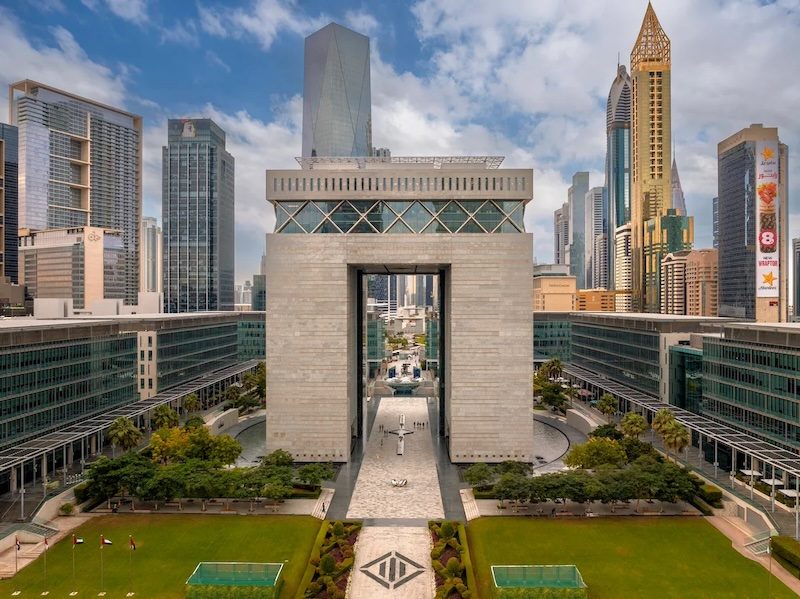
The Dubai International Financial Centre (DIFC) has repaid a $700 million sukuk, a significant milestone in its ongoing development efforts. This bond, originally issued to finance the expansion of the DIFC, helped fund key infrastructure projects, including the growth of its real estate sector and the development of the Gate Avenue retail precinct, which has become a central feature of the financial hub.

The repayment of the sukuk demonstrates the DIFC’s strong financial position, underscoring its ability to service its debt while continuing its mission to evolve as a global financial hub. The sukuk was part of a broader strategy to enhance the DIFC’s infrastructure and attract further investment to the region, reinforcing its status as one of the world’s leading financial centers.

Launched in 2004, the DIFC has seen exponential growth over the past two decades, with its strategic location and favorable business environment making it an attractive destination for international and regional firms. The expansion of DIFC’s real estate and retail offerings, particularly the Gate Avenue precinct, aligns with broader efforts to diversify its revenue streams and cement its position as a global business and lifestyle destination.

The Gate Avenue project, which was central to the sukuk issuance, transformed the DIFC area into a vibrant, mixed-use space combining commercial, retail, and residential offerings. The development has played a critical role in supporting the growth of the financial district, not only as a hub for businesses but also as a dynamic space for leisure and commerce. Gate Avenue features high-end retail outlets, restaurants, art galleries, and a host of premium office spaces, positioning the DIFC as a global destination for business and tourism alike.

The financial success of the sukuk reflects the increasing confidence in the DIFC’s ability to attract investment, maintain a strong credit rating, and manage large-scale projects effectively. The successful completion of the sukuk repayment follows a broader trend of fiscal responsibility within the Dubai government and its key development areas, including the Dubai Economic Agenda and the vision for the city’s continued diversification into non-oil sectors.

Dubai has steadily strengthened its position as a financial center, not just regionally but globally, through strategic investments in infrastructure, fintech, and real estate development. By repaying the sukuk, DIFC reaffirms its reputation as a key pillar of Dubai’s ambitious economic agenda. This action signals to both international investors and local stakeholders that DIFC remains a secure and attractive investment destination.

The sukuk’s issuance and repayment were also a part of the larger trend of Islamic financing mechanisms that have been growing in popularity in the UAE and other parts of the Gulf region. Sukuk, a Sharia-compliant alternative to conventional bonds, are increasingly viewed as an effective tool for raising capital for large-scale infrastructure and development projects. With the growing interest in sustainable finance, sukuk structures are adapting to include green and socially responsible investment components, further broadening their appeal.

The DIFC’s continued investment in its infrastructure is also reflected in its increasing number of financial firms, including major international banks, wealth management firms, and insurance companies, which have made the center their regional base. This is a testament to DIFC’s ability to provide a competitive and secure environment for financial operations, from asset management to fintech innovation.

The development of Gate Avenue, which connects the DIFC’s two main buildings with a series of bridges and corridors, offers not only commercial and office spaces but also cultural experiences that draw visitors and residents alike. This expansion helps differentiate the DIFC from other global financial hubs by offering a comprehensive lifestyle experience beyond the traditional financial operations. Its blend of culture, art, and luxury retail spaces makes it a unique offering in the competitive global financial landscape.

The repayment of the sukuk comes at a time when Dubai is positioning itself as a major player in the global financial and fintech sectors. As part of the Dubai 2040 Urban Master Plan, the city is focused on further expanding its financial infrastructure, which aligns with the UAE’s broader goal of diversifying its economy and attracting foreign investment. Projects like the DIFC’s development and the Gate Avenue precinct are designed to support this long-term vision and are expected to continue to bolster the UAE’s competitive edge.

DIFC’s financial success, evidenced by its ability to meet debt obligations, is closely tied to the broader economic strategies set out by Dubai and the UAE. The city has made substantial investments in becoming a global leader in fintech, with regulatory frameworks designed to foster innovation, while also strengthening its existing financial infrastructure. These efforts are part of a greater strategy to ensure Dubai’s place at the center of international finance, even as global markets face uncertainty.

As the DIFC looks to the future, it will likely continue its focus on sustainable development, leveraging its strategic location to attract global financial institutions and investors. The success of the sukuk repayment highlights the district’s ongoing stability and growth, which in turn strengthens Dubai’s position as a critical financial and business hub in the Middle East and beyond.


Nakheel, a leading Dubai-based developer, has unveiled plans for a collection of luxury waterfront villas located on the iconic Palm Jebel Ali. The development is set to redefine high-end living, with exclusive designs aimed at offering a prestigious lifestyle on one of the world’s most sought-after real estate locations. The new project will feature a series of ultra-luxurious homes, offering sweeping views of the Arabian Gulf. The […]

Apollo Global Management and Mubadala Investment Company have agreed to extend their high-profile partnership, a move that aims to bolster Apollo’s Capital Solutions business. The extension will allow both entities to expand their reach and enhance their ability to originate investment opportunities across various asset classes, solidifying their long-term collaboration.

The extended partnership, which involves several billion dollars, is a significant development in the investment world. It builds upon the strategic relationship that began several years ago, positioning both Apollo and Mubadala for future growth in a rapidly evolving global market. By pooling their resources, the two firms plan to tap into new investment opportunities, with a focus on large-scale, complex transactions across sectors such as real estate, infrastructure, and private equity.

As part of the agreement, Apollo will leverage Mubadala’s global network and significant financial backing to drive its Capital Solutions platform forward. This platform, which specializes in providing flexible, innovative financing solutions, will be further strengthened through this partnership. Apollo has long been a leader in alternative investment strategies, and the continued support from Mubadala enhances its ability to execute its high-value transactions worldwide.

Mubadala, which is the sovereign wealth fund of Abu Dhabi, has long been a key player in the global investment arena. Its robust portfolio spans multiple industries, including energy, technology, and healthcare. By deepening its ties with Apollo, Mubadala gains access to Apollo’s wide-ranging expertise in alternative investments, which is particularly advantageous given the volatile global economic climate.

The extension of the partnership is also expected to accelerate the deployment of capital into high-impact investments. Apollo’s Capital Solutions business, known for structuring and managing bespoke financing arrangements, will benefit from Mubadala’s substantial capital reserves. The partnership’s focus will be on identifying attractive opportunities in both established markets and emerging sectors. This will allow the firms to be well-positioned to respond to market dynamics and provide value to investors.

In addition to the financial and strategic advantages, the expanded collaboration between Apollo and Mubadala is expected to bring greater innovation to the investment management space. The firms will work together to identify new methods for creating value, from investment structuring to risk management. By combining their expertise, the partners aim to develop differentiated solutions for investors, which could include specialized vehicles, bespoke financing options, and new asset classes.

This partnership extension is particularly significant in the context of growing competition in the global investment sector. With rising interest rates and market volatility, institutional investors are looking for partners with proven track records and the capacity to adapt to changing conditions. Apollo and Mubadala’s collaboration offers just that, with both firms having established reputations for managing complex investments and delivering strong returns for their stakeholders.

As part of the broader strategic goals, the extended partnership also aligns with Mubadala’s long-term investment vision. The sovereign wealth fund is keen to diversify its portfolio and deepen its engagement with global markets. By aligning with Apollo’s expertise, Mubadala strengthens its position in the alternative investments space, which has become an increasingly important segment for institutional investors looking for non-traditional assets that offer higher returns.

Apollo’s experience and track record in the global capital markets are another factor that makes this partnership particularly appealing. With a strong presence in private equity, real estate, and credit, Apollo has consistently demonstrated its ability to generate value for investors in both favorable and challenging market environments. Mubadala, by extending its relationship with such a prominent player, ensures it has access to top-tier investment opportunities across the spectrum of asset classes.

The partnership extension also underscores the growing importance of cross-border collaborations in today’s interconnected financial markets. As global investors seek to broaden their exposure to diverse markets and asset types, relationships like the one between Apollo and Mubadala play a crucial role in facilitating capital flows across regions. This is particularly relevant as both companies continue to pursue their respective strategies in global markets, positioning themselves for future success amid evolving macroeconomic conditions.

Looking forward, the partnership is expected to deepen in the coming years, with both Apollo and Mubadala exploring new opportunities for collaboration. This could include expanding their joint investments into new geographies, further diversifying their asset portfolios, or exploring emerging sectors like technology and clean energy. The firms have already shown an appetite for exploring innovative investment structures and new technologies, which could become key drivers of their future success.

A significant step forward in Azerbaijan’s energy infrastructure modernization came with the announcement of a joint venture deal valued at $480 million, aimed at overhauling the country’s gas distribution network. The deal, which combines the expertise of several industry leaders, is poised to significantly enhance the operational efficiency and safety of gas distribution systems across the country, aligning with Azerbaijan’s broader energy sector goals.

The partnership, formed by Presight, a key player in the energy sector, and local Azerbaijani firms, will target several areas in the gas distribution system, including upgrading pipelines, boosting the capacity of compressor stations, and improving metering systems. This overhaul is expected to deliver improved service reliability, reducing gas losses, and enhancing customer satisfaction.

With Azerbaijan increasingly focused on maintaining its energy security and integrating cleaner technologies, the deal will also help streamline the country’s natural gas operations, making them more sustainable and resilient to market fluctuations. The modernization is seen as a pivotal project in the country’s long-term energy strategy, which aims to position Azerbaijan as a regional leader in energy distribution.

The country has long depended on its oil and natural gas resources for economic stability, but with rising global energy demands and environmental concerns, there’s an urgent need to upgrade and diversify its energy infrastructure. This development reflects Azerbaijan’s commitment to maintaining robust, efficient energy systems while also responding to both domestic needs and international expectations for higher environmental standards.

The joint venture deal is the result of years of meticulous planning, as energy companies have been assessing and identifying weaknesses within Azerbaijan’s existing gas grid. The country’s government has also recognized the necessity of modernizing its energy infrastructure to meet both current demand and the growing aspirations for energy security in a rapidly changing global market. Additionally, the Azeri government has pledged to prioritize sustainable development practices in its energy sector, ensuring that economic growth does not come at the expense of environmental preservation.

For Presight, the deal marks a significant milestone in its global expansion strategy, as the company continues to build on its successes in the Middle East and North Africa. By partnering with local Azerbaijani firms, Presight will leverage local knowledge and expertise to navigate regulatory complexities and tailor its solutions to the specific needs of the region.

The collaboration highlights the growing trend of international energy companies partnering with local enterprises to implement large-scale infrastructure projects in emerging markets. By combining global expertise with a deep understanding of regional needs, these partnerships create opportunities for innovation and more efficient energy solutions.

Local businesses in Azerbaijan stand to benefit substantially from this partnership, as it will bring both capital investment and technical know-how to the region. The deal is expected to create new jobs, with skilled labor being required to implement the various components of the modernization effort. Additionally, local suppliers and contractors will have opportunities to support the project, further strengthening the Azerbaijani economy.

Energy experts view this deal as a critical piece of Azerbaijan’s broader strategy to enhance its energy security. The country’s position as a major transit hub for energy supplies between Europe and Asia underscores the importance of maintaining a reliable and safe energy infrastructure. With its expanding role as a regional energy supplier, the modernization of its gas distribution network will help ensure that the country remains a key player in the global energy market.

Beyond economic factors, environmental sustainability has also been a key consideration in the project’s design. Modernizing the gas network is expected to reduce methane emissions, one of the most potent greenhouse gases, by curbing gas leaks and improving system monitoring. This aligns with global climate commitments and enhances the country’s environmental credentials as it seeks to balance energy demands with climate goals.

Azerbaijan’s natural gas reserves are among the largest in the world, with the country playing a pivotal role in the diversification of Europe’s energy sources. This deal is an example of the strategic importance of Azerbaijan’s energy sector, particularly as global energy security becomes a priority amid geopolitical shifts and fluctuating energy prices. Azerbaijan is positioning itself not just as a supplier of energy, but as a leader in energy innovation and sustainability.

Azerbaijan has long been a central player in the geopolitics of energy, balancing its relationships with Europe, Russia, and neighboring countries. As energy markets evolve, the country’s ability to modernize its infrastructure is seen as an essential part of its efforts to navigate these shifting dynamics. The latest deal with Presight underscores Azerbaijan’s strategy to maintain its place as a reliable and efficient energy exporter.

Are you curious about how Roth conversion taxes impact your retirement savings? Converting to a Roth IRA can be a smart move for future tax-free growth, but understanding the taxes involved is key to maximizing the benefits. Roth conversion taxes can seem complex, yet with the right strategies, you can manage them effectively and set up your retirement for success. By learning how to navigate these taxes, […]

MACAU SAR – Media OutReach Newswire – 12 November 2024 – With its growing international reputation and influence, the University of Macau (UM) has attracted several eminent scholars from various fields in recent years. These scholars, who are leaders in their respective fields, significantly enhance the teaching quality and research development at UM. They also bring diverse and international perspectives and experiences to transform the university’s research […]

HONG KONG SAR – Media OutReach Newswire – 11 November 2024 – Gaw Capital Partners ranked third in the PERE’s 2024 Proptech 20 among all fund managers globally, with US$1,293m raised over the past five-year period. Source: PERE The Proptech 20 ranking, compiled annually by PERE, evaluates firms based on the amount of private direct investment capital raised between January 1, 2019, and December 31, 2023. According […]

HONG KONG SAR – Media OutReach Newswire – 11 November 2024 – Award-winning brokerage VT Markets held its “Pioneering Global Investment” forum in Hong Kong on 2 November. The event tackled some of the most pressing questions on investment strategies and opportunities as the global brokerage heads into the last quarter of the year. The world economy is an ever-changing pulse—moving to the beat of inflation, political […]

Dubai-based siblings Jainam and Jivika have put forward an unexpected proposal to offer the JioHotstar domain they purchased from a Delhi-based developer to Reliance Industries without expecting any monetary gain. The move comes despite receiving offers that could have brought them substantial profit. Their decision to provide the domain at no cost reflects their commitment to supporting the developer and their philanthropic intentions.

The JioHotstar domain, a potential asset for the rapidly evolving streaming industry, was acquired by Jainam and Jivika after it was initially developed by a web developer based in Delhi. Though many anticipated the siblings might sell the domain to the highest bidder, they have instead chosen a path that prioritizes the welfare of the developer, who had originally faced challenges in securing ownership of the domain.

Jainam and Jivika, both entrepreneurs with diverse business interests in the UAE, have stated that their decision is not driven by financial incentives but by a desire to support the struggling developer. The siblings have emphasized that the domain acquisition was never about profit but was seen as a way to rectify the developer’s difficulties with the domain, which had drawn interest from several major companies, including tech giants.

Although the siblings had received lucrative offers from other parties, they remained firm in their commitment to offering the domain to Reliance for free. This gesture has sparked significant attention, especially given the potential role that JioHotstar could play in the Indian market, where Reliance’s streaming platform, JioCinema, is a major player. The platform’s recent expansion into diverse content offerings and its aggressive pursuit of digital media initiatives have made it an attractive entity for acquiring such assets.

Industry analysts believe that this offer could significantly benefit Reliance, positioning them for further growth in the digital entertainment space. JioHotstar, a name that evokes a strong connection with streaming services in India, could integrate well with Reliance’s expansive digital ecosystem, including its telecom arm, Jio. The platform, which previously merged the offerings of Hotstar with Jio’s services, is seen as a key player in the competition with other streaming platforms in India, such as Netflix and Amazon Prime Video.

Despite the substantial commercial value of the domain, Jainam and Jivika have made it clear that their philanthropic goal is not to profit from the domain but rather to facilitate the success of the developer and the potential growth of Reliance’s digital offerings. This stance has been commended by several figures in the technology and business sectors, who view it as an unusual yet honorable decision in a space often driven by competitive profit motives.

The siblings’ proposal is also notable for the transparency with which they have communicated their motives. Jainam stated, “Our primary goal is to support the developer who created the domain. We are not in this for financial gain but to do something good for the digital ecosystem.” His sister Jivika echoed these sentiments, emphasizing that the siblings felt a responsibility to step in and provide the developer with the platform for success.

JioHotstar, as a domain name, holds significant strategic value. The blend of Jio’s telecom presence and Hotstar’s entertainment reputation gives the domain a unique edge in the Indian digital landscape. Analysts speculate that this move could indicate a shift in the relationship between tech and entertainment companies, with a more collaborative approach replacing traditional, profit-driven transactions.

Reliance, meanwhile, has yet to make an official statement regarding the offer. However, industry experts suggest that the company would be wise to accept the offer, given the alignment with its long-term goals in the streaming and telecom sectors. The potential synergy between the domain and Reliance’s growing digital content portfolio could allow the company to further consolidate its position in the market.

The domain offer also raises broader questions about the intersection of business and philanthropy. In a time when many businesses are grappling with ethical considerations and social responsibility, Jainam and Jivika’s decision challenges the typical business model and demonstrates how commercial interests can sometimes take a backseat to personal ethics and corporate social responsibility.

While the siblings’ move might be viewed as altruistic, it also positions them as key figures in the burgeoning intersection of digital assets and entertainment, particularly in markets like India, where streaming services continue to see explosive growth. For Reliance, the acquisition of JioHotstar could further solidify its dominance in the country’s rapidly evolving entertainment ecosystem, which has become a hotbed of competition as companies vie for consumers’ attention and subscription dollars.

The Dubai-based siblings’ offer has also sparked conversations about the future of domain acquisitions in the tech and entertainment sectors. The gesture has brought attention to the impact that individual decisions can have on larger corporate strategies. It highlights how domain names—often perceived as simple digital assets—can be pivotal in shaping the direction of major players in the streaming and telecom industries.

VISHNU RAJA
RYO YAMADA
HITORI GOTOH
IKUYO KITA