News related to
growth

Derayah Financial, a prominent Saudi-based investment firm, has secured approval from the Kingdom’s Capital Market Authority (CMA) to launch an Initial Public Offering (IPO), marking a significant milestone in the firm’s growth trajectory. This development comes as part of Saudi Arabia’s broader strategy to bolster its financial sector and increase the number of publicly traded companies on its stock exchange, Tadawul. The approval positions Derayah Financial as one of the key players in the Kingdom’s evolving financial landscape.

The company, which provides a range of services including asset management and investment advisory, has been preparing for its public offering for several months. The move to go public is seen as part of its long-term strategy to expand its client base, raise capital, and further diversify its business operations. By listing on Tadawul, Derayah aims to increase its financial stability and strengthen its competitive position within the regional financial market.

Derayah Financial’s IPO is part of a broader trend in Saudi Arabia, where the government has actively encouraged private companies to list on the stock exchange. This initiative aligns with the Kingdom’s Vision 2030, which seeks to transform the economy and reduce its dependency on oil exports by promoting the private sector and diversifying economic activities. The government’s push to increase the number of publicly listed companies is a key element of this vision, aiming to unlock new sources of capital and create more investment opportunities for both local and international investors.

Analysts have been closely watching Derayah Financial’s progress, noting that its IPO could pave the way for other firms in the asset management and financial services sectors to follow suit. With Saudi Arabia’s financial market continuing to mature, firms in the sector are increasingly recognizing the benefits of public listings. By tapping into the public equity market, companies can access a larger pool of capital and potentially gain broader investor exposure, which is crucial for long-term growth.

The CMA’s approval of Derayah’s IPO is also a testament to the continued regulatory enhancements in Saudi Arabia’s capital markets. Over the past few years, the CMA has implemented a series of reforms to improve market transparency, ensure investor protection, and enhance the overall investment climate in the Kingdom. These reforms have been pivotal in attracting both local and foreign investors to the Saudi stock market, making it one of the most active in the Middle East.

Market observers expect strong demand for Derayah Financial’s shares when the IPO is officially launched. As a well-established name in the Saudi financial sector, the company’s strong track record in asset management and investment advisory services has generated substantial interest among potential investors. The firm’s focus on digital transformation, coupled with its efforts to expand its service offerings, has positioned it as a forward-thinking company with promising prospects in the financial industry.

Derayah’s IPO is expected to provide a significant boost to the Saudi stock market, further solidifying Tadawul’s role as a leading regional exchange. Over the past few years, the Saudi bourse has seen a series of successful IPOs, many of which have attracted considerable attention from both domestic and international investors. The success of these offerings has bolstered investor confidence in the Kingdom’s financial market, and Derayah’s listing is likely to follow a similar pattern, contributing to the market’s continued expansion.

As part of the IPO process, Derayah Financial will disclose key financial information and offer shares to the public, providing insight into its business model, financial health, and growth potential. Investors will be able to gauge the company’s performance and outlook, which will play a critical role in determining the success of the offering. The IPO will also provide a valuable benchmark for other companies in the sector considering a similar move.

Beyond its immediate business objectives, Derayah’s IPO is likely to have broader implications for the Saudi economy. By providing a new avenue for capital raising and increasing the number of publicly traded firms, the offering is expected to enhance market liquidity and create new investment opportunities. Furthermore, it aligns with the Saudi government’s efforts to attract foreign investment and promote the Kingdom as a regional financial hub.

Despite the positive outlook, analysts caution that the success of Derayah’s IPO will depend on various factors, including broader market conditions, investor sentiment, and the performance of the financial sector in the coming months. While the company’s prospects appear strong, the market remains subject to fluctuations that could impact investor confidence. However, given the continued growth of Saudi Arabia’s financial services industry and the government’s support for the IPO process, many expect the offering to be a success.
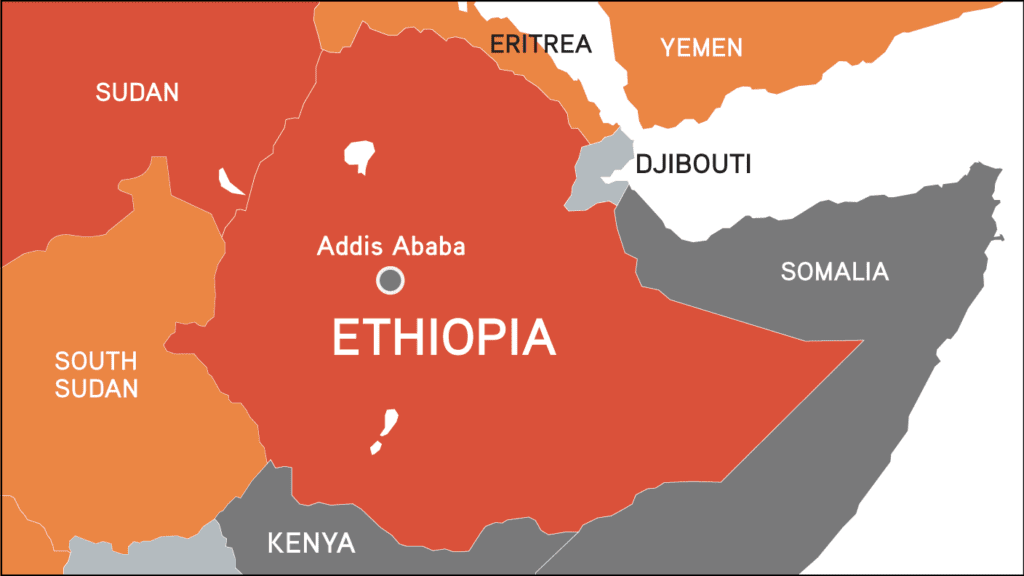
Ethiopia has made significant strides in transforming its energy resources into a digital economy powerhouse, with Bitcoin mining emerging as a key driver. The Grand Ethiopian Renaissance Dam (GERD), a major hydropower project, is central to this transformation, providing a green energy solution that is powering Bitcoin mining operations across the country. The utilization of this renewable energy has turned excess electricity into a lucrative asset, with Bitcoin mining accounting for a substantial portion of Ethiopia’s electric power revenue.

The country’s Bitcoin mining industry, which was virtually nonexistent just a few years ago, is now booming. By harnessing the abundant electricity from GERD, which is Africa’s largest hydropower plant, Ethiopia has been able to tap into the global cryptocurrency market. The country has rapidly become a destination for Bitcoin miners, leveraging low-cost and sustainable energy to make the industry viable on a large scale.

Bitcoin mining requires substantial electricity, as it involves solving complex mathematical problems in exchange for cryptocurrency rewards. However, one of the most significant challenges for miners worldwide is the cost of energy. In Ethiopia, this challenge is alleviated by the low-cost and sustainable electricity generated by GERD, which has become a powerful draw for Bitcoin mining firms looking to cut down on operational costs.

The financial impact of this burgeoning sector is already significant. According to Ethiopian Electric Power (EEP), Bitcoin mining now generates about 18% of its total revenue. This revenue stream has surpassed earnings from electricity exports, positioning the country’s energy sector in a stronger financial position. The influx of investment from Bitcoin mining firms has spurred the growth of related industries and job creation, as mining operations often require substantial infrastructure, technology, and skilled labor.

The country’s government has recognized the potential of Bitcoin mining as a key economic driver. Ethiopia has entered into agreements with at least 25 Bitcoin mining firms, which have established operations across the country. These deals are expected to further boost the economy, as the mining sector continues to grow. The partnerships are not only providing immediate economic benefits but also fostering long-term innovation in the energy and technology sectors.

Ethiopia’s shift toward using renewable energy for Bitcoin mining comes at a time when the global demand for sustainable energy solutions is rising. The country’s emphasis on green energy aligns with global trends toward environmentally friendly technologies. As Bitcoin mining faces growing scrutiny over its environmental impact, Ethiopia’s model could serve as a blueprint for other nations seeking to balance economic growth with sustainability.

However, the growth of the Bitcoin mining sector has raised some concerns. Despite the benefits, critics argue that Bitcoin mining could lead to excessive energy consumption, which could strain Ethiopia’s power grid. As the mining industry expands, there are concerns about the long-term sustainability of energy use. The government will need to monitor the sector closely to ensure that mining operations do not overburden the country’s power supply.

In response, the Ethiopian government has made efforts to manage the expansion of Bitcoin mining responsibly. Regulatory measures are being put in place to balance the growth of the sector with the need to protect the national energy grid. These measures include ensuring that Bitcoin miners do not consume more electricity than is sustainable, and promoting efficient energy use within the sector. The government has also been working to diversify its energy mix to ensure that the country’s energy needs are met in the long term.

One of the most important factors contributing to the success of Ethiopia’s Bitcoin mining industry is the country’s rich renewable energy resources. Ethiopia has one of the largest hydropower potentials in Africa, with the GERD alone providing a substantial portion of the country’s electricity. In addition to hydroelectric power, Ethiopia is investing in other renewable energy sources, such as wind and solar power, to further diversify its energy portfolio.

The growing importance of Bitcoin mining in Ethiopia has caught the attention of international investors, who are increasingly looking for opportunities in the country’s emerging digital economy. The cryptocurrency industry has been experiencing rapid growth, and Ethiopia’s strategic positioning as a low-cost, renewable energy hub for Bitcoin mining could attract significant foreign direct investment. As global demand for Bitcoin continues to rise, Ethiopia’s green energy Bitcoin mining model could become a key player in the international market.

Emirates NBD has formally joined the National Incubator Network through a newly signed memorandum of understanding (MoU) with Sandooq Al Watan, a strategic step aimed at enhancing the country’s startup ecosystem. The collaboration is expected to unlock new opportunities for entrepreneurs and further drive the UAE’s vision of fostering a dynamic, innovation-driven economy.

The MoU, signed by Yasser Al Gergawi, Director-General of Sandooq Al Watan, and representatives from Emirates NBD, marks a significant development in the UAE’s efforts to provide enhanced support for emerging businesses. This partnership will integrate Emirates NBD’s business incubator into the National Incubator Network, aligning the bank’s existing resources and expertise with a national strategy to empower local startups and entrepreneurs.

The move is seen as a direct response to the growing demand for incubators and accelerators that can help navigate the challenges faced by startups, particularly in competitive sectors such as technology, fintech, and healthcare. As the UAE continues to position itself as a hub for innovation, initiatives like this are crucial in ensuring that new businesses have the tools and networks needed to scale and succeed.

Emirates NBD’s business incubator brings a wealth of resources to the table, including access to funding, strategic mentorship, and operational support. These elements are designed to help startups refine their business models, gain market traction, and ultimately reach their potential in an increasingly complex marketplace. Through this collaboration, entrepreneurs will have the opportunity to tap into a wide range of resources from both the bank and other key players in the National Incubator Network.

Sandooq Al Watan’s involvement adds another layer of support, providing access to its vast network of investors, thought leaders, and other stakeholders crucial for business development. With its mission to drive sustainable economic growth through innovation and knowledge sharing, Sandooq Al Watan plays a pivotal role in connecting the dots between entrepreneurs and potential sources of funding and expertise. This collaboration will not only boost the prospects of individual startups but will also contribute to the broader objective of diversifying the UAE’s economy away from its traditional reliance on oil and gas.

The National Incubator Network, a key initiative under the UAE government’s broader innovation agenda, has seen growing momentum since its inception. The network’s focus on collaboration, knowledge exchange, and resource-sharing is expected to create a more robust and interconnected ecosystem for entrepreneurs. By joining this network, Emirates NBD and Sandooq Al Watan are signaling their commitment to nurturing homegrown talent and supporting the growth of startups that can drive forward the UAE’s long-term economic vision.

This initiative also aligns with the UAE’s broader vision for the future, where innovation is a cornerstone of national development. With a growing focus on sustainable industries, the UAE has been keen to promote the development of technology-driven startups that can address key challenges such as climate change, urbanization, and healthcare.

The partnership between Emirates NBD and Sandooq Al Watan is not only a win for entrepreneurs but also an indication of the increasing role that private sector institutions are playing in the UAE’s broader economic transformation. Banks and financial institutions, traditionally viewed as gatekeepers to capital, are now becoming key players in the startup ecosystem, offering more than just financial support. The collaboration between the two organizations exemplifies this shift, providing entrepreneurs with a comprehensive package of services and opportunities designed to accelerate their business growth.

One of the notable aspects of this collaboration is the focus on knowledge sharing. Both Emirates NBD and Sandooq Al Watan are well-positioned to leverage their extensive networks to connect startups with mentors, industry leaders, and investors who can provide invaluable advice and insights. This exchange of knowledge is critical in helping young companies navigate the challenges of scaling operations, managing growth, and positioning themselves for long-term success.

As the UAE moves forward with its innovation agenda, it is clear that partnerships like the one between Emirates NBD and Sandooq Al Watan will play an integral role in shaping the future of the country’s startup ecosystem. By connecting entrepreneurs with the right resources, expertise, and networks, this collaboration is set to drive forward a new wave of growth and innovation in the UAE’s economy.

In a remarkable turn of events, the cryptocurrency market has witnessed the emergence of DOGEN, a new digital asset that has achieved a staggering 500-fold increase in value during its presale phase. This unprecedented growth has positioned DOGEN ahead of established cryptocurrencies such as Solana and Avalanche, capturing the attention of investors and analysts alike.

DOGEN, a meme-inspired token, has been marketed as catering to individuals seeking luxury and success. Its presale has garnered significant interest, with reports indicating that it has raised over $4 million, reflecting strong investor confidence in its potential.

The token’s appeal is further enhanced by its community-driven approach, offering features such as airdrop rewards, staking options, and a multi-level referral program. These incentives have been designed to build a robust community of early adopters and alpha leaders, aiming to dominate the market.

Analysts have noted that DOGEN’s growth trajectory mirrors the explosive rises of other meme tokens like BONK, WIF, and Popcat, which have previously achieved substantial gains. However, DOGEN’s rapid ascent during its presale phase has set it apart, with some experts predicting that it could surpass well-known cryptocurrencies like Dogecoin by 2024.

Despite its impressive performance, some experts caution that the meme token market is highly volatile and speculative. They advise potential investors to conduct thorough research and exercise caution, as the rapid gains associated with such tokens can be accompanied by significant risks.

SINGAPORE – Media OutReach Newswire – 27 December 2024 – Black Group Investment Holding Pte Ltd (Black Group) and Zenzic Oasis Holding Pte Ltd (Zenzic Oasis) today announced that they have signed an investment and strategic partnership agreement with the goal of expanding the use of cell-based therapeutic solutions, including personalised treatments. Above (from left): Dr. Lim Kah Meng, Tan Zi Jing and Dato Sri’ Alan Lee […]

HANOI, VIETNAM – Media OutReach Newswire – 26 December 2024 – While the EV industry is entering a period of sustainable but somewhat slower growth, VinFast’s long-term commitment to pure electric vehicles and the support of its parent company, Vingroup, give it a unique advantage. With a long-term vision for green mobility, VinFast has leveraged the industry slowdown to strategically expand its presence and build strong growth […]

Emirates Global Aluminium (EGA) has finalized a green loan agreement to finance its acquisition of a U.S. aluminum plant, marking a significant move in the company’s international expansion strategy. The loan, a green financing deal, aligns with EGA’s commitment to sustainable operations, combining environmental responsibility with strategic growth in North America. The green loan, valued at $500 million, will support the acquisition of the U.S.-based aluminum facility […]

Advertisements

The cryptocurrency landscape in 2024 is undergoing significant shifts, with meme coins such as Shiba Inu (SHIB) and Dogecoin (DOGE) continuing to lead the charge. Both of these tokens, fueled by viral trends and strong community backing, have positioned themselves as key players in the market. As the cryptocurrency industry moves toward 2025, however, new competitors are emerging, challenging the dominance of these meme giants. This shift presents critical questions about the future of meme coins and the strategies that will define the market.

Dogecoin, often referred to as the original meme coin, has long been associated with a strong, vocal community and celebrity endorsements. Its rise began in 2013 as a joke, based on the popular Shiba Inu dog meme. Despite its humble beginnings, Dogecoin has gained significant traction over the years. 2024 has seen a continuation of its influence, with prominent figures like Elon Musk often boosting its profile through social media. Dogecoin’s community, known for its lighthearted and inclusive ethos, has solidified its position as one of the most well-known digital assets in the crypto world.

Shiba Inu, on the other hand, has taken a more strategic approach to solidifying its place in the meme coin sector. Launched in 2020, SHIB has quickly evolved beyond a mere joke coin. Its ecosystem now includes decentralized exchanges, staking protocols, and plans for future metaverse integration. With a highly engaged user base and a decentralized community-driven approach, SHIB has proven to be more than just a meme coin, garnering support from both retail and institutional investors. Its strategy of expansion into various sectors of decentralized finance (DeFi) gives it an edge in attracting a more diversified audience.

Despite the strong presence of both SHIB and DOGE, the landscape is rapidly changing. The year 2024 has seen the emergence of new meme coins and innovative blockchain projects that are beginning to challenge the established order. These newer entrants often benefit from the lessons learned by earlier tokens, creating more robust, scalable ecosystems to better serve the DeFi community. The result is a more competitive market where no coin can rest on its laurels, no matter how well-established it may be.

As Shiba Inu and Dogecoin maintain their popularity, there is growing interest in the next big meme coin. Tokens like Floki Inu, Kishu Inu, and even smaller, community-based projects are vying for attention and investor dollars. Each of these coins is looking to replicate the viral success of their predecessors but with unique twists. Floki Inu, for example, has sought to distinguish itself by focusing on its education and charity initiatives, creating a sense of purpose beyond the typical meme coin narrative. Meanwhile, Kishu Inu has leaned into decentralized applications (dApps) and partnerships with major platforms, aiming to provide more utility for its holders.

One of the critical factors in determining the leading meme coin in 2025 will be innovation. While Shiba Inu and Dogecoin have been successful due to their strong communities, new meme coins are beginning to integrate cutting-edge technology that could give them a competitive edge. These include improved transaction speeds, enhanced security features, and better integration with DeFi protocols. The evolving nature of meme coins means that their success will no longer solely depend on community enthusiasm but also on the technical and financial value they provide.

Another significant trend is the increasing focus on regulatory compliance. As meme coins grow in prominence, they are beginning to attract the attention of regulators around the world. Countries like the United States, the European Union, and parts of Asia are exploring how to regulate digital currencies, particularly those with large and active communities. This regulatory scrutiny could have a substantial impact on the future of meme coins, forcing projects to adapt in order to comply with evolving laws. Meme coin developers will need to strike a balance between maintaining their community-driven ethos and addressing the concerns of regulators and lawmakers.

Community involvement will remain crucial for meme coin success, but as the space matures, the competition is expected to get fiercer. Dogecoin’s strong association with Musk and the internet’s viral nature has certainly helped it maintain its status, but its growth may be limited by the risk of over-reliance on a few key figures. Shiba Inu, on the other hand, has worked hard to diversify its ecosystem, offering a more sustainable model that goes beyond just hype and viral moments. This diversification will likely play a crucial role in SHIB’s continued relevance, especially as meme coins shift from being a pure speculative investment to a part of a broader digital economy.

The future of meme coins in 2025 may also be influenced by the growing trend of DeFi and the rise of decentralized autonomous organizations (DAOs). Both SHIB and DOGE have seen their communities embrace decentralized governance, where decisions about the direction of the project are made collectively by token holders. This shift toward decentralized governance could fundamentally change the way meme coins are developed and sustained. A more decentralized approach could lead to new ways of incorporating meme coins into decentralized applications, staking protocols, and other blockchain-based services.

Bitcoin has been hovering near significant price levels, prompting traders and investors to closely monitor market movements. As the cryptocurrency approaches the psychological $100,000 mark, many speculate whether it will maintain its upward momentum or face another setback. While numerous indicators are used to predict Bitcoin’s movements, experts agree that none can guarantee precise timing. The challenge lies in deciphering the market’s sentiments and understanding the underlying factors that influence its volatility.

Historically, Bitcoin has been subject to dramatic fluctuations, with traders attempting to predict its movements based on a range of technical and fundamental factors. While lagging indicators, such as moving averages and relative strength indices (RSI), offer some guidance, they often fail to provide real-time insights that would allow investors to capitalize on price swings before they occur. For this reason, market sentiment remains a crucial yet elusive factor in forecasting Bitcoin’s next move.

One of the key elements that influence Bitcoin’s price is investor sentiment, driven by factors like macroeconomic conditions, regulatory developments, and institutional adoption. As Bitcoin’s price has grown, so has interest from major financial institutions, leading to a surge in demand. Institutional investors have been particularly attracted to Bitcoin’s potential as a hedge against inflation and a store of value amid uncertain economic conditions.

Over the past several years, Bitcoin has increasingly been viewed as “digital gold” by some of the world’s largest financial institutions. This shift in perception has played a significant role in driving up Bitcoin’s price, as companies like Tesla and Square, along with numerous hedge funds, have invested heavily in the cryptocurrency. This institutional buy-in has sparked further bullish sentiment, making Bitcoin’s potential for reaching new highs a frequent topic of discussion in financial circles.

However, this optimism is tempered by ongoing regulatory challenges. Governments around the world have expressed concerns about the volatility of cryptocurrencies, prompting regulatory scrutiny. Recently, there has been a wave of regulatory developments, particularly in the United States and Europe, aimed at increasing transparency and reducing the risk of illegal activities associated with cryptocurrency transactions. While these regulations are still evolving, many believe that they will eventually offer greater clarity and stability for Bitcoin’s future growth.

Bitcoin faces challenges in maintaining its value amidst the increasing popularity of decentralized finance (DeFi) and alternative cryptocurrencies. Ethereum, the second-largest cryptocurrency by market capitalization, continues to dominate the smart contract space, while newer blockchain platforms are pushing for increased scalability and efficiency. As investors explore other projects, Bitcoin’s role in the cryptocurrency ecosystem faces some competition, though its dominance remains strong.

On the technical side, several analysts point to the upcoming halving event in 2024 as a potential catalyst for Bitcoin’s price surge. Halving occurs approximately every four years and reduces the reward miners receive for verifying transactions, effectively decreasing the rate at which new Bitcoin enters circulation. Historically, halving events have been followed by significant price increases, although there are no guarantees that this pattern will repeat.

As the $100,000 mark approaches, Bitcoin’s price movements are being closely watched by both retail investors and professionals. The psychological impact of hitting this milestone could influence market behavior, with some speculating that it may trigger another wave of FOMO (fear of missing out) as traders rush to capitalize on the upward trend. However, others caution that Bitcoin’s price may face resistance at this level, with profit-taking occurring among long-term holders who may choose to lock in gains.

Despite the uncertainty, Bitcoin’s long-term outlook remains optimistic. The cryptocurrency continues to gain mainstream recognition, with major companies and investors continuing to enter the space. Furthermore, Bitcoin’s decentralized nature and limited supply make it an attractive asset in a world where inflationary pressures continue to rise. As more people view Bitcoin as a store of value rather than just a speculative investment, its role in the global financial system becomes increasingly significant.

Toncoin has remained a key player in the cryptocurrency market, consistently showing strength as a utility coin and a solid investment for long-term holders. However, with the market’s rapid evolution and shifting investor sentiments, some Toncoin holders are now pivoting their attention to a new contender: FXGuys ($FXG). This emerging DeFi token is garnering significant attention due to its innovative features and bold predictions of a potential 20x growth in the near future.

FXGuys, which recently gained traction within the decentralized finance (DeFi) space, is being recognized for its groundbreaking approach to how cryptocurrencies are traded and invested in. The platform’s model, which includes a Trade2Earn system, a unique Trader Funding Program, and staking opportunities, has captivated investors seeking the next big opportunity within a competitive and ever-changing landscape.

The growth of FXGuys comes at a time when investors are increasingly wary of inflationary assets and are actively exploring decentralized finance as a potential hedge. DeFi projects have grown exponentially, with the promise of disrupting traditional financial systems and providing users with more control over their investments. FXGuys stands out in this sector by offering an integrated approach that blends trading, staking, and reward incentives, all while maintaining a high level of transparency and security for its users.

A significant appeal of FXGuys is its Trade2Earn system, which allows users to earn tokens through trading activities. This model has drawn comparisons to successful crypto platforms like PancakeSwap, which have similarly incentivized trading through token rewards. FXGuys aims to replicate this success but with additional features like the Trader Funding Program, which helps users secure capital for trading strategies. This funding mechanism is particularly attractive to newer or less experienced traders who may lack the initial capital to make significant trades but still want to participate in the market’s potential gains.

Beyond its innovative business model, FXGuys has attracted the attention of some of the most prominent figures in DeFi. Analysts and influencers are increasingly betting on the potential of the $FXG token to surge, with some predicting a 20x growth in the upcoming months. While these predictions are based on market trends and growing interest in the platform, many investors see them as speculative at this stage, urging caution. However, the consensus among experts is that the fundamentals of the project are strong, and its ability to attract users and investors is already proving successful.

The project’s focus on sustainable tokenomics is another factor that sets FXGuys apart from other DeFi platforms. By introducing mechanisms that are designed to support long-term growth and stability, FXGuys aims to ensure that the token’s value is not subject to the volatile swings that have plagued other cryptocurrencies in the past. This long-term vision is attractive to both institutional investors and those seeking more than just quick returns from the volatile crypto space.

Staking is another key element of FXGuys’ offering, which has captured the interest of seasoned investors in the DeFi community. Staking provides users with the opportunity to lock in their tokens and earn rewards over time, giving them a passive income stream that supports the platform’s long-term vision. With the rise of staking across various blockchain networks, FXGuys has managed to carve out its niche by providing competitive rewards and leveraging its other unique features.

Despite its early stages, FXGuys is already making strides within the cryptocurrency market, challenging some of the larger, more established tokens in the DeFi space. It has attracted a growing user base, with many noting that the platform’s user-friendly interface, transparency, and innovative features are key reasons for its appeal. The platform has made it a point to prioritize security, ensuring that all trades and investments are protected against fraud and manipulation, which has helped it gain the trust of its rapidly expanding community.

The timing of FXGuys’ rise is significant, as the DeFi market has witnessed an influx of institutional investors, driven by the search for alternative financial solutions. This trend is expected to continue, with major financial institutions and tech companies exploring the potential of blockchain-based financial services. In this environment, FXGuys appears well-positioned to capitalize on the growing demand for decentralized financial platforms that offer both reliability and growth potential.

As the crypto market continues to evolve, the competition among DeFi projects is intensifying. While Toncoin has remained a strong asset for many, the arrival of new, innovative platforms like FXGuys is prompting investors to reassess their portfolios. With a projected 20x growth and a distinctive approach to DeFi, FXGuys is fast becoming a focal point for those looking to stay ahead of the curve.

AD Ports Group, a leading enabler of global trade and logistics, has completed the integration of Noatum Group’s assets, marking the largest restructuring in its history. This strategic move aims to enhance the company’s global footprint and operational efficiency in the maritime and logistics sectors. The restructuring process has led to significant organizational changes within AD Ports Group. Noatum Ports will now oversee the company’s existing and […]

HONG KONG SAR – Media OutReach Newswire – 26 December 2024 – ALCO HOLDINGS (00328) , a leading company in the audiovisual and information technology sectors, today announced the official launch of four strategic mechanisms aimed at further optimizing internal management and fostering a positive corporate culture. These initiatives are designed to promote harmonious relationships among employees and enhance overall team cohesion. The four mechanisms include a […]

BANGKOK, THAILAND – Media OutReach Newswire – 23 December 2024 – At the ACES Awards 2024, Singaporean companies and leaders took center stage, honored for their groundbreaking contributions to sustainability, innovation, and transformative leadership. Against a backdrop of fierce competition—90 nominations out of 682 entries from 17 countries—Singapore’s successes reflect its growing influence as a key driver of corporate excellence and progressive business practices across Asia. Recognising […]

Agility Global, a leading logistics and supply chain services provider, has secured a $1.4 billion credit facility to support its ongoing operations and future growth initiatives. The financing comprises €1 billion and $370 million, with maturities of three and five years, respectively. This strategic move aims to enhance the company’s financial flexibility and fund its expansion plans across various markets. The credit facility was arranged with a […]

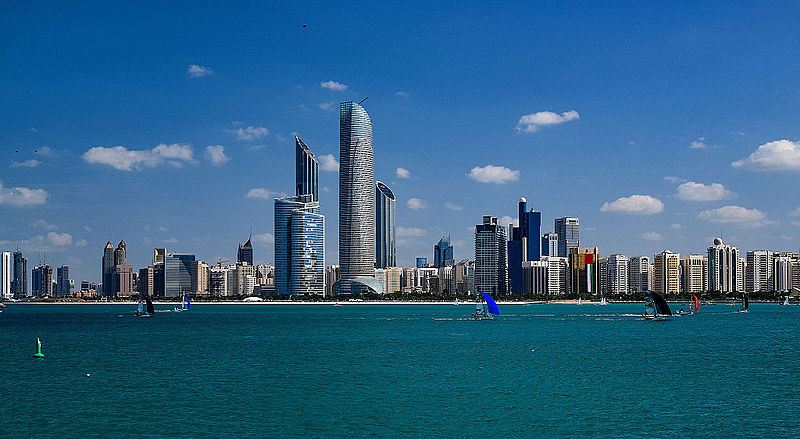
Abu Dhabi’s tourism industry is experiencing significant growth, marked by a substantial increase in visitor numbers and a corresponding expansion of its workforce. From January to October 2024, the emirate welcomed 4.8 million hotel guests, surpassing pre-pandemic figures and achieving a 26 percent increase in international arrivals compared to 2023.

This surge in tourism has been accompanied by a notable rise in employment within the sector. The World Travel & Tourism Council (WTTC) forecasts that by the end of 2024, the UAE’s travel and tourism sector will employ nearly 833,000 individuals, reflecting an increase of more than 23,500 jobs from the previous year.

Abu Dhabi’s ambitious Tourism Strategy 2030 aims to further elevate the sector’s contribution to the economy. The strategy sets a target of attracting 40 million visitors and generating 178,000 new jobs by 2030, which would bring the total employment in the tourism sector to approximately 366,000.

The emirate’s hotel industry has mirrored this upward trend. In the first five months of 2024, Abu Dhabi hotels received over 2.4 million guests, generating revenues totaling AED 3.18 billion. The distribution of hotel guests during this period was as follows: 498,700 in January, 507,400 in February, 433,700 in March, 500,080 in April, and 471,800 in May.

The UAE’s broader tourism sector has also demonstrated robust performance. In the first half of 2024, hotel establishment revenues across the seven emirates increased by 7 percent to reach AED 24.6 billion. The number of hotel guests during this period reached approximately 15.3 million, reflecting a 13 percent growth compared to the same period in 2023.

Abu Dhabi’s commitment to enhancing its tourism offerings is evident in its strategic initiatives and investments. The Department of Culture and Tourism – Abu Dhabi (DCT Abu Dhabi) has been instrumental in promoting the emirate as a premier global destination, focusing on cultural tourism, heritage preservation, and the development of world-class attractions. Notably, more than 3.9 million visitors have engaged with Abu Dhabi’s cultural sites, museums, and landmarks, underscoring the increasing importance of cultural tourism as part of the city’s diverse offerings.

The private sector has also played a pivotal role in this growth trajectory. Etihad Airways, the state-owned Abu Dhabi carrier, reported a 66 percent increase in net profit for the first nine months of 2024, earning AED 1.4 billion compared to AED 814 million in the same period the previous year. This financial upturn is attributed to a 35 percent increase in passenger traffic, with the airline transporting 13.6 million passengers over the year.

The expansion of the tourism sector has had a positive ripple effect on employment. The WTTC forecasts that by 2034, the sector will contribute more than AED 275 billion to the UAE economy, accounting for almost 11 percent of the GDP, and is projected to employ over 928,000 people across the country, with one in nine residents working in the sector.

Abu Dhabi’s strategic vision for tourism is not only focused on increasing visitor numbers but also on enhancing the quality of experiences offered. The emirate is investing in infrastructure development, regulatory improvements, and the advancement of digital transformation in civil aviation to support the ongoing travel recovery and ensure seamless and secure cross-border mobility.

Abu Dhabi’s Mubadala Investment Company has acquired an 80% stake in both Global Medical Supply Chain (GMSC) and Al Ittihad Drug Store (IDS) from GlobalOne Healthcare Holding (GHH), which retains a 20% share. This strategic move enhances Mubadala’s presence in healthcare logistics and pharmaceutical distribution, aligning with the UAE’s vision to establish a robust life sciences infrastructure.

Established in 2015, GMSC offers comprehensive supply chain services for medical products, including demand planning, procurement, logistics, inventory management, warehousing, and maintenance. Serving over 200 medical facilities across the UAE, GMSC sources a wide range of products from nearly 400 suppliers, ensuring a reliable supply chain for medical needs.

Founded in 1987, IDS is a leading distributor of pharmaceutical and consumer healthcare products in the UAE. With a portfolio exceeding 1,000 products from over 40 suppliers, IDS services hospitals, pharmacies, and supermarkets nationwide, covering therapeutic categories such as anti-infectives, asthma, diabetes, and oncology.

Ismail Ali Abdulla, Executive Director of UAE Clusters at Mubadala’s UAE Investments Platform, stated that the expanding pharmaceutical market drives an increasing demand for specialized and efficient drug logistics solutions. By integrating GMSC and IDS into their portfolio, Mubadala aims to create a vertically integrated life sciences sector in the UAE, encompassing the entire value chain from logistics and distribution to specialized manufacturing.

This acquisition follows Mubadala’s recent strategic growth in the healthcare sector. Its specialty pharmaceutical business, KELIX bio, acquired a 100% stake in four pharma assets from GHH, including Bioventure, Bioventure Healthcare, Gulf Inject, and Wellpharma. These efforts underscore Mubadala’s commitment to strengthening the UAE’s healthcare and pharmaceutical sectors as part of broader national ambitions for drug security and economic diversification.

CAIRO, EGYPT – Media OutReach Newswire – 23 December 2024 – Eand, Novo Nordisk, BSH, Schneider Electric, Viatris, Pickalbatros Hotels & Resorts, Sinai White Cement, Magrabi, AstraZeneca, and Vodafone have been named among Egypt’s top workplaces for 2024. In the Best Places to Work ranking, Eand, a global technology group, secured the top position for its unwavering commitment to innovation, collaboration, and employee empowerment. Coming in second […]

HO CHI MINH CITY, VIETNAM – Media OutReach Newswire – 24 December 2024 – JustMarkets concludes 2024 with notable achievements that highlight their ongoing focus on reliable and smart solutions for the worldwide trading community. The outgoing year marked the company’s 12th anniversary, a milestone underscoring JustMarkets‘ long-standing presence in the financial sector. Over these years, the broker achieved numerous victories, earned 50+ awards, and welcomed more […]

KUALA LUMPUR, MALAYSIA – Media OutReach Newswire – 24 December 2024 – For Octa, a global broker with more than 13 years of experience, 2024 was a year focused on researching clients’ needs and using the results to incrementally improve their trading platform, OctaTrader. According to the broker’s statement, OctaTrader showed a fivefold increase in the number of open orders year-on-year, proving its growing popularity among traders. […]

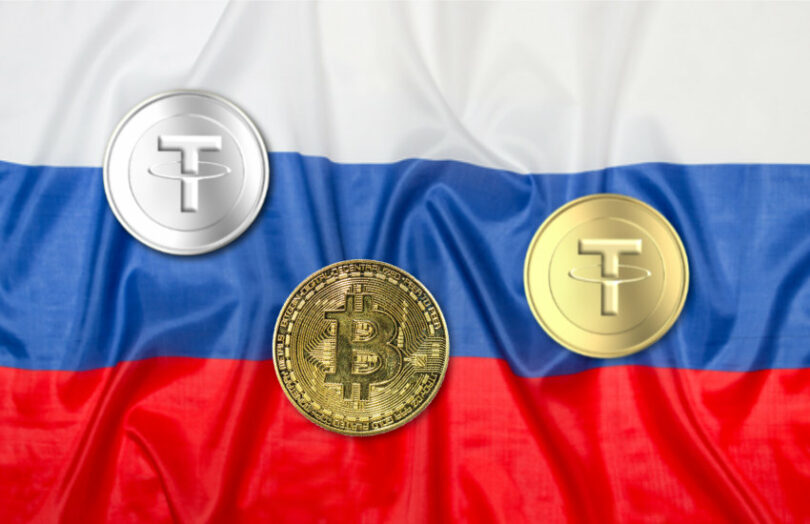
Russia has decided to suspend cryptocurrency mining operations in 10 regions, including Dagestan, Chechnya, and the Kherson regions, starting January 1, 2025. This ban will remain in effect until 2031. The move is part of the government’s broader strategy to address energy consumption issues across the country, particularly during peak usage times. Furthermore, new restrictions on mining will also be imposed in areas like Irkutsk, Buryatia, and the Trans-Baikal Territory during high energy demand periods.

This decision comes as part of a concerted effort by the Russian authorities to reduce energy consumption and manage national power grids more effectively. The increase in energy use from mining activities has been a concern for years, with crypto mining operations consuming significant amounts of electricity in some regions. By imposing the ban, the government aims to ensure that the national grid can accommodate the growing demand for energy, especially during the winter months when heating needs are at their peak.

In some areas, the restrictions will specifically target high-demand periods, such as evenings or cold spells, when power consumption spikes. The Irkutsk region, Buryatia, and Trans-Baikal Territory, which have historically been major hubs for cryptocurrency mining due to their relatively low electricity prices, will see these localized restrictions as part of an ongoing effort to stabilize the energy supply.

The ban also underscores the growing tension between the Russian government and the cryptocurrency industry. While Russia has been one of the world’s largest markets for crypto mining, it has also faced increasing criticism from environmental groups due to the high energy consumption required for mining operations. This new measure is likely to spark further debates about the environmental impact of cryptocurrencies, particularly Bitcoin, which is notorious for its energy-intensive mining process.

The Russian government has made no secret of its desire to regulate the cryptocurrency sector more strictly. A range of legislative actions, including stricter anti-money laundering measures and limitations on the use of crypto for payments, have been introduced in the past few years. By implementing these mining restrictions, the government is taking another step toward curbing the influence of the industry while reinforcing its control over the economy.

The decision to impose the mining ban for such an extended period is a significant development. It is expected to have a lasting impact on the mining sector in the country, especially in areas where cryptocurrency operations have become a substantial part of the local economy. Dagestan and Chechnya, for example, have seen a rise in mining activities due to the availability of cheap electricity. The halt in these regions could lead to significant economic disruptions for miners who rely on these locations for their operations.

Local authorities in the affected regions have expressed mixed reactions to the government’s plan. Some local leaders have welcomed the move, citing concerns about energy shortages and environmental degradation. Others, particularly those with financial interests in the mining industry, have voiced their opposition, arguing that the ban could result in job losses and economic hardship for those dependent on mining operations.

The Russian authorities have yet to provide specific details about enforcement mechanisms or the penalties for violating the ban. However, it is clear that the government intends to take a firm stance on this issue. Given the scale of the crypto mining operations in Russia, the impact of these restrictions is expected to be far-reaching, affecting thousands of miners and businesses involved in the industry.

The Russian crypto mining landscape has been shifting in recent years. As global regulatory pressures on cryptocurrencies have increased, many miners have moved operations to more crypto-friendly jurisdictions. In response, Russian authorities have taken steps to discourage mining activities within the country, seeking to ensure that the nation does not become a haven for unregulated crypto operations. The latest move to ban mining in key regions is part of a broader strategy to curb the growth of the industry, align with international regulatory trends, and preserve national energy resources.

While the ban will significantly impact mining operations in the affected regions, it is unclear whether it will lead to a broader shift in Russia’s stance on cryptocurrency regulation. Crypto miners are likely to explore alternative locations within Russia or abroad, where regulations may be less restrictive. This could result in a shift in global mining patterns, with other countries becoming more attractive destinations for mining operations.

At the same time, the Russian government’s actions could accelerate the development of other sectors related to blockchain and cryptocurrency technologies. These include blockchain-based financial services, which the government has shown an interest in fostering. However, the suspension of mining activities in key regions could undermine the overall growth of the industry within Russia.

MOSCOW, RUSSIA – Media OutReach Newswire – 24 December 2024 – Wildberries, a leading e-commerce platform in Eurasia, will increase its warehouse capacity by more than twofold in 2025 to support its dynamic growth. The Company is currently finalizing the construction of warehouse complexes with a total area of more than 2.3 million square meters (equivalent to over 320 football fields) in its regions of operation. Most […]

BANGKOK, THAILAND – Media OutReach Newswire – 24 December 2024 – The Asia Corporate Excellence and Sustainability (ACES) Awards 2024 spotlighted Thailand’s corporate champions, underscoring the country’s ascent as a force for sustainable innovation and community empowerment. With 118 nominations out of 682 entries from 17 countries and a strong showing among the 250 finalists, Thailand’s business leaders are reshaping expectations for growth, environmental responsibility, and social […]

HA NOI, VIETNAM – Media OutReach Newswire – 17 December 2024 – Vietnamese eel exporters have focused on enhancing quality standards to meet the stringent demands of international markets. Mud-free eel farming model using composite tanks This commitment ensures the competitiveness of Vietnamese eels in high-value markets, paving the way for further expansion and solidifying Vietnam’s position as a global player in the eel export industry. Leveraging […]

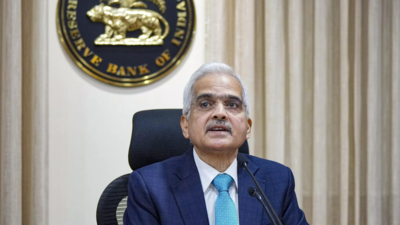
By Nantoo Banerjee It will be unfair to expect much from the new Reserve Bank governor, Sanjay Malhotra, a career bureaucrat and former revenue secretary, in terms of delivery of key functions of a central bank chief such as controlling inflation, stabilizing domestic currency, foreign exchange control and lifting economic growth. If three of his […]
VISHNU RAJA
RYO YAMADA
HITORI GOTOH
IKUYO KITA