Just in:
Wired earphones regain buyers as 2016 nostalgia spreads // Use Of Nuclear Weapons Against Iran Could Trigger A Global Chain Reaction // Apollo broadens Abu Dhabi partnership through Mubadala Capital stake // Bank99 launches business accounts through Austrian postal network // mamun raises US$3 million to finance cross-border trade between the Gulf and Asia // Assembly ruckus trial begins after 11 years // Arrow Electronics showcases technologies advancing intelligent robotics, mobility and digital infrastructure // Binance SAFU bitcoin holdings halve after security breach // Probe ordered into new bar licences // Bridge Data Centres Appoints New Co-Chief Executive Officer // ONYX Hospitality Group Expands Strategic Partnerships through ONYX Rewards // UAE outlines Dh200 billion energy investment at ADIPEC // Can Bernie Sanders Ensure Enough Left Representation In New Congress? // ADNOC authorises Ruwais Diyab gas development for 2029 // AI trust gap reveals distinct retail priorities: Divergent paths to consumer growth in Hong Kong and the GBA // Arrow Electronics showcases technologies advancing intelligent robotics, mobility and digital infrastructure // Ondine Capital Announces First Close of Fund III to Drive AI and Semiconductor Innovation // Arrow Electronics showcases technologies advancing intelligent robotics, mobility and digital infrastructure // ChatGPT billing fraud deploys rotating sites for card theft // DIP Holding targets Dh1.12 IPO price and $529m proceeds //

News related to
growth

The artificial intelligence sector is currently navigating a period of volatility, with stock performances reflecting a mix of investor optimism and emerging challenges. Major tech companies, including Microsoft, Alphabet, and Nvidia, have seen fluctuations in their stock prices, influenced by both advancements in AI technology and competitive pressures from global players.

Microsoft Corporation’s stock is trading at $408.43, experiencing a slight decrease of 0.53% from the previous close. Alphabet Inc. stands at $185.23, down by 0.52%, while Nvidia Corporation has seen a modest increase of 2.59%, bringing its share price to $138.85. These movements come in the wake of significant developments in the AI landscape, notably the emergence of China’s DeepSeek-R1, which has introduced new dynamics into the market.

DeepSeek-R1’s introduction has prompted a reevaluation among investors, leading to a selloff in certain AI stocks. Nvidia, for instance, experienced a notable decline, with shares dropping $24.20 to $118.42, marking an 11.8% decrease for the year to date. This downturn is attributed to concerns over DeepSeek-R1’s potential to disrupt established AI market leaders.

Despite these challenges, the AI sector’s growth trajectory remains robust. The global AI market is projected to expand from $214.6 billion in 2024 to $1.34 trillion by 2030, reflecting a compound annual growth rate of 35.7%. This surge is driven by continuous advancements in AI technologies and their increasing integration across various industries.

In the software domain, companies are capitalizing on AI’s momentum. The iShares Expanded Tech-Software Sector ETF has risen by 27% over the past six months, outpacing the iShares Semiconductor ETF, which saw less than a 1% increase in the same period. This trend indicates a growing investor preference for software firms that offer stable growth and are less susceptible to manufacturing disruptions.

Companies like Monday.com and Confluent have reported significant revenue growth, with their stock prices reflecting this positive trajectory. The adoption of AI technologies has bolstered demand for software solutions, leading to more lucrative consumption-based pricing models and attracting institutional investors seeking consistent returns.

However, the AI sector is not without its debates. A discernible divide is emerging between two schools of thought: the ‘AI Cavaliers,’ who are pursuing the ambitious goal of achieving artificial general intelligence , and the ‘AI Roundheads,’ who advocate for a more targeted approach, focusing on solving specific problems efficiently. This discourse is shaping investment strategies and influencing the direction of AI research and development.

The competitive landscape is further intensified by substantial investments from tech giants. Companies such as Microsoft, Alphabet, Amazon, and Meta are allocating extensive resources toward AI advancements, driven by both the fear of missing out and the potential advantages of pioneering AGI. This aggressive investment strategy underscores the high stakes involved in AI development and the race for market dominance.

In the medical imaging sector, AI’s impact is becoming increasingly pronounced. The global AI in medical imaging market was valued at $1.28 billion in 2024 and is projected to reach approximately $14.46 billion by 2034, growing at a CAGR of 27.10%. This growth is attributed to AI’s ability to enhance diagnostic accuracy and efficiency, leading to improved patient outcomes and streamlined healthcare processes.


South Korea’s manufacturing sector has witnessed a significant decline in employment, reaching its lowest point in over a decade. Data from Statistics Korea indicates that as of January, the number of individuals employed in manufacturing stood at approximately 4.39 million, a reduction of 56,000 compared to the same period last year. This figure represents the most substantial drop since January 2013, when employment in the sector was […]

As 2025 unfolds, entrepreneurs are strategically positioning themselves to harness emerging trends across various sectors. Key areas such as artificial intelligence , sustainability, and remote work are at the forefront, offering a plethora of innovative business opportunities. The AI industry is witnessing significant advancements, with startups like Figure AI leading the charge. The company is reportedly in discussions to secure $1.5 billion in new funding, potentially elevating […]

Sony Group Corporation has reported a significant surge in PlayStation 5 sales during the holiday quarter, contributing to a notable increase in the company’s overall financial performance. Between October and December 2024, Sony shipped 9.5 million PS5 units, surpassing the 8.2 million units sold in the same period the previous year. This achievement brings the total PS5 shipments to over 75 million units since its launch.

The gaming division’s success has been a pivotal factor in Sony’s financial growth. For the nine months ending December 31, 2024, the company reported an 8.2% year-on-year increase in sales, amounting to ¥10.33 trillion. Operating income during this period rose by 22.9%, reaching ¥1.2 trillion. The third quarter alone saw a 3% increase in quarterly profit, totaling ¥373.7 billion, with sales climbing 18% to ¥4.4 trillion.

In response to these robust figures, Sony has revised its annual profit forecast upward to ¥1.08 trillion, citing favorable currency exchange rates and increased sales in network services as contributing factors. The company’s gaming unit experienced a 37% rise in quarterly profit, driven by strong PS5 sales and higher revenue from network services. Additionally, the music segment reported a 28% increase in operating profit, largely due to streaming services.

The impressive performance of the PS5, now in its fifth year, has solidified Sony’s dominant position in the console gaming market. Analysts have noted the potential for higher game margins and anticipate continued growth with upcoming game releases. The introduction of the PlayStation Pro in November 2024 has also contributed to the surge in console sales.

Sony’s strategic acquisitions, including Bungie and Crunchyroll, along with an increased stake in Kadokawa, have expanded its content library and market presence. These moves align with the company’s focus on enhancing its entertainment sectors under the leadership of President Hiroki Totoki, who is set to assume the role of CEO in April. Totoki has emphasized the need for Sony to bolster its global competitiveness, particularly in its entertainment divisions.

The United Arab Emirates has initiated a groundbreaking project to map air corridors and establish regulatory frameworks for piloted and autonomous air taxis and cargo drones. This ambitious endeavour aims to integrate advanced air mobility solutions into the nation’s urban infrastructure, enhancing transportation efficiency and connectivity.

The General Civil Aviation Authority , in collaboration with the Advanced Technology Research Council’s entities—Technology Innovation Institute and ASPIRE—announced the initiative during the World Government Summit 2025. The project is slated for completion within the next 20 months, during which aerial corridors and comprehensive regulations will be defined.

These designated routes are planned to link major international airports with prominent urban landmarks, facilitating the seamless operation of air taxis and cargo drones across the UAE’s cities. This development is poised to alleviate traffic congestion, promote sustainable urban growth, and position the UAE as a leader in advanced air mobility.

Saif Mohammed Al Suwaidi, Director General of the GCAA, highlighted the significance of this milestone: “Air corridor mapping for piloted and autonomous air taxis and drones is a crucial milestone that will enable the seamless implementation of advanced air mobility into the UAE’s infrastructure.” He emphasized that this initiative ensures the safe and efficient adoption of air mobility, paving the way for a smarter, more connected future.

The UAE’s commitment to innovative transportation solutions is further exemplified by its history of embracing cutting-edge technologies. In 2017, Dubai commenced testing two-seater, propeller-driven flying taxis developed by Germany’s Volocopter, marking an early foray into autonomous aerial transport. Building on this foundation, the current project seeks to operationalize such technologies on a broader scale.

In September 2024, U.S.-based air-taxi manufacturer Joby Aviation applied for certification to operate commercial air transport services in the UAE. This move signifies growing international interest in the UAE’s burgeoning advanced air mobility sector. The certification process involves developing operational manuals, facility inspections, and comprehensive training programs for pilots and maintenance personnel, underscoring the rigorous standards set by the GCAA.

Dr. Najwa Aaraj, CEO of TII, underscored the transformative potential of this collaboration: “By advancing airspace management and integrating piloted and autonomous air taxis and cargo drones, we are not only enhancing urban connectivity but also driving sustainable and accessible mobility solutions that will benefit future generations.” TII’s role focuses on developing advanced airspace management systems to ensure the safe integration of these new aerial vehicles into existing urban environments.

ASPIRE, tasked with coordinating among regulators, industry stakeholders, and researchers, aims to create a flexible and diverse transportation system. Stephane Timpano from ASPIRE noted: “Addressing real-time urban mobility challenges through innovative solutions like air taxis and drones is a major step forward.” This initiative is expected to ease pressure on traditional road networks and foster the development of smarter, more resilient cities.

The UAE’s strategic vision encompasses the integration of artificial intelligence and smart automation to manage and optimize these air corridors. This approach ensures predictive maintenance, efficient traffic management, and robust safety protocols, aligning with global trends in smart city development.

The cryptocurrency market has witnessed a remarkable development with DOGEN, a meme-inspired token on the Solana blockchain, experiencing an unprecedented 500% surge in value. This rapid ascent has positioned DOGEN as a formidable contender among meme coins, drawing significant attention from investors and enthusiasts alike.

Initially launched at a modest price of $0.0003 during its presale phase, DOGEN’s value has escalated to $0.0019 by the conclusion of its 13-stage presale. This trajectory not only signifies a 500% increase but also underscores the growing investor confidence in the token’s potential. Analysts have noted that such a meteoric rise is indicative of strong market momentum and a robust community backing.

The success of DOGEN can be attributed to its strategic positioning within the Solana ecosystem. Solana’s blockchain offers high transaction speeds and low fees, creating an ideal environment for meme coins to thrive. The network’s scalability has attracted a plethora of meme-inspired tokens, with DOGEN emerging as a standout due to its impressive growth metrics.

Market data reveals that the Solana meme coin sector boasts a market capitalization of approximately $17.8 billion, with a 24-hour trading volume reaching $8.14 billion. Within this vibrant ecosystem, DOGEN has distinguished itself, not only through its price appreciation but also by fostering a community-centric approach. The token’s official channels report a burgeoning community of over 30,000 followers on platforms like X , reflecting a strong and engaged user base.

The broader cryptocurrency landscape has also been influenced by recent political developments. The inauguration of President Donald Trump has led to a surge in interest for meme coins, particularly those associated with his brand. Tokens such as $TRUMP and $MELANIA experienced rapid value increases, with $TRUMP’s market capitalization peaking at $15 billion before stabilizing around $7 billion. This phenomenon has contributed to heightened activity on platforms like the Solana network, which had previously faced challenges related to low user engagement.

Cullman High School seniors Nora Sheffield and Elianna Hollis have been distinguished as National Merit Finalists, a prestigious recognition awarded to high-achieving students across the United States. This accolade underscores their exceptional academic performance and dedication.

The National Merit Scholarship Program annually identifies and honors students who demonstrate outstanding academic abilities. Out of approximately 1.3 million entrants, only about 15,000 advance to the Finalist stage, representing less than 1% of U.S. high school seniors. These students are now eligible for various National Merit Scholarships, which will be awarded based on their abilities, skills, and accomplishments.

Principal Allison Tuggle of Cullman High School expressed immense pride in Sheffield and Hollis’s achievements. “This incredible achievement is a testament to their hard work, dedication, and academic excellence,” Tuggle stated. “Reaching this level of distinction is no small feat, and it reflects not only their academic prowess but also their commitment to personal growth and excellence.”

The journey to becoming a National Merit Finalist begins with the Preliminary SAT/National Merit Scholarship Qualifying Test , which serves as an initial screening for program entrants. Students who score in the top percentile are designated as Semifinalists and must then fulfill several requirements to advance to the Finalist stage. These include maintaining an outstanding academic record, securing a recommendation from a school official, writing a personal essay, and achieving SAT or ACT scores that confirm their earlier performance.

In addition to Sheffield and Hollis, St. Bernard Preparatory School’s senior Willa Smith has also been named a National Merit Finalist. Headmaster Phuong Nguyen announced Smith’s accomplishment during a gathering in the school’s dining hall, highlighting the significance of her achievement. “Out of 3.6 million students who took the PSAT/NMSQT, Willa is among the 15,000 students nationwide who have advanced to Finalist standing,” Nguyen remarked. “This distinction not only recognizes her exceptional academic ability but also qualifies her for National Merit Scholarship opportunities.”

Smith’s peers, faculty, and family celebrated her success with a congratulatory event, acknowledging her hard work and dedication. She plans to attend the University of Alabama in Tuscaloosa, aiming to further her education and pursue her academic interests.

The National Merit Scholarship Corporation is a not-for-profit organization established in 1955 to conduct the National Merit Scholarship Program. Its mission is to recognize and honor academically talented students and to encourage the pursuit of academic excellence at all levels of education. Each year, the NMSC awards approximately 7,500 National Merit Scholarships, worth more than $30 million, to deserving students.

The recognition of Sheffield, Hollis, and Smith as National Merit Finalists brings pride not only to their respective schools but also to the broader Cullman community. Their achievements serve as an inspiration to fellow students, exemplifying the rewards of dedication, hard work, and a commitment to academic excellence.

As these students advance in the National Merit Scholarship competition, they embody the values of perseverance and intellectual curiosity. Their successes reflect the supportive educational environments fostered by Cullman High School and St. Bernard Preparatory School, institutions committed to nurturing the potential of their students.

The National Merit Scholarship winners are slated to be announced between April and July 2025. These scholarships are awarded based on a comprehensive evaluation of the Finalists’ academic records, the rigor of the courses taken, leadership roles, contributions to school and community activities, and other significant accomplishments.

Advertisements

Brazil is set to host the BRICS leaders’ summit in Rio de Janeiro on 6th and 7th July 2025, as announced by Foreign Minister Mauro Vieira. This gathering will bring together heads of state from Brazil, Russia, India, China, South Africa, and other partner nations, marking a significant event in international diplomacy. Assuming the rotating presidency of BRICS on 1st January 2025, Brazil has been actively preparing […]

Vertiv, a global provider of critical digital infrastructure solutions, has announced the worldwide launch of its Liquid Cooling Services portfolio. This initiative aims to support data center operators in enhancing system reliability and efficiency, particularly for artificial intelligence and high-density computing applications. The newly introduced services encompass a range of solutions designed to manage the complexities of advanced liquid cooling systems. Vertiv’s certified technicians and field engineers […]

Blockchain.com, a prominent digital asset exchange, has appointed Justin Evans as Chief Financial Officer and Mike Wilcox as Chief Operating Officer as it advances towards a potential initial public offering . Evans, formerly the head of crypto investment banking at Goldman Sachs Group Inc., brings extensive experience in financial strategy and capital markets. Wilcox, who previously served as Chief Financial Officer at Velocity Global and was an investment manager at Point72 Asset Management, adds significant operational expertise to the team.

These strategic hires align with Blockchain.com’s objective to position itself for a public listing, capitalizing on the growing institutional adoption of cryptocurrencies and a more favorable regulatory environment. The company joins a cohort of cryptocurrency firms aiming to enter public markets, reflecting a broader trend within the industry.

In parallel, other major cryptocurrency firms are also exploring public listings. BitGo, a cryptocurrency custodian services provider, is reportedly considering an IPO as soon as the second half of this year. The firm is in discussions with potential advisers, although no final decision has been made. BitGo, founded in 2013, serves over 1,500 institutional clients across 50 countries and processes approximately 8% of global Bitcoin transactions by value. In 2023, the company raised $100 million, achieving a valuation of $1.75 billion.

Similarly, Gemini, the cryptocurrency firm backed by the Winklevoss twins, is considering an IPO as early as this year. This move underscores the increasing trend of cryptocurrency companies seeking public listings to access broader capital markets and enhance transparency.

The momentum for crypto-related IPOs is further evidenced by Circle Internet Financial’s plans. The company, known for issuing the stablecoin USDC, announced its intention to relocate its headquarters from Boston to New York City’s One World Trade Center in early 2025, ahead of its planned IPO. This relocation signifies the cryptocurrency industry’s deeper integration with traditional financial hubs.

The surge in IPO considerations among cryptocurrency firms is influenced by several factors, including increased institutional adoption of digital assets and evolving regulatory landscapes. The U.S. IPO market experienced significant growth in 2024, with companies raising over $41 billion, marking the most successful year since 2021. This resurgence is anticipated to continue into 2025, driven by favorable economic conditions and a more supportive regulatory environment.

However, not all major players are rushing to go public. Companies like SpaceX and OpenAI, despite substantial investor interest, are expected to delay their public offerings due to strong private funding. This trend indicates that while the IPO market is becoming more attractive, some firms prefer to remain private, leveraging ample private capital to fuel their growth.

In the retail trading sector, eToro has submitted confidential filings to the U.S. Securities and Exchange Commission for an IPO in New York, potentially valuing the company at over $5 billion. This move follows eToro’s previous attempt to go public in 2022 via a $10.4 billion deal with a blank-check company, which was halted due to unfavorable market conditions.

The increasing number of cryptocurrency and fintech firms pursuing public listings reflects a strategic shift towards greater transparency, regulatory compliance, and access to capital. As the industry matures, these public offerings are poised to reshape the financial landscape, bridging the gap between traditional finance and the burgeoning digital asset economy.

Dubai’s Roads and Transport Authority has completed a significant upgrade to Kite Beach Street in Jumeirah, effectively doubling its capacity and reducing travel time from 15 minutes to just 5 minutes. The project expanded the road from a single lane in each direction to two lanes in the same direction, addressing congestion issues caused by parking and pedestrian pathways.

The RTA announced the completion of this project on February 13, 2025, as part of its ongoing efforts to enhance traffic flow across the emirate. The authority stated that the modifications are in line with continuous efforts towards smoother traffic movement in various areas of Dubai, particularly to manage the high traffic volumes on Kite Beach Road.

In addition to lane expansion, the RTA has introduced extra parking spaces to accommodate the increasing number of visitors to Kite Beach, one of Dubai’s most popular leisure destinations. These enhancements aim to alleviate traffic congestion exacerbated by limited parking and pedestrian activity in the area.

Hussain Al Banna, CEO of the Traffic and Roads Agency at RTA, highlighted that these improvements have played a crucial role in optimizing vehicle movement on major roads while increasing the capacity of road networks as well as entry and exit points. He emphasized that the project aligns with the city’s urban expansion and the need to accommodate growing traffic volumes.

This initiative is part of a broader strategy by the RTA, which completed traffic enhancements at more than 50 locations across Dubai in 2024. These efforts have collectively improved the efficiency of the city’s roads, achieving a 60% reduction in travel time and increasing road capacity by up to 20% in various areas.

The comprehensive plan includes the Dh16 billion Main Roads Development Plan for 2024-2027, unveiled by Sheikh Hamdan bin Mohammed bin Rashid Al Maktoum, Crown Prince of Dubai and Chairman of the Dubai Executive Council. This plan encompasses 22 strategic projects aimed at bolstering the city’s infrastructure to support Dubai’s expanding population, benefiting over six million residents and enhancing connectivity across the emirate.

Key projects under this development plan include the Latifa bint Hamdan Street and Meydan Road developments, which are expected to boost road capacity and significantly reduce travel times in critical areas. These projects are designed to address the increasing demand on Dubai’s road networks and to facilitate smoother traffic flow throughout the city.

In line with Dubai’s commitment to incorporating technology-driven solutions in public transit, the RTA has integrated AI-powered traffic management systems and autonomous transport initiatives. These advancements are part of the city’s Smart Self-Driving Transport Strategy, aiming to transform 25% of total mobility journeys in Dubai into driverless journeys by 2030.

The city’s road network has seen substantial growth, expanding from 8,715 lane-kilometers in 2006 to 18,990 lane-kilometers, now facilitating 2.2 million daily public transport riders. This expansion reflects Dubai’s rapid urban development and the RTA’s proactive approach to infrastructure planning and traffic management.

The RTA’s continuous efforts to enhance road infrastructure and traffic flow are pivotal in accommodating the city’s growth and ensuring a high quality of life for residents and visitors alike. The successful upgrade of Kite Beach Street serves as a testament to Dubai’s commitment to developing efficient and sustainable urban mobility solutions.

As Dubai continues to evolve, the RTA remains dedicated to implementing strategic projects that address current challenges and anticipate future needs. The integration of advanced technologies and comprehensive planning underscores the city’s vision of becoming a global leader in smart and sustainable transportation.

The recent enhancements to Kite Beach Street not only improve the daily commute for motorists but also contribute to the overall safety and accessibility of the area. By providing additional parking and expanding road capacity, the RTA ensures that both residents and tourists can enjoy one of Dubai’s most cherished beachfronts with greater ease and convenience.

Dubai has rapidly emerged as a global hub for cryptocurrency and blockchain technology, attracting investors, entrepreneurs, and innovators worldwide. This ascent is largely attributed to the emirate’s progressive regulatory framework, which aims to foster innovation while ensuring compliance with international standards. However, this balancing act presents a complex challenge: how can Dubai promote the growth of the crypto industry while adhering to the stringent guidelines set by global watchdogs like the Financial Action Task Force ?

In recent years, Dubai has implemented a series of initiatives to position itself at the forefront of the digital asset revolution. The establishment of the Virtual Assets Regulatory Authority exemplifies this commitment. VARA is tasked with overseeing the regulation, licensing, and governance of virtual assets within the emirate, ensuring that all crypto-related activities align with both local and international laws. This proactive approach has been pivotal in attracting major players in the crypto space to set up operations in Dubai.

A significant aspect of Dubai’s strategy is its favorable tax environment. The city imposes zero percent personal income tax and capital gains tax, extending this benefit to gains from cryptocurrency activities such as disposals, staking, and mining for individuals. This tax incentive has made Dubai an appealing destination for crypto investors and businesses seeking a conducive environment for growth.

Dubai has embraced blockchain technology across various sectors. The Dubai Land Department, for instance, has integrated blockchain into its operations, enhancing transparency and efficiency in real estate transactions. Such initiatives underscore the emirate’s dedication to leveraging technology to improve public services and drive economic growth.

However, with innovation comes the responsibility of ensuring that these new technologies are not misused. The FATF, an international body that sets standards for combating money laundering and terrorist financing, has been closely monitoring developments in the virtual asset space. It has issued binding standards to prevent the misuse of virtual assets, emphasizing the need for robust regulatory frameworks.

One of the key FATF recommendations is the “Travel Rule,” which mandates that Virtual Asset Service Providers obtain and share identifying information about the originator and beneficiary of virtual asset transfers exceeding a certain threshold. This measure aims to enhance transparency and deter illicit activities within the crypto ecosystem.

Dubai, through VARA, has taken steps to align with these international standards. Effective from October 1, 2024, VARA introduced new marketing regulations for virtual assets, requiring businesses to comply with specific guidelines when promoting crypto-related activities. This move ensures that marketing practices are transparent and do not mislead consumers, thereby fostering a safer investment environment.

The UAE amended its Value Added Tax regulations in November 2024, exempting most transactions involving virtual assets from the standard 5% VAT. This exemption reflects the government’s intent to encourage the use of virtual assets in everyday transactions, integrating them more seamlessly into the economy.

Despite these advancements, challenges persist. The rapid evolution of the crypto industry often outpaces regulatory developments, necessitating continuous updates to existing laws and guidelines. Additionally, while Dubai’s regulatory environment is conducive to innovation, it must remain vigilant to prevent potential misuse of virtual assets for illicit purposes.

Silicon Valley-based AI chip manufacturer Groq has secured a $1.5 billion investment from Saudi Arabia to enhance its AI inference infrastructure within the Kingdom. This significant commitment, announced at the LEAP 2025 technology conference, underscores Saudi Arabia’s strategic push to position itself as a global leader in artificial intelligence. Groq, founded by former Alphabet engineer Jonathan Ross, specializes in AI inference chips designed to optimize the speed […]

Microsoft’s Azure cloud computing platform, once a beacon of rapid expansion, is encountering a deceleration in growth and internal challenges. In the second quarter of fiscal year 2025, Azure reported a 31% revenue increase, a decline from the previous quarter’s 34% growth and below analysts’ expectations. This slowdown has raised concerns about Azure’s ability to maintain its competitive edge in the cloud computing market. Despite the deceleration, […]

In 2021, Shiba Inu astonished the cryptocurrency world with an unprecedented surge, transforming from a meme-inspired token into a lucrative investment for early adopters. Now, analysts are turning their attention to FloppyPepe , a new meme coin that exhibits a pattern reminiscent of SHIB’s explosive growth. With its innovative AI-driven meme technology and a burgeoning community economy, FPPE is being hailed by crypto experts as the next significant contender in the market.

Shiba Inu’s ascent in 2021 was nothing short of remarkable. Launched as a playful homage to the Shiba Inu dog breed, the token experienced a meteoric rise, delivering substantial returns to those who invested early. This phenomenon underscored the potential for meme coins to generate significant financial gains, despite their whimsical origins.

FloppyPepe, inspired by the popular internet meme character Pepe the Frog, has recently captured the attention of the cryptocurrency community. Analysts have observed that FPPE’s growth trajectory mirrors the early stages of SHIB’s ascent, suggesting the potential for a similar surge. The coin’s unique selling proposition lies in its integration of artificial intelligence to generate memes, fostering increased user engagement and community participation.

The fusion of AI technology with meme culture distinguishes FPPE from its predecessors. By leveraging machine learning algorithms, the platform can create and disseminate memes rapidly, keeping the community engaged and attracting new users. This technological innovation not only enhances the user experience but also contributes to the token’s value proposition, as a vibrant and active community is often a key driver of a cryptocurrency’s success.

The community economy surrounding FPPE plays a crucial role in its potential for growth. A dedicated and expanding user base can lead to increased demand for the token, driving up its value. The developers have implemented mechanisms to reward active participants, incentivizing engagement and fostering a sense of ownership among users. This approach has been effective in building a loyal community, which is essential for the long-term sustainability of any cryptocurrency.

Crypto experts have noted that the combination of innovative technology and a strong community foundation positions FPPE as a promising candidate for substantial growth. While the cryptocurrency market is inherently volatile and unpredictable, the parallels between FPPE’s current trajectory and SHIB’s past performance have generated optimism among investors and analysts alike.

Etihad Salam Telecom Company has announced a strategic partnership with Genesys to revolutionise customer service across Saudi Arabia. This collaboration aims to integrate advanced technologies into Etihad Salam’s offerings, enhancing both customer interactions and operational efficiency.

The partnership focuses on implementing a comprehensive telecommunications solution that combines advanced Session Initiation Protocol trunk services with sophisticated call centre platforms. By leveraging artificial intelligence, automation, and cloud-based technologies, the initiative seeks to transform traditional customer service models, providing more personalised and efficient experiences.

Eng. Amjad Arab, Chief Wholesale and Partnerships Officer at Etihad Salam, highlighted the significance of this alliance: “Our mission is to provide robust, innovative solutions that support the rapid expansion of digital content and seamless technology experiences. Collaborating with Genesys allows us to offer enriched connectivity services and bring content closer to end-users, ultimately empowering businesses to thrive in an increasingly digital landscape.”

This development comes at a time when Saudi Arabia’s information and communication technology sector is experiencing substantial growth. Projections indicate that the sector will reach a valuation of USD 82.51 billion by 2030. The partnership between Etihad Salam and Genesys is poised to contribute significantly to this growth by introducing cutting-edge customer service solutions that align with the Kingdom’s digital transformation goals.

In addition to this collaboration, Etihad Salam has been actively engaging in other strategic partnerships to bolster the nation’s digital infrastructure. Recently, the company strengthened its alliance with center3, a subsidiary of the stc Group, to enhance network resilience and connectivity. This joint effort aims to deliver unparalleled digital infrastructure, benefiting businesses, cloud providers, and content creators alike.

Etihad Salam has partnered with ServiceNow to support the burgeoning small and medium-sized enterprise sector in Saudi Arabia. With the SME sector witnessing a 60% year-on-year growth and over 135,000 new registrations in the last quarter, this collaboration aims to provide tailored solutions that address the unique needs of these businesses. By combining Etihad Salam’s connectivity and managed services with ServiceNow’s expertise in automating administrative processes, the partnership seeks to facilitate agile business setups and operations.

Exotel, a prominent cloud-based customer engagement platform, has entered into a strategic partnership with Knowmax, an AI-driven knowledge management provider, aiming to revolutionize customer experience operations. This collaboration seeks to enhance query resolution efficiency and bolster agent productivity by integrating Exotel’s communication solutions with Knowmax’s intelligent knowledge management system. The alliance is poised to offer enterprises seamless access to actionable insights, thereby optimizing customer interactions across various […]

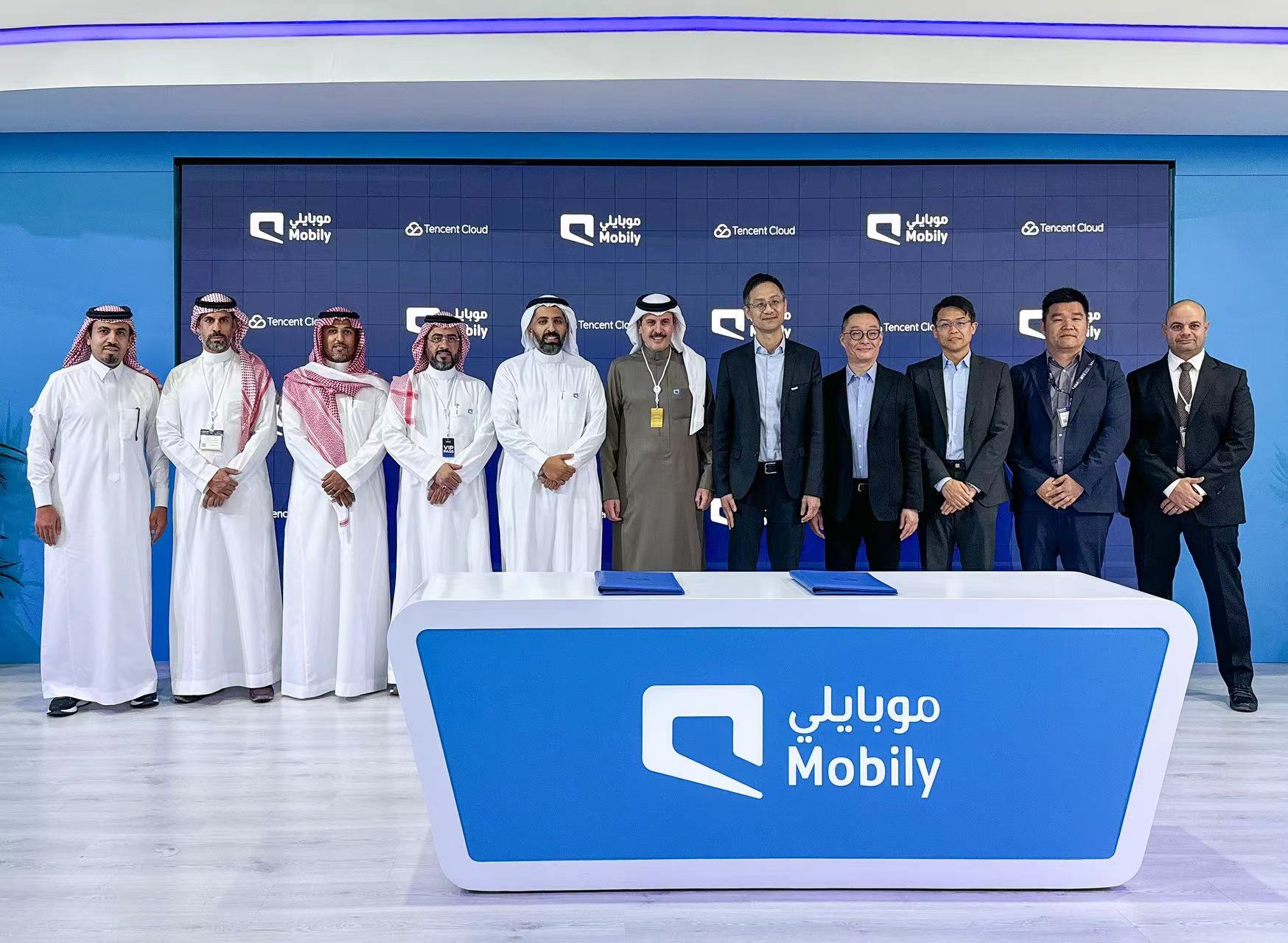
Tencent Cloud has unveiled plans to launch its inaugural Middle East Cloud Region in Saudi Arabia, marking a pivotal expansion in the company’s global infrastructure. Announced at the LEAP 2025 technology summit in Riyadh, the new cloud region will encompass two availability zones, each designed with full redundancy to ensure robust and reliable services. This development is slated to become operational by 2025, aligning with Saudi Arabia’s ambitious Vision 2030 objectives to foster digital transformation and economic diversification.

The strategic move includes an investment exceeding $150 million over the forthcoming years, underscoring Tencent Cloud’s commitment to bolstering the Kingdom’s burgeoning digital economy. Dan Hu, Vice President of Tencent Cloud International for the Middle East and North Africa, emphasized the significance of this initiative, stating, “We’re excited to have grown alongside the Kingdom of Saudi Arabia and look forward to ramping up cloud support for the Middle East. The new Cloud Region strengthens our ability to support the country’s digital transformation journey.”

This expansion will integrate Saudi Arabia into Tencent Cloud’s extensive global network, which currently comprises over 50 availability zones across 21 regions. The new infrastructure is poised to deliver a comprehensive suite of advanced cloud services, including artificial intelligence capabilities, data analytics, and digital media solutions. These offerings are tailored to meet the diverse needs of industries such as finance, gaming, media, and e-commerce within the region.

Saudi Arabia’s cloud computing market is experiencing rapid growth, driven by the government’s proactive digital initiatives and the private sector’s increasing adoption of cloud technologies. Projections indicate that annual spending on public cloud services in the Kingdom is expected to reach $2.5 billion by 2026, reflecting a compound annual growth rate of 25%. This surge is attributed to the nation’s focus on emerging technologies, including AI, cloud computing, and the Internet of Things , as integral components of its Vision 2030 plan.

The LEAP 2025 summit, where Tencent Cloud’s announcement was made, has emerged as a significant platform for technological collaboration and investment in Saudi Arabia. The event witnessed the Kingdom securing $14.9 billion in new investments aimed at advancing its digital infrastructure and AI capabilities. Notably, global cloud service providers are increasingly recognizing the potential of the Saudi market. For instance, Amazon Web Services has partnered with stc Group to accelerate cloud adoption and AI-driven innovation across various sectors, including healthcare, finance, and education.

Tencent Cloud’s entry into the Middle East market is anticipated to intensify competition among cloud service providers, offering businesses in the region a broader array of options to enhance their digital operations. The establishment of local data centers is particularly advantageous, as it addresses data residency requirements and reduces latency, thereby improving the performance of cloud-based applications and services.

In addition to infrastructure development, Tencent Cloud is expected to collaborate with local enterprises and governmental bodies to provide training and support, fostering a skilled workforce adept in cloud technologies. This initiative aligns with Saudi Arabia’s broader goals of nurturing innovation and entrepreneurship, ultimately contributing to a diversified and knowledge-based economy.

The Middle East’s strategic importance in the global technology landscape is increasingly evident, with countries like Saudi Arabia investing heavily in digital transformation. Tencent Cloud’s expansion into the region not only signifies confidence in the local market’s potential but also reinforces the Kingdom’s position as a burgeoning hub for technological advancement and innovation.

As the cloud computing landscape in Saudi Arabia continues to evolve, the presence of global players like Tencent Cloud is poised to accelerate the adoption of cutting-edge technologies. This development is expected to drive economic growth, enhance competitiveness, and pave the way for new business models and opportunities within the region.

Alibaba Cloud has inaugurated its second data center in Thailand, aiming to meet the growing demand for cloud computing services and support the country’s digital transformation initiatives. This development aligns with Thailand’s strategic efforts to enhance its digital economy and infrastructure.

The new facility is designed to provide advanced cloud services, including support for artificial intelligence applications, to businesses and government agencies across Thailand. By expanding its data center footprint, Alibaba Cloud seeks to offer more robust and reliable services, catering to the increasing needs of enterprises adopting digital technologies.

Thailand has been actively pursuing a comprehensive digital transformation strategy, encapsulated in policies like “Thailand 4.0” and the “National Digital Economy and Society Development Plan.” These initiatives focus on building high-capacity digital infrastructure, promoting e-government solutions, and fostering innovation and technology adoption across various sectors. The government’s commitment is further evidenced by the approval of the national AI strategy and action plan , which aims to drive AI development and integration throughout the country.

The establishment of Alibaba Cloud’s second data center is poised to bolster these governmental efforts by providing the necessary infrastructure to support AI and other emerging technologies. This move is expected to enhance the competitiveness of Thai businesses, particularly small and medium-sized enterprises , by offering scalable and secure cloud solutions that facilitate innovation and efficiency.

In addition to infrastructure development, Thailand is focusing on digital skills enhancement and inclusivity. The government has launched initiatives to train individuals through community digital centers, aiming to bridge the digital divide and ensure that the benefits of digital transformation are accessible to all segments of the population. These efforts are crucial in creating a digitally literate workforce capable of leveraging new technologies to drive economic growth.

The collaboration between global technology providers like Alibaba Cloud and the Thai government signifies a strategic partnership that leverages international expertise to accelerate national digital goals. Such alliances are instrumental in positioning Thailand as a regional digital hub, attracting further investments, and fostering a vibrant ecosystem of innovation and technological advancement.

As Thailand continues to implement its digital economy strategies, the expansion of cloud infrastructure by industry leaders like Alibaba Cloud will play a pivotal role in supporting the nation’s objectives. This development not only addresses the immediate needs for advanced computing resources but also lays the foundation for sustainable digital growth in the years to come.

The integration of enhanced cloud services is anticipated to have a transformative impact on various sectors, including finance, healthcare, education, and manufacturing. By providing scalable and efficient cloud solutions, businesses can innovate more rapidly, improve operational efficiencies, and deliver better services to their customers. Moreover, the availability of local data centers ensures compliance with data sovereignty requirements, which is a critical consideration for many organizations.

In the financial sector, for instance, banks and fintech companies can leverage cloud-based AI analytics to offer personalized services and detect fraudulent activities more effectively. The healthcare industry can utilize cloud platforms to manage patient data securely and deploy telemedicine solutions, expanding access to medical services, especially in remote areas. Educational institutions can adopt e-learning platforms hosted on the cloud, providing students with flexible and interactive learning experiences. Manufacturers can implement IoT solutions to monitor production lines in real-time, enhancing productivity and reducing downtime.

Etihad Salam Telecom Company has entered into a strategic partnership with Genesys, aiming to revolutionise customer experience across Saudi Arabia. This collaboration seeks to integrate advanced technologies into Etihad Salam’s service offerings, enhancing customer interactions and operational efficiency.

The partnership focuses on leveraging Genesys’s expertise in cloud and artificial intelligence solutions to transform Etihad Salam’s customer service platforms. By adopting these technologies, Etihad Salam aims to provide more personalised and efficient services, aligning with the Kingdom’s Vision 2030 objectives of digital transformation and improved quality of life.

Eng. Amjad Arab, Chief Wholesale and Partnerships Officer at Etihad Salam Telecom Company, emphasised the significance of this alliance: “Our mission is to provide robust, innovative solutions that support the rapid expansion of digital content and seamless technology experiences. We are excited to work together to offer enriched connectivity services and bring content closer to end-users, ultimately empowering businesses to thrive in an increasingly digital landscape.”

This partnership is part of a series of strategic initiatives by Etihad Salam to enhance its service offerings and infrastructure. In collaboration with center3, a subsidiary of stc Group, Etihad Salam is working to bolster Saudi Arabia’s digital infrastructure. This joint effort aims to improve network resilience, enhance connectivity, and provide scalable solutions, thereby enriching the digital ecosystem and supporting the nation’s burgeoning ICT sector, projected to reach USD 82.51 billion by 2030.

The Etihad Salam-center3 partnership focuses on three critical areas: expanding network reach and reliability through shared connectivity services; utilising center3’s carrier-neutral data centres to enhance enterprise solutions; and integrating Etihad Salam’s extensive network with center3’s internet exchanges. This comprehensive approach is designed to accelerate innovation in cloud data management and internet connectivity, providing businesses with the tools needed to thrive in a digital-first world.

In another strategic move, Etihad Salam has partnered with ServiceNow to support the growth of small and medium-sized enterprises in Saudi Arabia. This collaboration aims to offer tailored solutions that address the unique needs of SMEs, facilitating agile business setups and streamlined operations. By combining Etihad Salam’s connectivity and managed services with ServiceNow’s expertise in automating HR, administrative, and management processes, the partnership seeks to provide SMEs with comprehensive tools to navigate the complexities of the digital age.

Saudi Arabia has solidified its position among the world’s top ten battery energy storage markets, marked by the commissioning of the 500 MW/2,000 MWh Bisha Battery Energy Storage System in the southwestern province of ‘Asir. This facility stands as one of the largest energy storage projects in the Middle East and Africa. The Bisha BESS, owned by Saudi Electric Company , comprises 122 prefabricated storage units designed […]

The International Air Transport Association has reported that global air passenger traffic in 2024 exceeded pre-pandemic figures, marking a significant milestone in the aviation industry’s recovery. Total passenger traffic, measured in revenue passenger kilometers , increased by 10.4% compared to 2023, surpassing 2019 levels by 3.8%. Capacity, assessed in available seat kilometers , grew by 8.7%, leading to a record-high load factor of 83.5%. IATA’s Director General, […]

OpenAI has firmly declined a $97.4 billion acquisition proposal from a consortium led by Elon Musk, stating unequivocally that the organization is not for sale. The board’s unanimous decision underscores OpenAI’s commitment to its mission of developing artificial general intelligence for the benefit of all humanity. Elon Musk, who co-founded OpenAI in 2015 alongside CEO Sam Altman, has been vocal in his opposition to the company’s shift […]

Etihad Airways, the national carrier of the United Arab Emirates, has reported a robust start to 2025, welcoming 1.7 million passengers in January. This figure represents an 18% increase compared to January 2024, underscoring the airline’s ongoing growth trajectory. The passenger load factor also saw an uptick, reaching 89% this January, up from 86% during the same period last year.

Antonoaldo Neves, CEO of Etihad Airways, expressed satisfaction with the airline’s performance, stating, “We saw a strong traffic result for January, signalling continued upward momentum, with a particularly robust passenger load factor as guests continue to choose to fly with Etihad.” Neves also highlighted a record level of customer satisfaction achieved in January, reflecting the airline’s commitment to enhancing the passenger experience.

The upward trend in passenger numbers is not an isolated occurrence. In December 2024, Etihad also welcomed 1.7 million travelers, marking a more than 20% increase from December 2023. The load factor for that month stood at 87%, up from 84% the previous year. Over the entire year of 2024, the airline carried over 18 million passengers, achieving a passenger load factor of 87%. This represents an 80% increase in total passenger numbers since 2022, highlighting Etihad’s significant growth over the past two years.

Several factors have contributed to this sustained growth. The expansion of Etihad’s global network has played a pivotal role. By July 2024, the airline’s fleet had grown to 93 aircraft, up from 78 in July 2023, and it added 10 new destinations within the same timeframe. This expansion has enabled Etihad to cater to a broader customer base and meet increasing demand across various markets.

Operational efficiency and service quality have also been focal points for the airline. The increase in passenger load factor indicates improved capacity utilization, suggesting that Etihad is effectively aligning its services with market demand. The record levels of customer satisfaction reported in January further emphasize the airline’s dedication to providing a superior travel experience.

VISHNU RAJA
RYO YAMADA
HITORI GOTOH
IKUYO KITA