News related to
growth

As tensions escalate between Israel and Iran, the world is watching with bated breath, and financial markets are bracing for a potential economic shock. The deployment of additional US troops and advanced anti-missile systems to Israel highlights how serious the situation has become. Recent unprecedented attacks from Iran and Israel’s potential countermeasures, particularly targeting Iran’s vital oil or nuclear facilities, could set the stage for a global […]

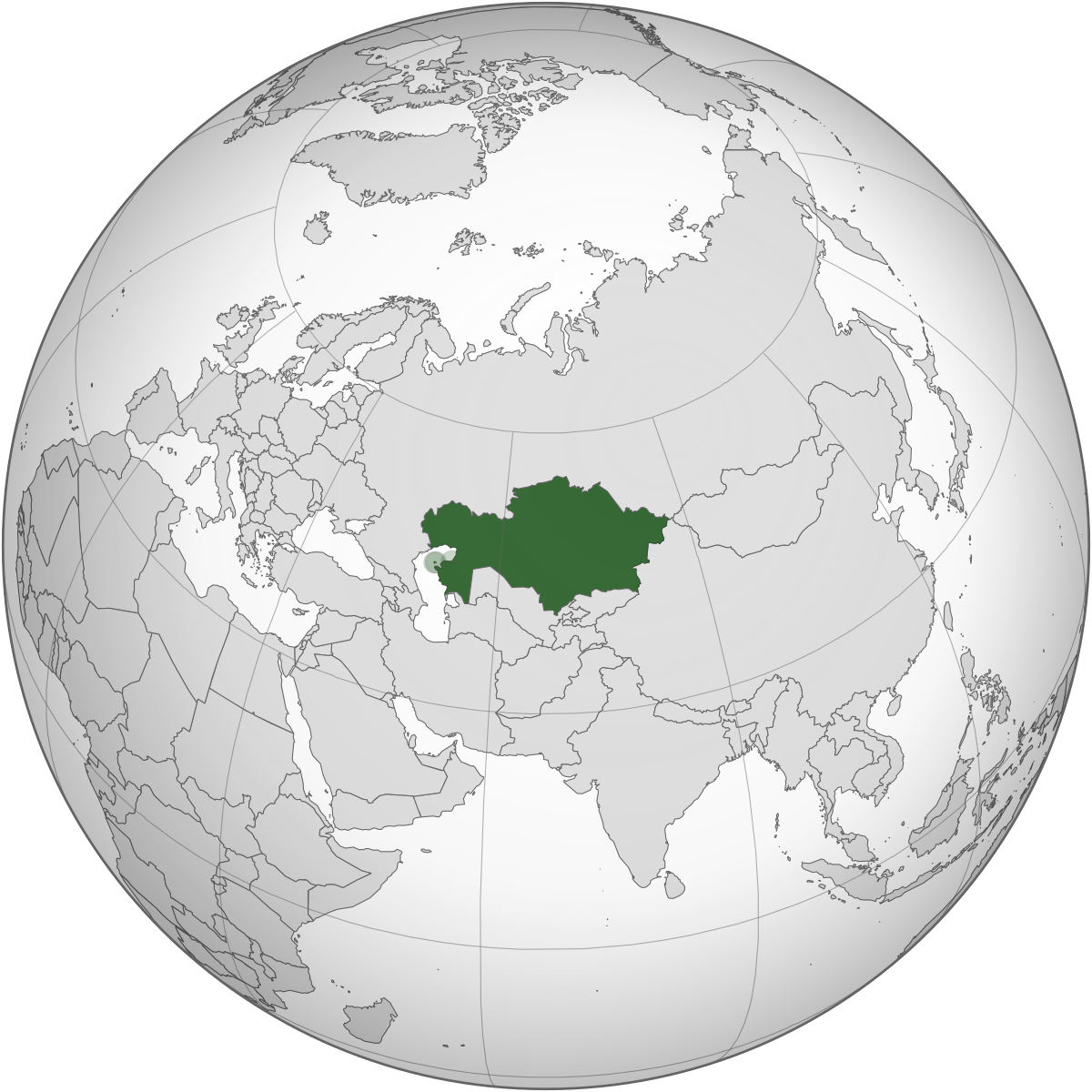
Telegram has announced plans to establish an office in Kazakhstan as part of efforts to comply with the country’s regulatory framework. The decision comes following an agreement between the Kazakh government and the messaging app to streamline content regulation and address the challenges posed by illegal and unauthorized channels. This move marks a significant step in the platform’s attempt to align itself with local laws while maintaining its global presence.

Kazakhstan, like many other nations, has been tightening control over digital platforms, pushing for increased cooperation with technology firms to regulate the spread of harmful content. Authorities in Kazakhstan have raised concerns over the use of messaging platforms like Telegram for illegal activities, including the distribution of extremist materials, drug trafficking, and unauthorized protests. In response, Telegram has agreed to assist the government in swiftly removing such content and blocking unauthorized channels that violate local laws.

As part of this effort, Telegram will establish a physical presence in the country, a development welcomed by the Kazakh government, which seeks to increase oversight of online activities within its borders. By working closely with the government, Telegram aims to ensure that it adheres to Kazakhstan’s regulatory requirements while providing a secure platform for its users.

Kazakh officials view this partnership as a critical tool for maintaining public safety and curbing the misuse of digital platforms for illegal activities. Digital transformation is a key focus for Kazakhstan, and controlling harmful content is essential to ensuring that technological advances benefit society without compromising national security. Telegram’s willingness to engage with the government is seen as a positive step towards building a safer online environment.

The Kazakh government has previously faced challenges in managing online content, particularly on platforms like Telegram that prioritize privacy and encryption. While these features are vital for safeguarding personal communications, they have also made it difficult for authorities to monitor illegal activities. By establishing a local office, Telegram is expected to enhance its response to the government’s concerns and provide a more effective mechanism for dealing with illegal content.

Telegram has a reputation for maintaining a strong commitment to user privacy and freedom of speech, which has often led to tensions with governments attempting to impose stricter regulations. However, the company has demonstrated flexibility in adapting to local laws in various countries where it operates. Its decision to open an office in Kazakhstan follows similar moves in other regions where governments have demanded more accountability from tech firms.

In Kazakhstan, the focus will likely remain on curbing extremist content and illegal activities while balancing the need for user privacy. Telegram’s encryption services have attracted millions of users worldwide, and any measures introduced in Kazakhstan will need to respect the platform’s core principles of secure communication.

The Kazakh government’s collaboration with Telegram comes amid broader efforts to modernize its digital landscape. As part of its digitalization strategy, the country has been promoting the development of online services and communication platforms, aiming to boost economic growth through technological innovation. Ensuring that these platforms operate within a clear regulatory framework is seen as crucial for the success of this strategy.

Telegram’s willingness to cooperate with Kazakhstan’s regulatory bodies is likely influenced by its desire to maintain access to the growing user base in the country. Central Asia has become an important market for tech companies, and securing compliance with local regulations is essential for maintaining long-term growth in the region. As part of this process, the Kazakh government has signaled that it will continue to engage with global tech firms, encouraging them to contribute to the country’s digital transformation while adhering to local laws.

The partnership between Telegram and the Kazakh government may also serve as a model for other nations in the region, where concerns over online safety and content regulation are rising. Governments across Central Asia have been exploring ways to manage the impact of social media and messaging platforms, which have increasingly become central to public discourse. By working with Telegram, Kazakhstan may set a precedent for regulatory cooperation that other countries could follow.

At the same time, Telegram’s decision to open an office in Kazakhstan could raise questions about how the company balances regulatory compliance with its commitment to user privacy and free expression. Critics of increased government regulation often argue that such measures could infringe on civil liberties and limit open communication. As Telegram navigates these challenges, it will need to carefully manage its relationship with the government while continuing to protect the privacy of its users.

Telegram founder Pavel Durov has long emphasized the importance of privacy and security in digital communications, and the platform’s encryption services remain a key feature. However, as the company expands its global operations, it is also facing increasing pressure to cooperate with governments to prevent misuse of the platform. Kazakhstan’s regulatory demands reflect broader global trends, where governments are seeking more control over online content while balancing the need for secure communication tools.

By Nantoo Banerjee It is heartening to note that global lenders are increasingly coming forward to strongly support India’s ongoing clean and green energy expansion programmes. India, the world’s third largest energy consumer after China and the United States, has set a target to reduce the carbon intensity of the nation’s economy by less than […]

The cryptocurrency market has seen a surge in the meme coin sector as Bitcoin edges closer to the $65,000 mark. This bullish sentiment has reverberated through the market, driving significant interest in meme tokens. Among the key players, MOG and Cat in a Dogs World (MEW) have caught the eye of investors with their sharp price increases and growing market caps. As the meme coin market pushes toward a $53 billion valuation, the potential for these tokens to hit all-time highs has become a hot topic of debate.

Meme coins, once considered a niche within the broader cryptocurrency landscape, have matured into a formidable asset class. Dogecoin and Shiba Inu set the precedent for meme coins, creating widespread adoption and community engagement. MOG, a new entrant into this space, has already made waves with a significant 10x price increase since its launch. Similarly, MEW has capitalized on the current market momentum, drawing attention due to its unique approach and steady price growth.

MOG, which markets itself as a token for the meme-obsessed generation, has leveraged social media virality to attract new users. Its developers have implemented innovative tokenomics, including staking rewards and burning mechanisms that contribute to its deflationary supply model. This has resonated with investors looking for high-risk, high-reward opportunities in the volatile cryptocurrency sector. MOG’s sudden price surge is also driven by speculative buying, with rumors circulating about potential listings on major exchanges.

Meanwhile, MEW, a relatively new meme coin with a doge-based theme, has captured the imagination of its growing community. Built with a focus on decentralized finance (DeFi) applications, MEW offers its holders the opportunity to earn rewards through various staking programs. The project’s roadmap outlines ambitious plans for expanding its ecosystem, including collaborations with other DeFi projects and the introduction of non-fungible tokens (NFTs). With its current growth trajectory, MEW appears well-positioned to capitalize on the meme coin mania, potentially reaching new all-time highs in the coming weeks.

As Bitcoin continues to rally, the correlation between its price movements and meme coin performance has become evident. Historically, when Bitcoin experiences a significant price surge, meme coins tend to follow, driven by retail investors looking for more affordable alternatives to the blue-chip cryptocurrencies. This trend is evident in the current market as MOG and MEW show signs of breaking through their resistance levels. However, the speculative nature of meme coins also means that they are prone to sudden and dramatic price swings.

The broader meme coin market has seen several tokens enter the limelight. Coins like Shiba Shootout and Sponge V2 have also posted impressive gains, highlighting the widespread appeal of these humorous yet often lucrative digital assets. Shiba Shootout, for example, has embraced gamification by offering its holders the ability to participate in Wild West-themed battles, staking tokens to earn rewards. Sponge V2, on the other hand, has focused on play-to-earn (P2E) mechanics, allowing users to earn tokens by participating in a racing game, which has helped boost its popularity.

As the market continues to evolve, meme coins are no longer just jokes or speculative assets; they are becoming integral parts of the broader cryptocurrency ecosystem. The increasing integration of DeFi, NFTs, and play-to-earn mechanics into meme coins has given them additional utility beyond mere speculation. For example, MOG’s ability to offer staking rewards through a decentralized platform has made it more appealing to long-term investors, rather than just day traders. MEW’s upcoming NFT marketplace launch could also drive further adoption as NFTs remain a hot trend in the crypto space.

While the future of meme coins is uncertain, their impact on the market cannot be ignored. The question now is whether MOG and MEW, alongside other trending tokens, can sustain their growth and reach new all-time highs. Analysts are divided on this issue, with some pointing to the inherent volatility of meme coins as a red flag. However, others believe that the combination of community engagement, innovative use cases, and market conditions could propel these tokens to unprecedented levels.

Mubadala’s healthcare arm, KELIX Bio, has made a decisive step in boosting its presence in the life sciences sector by acquiring four pharmaceutical assets from GlobalOne Healthcare Holding. This move is part of Mubadala’s broader ambition to transform the UAE into a global hub for life sciences innovation and advanced healthcare solutions. The acquisition reflects the growing influence of the UAE’s healthcare industry as it aligns with the nation’s goals to enhance its capabilities in pharmaceuticals and biotechnology.

The deal involves four strategic pharmaceutical companies, which are expected to add substantial value to Mubadala’s existing healthcare portfolio. It also demonstrates the commitment of KELIX Bio, a key player in Mubadala’s ecosystem, to expanding its footprint across the Middle East and Africa. This acquisition is seen as an essential step toward addressing rising healthcare demands in the UAE and further establishing the nation as a leader in advanced healthcare solutions.

The UAE has been focused on expanding its healthcare infrastructure and capabilities, especially in the fields of pharmaceuticals and biotechnology. The government’s initiatives, such as the National Strategy for Wellbeing 2031, are aimed at enhancing the overall health sector in the country. Mubadala’s acquisition aligns with these initiatives, helping to create an ecosystem that fosters innovation, sustainability, and long-term economic growth.

KELIX Bio is positioned as a leader in the manufacturing and distribution of essential medicines across emerging markets, focusing on addressing the critical need for quality and affordable treatments. The latest acquisitions from GlobalOne Healthcare Holding provide KELIX Bio with advanced pharmaceutical production capabilities and access to new markets. These assets are integral to producing generic and specialized medications that will serve both the UAE’s population and neighboring regions.

Mubadala’s strategy is not limited to expanding its pharmaceutical footprint within the UAE. The acquisitions signal a broader focus on making the country a life sciences powerhouse that can influence markets across the Middle East, Africa, and beyond. By enhancing local production capabilities, KELIX Bio aims to reduce dependency on imported medicines and foster a sustainable supply chain for critical medications.

The importance of these acquisitions is further highlighted by the fact that KELIX Bio has been aggressively pursuing growth in various healthcare sectors. Prior to this deal, the company made notable investments in manufacturing facilities in Egypt and Morocco, positioning itself as a dominant force in the region’s pharmaceutical market. The addition of GlobalOne’s assets will enhance KELIX Bio’s portfolio, enabling it to meet the growing demand for medical treatments across emerging markets.

Industry experts believe that this acquisition could significantly impact the life sciences industry in the UAE. The healthcare sector in the UAE has been undergoing rapid growth, driven by government initiatives, private investments, and a strong emphasis on medical research and development. The addition of new pharmaceutical assets is expected to catalyze innovation in drug production and distribution, supporting the country’s long-term vision for a sustainable and advanced healthcare system.

Mubadala’s focus on healthcare is not new. The sovereign wealth fund has long prioritized investments in sectors that align with the UAE’s economic diversification goals. Over the years, Mubadala has played a key role in developing critical industries such as healthcare, aerospace, and renewable energy, contributing to the nation’s vision of building a knowledge-based economy. Through KELIX Bio, Mubadala is now advancing its efforts to create a self-reliant healthcare system that is less dependent on international supply chains.

The life sciences industry in the UAE is also benefiting from an influx of global talent and expertise, driven by both government policies and Mubadala’s investments. The country has established itself as an attractive destination for life sciences companies and professionals, thanks to its strategic location, favorable business environment, and robust infrastructure. The acquisition of GlobalOne Healthcare Holding’s assets further strengthens the UAE’s position as a growing center for pharmaceutical and healthcare innovation.

The UAE government’s long-term vision for the healthcare sector has laid the groundwork for a thriving life sciences ecosystem. By fostering public-private partnerships and encouraging investment in cutting-edge healthcare technologies, the country aims to become a global leader in this field. Mubadala’s acquisition is expected to contribute significantly to this vision, as it brings in new technologies, expertise, and opportunities for collaboration in the global healthcare market.

The acquired assets will help boost the production of life-saving medicines and therapies, with a particular focus on emerging markets. The deal comes at a time when the global demand for affordable and effective healthcare solutions is on the rise. By focusing on expanding its presence in pharmaceuticals, Mubadala is addressing both regional and international healthcare needs, providing essential treatments to underserved populations.

Mubadala’s acquisition is expected to spur growth in the UAE’s pharmaceutical manufacturing sector, creating new jobs and contributing to the country’s economic development. The move aligns with the UAE’s broader healthcare goals of improving access to high-quality medical treatments and fostering innovation within the industry. KELIX Bio’s acquisition strategy will likely continue as the company looks for more opportunities to strengthen its position in the Middle East and Africa.

Ethena Labs has put forward a proposal to include Solana (SOL) in the collateral pool for its stablecoin, USDe. If approved, this move would position SOL alongside Bitcoin (BTC) and Ethereum (ETH) as part of Ethena’s diversified collateral strategy. The incorporation of SOL aims to enhance the stability and utility of USDe while tapping into the growing Solana ecosystem.

The proposal reflects Ethena Labs’ ongoing efforts to strengthen its product offerings and enhance the robustness of its stablecoin. Currently, USDe is backed by BTC and ETH, both of which have established themselves as reliable digital assets within the cryptocurrency market. By adding SOL, Ethena Labs hopes to leverage the asset’s increasing popularity and the broader developments in the Solana network.

Solana has garnered significant attention in recent years for its high throughput and low transaction costs. As the demand for efficient blockchain solutions grows, Solana has positioned itself as a leading contender. This is particularly relevant as various decentralized finance (DeFi) projects increasingly look for scalable solutions. Ethena Labs’ move to integrate SOL into USDe’s collateral mix could also signal a growing acceptance of diverse assets within the stablecoin market.

The proposal has sparked discussions among stakeholders within the cryptocurrency community, with many viewing it as a strategic alignment with current market trends. Several analysts believe that including SOL could help stabilize USDe by providing an additional layer of security and liquidity. Solana’s unique consensus mechanism, which allows for faster transaction speeds, could contribute positively to the stability of USDe, particularly during times of market volatility.

Industry experts point out that the successful integration of SOL will depend on regulatory compliance and market acceptance. Ethena Labs has emphasized its commitment to maintaining high standards of compliance and risk management as it navigates the complexities of including a new asset in its collateral pool. The company has also sought feedback from its community to ensure that all perspectives are considered before moving forward with the proposal.

The growing interest in Solana has not only been driven by its technological capabilities but also by its expanding ecosystem of projects and partnerships. As more developers build on Solana, its utility and value proposition are expected to increase, making it an attractive asset for collateralization. Ethena Labs’ strategic move could also encourage other stablecoin issuers to consider similar integrations, reflecting a broader trend of diversification in the stablecoin market.

Competitors in the space are also monitoring Ethena Labs’ proposal closely, as it may set a precedent for how stablecoins can adapt to the evolving cryptocurrency landscape. With the market continually shifting, the addition of diverse assets to stablecoin collateral pools could become increasingly common. This could help to further legitimize various cryptocurrencies as viable options for collateralization, enhancing their overall market presence.

The proposal for SOL’s inclusion in USDe collateral comes at a time when the stablecoin market is experiencing significant growth. With various stablecoins gaining traction among investors and users, the demand for innovative collateral strategies is paramount. By diversifying its collateral mix, Ethena Labs aims to enhance the resilience of USDe, providing greater confidence for users seeking stability in their digital assets.

Solana’s reputation as a scalable and efficient blockchain solution aligns with Ethena Labs’ objectives of improving the performance of its stablecoin. With SOL’s potential to contribute to faster transactions and lower fees, Ethena Labs is positioning itself to capture a segment of the market that values efficiency and innovation.

As discussions surrounding the proposal unfold, Ethena Labs has reaffirmed its commitment to transparency and stakeholder engagement. The company plans to conduct a thorough analysis of community feedback and regulatory implications before finalizing its decision on including SOL in USDe’s collateral framework. This approach underscores the importance of aligning business strategies with the expectations of users and regulators in the rapidly evolving cryptocurrency ecosystem.

The addition of SOL to Ethena Labs’ collateral mix would not only signify a strategic move for USDe but could also influence broader market dynamics. As stablecoins continue to gain popularity among traders and investors, the integration of diverse assets could reshape the landscape of digital currencies. Ethena Labs’ proactive approach reflects a growing recognition of the need for stablecoins to adapt to market changes while maintaining their core functions.

VEON, a global telecommunications company, has announced its decision to relocate its headquarters from Amsterdam to Dubai. This strategic move follows the company’s delisting from the Amsterdam stock exchange, a decision influenced by various factors, including regulatory challenges and market conditions. As part of its transition, VEON aims to enhance its operational efficiency and access to emerging markets in the Middle East and North Africa (MENA) region. […]

Advertisements

Tamkeen, a prominent investment firm based in Bahrain, has set the price range for its upcoming initial public offering (IPO), aiming to raise as much as $106 million. The IPO is a significant step for the company, which plans to list on the Bahrain Bourse. The announced price range is set between 0.60 and 0.70 Bahraini Dinars per share, providing an attractive entry point for both retail […]

An initial public offering (IPO) by a leading Saudi human resource firm has garnered significant attention, with the offering fully subscribed within the first hour of trading. This surge in interest reflects growing investor confidence in the burgeoning Saudi market, driven by economic reforms and diversification efforts as outlined in the Vision 2030 initiative. The firm, which specializes in workforce management and recruitment services, has positioned itself […]

EDGNEX, a prominent technology and data center service provider based in the UAE, has announced an ambitious investment exceeding $1 billion to establish data centers in Thailand. This significant financial commitment marks a strategic move into the Southeast Asian market, underlining Thailand’s growing importance as a hub for digital infrastructure. The initiative is anticipated to enhance the country’s capabilities in data management, cloud computing, and overall digital […]

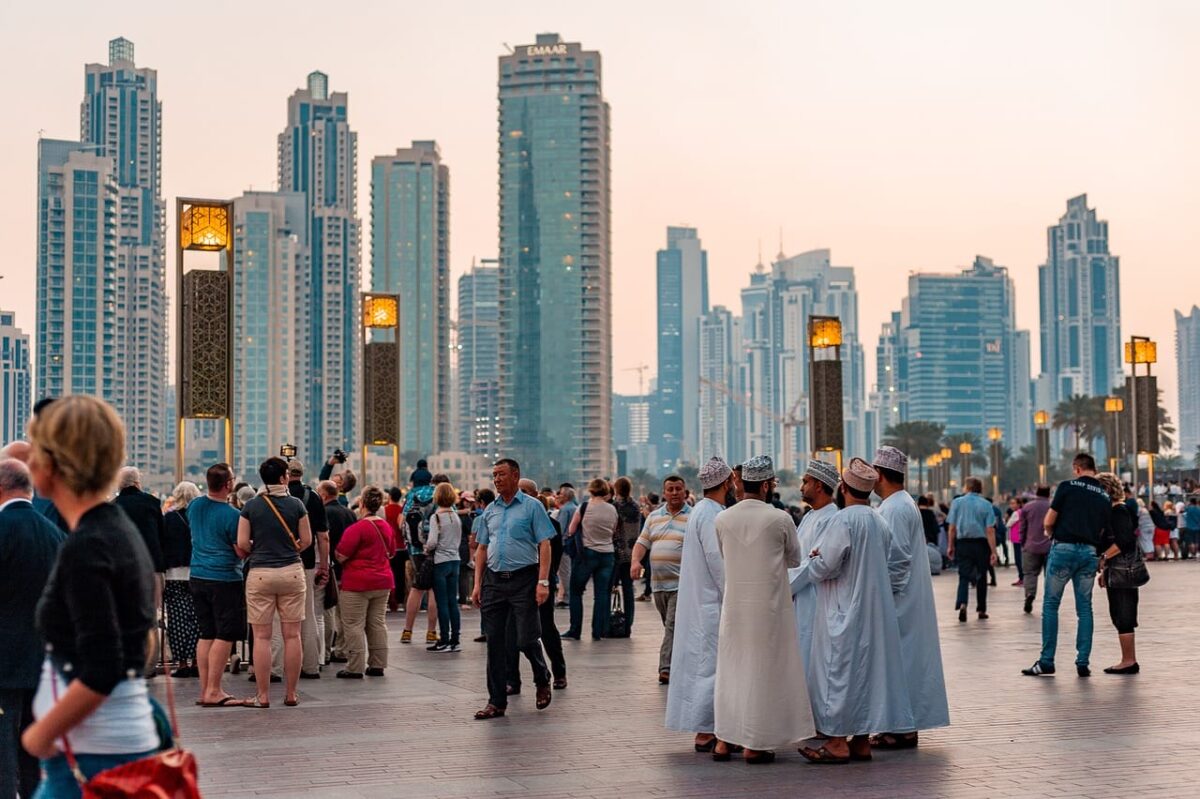
Dubai, a thriving metropolis renowned for its opulence and multicultural environment, is experiencing a surge in its expatriate population that is exerting pressure on the city’s infrastructure. The latest figures indicate that approximately 88% of Dubai’s population comprises expatriates, with many flocking to the emirate for employment opportunities and an enviable lifestyle. As this trend continues, authorities are faced with significant challenges in managing the growing demand […]

HANGZHOU, CHINA – Media OutReach Newswire – 14 October 2024 – Taobao and Tmall Group (“TTG”), Alibaba Group’s domestic commerce business, is kicking off its 16th 11.11 Global Shopping Festival (“11.11” or “Festival”) today by putting users first with unprecedented shopping incentives. TTG will offer RMB30 billion ( ~US$4.2 billion) worth of vouchers and red packets in anticipation of the record-high volume of users participating in this […]

Damac Group, a Dubai-based conglomerate with diverse ventures in real estate and digital infrastructure, has unveiled plans to inject $1 billion into developing data centers in Thailand. This ambitious move, led by Damac’s subsidiary Edgnex Data Centers, is part of a strategic push to tap into the booming data-driven economy in the Asia-Pacific region. The project will be executed through a joint venture with Thailand’s Proen Corp, with Edgnex holding a majority stake in the partnership.

Thailand has emerged as a pivotal hub in the global data center market, driven by rapid digital transformation across sectors. The country’s ongoing initiatives in smart city development, big data analytics, and the Internet of Things (IoT) integration make it an attractive destination for investment. With the demand for data storage and processing growing exponentially, Edgnex’s investment aligns with the broader regional trends aimed at enhancing digital infrastructure.

The first phase of Edgnex’s investment will focus on constructing a state-of-the-art Tier 3 colocation facility in Bangkok’s Rama 9 Central Business District. Covering over 19,000 square meters, the facility is expected to be operational by 2026. This location offers excellent connectivity, sitting in proximity to key economic hubs like Thailand’s Stock Exchange and an international data center, ensuring that the new facility will meet both local and international data service needs. This project will commence with a 10MW output in the first building, with a second building adding another 10MW in the future.

Thailand’s growing data center market is projected to expand significantly in the coming years, largely fueled by the country’s focus on digital innovation. As businesses increasingly shift towards cloud computing, artificial intelligence, and blockchain technologies, the need for reliable and scalable data infrastructure has become more pronounced. Edgnex’s investment aims to meet this escalating demand while bolstering Thailand’s position as a key player in the global digital economy.

Hussain Sajwani, the founder and chairman of Damac Group, highlighted the strategic importance of this move. He pointed to the increasing need for robust digital infrastructure to support Thailand’s ambitious technological goals. As part of the broader APAC strategy, Edgnex’s projects are designed to foster economic competitiveness while also enhancing the quality of digital services available in the region.

In addition to its ventures in Thailand, Edgnex has also been expanding its footprint across the Asia-Pacific region, including the development of a data center in Jakarta, Indonesia. This multi-country approach underscores Damac Group’s commitment to building next-generation digital infrastructure that will power the future of data-driven economies.

While Proen Corp will play a key role in managing operations locally, Edgnex will oversee the strategic direction, leveraging its experience in constructing world-class data centers. The joint venture is expected to create substantial economic benefits for Thailand, including job creation and the facilitation of technology-driven business opportunities.

Damac’s venture in Thailand is part of a larger global trend of heightened investment in data centers, especially as companies and governments alike recognize the critical role digital infrastructure plays in future economic growth. With Asia-Pacific markets experiencing rapid technological advancements, investments such as these are vital to support the digital transformation efforts of businesses and governments.

As global data consumption rises exponentially, particularly driven by innovations in artificial intelligence, machine learning, and 5G networks, the role of data centers in managing and securing this data becomes ever more critical. Thailand, positioned at the intersection of these technological trends, stands to gain significantly from these developments, and Edgnex’s investment is expected to be a key driver of this growth.

Goldman Sachs has revised its projection for China’s 2024 economic growth, raising the country’s GDP forecast to 4.9%, signaling renewed confidence in Beijing’s economic recovery efforts. The investment bank’s upward revision stems from several factors, including stronger-than-expected data on industrial output and increased consumer spending, coupled with the effects of more targeted policy support. These adjustments suggest that Chinese authorities are focusing on stabilizing the economy through both fiscal measures and monetary easing.

China’s economic performance in 2023 faced significant hurdles, particularly due to sluggish consumer demand following the lifting of strict pandemic-related restrictions, and a property sector in turmoil. However, signs of stabilization have emerged, leading global financial institutions, including Goldman Sachs, to reassess their outlook on the world’s second-largest economy.

The Chinese government’s approach to managing the country’s growth has evolved, reflecting a shift from aggressive pandemic-era fiscal policies toward more measured economic interventions. Goldman Sachs noted that China’s leadership has implemented strategies aimed at striking a balance between economic stimulus and long-term sustainability. This shift has helped calm investor concerns about structural issues, particularly in real estate, while stimulating sectors such as manufacturing and technology.

The revised forecast aligns with other optimistic assessments, suggesting that China is poised to achieve moderate yet sustainable growth in 2024. Goldman Sachs’ economists highlighted that China’s renewed focus on infrastructure spending, along with a gradual recovery in the property market, are likely to support the nation’s GDP growth trajectory. Additionally, the bank predicts that consumer confidence will continue to rebound, boosted by government initiatives aimed at alleviating unemployment and expanding credit availability.

Analysts also emphasize the role of China’s exports, which have benefitted from the relative strength of global demand, particularly in sectors such as electronics and machinery. While geopolitical tensions, including trade relations with the U.S., remain a potential risk, the bank noted that China’s diverse manufacturing base and strategic partnerships with emerging markets will continue to bolster its economic resilience.

However, challenges persist, particularly within the property sector. Although authorities have taken steps to stabilize the real estate market, the sector remains fragile due to high levels of debt among property developers and continued concerns about housing affordability. Goldman Sachs pointed out that resolving these issues will be critical to maintaining the momentum of China’s broader economic recovery.

SINGAPORE – Media OutReach Newswire – 9 October 2024 – A new temperature-controlled warehouse was recently launched by Rhenus Warehousing Solutions in Malaysia. This marks the company’s commitment to expand its local footprint, with plans to add almost 300,000 square meters of warehousing capacity to support businesses in Malaysia. Leading global logistics service provider Rhenus Group launched its latest warehouse in Kulim, Malaysia. The strategic move is […]

Dubai’s reputation as a global hub for blockchain innovation solidified further as industry leaders from across the globe gathered for the Future Blockchain Summit 2024. The summit, which runs from October 13 to 16 at Dubai Harbour, features cutting-edge discussions and presentations from experts in blockchain, crypto, NFTs, Web 3.0, and more, signaling a key moment in the advancement of the digital economy.

The Future Blockchain Summit, now in its sixth edition, has evolved into a premier platform for fostering collaborations between governments, enterprises, and startups. It continues to align with Dubai’s ambitious blockchain and digital transformation goals. The event promises to showcase transformative technologies that could redefine financial services, supply chains, healthcare, and governance.

Key highlights of the 2024 edition include insights from a diverse array of speakers, including thought leaders from both the public and private sectors. Major players in the blockchain space, such as Ethereum co-founder Vitalik Buterin and representatives from global blockchain firms, are expected to provide critical analysis on the evolution of decentralized systems, and the road ahead for mainstream blockchain adoption.

Dubai’s focus on blockchain technology is part of a broader strategic vision that began with the Dubai Blockchain Strategy and the Emirates Blockchain Strategy. This framework aims to digitize key government services using blockchain by 2025. The event’s organizers have highlighted the importance of this convergence, noting how governments and enterprises worldwide are increasingly exploring the potential of blockchain to drive efficiency, transparency, and trust in digital transactions.

This year’s summit emphasizes the practical applications of blockchain and its ability to disrupt industries beyond cryptocurrency. With the integration of NFTs, the Metaverse, and Web 3.0 technologies into the mainstream, blockchain is being recognized for its broader implications. During the summit, new solutions and case studies will be shared, shedding light on how blockchain can facilitate digital ownership, secure identity management, and more transparent business operations.

Beyond the focus on blockchain applications, the summit is expected to stimulate dialogue on regulation and sustainability. Policymakers and regulators are anticipated to discuss the creation of balanced frameworks that encourage innovation while ensuring the safety of participants in the digital space. Dubai, in particular, has been a key player in fostering a progressive regulatory environment that has attracted blockchain firms from around the globe.

Among the prominent names attending the event are representatives from DMCC (Dubai Multi Commodities Centre), a key participant in the event. DMCC has been instrumental in supporting blockchain enterprises through its crypto center and blockchain-related initiatives, further solidifying Dubai’s status as a hub for blockchain businesses. DMCC’s representatives will present their insights at the summit, discussing how the organization supports blockchain development within its award-winning free zone community.

The summit also offers opportunities for startups, with several exhibitions and networking events designed to connect emerging firms with potential investors. Several blockchain startups are expected to showcase their innovations, with a particular focus on solving industry-specific challenges through decentralized technologies.

This year, Dubai aims to further its vision as a “Smart City” by emphasizing the integration of blockchain into smart infrastructure projects. These initiatives aim to streamline everything from real estate transactions to cross-border payments. The event underscores how blockchain can enhance operational efficiency, promote transparency in government processes, and provide secure, tamper-proof records.

Notable discussions on the agenda include the future of decentralized finance (DeFi), which is gaining traction as a legitimate alternative to traditional banking. DeFi uses blockchain to eliminate intermediaries in financial transactions, potentially lowering costs and improving access to banking services in underserved markets. Additionally, the summit will explore the impact of blockchain on sustainable practices, particularly in the energy sector.

Dubai’s strategic importance in the global blockchain community is reflected in its hosting of this key event. As the blockchain industry continues to expand, the city is positioning itself as a leader in shaping the future of digital assets and decentralized technologies. The Future Blockchain Summit 2024 is expected to serve as a catalyst for further growth and collaboration within the blockchain ecosystem, helping to propel the technology toward mainstream adoption across industries.


The signing of the memorandum between Bpifrance, Sawari Ventures, and Flat6Labs took place within the framework of the FrancoTech exhibition for Francophonie and Innovation at Station F in Paris, alongside the Francophonie Summit CAIRO, EGYPT – EQS Newswire – 10 October 2024 – During the FrancoTech exhibition held on October 3 and 4, 2024, at Station F in Paris, alongside the Francophonie Summit, Bpifrance, Sawari Ventures, and […]

SHANGHAI, CHINA – Media OutReach Newswire – 12 October 2024 – China-based esports tournament organizer VSPO announced that it has appointed a new CEO and has engaged in an “international brand alignment,” renaming itself to “Hero Esports.” Danny Tang, co-founder and current CFO, will become the company’s new CEO, with the mission of expanding the company’s “operations and driving international growth.” Dino Ying, Founder and CEO of […]

Q-CTRL, an Australian company specializing in quantum infrastructure software, has successfully raised $113 million in its Series B funding round, marking a significant achievement in the quantum technology sector. This round, which includes an additional $59 million from notable investors, underscores growing confidence in Q-CTRL’s innovations and the broader field of quantum technology. The latest funding boost follows Q-CTRL’s previous financial successes, including $27.4 million from its […]

Microsoft is set to launch its Xbox app for Android next month, allowing users to purchase and play games directly on their mobile devices. This announcement follows a landmark antitrust ruling against Google, which has significant implications for app distribution and gaming ecosystems on mobile platforms. By enabling Xbox game purchases and access via its app, Microsoft aims to provide a more seamless gaming experience and expand its market share in the mobile gaming sector.

The recent ruling by a U.S. judge favored the Department of Justice in its antitrust case against Google, finding that the tech giant’s practices stifled competition in the digital marketplace. This decision has opened doors for competitors like Microsoft to offer alternative platforms for gaming. Microsoft’s initiative is part of a broader strategy to shift its gaming operations to mobile devices, leveraging its existing user base and ecosystem.

Starting next month, the Xbox app will not only allow purchases but also provide access to a library of games, enabling players to enjoy a full gaming experience without being tethered to a console or PC. This move aligns with the growing trend of cloud gaming and the increasing demand for mobile gaming solutions. The app will also support Xbox Game Pass, Microsoft’s subscription service that offers access to hundreds of games for a monthly fee, further enhancing its value proposition to consumers.

Analysts view this launch as a significant pivot in Microsoft’s gaming strategy, positioning the company to compete more aggressively against rivals like Sony and Nintendo, who have traditionally dominated the console market. By integrating mobile capabilities, Microsoft is expanding its reach and adapting to consumer preferences that increasingly favor gaming on portable devices. This shift also reflects broader trends in the gaming industry, where cloud technology and mobile accessibility are becoming key drivers of growth.

Microsoft’s recent developments are indicative of a larger transformation within the gaming industry. As more players opt for mobile gaming, the demand for integrated systems that allow for seamless access across platforms is increasing. This is evident from the success of mobile titles that have achieved popularity comparable to traditional console games. By capitalizing on this trend, Microsoft aims to not only enhance user engagement but also attract new gamers who prefer the convenience of mobile platforms.

The integration of Xbox services into mobile is not just about game access; it also involves community features that allow players to connect with friends and other gamers. Social gaming has become an essential aspect of the gaming experience, with players increasingly looking for ways to interact, compete, and collaborate with others. Microsoft’s mobile strategy recognizes this shift and aims to foster a vibrant community through its app.

Microsoft’s push into mobile gaming is also viewed as a strategic response to regulatory pressures on dominant tech companies like Google. With the ruling against Google, there is growing scrutiny on how large corporations manage their app ecosystems. Microsoft’s proactive approach in launching its app demonstrates its commitment to consumer choice and fair competition in the digital marketplace. By empowering users to purchase games without being restricted to traditional app store models, Microsoft is setting a precedent that could influence future regulations and industry practices.

Key industry players are closely monitoring Microsoft’s strategy as it unfolds. If successful, this move could inspire other gaming companies to explore similar pathways into mobile platforms, potentially leading to a more fragmented and diverse gaming market. As competition heats up, consumers stand to benefit from enhanced options and innovative gaming experiences.

The Xbox app is part of a broader trend where technology companies are increasingly blurring the lines between hardware and software. By delivering gaming experiences directly to mobile devices, Microsoft is not only diversifying its offerings but also aligning itself with emerging technologies like augmented reality and virtual reality, which are expected to redefine the gaming landscape in the coming years.

Ambitious renewable energy goals set by the UAE have not only been met but are expected to be exceeded by 2030, according to a recent report from the International Energy Agency (IEA). The report highlights the nation’s strategic investments and policies that have accelerated the development of renewable energy sources, particularly solar and wind power. With a commitment to diversifying its energy mix and reducing reliance on […]

Crown Prince Mohammed bin Salman will not participate in the upcoming BRICS summit scheduled for October 17-19 in Moscow. This decision marks a significant diplomatic moment, as Saudi Arabia engages in a complex geopolitical landscape that includes balancing relationships with both Western nations and emerging economies in the Global South. The absence of the Crown Prince at such a high-profile gathering raises questions about the Kingdom’s strategy […]

OKX, one of the leading global cryptocurrency exchanges, has officially launched its services in Dubai, marking a significant development in the emirate’s burgeoning digital asset market. The exchange’s entry into this region is seen as a strategic move to enhance its presence in the Middle East and cater to the growing demand for cryptocurrency trading. This initiative aligns with Dubai’s ambitions to become a global hub for fintech and blockchain technologies.

The newly launched exchange offers a comprehensive suite of services, including spot and derivatives trading, which allows users to trade a variety of cryptocurrencies, including Bitcoin, Ethereum, and a wide range of altcoins. As part of its commitment to user security and regulatory compliance, OKX has implemented robust security measures and enhanced verification processes tailored to meet local regulatory requirements. This move is expected to bolster user confidence and attract a broader user base in the region.

Dubai has emerged as a favorable environment for cryptocurrency enterprises due to its progressive regulatory framework and government support for blockchain innovation. The Dubai Multi Commodities Centre (DMCC), which has developed a dedicated Crypto Centre, has been instrumental in creating an ecosystem conducive to crypto businesses. With the establishment of its exchange, OKX aims to capitalize on this supportive infrastructure and the increasing interest in digital assets among retail and institutional investors.

Industry analysts view the entrance of OKX into Dubai as a game-changer in the local cryptocurrency landscape. The exchange’s global reputation and extensive experience in the digital asset space position it well to compete with other established platforms. According to recent reports, the demand for cryptocurrency trading in the Middle East has surged, driven by a youthful population eager to explore investment opportunities in digital currencies. OKX’s offerings are expected to cater to this demographic while also attracting seasoned traders looking for a reliable and feature-rich trading platform.

OKX is committed to educational initiatives aimed at fostering a better understanding of cryptocurrencies and blockchain technology among potential users. The exchange plans to launch various educational programs, webinars, and workshops designed to equip users with the knowledge and skills necessary for safe and effective trading. This focus on education is part of a broader strategy to demystify cryptocurrencies and encourage responsible investment practices.

In addition to its trading services, OKX aims to offer a suite of advanced trading tools and features, such as algorithmic trading, margin trading, and staking options. These tools are designed to enhance the trading experience and provide users with various ways to maximize their investments. As the cryptocurrency market evolves, the introduction of such features will likely attract a diverse range of traders, from novices to experienced investors.

Competition in the UAE’s cryptocurrency market is heating up, with several exchanges vying for market share. Binance, FTX, and BitOasis are among the other prominent players that have established a presence in the region. Each platform offers unique features and services, creating a dynamic landscape for cryptocurrency trading. The entry of OKX is expected to intensify this competition, leading to better services and lower fees for users, which will ultimately benefit the growing number of investors in the region.

As digital currencies gain acceptance and regulatory frameworks evolve, the potential for further growth in the Middle East’s cryptocurrency market is immense. The UAE government has been proactive in establishing a regulatory framework that encourages innovation while ensuring investor protection. The recent introduction of the Financial Services Regulatory Authority (FSRA) regulations reflects this approach, providing clarity and guidelines for cryptocurrency operators. OKX’s adherence to these regulations signals its commitment to compliance and operational integrity.

Looking ahead, the future of cryptocurrency trading in Dubai appears promising. With the launch of its exchange, OKX aims to not only facilitate trading but also contribute to the broader fintech ecosystem in the region. The exchange is exploring partnerships with local businesses and financial institutions to enhance its service offerings and foster a collaborative environment for crypto innovation.

The exchange is leveraging Dubai’s strategic location as a gateway to other markets in the Gulf Cooperation Council (GCC) and beyond. By positioning itself in Dubai, OKX is strategically placed to attract users from neighboring countries, tapping into a larger pool of potential customers eager to explore the benefits of cryptocurrency trading.

Growing interest in Dubai as a premier destination for high-net-worth individuals is intensifying discussions about the potential implementation of departure taxes on those leaving high-tax jurisdictions. This trend is primarily driven by a surge of wealthy expatriates relocating to Dubai to benefit from its tax-friendly environment, which boasts zero personal income tax, minimal corporate tax, and a lifestyle that attracts affluent individuals and families seeking an appealing alternative to more heavily taxed countries.

The UAE has established itself as a hub for international business and luxury living, drawing in millionaires from around the globe, particularly from Europe and North America. Factors contributing to this migration include favorable tax policies, a robust economy, and an attractive quality of life characterized by luxury amenities, safety, and a multicultural environment. The influx of wealth has raised concerns among governments in higher-tax regions, leading to discussions on implementing exit taxes for those leaving their jurisdictions for more favorable tax climates.

High-profile figures and successful entrepreneurs are among those choosing to relocate to Dubai. The UAE government has made concerted efforts to attract global talent, introducing initiatives such as the Golden Visa program, which grants long-term residency to investors, entrepreneurs, and skilled professionals. This program has proven particularly enticing for individuals seeking stability and security, as it allows them to reside in a tax-efficient environment while retaining their wealth.

Reports indicate that countries like the United Kingdom and France are contemplating implementing exit taxes to mitigate the loss of revenue associated with wealthy individuals relocating abroad. The UK, in particular, is facing increasing pressure to address its fiscal policies in light of the exodus of high-income earners. Notable figures in finance, entertainment, and technology have made headlines for their decision to move to Dubai, sparking discussions among policymakers about potential strategies to retain their tax base.

The implications of departure taxes could be significant. Governments may argue that such levies are necessary to safeguard public finances, ensuring that wealthy individuals contribute fairly to the welfare of their home countries. However, critics contend that these measures may inadvertently drive further migration, leading to a brain drain and exacerbating the very issues they aim to address.

Emerging trends in global taxation are also influencing this landscape. With the rise of digital nomadism and remote work, affluent individuals are increasingly seeking jurisdictions that provide a favorable tax regime and quality of life. Countries like Portugal and Malta have already implemented schemes targeting digital nomads, while Dubai continues to enhance its appeal through initiatives aimed at attracting tech-savvy professionals.

As the debate over departure taxes intensifies, Dubai’s allure as a tax haven will likely continue to grow. The city’s reputation as a destination for the wealthy is reinforced by its thriving economy, which has shown resilience in the face of global challenges, including the COVID-19 pandemic. The UAE’s diversified economy, characterized by sectors such as tourism, real estate, and technology, positions it as a robust alternative for high-net-worth individuals looking for new opportunities.

Experts suggest that as more millionaires flock to Dubai, local authorities may need to adapt their strategies to accommodate the influx while maintaining the city’s appeal as a desirable place to live and work. This could involve creating an environment that balances the needs of the wealthy with the broader interests of society, ensuring that the benefits of this migration extend beyond the elite.

The notion of departure taxes has sparked a broader conversation about wealth distribution and social equity. Policymakers are grappling with how to address the growing disparity between wealthy individuals who can relocate to tax-friendly jurisdictions and those who remain in high-tax areas. The challenge lies in creating a tax system that is both fair and conducive to economic growth, without alienating the very individuals it aims to tax.

As Dubai cements its status as a global magnet for wealth, the city is expected to play a pivotal role in shaping the future of international taxation. The dynamics of wealth migration are complex and multifaceted, driven by a confluence of factors ranging from fiscal policies to lifestyle preferences. The growing trend of millionaires relocating to Dubai is a testament to the city’s ability to adapt and thrive in an increasingly competitive global landscape.

Local businesses are reaping the rewards of this influx, with the luxury goods and services sectors experiencing significant growth. High-end real estate markets are booming, fueled by demand from affluent expatriates looking to invest in properties that reflect their newfound status. The impact on the local economy is palpable, as increased consumer spending by wealthy individuals bolsters various sectors, from hospitality to retail.

VISHNU RAJA
RYO YAMADA
HITORI GOTOH
IKUYO KITA