News related to
growth

BlackRock, a leading global asset management firm, has announced a strategic partnership with Saudi Arabia to enhance the kingdom’s property finance sector. This collaboration aims to create a robust real estate finance framework, supporting both residential and commercial property development across the country. The agreement was formalized through BlackRock’s dedicated real estate investment team, which will work closely with Saudi entities to leverage their expertise and capital […]

The Guggenheim Museum’s ambitious expansion in Abu Dhabi is set to reshape the city’s cultural landscape and reinforce its status as a major hub for expatriates. The museum, renowned for its cutting-edge architecture and global art collections, is poised to enhance Abu Dhabi’s appeal as a cosmopolitan destination. Abu Dhabi’s transformation into a vibrant expatriate hub has been driven by a series of strategic developments aimed at […]

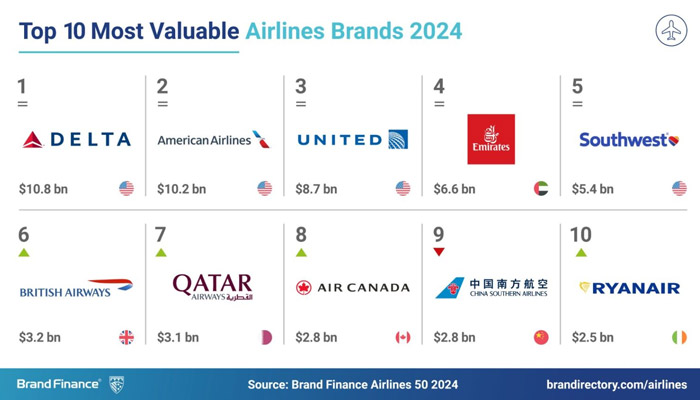
UAE airlines are markedly extending their global reach, driven by the country’s vibrant tourism and business environments, alongside a rebound in travel demand. Emirates and Etihad, the two flagship carriers, are spearheading this international expansion, seizing opportunities in key markets across Asia, Europe, and the Americas.

Emirates is ramping up its operations with new routes and increased frequencies to strategic destinations. The airline recently announced plans to introduce direct flights to several underserved cities, aiming to bolster connectivity between the UAE and emerging markets. This growth aligns with the UAE’s vision to enhance its position as a global travel hub. Emirates’ expansion is underscored by its ongoing investment in new aircraft, with the latest fleet additions promising increased efficiency and comfort for passengers.

Etihad Airways is similarly expanding its network, focusing on strengthening its presence in high-demand regions. The airline has outlined an ambitious strategy to grow its routes and enhance service offerings, catering to both leisure and business travelers. Recent enhancements to Etihad’s fleet and service model reflect its commitment to maintaining a competitive edge in the global aviation market.

The UAE’s aviation sector benefits from a robust domestic economy and a thriving tourism industry, which together drive significant demand for international travel. The country’s strategic geographical location further enhances its role as a pivotal transit hub, linking major global markets. The resurgence in global travel post-pandemic has provided a substantial boost to UAE airlines, which are capitalizing on this uptick to solidify their international footprint.

The expansion efforts by Emirates and Etihad are also supported by substantial investments in airport infrastructure. Dubai International Airport and Abu Dhabi International Airport are undergoing major upgrades to accommodate the increasing passenger flow and to enhance overall operational efficiency. These enhancements are designed to support the growing number of flights and ensure a seamless travel experience for passengers.

The competitive landscape in the aviation industry is becoming increasingly dynamic, with UAE airlines positioning themselves to capitalize on market opportunities. Both Emirates and Etihad are leveraging their extensive networks and strategic partnerships to offer a comprehensive range of travel options, appealing to a diverse customer base.

Analysts suggest that the aggressive expansion by UAE airlines reflects broader trends in the aviation industry, where major carriers are focusing on growth and market penetration. The UAE’s airlines are not only expanding their routes but are also enhancing their services to attract and retain passengers, amid growing competition from other global carriers.

The UAE’s airlines are poised for a significant global impact as they continue to expand their networks and adapt to shifting market dynamics. This growth is supported by the country’s strong economic foundation and strategic investments in infrastructure, positioning UAE airlines as major players in the global aviation sector.

A coalition of major construction firms has announced a groundbreaking joint venture to develop the UAE’s ambitious high-speed rail network. This collaboration, involving several leading companies, aims to construct a state-of-the-art rail system that will enhance connectivity across the region.

The project, spearheaded by a consortium of international and local contractors, represents a significant investment in the UAE’s infrastructure. It is expected to revolutionize travel within the country, providing a high-speed link between major cities and boosting economic activity.

The UAE government has prioritized this rail initiative as part of its broader strategy to modernize transportation and support sustainable development. The high-speed rail network is designed to address the increasing demand for efficient and eco-friendly travel options while promoting regional integration.

The joint venture includes renowned global engineering firms and regional construction giants, each bringing their expertise to ensure the project’s success. The consortium is tasked with the design, construction, and operation of the rail system, which will feature advanced technology to provide a seamless travel experience.

This high-speed rail project is anticipated to significantly reduce travel times between key urban centers, potentially transforming the daily commute for thousands of residents and improving logistical efficiencies for businesses. The network will also serve as a model for future transportation projects in the region.

The UAE’s commitment to infrastructure development is further underscored by this initiative, reflecting its strategic focus on enhancing connectivity and supporting economic growth. The joint venture’s work will not only modernize the country’s transport sector but also set a new benchmark for high-speed rail projects globally.

As the consortium moves forward with planning and construction, stakeholders are closely monitoring the project’s progress and impact. The development is seen as a pivotal step in the UAE’s broader vision to position itself as a leader in innovative transportation solutions and sustainable development.

Burgan Bank has received the green light from the Central Bank of Kuwait to proceed with its plans for the full acquisition of Bahrain’s United Gulf Bank (UGB). This pivotal development marks a significant step forward for Burgan Bank, as it aims to consolidate its position in the region through this strategic acquisition. Both institutions are owned by Kuwait Projects Co (KIPCO), a leading investment firm in the region.

The acquisition is set to undergo further evaluation and requires final approvals from the relevant authorities in both Kuwait and Bahrain. The Central Bank of Bahrain is expected to play a crucial role in the final stages of this transaction, ensuring that all regulatory requirements are met.

Burgan Bank’s acquisition of UGB is part of a broader strategy to strengthen its financial portfolio and expand its influence in the Gulf Cooperation Council (GCC) region. The bank has been focusing on enhancing its operational efficiency and expanding its market presence, and this acquisition is seen as a critical component of that strategy.

UGB, headquartered in Bahrain, has a well-established presence in the financial markets, providing a range of investment services. Its integration into Burgan Bank is expected to bring synergies that will benefit both entities, particularly in terms of shared expertise and resources.

This acquisition comes at a time when regional banks are increasingly looking to consolidate and strengthen their positions in the face of economic challenges and changing market dynamics. Burgan Bank’s move reflects a broader trend in the banking sector, where mergers and acquisitions are being used as tools to achieve greater stability and growth.

The market will be closely monitoring the next steps in this acquisition, especially regarding the regulatory approvals and the eventual integration process between the two banks. If successful, this move will significantly bolster Burgan Bank’s footprint in the GCC financial landscape.

The outcome of this acquisition could set a precedent for future deals in the region, as banks continue to navigate the complexities of the current economic environment. With the backing of KIPCO, Burgan Bank is well-positioned to leverage this acquisition to enhance its competitive edge and deliver value to its stakeholders.

As the situation develops, further details will emerge, particularly concerning the impact on both banks’ operations and the potential benefits for their customers and shareholders. The financial community will be watching closely as Burgan Bank takes the necessary steps to finalize this significant acquisition.

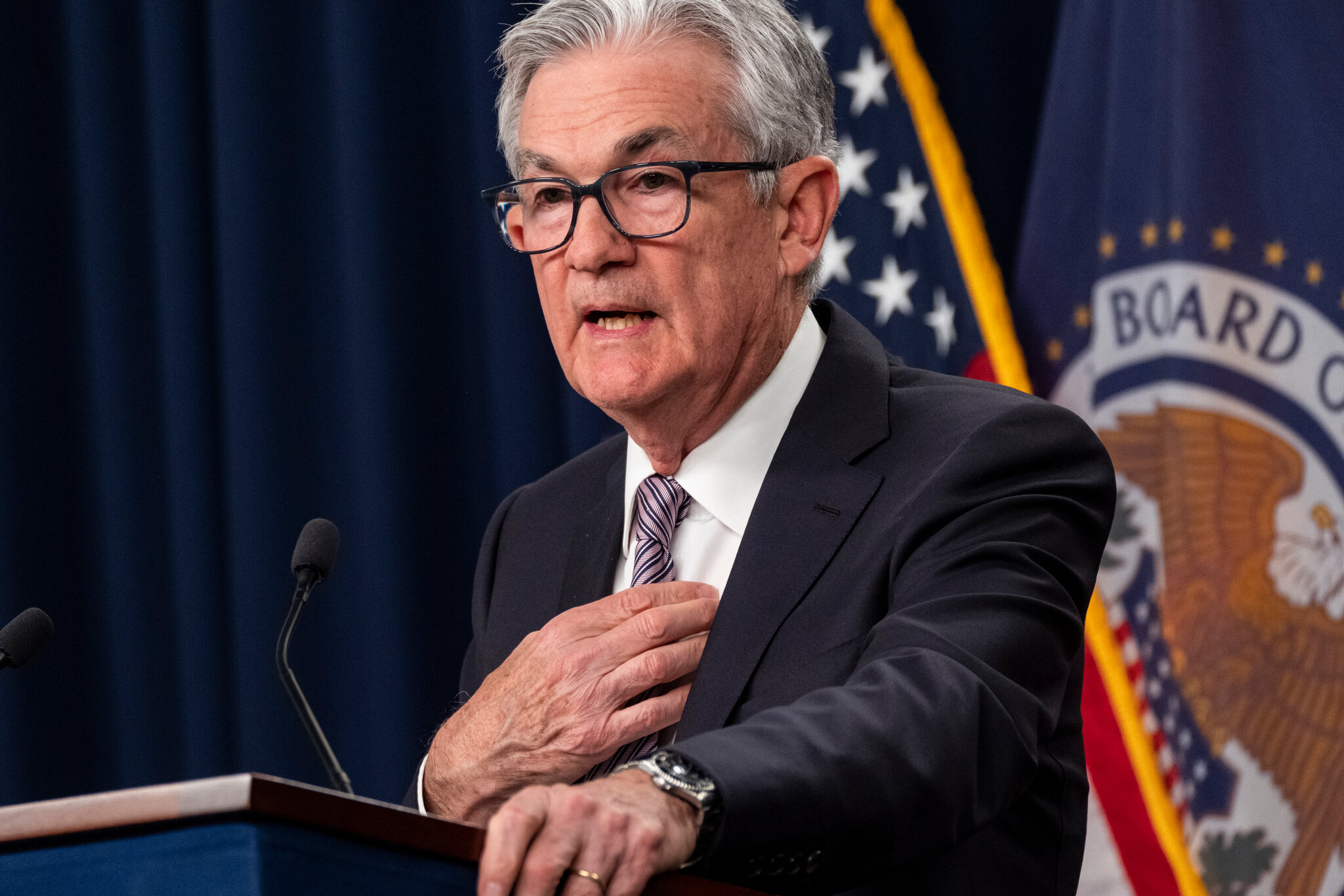
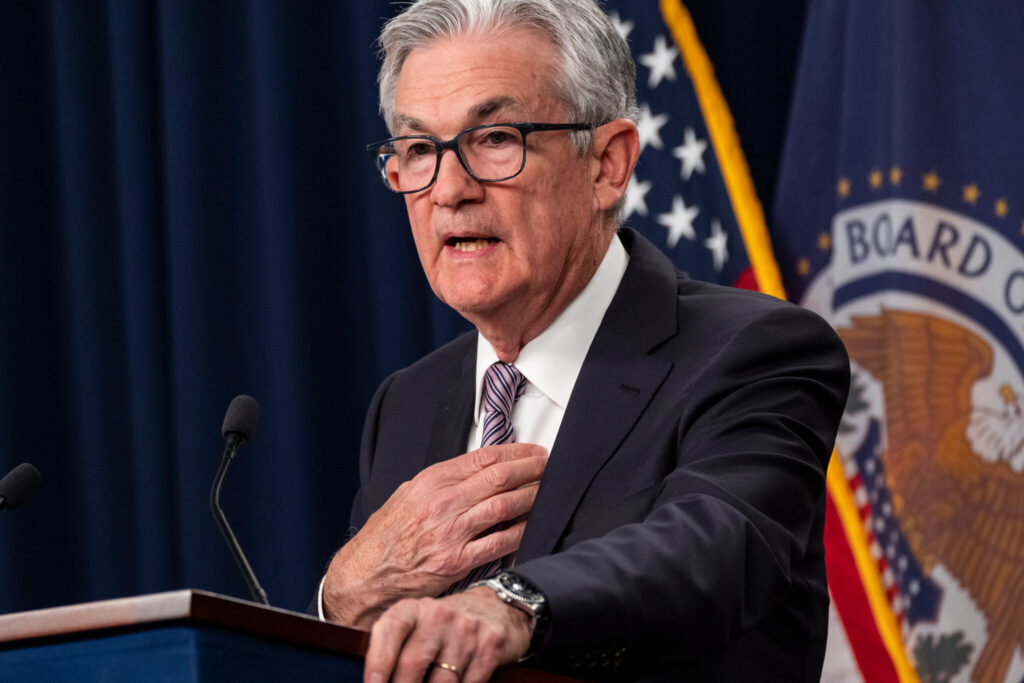
  By Anjan Roy   The US Federal Reserve chairman, Jerome Powell, has given a clear message from Jackson Hole, Wyoming, that the American central bank is all set to enter a rate reversal cycle. The Federal Reserve at long last would usher in a regime of lower policy rates.   This was picked up […]

SHANGHAI, CHINA – Media OutReach Newswire – 22 August 2024 – The adoption of Artificial intelligence (AI) among Mainland Chinese companies has increased steadily over the past three years and is expected to surge in the next 12 months. CPA Australia’s Business Technology Survey 2024 Nearly half of surveyed accounting and finance professionals in Mainland China expect their business will increase the use of AI in the […]

Advertisements

Declared an interim dividend of HK1.5 cents per share Highlights: Revenue generated by RMAA works increased by approximately 11.2% Gross profit increased by 25.0% to approximately HK$188.1 million. Gross profit margin increased by 1.5 p.p. to approximately 6.8%. Basic earnings per share was HK7.17 cents. The Board resolved to declare the payment of interim dividend of HK1.5 cents per share. Financial Highlights: For the 6 months ended […]

OpenAI has appointed Irina Kofman, a former executive at Meta Platforms Inc., to lead its strategic initiatives. This move underscores the organization’s ongoing efforts to bolster its leadership with seasoned experts from the tech industry. Kofman, who previously held a senior role at Meta, will now be a key player in shaping OpenAI’s strategic direction. Her appointment comes at a time when OpenAI is rapidly expanding its […]

Bank of Singapore is strategically focusing on expanding its presence in the Middle East, forecasting a significant increase in assets and revenue from the region over the next five years. The financial institution anticipates that the Middle East will contribute up to 20% of its total revenue and private banking assets by 2029. The bank’s expansion strategy aligns with broader trends of international financial institutions bolstering their […]

The Indian government is preparing to launch a significant green bond issuance in the latter half of the fiscal year, aiming to raise approximately 120 billion rupees ($1.4 billion). This move marks the country’s renewed effort to attract investment in sustainable projects, reflecting a broader trend in global finance where environmental, social, and governance (ESG) criteria are increasingly influencing investment decisions. India’s green bond market has been […]

TECOM Group, a key player in Dubai’s commercial real estate sector, has committed $93 million to expand its portfolio by developing Grade A office spaces in the new Phase 3 of the Innovation Hub. This project is part of TECOM’s strategy to meet the increasing demand for high-quality office spaces in the region, driven by the city’s strong economic growth and its appeal to global businesses. The […]

Resorts World Cruises is set to expand its footprint in the Middle East by launching a new series of cruise sailings from Dubai. This move marks a significant step in the company’s strategic growth plan, aiming to tap into the thriving cruise market in the region. The inaugural voyage is scheduled to begin in early October 2024, featuring a diverse range of itineraries designed to attract both […]

Emirates Global Aluminium (EGA) has announced its decision to acquire Spectro Alloys, a prominent US-based recycled aluminum company. This strategic move is set to enhance EGA’s recycling capabilities and support its sustainability goals by increasing the volume of recycled material in its production processes. The acquisition, valued at approximately $200 million, aligns with EGA’s broader strategy to integrate more sustainable practices into its operations. Spectro Alloys, known […]

Bank of Singapore, one of Asia’s leading private banks, is setting its sights on the Middle East as a key growth region. The bank aims to significantly increase its private banking assets in the region, targeting the Middle East to contribute up to 20% of its total assets under management (AUM) within the next three to five years, a substantial rise from the current 10%.

Ranjit Khanna, head of private banking for Europe and the Middle East and CEO of the bank’s Dubai hub, emphasized the strategic importance of the Middle East, particularly the UAE, in the bank’s expansion plans. Dubai has emerged as a major destination for global millionaires, driven by favorable government policies, a business-friendly environment, and attractive residency programs like the golden visa.

Bank of Singapore’s expansion into the Middle East is part of a broader trend among wealth managers, particularly in Asia, who are increasingly establishing a presence in Dubai. This shift is fueled by growing diplomatic ties between China and the Middle East and the rising demand for wealth diversification among high-net-worth individuals in the region.

As of the end of September 2023, the Bank of Singapore’s AUM stood at $116 billion, up from $20 billion in 2010, with the majority of assets currently managed out of its Singapore and Hong Kong hubs. The Middle East, however, is quickly gaining ground as a crucial market for the bank, with the UAE’s role as a cross-border wealth hub becoming increasingly prominent. The UAE saw the highest growth in cross-border wealth inflows among Middle Eastern countries, driven by investments from Saudi Arabia and other prosperous markets in the region.

Khanna believes that the Middle East and Asia will be dominant regions in wealth management over the next decade, further solidifying the bank’s strategic focus on these areas as key drivers of growth.

This aggressive expansion strategy underscores the bank’s commitment to enhancing its presence in the Middle East, leveraging the region’s economic dynamism and the burgeoning wealth of its high-net-worth population.

UAE-based banks have attracted $14.7 billion in new three-month deposits within the first five months of 2024, as revealed by the Central Bank of the UAE. This increase reflects an 8.9% growth in deposits, which rose from AED 604.99 billion at the end of December 2023 to AED 659.01 billion by May 2024. The substantial majority of these deposits, around 90.9%, were held by national banks. The trend underscores the growing trust and stability within the UAE banking sector.

Microsoft has launched its latest Surface devices in the UAE, bringing cutting-edge technology to the region. The newly introduced Surface Pro and Surface Laptop are designed to enhance productivity, offering advanced features aimed at professionals and students alike. The Surface Pro, known for its versatility, now comes with upgraded hardware that includes the latest Intel Core processors, improved battery life, and a sharper, more responsive touchscreen. This […]

The Central Bank of Nigeria’s (CBN) latest Business Expectations Survey (BES) unveils an optimistic outlook for Nigeria’s economic landscape, projecting a significant increase in job creation across diverse sectors. This forward-looking analysis reflects a notable shift in the country’s economic trajectory, driven by an enhanced business environment and strategic investments.

The CBN’s survey highlights a robust confidence among Nigerian businesses regarding their capacity to expand and generate employment opportunities. A substantial number of businesses across various industries anticipate scaling up operations in the coming months, driven by favorable economic conditions and supportive government policies.

The survey data suggests that sectors such as manufacturing, technology, and services are at the forefront of this job creation wave. Businesses within the manufacturing sector are particularly optimistic, attributing their positive outlook to increased domestic demand and improvements in infrastructure. This sector, traditionally a cornerstone of Nigeria’s economy, is expected to leverage these advancements to boost production and employment.

Technology firms, riding the wave of digital transformation, are also poised to contribute significantly to job growth. The expansion of tech startups and the increased adoption of digital solutions are expected to create numerous opportunities in IT and related fields. This sector’s growth is further supported by investments in innovation and the burgeoning tech ecosystem in Nigeria.

The services sector, encompassing a wide range of industries from financial services to hospitality, is also anticipating a surge in job creation. The sector’s growth is driven by rising consumer demand, economic diversification, and infrastructural developments. This trend is indicative of a broader economic shift towards a service-oriented economy, reflective of global patterns.

Key to this positive outlook is the role of government policies and economic reforms. Recent initiatives aimed at improving the ease of doing business, such as streamlined regulatory processes and incentives for small and medium-sized enterprises (SMEs), are likely to have a significant impact. These measures are designed to create a more favorable business environment, encouraging investment and entrepreneurial activity.

Moreover, the CBN’s survey underscores the impact of macroeconomic stability on business confidence. Efforts to stabilize inflation, manage exchange rates, and address fiscal challenges are contributing to a more predictable economic environment, fostering greater investment and growth prospects.

The anticipated job growth is expected to have ripple effects throughout the economy. As businesses expand, there will be increased demand for skilled labor, which could drive improvements in educational and training programs. Additionally, the rise in employment opportunities is likely to stimulate consumer spending, further fueling economic growth.

Challenges remain, however. Businesses will need to navigate potential obstacles such as global economic uncertainties, supply chain disruptions, and fluctuations in commodity prices. Effective management of these challenges will be crucial in sustaining the positive trajectory projected by the CBN’s survey.

The CBN’s Business Expectations Survey paints an encouraging picture for Nigeria’s job market, with various sectors poised to drive significant employment growth. This optimistic forecast reflects broader economic improvements and the positive impact of supportive policies and reforms. As businesses prepare to expand and create new job opportunities, the Nigerian economy stands to benefit from a more dynamic and resilient labor market.


UBS Group AG’s push against increased capital requirements has been firmly rejected by Swiss Finance Minister Karin Keller-Sutter. Despite the bank’s substantial lobbying efforts, Keller-Sutter has maintained her stance, indicating that the proposed new regulations will proceed as planned.

UBS has been advocating for more leniency regarding capital requirements, arguing that the proposed rules could impose undue constraints on its operations and profitability. The lobbying campaign has included high-profile meetings and extensive dialogue with policymakers, aiming to influence the Swiss government’s decision on financial regulations.

However, Keller-Sutter’s response has been unequivocal. She emphasized that the government is committed to strengthening financial stability and ensuring that large financial institutions are adequately capitalized to withstand potential economic shocks. Her firm position reflects a broader trend among regulators worldwide, who are increasingly focusing on enhancing the resilience of the banking sector.

The debate over capital requirements is part of a larger global discussion about financial regulation following the 2008 financial crisis. Regulators and financial institutions continue to grapple with finding the right balance between maintaining financial stability and supporting economic growth. UBS’s lobbying efforts highlight the tension between these objectives, as banks seek to mitigate regulatory burdens while regulators aim to protect the financial system.

Keller-Sutter’s decision underscores Switzerland’s commitment to upholding stringent financial standards. The country has long been a global financial hub, and its regulatory policies often set a precedent for other nations. The Finance Minister’s stance signals a firm resolve to prioritize financial stability over industry lobbying.

The implications of this decision are significant for UBS and the broader banking sector. If the new capital requirements are implemented, UBS may need to adjust its financial strategies to comply with the regulations. This could involve raising additional capital, altering its investment strategies, or adjusting its business operations to align with the new requirements.

UBS’s lobbying efforts are not an isolated case. Financial institutions worldwide regularly engage in lobbying to influence regulatory policies that affect their operations. The effectiveness of such campaigns can vary, depending on the political climate, regulatory environment, and the strength of the arguments presented.

Keller-Sutter’s firm position has been met with both support and criticism from various stakeholders. Supporters argue that strong capital requirements are essential for preventing future financial crises and protecting the stability of the global financial system. Critics, however, contend that excessive regulatory constraints could stifle innovation and economic growth.

As the debate continues, the focus remains on how best to balance regulatory demands with the needs of the financial sector. UBS’s lobbying efforts reflect the ongoing negotiation between regulators and financial institutions over the future of banking regulations. The outcome of this issue will likely have far-reaching implications for the financial industry, both in Switzerland and globally.

Swiss Finance Minister Karin Keller-Sutter’s rejection of UBS’s lobbying against increased capital requirements emphasizes the Swiss government’s commitment to maintaining rigorous financial standards. The resolution of this issue will be closely watched by financial institutions and regulators alike, as it could shape the future of banking regulation in Switzerland and beyond.

HONG KONG SAR – Media OutReach Newswire – 23 August 2024 – The Hong Kong Council of Social Service (HKCSS) is pleased to announce its inaugural participation in the 8th China (Guangzhou) International Elderly Health Industry Expo (EldExpo) from August 23 to 25 at the Canton Fair Complex in Guangzhou. This strategic engagement underscores HKCSS’s commitment to addressing the challenge of ageing population and advancing elderly care […]

Kenya’s recent decision to impose new levies on cereals, legumes, herbs, and tubers has triggered widespread protests from traders, who argue that the move breaches regional trade agreements. The new tax regime, effective immediately, aims to boost government revenue but has faced backlash from within the East African Community (EAC), where economic integration and free trade are cornerstones.

Traders and industry experts have voiced concerns that the additional levies could destabilize regional trade networks. They argue that such measures undermine the EAC’s commitment to facilitating trade and reducing barriers within the region. The EAC, comprising Kenya, Uganda, Tanzania, Rwanda, Burundi, and South Sudan, has worked to establish a common market to enhance economic cooperation and reduce trade friction among member states.

Kenyan officials, however, maintain that the new levies are necessary to address local market imbalances and promote the growth of domestic agricultural sectors. The government argues that these taxes will support local farmers by reducing the influx of imported goods that they claim undercut local prices.

Economic analysts warn that these levies could lead to retaliatory measures from neighboring countries, potentially escalating into a broader trade dispute within the EAC. Such conflicts could disrupt supply chains and increase costs for consumers, particularly in countries dependent on cross-border trade.

The East African Business Council (EABC) has expressed strong disapproval of Kenya’s policy shift. The council’s representatives argue that the new levies could create significant hurdles for regional trade, particularly for small and medium-sized enterprises that lack the resources to absorb additional costs. They call for urgent dialogue between the Kenyan government and EAC trade officials to resolve the issue without further escalating tensions.

Farmers in Kenya are also divided on the impact of the new levies. While some support the policy as a way to protect local agriculture, others fear that the increased costs will lead to higher prices for consumers and reduced competitiveness of Kenyan products in the regional market. This internal division reflects broader concerns about how best to balance national interests with regional cooperation.

The controversy has also drawn attention from international trade observers, who highlight the potential implications for the EAC’s broader economic goals. The community’s vision includes the creation of a single market and a customs union, which are at risk if member states impose unilateral trade barriers.

As the debate continues, the Kenyan government has pledged to review the impact of the new levies and engage in discussions with regional trade partners. However, the situation remains fluid, with stakeholders closely monitoring developments and preparing for possible adjustments in trade policies.

The unfolding dispute underscores the challenges facing regional integration efforts in East Africa, where balancing national policy objectives with the commitment to free trade and economic cooperation is increasingly complex.

Chainwireio.net, a trailblazer in Decentralized Physical Infrastructure Networks (DePIN), has appointed Tory Green as its new Chief Strategy Officer. This strategic move aims to bolster the company’s innovative approach in integrating physical and digital infrastructure.

Tory Green, previously a senior executive at a leading tech firm, brings extensive experience in strategic planning and operational leadership. Her appointment is expected to drive Chainwireio.net’s mission of transforming the infrastructure landscape through decentralized solutions.

Green’s role will focus on accelerating the company’s growth and refining its strategic vision. With her background in scaling tech startups and her expertise in infrastructure development, Green is well-positioned to enhance Chainwireio.net’s competitive edge in the rapidly evolving DePIN sector.

Chainwireio.net’s DePIN framework aims to create a decentralized network of physical infrastructure, which integrates seamlessly with blockchain technology to provide scalable and secure solutions. This innovative approach is poised to address inefficiencies in traditional infrastructure systems and offer new opportunities for investment and development.

Under Green’s leadership, Chainwireio.net plans to expand its portfolio of DePIN projects, which include smart city infrastructure, decentralized energy solutions, and secure data centers. The company anticipates that her strategic insights will be crucial in navigating the complexities of these large-scale projects and in forging partnerships that align with its long-term objectives.

The appointment comes at a pivotal time for Chainwireio.net as it prepares to launch several high-profile initiatives aimed at revolutionizing the infrastructure sector. Green’s extensive network and experience are expected to play a significant role in positioning the company as a leader in the DePIN industry.

With Green’s guidance, Chainwireio.net is set to enhance its strategic operations, drive innovation, and solidify its position in the market. The company’s focus on leveraging decentralized technology to optimize physical infrastructure represents a significant advancement in the sector, and Green’s leadership is anticipated to be a key factor in its continued success.

Nigeria is banking on the operational launch of the Dangote Petroleum Refinery to address ongoing fuel shortages and alleviate the burden of lengthy queues at petrol stations. As the country grapples with an energy crisis exacerbated by its reliance on imported refined petroleum, the new refinery promises to be a game-changer in the nation’s energy landscape. This refinery, situated in the Lekki Free Zone near Lagos, is […]

Tatweer Company, in collaboration with Al Rajhi Capital, has announced the launch of a substantial investment fund valued at over $533 million (SAR 2 billion) aimed at developing a major multi-use project in Riyadh. This ambitious initiative targets the strategic intersection of Al-Urubah and Al-Takhassusi Roads in the Al-Rahmaniyah neighborhood, a rapidly growing area in the Saudi capital. The fund represents a significant commitment to enhancing urban […]

VISHNU RAJA
RYO YAMADA
HITORI GOTOH
IKUYO KITA