JPMorgan Chase has evaluated launching its own stablecoin as major banks reconsider their approach to blockchain-based money amid growing demand for digital payments and clearer US regulation. The deliberations mark a potential shift for the world’s largest bank by market capitalisation, which has so far concentrated on tokenised bank deposits rather than issuing a conventional stablecoin. JPMorgan already operates JPM Coin, a dollar-denominated deposit token designed for […]
Singapore is preparing to provide almost S$70,000, or nearly Dh200,000, in direct financial support for every citizen child as it confronts a record collapse in fertility and mounting pressure from an ageing population.
The new SG Child Support Package will extend government assistance from birth through age 17, replacing a system that concentrates much of its financial help around a child’s early years. Payments under the redesigned framework are scheduled to begin in April 2027.
Prime Minister Lawrence Wong unveiled the package at the National Day Rally on August 23, describing a broader shift towards supporting parents throughout the years of raising a family rather than relying mainly on incentives linked to childbirth.
Every Singapore citizen newborn covered by the new arrangements will receive a S$10,000 Baby Gift and a S$5,000 MediSave grant. A Child Development Account will receive an initial S$5,000 grant, with the government matching parental savings dollar for dollar up to another S$5,000.
Children will then receive S$2,000 in annual Child Credits from age one through 16. Government support will also include annual Edusave top-ups during primary and secondary education and a S$10,000 payment into the Post-Secondary Education Account at age 17.
Taken together, the measures will provide almost S$70,000 in direct financial assistance for each citizen child. Unlike the existing Baby Bonus and Large Families schemes, the basic level of support will no longer depend on birth order.
The overhaul comes after Singapore’s resident total fertility rate dropped to 0.87 births per woman in 2025, its lowest level on record and down sharply from 0.97 in 2024. The replacement rate required to maintain a population without migration is about 2.1.
Only 30,004 live births were recorded in 2025, an 11 per cent decline from 33,703 a year earlier. Resident births fell 10.6 per cent to 27,529, while citizen births declined 10.4 per cent to 26,201.
The figures have intensified concerns about the size of Singapore’s future workforce and the ability of a smaller working-age population to support growing numbers of elderly citizens. More than one-fifth of citizens are already aged 65 or above, placing Singapore among societies experiencing particularly rapid demographic ageing.
Financial incentives are only one part of the policy response. Wong acknowledged that decisions about having children are deeply personal and cannot be determined by government payments alone. The package therefore combines cash assistance with measures targeting childcare costs, parental leave, housing and workplace pressures.
Childcare leave will be expanded according to family size. Working parents will receive eight days each if they have one child aged 12 or below, 10 days with two children and 12 days with three or more children.
A working couple with three primary-school children would consequently have 24 days of childcare leave between them, compared with four days under the existing arrangements for parents whose youngest child is above six.
The government will also cover the financial cost of all statutory child-related leave up to the applicable reimbursement limit, reducing the expense borne by employers and seeking to limit any employment disadvantage associated with parenthood.
Preschool costs are another major target. Government-supported centres currently provide places for about 80 per cent of preschoolers, but full-day childcare can cost close to S$600 a month for some families, while infant care can exceed S$1,000.
Authorities aim eventually to bring full-day childcare fees at government-supported preschools down to S$150 a month and infant care fees to S$300. The lower fee structure is intended to apply regardless of household income, while lower-income households will continue to qualify for additional subsidies. Implementation will take several years as the network of supported operators expands.
Housing policy is being adjusted alongside the family package. The monthly household income ceiling for Build-To-Order public housing will rise from S$14,000 to S$16,000, while the ceiling for Executive Condominiums will increase from S$16,000 to S$18,000.
First-time families applying for a new flat will receive an additional ballot chance for every child they have or are expecting, giving larger households greater priority in securing subsidised housing. Further healthcare, transport and housing assistance for larger families is also under consideration.
Project integrates UNESCO-recognized Can Gio mangrove forest as core climate infrastructure, expanding ESG to include Regeneration and Climate Adaptation
HANOI, VIETNAM – Media OutReach Newswire – 26 August 2026 – Vinhomes Green Paradise, the 2,870-hectare coastal urban development in Can Gio, has become the first greenfield project worldwide to receive the Interim Custom ISO 37122 Smart City Certification from the World Council on City Data (WCCD), even before the arrival of its first residents.
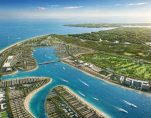
An aerial master plan of Vinhomes Green Paradise in Can Gio, the world’s first greenfield project to achieve early-stage ISO 37122 Smart City Certification from the World Council on City Data.
The milestone reinforces Vinhomes’ pioneering “ESG++” model for the project, a framework that moves beyond traditional environmental, social and governance pillars to explicitly incorporate Regeneration and Climate Adaptation as core design principles.
By placing the adjacent UNESCO-recognized Cần Giờ Mangrove Biosphere Reserve at the center of its urban strategy, rather than treating it as peripheral landscape, Vinhomes is demonstrating that large-scale coastal development can simultaneously address biodiversity loss, carbon sequestration and long-term climate resilience.
A measured response to the global urban health crisis
The urgency of rethinking urban models is underscored by global health data. According to the Health Effects Institute’s State of Global Air 2025 report, air pollution was linked to 8.1 million deaths worldwide in 2021, overtaking tobacco to become the second-leading global risk factor for death and the leading cause of death for children under five after malnutrition. The World Health Organization estimates that approximately 89% of the 4.2 million annual premature deaths attributed to outdoor air pollution occur in low- and middle-income countries, precisely the regions experiencing the fastest urban growth.
This reality has redirected global capital flows. Grand View Research projects the global smart-city market to reach USD 3.76 trillion by 2030, compounding at nearly 30% annually, one of the fastest expansion rates across any industry sector. In this context, the question is no longer whether smart cities are worth building, but which developments can demonstrate independently verifiable performance.
Vinhomes Green Paradise has addressed this global benchmark through its Interim Custom ISO 37122 Smart City Certification, awarded by the World Council on City Data (WCCD), which validates its smart infrastructure and data-driven urban governance against international standards.
Moving beyond conventional standards, the project operates under an elevated philosophy known as ESG++, integrating two commitments that extend well past standard corporate reporting: Regeneration and Climate Adaptation. Under the pillar of Regeneration, the development goes beyond traditional conservation by actively restoring local coastal ecosystems through targeted mangrove reforestation, biodiversity preservation and community environmental education.
Concurrently, its Climate Adaptation strategy re-engineers urban infrastructure to proactively withstand long-term environmental hazards such as sea-level rise, storm surges and coastal erosion, ensuring the city is built for future resilience rather than simply reacting to present conditions.
Community perspectives reflect the broader appeal of this approach. Ho Chi Minh City-based content creator FABO Nguyen, speaking to CNBC, described his affection for the city’s dynamism alongside growing concerns about air quality and congestion. For him, and for many urban residents weighing similar trade-offs, the Vinhomes Green Paradise model offers a forward-looking alternative that does not require leaving the region, but instead redefines what a sustainable, livable urban environment can look like.
Mangrove forests as climate infrastructure
What sets Vinhomes Green Paradise apart from most coastal megaprojects globally is not merely its size, but its ecological adjacency. The development borders the Can Gio Mangrove Biosphere Reserve, a UNESCO-recognized site spanning over 75,000 hectares, one of southern Vietnam’s most valuable natural assets.
Recent scientific research has revalued the role of mangroves in climate regulation. A study published in Nature Communications indicates that while mangroves account for just 0.36% of global forest area, they sequester carbon per hectare at nearly four times the rate of mature terrestrial forests, making them among the most efficient natural carbon sinks on Earth. According to the Blue Carbon Initiative, a single hectare of mangrove forest can store carbon equivalent to approximately 1,500 tons of CO₂, a figure no concrete structure can replicate.
Against a backdrop where global mangrove cover has declined by as much as 67% in some estimates, Vinhomes has adopted a preservation-first strategy. The Vinhomes Green Paradise master plan limits building density to just 16% of the total area and establishes a dedicated Forest Regeneration and Climate Adaptation Fund. These measures treat the adjacent mangrove ecosystem not as passive scenery but as active, natural defensive infrastructure against coastal erosion and storm surges, precisely the approach that climate scientists are urging coastal cities worldwide to adopt.
This ecological commitment aligns with measurable economic value. JLL’s research across Asia Pacific, based on an analysis of nearly 3,100 Grade A office buildings in 14 cities, shows that green-certified buildings can command rental premiums as high as 28% over non-certified equivalents in the region’s tightest markets, with supply continuing to lag behind occupier demand. Sustainability, in other words, has ceased to be simply a virtue and has become a measurable asset class.
Similarly, the global energy transition reinforces the viability of Vinhomes Green Paradise’s renewable-energy targets. The Global Wind Energy Council forecasts offshore wind capacity to nearly triple from 83 GW in 2024 to approximately 238 GW by 2030, while the International Energy Agency projects global renewable capacity to grow by 4,600 GW over the same period, equivalent to adding the combined current generation capacity of China, the European Union and Japan. Against this backdrop, Vinhomes Green Paradise’s ambition to run on offshore wind, solar and battery storage reflects a broader global trajectory rather than an isolated pledge.
A blueprint for 21st-century urbanization
Taken together, the ISO 37122 certification, the ESG++ framework, the strategic integration of the Can Gio mangrove ecosystem and the economic revaluation of green assets, Vinhomes Green Paradise presents a coherent response to a defining question in contemporary real estate: how to build cities that are both worth living in and built to endure.
The project’s recognition as the first Official Participant in New7Wonders’ global “7 Wonders of Future Cities” campaign further underscores its international relevance. Vinhomes Green Paradise serves as a notable reference point for coastal urban development, illustrating how economic growth and ecological preservation can be integrated in regional contexts.
Hashtag: #Vinhomes
The issuer is solely responsible for the content of this announcement.
About Vinhomes
Vinhomes is Vietnam’s largest residential real estate and integrated township developer. The company pioneers the development of synchronized, modern large-scale townships, delivering premium living standards and unlocking sustainable investment opportunities for domestic and international clients.
Arabian Post Staff -Dubai Dubai International Airport’s passenger recovery accelerated through the second quarter, with traffic climbing month by month as airlines restored capacity and international connections began returning after severe disruption to Gulf aviation earlier this year. DXB handled 13 million passengers between April and June. Monthly volumes increased from 3.5 million in April to 4.5 million in May and 5 million in June, a rise […]
SpaceX has unveiled plans to invest $100 billion in a vast Louisiana spaceport designed to become its largest launch complex and support thousands of Starship missions each year. The project, named Starbase Louisiana, will occupy about 125,000 acres in Vermilion Parish near Pecan Island on the Gulf Coast. Construction is expected to begin in 2027, while SpaceX is targeting its first Starship launch from the site in […]
Alibaba Group Holding’s powerful insiders have stepped in to buy shares after its $10.2 billion equity placement, but their show of confidence has done little to settle investor unease over dilution and the rising cost of the company’s artificial intelligence ambitions.
Founder Jack Ma bought more than HK$600 million worth of Alibaba’s Hong Kong-listed shares over consecutive trading days, while chairman Joe Tsai and chief executive Eddie Wu together purchased more than HK$200 million of stock. The buying helped shares recover modestly after the placement triggered their sharpest setback in months, but the stock remained well below levels preceding the deal.
Alibaba priced 710 million new shares at HK$112.70 each, raising HK$80 billion, or about $10.2 billion. The price represented an 8.4% discount to the August 21 Hong Kong close of HK$123 and increased the company’s outstanding share count by roughly 3.7%.
Hong Kong-listed shares slumped 8.5% on August 24, closing at HK$112.50 after trading as low as HK$110.10. They recovered 1.5% to HK$114.20 on Tuesday as purchases by senior executives became known, leaving them still more than 7% below the price immediately before the placement was announced.
The transaction has become a test of whether investors will continue financing increasingly expensive AI expansion despite the near-term pressure it places on earnings and cash generation. Alibaba has earmarked all net proceeds for its full-stack AI capabilities, covering computing infrastructure, chips, models and other technologies required to expand its cloud and generative AI businesses.
Demand for the offering itself was strong. Investor orders reached roughly $28 billion, making the placement almost three times subscribed. Sovereign wealth funds and long-only institutional investors accounted for a sizeable portion of allocations. The deal ranks as the largest primary follow-on share offering by a Hong Kong-listed company.
The discomfort instead centres on the scale and timing of Alibaba’s capital requirements. The company spent close to $10 billion on capital expenditure during the three months through June, an increase of about 75% from a year earlier. Net profit dropped about 75%, while free cash flow turned into an outflow of roughly $6.6 billion.
Alibaba has already deployed almost half of the 380 billion yuan it pledged last year to spend on AI and cloud infrastructure over three years. Management has argued that rapidly growing demand justifies accelerating investment and has shortened its expected payback period for AI expenditure to about two-and-a-half years from three years.
That argument is supported by Alibaba Cloud’s accelerating expansion. Revenue from the cloud business has been growing strongly, helped by demand for AI-related products, while the company continues to build computing capacity overseas. Alibaba Cloud this month opened a third data centre in South Korea, taking its network to 104 availability zones across 30 regions.
Its Qwen family of large language models has also strengthened Alibaba’s position among leading Chinese AI developers. New iterations have improved performance in coding, reasoning and agent-based tasks, helping the company compete with models from domestic rivals and leading US technology groups.
Investors nevertheless face a difficult balance between the longer-term AI opportunity and the immediate financial cost. Expensive processors, servers, data centres and networking equipment require large upfront commitments, while competition is pushing model providers towards lower prices. Alibaba is simultaneously spending heavily on quick commerce and other consumer businesses, adding pressure to margins.
The share sale has also revived scrutiny of capital allocation. Alibaba spent years repurchasing billions of dollars of its own shares, only to issue new equity at a sizeable discount as AI spending accelerated. Although the company still has substantial cash resources, investors have questioned why such a large equity raising was preferable to greater use of its balance sheet or debt financing.
Washington’s expanding economic offensive against Tehran is threatening to squeeze China’s access to discounted Iranian crude after war, blockades and maritime attacks sharply reduced flows through the Middle East’s main energy chokepoints. Chinese imports of Iranian crude moving through the Strait of Hormuz averaged about 530,000 barrels a day in July and August, down roughly 36 per cent from the first half of 2026 and 72 per […]
Arabian Post Staff -Dubai Iran and Oman have moved towards a temporary arrangement to restore safer commercial shipping through the Strait of Hormuz, proposing a jointly managed navigation corridor and mine-clearing operation while negotiations continue on a permanent system for the strategic waterway. Foreign Minister Abbas Araghchi and his Omani counterpart Badr Albusaidi discussed the phased framework during talks in Tehran on Tuesday, August 25. The proposal […]
SHANGHAI, CHINA – Media OutReach Newswire – 26 August 2026 – From tapping into the metro and paying at local shops to claiming tax refunds, booking family stays and unlocking dining benefits, Shanghai Summer 2026 is introducing visitor-focused products designed to make exploring the city easier for international travellers.
Running from July to October under the theme “Shanghai Summer, Join the Family Fun,” the international consumption season brings together payment networks, banks, hospitality groups and mobility providers to improve the visitor journey.
As a global strategic partner of Shanghai Summer, Visa is expanding its payment-friendly network across the city. Visa’s contactless “Tap to Pay” experience covers dining, accommodation, transport, tourism, shopping and entertainment. Visa data shows that in the first quarter of 2026, offline card spending by international visitors in Shanghai increased by more than 50% year-on-year, while transaction volumes rose by more than 60%.
China UnionPay is expanding its support for international visitors through the Nihao China App, an all-in-one digital platform combining payments, transportation, travel information and multilingual services. Available in more than 160 countries and regions, the app allows users to top up with international Visa or Mastercard cards and pay via UnionPay QR codes at more than 100,000 merchant locations. It also supports metro and bus travel in Shanghai, real-time translation, navigation and instant tax-refund services.
Bank of China Shanghai Branch has launched an upgraded Tax Refund 2.0 programme during Shanghai Summer. The initiative expands tax-refund services into hotels, supermarkets, restaurants, attractions and international talent service centres, supported by integrated POS refund functions and self-service tax-refund machines.
For travellers navigating the city, Shanghai Pass combines transportation, sightseeing and merchant benefits in one product. The card can be used across Shanghai’s metro, buses, ferries, suburban railways, Maglev services and taxis, while cardholders can access privileges at nearly 150 merchants.
Jin Jiang International is taking a similar integrated approach through its “2026 Jin Jiang ∞ Journey, Shanghai Summer” programme, combining hotels with cultural attractions, dining, guided city experiences and family entertainment. Its Shanghai Gourmet Passport 2.0 also connects dining, hotels and cultural experiences for international travellers.
Together, these products are making payment, transport, tax refunds, hotels, dining and attractions more connected — helping international visitors move more freely, pay more simply and experience more of Shanghai.
Hashtag: #ShanghaiSummer
The issuer is solely responsible for the content of this announcement.
Financial pressures and burnout emerge as key challenges to life preparedness according to Etiqa Insurance Singapore Life Preparedness Survey 2026
SINGAPORE – Media OutReach Newswire – 26 August 2026 – Only 49% of Singaporeans feel prepared for the next decade, despite 76% already taking action to improve their financial wellbeing, health and future readiness. The findings, unveiled in Etiqa Insurance Singapore’s Life Preparedness Survey 2026, reveal a disconnect between Singaporeans’ confidence about the future and the proactive steps they are taking today.
This survey, conducted by Kantar in May 2026, tracks indicators of life preparedness across body, mind, money, and future among 1,017 Singapore Citizens and Permanent Residents aged 18 and above.
These findings highlight a growing preparedness gap across these dimensions, suggesting that being prepared today requires more than financial discipline alone. It calls for resilience and ability to navigate uncertainty and changing demands in life.
Key findings of the survey include:
Financial security emerged as the single strongest definition of preparedness, with 68% of Singaporeans identifying it as the most important factor in being future ready. Nearly half of Singaporeans (47%) cite lack of money as their biggest barrier to life preparedness, significantly ahead of lack of knowledge (20%), lack of time (16%), and lack of motivation (15%).
68% of Singaporeans expressed readiness to take action to improve their life preparedness. They are most likely to start or increase savings (55%), exercise regularly (49%), spend more quality time with loved ones (38%), improve sleep habits (37%), and learn a new skill or take a course (33%).
76% of Singaporeans have already taken action to address their concerns for 2026. Some of the key concerns are financial worries (49%), conflict issues (32%), lack of exercise (30%), and limited time to upskill (28%).
Life preparedness takes a back seat for older mid-life Singaporeans
One in three (39%) Singaporeans aged 45 to 54 are not ready to take action to improve their life preparedness. Among this group, 24% prioritise managing household finances, while 21% are most concerned about planning for their future care needs.
These findings point to the pressures faced by Singapore’s mid-life population, where financial responsibilities and future caregiving concerns compete with longer-term planning. As competing demands increase, broader life preparedness goals such as improving health, building resilience, and preparing for the future can take a back seat.
Burnout emerges as a key challenge to future life preparedness
Over half (56%) of Singaporeans reported experiencing burnout in the past year, with one in five feeling burned out “very often”.
Burnout begins early in life, affecting 44% of Singaporeans aged 18 to 24. For the 18 to 24 age group, burnout is driven primarily by uncertainty about the future (49%), financial worries (43%), and workload or job demands (43%).
Despite these pressures, 42% of Singaporeans aged 18 to 24 identified wealth accumulation as their top focus area for 2026. This highlights a generation striving to build long-term stability despite elevated levels of mental and emotional strain.
Avoidance of future-planning conversations continues to hinder life preparedness
Many Singaporeans are uncomfortable discussing future care needs, finances and legacy planning with their families. Only 21% of Singaporeans have had open and detailed discussions with their family about these topics. Among Singaporeans aged 55 and above, 13% prefer to handle these matters on their own, reflecting a desire for independence and self-reliance when planning.
The findings suggest there is an opportunity to encourage earlier and more open conversations around future care, finances, and legacy planning to help reduce uncertainty and improve long-term preparedness.
Life Preparedness to navigate life’s uncertainties
“Financial readiness remains an important foundation, but resilience today also requires stronger support systems and more open conversations around long-term planning. People are more likely to take meaningful action when they feel supported, informed and empowered,” said Ms Claudia Soh, CEO, Etiqa Insurance Singapore.
“Our findings show that Singaporeans are taking positive steps to improve their financial wellbeing, health and future readiness, yet many still lack confidence about the future,” added Ms Soh.
“Life preparedness today is not just about financial discipline. It is about having resilience, support and flexibility to navigate life’s uncertainties, from rising living costs and caregiving responsibilities to health challenges and career transitions. Strengthening preparedness therefore requires building positive daily habits and longer-term planning horizons that help people feel more confident about the future.”
Etiqa Insurance Singapore life preparedness programmes
Etiqa Insurance Singapore supports the community through a range of initiatives focused on improving financial literacy, emotional wellbeing, and future planning. Through community outreach programmes, educational workshops, and accessible insurance solutions, Etiqa Insurance Singapore aims to help Singaporeans build greater confidence in navigating financial, emotional, and lifestyle challenges while preparing for the future.
The full Etiqa Insurance Singapore Life Preparedness Survey 2026 can be accessed here. For more information on our products and services, please visit us at www.etiqa.com.sg Hashtag: #Etiqa
The issuer is solely responsible for the content of this announcement.
About Etiqa Insurance Pte. Ltd. (Etiqa Insurance Singapore)
Protecting customers since 1961, Etiqa Insurance Pte. Ltd. (EIPL) is a life and general insurance company licensed and regulated by the Monetary Authority of Singapore and governed by the Insurance Act 1966. Having protected customers in Singapore since 1961 under the name United General Insurance Co. Sdn. Bhd., the company transitioned into the Singapore branch of Etiqa Insurance Berhad in 2009. Today, EIPL in Singapore stands as the pivotal operating entity of Etiqa Insurance Group, a leading insurance and takaful provider in ASEAN.
EIPL offers a comprehensive range of life and general insurance products accessible through its diverse distribution channels, including bancassurance, agents, brokers, financial advisers, partnerships, direct and online sales via Tiq by Etiqa. Etiqa is rated ‘A’ by credit rating agency Fitch for the group’s ‘Favorable’ business profile. The company is a member of the Maybank Group.
Etiqa Insurance Singapore Life Preparedness Survey 2026
The Etiqa Insurance Singapore Life Preparedness Survey was conducted in collaboration with Kantar in May 2026, surveying 1,017 Singapore Citizens and Permanent Residents aged 18 and above. This study delves into the attitudes, perceptions, and behaviours of Singaporeans, with a focus on life preparedness across body, mind, money, and future.
By TN Ashok The much-awaited political reunion between the Bharatiya Janata Party and the Shiromani Akali Dal appears to have hit the rocks even before the two former allies could formally sit down to negotiate a seat-sharing formula for the 2027 Punjab Assembly election. The problem is not ideology. Nor is it the bitter history […]
METRO MANILA, PHILIPPINES – Media OutReach Newswire – 25 August 2026 – Green GSM, an all-electric ride-hailing platform, today officially launched Premium Taxi, an upscale seven-seat taxi service in the Philippines. With an all-electric fleet of sophisticated and spacious VinFast Limo Green vehicles, the service is designed to deliver a comfortable and convenient travel experience, setting a new standard for the high-end electric taxi segment in the market.
Green GSM launches its Premium Taxi service in the Philippines.
As Green GSM’s second service tier in the Philippines after Green GSM Car, Premium Taxi offers a new mobility option for groups of up to six passengers, families, business travellers, passengers carrying multiple pieces of luggage, and customers seeking a smooth ride in a pleasant and relaxing environment.
The entire Limo Green fleet is finished in black to reflect its high-end positioning, making it easily recognisable and distinguishable from the existing Green GSM Car service, which features a cyan color scheme. Alongside its modern exterior design and spacious seven-seat configuration with three rows, each Limo Green is equipped with amenities including automatic air conditioning, dedicated air vents for the two rear rows, and an air filtration system that helps keep the cabin pleasant and fresh.
Green GSM’s Premium Taxi fleet exclusively uses VinFast Limo Green.
Alongside the three signature benefits of electric vehicle-zero emissions, no fuel odour and no engine noise-Green GSM’s Premium Taxi also delivers a five-star service experience through carefully-selected drivers who have received high ratings for service quality. Fares are transparently displayed through in-vehicle meters and on the Green GSM app, allowing customers to conveniently track their fares and trip information.
During its initial phase, Premium Taxi will operate in Makati, Taguig, Mandaluyong and Pasig City, serving travel needs across key business districts, commercial centres, hotels and transport hubs in Metro Manila. Customers can book through the Green GSM app, hail an available vehicle on the street, or contact the customer service hotline at 02-7777-8080.
VinFast Limo Green offers a spacious seven-seat configuration and a modern exterior design.
Ms. Le Thi Thu Trang, CEO of Green GSM Philippines, said: “Premium Taxi is not simply about providing more space. It is designed for journeys where comfort and attention to detail matter, from family trips and airport transfers to business engagements and special occasions. By combining the spacious interior of the VinFast Limo Green with professional drivers and Green GSM’s five-star service standards, we aim to give Filipino customers a high-end mobility option that is thoughtfully-delivered from the moment they book until the journey ends.”
With Premium Taxi, Green GSM expands its all-electric mobility portfolio in the Philippines to better meet customers’ diverse needs. Going forward, Green GSM will continue to enhance service quality while consistently upholding its “5 Green Promises”, with standards of professionalism, transparency and attentive customer care, thereby contributing to greener urban transportation.
Hashtag: #GreenSM
The issuer is solely responsible for the content of this announcement.
GREEN GSM IN THE PHILIPPINES
As of March 31, 2026, Green GSM had completed nearly five million trips and more than 32.6 million kilometres in all-electric vehicles in the Philippines. These journeys are estimated to have contributed to reducing approximately 6,263 tonnes of CO₂ emissions, equivalent to the amount absorbed by nearly 289,000 trees in one year, demonstrating the cumulative value of everyday green mobility choices.
India’s data centre real estate footprint is projected to exceed 101 million square feet by 2030, nearly four times the 27 million square feet recorded in the first half of 2026, as artificial intelligence, cloud computing and hyperscale investments accelerate demand for digital infrastructure.
The expansion is being backed by more than $300 billion in announced investment commitments across data centres and associated digital infrastructure, putting the sector among the country’s fastest-growing infrastructure segments. The development pipeline could lift installed data centre capacity beyond 6.7 gigawatts by the end of the decade from more than 1.8 GW in the first half of 2026.
The scale of investment reflects a fundamental shift in the market as generative AI dramatically increases computing requirements. Cloud migration, digital payments, video streaming, 5G networks, enterprise digitisation and growing demand for local processing capacity are adding to workloads that require high-density computing facilities operating around the clock.
Forecasts differ considerably because industry studies use different definitions of operational capacity, committed projects and IT load. A separate assessment released in July projects operational data centre capacity at 12 GW by 2030, compared with 2.2 GW in 2025, as AI-focused capacity expands sharply. AI-dedicated capacity alone could rise from about 275 MW in 2025 to more than 6.5 GW by the end of the decade.
Power availability is emerging as one of the biggest constraints on that growth. Electricity demand from data centres is estimated to reach 13.56 GW by 2031-32, requiring major additions to generation, transmission and renewable-energy infrastructure. Developers are also adopting direct-to-chip liquid cooling, immersion cooling and other technologies designed to reduce the electricity and water requirements of increasingly dense AI computing installations.
Mumbai Metropolitan Region and Chennai remain the largest established data centre markets, benefiting from submarine cable connectivity, fibre infrastructure and concentrations of enterprise customers. Their position at international cable routes connecting Europe, West Asia and Southeast Asia has helped establish both regions as major gateways for hyperscale capacity.
Hyderabad, Delhi-NCR and Bengaluru are now attracting a larger share of planned development as operators seek new land, power and connectivity options. Hyderabad could add 600-700 MW by 2030 to its existing capacity of about 178 MW, while Delhi-NCR is expected to receive another 500-600 MW against a current base of roughly 179 MW.
Global technology companies and large domestic groups are driving the investment cycle. Google has begun construction of an AI hub in Visakhapatnam as part of an approximately $15 billion investment planned between 2026 and 2030. The project combines gigawatt-scale computing infrastructure with subsea connectivity and new energy capacity, making Visakhapatnam an emerging data centre location on the east coast.
Reliance Industries is developing a 168 MW AI-enabled data centre in Jamnagar that Meta will lease, with an option to expand capacity. The facility, expected to be delivered within two years of the June 2026 announcement, will use renewable electricity and desalinated seawater for cooling. It will become Meta’s first built-to-suit data centre capacity in the country.
Real estate groups are also moving into infrastructure traditionally dominated by specialised data centre operators. Lodha Developers has earmarked about 400 acres at Palava near Mumbai for a data centre park and plans roughly 1 GW of powered-shell capacity, with Amazon Web Services and STT Global Data Centres identified as anchor operators. The powered-shell development alone is expected to require roughly ₹10,000 crore to ₹11,000 crore.
Other projects are expanding the competitive field. Yotta Infrastructure is developing additional capacity in Greater Noida, Anant Raj is targeting 357 MW of IT load across locations in Haryana by FY2032, while Prestige Group and NTT Data have agreed to develop a Bengaluru facility with 100 MW of overall capacity and 67.2 MW of critical IT load. NTT is also among the companies pursuing substantial additions in Hyderabad.
Flipkart has emerged as a serious challenger to India’s established quick-commerce platforms two years after launching Minutes, with daily orders surging past one million and its fulfilment network expanding rapidly across large and smaller cities.
The Walmart-owned company’s rapid-delivery service is handling an estimated 1.1 million to 1.2 million orders a day, compared with roughly 390,000 to 400,000 in November. That has brought Flipkart Minutes within striking distance of Swiggy Instamart, which is processing about 1.4 million daily orders.
Blinkit remains well ahead, with estimated daily volumes of roughly 3.4 million to 3.6 million orders, while Zepto handles about 2.4 million to 2.6 million. The gap nevertheless underlines the speed with which Flipkart has transformed itself from a late entrant into a major force in one of the country’s fastest-growing retail segments.
Flipkart Minutes was launched in August 2024, several years after Swiggy introduced Instamart and after Zepto established itself around ultra-fast grocery delivery. Blinkit’s origins stretch further back to Grofers, which began as an online grocery service before moving towards the dark-store model.
Flipkart has compensated for that late start with an aggressive infrastructure build-out. Minutes crossed 1,000 micro-fulfilment centres in June and now covers more than 130 cities and 8,000 pin codes. The company plans to expand its network to about 1,500 centres by the end of 2026. Orders have increased fivefold year on year.
The expansion is increasingly focused beyond the largest metropolitan markets. Around 90 cities added to the Minutes network over the past year are in smaller urban centres, where demand is growing from a relatively low base. Flipkart says its tier-two and tier-three business has expanded 42-fold compared with a year earlier.
That strategy distinguishes Flipkart from competitors that built much of their quick-commerce scale in affluent metropolitan neighbourhoods. The company can draw on an established e-commerce customer base, logistics infrastructure and merchant relationships while extending instant delivery to places where dark-store penetration remains lower.
Average baskets also offer Flipkart another competitive lever. Its average order value has been estimated at about ₹700, reflecting efforts to broaden rapid delivery beyond groceries into electronics, beauty products, wellness items and lifestyle merchandise. Fruits and vegetables remain important, but the average order value within that category has risen about 30% as customers become more comfortable buying larger baskets through Minutes.
The market itself continues to expand sharply. The six largest quick-commerce platforms together are now processing more than nine million orders a day. Blinkit, Zepto and Instamart still account for nearly four-fifths of that volume, but the accelerating expansion of Flipkart and Amazon is changing a market once dominated almost entirely by venture-backed start-ups.
Amazon is scaling its Now service while Reliance and other retailers are also seeking a larger share of instant commerce. Competition is increasingly shifting from simply entering new cities to placing additional fulfilment centres inside already-served pin codes, shortening delivery distances and expanding product selection.
For Swiggy, the pressure comes as Instamart concentrates increasingly on economics rather than network growth alone. The platform operates more than 1,200 dark stores across over 130 cities and serves more than 14 million monthly transacting users. Its gross order value reached ₹7,907 crore in the first quarter of fiscal 2027, rising 40% year on year, while its contribution-margin loss narrowed to 0.2% of gross order value. More than 45% of its dark-store network is contribution-margin positive.
Swiggy is also moving Instamart towards an inventory-led structure after changes to its foreign ownership arrangements, a model designed to improve purchasing efficiency, reduce wastage and give the company greater control over assortment and margins.
Walmart’s financial strength gives Flipkart considerable capacity to sustain investment while the quick-commerce business scales. Walmart International reported a 19% increase in e-commerce sales in its fiscal second quarter, while its operating income benefited partly from lower e-commerce losses. Flipkart’s advertising operations also remained a growth driver for the international division.
Washington has sanctioned the Wellbred commodities group and businesses spanning Singapore, the UAE, Switzerland and France, expanding pressure on a global commercial network linked to Iranian oil trader Mohammad Hossein Shamkhani. The measures designate Singapore-based Wellbred Capital Pte Ltd, UAE-based Wellbred Trading FZCO and Switzerland-based Wellbred Trading SA. La Nivernaise de Raffinage SAS, a French cooking-oil refinery controlled by Wellbred Trading SA, has also been placed under […]
Arabian Post Staff -Dubai France and Saudi Arabia have unveiled a €6 billion leisure development near Paris that is expected to include three theme parks, with a flagship attraction built around the Dragon Ball manga and anime universe. The project will be developed around Cergy-Pontoise, about 30 kilometres northwest of the French capital, and is expected to create about 22,000 direct jobs. Qiddiya Investment Company, the Saudi […]
Arabian Post Staff -Dubai Saudi Aramco has signed agreements with French companies carrying a potential combined value of more than $3.7 billion, expanding cooperation in drilling equipment, specialised oilfield products and industrial artificial intelligence. The agreements were announced during a Saudi-French investment roundtable in Paris on Monday, August 24, attended by Aramco president and chief executive Amin H. Nasser. They form part of a broader push by […]
Alibaba Cloud has opened its third data centre in South Korea, increasing local computing capacity as businesses accelerate investment in artificial intelligence, cloud applications and data-intensive services.
The facility, launched on August 18, expands the company’s Korea region only about 14 months after its second data centre began operating. Alibaba Cloud established its first South Korean data centre in 2022 after entering the market in 2016, reflecting a faster infrastructure build-out as demand for generative AI and enterprise AI agents increases.
The third site adds capacity for computing, storage, networking, databases, security, containers and cloud-native services. It will also support workloads requiring lower latency and stronger disaster-recovery arrangements, while giving customers more options to distribute applications across separate facilities.
Alibaba Cloud has not disclosed the new centre’s power capacity, investment cost, number of graphics processing units or current utilisation rate. The company has indicated that additional computing equipment can be installed as customer demand expands.
Operating three data centres also changes the resilience of Alibaba Cloud’s South Korean infrastructure. With two facilities, disruption at one centre could leave the remaining location handling workloads alone. The addition of a third allows applications to remain distributed between two facilities if another suffers an outage.
The expanded configuration has enabled Alibaba Cloud to raise the service-level availability commitment for its Korea region from 99.95% to 99.99%, strengthening its pitch to companies running business-critical applications and AI services.
Enterprise AI is becoming an increasingly important part of that strategy. Alibaba Cloud is introducing six agentic AI services in South Korea covering development, testing, deployment, operations and cybersecurity. They include AgentRun, STAROps, ACS Agent Sandbox, Agent Security Center, AI Security Guardrails 2.0 and Agentic SOC.
The services are aimed at companies seeking to move AI agents from experimental projects into production environments, where governance, reliability and security become more demanding. Enterprises are increasingly looking beyond access to large language models towards infrastructure capable of operating autonomous or semi-autonomous software agents at scale.
Alibaba Cloud is pairing those services with its broader full-stack AI offering, including infrastructure, development platforms and the Qwen family of AI models. Qwen models have recorded more than 3 billion downloads globally, while developers have created more than 300,000 derivative models based on the family.
South Korean companies are already using parts of Alibaba Cloud’s AI ecosystem. Gwangju-based Gendive has integrated Alibaba models including Wan for video generation and HappyHorse for image generation into its DevDive enterprise automation platform. NAVER Z’s ZEPETO platform also uses Alibaba Cloud infrastructure to support real-time 3D avatar generation and immersive services across Asian markets.
Alibaba Cloud has built local partnerships with companies including Megazone Soft and Team Sparta, seeking to combine its infrastructure with consulting, implementation and industry-specific services. Such alliances are important in a South Korean cloud market where global hyperscalers compete with strong domestic technology groups.
Data sovereignty is another factor shaping cloud investment. Businesses handling sensitive information increasingly want workloads hosted within national borders, particularly as regulators pay greater attention to cybersecurity, resilience and governance surrounding AI systems. Alibaba Cloud says its South Korean infrastructure is designed to comply with applicable local data-protection and cybersecurity requirements.
The Korea expansion forms part of Alibaba’s wider commitment to spend about 380 billion yuan, roughly $53 billion when the programme was announced, on AI and cloud infrastructure over three years. The group has already committed substantial capital to computing capacity, chips and AI development as it attempts to establish cloud services as a larger growth engine.
Alibaba Cloud revenue rose sharply in the April-June quarter of 2026, with cloud and AI-related sales reaching about 48.4 billion yuan and growing 45% from a year earlier. The expansion has come at a cost: Alibaba’s quarterly capital expenditure climbed to nearly 67.7 billion yuan as spending on computing infrastructure and semiconductor components increased.
The company has also expanded cloud infrastructure in France, Japan, Malaysia and Mexico. With the new South Korean facility, Alibaba Cloud says its global network has reached 104 availability zones across 30 regions.
Bitcoin climbed back above $79,000 on Monday, extending a powerful rebound that has restored bullish momentum after weeks of pressure across cryptocurrency markets. The world’s largest digital asset briefly traded around $79,200 before encountering resistance near the psychologically important $80,000 level. The move capped a sharp recovery from levels near $63,400 earlier in the week, representing a gain of more than 20% from the trough. Bitcoin subsequently […]
Bitcoin held close to $78,000 on Monday after its strongest weekly advance in more than three years, while gold climbed to a three-month high and major alternative cryptocurrencies paused after sharp gains. The largest cryptocurrency was trading around $77,000-$78,000 after gaining about 23% over the week ended August 23. Bitcoin briefly rose above $79,000 during the surge, its highest level in roughly three months, before profit-taking and […]
BEIJING, CHINA– Media OutReach Newswire – 24 August 2026 – The 2nd World Humanoid Robot Games opened yesterday at Beijing’s National Speed Skating Oval, also known as the “Ice Ribbon.” As another real-world validation of 5G Capital in robotics and embodied AI, China Unicom Beijing and Huawei have built an integrated digital foundation powered by a 5G-A GigaUplink network, supporting intelligent event operations, robot competition, and spectator experiences. The deployment also lays a connectivity foundation for humanoid robots to move beyond the arena and into everyday life. Across Beijing, 5G Capital’s region-wide GigaUplink network is providing ubiquitous, secure, and reliable connectivity for a growing range of cultural tourism, embodied AI, and Mobile AI applications and events.
China Unicom Beijing and Huawei Power the 2nd World Humanoid Robot Games with 5G-A GigaUplink
This year’s Games feature major upgrades in both scale and competition design. A total of 1,301 competitions across 51 events will see 2,056 humanoid robots from 666 teams worldwide take part. The number of events has nearly doubled from 26 in the inaugural Games to 51 this year, with new high-intensity head-to-head events such as table tennis and kickboxing. Scenario-based competitions have also expanded into real-world settings including industrial production, hotels, homes, and logistics, while dance events place greater emphasis on synchronized movement across multiple robots. More autonomous competition formats and significantly higher task complexity are placing stringent demands on networks for high-capacity uplink, millisecond-level responsiveness, and high reliability, supporting real-time robot telemetry, precise control signaling, and multi-robot coordination.
To meet these requirements, China Unicom Beijing and Huawei deployed a dedicated 100 MHz network, complemented by a 300 MHz LampSite ultra-wideband indoor network, to support real-time robot telemetry and precise signaling exchange. A dedicated 5QI 7 slice combined with carrier isolation keeps end-to-end latency for humanoid robots within 30 milliseconds, supporting millisecond-level decision-making and response while helping ensure the precision of multi-robot coordination, obstacle avoidance, and fine-motion control.
By further integrating the dedicated network with BeiDou RTK (Real-Time Kinematic) positioning, the solution delivers decimeter- to sub-decimeter-level positioning accuracy, supporting autonomous navigation, agile obstacle avoidance, and precision racing in complex environments. On-site tests recorded a peak uplink speed of 1 Gbps, with average latency below 30 milliseconds.
While safeguarding mission-critical connectivity for the robots, China Unicom has also made the network experience of on-site spectators a priority. To address the high-density, heavy-traffic demands of large crowds, network resources and service assurance policies are dynamically adjusted according to different phases and areas of the event, including admission, waiting, competition, and departure. Core services such as instant messaging, ticket inquiries, QR-code admission, and mobile payments are prioritized for stable access, while the network also accommodates data-intensive services such as photo uploads, short-video sharing, and live streaming. This allows spectators to stay connected, interact seamlessly, and share highlights in real time even during peak traffic periods.
On the operations side, China Unicom has also developed China’s first embodied AI robot management platform designed for event scenarios. Through a unique network ID assigned to each robot, event staff can monitor its location within the venue, competition status, and operational metrics in real time, creating a closed-loop operations and management system.
China Unicom and Huawei Together Advancing the 5G Capital initiative
Yang Lifan, Deputy General Manager of China Unicom Beijing, said: “This network deployment is not only a real-world test of China Unicom’s network capabilities; it will also help us accumulate valuable network assurance experience for the large-scale deployment of embodied AI. China Unicom will continue to build on the experience gained through the 5G Capital initiative and turn technological innovation into tangible and replicable network capabilities for the Mobile AI era. In doing so, we aim to support industrial innovation and help bring Chinese solutions to the world with China Unicom’s expertise.”
David Li, President of Huawei’s Wireless TDD Product Line, said: “The 2nd World Humanoid Robot Games have provided a compelling real-world validation of the 5G-A 100 MHz GigaUplink network based on 3.5 GHz 2CC + 2.1 GHz SUL for embodied AI scenarios. Looking ahead, Huawei will continue to work with China Unicom Beijing to strengthen uplink capabilities and advance spectrum coordination, building multidimensional network capabilities with tiered and differentiated service assurance for multimodal device-to-cloud transmission. This will enable real-time interaction and precise control across a wide range of embodied AI scenarios.
“Networks are about more than speed. Low latency, high reliability, and ubiquitous coverage are equally important. Building on these capabilities, we will further advance the 5G Capital initiative, continue to expand the boundaries of network performance, and lay a solid foundation for the Mobile AI era, working with industry partners to enable an intelligent future.”
Hashtag: #Huawei #WorldHumanoidRobotGames
The issuer is solely responsible for the content of this announcement.
From surging sports interest to last-minute purchase, Hong Kong users are eager for greater access to live entertainment experiences
HONG KONG SAR – Media OutReach Newswire – 24 August 2026 – With the excitement of football events and chart-topping concerts still reverberating across the city, Hong Kong is carrying the momentum into a vibrant summer of live entertainment. Capturing the pulse of the moment, MoreTickets, Asia’s No.1* live event ticket resale platform, releases Hong Kong’s top international and local live events[1] scheduled for the summer period (July and August), alongside consumer insights into platform users’ ticket-buying behavior.
Concerts Top Summer Searches as Sports Interest Surges
MoreTickets offers a wide range of live entertainment events worldwide, including popular concerts, sporting events, theatre performances and many more. Concerts continue to drive the summer entertainment landscape, capturing the majority of user interests. According to MoreTickets data1, the “Concert” category accounts for nearly two-thirds of all searches for live events or shows scheduled in July and August, reinforcing the city’s demand for major headline acts. Interest in “Sports” category is also rising, with searches up about 150% year on year, reflecting heightened appetite for major matches and global tournament moments this summer.
Top 10 Most–Searched Live Events Scheduled for July and August[1]:
Rank
Event Name
Category
Location
Show Date
1
AXA Presents: You & Mi Sammi Cheng Live at Hong Kong Kai Tak Stadium 2026
Concert
Hong Kong
July 10-12, 2026
2
MC Cheung E=MC² Concert 2026
Concert
Hong Kong
July 7-11, 2026
3
Hong Kong Football Festival (HKFF) 2026
Sports
Hong Kong
July 31-August 5, 2026
4
FIFA World Cup 2026
Sports
Overseas
June 11-July 19, 2026
5
CTF Life Title-sponsors: 2026 TMElive International Music Awards
Award Ceremony
Hong Kong
August 22-23, 2026
6
NMIXX 1ST WORLD TOUR <EPISODE 1: ZERO FRONTIER> IN HONG KONG
Concert
Hong Kong
July 25-26, 2026
7
The Music of Chan Fai Young: King of Pop
Concert
Macau
July 24-26, 2026
8
Hins Cheung UNPLUGGED 2 Second Movement Concert
Concert
Macau
July 24-26, 2026
9
LiSA – LiVE is Smile Always~15~ in Hong Kong
Concert
Hong Kong
July 18, 2026
10
ILLIT LIVE ‘PRESS START’ in HONG KONG
Concert
Hong Kong
August 22-23, 2026
Local Hong Kong artists and city-based performances remain highly searched, representing more than 70% of total searches, led by Sammi Cheng and MC Cheung, two renowned local singers who appeal spans generations. Fueled by global FIFA World Cup fever, the Hong Kong Football Festival emerged as a breakout hit, ranking the third among the top searches.
Hong Kong Live Event Goers Made Last-Minute Purchase, and Rise in Single-Ticket Purchases
In Hong Kong, MoreTickets users are deciding closer to the event date. MoreTickets purchase data[2] shows that nearly two out of five ticket transactions were made within seven days of the show (37%), signaling a more spontaneous approach to live entertainment planning. This last-minute pattern is strongest in event categories such as pop music concerts (55%) and fan meetings (40%). Among those last-minute buyers, 60% of the purchases opted for single-seat tickets, underscoring strong eagerness to attend live shows, supported by the platform’s real-time availability andtransparent pricing. MoreTickets helps users compare across the spectrum and secure the best fit with confidence.
Top 10 Events Purchased Within 7-Days of Event Date in May 2:
Rank
Event Name
Category
Location
Show Date
1
FAMA (Nongfu): The Funniest Concert in All Hong Kong
Concert
Hong Kong
May 8-10, 2026
2
Sun Life Presents: SANDY LAM RESONANCE
Concert
Hong Kong
May 16-17, 2026
3
Laufey: A Matter of Time Tour in Hong Kong
Concert
Hong Kong
May 12, 2026
4
Hang Seng Insurance Presents: 25+ EEG Family Concert
Concert
Hong Kong
May 3-4, 2026
5
b.balance Presents Live Band Concert|<3 symbol of love | MC Cheung x CONSTANCE x Gareth.T
Concert
Hong Kong
May 16, 2026
6
K-SPARK in MACAU
Music Festival
Macau
May 2, 2026
7
EXO PLANET #6 – EXhOrizon in MACAU
Concert
Macau
May 22-23, 2026
8
IVE WORLD TOUR <SHOW WHAT I AM> IN MACAO
Concert
Macau
May 23-24, 2026
9
2025-26 TREASURE TOUR [PULSE ON] in Hong Kong
Concert
Hong Kong
May 9, 2026
10
UFC Fight Night Macau and Road to UFC
Sports
Macau
May 28-30, 2026
A Safer Way to Find Tickets with MoreTickets
As live entertainment demand becomes more immediate and fragmented, many consumers still struggle when trying to secure tickets through various channels. MoreTickets offers an alternative as a safer platform with real-time availability, transparent-priced listing, and a secure refund guarantee, making it a reliable choice for live-event goers. It operates with two core safeguards – vetted sellers supported by a verified ticket-sourcing network, and escrow-based payment held until successful event entry.
Trusted by millions of users, MoreTickets helps users secure ticket access safely, ensuring they can enjoy the live entertainment moments that matter.
[1] The analysis is based on H1 2026 search activity on MoreTickets platform, filtered to events scheduled in July and August 2026.
[2] The analysis is based on purchase activity during 1 to 31 May 2026 on MoreTickets platform.
Hashtag: #MoreTickets
The issuer is solely responsible for the content of this announcement.
About MoreTickets
MoreTickets is Asia’s No.1* live event ticket resale platform, dedicated to providing convenient, secure, and hassle-free ticketing services. The platform covers a wide range of live entertainment, including popular concerts, sporting events, theatre performances, and more. To date, MoreTickets is trusted by millions of users in Hong Kong and Macau, with its ticket sourcing network spanning major global live events across Hong Kong, Macau, Taiwan, as well as Japan, South Korea, Southeast Asia, Australia, Europe and the Americas.
By integrating comprehensive event information and ticket sources, MoreTickets helps users quickly search and compare options while offering end-to-end services, including secure payment, order protection, and post-sale support. The platform is committed to delivering a seamless, intuitive, and reliable ticketing experience, ensuring users never miss out on their most anticipated shows.
*Measured by GMV of live event ticket resale platform in Asia in 2025 (According to Frost & Sullivan’s research on the live event resale platform industry in Asia, as of May 2026
HO CHI MINH CITY, VIETNAM – Media OutReach Newswire – 24 August 2026 – A Vietnamese men’s grooming brand is preparing to enter the U.S. market with a business model that has been developed and scaled across Asia. The move will be an important test of East West Barbershop (Dong Tay Barbershop)’s ability to expand internationally, taking one of Asia’s leading men’s grooming chains into the world’s most competitive barbershop market.
East West Barbershop (Dong Tay Barbershop) has established a presence in several overseas markets, including Thailand, China, Uzbekistan and Europe.
From a Vietnamese barbershop to an international network of more than 130 locations
In the global men’s grooming industry, building an international brand requires barbershop chains to solve a fundamental challenge: How can they standardize services, train staff, maintain a consistent customer experience and scale their model without losing their identity?
This is the formula behind many of the world’s leading names in the hair and grooming industry, including Great Clips, Supercuts, Sport Clips Haircuts, TONI&GUY, QB House and Jawed Habib Hair & Beauty. These brands have transformed a service industry traditionally dependent on individual craftsmanship into scalable business systems.
East West Barbershop (Dong Tay Barbershop) is pursuing a similar path. Founded in Vietnam in 2018, the company has grown into a network of more than 130 locations, with over 1,000 barbers, while gradually expanding into international markets. At this scale, East West operates in a different league from independent barbershops.
The value of a barbershop chain with hundreds of locations lies in its ability to deliver a consistent experience across the entire network. This is also why East West Barbershop (Dong Tay Barbershop) has been ranked among the Top 10 large-scale grooming brands in the world.
But as it prepares to enter the U.S. market, the key question is whether this model can be successfully transferred and operated in a completely different market.
Beyond the haircut: When a barbershop becomes an experience
East West Barbershop (Dong Tay Barbershop) seeks to differentiate itself by developing an “Experiential Barbershop” concept, combining grooming with relaxation and entertainment.
From the moment customers walk through the door, they are greeted by a space filled with greenery, along with relaxation areas featuring pool tables, chess, a piano, a bar and bookshelves. The chain, which caters exclusively to men and boys, also features car-themed barber chairs and dedicated play areas for its younger customers.
East West Barbershop (Dong Tay Barbershop) — The ultimate destination for men to relax and unwind
Its services extend well beyond a haircut, including hair washing, ear cleaning, massage, hair restoration treatments, perming, coloring, nail care, shoe cleaning and phone sanitization.
East West Barbershop (Dong Tay Barbershop) aims to change the way customers perceive a barbershop. Rather than simply purchasing a grooming service, customers can take time to relax, look after themselves or bring their children along to a space designed around the overall experience.
As consumers increasingly value the overall experience alongside service quality, this approach reflects the changing dynamics of the men’s grooming market.
The United States: East West Barbershop’s next major test
The United States is no random choice. It represents the next step in East West Barbershop (Dong Tay Barbershop)’s international strategy, building on a business model that has already been tested in Vietnam and several overseas markets.
Mr. Nguyen Hoai Thanh, Chairman of Dong Tay Barbershop Vietnam Joint Stock Company, said: “We chose the United States not because it is the easiest market to enter, but because it is one of the most demanding and competitive barbershop markets in the world. If a model built in Vietnam can succeed in the U.S., it would be the clearest testament to East West Barbershop’s ability to take its brand and business model to the international stage.”
The U.S. is home to many major barbershop and salon brands and is one of the world’s most mature markets for franchising in the service sector.
Great Clips is a prime example. With thousands of salons across the United States and Canada, the brand demonstrates the scale a haircut business can achieve when its model is standardized and successfully replicated.
Supercuts, Sport Clips and many other chains have likewise spent years building strong brand recognition and extensive customer networks.
Against this backdrop, the Vietnamese brand must answer a fundamental question: Why would American consumers choose a brand from Vietnam over names they already know and recognize?
East West Barbershop (Dong Tay Barbershop)’s answer is not simply to compete on price. Its goal is to “export” a business model that combines customer experience, workforce training, operating standards and franchising.
This requires the company to turn its operational experience into a transferable system while addressing the many differences between Vietnam and the United States.
East West Barbershop (Dong Tay Barbershop) identifies barber training, skills standardization and the ability to adapt to a new environment as key foundations of this process. International expansion also creates opportunities for Vietnamese barbers to gain exposure to international working environments.
East West Barbershop (Dong Tay Barbershop) has also linked its development with social initiatives, including free vocational training for young people, mobile haircut programs offering free services, and contributions to charitable activities. These efforts contribute to a distinctive brand story: a service business seeking to develop its brand, its profession and its community at the same time.
After nearly a decade of establishment and development, East West Barbershop (Dong Tay Barbershop) is gradually proving that a business model built in Vietnam can be standardized, franchised, and compete on the same playing field as the major players in the global hair industry.
If successful in the U.S., East West Barbershop (Dong Tay Barbershop)’s story will go beyond being a Top 10 brand or a network of more than 130 locations. It will be the story of how a Vietnamese service business transformed capabilities built at home into a model capable of reaching the global stage.
SINGAPORE – Media OutReach Newswire – 21 August 2026 – A new, scientifically proven digital assessment service is now available in Singapore, offering an objective window into psychological brain function for individuals struggling with inattention, hyperactivity and depression. Powered by the pioneering research of leading psychological scientists, the Digital Psychological Assessment continues to be conducted at iHealthtech NUS and is administered by www.objectiveADHDassessment.sg. The research team is translating years of cutting-edge research into a practical solution for the public.
For the first time, people in Asia can access a multimodal, objective assessment that moves beyond subjective questionnaires and interviews. The service leverages functional near-infrared spectroscopy (fNIRS), a non-invasive and painless technology that uses weak, harmless near-infrared light to measure brain activity in the frontal and temporal lobes. This is the same technology developed and validated by a team of psychological scientists whose work has been published in academic journals, including this publication and this publication, and featured in The Straits Times.
The principal investigator, who ranks among the world’s top 1–2% most highly cited psychological scientists, developed this approach to bring objective measurement to human functioning. The technology measures oxygen levels in the brain’s frontal and temporal lobes during cognitive tasks. Combined with eye-tracking and continuous performance tests, it provides a comprehensive and objective picture of inattention and hyperactivity.
This service is invaluable for parents concerned about their child’s inattention and hyperactivity, young adults, and working professionals who have long suspected neurodivergent difficulties but have lacked clear answers. By providing measurable biomarker data, the assessment helps people understand their own brain function, leading to more targeted support and interventions.
“This field often involves assessment without objective tools,” some scientists have stated, drawing a parallel to a simple test that provides a clear indication. This breakthrough offers a definitive, data-backed path towards understanding and managing one’s challenges.
The objective assessment represents a significant step forward in psychological assessment in Asia and has the potential to be extended to children and adults globally. For many, it marks the end of a long, uncertain struggle and the beginning of a clear, science-backed journey towards greater clarity and understanding.
Hashtag: #ObjectiveADHDassessment
The issuer is solely responsible for the content of this announcement.
About www.objectiveADHDassessment.sg (Singapore)
The entity is dedicated to translating research findings into real-life applications, focusing on objective, state-of-the-art psychological multimodal assessments for children and adults, leveraging technology validated by leading experts from renowned local and overseas universities.












 https://www.moretickets.com/