News related to
research

Tech giant Apple has officially exited negotiations to invest in OpenAI’s latest funding round, which aims to raise approximately $6.5 billion and is expected to close soon. This decision stands out against the backdrop of increasing investments in artificial intelligence, particularly as OpenAI’s valuation could soar to over $100 billion following this funding round. Reports indicate that Apple’s withdrawal came during the final stages of the negotiations, […]

Struggling with a challenging task for more than ten minutes may require a simple solution: take a walk. This approach, often advocated by Steve Jobs, now finds validation in neuroscience. Researchers have uncovered how physical movement can positively affect creativity, suggesting that standing still for too long can inhibit the mind’s problem-solving abilities. Jobs’ method of stepping away from a task to refresh the brain aligns with emerging scientific evidence that supports the role of movement in enhancing cognitive function and fostering creative thinking.

Neurobiologists have been studying the connection between physical activity and mental processes for years. A growing body of research points to the benefits of walking, particularly when individuals face mental blocks or challenging problems. Insights and breakthroughs often emerge when people break away from static routines and allow their minds to wander during movement. This phenomenon, known as “embodied cognition,” suggests that the mind and body work in tandem, and physical activity can unlock creative potential that may remain dormant while sitting at a desk or staring at a screen.

The ten-minute rule, famously advocated by Jobs, hinges on the idea that taking a short break when stuck on a problem can lead to a mental reset. Jobs reportedly employed this technique during his time at Apple, using walks as a tool for brainstorming, idea generation, and decision-making. The act of moving allowed him to approach challenges from different angles, freeing his mind from the constraints of a static environment.

Studies conducted by neuroscientists now support the notion that stepping away from a desk or leaving a fixed position can stimulate brain activity in ways that enhance creativity. The prefrontal cortex, which plays a key role in problem-solving and decision-making, becomes more active during physical movement. This increased activity can lead to new ideas and solutions that might not surface when an individual remains stationary.

The link between walking and creativity was examined in a series of experiments led by cognitive neuroscientists at Stanford University. Researchers asked participants to engage in various creative tasks while sitting and walking, both indoors and outdoors. The results consistently showed that those who walked demonstrated a marked improvement in their ability to think creatively. This effect was particularly noticeable when participants faced open-ended tasks, such as generating novel uses for everyday objects. Walking seemed to free the mind from rigid thought patterns, allowing for more expansive and divergent thinking.

Another study, conducted by researchers at the University of Graz in Austria, explored the impact of different types of movement on creative cognition. Their findings indicated that moderate physical activity, such as walking at a comfortable pace, had a more significant impact on creativity than intense exercise or remaining sedentary. The study also noted that walking outdoors, in natural environments, amplified this effect, suggesting that the combination of movement and a change of scenery can further enhance creative output.

Steve Jobs’ reliance on walking to spark creativity may have been intuitive, but neuroscience now provides concrete evidence of why it works. The “ten-minute rule” is more than just a productivity hack; it taps into the brain’s natural tendencies to generate insights during moments of physical movement. This practice can be especially effective for individuals engaged in creative fields, where original ideas and problem-solving are crucial.

However, the benefits of walking extend beyond just creativity. Neurobiologists have also pointed to the broader cognitive advantages associated with movement. Regular physical activity has been linked to improved memory, sharper focus, and better overall mental health. It promotes neuroplasticity, the brain’s ability to adapt and form new neural connections, which is essential for learning and cognitive flexibility. Walking may serve as a valuable tool not only for overcoming mental blocks but also for maintaining long-term brain health.

Despite its apparent simplicity, the act of walking while tackling a complex issue has gained widespread acceptance in various industries. Tech executives, writers, and designers often use walking meetings or outdoor strolls as part of their creative process. This practice has even been adopted in corporate environments, where standing desks and walking tracks are increasingly being integrated into office layouts to foster more dynamic thinking.

The significance of Jobs’ ten-minute rule is not confined to the tech world. It has implications for how modern workplaces are designed, encouraging a more fluid and movement-oriented environment. Companies are beginning to recognize the importance of allowing employees to step away from their desks, believing that such breaks are not only good for health but also critical for maintaining productivity and creativity.

Foreign direct investment (FDI) into artificial intelligence is seeing significant growth, with Dubai and the broader AI sector playing pivotal roles in shaping the landscape. FDI into AI-related projects surged by 44% in 2022, a reflection of the global push towards technological advancements. Notably, Dubai has emerged as a major global destination for FDI in AI, bolstered by several high-profile investments in technology infrastructure and research and development facilities.

Dubai’s prominence as a global AI hub can be traced to its forward-thinking governance and strategic location. Over the past year, the city has attracted a wide array of AI-related projects. Among these were significant initiatives from multinational firms such as Intel and Bert Labs, which established research hubs and regional offices. The strategic positioning of Dubai, combined with its investment-friendly policies and cutting-edge infrastructure, has made it a magnet for AI innovations, surpassing many traditional FDI centers in the process. This rise has placed Dubai among the top cities leading the world in cross-sectoral AI investments.

However, Dubai is not the sole recipient of AI-related FDI. India and Singapore, for instance, are key players in the AI ecosystem, benefiting from large FDI inflows. In 2022, India led with 122 AI-related projects, supported by substantial investments from major corporations such as Microsoft and Accenture. These investments primarily focused on data centers and advanced technology centers, especially in regions like Hyderabad and Tamil Nadu. This inflow of capital into India is driven by a combination of cost advantages, talent availability, and a growing demand for advanced AI-driven solutions.

The global surge in AI-related investments is not limited to emerging markets. The United States, traditionally a leader in greenfield investments, remains a key source of cross-border FDI in AI. In 2022 alone, the U.S. backed 285 AI-related projects globally. These projects range from the construction of chip production factories in Europe to the opening of new AI offices in cities like Berlin and London. The American dominance in AI investment is buoyed by its leading tech giants and the government’s strategic push to maintain an edge in the global AI race.

The implications of these trends are profound. As AI becomes increasingly central to various industries—from healthcare and finance to automotive and telecommunications—the geographical distribution of AI-related investments will shape the future of the global economy. Countries and cities that succeed in positioning themselves as AI leaders stand to reap significant economic benefits, attracting not only capital but also the high-skill jobs associated with AI and machine learning.

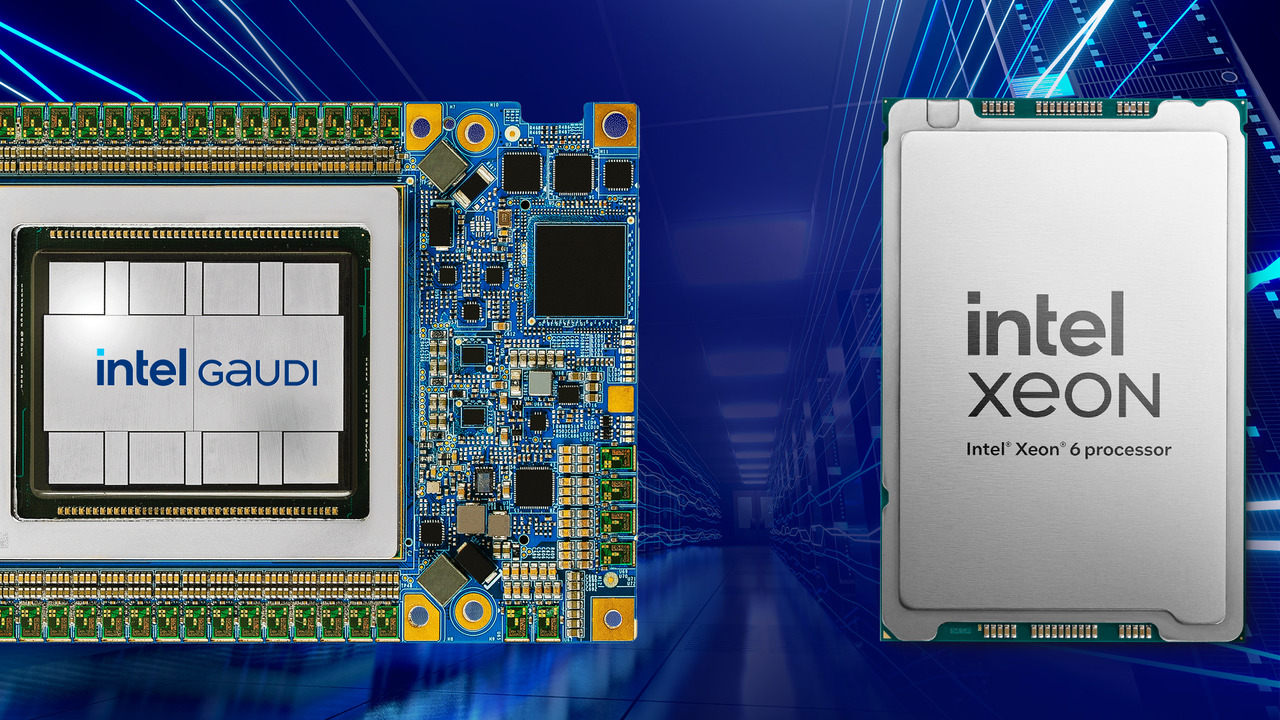
Intel has unveiled its latest offerings, the Xeon 6 processors featuring Performance-cores (P-cores) and the Gaudi 3 AI accelerators, marking a significant step forward in its pursuit of leadership in the artificial intelligence and data center sectors. The new hardware promises to deliver enhanced performance and efficiency, positioning Intel favorably in an increasingly competitive landscape dominated by Nvidia and other emerging players.

The Xeon 6 series aims to meet the escalating demand for processing power driven by AI applications. These processors utilize an architecture designed to optimize performance for various workloads, including cloud computing, edge processing, and high-performance computing (HPC). By integrating P-cores, which focus on maximizing performance for demanding tasks, Intel intends to address the needs of data centers seeking to balance workloads effectively while minimizing energy consumption.

One of the key features of the Xeon 6 processors is their support for advanced AI frameworks, enabling developers to build and deploy AI models more efficiently. Intel emphasizes that these processors are not only faster but also smarter, incorporating enhanced machine learning capabilities that streamline operations in data-intensive environments. This is particularly relevant as businesses increasingly leverage AI for analytics, automation, and improved decision-making processes.

The Gaudi 3 AI accelerators complement the Xeon 6 lineup by providing specialized processing power tailored specifically for deep learning workloads. Built on a unique architecture, Gaudi 3 accelerators promise to offer substantial improvements in both performance and scalability compared to their predecessors. Intel’s focus on AI-specific tasks reflects a broader industry trend where companies are prioritizing hardware that can efficiently handle the complexities of AI computations.

The introduction of the Gaudi 3 also highlights Intel’s commitment to enhancing the performance-per-watt ratio, a critical consideration as enterprises seek to optimize energy consumption in their data centers. By improving the energy efficiency of AI workloads, Intel aims to address one of the most pressing challenges in the industry: the rising costs and environmental impact associated with high-power computing.

In addition to the technical advancements, Intel’s launch includes new software tools and frameworks that will assist developers in maximizing the potential of the Xeon 6 and Gaudi 3 products. These tools are designed to simplify the process of integrating AI capabilities into existing infrastructures, thereby accelerating the adoption of AI technologies across various sectors.

Intel’s strategic positioning with these products also involves partnerships with leading cloud service providers and technology companies. By collaborating with entities such as Microsoft and Google, Intel seeks to ensure that its new hardware is optimized for widespread use in cloud-based AI applications. This collaboration is seen as essential in an environment where cloud adoption is accelerating, and organizations are increasingly migrating to cloud solutions for their computing needs.

The launch aligns with Intel’s broader strategy of revitalizing its product offerings in response to competitive pressures from firms like AMD and Nvidia, which have made significant inroads in the AI and data center markets. The tech giant’s commitment to innovation is underscored by its substantial investments in research and development, aimed at enhancing its competitive edge through cutting-edge technology.

As businesses worldwide embrace digital transformation, the demand for robust AI solutions continues to rise. Organizations are looking for hardware that can provide not only higher performance but also flexibility and scalability to adapt to evolving needs. Intel’s Xeon 6 and Gaudi 3 accelerators are positioned to meet these expectations, providing solutions for enterprises aiming to harness the full potential of AI.

Analysts suggest that Intel’s latest offerings could reshape the landscape of AI and data center performance. By integrating advanced processing capabilities with energy efficiency, Intel is poised to play a pivotal role in the ongoing evolution of AI technologies. The focus on enhancing the developer experience with new tools further strengthens its appeal to enterprises seeking to innovate and integrate AI into their operations.

The exploration of bioactive peptides has drawn considerable interest in recent years, with a focus on understanding their potential implications in various fields of biotechnology and research. One peptide that has garnered attention is Testagen, a synthetic peptide whose properties and mechanisms are still under investigation. While comprehensive research is ongoing, current data suggest that Testagen may hold valuable properties that have implications in cellular processes, tissue […]

Raxio Group has inaugurated its latest colocation data center, Raxio Côte d’Ivoire (CIV1), in Abidjan, Ivory Coast, furthering its commitment to expanding digital infrastructure across Africa. This facility represents a critical step in Raxio’s strategy to enhance connectivity and support the region’s growing demand for reliable data management services. The CIV1 data center is Raxio’s fifth facility in Africa, demonstrating the company’s robust growth trajectory and dedication […]

Huawei’s unveiling of the Xinghe Intelligent Autonomous Driving Network Solution marks a significant milestone in the realm of autonomous driving technology. This groundbreaking solution was introduced at HUAWEI CONNECT 2024, an event that gathered over 100 representatives from various enterprises, industry experts, and partners. With this announcement, Huawei aims to lead the charge in the digital and intelligent transformations that are reshaping numerous industries.

The Xinghe Intelligent Autonomous Driving Network Solution is touted as the industry’s first Level 4 (L4) autonomous driving network solution. This advancement is designed to facilitate a new paradigm in autonomous driving by enhancing the efficiency and reliability of self-driving vehicles. As global markets continue to demand smarter and more sustainable transport solutions, the launch of the Xinghe network addresses these challenges head-on, promising to enable fully autonomous operations in complex environments.

During the session, Huawei’s executives highlighted the potential of the Xinghe solution to significantly impact industries such as logistics, transportation, and urban mobility. By integrating advanced AI capabilities and robust connectivity, this network solution aims to improve operational efficiency and safety. It enables vehicles to operate without human intervention in predefined conditions, which is particularly beneficial in logistics and public transport systems where operational cost savings and enhanced safety measures are paramount.

Huawei’s initiative is also part of a broader trend within the technology sector, where companies are increasingly focusing on developing autonomous solutions that not only improve operational capabilities but also adhere to stringent safety standards. The shift towards autonomous driving technology is not just about innovation; it is also about responding to regulatory requirements and consumer demand for safer, more reliable transport options.

The introduction of the Xinghe Intelligent Autonomous Driving Network Solution follows Huawei’s commitment to investing heavily in research and development within the autonomous vehicle space. The company has been collaborating with various industry partners to establish a cohesive ecosystem that supports the widespread adoption of autonomous driving technologies. This collaborative approach aims to create a seamless integration of hardware, software, and networking technologies that is essential for the functionality of autonomous vehicles.

In addition to addressing operational needs, the Xinghe solution is expected to enhance the user experience for passengers. With advanced features such as real-time navigation, enhanced communication capabilities, and intelligent route optimization, passengers will benefit from a smoother and more efficient travel experience. This focus on the passenger experience aligns with the industry’s broader goal of creating a more integrated and user-friendly autonomous transport system.

Huawei’s initiative also resonates with the increasing emphasis on sustainability within the automotive industry. As governments around the world push for greener transportation solutions to combat climate change, autonomous vehicles are seen as a viable solution that can reduce emissions and optimize fuel consumption. The Xinghe Intelligent Autonomous Driving Network Solution could play a critical role in enabling electric and hybrid vehicles to operate more efficiently, thus supporting global sustainability initiatives.

The company’s approach to data security and privacy is another crucial aspect of the Xinghe solution. With autonomous vehicles relying heavily on data collection and analysis for navigation and operation, ensuring the integrity and confidentiality of this data is paramount. Huawei is addressing these concerns by implementing robust security measures and compliance protocols to protect user information and maintain public trust.

As the autonomous vehicle market continues to grow, key players are ramping up their efforts to establish a competitive edge. The introduction of Huawei’s Xinghe network is a strategic move that places the company at the forefront of the industry, poised to influence the future trajectory of autonomous driving technology. With established partnerships and a focus on innovation, Huawei is set to become a pivotal player in the evolving landscape of smart transportation.

Industry experts anticipate that Huawei’s launch will stimulate further advancements in autonomous driving networks, encouraging competitors to accelerate their own research and development efforts. The ripple effect of this innovation could lead to enhanced collaboration among technology firms, automotive manufacturers, and regulatory bodies, fostering an environment conducive to the growth of autonomous vehicle solutions.

Advertisements

Navigating the complexities of artificial intelligence (AI) adoption requires a distinctive skill set, especially for those in leadership roles such as the Chief AI Officer (CAIO). As organizations increasingly recognize the transformative potential of AI, the demand for skilled professionals who can guide their integration and implementation becomes paramount. This role entails much more than overseeing technological innovations; it involves steering strategic initiatives that align with organizational goals, ensuring ethical considerations, and fostering a culture of continuous learning and adaptation. To thrive in this dynamic landscape, a CAIO must possess several essential skills.

First and foremost, a profound understanding of AI technologies is critical. This includes not only a grasp of machine learning, natural language processing, and data analytics but also an appreciation of how these technologies can be effectively deployed within various business contexts. A CAIO should not only be technically proficient but also capable of translating complex AI concepts into understandable terms for stakeholders at all levels. This skill ensures that everyone, from board members to frontline employees, can appreciate the potential and limitations of AI initiatives, fostering a shared vision for the organization’s AI strategy.

Strategic vision is another key competency for a CAIO. The ability to anticipate future trends in AI and recognize opportunities for innovation is essential for any leader in this space. This involves not only staying abreast of technological advancements but also understanding how these advancements can drive business objectives. A successful CAIO must be able to align AI initiatives with the broader strategic goals of the organization, ensuring that investments in AI deliver tangible benefits. This requires a proactive approach to identifying areas where AI can create efficiencies, enhance customer experiences, and ultimately contribute to revenue growth.

A CAIO must exhibit exceptional leadership and communication skills. Leading AI initiatives often involves cross-functional collaboration, requiring the CAIO to work closely with various departments, including IT, marketing, operations, and human resources. The ability to communicate the vision and potential impact of AI projects across diverse teams is essential for gaining buy-in and fostering a collaborative environment. A successful CAIO will also inspire and motivate teams to embrace AI technologies, cultivating a culture that encourages experimentation and learning from failure.

Ethical considerations surrounding AI adoption are increasingly important in today’s business environment. A CAIO should be well-versed in the ethical implications of AI technologies, including issues related to data privacy, algorithmic bias, and transparency. This knowledge enables the CAIO to develop policies and frameworks that prioritize ethical AI usage while ensuring compliance with relevant regulations. By fostering an ethical approach to AI, the CAIO can build trust with stakeholders, including customers and employees, which is vital for the long-term success of AI initiatives.

Adaptability is another crucial skill for a CAIO. The landscape of AI is rapidly evolving, with new technologies and methodologies emerging at a breakneck pace. To remain competitive, a CAIO must be willing to adapt strategies and approaches as needed, demonstrating flexibility in the face of change. This might involve revisiting AI roadmaps, adjusting priorities based on emerging trends, or even pivoting to new technologies that offer superior capabilities. An adaptable CAIO will not only help their organization stay ahead of the curve but also foster a culture that embraces change and innovation.

In addition to technical and strategic skills, a successful CAIO should possess a strong business acumen. Understanding the organization’s financial health, market position, and competitive landscape is essential for making informed decisions about AI investments. A CAIO with strong business acumen can effectively communicate the value proposition of AI initiatives to stakeholders, ensuring that resources are allocated effectively and that projects are prioritized based on their potential return on investment. This financial literacy is particularly important when justifying AI expenditures and demonstrating their impact on the bottom line.

Collaboration is a cornerstone of successful AI implementation. A CAIO should be adept at fostering partnerships both within and outside the organization. Internally, collaboration with data scientists, engineers, and other technical teams is essential for ensuring that AI solutions are developed and deployed effectively. Externally, a CAIO may need to engage with technology vendors, academic institutions, and industry consortia to leverage external expertise and resources. This collaborative mindset not only enhances the organization’s capabilities but also enables the CAIO to stay informed about industry best practices and emerging trends.

To navigate the complexities of AI adoption, a CAIO should also prioritize continuous learning and professional development. The AI landscape is characterized by rapid advancements, and staying informed about the latest research, technologies, and methodologies is vital for success. Engaging in ongoing education, attending industry conferences, and participating in professional networks can provide valuable insights and connections that enhance a CAIO’s effectiveness. By fostering a culture of continuous learning within the organization, a CAIO can ensure that teams are equipped with the knowledge and skills necessary to harness AI’s full potential.

Another important aspect of the CAIO role involves change management. Implementing AI technologies often necessitates significant organizational changes, including shifts in processes, workflows, and even corporate culture. A CAIO should be skilled in change management principles to guide the organization through these transitions smoothly. This includes effectively communicating the reasons for change, addressing employee concerns, and providing support throughout the implementation process. By successfully managing change, a CAIO can help mitigate resistance and ensure that AI initiatives are embraced rather than resisted.

A CAIO must be adept at risk management. AI projects inherently involve uncertainties and risks, including technical challenges, data quality issues, and potential impacts on workforce dynamics. A successful CAIO will be able to identify, assess, and mitigate these risks proactively. This includes implementing robust governance frameworks that ensure AI initiatives are monitored and evaluated effectively. By prioritizing risk management, a CAIO can build resilience within the organization and position it for long-term success in an AI-driven landscape.


BANGKOK, THAILAND – Media OutReach Newswire – 27 September 2024 – The Ministry of Higher Education, Science, Research, and Innovation (MHESI), through the National Innovation Agency (NIA), along with five partners from both the public and private sectors: Program Management Unit for Competitiveness (PMUC), the Royal Thai Embassy Stockholm, Techsauce, and the Thai Startup Association (TSA), co-hosted the launch of the “The Scaleup Impact! Thailand – Sweden […]

The United Arab Emirates has secured its position as the top-ranking country in North Africa and Western Asia in the World Intellectual Property Organization’s (WIPO) 2024 Global Innovation Index (GII), underscoring its growing influence in innovation, technology, and intellectual property rights. The GII report highlights the UAE’s continued success in fostering an innovation-friendly ecosystem, advancing its regional leadership in a competitive global landscape. The country’s rise in […]

The global push for reducing industrial carbon emissions is gaining momentum as EMSTEEL Group has been named as a co-chair for the newly formed ‘Alliance for Industry Decarbonisation’ spearheaded by the International Renewable Energy Agency (IRENA). The alliance aims to unite global industry leaders in a bid to expedite decarbonisation efforts across various sectors, a key initiative toward meeting global climate goals. Decarbonising industries is one of […]

Report notes “Trend Micro brings Zero Trust to proactive security” HONG KONG SAR – Media OutReach Newswire – 27 September 2024 – Cybersecurity innovator Trend Micro Incorporated (TYO: 4704; TSE: 4704) has been named a Leader in Attack Surface Management (ASM) in The Forrester Wave™: Attack Surface Management Solutions, Q3 2024. Trend believes this report demonstrates the exceptional value that its ASM offering delivers to customers through […]

A significant collaboration between the Indian Institute of Technology Delhi (IIT Delhi) and Honda Cars India Ltd. (HCIL) is poised to reshape the future of mobility in India. The two entities have entered into a Memorandum of Understanding (MoU) aimed at advancing cooperative intelligence (CI) technologies that could pave the way for safer, more efficient transport systems. This partnership underscores the growing trend of academia-industry collaboration in the rapidly evolving field of intelligent transportation systems.

The MoU brings together the expertise of IIT Delhi’s researchers and Honda’s engineers, particularly those from HCIL and Honda R&D Co., Ltd., a subsidiary focused on research and development. The goal is to conduct joint research on CI technologies that can potentially reduce traffic collisions, enhance road safety, and enable automated driving systems. With India’s road safety record being a significant concern, such efforts to reduce human errors in driving are considered crucial for the future.

India has long struggled with high rates of traffic accidents, largely attributed to human error. The collaboration between IIT Delhi and Honda aims to address these issues through the development of advanced driver-assistance systems (ADAS) and other mobility solutions. ADAS, which involves technologies like adaptive cruise control, lane-keeping assistance, and collision avoidance systems, has the potential to significantly lower the risk of accidents and make roads safer for all users.

While Honda has been a key player in automotive innovation, this partnership marks a significant step in its efforts to explore more complex applications of artificial intelligence (AI) in driving. Honda’s engineers will work closely with IIT Delhi’s faculty and students to explore new algorithms, machine learning models, and data analytics techniques that can improve vehicle decision-making in real-time. The research will also focus on leveraging big data and connectivity technologies to anticipate traffic conditions, respond to sudden changes on the road, and ensure safer driving experiences.

IIT Delhi’s role in this collaboration is equally significant, given its strong reputation for cutting-edge research in artificial intelligence, robotics, and transportation systems. The institution’s researchers are expected to bring advanced expertise in areas like machine learning, sensor technologies, and networked vehicles. This collaboration provides a platform for academic researchers to apply theoretical knowledge to practical challenges faced by the automotive industry.

Through this MoU, both parties are set to explore the concept of cooperative intelligence, which involves enabling communication between vehicles, infrastructure, and other road users to create an interconnected transportation network. The aim is to develop intelligent transport systems that can predict traffic patterns, communicate with surrounding vehicles, and make autonomous decisions that enhance overall road safety. As automated and connected vehicles gain momentum globally, these technologies will play an essential role in the future of mobility.

Cooperative intelligence, as a concept, goes beyond traditional vehicle automation. It focuses on creating systems where vehicles not only respond to their environment but also interact with other vehicles and infrastructure to optimize the flow of traffic and prevent accidents. This vision aligns with Honda’s global initiative to develop “Safety for Everyone” technologies, which seek to eliminate road fatalities by utilizing AI and machine learning tools.

While the research aims to contribute to global advancements in automated driving, there is a particular focus on addressing India-specific challenges. Road conditions in India vary widely, with congested urban streets, rural roads, and highways posing distinct challenges for vehicles. The CI technologies developed under this MoU will need to adapt to these diverse environments. The hope is that future vehicles equipped with CI technologies will not only improve safety on India’s roads but also enhance overall driving comfort and reduce the stress associated with navigating through heavy traffic.

The collaboration also opens doors for students and researchers at IIT Delhi to gain hands-on experience working with real-world automotive challenges. By partnering with Honda, they will have the opportunity to apply their knowledge to cutting-edge projects that could have significant implications for the future of mobility. This real-world experience is expected to help prepare a new generation of engineers and researchers who can contribute to the development of safer and smarter transportation systems, both in India and globally.

As part of the agreement, IIT Delhi and Honda will jointly work on research projects and share intellectual resources. The partnership also allows for the testing and evaluation of prototypes developed as part of the research. This will ensure that the solutions developed are practical, effective, and can be scaled up for real-world application.

The MoU signifies Honda’s commitment to India, a market where it has a strong presence but faces increasing competition from both global and domestic automakers. As the automotive industry shifts towards electric vehicles (EVs) and autonomous driving technologies, partnerships like this one with IIT Delhi are crucial for staying competitive in a rapidly changing landscape. By collaborating with leading academic institutions, Honda aims to maintain its edge in innovation while contributing to the advancement of mobility technologies that are not only relevant to India but also to global markets.

Lenovo has expanded its Neptune liquid-cooling technology to a new line of ThinkSystem V4 servers, offering enhanced efficiency for AI and high-performance computing (HPC) workloads. This new addition is designed to support businesses as they seek to consolidate IT resources, reduce power consumption, and leverage artificial intelligence (AI) for advanced analytics. With Intel® Xeon® 6 processors at its core, the ThinkSystem SC750 V4 supercomputing infrastructure combines peak performance with energy-efficient designs, making it a critical tool for enterprises handling intensive workloads.

The Neptune liquid-cooling ecosystem, which has been pivotal in Lenovo’s growth in the HPC sector, is now even more versatile. Originally focused on large-scale data centers, the technology has been optimized for smaller environments without sacrificing performance. The compact design addresses the growing demand for space-efficient systems that do not compromise on processing capabilities, making it ideal for enterprises managing large data transactions in tight spaces.

Scott Tease, Lenovo’s Vice President and General Manager of High-Performance Computing and AI, emphasized the transformative potential of the new ThinkSystem V4 solutions. He noted that the combination of advanced computing power and the space-optimized liquid-cooling system marks a significant leap forward for enterprises aiming to bring AI use cases to fruition. “Lenovo is helping enterprises of every size and across every industry bring new AI use cases to life based on improvements in real-time computing, power efficiency, and ease of deployment,” Tease said.

The expanded lineup includes solutions that are tailored for AI workloads, with a focus on maximizing real-time data processing and analytics. The use of Intel Xeon® 6 processors enables higher compute density, which is essential for tasks such as AI training, predictive analytics, and large-scale data management. These new systems allow companies to process more data in less time, giving them an edge in industries where speed and accuracy are critical.

Lenovo’s Neptune technology, which utilizes direct-to-node liquid cooling, has been a driving force behind its growth in the HPC space. Unlike traditional air-cooling systems, Neptune provides direct cooling to the most heat-intensive components, significantly reducing the energy required for cooling while maintaining optimal performance levels. The compact nature of the ThinkSystem V4 systems makes it possible for businesses to deploy liquid-cooling technology in environments where space is a constraint, without sacrificing the advantages of the Neptune ecosystem.

The integration of liquid cooling with AI-optimized hardware positions Lenovo to meet the needs of a growing number of enterprises seeking to capitalize on AI technologies. Many organizations face challenges with power consumption and cooling as they scale up their AI operations. Traditional air-cooled systems often struggle to keep up with the increased heat generated by high-performance processors, leading to higher energy costs and reduced efficiency. Neptune’s liquid cooling mitigates these issues, offering a more sustainable solution for AI-driven data centers.

Lenovo has made significant advancements in ease of deployment, allowing enterprises to integrate these high-performance systems with minimal downtime. The SC750 V4 servers are designed for rapid installation, which can help businesses reduce operational disruptions and quickly harness the power of AI for mission-critical applications. This is particularly important for industries such as finance, healthcare, and scientific research, where AI-driven insights can lead to breakthroughs in decision-making and innovation.

The scalability of the Neptune-cooled systems is another highlight of the new ThinkSystem V4 lineup. Enterprises can easily expand their AI and HPC capabilities by adding more nodes to their existing infrastructure without overhauling their cooling systems. This modularity offers businesses the flexibility to scale according to their needs, whether they are running simulations, deep learning models, or real-time analytics.

In terms of power efficiency, the new ThinkSystem V4 solutions deliver a marked improvement over previous iterations. The use of Neptune’s liquid-cooling technology has led to reductions in energy consumption, which translates into lower operational costs for businesses. The efficiency gains are particularly significant for companies managing large data centers, where cooling can account for a substantial portion of energy expenditures.

As AI continues to drive innovation across various sectors, the demand for systems that can handle complex, data-intensive workloads is growing. Lenovo’s ThinkSystem V4 portfolio aims to meet this demand by providing enterprises with the tools they need to scale their AI capabilities efficiently. The combination of Neptune liquid cooling and Intel-powered processing units positions Lenovo as a key player in the evolving AI and HPC landscapes.

HONG KONG SAR – Media OutReach Newswire – 26 September 2024 – Established in 2002, the Zhen Shang Zhu Yan Group operates five main businesses: Direct Sales Centers, Medical Aesthetic Centers, Wellness Centers, Product Centers, and Equipment Trading Centers. With 21 locations in mainland China, the group is officially expanding its business to Hong Kong with the launch of its brand, YAN OLOGY International Medical Aesthetic Center. […]

Financial markets are witnessing a surge in volatility, particularly within the cryptocurrency sector, as global monetary policies aim to suppress instability. Arthur Hayes, a prominent figure in the crypto community and co-founder of BitMEX, has highlighted the rising tension in markets fueled by Federal Reserve rate cuts and aggressive monetary easing. These actions are perceived to encourage further money printing, thereby intensifying market fluctuations and posing risks for traditional assets.

The recent decision by the Federal Reserve to cut interest rates is expected to have significant repercussions on the broader financial landscape. Historically, such moves have led to increased liquidity in markets, enabling easy access to capital. This liquidity, however, also raises concerns about inflation and the long-term stability of fiat currencies. In this environment, Bitcoin has emerged as a crucial alternative asset, often regarded as a hedge against inflation and currency devaluation.

As central banks worldwide adopt policies that favor monetary expansion, the crypto community continues to express optimism. Many investors view Bitcoin as a “release valve” that can provide relief from the pressures of traditional finance. The digital asset’s decentralized nature and limited supply make it an appealing option in times of financial uncertainty. Hayes asserts that Bitcoin’s unique characteristics allow it to thrive in an environment marked by excessive money printing and diminishing trust in fiat currencies.

Despite the ongoing volatility, sentiment within the crypto community remains buoyant. Investors are increasingly looking for opportunities amidst the chaos, with many believing that downturns in traditional markets can serve as catalysts for Bitcoin’s adoption and price appreciation. The concept of Bitcoin as “digital gold” underscores its role as a store of value, especially as institutional interest continues to grow. Major financial institutions are now exploring ways to integrate cryptocurrency into their offerings, reflecting a broader acceptance of digital assets.

The interplay between traditional financial systems and cryptocurrency markets has never been more pronounced. With central banks signaling a commitment to maintain accommodative policies, investors are recalibrating their strategies to adapt to these dynamics. The crypto market is characterized by its capacity to respond swiftly to regulatory changes and macroeconomic developments, making it a focal point for those seeking to capitalize on emerging trends.

Institutional involvement in the cryptocurrency space is also a significant factor contributing to the current volatility. Hedge funds, family offices, and publicly traded companies are increasingly allocating a portion of their portfolios to Bitcoin and other digital assets. This trend highlights a growing recognition of the potential benefits that cryptocurrencies can offer, particularly in terms of diversification and risk management.

The ongoing developments in decentralized finance (DeFi) and non-fungible tokens (NFTs) are reshaping the landscape of digital assets. DeFi platforms have gained traction as alternatives to traditional banking services, offering lending, borrowing, and trading functionalities without intermediaries. This innovation attracts both retail and institutional investors, further driving demand for cryptocurrencies.

Regulatory frameworks continue to evolve as governments and regulatory bodies attempt to navigate the complexities of the cryptocurrency ecosystem. While some jurisdictions have embraced digital assets, others remain cautious, leading to a patchwork of regulations. This uncertainty can contribute to market fluctuations, as investors react to news related to regulatory developments.

Amid this backdrop, it is crucial for investors to conduct thorough research and stay informed about the rapidly changing environment. Understanding the implications of monetary policy shifts, as well as the potential risks associated with cryptocurrency investments, is essential for navigating the complexities of the market. The ability to adapt to market conditions will be a key determinant of success for both individual and institutional investors.

Meta has announced the launch of Llama 3.2, its groundbreaking multimodal artificial intelligence model, during the recent Meta Connect event. This advancement represents a notable leap in the capabilities of large language models, integrating both text and image processing to enhance user experiences across a diverse range of applications. During the event, CEO Mark Zuckerberg highlighted Llama 3.2 as the company’s first open-source multimodal model, emphasizing its […]

The Twitter account associated with OpenAI’s news team was compromised and utilized to promote a fraudulent website claiming to distribute a fictitious cryptocurrency called $OPENAI. Messages from the hacked account falsely assured users that they could claim part of the token’s initial supply and gain access to future beta programs. Clicking on the provided link directed individuals to a malicious site that requested users to connect their […]

Evaluations of information sources have highlighted a striking trend in how credibility is assigned to various platforms. A study published in Nature’s Scientific Reports reveals that individuals perceive information from voice-based agents like Amazon Alexa as more credible than that from Wikipedia, even when the content is identical. This finding challenges the long-held belief in Wikipedia’s reliability as an information source, particularly against the backdrop of the […]

Taiwan’s position as a dominant player in the global bicycle industry faces significant challenges due to shifting market dynamics. The Cycling & Health Tech Industry R&D Center (CHC) is stepping up efforts to provide essential support to local bicycle manufacturers and retailers grappling with excess inventory and fluctuating consumer demand.

The bicycle market has contracted, largely as a result of post-pandemic adjustments. Retailers are reporting high inventory levels, exacerbated by a decline in consumer purchases. This situation has created a pressing need for innovation and strategic support to revitalize the industry. CHC’s initiative aims to address these issues by fostering collaboration among key stakeholders and investing in research and development that aligns with current market needs.

Taiwan boasts a comprehensive bicycle supply chain, from raw materials to manufacturing and distribution. However, the recent downturn in the international market has prompted local companies to reevaluate their strategies. According to industry analysts, many Taiwanese firms that were once thriving are now struggling with overstock and declining orders. The pandemic-driven surge in bicycle sales appears to have plateaued, leading to a significant recalibration of production and sales strategies.

CHC’s response to this crisis includes providing financial aid, developing new technologies, and encouraging the adoption of sustainable practices within the industry. By focusing on innovative solutions, the center aims to enhance the competitiveness of Taiwanese bicycle manufacturers on the global stage. This includes initiatives to promote electric bicycles and other advanced mobility solutions, which are gaining traction worldwide.

Collaboration is a critical component of CHC’s strategy. The center is actively engaging with local manufacturers, retailers, and research institutions to share insights and best practices. This collaborative approach is designed to create a robust network that fosters innovation and drives industry growth. Experts in the field emphasize that such partnerships are vital for addressing the complex challenges facing the bicycle market.

One of the most promising trends in the industry is the increasing demand for electric bicycles (e-bikes). This segment of the market has shown resilience, with many consumers shifting toward e-bikes for commuting and leisure activities. The CHC is keen to leverage this trend by providing targeted support for e-bike development, including technical assistance and funding for R&D projects. This focus not only aligns with global sustainability goals but also positions Taiwan as a leader in the burgeoning e-bike sector.

The push for sustainability is becoming increasingly important in the bicycle industry. With consumers becoming more environmentally conscious, companies are under pressure to adopt greener practices. CHC’s initiatives include promoting the use of sustainable materials in manufacturing processes and encouraging eco-friendly transportation solutions. This commitment to sustainability is expected to resonate with consumers, potentially reinvigorating the market.

As part of its strategy, CHC is also exploring international partnerships to expand market access for Taiwanese bicycle products. By connecting local manufacturers with overseas distributors, the center aims to open new channels for growth. This global perspective is crucial as Taiwanese companies look to diversify their markets beyond traditional partners.

The focus on R&D is not limited to product innovation. CHC is also prioritizing market research to better understand consumer preferences and trends. By gathering data on market dynamics, the center hopes to provide actionable insights that local businesses can use to adapt their strategies effectively. This proactive approach is essential for navigating the evolving landscape of the bicycle industry.

Taiwan’s bicycle manufacturers have long been recognized for their quality and craftsmanship. However, in a competitive global market, maintaining this reputation requires continuous improvement and adaptation. CHC’s support is aimed at empowering these companies to enhance their production processes, invest in new technologies, and refine their marketing strategies.

The current landscape underscores the importance of resilience in the face of adversity. Taiwanese bicycle companies are being called to innovate not only to survive but also to thrive. With CHC’s initiatives providing a lifeline, there is optimism that the industry can rebound from its challenges. The integration of advanced technology, commitment to sustainability, and emphasis on collaboration are key components that could drive the next wave of growth.

SINGAPORE, Sept. 26, 2024 – The International Carbon Materials Union (ICMU) officially inaugurated its Singapore Liaison Office on September 24, 2024, marking a significant step in expanding its influence within the Southeast Asian region. The ceremony, held at the Glory Zenith Group’s office, was presided over by Liu Wei, Secretary-General of ICMU, and attended by notable advisors from the organization along with representatives from key sectors including […]

Evaluated for completeness of vision and ability to execute HONG KONG SAR – Media OutReach Newswire – 26 September 2024 – Trend Micro Incorporated (TYO: 4704; TSE: 4704) a global cybersecurity leader, today announced it has been positioned by Gartner® in the Leaders’ Quadrant of the 2024 Gartner® Magic Quadrant™: Endpoint Protection Platforms (EPP) 1. Trend Micro has been named a Leader 19 times in a row […]

Singaporeans identify mental health as an important facet of holistic wellness and the lack of resources or support for mental wellness in Singapore is a nod to it being a key priority on the government’s national agenda and an opportunity for companies to do more. SINGAPORE – Media OutReach Newswire – 26 September 2024 – AIA Singapore today unveiled findings of the AIA Live Better Study 2024[1] […]

SINGAPORE – Media OutReach Newswire – 25 September 2024 – KPMG in Singapore has been honoured with the titles of “Singapore Tax Advisory Firm of the Year” and “Singapore Tax Disputes Advisory Firm of the Year” at the International Tax Review Asia-Pacific (ITR APAC) Tax Awards 2024. These awards reflect KPMG’s leadership and excellence in tax, underscoring its commitment to delivering high-quality tax solutions. KPMG’s success extends […]

VISHNU RAJA
RYO YAMADA
HITORI GOTOH
IKUYO KITA
Just in:
Ousted top Kochi cop gets IG post // Dubai details five-year visa benefits for returning visitors // UK air traffic outage inflicted £33m financial losses // Trump’s Iran War Has A Share Of Contribution To His Midterm Debacle // OpenAI identifies 948 Linux privilege escalation flaws using AI // Beyond the exhibition floor: How robots, AI and networks are moving into the real world // Technology shares plunge as Nasdaq enters correction // Kochi police detain two actors over bid to honey trap doctor // After Reaching 7 Million Users in the Philippines, Skyro Launches Transparent Cash Loans in Malaysia // Dubai boat show confirms international shipyard line-up for November // Oil and chip shares retreat after Democratic victories // Meraas showcases five residential zones at Dubai Design Week // Asia Left Behind: Ten international companies have yet to report delivering on their cage-free egg pledges across the region // Geely’s i-HEV Intelligent Hybrid Technology Offers a New Direction Vision for Gasoline-Powered Vehicles // Emirates Group records AED 4.1 billion half-year profit // APT29-linked campaign exploits outdated Apple and Android software // The “1st Greater Bay Area Health and Longevity Summit & Awards Ceremony” concludes successfully in Macao // e-Crime Bureau Signs Cybersecurity Partnership With Smart Africa, Reinforcing Its Global Expansion // Xi Jinping Preparing For A Trilateral Summit With Trump And Putin At APEC Summit On Nov 18-19 // Miss Universe Hong Kong Jen Zhou Departs for Puerto Rico to Compete in the 75th Miss Universe World Final //