News related to
research

BEIJING, CHINA – Media OutReach Newswire – 18 September 2024 – On September 13, the 2024 High-Quality Development Promotion Conference, themed “Invest in E-Town, Create the Future,” took place. Beijing Economic-Technological Development Area (Beijing E-Town, or BDA) showcased its achievements in high-level openness through various segments, including investment promotions, recognition of foreign enterprises, awards for international industrial parks, and signing ceremonies for enterprises entering the E-Town Comprehensive […]

Cybersecurity research reveals a staggering 70% increase in Distributed Denial of Service (DDoS) attacks across Gulf countries since the beginning of the year. The escalation highlights a troubling trend, with the UAE and Saudi Arabia being the primary targets. The UAE faces 40% of the region’s total DDoS incidents, while Saudi Arabia encounters 26%, indicating a concentrated focus of cybercriminal activities on the region’s most significant economies. […]

BEIJING, CHINA – Media OutReach Newswire – 18 September 2024 – The 2024 China International Fair for Trade in Services is currently underway in Beijing. On September 13, Beijing Economic-Technological Development Area (Beijing E-Town, or BDA) announced that Bayer Healthcare Company Limited successfully completed the negative list filing for cross-border data transfers in the High-End Industrial Section of Beijing E-Town’s Pilot Free Trade Zone. As of September […]

Hugging Face has launched a new open-source tool designed to simplify and democratize the evaluation of artificial intelligence models. This initiative aims to enhance accessibility and transparency in AI development, offering users a platform to assess models based on their specific needs and criteria without incurring costs. The newly unveiled tool, named “EvaluateAI,” provides a comprehensive suite of functionalities that enables users to benchmark AI models against […]

A new study underscores the benefits of regular walking in preventing the recurrence of lower back pain. According to recent research, individuals who engaged in walking five times a week experienced a 28 percent lower risk of lower back pain returning. The study, conducted by a team of researchers from leading medical institutions, highlights walking as an effective, low-impact exercise for maintaining spinal health and reducing pain.

The study’s findings are based on a longitudinal analysis of participants who reported chronic lower back pain. Researchers tracked their physical activity levels over several months, focusing on those who adopted a routine of walking five days a week. Participants were assessed on their pain levels, frequency of episodes, and overall spinal health throughout the study period. The results revealed a notable decrease in pain recurrence among those who consistently followed the walking regimen.

Walking, as a moderate exercise, has long been associated with various health benefits, including improved cardiovascular fitness and enhanced mood. The current study builds on this foundation, emphasizing its role in spinal health. The low-impact nature of walking makes it an accessible option for many individuals who may not be able to engage in more strenuous exercises due to pain or physical limitations.

Experts attribute the positive impact of walking on lower back pain to several factors. First, walking helps strengthen the muscles that support the spine, including the lower back and abdominal muscles. This increased strength can provide better support and reduce strain on the spine. Additionally, walking promotes better posture, which can alleviate the pressure on the lower back that often contributes to pain.

Furthermore, walking encourages the release of endorphins, which are natural pain relievers produced by the body. These endorphins can help mitigate pain and improve overall well-being. The rhythmic motion of walking also improves circulation, which aids in the delivery of nutrients to spinal structures and the removal of metabolic waste products, contributing to better spinal health.

While the study highlights the effectiveness of walking, researchers also note the importance of combining this activity with other forms of exercise and proper ergonomics. Core-strengthening exercises, stretching routines, and maintaining good posture are also crucial components of a comprehensive approach to managing and preventing lower back pain. The study suggests that walking should be integrated into a broader lifestyle approach that includes these elements for optimal results.

The implications of this study are significant for both individuals suffering from lower back pain and healthcare professionals. For those affected by chronic pain, incorporating regular walking into their routine offers a simple, yet effective strategy for reducing the likelihood of pain recurrence. Healthcare providers can also use these findings to advocate for walking as a preventive measure and incorporate it into treatment plans for patients with lower back issues.

Healthcare systems and practitioners may consider developing programs or recommendations that encourage patients to adopt walking routines as part of their recovery and maintenance strategies. This could involve integrating walking into physical therapy regimens or providing resources and support for individuals looking to start and maintain a walking routine.

The study’s findings contribute to the growing body of evidence supporting physical activity as a key factor in managing and preventing chronic conditions. As more research explores the relationship between exercise and pain management, walking’s role in reducing lower back pain recurrence could become a cornerstone of effective treatment and prevention strategies.

A landmark study has revealed the presence of microplastics in human brains, marking a significant breakthrough in environmental and health research. This finding emerged from an examination of 15 adult cadavers in Brazil, where eight were found to contain microplastic particles in their brain tissue. The study, published in JAMA Network Open, represents the first documented evidence of such contamination in human neurological tissue.

The research team, comprising scientists from Germany and Brazil, including the University of São Paulo, meticulously identified and characterized microplastics in brain samples. These particles, known to originate from various everyday plastic products, are believed to enter the brain through inhalation of airborne microplastics. This novel discovery underscores the urgent need to understand the broader health implications of such pollution.

Toxicologists have expressed growing concern over the potential health risks associated with microplastics. Dr. Wells Brambl, a specialist in medical toxicology, pointed out the emerging threats posed by microplastic pollution, emphasizing the need for increased vigilance. While the study did not establish a direct link between microplastics in the brain and specific health conditions, the potential for adverse effects warrants further investigation.

The International Agency for Research on Cancer (IARC) has already classified microplastics as a possible carcinogen, which adds to the urgency of addressing this issue. Dr. Robert Schwaner, an expert in environmental health, has called for heightened attention to the prevalence of microplastics and their potential health consequences. He advocates for more comprehensive research to better understand the risks and to develop strategies to mitigate exposure.

The discovery of microplastics in the brain highlights the pervasive nature of plastic pollution. Microplastics are not only found in environmental settings but have also infiltrated human tissues, raising concerns about their long-term impact on health. The potential pathways for microplastic entry into the body include ingestion of contaminated food and water, as well as inhalation of airborne particles.

The study’s findings have prompted calls for urgent action to address plastic pollution. Despite the widespread use of plastics in food containers, bottle caps, and clothing, there is a growing movement towards adopting alternative materials. Aluminum, for instance, is emerging as a viable substitute in various applications to reduce reliance on plastics.

Sharjah is set to become a key player in the artificial intelligence (AI) landscape by unveiling its first commercial AI license in collaboration with Microsoft. This initiative aims to accelerate AI adoption across industries in the Emirate and enhance the region’s position as a hub for technological innovation. The groundbreaking partnership signifies a major step forward for Sharjah, integrating Microsoft’s cutting-edge AI technologies with the Emirate’s burgeoning […]

Advertisements

Arabian Post Staff -Dubai A groundbreaking collaboration between Abu Dhabi-based MGX, Microsoft, and BlackRock is set to redefine the landscape of artificial intelligence with the launch of a substantial $30 billion fund. This ambitious initiative aims to propel advancements in AI technology and investment opportunities on a global scale. The newly established fund, officially announced on September 18, 2024, marks one of the largest private sector investments […]

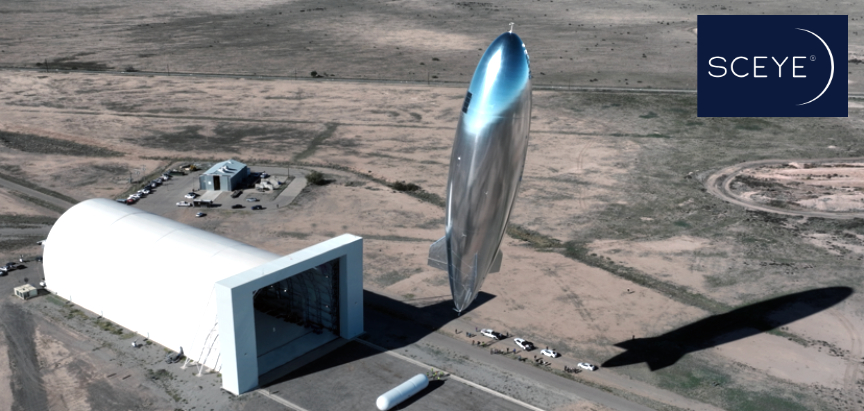
Mawarid Holding, a prominent Saudi investment firm, has spearheaded a Series C funding round for Sceye, an American company specializing in high-altitude platform systems (HAPS). The funding, announced Tuesday, values Sceye at $525 million before the latest capital influx. Although the exact amount of the investment was not disclosed, it is set to significantly advance Sceye’s capabilities in research, development, and commercial operations.

Sceye, headquartered in the United States, focuses on developing cutting-edge HAPS technology designed to operate in the stratosphere. This technology is intended to provide a range of applications, from improving communications and data collection to enhancing environmental monitoring. With this investment, Sceye plans to accelerate its flight programs and push forward with the commercial rollout of its innovative systems.

The funding from Mawarid Holding will primarily support Sceye’s R&D efforts and operational expansion. This includes advancing their ongoing projects and launching new initiatives that leverage the HAPS technology’s potential. Sceye’s CEO has highlighted that this capital injection will enable the company to refine its systems and bring its solutions to market more rapidly by 2025.

Mawarid Holding’s involvement underscores a growing trend of cross-border investment in the aerospace sector. The Saudi firm’s investment aligns with its broader strategy to diversify its portfolio and engage in high-tech industries with global impact. This move is part of Saudi Arabia’s Vision 2030, which aims to foster innovation and technological advancements within the kingdom and beyond.

The partnership is expected to enhance Sceye’s position in the aerospace industry, especially as the demand for advanced high-altitude platforms continues to rise. The firm’s high-altitude systems are poised to play a crucial role in various sectors, including telecommunications and environmental monitoring, by providing persistent, high-resolution data from the stratosphere.

The global market for HAPS technology is growing, driven by increasing interest from governments and private entities seeking to expand their data collection and communication capabilities. Sceye’s technology stands out due to its ability to offer sustained, high-altitude coverage, which is a significant advancement over traditional satellite and aerial systems.

Mawarid Holding’s strategic investment in Sceye represents a significant endorsement of the American company’s potential. It reflects a broader trend of strategic partnerships and investments in the aerospace sector, aimed at driving technological innovation and meeting the evolving demands of global markets.

As Sceye moves forward with its expanded capabilities, it is likely to attract further interest from investors and partners looking to capitalize on the growing opportunities within the high-altitude platform market. The firm’s progress will be closely watched by industry stakeholders as it continues to develop and commercialize its technology.

Oracle has unveiled the world’s first zettascale cloud computing cluster, a breakthrough that positions the tech giant at the forefront of artificial intelligence (AI) supercomputing. This innovative infrastructure is designed to deliver unprecedented processing power and scalability, catering to the growing demands of both enterprises and researchers.

The new zettascale cluster, named Oracle Exascale Cloud, represents a significant leap forward in cloud computing technology. This development is part of Oracle’s broader strategy to enhance its AI and machine learning capabilities, providing businesses and academic institutions with tools to handle vast datasets and perform complex calculations at an unprecedented speed.

The Oracle Exascale Cloud is equipped with cutting-edge hardware and software designed to facilitate advanced AI workloads. This includes capabilities for deep learning, real-time data processing, and large-scale simulations, which are essential for research and development in fields such as genomics, climate modeling, and financial forecasting.

Key to this cluster’s functionality is its integration with Oracle’s Autonomous Database and Oracle Cloud Infrastructure (OCI). The combination allows for seamless scalability and performance optimization, addressing the needs of diverse applications from high-frequency trading to detailed scientific research. By leveraging these advanced technologies, Oracle aims to provide a robust environment for innovation and experimentation.

The launch of the Oracle Exascale Cloud follows a series of strategic partnerships and investments by Oracle in AI and cloud computing. The company has been actively expanding its cloud services to compete with other major players in the industry, such as Amazon Web Services (AWS) and Microsoft Azure. The zettascale cluster enhances Oracle’s competitive edge by offering superior processing power and efficiency, which is crucial for managing the massive data volumes and computational requirements of today’s advanced AI models.

This development is not only a technological milestone but also a response to the increasing demand for more powerful computing resources. As AI applications become more sophisticated, the need for scalable and high-performance computing infrastructure has grown. The Oracle Exascale Cloud addresses this need by providing a platform capable of supporting the next generation of AI research and enterprise applications.

The cluster’s architecture is built on the latest advancements in processing technology, including high-performance CPUs and GPUs, which are optimized for AI workloads. Additionally, Oracle has integrated its own custom-designed hardware to maximize performance and energy efficiency. This focus on cutting-edge technology ensures that the Oracle Exascale Cloud can deliver superior results for both commercial and scientific applications.

Oracle’s announcement comes at a time when the demand for zettascale computing capabilities is rapidly increasing. The rise of big data, coupled with advancements in machine learning and AI, has driven the need for more powerful and scalable computing solutions. By introducing the world’s first zettascale cloud computing cluster, Oracle is setting a new standard in the industry and reinforcing its position as a leader in cloud technology.

In addition to its technological advancements, Oracle is emphasizing the practical applications of its new cluster. The company has highlighted several use cases, including its potential to revolutionize industries such as healthcare, finance, and energy. For instance, in healthcare, the cluster could enable researchers to analyze large-scale genomic data more quickly, leading to faster discoveries in personalized medicine. In finance, the enhanced processing power could improve risk modeling and algorithmic trading strategies. Similarly, in energy, the cluster could support simulations for optimizing renewable energy sources and reducing carbon footprints.

The introduction of the Oracle Exascale Cloud also has implications for the broader cloud computing market. It represents a shift towards more specialized and powerful cloud solutions that cater to the specific needs of AI and data-intensive applications. As other technology providers respond to this innovation, the landscape of cloud computing is expected to evolve, with an increasing focus on performance, scalability, and specialized capabilities.

Oracle’s strategic focus on zettascale computing is part of a larger trend in the tech industry towards enhancing computational power and efficiency. The company’s investment in this area underscores its commitment to driving innovation and providing cutting-edge solutions to meet the demands of modern computing.


In today’s fast-paced world, the desire to reconnect with nature is stronger than ever. Vinpearl, Vietnam’s premier hospitality brand, recognizes this need and has curated a collection of luxurious resorts that seamlessly blend biophilic design with world-class amenities. HANOI, VIETNAM – Media OutReach Newswire – 18 September 2024 – In an increasingly developed world, where experiences are often neatly packaged for convenience, it can feel like a […]

SINGAPORE – Media OutReach Newswire – 17 September 2024 – The Wealth Management Institute (WMI) announced the launch of the Dalio Market Principles Program in Strategic Investing for Family Offices on the second day of the annual Global-Asia Family Office (GFO) Summit. This new Program draws on the pioneering research and insights of Ray Dalio, Founder and CIO Mentor, Bridgewater Associates, to help family offices build capabilities […]

Zoho Corporation has enhanced its analytics platform, Zoho Analytics, by integrating artificial intelligence (AI) and machine learning (ML) to provide users with advanced business intelligence capabilities. The platform, which is aimed at enterprises seeking to unlock the potential of their data, now offers tools for diagnostic insights, predictive analysis, and the automated generation of reports and dashboards. These updates mark Zoho’s continued investment in AI technologies, following […]

Middle Eastern countries are poised to become pivotal players in the global artificial intelligence (AI) landscape, thanks to their abundant energy resources. This potential was underscored by a recent statement from a World Economic Forum (WEF) official, who highlighted how the region’s energy assets could significantly boost AI advancements.

The Middle East’s vast reserves of oil and natural gas have long been a cornerstone of its economic strategy. However, their role in supporting emerging technologies is gaining increasing attention. The WEF’s insights suggest that the region’s energy surplus offers a unique advantage for AI development, especially as the technology demands substantial computing power.

The substantial energy resources in the Gulf states, including Saudi Arabia and the United Arab Emirates, present an opportunity to power AI infrastructure that requires extensive data centers and high-performance computing capabilities. The WEF official emphasized that this energy surplus not only supports the operational needs of AI systems but also underpins investments in AI research and development.

Saudi Arabia, with its Vision 2030 initiative, is actively investing in AI and related technologies. The kingdom’s strategic investments aim to diversify its economy away from oil dependency, placing a strong emphasis on technology and innovation. Recent developments in the Saudi AI sector include partnerships with global tech giants and the establishment of research hubs focused on AI advancements.

Similarly, the UAE has launched ambitious projects to enhance its technological landscape. The country’s national AI strategy outlines plans to integrate AI into various sectors, from healthcare to transportation. Dubai’s role as a technology and innovation hub in the region is complemented by its energy resources, which support the infrastructure required for these technological advancements.

The growing synergy between the Middle East’s energy sector and AI research is evident in the region’s increasing investment in data centers and supercomputing facilities. These investments are crucial for developing and deploying AI technologies, as they provide the necessary computational power and storage capabilities.

Moreover, the WEF official pointed out that the Middle East’s focus on AI aligns with global trends where technology plays a central role in economic growth. The region’s ability to leverage its energy resources for technological progress reflects a broader strategy to enhance its global economic standing.

The rise of AI-driven industries in the Middle East also presents opportunities for job creation and economic diversification. As AI technologies advance, there is a growing need for skilled professionals in data science, machine learning, and related fields. The region’s investments in AI are likely to stimulate growth in these areas, contributing to its economic resilience and technological leadership.

In addition to these developments, the Middle East’s strategic geographic location enhances its role in the global AI ecosystem. The region’s connectivity between Europe, Asia, and Africa positions it as a crucial player in the international technology arena. The energy advantage, combined with strategic investments, enables the Middle East to act as a bridge between various global markets and technological advancements.

However, the shift towards AI and technology also presents challenges. Ensuring that the workforce is equipped with the necessary skills to thrive in an AI-driven economy is critical. Educational and training programs must evolve to meet the demands of this new technological landscape.

Furthermore, while energy resources provide a significant advantage, the transition to a technology-driven economy requires careful management of environmental impacts. Balancing energy use with sustainability goals is essential to maintain the region’s environmental and economic health.

Gartner has projected a significant shift in the landscape of generative artificial intelligence (AI), forecasting that 40% of these solutions will adopt multimodal capabilities by 2027. This development signals a transformative phase in AI technology, where systems will increasingly integrate and process multiple forms of data, such as text, images, and audio, to enhance their functionality and applicability. Multimodal AI systems are designed to handle and synthesize […]

Beetel Teletech and Netweb Technologies have announced a strategic partnership aimed at delivering high-performance computing (HPC) solutions across multiple sectors in India. This collaboration seeks to address the growing demand for robust computing infrastructure in fields including IT, entertainment, banking, financial services and insurance (BFSI), data centers, and government agencies. The joint venture will leverage Beetel’s expertise in telecommunications and Netweb’s prowess in HPC solutions to provide […]

Operant AI, a key player in the field of runtime AI application protection, has successfully secured $10 million in Series A funding. The investment round was co-led by SineWave Ventures and Felicis, with additional contributions from Alumni Ventures, Massive, Calm Ventures, and Gaingels. This latest funding will bolster Operant AI’s mission to enhance security measures for cloud APIs and applications, addressing an increasing demand for robust cybersecurity solutions.

Founded in 2020, Operant AI focuses on safeguarding cloud environments through its innovative approach to application protection. The company’s technology integrates machine learning algorithms to monitor and secure API interactions in real time, offering advanced defenses against emerging threats. This Series A funding will enable the company to expand its team, enhance its product offerings, and accelerate go-to-market efforts.

The need for sophisticated cloud security solutions has never been more pressing. As organizations increasingly rely on cloud-based infrastructure, the attack surface for potential cyber threats expands. Operant AI’s technology addresses this challenge by providing a proactive defense mechanism that anticipates and neutralizes threats before they can cause harm. This proactive approach is crucial as traditional security measures often lag behind the rapidly evolving threat landscape.

SineWave Ventures and Felicis, both renowned for their strategic investments in cybersecurity, bring extensive experience and resources to Operant AI’s growth. SineWave Ventures is known for its focus on investing in high-potential, early-stage companies, while Felicis has a track record of nurturing innovative startups in the tech sector. Their co-leadership in this funding round reflects confidence in Operant AI’s potential to make significant strides in cloud security.

Alumni Ventures, Massive, Calm Ventures, and Gaingels, each bringing unique expertise and networks, further strengthen Operant AI’s investment base. Alumni Ventures, with its deep connections within the academic and entrepreneurial communities, will support Operant AI’s recruitment and research efforts. Massive, known for its investments in scalable tech solutions, aligns well with Operant AI’s growth strategy. Calm Ventures, with its focus on emerging technologies, will help drive innovation, while Gaingels offers valuable connections and support for diversity and inclusion in tech.

The cybersecurity landscape is evolving rapidly, with cloud environments becoming increasingly complex and targeted by sophisticated attacks. Operant AI’s solution stands out by leveraging AI to provide dynamic, real-time protection. This method contrasts with traditional static security measures that may not adequately address the fast-paced nature of modern cyber threats.

One of the notable aspects of Operant AI’s technology is its ability to adapt to new threat vectors. By continuously learning from ongoing data and threat patterns, Operant AI’s system evolves to address new security challenges, offering a level of adaptability that is crucial in today’s cyber threat environment.

This funding round positions Operant AI to capitalize on a growing market for cloud security solutions. The global cybersecurity market is projected to continue its robust growth, driven by increasing cyber threats and the expanding use of cloud services. Operant AI’s innovative approach aligns well with these trends, positioning it as a significant player in the cybersecurity space.

As Operant AI moves forward, it will focus on expanding its product capabilities and market reach. The additional funding will support initiatives to enhance its technology stack, develop new features, and scale its operations to meet the demands of a growing customer base. With a solid foundation of investment and expertise, Operant AI is poised to advance its mission of providing cutting-edge protection for cloud-based applications and APIs.

Chinese scientists have reportedly leveraged SpaceX’s Starlink satellite network to detect stealth aircraft, raising questions about the military implications of commercial satellite technologies. Through a method known as forward scatter radar detection, researchers claimed they could track stealth jets like the F-22 and F-35 using electromagnetic signals from Starlink. The experiment simulated the detection using a drone with radar properties similar to those of advanced fighters. However, critics emphasize that the technology remains far from military readiness, requiring significant development before practical applications can be considered.

The research team, from the Chinese State Radio Monitoring Centre, used off-the-shelf components to analyze Starlink signals despite restrictions on their access in China. Their work relied on disturbances in the satellite-ground transmission caused by an object, like an aircraft, passing through. This detection method creates a radar-like effect using non-military technology, which could bypass traditional anti-jamming systems.

HONG KONG SAR – Media OutReach Newswire – 17 September 2024 – In celebration of the 25th anniversary of SaloneSatellite, Salone del Mobile.Milano has partnered with IDFFHK (International Design Furniture Fair Hong Kong) in bringing the exquisite ‘SaloneSatellite Permanent Collection 1998-2024′ exhibition overseas for the first time. This remarkable exhibition, curated and designed by Salone del Mobile.Milano, will be showcased in Hong Kong this November at the […]

81% of Manufacturing Industries Yet to Embrace Smartification Solutions 7 Key Recommendations to Ignite New Momentum in Hong Kong Manufacturing HONG KONG SAR – Media OutReach Newswire – 16 September 2024 – Hong Kong Productivity Council New Industrialisation (HKPC New Industrialisation) announces key findings from the “Hong Kong Manufacturing Industries Development Study Report”, jointly conducted by Deloitte China at the newly opened Future Manufacturing Hall. The study […]

A Dubai-based startup is pioneering a sustainable revolution in construction by turning sand and date seeds into innovative building materials. ARDH Collective, which has gained attention in the architectural world for its eco-conscious approach, is at the forefront of an effort to reduce the carbon footprint of the construction industry. Its use of locally abundant resources not only offers a green alternative to traditional methods but also […]

BANGKOK, THAILAND – Media Outreach Newswire – 16 September 2024 – The Ministry of Higher Education, Science, Research, and Innovation (MHESI) by the National Innovation Agency (Public Organization) or NIA held a seminar today to commemorate the 15th anniversary of the National Innovation Agency (Public Organization). The event featured expert speakers on innovation ecosystems from Thailand and abroad who exchanged knowledge, perspectives, and experiences on a wide […]

The UAE’s General Civil Aviation Authority (GCAA) has entered into an interim agreement with Hong Kong-based Volar Air Mobility to establish the Emirates’ first green aviation technology centre. The initiative is part of the UAE’s broader strategy to strengthen its environmental sustainability efforts, particularly within the aviation sector, which has seen significant investment in recent years to reduce carbon emissions and promote cleaner energy solutions.

The centre will focus on advancing clean energy technology and driving research and development in sustainable aviation solutions. Aiming to serve as a hub for collaboration between international stakeholders, regulators, and innovators, the project is positioned as a crucial step toward making aviation more eco-friendly in one of the world’s busiest air travel hubs.

Sustainability is a central pillar of the UAE’s Vision 2050, a national plan that targets a balance between economic growth and environmental responsibility. The GCAA has emphasized that the collaboration with Volar Air Mobility will not only bolster the UAE’s efforts to lead in green aviation but will also pave the way for future innovations that could be adopted globally. This initiative reflects a growing awareness among Middle Eastern nations of the need to integrate sustainable practices across various industries.

Volar Air Mobility, known for its cutting-edge technology in electric vertical take-off and landing (eVTOL) aircraft, has positioned itself at the forefront of green air mobility. The company’s expertise in developing low-emission transport solutions is expected to play a critical role in shaping the future of aviation in the Emirates. By leveraging Volar’s technology, the new centre will explore ways to integrate sustainable practices into existing aviation infrastructure, including the development of low-emission aircraft and green fuel alternatives.

The agreement comes at a time when the global aviation industry faces mounting pressure to reduce its carbon footprint. Aviation accounts for around 2-3% of global CO2 emissions, with air travel expected to grow significantly in the coming decades. Many countries are now focusing on developing green technologies to meet ambitious emission reduction targets set by international agreements such as the Paris Accord. The UAE’s green aviation technology centre is aligned with these goals and aims to address some of the most pressing challenges faced by the industry.

While the GCAA has not yet disclosed the specific location for the centre, officials have hinted that it will be based in one of the country’s major aviation hubs, likely in close proximity to Dubai or Abu Dhabi airports. Both cities are home to some of the world’s busiest airports, making them ideal candidates for a green aviation initiative that seeks to marry innovation with practicality.

The centre will also aim to attract global talent and research teams to the UAE, encouraging collaboration between local and international experts in green aviation technologies. In addition to research and development, the facility will provide a testing ground for new technologies that could eventually be implemented in commercial aviation. This is expected to include the trial of electric and hydrogen-powered aircraft, as well as the exploration of biofuels and synthetic fuels that promise lower emissions than traditional jet fuels.

The agreement between the UAE and Volar Air Mobility also underscores the importance of international partnerships in tackling the global challenges of climate change. The aviation sector, which is heavily reliant on fossil fuels, is one of the industries most in need of innovation to meet global climate goals. By teaming up with a tech leader like Volar, the UAE is positioning itself as a key player in the global push for sustainable aviation solutions.

The collaboration comes on the heels of other major sustainability initiatives within the UAE’s aviation sector. Earlier this year, Emirates Airline announced its commitment to using sustainable aviation fuel (SAF) across its fleet, while Etihad Airways has invested in the development of hybrid-electric and fully electric aircraft. Both airlines have signaled their intent to drastically cut their carbon emissions over the coming decades, aligning with the UAE’s broader environmental goals.

Sustainability has become a growing priority for the UAE government across multiple sectors, with aviation identified as a key area for transformation. The nation’s commitment to becoming a global leader in green technology is evident in its support for projects such as Masdar City, a pioneering green city designed to be a hub for clean energy companies, and its investments in renewable energy projects like solar and wind farms.

The new aviation technology centre is expected to build upon these efforts by promoting innovation that can be applied not only in the UAE but also globally. The centre’s emphasis on collaboration with international stakeholders suggests that the UAE sees this project as a stepping stone toward becoming a global leader in green aviation. The country’s strategic location as a global travel hub makes it an ideal place to test and implement new aviation technologies, which could eventually influence the practices of airports and airlines worldwide.

HONG KONG SAR – Media OutReach Newswire – 12 September 2024 – The Chinese University of Hong Kong (CUHK) proudly recognises the remarkable achievements of Mr Pran Kittivorapat, a member of the Class of 2024, who has distinguished himself in the field of Artificial Intelligence: Systems and Technologies (AISTN) while making significant contributions to the university’s vibrant community. Academic Excellence and Technological Innovation Originally from Thailand, Pran […]

VISHNU RAJA
RYO YAMADA
HITORI GOTOH
IKUYO KITA