News related to
research

Warnings from within the artificial intelligence industry are growing louder, as former insiders and leading researchers express deep concern over the rapid development of superintelligent systems without adequate safety measures. Daniel Kokotajlo, a former researcher at OpenAI and now executive director of the AI Futures Project, has become a prominent voice cautioning against the current trajectory. In a recent interview on GZERO World with Ian Bremmer, Kokotajlo […]

The United Arab Emirates and Kuwait have cemented a series of bilateral agreements designed to enhance collaboration across vital sectors such as health, energy, education, and defence. These agreements were formalised during an official visit by UAE Vice President Sheikh Mansour bin Zayed Al Nahyan at Bayan Palace, where Kuwaiti Prime Minister Sheikh Ahmad Abdullah Al-Ahmad Al-Sabah also presided over the signing ceremony.

This diplomatic engagement reflects a shared commitment to deepen economic and political cooperation amid a shifting geopolitical landscape in the Gulf region. Both nations seek to leverage their strategic partnership to accelerate development goals and bolster regional stability.

The agreements encompass a broad spectrum of cooperation frameworks. In healthcare, the MoUs aim to facilitate joint initiatives in medical research, health services, and pandemic preparedness. This builds upon existing efforts to enhance public health infrastructure and improve access to advanced medical technologies within both countries. The collaboration is expected to include exchanges of expertise and the establishment of joint health projects, reinforcing resilience against future health crises.

Energy cooperation constitutes a central pillar of the accord, reflecting the growing importance of sustainable development and energy diversification in Gulf policies. Both nations have expressed intent to collaborate on clean energy projects, including renewable energy deployment and energy efficiency programmes. This aligns with wider regional ambitions to reduce carbon footprints and accelerate the energy transition, tapping into solar, wind, and hydrogen potential. The partnership aims to foster knowledge-sharing, joint investments, and innovation in sustainable energy technologies, signalling a clear move away from traditional hydrocarbon dependency.

Education and innovation sectors also feature prominently in the agreements. Kuwait and the UAE plan to develop cooperative education programmes, facilitate student and academic exchanges, and promote joint research ventures. These initiatives target strengthening human capital and nurturing a knowledge-based economy, crucial for long-term competitiveness. Special focus is placed on artificial intelligence and digital transformation, areas recognised for their transformative potential across industries.

Defence collaboration marks another significant dimension of the bilateral ties, with both countries pledging closer coordination in security and military affairs. This includes enhanced training cooperation, intelligence sharing, and joint exercises aimed at improving operational readiness and countering emerging threats in a volatile regional security environment.

Investment and infrastructure development feature heavily within the broader strategic framework. The agreements envisage boosting trade flows, encouraging cross-border investments, and facilitating infrastructure projects. These measures are expected to unlock economic opportunities, create jobs, and support broader Gulf Cooperation Council integration efforts.

Social development has not been overlooked, with the accords setting the stage for cooperative efforts in social welfare, cultural exchange, and community development. This demonstrates a recognition that sustainable progress extends beyond economic growth to encompass social cohesion and quality of life improvements.

This series of MoUs signals a concerted effort by the UAE and Kuwait to consolidate their partnership amid evolving regional and global dynamics. Both nations are navigating complex challenges, including economic diversification pressures, climate change imperatives, and shifting geopolitical alliances. The agreements reflect a proactive strategy to leverage bilateral cooperation as a stabilising and growth-enhancing force.

The visit by Sheikh Mansour underscores the UAE’s broader diplomatic outreach in the Gulf, aimed at strengthening ties with neighbouring states while advancing shared priorities. Kuwait, meanwhile, views this enhanced partnership as vital for reinforcing its role in regional affairs and securing avenues for economic resilience.

Experts note that such collaborations between Gulf states are increasingly critical as they face mounting global competition and internal transformation demands. By pooling resources, expertise, and political will, the UAE and Kuwait position themselves to address mutual challenges more effectively and harness new opportunities.

This development follows a pattern of intensified Gulf collaboration that has gained momentum following shifts in regional geopolitics. Enhanced bilateral relations are viewed as key to ensuring collective security and economic prosperity, particularly amid external uncertainties and emerging global power dynamics.

The agreements also reflect a clear alignment with the strategic visions of both countries, which prioritise innovation, sustainability, and regional integration. As the Gulf states pursue diversification and modernisation agendas, such partnerships become essential tools for advancing these objectives.

While the full scope and impact of the signed agreements will unfold over time, the foundations laid in this visit mark a significant milestone. The emphasis on critical sectors such as healthcare, clean energy, education, and defence highlights the comprehensive nature of the partnership.


As businesses continue to evolve with the digital era, the demand for robust and efficient customer service operations has become pivotal to success. Customers now expect seamless interactions across all platforms, making omnichannel customer support essential. The ability to provide a consistent and high-quality experience, regardless of the communication channel, distinguishes leading businesses from the competition. In exploring this facet of customer relations, we delve into the […]

Meta and Yandex have been found to exploit a loophole in Android’s architecture, enabling them to de-anonymize users’ web browsing activities by linking them to persistent app identities. This tracking method bypasses standard privacy protections, including incognito mode and cookie clearing, raising significant concerns about user privacy. Researchers from Radboud University, IMDEA Networks, and KU Leuven discovered that Meta’s Pixel and Yandex’s Metrica tracking scripts, embedded in […]

Thomson Fertility (also known as TMC Fertility) together with Thomson Hospital Kota Damansara and Monash University Australia collaborate to bring together endometriosis experts from United Kingdom and Australia. PETALING JAYA, MALAYSIA – Media OutReach Newswire – 4 June 2025 – Thomson Fertility (also known as TMC Fertility) marked a significant milestone in women’s healthcare by hosting the Holistic Endometriosis Care Scientific Workshop at Thomson Hospital Kota Damansara. […]

The United Arab Emirates has long established itself as a vibrant meeting point of cultures, ideas, and innovation — a country where talent from every corner of the world is celebrated. Among the creative figures making their mark on the UAE’s cultural landscape is Zia Ur Rehman Shaikh, a dynamic filmmaker, storyteller, and cultural ambassador whose work continues to inspire and connect communities through the power of […]

President Bola Tinubu has bestowed Nigeria’s third-highest national honour, the Commander of the Order of the Federal Republic , on Bill Gates. The recognition acknowledges Gates’s substantial philanthropic contributions to the country, particularly through the Bill & Melinda Gates Foundation, which has invested heavily in public health and agriculture sectors across Nigeria. The conferment took place during a formal ceremony in Abuja, underscoring the Nigerian government’s appreciation […]

Advertisements

The United Arab Emirates endured an unprecedented surge in temperatures throughout May, with daily highs consistently exceeding 40ºC and several locations surpassing the 50ºC threshold. The National Centre of Meteorology confirmed this month as the hottest May in the country’s recorded history, marking a significant intensification of the region’s ongoing climate challenges.

Several emirates, including Abu Dhabi, Dubai, and Sharjah, experienced prolonged heatwaves that pushed the limits of historic temperature records. The peak temperatures, which exceeded 50ºC in some desert areas, have drawn attention from climatologists and environmental experts, highlighting the accelerated warming trend affecting the Arabian Peninsula. Such extreme heat has severe implications for public health, energy consumption, and urban infrastructure in a region already grappling with water scarcity and rapid urbanisation.

Experts indicate that the exceptional heat is linked to a combination of global climate change and localized meteorological patterns. The Arabian Peninsula’s unique geography, characterised by vast desert expanses, amplifies temperature extremes. Scientists note that climate models have long predicted a rise in heatwaves for this region, but the speed and intensity of these recent temperature spikes are causing concern among environmental analysts.

The impact on daily life has been multifaceted. Health authorities have issued warnings to vulnerable populations, particularly the elderly, children, and outdoor workers, to take precautions against heat-related illnesses. Hospitals have reported an increase in cases of heat exhaustion and dehydration, putting added pressure on healthcare services during the traditionally hot summer months. Municipalities across the UAE have accelerated measures to provide shaded areas and cooling centres to mitigate risks posed by the extreme heat.

Economic sectors dependent on outdoor labour, such as construction and agriculture, have faced operational challenges due to the intense temperatures. Labour laws have been adjusted to ensure safer working hours, often restricting outdoor activities during peak heat periods. The government’s proactive approach to safeguarding workers aligns with international labour standards, but the economic cost of these adjustments remains under evaluation.

Energy demand in the UAE has surged sharply as residents and businesses increase air conditioning usage to cope with the oppressive heat. This spike in electricity consumption raises concerns about grid stability and the environmental impact of increased fossil fuel reliance, despite the country’s ongoing investments in renewable energy. The UAE’s ambitious clean energy goals, including the development of solar power plants and nuclear energy facilities, aim to offset the environmental footprint associated with higher cooling demands.

The National Centre of Meteorology continues to monitor the evolving weather patterns closely, providing regular updates and forecasts to assist government agencies and the public in preparing for ongoing heat conditions. Advanced satellite technology and climate modelling tools are being utilised to enhance prediction accuracy and early warning systems, essential for managing risks related to extreme weather events.

Regional cooperation is becoming increasingly important as neighbouring Gulf countries face similar climatic stresses. Collaborative efforts focus on sharing data, research, and best practices for adapting to higher temperatures and mitigating environmental impacts. Multilateral discussions have emphasised the need for coordinated climate action, recognising that the Arabian Peninsula’s vulnerability to heat extremes transcends national borders.

Urban planners and architects in the UAE are responding by integrating climate-resilient designs into new developments. Innovative cooling technologies, green spaces, and heat-reflective materials are being employed to reduce the urban heat island effect, which exacerbates temperature rises in city centres. These measures are critical as the UAE’s population continues to grow, with urban expansion increasing the demand for sustainable infrastructure solutions.

Environmental groups have stressed the urgency of addressing the underlying causes of climate change, calling for stronger policies on carbon emissions and investment in sustainable technologies. While the UAE has made progress through initiatives such as the UAE Energy Strategy 2050, activists argue that more aggressive actions are required to curb the escalating frequency and severity of heatwaves.

Academic research from regional universities supports these concerns, with studies showing a marked upward trend in temperature averages and heatwave duration over the last two decades. These findings are consistent with broader global warming trends but underscore the disproportionate effects experienced in desert environments.

Public awareness campaigns have played a crucial role in educating residents about heat safety and energy conservation. Government agencies, non-profits, and community organisations collaborate to distribute information on hydration, recognising symptoms of heat stress, and reducing energy use during peak hours. These initiatives aim to enhance community resilience and promote sustainable living practices in the face of climatic shifts.

Delhi’s government is set to introduce an updated Electric Vehicle Policy next month, aiming to enhance sustainable transport options and aggressively combat the city’s longstanding pollution challenges. The forthcoming policy update builds on the foundation laid by the original EV Policy, which has been instrumental in accelerating the adoption of electric vehicles across the capital. This next iteration emerges following a comprehensive review by an expert committee tasked with assessing the policy’s effectiveness and identifying areas for refinement.

The city’s persistent struggle with hazardous air quality has propelled the administration to double down on measures that reduce emissions, with electric vehicles representing a critical component of the broader environmental strategy. The new policy framework is expected to focus on improving public and private transport through increased incentives, infrastructure development, and regulatory support. The objective is to not only facilitate the switch from conventional fossil fuel vehicles to EVs but also to ensure a seamless ecosystem that supports electric mobility for consumers and manufacturers alike.

One of the central features under consideration is the expansion of subsidies and financial incentives for buyers of electric two-wheelers, three-wheelers, and cars. Since the initial policy launch, Delhi has witnessed a steady rise in EV sales, spurred by subsidies, easier registration processes, and preferential parking privileges. The new policy aims to amplify these benefits, possibly increasing the subsidy amounts to align with technological advancements and market trends. The government is also exploring differentiated incentives to encourage the uptake of electric commercial vehicles and public transport fleets, recognising their substantial contribution to urban emissions.

Charging infrastructure remains a pivotal challenge in the EV transition. To address this, the updated policy will emphasise the accelerated deployment of charging stations across the city, including residential complexes, commercial hubs, and public spaces. The government plans to partner with private players and utility providers to establish a robust network, minimising range anxiety among potential EV users. Additionally, the policy will advocate for streamlined permitting processes to facilitate rapid infrastructure rollout. These measures aim to create a user-friendly environment that supports daily electric vehicle operations without hindrance.

Delhi’s EV Policy 2.0 is also expected to incorporate measures aimed at fostering local manufacturing and innovation. The capital’s position as a key market and production hub in India for electric vehicles offers significant economic potential. The government is likely to introduce incentives for companies investing in research and development, battery manufacturing, and vehicle assembly within the city. This approach is designed to generate employment, encourage technological advancement, and reduce dependency on imports, especially in critical components such as lithium-ion batteries.

Environmental experts have welcomed the policy update, highlighting its potential to drastically reduce the city’s vehicular pollution, which accounts for a significant share of Delhi’s air quality problems. Dr. Anita Sharma, an environmental scientist based in Delhi, notes that “an effective EV policy not only addresses tailpipe emissions but also signals a shift towards sustainable urban planning and cleaner energy use.” She points out that integrating renewable energy sources into the charging infrastructure could further enhance the policy’s impact by ensuring that electric vehicles operate on green electricity rather than fossil-fuel-based power.

However, some challenges remain. The affordability of electric vehicles, despite subsidies, continues to be a barrier for many consumers. While the policy aims to widen access, the upfront cost of EVs compared to traditional petrol or diesel vehicles can deter lower-income buyers. Analysts suggest that targeted financing options and longer-term incentives could help bridge this gap. Moreover, the sustainability of the electric vehicle supply chain, including the ethical sourcing of battery materials, is gaining attention among policymakers and activists alike.

Delhi’s transport department has reiterated its commitment to transparency and public consultation throughout the policy finalisation process. Public workshops and stakeholder meetings have been conducted to gather feedback from industry experts, civil society groups, and consumer representatives. This collaborative approach aims to ensure that the policy is balanced, practical, and aligned with the city’s unique mobility landscape.

The new policy comes amid increasing competition among Indian cities to become leaders in electric mobility. Metropolitan areas like Mumbai, Bengaluru, and Hyderabad have also been rolling out ambitious EV incentives and infrastructure projects. Delhi’s updated framework is expected to set a benchmark in terms of scale and ambition, potentially serving as a model for other regions seeking to tackle urban pollution through cleaner transportation alternatives.

Rivian has unveiled a substantial software update designed to elevate the electric vehicle ownership experience through faster charging capabilities, advanced energy monitoring, and innovative driver engagement tools. This enhancement aims to improve battery efficiency and extend driving range, positioning Rivian’s models as increasingly competitive in the evolving EV market. The update introduces a faster charging protocol that significantly reduces downtime during charging stops. By optimizing the vehicle’s […]

Abu Dhabi Global Market reported a 33% year-on-year increase in assets under management for the first quarter of 2025, reaching a total managed by 119 fund and asset managers across 184 funds. This growth underscores ADGM’s expanding role as a prominent international financial centre. The financial free zone experienced a 67% rise in new licences issued compared to the same period in 2024, bringing the total number […]

KUALA LUMPUR, MALAYSIA – Media OutReach Newswire – 4 June 2025 – Octa, a global regulated broker since 2011, conducted a survey to learn more about Malaysian traders’ security habits and behaviours, both in everyday life and in trading. Below are some insightful takeaways on how traders approach one of the most crucial aspects of their craft. There is an old saying, ‘How you do anything is […]

Solana Foundation has formalised a partnership with Dubai’s Virtual Assets Regulatory Authority , marking a significant step in integrating blockchain innovation within the emirate’s regulatory framework. The Memorandum of Understanding , signed on 3 June 2025, outlines collaborative initiatives aimed at fostering a robust crypto ecosystem in Dubai.

Central to this alliance is the establishment of the Solana Economic Zone in Dubai, envisioned as a hub for developers, entrepreneurs, and startups operating on the Solana blockchain. This zone is designed to provide access to Dubai’s progressive regulatory environment, including sandboxes and talent networks, positioning the city as an attractive destination for international Web3 projects.

The partnership encompasses talent development programs, regulatory workshops, ecosystem research, and market insight sharing. Solana Foundation and VARA plan to co-host events, offer policy guidance, and support Solana-based startups in or relocating to Dubai. An integral component of the agreement is the sharing of anonymised data to evaluate the impact of digital assets on employment and economic growth within the UAE.

Lily Liu, President of Solana Foundation, emphasised the strategic importance of this collaboration, stating that it represents a new chapter for Solana in the MENA region. She highlighted Dubai’s leadership in regulating and fostering digital assets, noting that the partnership bridges builders and regulators in one of the fastest-growing crypto hubs globally.

Henson Orser, CEO of VARA, welcomed the collaboration, reinforcing the authority’s commitment to building a future-forward economy powered by innovation, trust, and inclusion. He acknowledged the potential of the Solana Economic Zone to attract international projects seeking to scale operations under a progressive regulatory framework.

The announcement has had a positive impact on Solana’s market performance. Following the news, the SOL token experienced a modest increase, trading around $160, with a 4% rise observed on the day of the announcement. Market analysts interpret this as a bullish signal for Solana’s long-term outlook, reflecting growing confidence in the ecosystem and broader adoption.

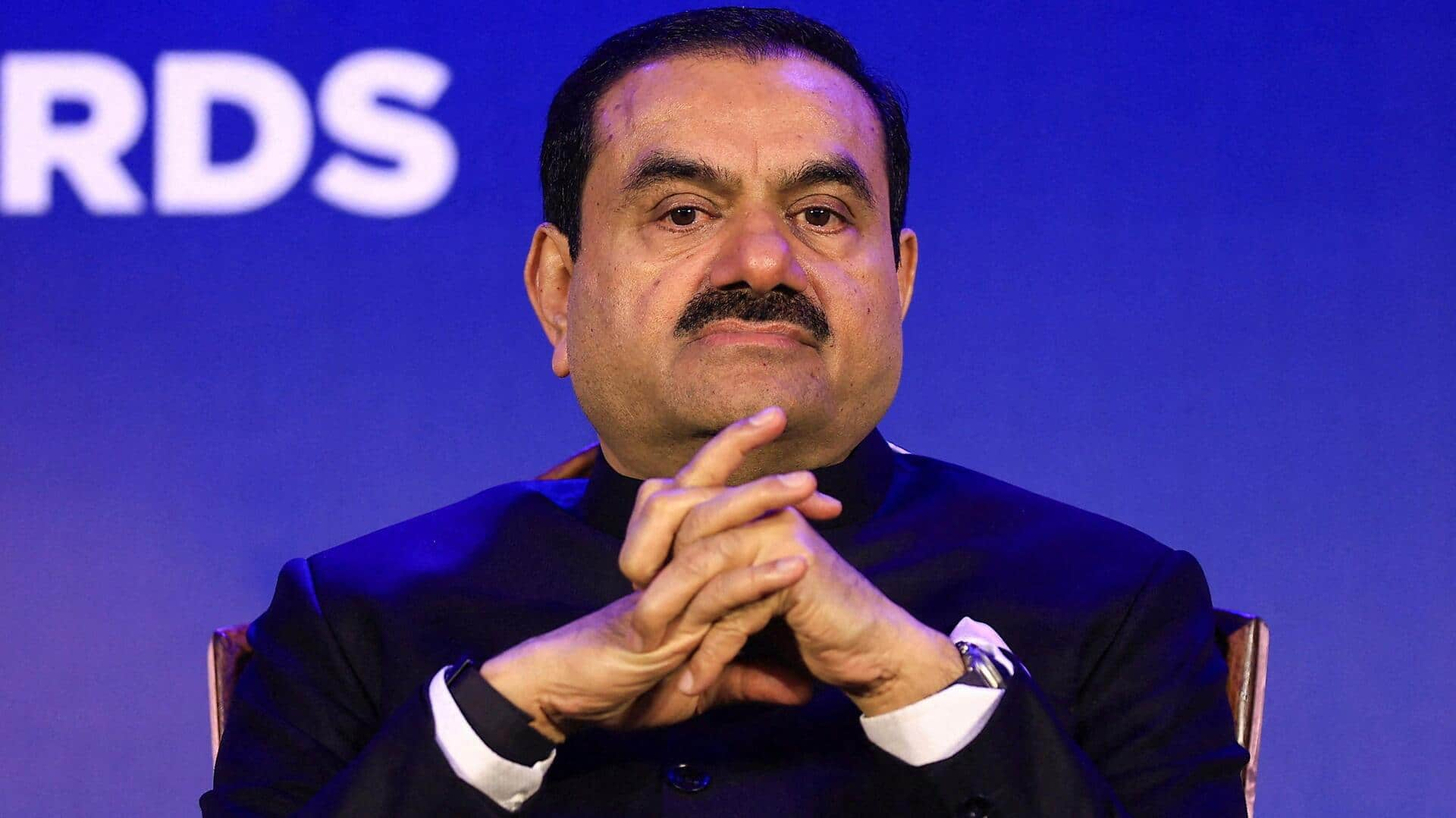
U.S. prosecutors are investigating whether companies linked to Gautam Adani imported Iranian liquefied petroleum gas into India, potentially violating American sanctions. The probe focuses on shipments received at the Adani-controlled Mundra port in Gujarat, with tankers suspected of using deceptive practices to obscure their origin. This development follows a prior indictment against Adani and associates for alleged bribery and securities fraud.

The U.S. Department of Justice, through its Eastern District of New York office, is examining maritime activities involving tankers that may have transported Iranian-origin LPG to Adani Enterprises. Investigators are scrutinizing whether these vessels employed tactics such as falsified automatic identification system data and forged documentation to mask the true source of the shipments. A Wall Street Journal investigation suggests that LPG shipments imported by Adani from Oman may have actually originated from Iran, using complex third-party logistics to mask the true source.

A spokesperson for the Adani Group has denied any deliberate involvement in sanctions evasion or trade with Iranian-origin LPG, stating the company is unaware of any U.S. investigation. The group maintains that it conducts thorough due diligence on all imports and complies with applicable laws.

This inquiry adds to the legal challenges facing Adani. In November 2024, U.S. authorities indicted Gautam Adani and his nephew, Sagar Adani, alleging they paid over $250 million in bribes to Indian government officials to secure power supply contracts and misled U.S. investors during fundraising activities. The indictment also accuses other individuals, including former employees of a Canadian institutional investor, of obstructing investigations by deleting evidence and providing false information to authorities. The Adani Group has dismissed those accusations as “baseless” and committed to pursuing all legal remedies.

The Adani Group, integral to India’s economy with a valuation of around $150 billion, has faced multiple allegations, including a 2023 report from Hindenburg Research accusing it of securities violations. Despite seeking legal avenues to dismiss the charges and leveraging political support from Republican legislators amid Trump’s relaxed foreign bribery enforcement, the ongoing sanctions-related probe poses a significant risk to Adani’s efforts to clear his and his conglomerate’s name.

The investigation into potential sanctions violations underscores the complexities of international trade compliance, especially for conglomerates operating across multiple jurisdictions. As the U.S. continues to enforce sanctions on Iran, companies engaged in global trade must navigate a landscape fraught with legal and regulatory challenges.

Bitcoin has surpassed $111,000, marking a significant milestone in its 2025 bull run. Standard Chartered has reiterated its forecast that the cryptocurrency could reach $500,000 before the end of President Donald Trump’s second term in January 2029. This projection is underpinned by increasing institutional interest and a shift in investment strategies towards digital assets.

Geoffrey Kendrick, Standard Chartered’s Global Head of Digital Assets Research, points to the U.S. Securities and Exchange Commission’s Form 13F filings as evidence of growing institutional engagement with Bitcoin. These filings reveal that sovereign wealth funds and state-affiliated institutions are acquiring shares in companies like Strategy , which hold substantial Bitcoin reserves. This indirect exposure is seen as a strategic move to gain access to Bitcoin’s potential upside while navigating regulatory constraints.

The bank’s confidence in Bitcoin’s trajectory is further bolstered by macroeconomic factors. Diminishing returns on traditional government bonds have prompted investors to seek alternative stores of value. Bitcoin’s capped supply of 21 million coins and its growing acceptance as a digital asset make it an attractive option for those looking to hedge against inflation and economic uncertainty.

Standard Chartered’s analysis suggests a phased growth pattern for Bitcoin: reaching $200,000 by the end of 2025, $300,000 by the end of 2026, and ultimately $500,000 by the end of 2028. This outlook is supported by the increasing integration of Bitcoin into institutional portfolios and the maturation of the cryptocurrency market.

While the bank’s projections are optimistic, they are not without caveats. The forecast assumes continued regulatory support, technological advancements, and sustained investor interest. Any significant disruptions in these areas could impact Bitcoin’s price trajectory.

A significant portion of employee interactions with generative AI tools is inadvertently leaking sensitive corporate data, posing serious security and compliance risks for organisations worldwide. A comprehensive analysis by Harmonic Security, involving tens of thousands of prompts submitted to platforms such as ChatGPT, Copilot, Claude, Gemini, and Perplexity, revealed that 8.5% of these interactions contained sensitive information. Notably, 45.77% of the compromised data pertained to customer information, […]

Showcasing Hong Kong’s Innovation and Technology Opportunities at Tsinghua and Peking University HONG KONG SAR – Media OutReach Newswire – 2 June 2025 – Hong Kong Science and Technology Parks Corporation (HKSTP) is actively expanding efforts to attract talent and enterprises to Hong Kong’s innovation and technology (I&T) sector. From 18 to 20 May, HKSTP led a delegation to Beijing, engaging with local I&T companies, industry associations, […]

South Korea’s cryptocurrency industry appears poised for continued expansion despite uncertainties surrounding the upcoming presidential election. Analysts and market insiders suggest that while the election outcome may influence regulatory approaches, the overall trajectory for crypto adoption and innovation in the country remains largely positive. The nation, known for its advanced digital infrastructure and high rate of technology adoption, continues to be a key global hub for cryptocurrency trading and blockchain development.

Voters are set to choose their next president amid growing public interest in digital assets, a sector that has become deeply embedded in South Korea’s financial landscape. The outgoing administration has maintained a cautious but constructive stance on crypto, emphasising investor protection and regulation to curb speculative risks. However, there is widespread anticipation that the new leadership, regardless of political affiliation, will aim to strike a balance between fostering innovation and ensuring financial stability.

The South Korean crypto market ranks among the world’s largest, with retail investors accounting for a significant share of trading volumes. According to market data, the country’s exchanges handle billions of dollars in daily transactions, reflecting robust participation despite bouts of global market volatility. Industry experts highlight that the presence of a tech-savvy population and extensive mobile connectivity continues to drive demand for cryptocurrencies and related services such as decentralized finance and non-fungible tokens .

Recent policy discussions have centred on enhancing regulatory clarity without stifling growth. Authorities have been moving toward implementing stricter anti-money laundering measures and introducing licensing regimes for crypto exchanges. These steps are designed to increase transparency and build trust among investors, especially after high-profile hacks and fraud cases shook confidence in past years. Nonetheless, crypto entrepreneurs argue that overly rigid rules could hinder South Korea’s competitive edge in the fast-evolving digital economy.

The election campaign itself has seen varying perspectives on how best to approach the burgeoning crypto sector. Some candidates advocate for a more innovation-friendly environment, proposing incentives for blockchain startups and easing certain regulatory burdens. Others emphasise the need for rigorous oversight, citing concerns about market manipulation and consumer protection. This diversity of viewpoints underscores the complexity of integrating crypto assets into mainstream financial systems while safeguarding public interests.

South Korea’s financial regulators are also coordinating with international bodies to align standards and promote cross-border cooperation. This global approach aims to mitigate risks associated with illicit finance and to support legitimate crypto ventures. Moreover, collaboration with major markets like the United States and European Union seeks to harmonise regulatory frameworks, which could facilitate smoother operations for South Korean crypto firms on the world stage.

Despite occasional regulatory headwinds, venture capital funding in South Korea’s blockchain and crypto technology startups has surged. Investments are being channelled into innovative projects that range from smart contract platforms to digital identity solutions and tokenisation of real-world assets. This capital influx is driving research and development, helping local firms compete with international giants in areas such as security, scalability, and user experience.

Market participants also point to South Korea’s well-established IT infrastructure and educational emphasis on STEM disciplines as critical factors supporting the crypto ecosystem’s growth. The country’s universities and research institutions are actively engaging in blockchain research, producing talent that feeds into both the private sector and regulatory agencies. This synergy between academia, government, and industry forms a backbone for sustainable technological advancement.

Consumer attitudes toward cryptocurrencies have evolved significantly, with increasing acceptance among younger demographics. Surveys indicate that digital assets are now viewed not only as speculative tools but also as legitimate instruments for payments, savings, and investment diversification. This cultural shift has encouraged mainstream financial institutions to explore crypto-related products, including custody services, exchange-traded funds , and blockchain-based payment networks.

However, risks remain inherent in the sector, with price volatility, regulatory uncertainty, and cybersecurity threats continuing to challenge market stability. Industry leaders have called for ongoing dialogue with policymakers to ensure that emerging regulations are well-informed and adaptable. Transparency and investor education are emphasised as vital to fostering a resilient market capable of weathering shocks and sustaining public confidence.

The intersection of cryptocurrency and South Korea’s broader economic policy objectives is also under scrutiny. The government aims to position the country as a global innovation hub, leveraging digital technologies to boost productivity and competitiveness. Cryptocurrency and blockchain are seen as integral components of this strategy, with potential to revolutionise areas such as supply chain management, finance, healthcare, and public administration.

Global geopolitical tensions and financial market fluctuations have added layers of complexity to South Korea’s crypto landscape. Supply chain disruptions and inflation concerns worldwide have driven some investors toward digital assets as alternative stores of value. Yet, the international nature of cryptocurrencies requires regulatory frameworks that can keep pace with rapid technological changes and evolving market dynamics.

The World Bank has launched its first open-source software tool, the Metadata Editor, marking a significant step in its commitment to data transparency and open science. This web-based application is designed to assist data curators in documenting various types of data, including statistical indicators, survey microdata, geographic datasets, documents, images, videos, and scripts, in compliance with international metadata standards. By releasing this tool under the MIT License, […]

A sweeping crackdown on international students under President Donald Trump’s administration has triggered a global realignment in higher education, as universities across Europe and Asia move swiftly to attract displaced talent and research funding. The United States, long considered the premier destination for international scholars, is witnessing a sharp decline in its appeal. A survey by the Keystone Education Group indicates that 42% of prospective international students […]

Huatai Securities has continuously expanded its international presence since its H-share listing a decade ago. Over the past ten years, Huatai Securities has facilitated nearly 600 domestic and international financing deals for enterprises globally, with a total fundraising volume of approximately USD 280 billion. HONG KONG SAR – Media OutReach Newswire – 30 May 2025 – As Huatai Securities approaches the 10th anniversary of its H-share listing, […]

HONG KONG SAR – Media OutReach Newswire – 30 May 2025 – The Chinese University of Hong Kong’s Faculty of Law (CUHK LAW) continues to strengthen its position as a leading international legal education institution, offering innovative programmes and conducting impactful research that shapes the future of legal practice across Asia and beyond. Distinguished Academic Excellence Since its establishment in 2004, CUHK LAW has emerged as a […]

Revolutionizing Brain Health with CUHK Spin-off’s Cutting-Edge Technology to Enable Early Detection and Prevention HONG KONG SAR- Media OutReach Newswire – 29 May 2025 – Humansa, Asia’s leading health and longevity center, is proud to announce the launch of its ground-breaking BrainSpark Program, a brain health program in collaboration with i-Cognitio Sciences, a spin-off company from the Chinese University of Hong Kong (CUHK) founded by Prof. Vincent […]

BANGALORE, INDIA – Media OutReach Newswire – 29 May 2025 – Avnet India Pvt Ltd, a leading global technology distributor and solutions provider, today announced its partnership with the National Institute of Technology Karnataka (NITK), Surathkal, one of India’s premier academic institutions. This collaboration, an integral part of Avnet India’s robust ESG (Environmental, Social, and Governance) initiatives, focuses on leveraging Avnet’s recognized expertise in AI-driven solutions for […]

VISHNU RAJA
RYO YAMADA
HITORI GOTOH
IKUYO KITA