News related to
research

The United Arab Emirates Ministry of Finance has introduced Cabinet Decision No. 35 of 2025, outlining specific criteria under which non-resident juridical persons—entities not incorporated in the UAE—are considered to have a taxable presence, or ‘nexus’, in the country. This decision supersedes the earlier Cabinet Decision No. 56 of 2023 and provides clarity on the tax obligations of foreign investors, particularly those involved with Qualifying Investment Funds and Real Estate Investment Trusts .

Under the new guidelines, non-resident juridical persons are deemed to have a nexus in the UAE if they earn income from immovable property located within the country. Immovable property encompasses land, buildings, and fixtures permanently attached to the land or structures. This definition aligns with international tax norms, ensuring that income derived from such properties is taxable in the jurisdiction where the property is situated.

The decision specifies that foreign entities investing in UAE real estate, whether directly or through vehicles like QIFs or REITs, will be subject to corporate tax on income generated from these investments. This taxation applies regardless of whether the property is held for business operations or as an investment asset. The income will be taxed on a net basis, permitting the deduction of relevant expenditures that comply with the conditions set out in the Corporate Tax Law.

Younis Haji Al Khoori, Undersecretary of the Ministry of Finance, emphasized that this approach is consistent with international best practices, which stipulate that income derived from immovable property is taxable in the country where the property is located. He noted that the UAE’s Corporate Tax Law incorporates features that honor international taxation principles and ensures neutrality between domestic and foreign companies earning income from immovable property in the UAE.

The introduction of these guidelines is part of the UAE’s broader efforts to establish a fair and transparent tax system that aligns with global standards. In December 2024, the UAE announced plans to implement a 15% minimum top-up tax on large multinational companies starting January 2025, in accordance with the Organisation for Economic Co-operation and Development’s global minimum corporate tax agreement. This tax targets companies with consolidated global revenues of €750 million or more in at least two of the four financial years preceding its implementation.

The Ministry of Finance is considering the introduction of corporate tax incentives to promote research and development activities and high-value employment within the country. The proposed R&D tax incentive, expected to take effect for tax periods starting on or after January 1, 2026, would offer a refundable tax credit ranging from 30% to 50%, depending on the size of the company’s operations and revenue. Similarly, a refundable tax credit for high-value employment activities is under consideration, potentially applicable from January 1, 2025.

The UAE’s commitment to aligning its tax policies with international standards reflects its dedication to fostering a competitive and transparent business environment. By clarifying the tax obligations of non-resident investors and introducing measures to prevent tax avoidance, the UAE aims to enhance its economic competitiveness and attract sustainable investments.

Arabian Post Staff -Dubai The United States has imposed a series of tariffs on countries within the Middle East and North Africa region, aiming to address what the administration describes as long-standing unfair trade practices. While these measures are poised to affect various sectors, exemptions granted to oil exports are expected to mitigate the overall economic impact on the region’s leading exporters. Gulf Cooperation Council countries—including Saudi […]

Artificial intelligence technologies, notably OpenAI’s ChatGPT, are increasingly being exploited to create convincing fake identification documents, posing significant challenges for security and identity verification systems worldwide. The emergence of platforms like ‘OnlyFake’ exemplifies this trend, offering AI-generated fake IDs, including passports and driving licenses, for as little as $15. Investigations have demonstrated that these counterfeit documents can bypass verification processes on major platforms, such as cryptocurrency exchanges, […]

Elon Musk’s social media platform, X, is facing potential fines from the European Union for alleged breaches of the Digital Services Act . The European Commission has initiated formal infringement proceedings, citing concerns over content moderation, deceptive user interfaces, advertising transparency, and restricted data access for researchers. The Commission’s investigation highlights that X’s “blue checkmark” verification system may mislead users by allowing any subscriber to obtain verified […]

Voltage Park, a provider of scalable GPU-as-a-service solutions, has acquired TensorDock, a prominent GPU cloud marketplace. This strategic move aims to enhance Voltage Park’s artificial intelligence infrastructure offerings and broaden its market reach. The acquisition aligns with Voltage Park’s mission to democratize access to machine learning infrastructure. By integrating TensorDock’s marketplace platform, Voltage Park intends to offer a more comprehensive suite of services to enterprises, research institutions, […]

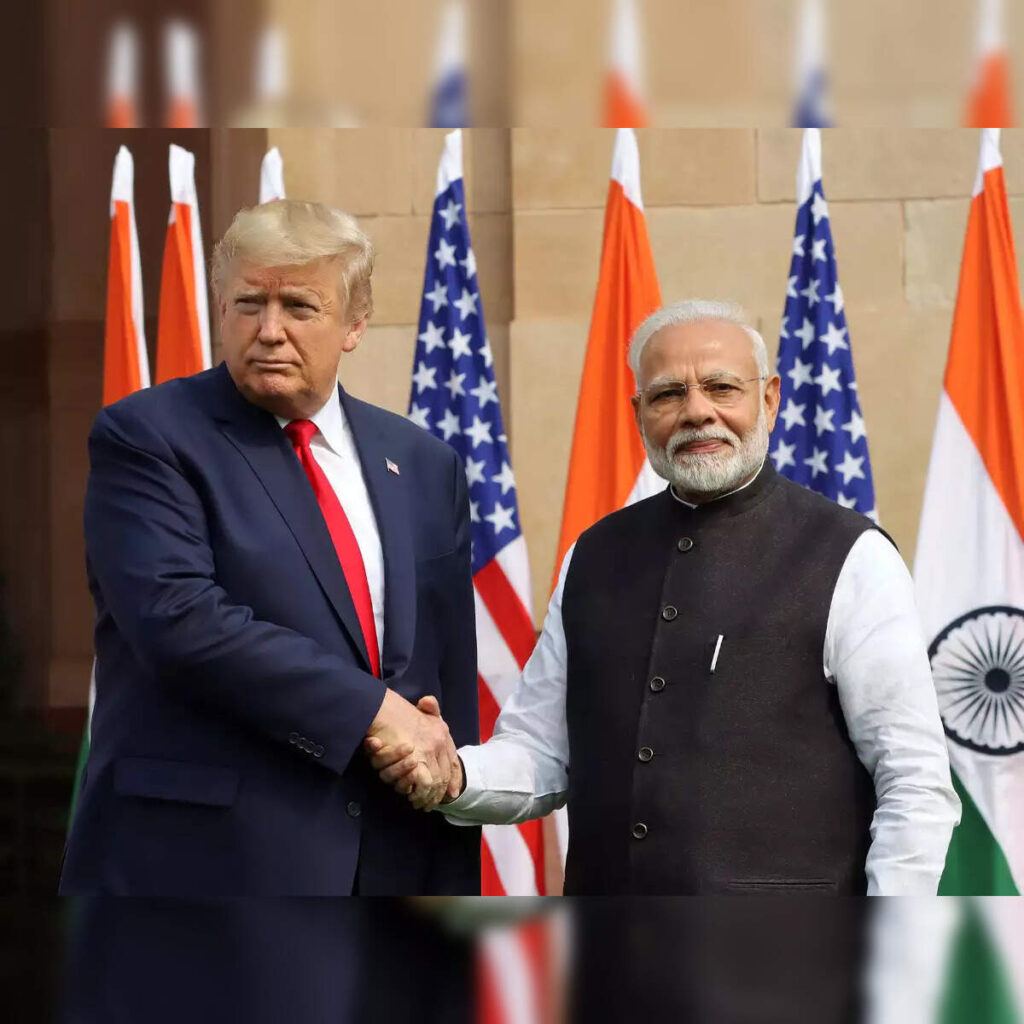
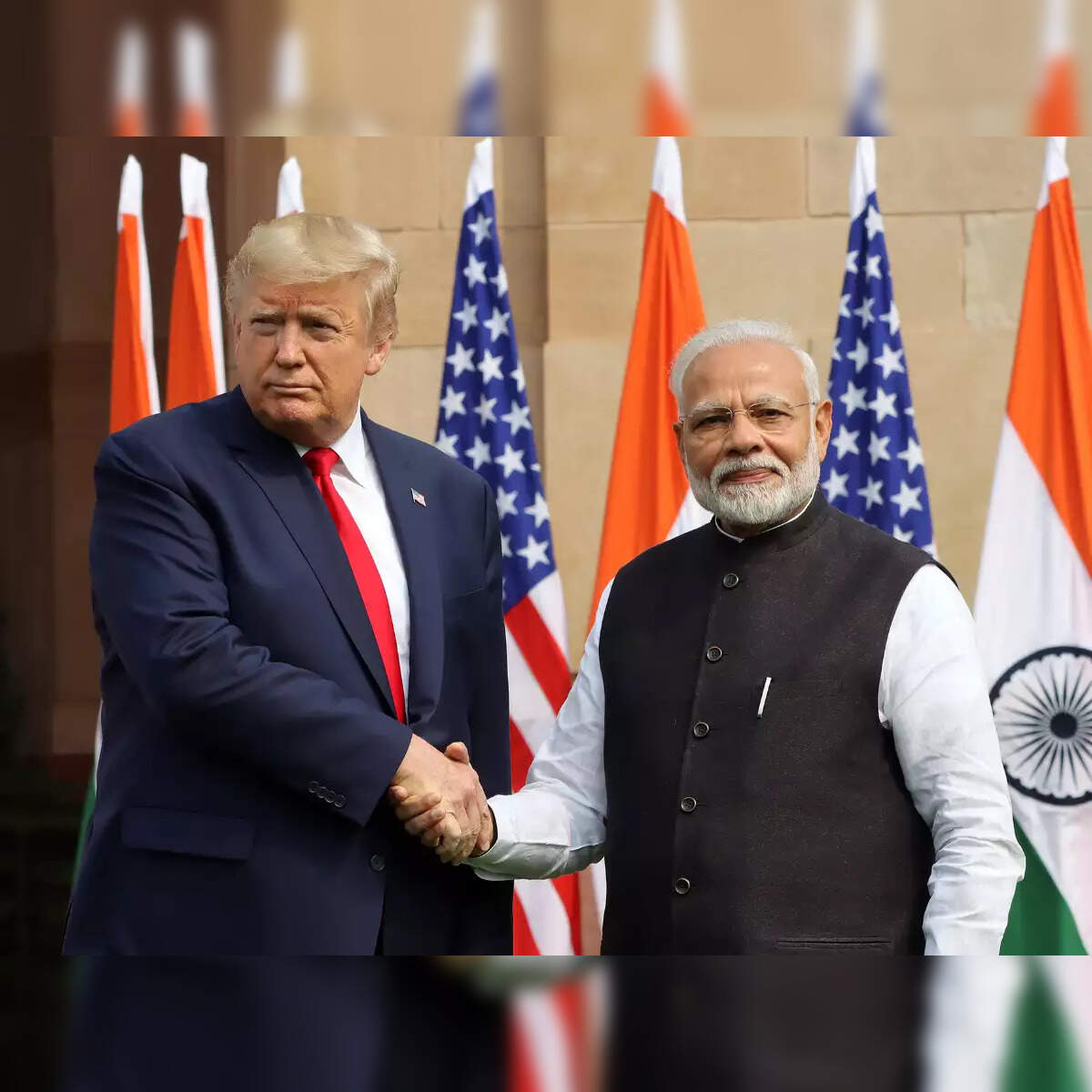
By K Raveendran Donald Trump and Narendra Modi never seem to tire of expressing admiration for each other, their mutual regard forming an odd but undeniable transnational political camaraderie. What binds them is not simply shared ideology but a similar worldview shaped by populism, nativism, and a flair for dramatic, often reckless, decision-making. Modi’s ‘Atmanirbhar […]


KUALA LUMPUR, MALAYSIA – Media OutReach Newswire – 5 April 2025 – Octa, a global broker since 2011, recently received the FXDailyInfo award as ‘The Most Innovative Broker 2025’. This accolade yet again highlights Octa’s focus on incrementally improving its proprietary trading platform, OctaTrader. Financial portal FXDailyInfo recognised Octa as ‘The Most Innovative Broker 2025’. With this award under its belt, Octa broker has already gained 10 […]

Advertisements

Impressive technological applications win international praise, assisting enterprises in going global to explore more opportunities HONG KONG SAR – Media OutReach Newswire – 3 April 2025 – The Hong Kong Productivity Council (HKPC) debuted with a dedicated pavilion at Hannover Messe 2025 (Hannover Messe), showcasing a range of Hong Kong’s technological applications, which were highly regarded by international companies and investors. HKPC successfully showcased the impressive achievements […]

Driving innovative solutions to tackle climate change and extreme weather challenges HONG KONG SAR – Media OutReach Newswire – 2 April 2025 – The Hong Kong Polytechnic University (PolyU) has established the Otto Poon Research Institute for Climate-Resilient Infrastructure (RICRI), a pioneering strategic research institute focused on global climate change, with the staunch support of the Otto Poon Charitable Foundation. The Research Institute aims to be a […]

KUALA LUMPUR, MALAYSIA – Media OutReach Newswire – 2 April 2025 – Octa, a global broker since 2011, surveyed more than 2,000 traders from Indonesia, Malaysia, South Africa, and Nigeria to discover their most glaring concerns regarding choosing a financial broker. What are the most suspicious brokers’ traits, according to traders? How do traders identify potentially unreliable service providers in the highly diversified e-brokerage landscape? Below is […]

Pfizer has unveiled its new research and development centre in Beijing, marking a significant step in the company’s strategic expansion in China. The facility, located within the BioPark in the Beijing Economic-Technological Development Area , represents the pharmaceutical giant’s ongoing commitment to increasing its presence in the Chinese market. This development comes at a time when global healthcare companies are intensifying their focus on innovation in key Asian markets.

The opening of the R&D centre is expected to bolster Pfizer’s research capabilities, particularly in the development of cutting-edge treatments in areas such as oncology, vaccines, and rare diseases. The new centre will serve as a hub for collaborative efforts between Pfizer and local Chinese researchers, healthcare providers, and academic institutions. This collaboration is viewed as a strategic move to accelerate the discovery and delivery of new therapies tailored to both global and regional healthcare needs.

Pfizer’s decision to open a new R&D centre in Beijing underscores the company’s long-term investment in China’s growing pharmaceutical industry. It is also a response to the Chinese government’s push to modernise its healthcare infrastructure and increase the availability of advanced medical treatments to its population. China’s robust investment in healthcare innovation and its vast population present a significant opportunity for Pfizer to lead in areas of unmet medical need.

The Beijing facility will focus on the integration of new technologies, such as artificial intelligence and data analytics, into drug discovery and clinical development processes. These technologies are expected to streamline Pfizer’s ability to identify promising drug candidates more efficiently, reducing development timelines and improving outcomes for patients worldwide. The centre will also support the company’s efforts to create vaccines and treatments specifically designed for the Chinese market.

Local Chinese health experts have welcomed the initiative, highlighting the positive impact it is likely to have on the region’s pharmaceutical ecosystem. Collaborations between international pharmaceutical companies like Pfizer and domestic research institutions are seen as vital to addressing health challenges in China, including the increasing prevalence of chronic diseases and an ageing population. The government’s support of such ventures is also expected to foster a more innovative and competitive environment in the Chinese pharmaceutical sector.

Pfizer’s expansion into Beijing is not the company’s first move in the region. Over the past decade, the pharmaceutical leader has steadily increased its investments in China, with a particular focus on expanding its clinical trials and vaccine development operations. This new R&D centre further cements the company’s position as a key player in the Chinese healthcare landscape.

One of the critical drivers behind Pfizer’s decision to build the facility in Beijing is the strategic importance of the region’s role in global drug development. The Chinese market, one of the largest in the world, has seen rapid growth in demand for healthcare products, particularly in biotechnology, oncology treatments, and vaccines. With an increasingly affluent population, China’s demand for high-quality medical products has surged, presenting a strong business case for Pfizer to deepen its engagement with the market.

The opening of this facility aligns with Pfizer’s broader global strategy to strengthen its innovation pipeline and maintain its competitive edge in the pharmaceutical industry. The company has consistently emphasised the importance of R&D as a cornerstone of its business model, and this move further emphasises its commitment to discovering new therapies for complex diseases. The Beijing centre is expected to collaborate with Pfizer’s other global R&D hubs, contributing to a more interconnected and agile research network.

Pfizer’s global operations have also faced some challenges in recent years, particularly with the economic uncertainties brought on by the pandemic. However, the company’s strategy of investing in emerging markets like China reflects its resilience and focus on future growth. By establishing a physical presence in one of the world’s most dynamic pharmaceutical markets, Pfizer is positioning itself to tap into both immediate and long-term opportunities in China and beyond.

The Chinese government has been supportive of multinational companies that invest in high-tech industries such as pharmaceuticals and biotechnology. This policy environment has made it increasingly attractive for foreign companies to set up R&D centres and collaborate with Chinese firms. In return, China benefits from the influx of advanced medical technologies and expertise, further propelling its ambitions to become a leader in global healthcare innovation.

Pfizer’s Beijing R&D centre is part of a broader trend of Western pharmaceutical companies making significant investments in China. These companies are increasingly collaborating with local research institutions to foster innovation, improve patient care, and support the country’s healthcare development goals. Such investments are also aligned with China’s ongoing reforms aimed at modernising its healthcare system, ensuring broader access to innovative treatments, and addressing the nation’s rising health challenges.

The opening of the R&D centre also highlights Pfizer’s commitment to ensuring that new therapies developed in Beijing will be available not only to the Chinese market but also to the global community. With the centre poised to focus on therapies for diseases with high unmet needs, including cancer and infectious diseases, the potential for cross-border medical collaboration is immense. Pfizer’s ability to leverage the centre’s local expertise and technological advancements will play a crucial role in meeting both Chinese and global healthcare demands.

Emails falsely claiming to be from the cryptocurrency exchange Gemini are circulating, sparking concerns of a growing scam targeting its users. The fraudulent messages allege that the company has filed for bankruptcy and urge recipients to click on a link to confirm account details or withdraw their funds before an impending shutdown. Experts warn that this is part of an ongoing wave of phishing schemes aimed at […]

One Year After Acquiring Banyan Security, SonicWall’s Cloud Secure Edge/ZTNA Remote Access Solutions See Remarkable Growth SINGAPORE – Media OutReach Newswire – 1 April 2025 – SonicWall today marks a significant milestone in its journey redefining advanced cyber security protection with its Zero Trust Network Access (ZTNA) solution known as Cloud Secure Edge (CSE). One year after acquiring Banyan Security, a leading provider of zero-trust security for […]

Strategy, formerly known as MicroStrategy, has significantly bolstered its Bitcoin portfolio by acquiring 22,048 BTC for approximately $1.92 billion, averaging $86,969 per Bitcoin. This purchase elevates the company’s total holdings to over 500,000 BTC, reinforcing its position as the largest corporate holder of the cryptocurrency.

As of March 30, 2025, Strategy’s aggregate Bitcoin holdings stand at 506,137 BTC, acquired at a total purchase price of approximately $33.7 billion, with an average cost of $66,608 per Bitcoin. This substantial investment has yielded a year-to-date return of 11.0% in 2025, underscoring the firm’s commitment to Bitcoin as a primary treasury reserve asset.

Michael Saylor, Executive Chairman of Strategy, has been a vocal advocate for Bitcoin, positioning it as a strategic asset for the company’s financial strategy. Under his leadership, Strategy has consistently increased its Bitcoin holdings, viewing the cryptocurrency as a hedge against inflation and a store of value.

The company’s aggressive acquisition strategy has been facilitated through various financial instruments, including the issuance of convertible bonds and preferred stock offerings. In a notable move, Strategy announced a $21 billion at-the-market offering of convertible perpetual preferred stock, yielding over 9%, with the intent to fund further Bitcoin purchases. This initiative, part of the “21/21 plan,” reflects the company’s innovative approach to capital raising without committing to a repayment timeline, as these shares do not have a maturity date.

Strategy’s substantial Bitcoin holdings now represent over 2% of the global circulating supply, a figure that underscores the company’s influence in the cryptocurrency market. This accumulation strategy has positioned Strategy ahead of other major corporate holders, including Tesla and Coinbase, whose combined holdings are less than 1% of the total supply.

Despite the bullish accumulation, Strategy’s stock performance has experienced volatility, closely mirroring Bitcoin’s price fluctuations. The company’s stock has seen a decline of over 50% from its November highs, reflecting the inherent risks associated with its heavy reliance on Bitcoin’s market performance. This correlation highlights the potential financial exposure and the speculative nature of Strategy’s investment approach.

In addition to its investment activities, Strategy has implemented operational changes, including a 20% reduction in its workforce. This downsizing affected departments such as research and development, consulting, and sales and marketing, aligning with the company’s strategic shift towards digital assets. The workforce reduction coincided with a significant increase in Bitcoin holdings, indicating a reallocation of resources towards cryptocurrency investments.

The company’s financial maneuvers have attracted both attention and scrutiny. While some investors view Strategy’s Bitcoin-centric strategy as visionary, others express concern over the sustainability and risk associated with such a concentrated investment. The issuance of high-yield convertible securities to fund Bitcoin acquisitions raises questions about financial leverage and potential dilution of shareholder value.

Michael Saylor’s public statements have further amplified the discourse surrounding Strategy’s approach. At the Conservative Political Action Conference , Saylor emphasized Bitcoin as “digital property” and a crucial tool for the United States to “own cyberspace” in the future. Such assertions underscore his unwavering belief in Bitcoin’s potential but also invite regulatory and market scrutiny.

As Strategy continues to navigate the volatile cryptocurrency landscape, its substantial Bitcoin holdings and innovative financial strategies will remain focal points for investors and market analysts. The company’s future performance will likely hinge on Bitcoin’s market trajectory and the broader acceptance of cryptocurrencies in the global financial ecosystem.

The broader implications of Strategy’s Bitcoin accumulation extend beyond corporate finance, potentially influencing market dynamics and regulatory perspectives on cryptocurrency adoption. As the company holds a significant portion of the global Bitcoin supply, its actions may impact liquidity and price stability within the market.

HKSTP park company Laservall aims to advance high-precision laser technology with AI-driven automation, empowering advanced manufacturing through microelectronics innovation HONG KONG SAR – Media OutReach Newswire – 31 March 2025 – Laservall today announced a landmark HKD 300 million (USD 38 million) investment plan for the next five years. This strategic commitment focuses on R&D, manufacturing and technology enhancement, and tech talent development in Hong Kong. A […]

HONG KONG SAR – Media OutReach Newswire – 31 March 2025 – Huatai Securities Co., Ltd. (the “Company”; stock codes: 601688.SH, 6886.HK, HTSC.L), a leading technology-driven comprehensive securities company in China, released its consolidated financial results for the year ended December 31, 2024, reporting record revenue and profit, alongside substantial progress in its internationalization strategy. Annual Highlights: In 2024, the Company continued to execute on strategic priorities, […]

Global Footprint and B2C-B2B Synergies Drive Long-term Development Results Highlights Revenue surged by 71.7% to historical high of US$345.78 million. Net profit hit historical high and grew by 151.5% to US$19.04 million, net profit margin improved by 1.7 percentage points to 5.5%. The Board of Directors has recommended a final dividend of HK7.5 cents per share. The Business-to-Customer (B2C) YesStyle Platforms recorded revenue of US$265.64 million, up […]

India is significantly enhancing the operational capabilities of its special forces by integrating advanced technologies such as nano drones, loitering munitions, and sophisticated communication systems. This strategic initiative aims to bolster covert operations and counter-terrorism efforts, enabling deep penetration into hostile territories with heightened efficiency and precision.

The Indian Army’s Para , the Navy’s Marine Commandos , and the Air Force’s Garud Commando Force are at the forefront of this modernization drive. These elite units are being equipped with state-of-the-art surveillance tools and specialized weaponry designed to meet the demands of contemporary warfare. The incorporation of nano drones facilitates real-time intelligence gathering, allowing operatives to assess situations and execute missions with unprecedented accuracy.

Loitering munitions, often referred to as “kamikaze drones,” have emerged as a pivotal asset in this technological upgrade. These unmanned aerial vehicles can hover over target areas, identify high-value threats, and execute precision strikes, effectively neutralizing adversaries while minimizing collateral damage. The Indian Army has been actively integrating these systems into its arsenal, recognizing their potential to revolutionize battlefield tactics. Indigenous development efforts have led to the creation of loitering munitions tailored to the specific needs of India’s defense forces, reflecting a commitment to self-reliance in military technology.

In addition to aerial advancements, the deployment of midget submarines is being considered to enhance maritime special operations. These compact vessels offer stealth capabilities, enabling covert insertion and extraction of forces in littoral zones. Such assets are particularly valuable for the Navy’s MARCOS unit, which specializes in amphibious warfare and maritime counter-terrorism operations.

The Armed Forces Special Operations Division , established to foster jointness among the three services, plays a crucial role in this modernization effort. Headquartered in Bengaluru, AFSOD serves as a hub for coordinating special operations training and missions, ensuring seamless integration of new technologies across all branches. The division’s formation marks a significant step toward creating a unified command structure akin to those found in other major military powers.

Despite these advancements, the absence of a full-fledged Special Operations Command presents challenges in achieving optimal synergy among the various special forces units. The current structure relies on collaborative efforts facilitated by AFSOD, but experts argue that a dedicated command could further streamline operations and command-and-control mechanisms. Addressing this structural gap remains a subject of ongoing discussion within defense circles.

The push for technological enhancement extends beyond hardware acquisition. Comprehensive training programs are being implemented to ensure that personnel can effectively operate and integrate these advanced systems into their missions. Exercises such as “Poorvi Prahar” have been conducted along the eastern borders, where troops honed their skills with swarm drones, first-person view drones, and loitering munitions. These drills not only test the efficacy of new equipment but also refine tactics and strategies for future engagements.

India’s focus on indigenous development of defense technologies aligns with the broader “Atmanirbhar Bharat” initiative. By investing in domestic research and production capabilities, the country aims to reduce dependency on foreign suppliers and cultivate a robust defense industrial base. Companies like Kadet Defence Systems have been instrumental in this endeavor, delivering loitering aerial munitions designed and manufactured within India.

The integration of artificial intelligence and satellite communications further augments the operational effectiveness of special forces. These technologies enhance situational awareness, enable secure and rapid information exchange, and support decision-making processes in dynamic combat environments. As warfare becomes increasingly network-centric, such capabilities are indispensable for maintaining a strategic edge.

The United Arab Emirates has ascended to the forefront of global cryptocurrency adoption, marked by a 41% year-on-year increase in crypto app downloads, totaling 15 million in 2024. In January 2025 alone, the nation recorded 3.55 million installations of crypto applications, underscoring a robust and growing interest in digital assets. Projections indicate that user penetration will reach 39.1% by the end of 2025, signifying the transition of cryptocurrency from a niche interest to a mainstream financial instrument within the country.

This surge is underpinned by a proactive regulatory environment. The Dubai Financial Services Authority has expanded its list of recognized crypto tokens, while the Abu Dhabi Global Market introduced the world’s first Distributed Ledger Technology Foundations Framework, providing legal structures for blockchain-based organizations. Furthermore, the Central Bank of the UAE approved AE Coin, the nation’s inaugural dirham-pegged stablecoin, facilitating faster and more cost-effective digital transactions.

A study by Atmos, a proprietary trading platform by Taurex, highlights the UAE’s leadership in the crypto space. The research indicates a cryptocurrency ownership rate of 25.3% among the UAE population, coupled with an adoption growth rate of 210%. Despite the presence of only one Bitcoin ATM, the UAE secured the top position in the study’s rankings, reflecting the country’s deep integration of digital assets into its financial ecosystem.

The UAE’s commitment to fostering a crypto-friendly environment is further evidenced by substantial institutional investments. Abu Dhabi’s MGX, a $330 billion investment vehicle backed by Mubadala, recently acquired a $2 billion minority stake in Binance, one of the world’s leading cryptocurrency exchanges. This move aligns with the UAE’s ambition to become a global crypto hub and demonstrates confidence in the transformative potential of blockchain technology.

On a regional scale, the Middle East and North Africa have experienced significant growth in the crypto sector. Between July 2023 and June 2024, the UAE received over $30 billion in cryptocurrency, ranking among the top 40 globally and establishing itself as MENA’s third-largest crypto economy. This influx underscores the UAE’s pivotal role in the regional digital asset landscape.

A surge in Studio Ghibli-style AI-generated images has ignited a significant uptick in the creation and valuation of related meme coins within the cryptocurrency market. This trend follows the introduction of OpenAI’s ChatGPT-4o model, which enables users to produce images emulating the distinctive aesthetic of the renowned Japanese animation studio.

On March 25, OpenAI unveiled the ChatGPT-4o model’s image generation feature, allowing users to craft visuals reminiscent of Studio Ghibli’s celebrated films such as “Spirited Away” and “My Neighbor Totoro.” This capability quickly gained traction on social media platforms, with individuals sharing their AI-generated Ghibli-style portraits. Notably, OpenAI CEO Sam Altman participated by posting an image of himself rendered in this style, describing the release as “a new high-water mark” for creative freedom.

The trend garnered further momentum as prominent figures in the tech industry joined in. Entrepreneur Elon Musk shared his own Ghibli-inspired portrait, while Ripple executives Brad Garlinghouse and David Schwartz also posted similar images. Their involvement amplified the visibility of the Ghibli-style AI imagery movement across various online communities.

This widespread fascination with Ghibli-style AI art has translated into the cryptocurrency sphere, leading to the emergence of several Ghibli-themed meme coins. Tokens such as “Ghiblification” and “GhibliCZ” have experienced remarkable surges in market capitalization. Ghiblification, for instance, reportedly achieved a market cap of $20.8 million within 19 hours of its launch, marking a 39,010% increase in value.

The Solana blockchain has become a notable platform for these tokens, with several Ghibli-inspired meme coins experiencing rapid gains. The integration of AI-generated art trends with cryptocurrency ventures has attracted both investors and enthusiasts, leading to heightened trading activity and speculative interest.

However, the rapid proliferation of these tokens has raised concerns regarding their legitimacy and the potential for market manipulation. The cryptocurrency market is known for its volatility, and the sudden popularity of themed meme coins can lead to speculative bubbles. Investors are advised to exercise caution and conduct thorough research before engaging with such assets.

In an effort to achieve a target of 80% of patients controlling the three highs and protecting kidney health within eight years, Taiwan leads the international trend of precise prevention with public-private collaboration in response to the new health goals of Healthy Taiwan. TAIPEI, TAIWAN – Media OutReach Newswire – 28 March 2025 – As the global aging process accelerates, the prevention and care of chronic diseases […]

BLOCK71 Tokyo, its second office in Japan, opens at TAKANAWA GATEWAY CITY, the country’s latest global innovation hub. NUS collaborates with Japanese partners, who will invest about ¥1 billion to spur global venture creation. SINGAPORE – Media OutReach Newswire – 28 March 2025 – NUS Enterprise, the entrepreneurial arm of the National University of Singapore (NUS), is expanding its presence in Japan with the launch of its […]

Greenlogue/AP Saudi Arabia’s Acwa Power is intensifying its collaboration with Chinese enterprises, undeterred by escalating global trade disputes. The energy giant has formalized agreements exceeding $1.78 billion, focusing on renewable energy, battery storage, and research and development initiatives across regions including the Gulf, China, Central Asia, and North Africa. These deals, announced at the Future Investment Initiative conference in Riyadh, encompass a $54 million investment dedicated to […]

​ KUALA LUMPUR, MALAYSIA – Media OutReach Neswire – 28 March 2025 – As of March 2025, Brent crude oil prices have experienced fluctuations: its price traded between $68.30 and slightly above $73 per barrel. This volatility reflects evolving macroeconomic factors and geopolitical dynamics. OPEC+ has announced plans to gradually increase oil production starting in April 2025, aiming to unwind 2.2 million barrels per day of previous […]

VISHNU RAJA
RYO YAMADA
HITORI GOTOH
IKUYO KITA