Dubai Electricity and Water Authority (DEWA) and Dell Technologies are exploring closer cooperation on digital infrastructure, artificial intelligence and cybersecurity to improve the resilience of Dubai’s electricity and water services. The discussions, disclosed by DEWA in December 2025, covered technology capable of strengthening electricity networks, improving water distribution and supporting renewable energy integration. They followed separate agreements between Dell and subsidiaries of DEWA’s digital arm on cloud […]
Hindustan Coca-Cola Holdings Ltd has filed draft papers for a stock market flotation involving the sale of up to 99.75 crore shares, advancing Coca-Cola’s plans to list its bottling business in India.
The draft red herring prospectus, dated 6 November, was submitted to the Securities and Exchange Board of India. The proposed initial public offering comprises entirely existing shares offered by promoter Hindustan Coca-Cola Overseas Holdings Pte Ltd, rather than newly issued equity.
The maximum sale covers 997,461,456 shares with a face value of Rs 10 each. Because the transaction is structured as an offer for sale, Hindustan Coca-Cola Holdings will receive none of the proceeds. The money raised, after applicable expenses, will accrue to the selling shareholder.
The company proposes listing its shares on the BSE and National Stock Exchange. The draft documents do not establish the final offer price, valuation or subscription dates. Those details will depend on subsequent regulatory and transaction processes.
Coca-Cola said in June that it was exploring a possible listing in 2027. Its president and chief financial officer, John Murphy, reiterated during the company’s September-quarter earnings discussions that the group was examining a potential flotation and would provide updates when appropriate.
The proposed transaction forms part of Coca-Cola’s strategy of reducing direct ownership of bottling assets while concentrating more resources on brands, marketing and other activities. The flotation would provide a route for the parent group to reduce its economic exposure without requiring the operating business to issue additional shares.
Hindustan Coca-Cola Holdings is the parent of Hindustan Coca-Cola Beverages, which manufactures and distributes drinks across selected territories. Coca-Cola retains a 60% interest in the holding company through its overseas holding entity, while Jubilant Beverages owns 40%, following an investment in the bottling business.
The offering is expected to reduce the promoter’s stake, although the precise ownership structure after listing will depend on the final sale and related disclosures. The filing gives investors a first detailed view of the financial and operating performance of the business being brought to market.
For the quarter ended 30 June 2026, revenue from operations in the company’s retained business units rose 20.46% from a year earlier to Rs 4,310.17 crore. Sales volumes increased 18.61% over the corresponding period, according to figures disclosed in the offering documents.
The earnings before interest, tax, depreciation and amortisation margin, excluding other income and exceptional items, improved to 17.20%, compared with 13.76% a year earlier. The figures reflect the retained operations after transfers of certain territories to other bottling partners, making comparisons with earlier group-wide results less straightforward.
For the financial year ended March 2026, the business reported revenue of approximately Rs 11,663 crore. Its draft prospectus also identifies concentration in several territories and dependence on Coca-Cola group companies for beverage concentrates among the principal commercial risks facing the operation.
Five territories accounted for 75.63% of operating revenue during the financial year, underscoring the importance of regional demand and distribution performance. The company’s business remains tied to licensing arrangements, concentrate supplies and the continued availability of the brands it bottles and sells.
As of 30 June, the bottler operated 14 owned production facilities and worked with eight co-packing units. Its manufacturing system included 90 bottling lines and 23 warehouses, with annual installed capacity of approximately 1,291 million unit cases at its owned plants.
Its distribution arrangements extended to about 1.7 million retail outlets through 2,273 distributors. The portfolio comprised 41 beverages spanning carbonated soft drinks, packaged water, juices and other non-alcoholic products, including Thums Up, Maaza and Kinley.
The prospectus identifies the company as Coca-Cola’s largest bottling operator in India by concentrate volume, accounting for approximately 38.53% of concentrate sales in its territories during the financial year. Other territories are served by separate bottling partners.
The proposed shares will be offered through a book-building process, with allocations among qualified institutional buyers, non-institutional investors and retail applicants governed by securities regulations. Regulatory review of the draft prospectus is a step towards the flotation, rather than approval of a final issue price or a guarantee that the transaction will proceed.
Seven investment banking firms have been appointed as book-running lead managers: Kotak Mahindra Capital, Citigroup Global Markets India, J. P. Morgan India, Morgan Stanley India, Axis Capital, Goldman Sachs (India) Securities and IIFL Capital Services. KFin Technologies is registrar to the proposed offering.
SoftBank Group and ABB are examining whether to exclude Chinese operations from their $5.4 billion robotics transaction after Beijing prohibited the acquisition, leaving the companies searching for a revised structure that could secure regulatory clearance.
The Japanese investment group and Swiss engineering company are considering placing ABB Robotics’ China business into a separately owned entity while allowing SoftBank to acquire the remaining operations. Discussions remain preliminary, and there is no assurance that the proposed separation will overcome China’s objections or produce a completed transaction.
SoftBank is understood to be driving the restructuring discussions with ABB and their advisers. The companies have not publicly confirmed a carve-out proposal. Both declined to comment on the reported deliberations, although SoftBank has acknowledged continuing talks with ABB over the transaction.
China’s Office of the Working Mechanism for Foreign Investment Security Review, operating under the National Development and Reform Commission, prohibited the acquisition of ABB’s robotics operations in China. The decision, communicated to SoftBank this week, interrupted a sale agreed in October 2025 and valued at approximately $5.4 billion.
SoftBank said it had received notification of the prohibition and was working constructively with ABB. The Chinese authorities have not publicly detailed their reasons for rejecting the transaction. Questions surrounding the protection of industrial technology and data have nevertheless become central to discussions about a possible alternative ownership arrangement.
A separation would be commercially significant because China is ABB Robotics’ largest individual market. Its manufacturing and research operations in Shanghai form an important part of the business SoftBank originally agreed to purchase. Removing those assets could change both the economic value and strategic appeal of the acquisition.
China accounts for roughly 30 per cent of the robotics business, although the precise share varies with the period and measure used. More than 90 per cent of robots supplied to ABB’s Chinese customers are manufactured locally, illustrating the extent to which its operations are integrated into the country’s industrial supply chains.
The proposed structure would therefore need to address more than the legal ownership of a subsidiary. Manufacturing facilities, research activities, intellectual property, commercial relationships and arrangements for handling operational information could all affect how the businesses are divided. No agreed terms governing those matters have been disclosed.
ABB is separately examining alternatives, including finding another purchaser for the robotics division. One possible sale scenario has been associated with a valuation of $2 billion to $3 billion, substantially below the original SoftBank transaction price. That figure remains an informal possibility rather than a confirmed offer or independent valuation.
Returning to a previously considered stock-market separation is another potential route. ABB had originally intended to spin off the robotics division before agreeing to sell it to SoftBank. A listing would introduce different execution and market risks, particularly after the companies signed a binding acquisition agreement.
The regulatory intervention has complicated ABB’s capital allocation plans. The company had expected to use proceeds from the divestment to support acquisitions elsewhere in its business. Citigroup analyst Martin Wilkie estimated that the Chinese blockage could reduce ABB’s available acquisition capacity to approximately $5 billion, roughly half the amount previously envisaged.
ABB shares declined on Friday, extending their losses for the week to more than 5 per cent. SoftBank shares fell about 11 per cent in Tokyo amid a broader technology-sector sell-off, although movements in its share price cannot be attributed solely to the robotics decision.
For SoftBank, the proposed purchase was intended to strengthen its position in robotics systems that combine artificial intelligence with physical machinery. The group has identified this field as an investment priority, making access to ABB’s engineering capabilities and established industrial customer base an important consideration.
The robotics division generated approximately $2.3 billion in revenue in 2024 and employed around 7,000 people. Its manufacturing footprint includes facilities in China, Sweden and the United States, serving industrial customers alongside competitors such as Fanuc, Yaskawa Electric and Kuka.
The original acquisition agreement, signed on 8 October 2025, specified a purchase price of $5.375 billion and required regulatory approvals in several jurisdictions, including China. The Chinese security review was distinct from competition approval, demonstrating that clearance under one regulatory process did not settle the separate investment-security assessment. ABB had previously targeted completion of the divestment during 2026, subject to the remaining necessary approvals and other applicable customary closing conditions.
Security researchers have identified 2,539 distinct credentials and other secrets across 1,994 public GitHub repositories, linking the exposures to configuration files and saved records generated during AI-assisted software development. Application security company Apiiro disclosed the findings on 5 November after examining publicly accessible repositories. Its investigation identified a particular risk in Anthropic’s Claude Code assistant: approving a shell command with the option “Yes, and don’t ask again” […]
Paraguay’s former president Santiago Peña was ordered into pretrial detention on Saturday after prosecutors charged him with breach of trust and administration for personal gain over the collapse of digital lender Ueno Bank. Judge Humberto Otazú ordered Peña held at a military facility in Asunción, saying detention was necessary to prevent him leaving the country while investigators examined his dealings with the bank. The court also ordered […]
Arabian Post Staff -Dubai The UAE Coast Guard rescued 22 crew members from a burning cargo ship in the Gulf of Oman, authorities announced on Sunday, as maritime security concerns intensified amid the conflict involving Iran. The National Guard said all those rescued were Arab nationals and were in stable condition after receiving first aid. Specialised response teams located the vessel and evacuated its crew following a […]
HONG KONG SAR – Media OutReach Newswire – 7 November 2026 – Prof. Nancy IP, President and The Morningside Professor of Life Science at The Hong Kong University of Science and Technology (HKUST), has been awarded the 2026 UNESCO-Equatorial Guinea International Prize for Research in the Life Sciences in recognition of her pioneering contributions to neuroscience and Alzheimer’s disease research. The award ceremony was held on November 6 at UNESCO Headquarters in Paris, France.
Prof. Nancy Ip, President and Morningside Professor of Life Science at HKUST, has been awarded the 2026 UNESCO-Equatorial Guinea International Prize for Research in the Life Sciences in recognition of her pioneering contributions to neuroscience and Alzheimer’s disease research. Prof. Ip accepts the award at a ceremony held on November 6 at the UNESCO Headquarters in Paris, France.
In announcing the award, UNESCO recognized Prof. Ip as an internationally renowned neuroscientist whose research has significantly advanced the understanding of brain function and neurodegenerative diseases. It highlighted her team’s discoveries of novel biomarkers and genetic risk factors for Alzheimer’s disease, the development of an innovative blood-based diagnostic technology that enables earlier detection and monitoring of the disease, and her pioneering advances in gene therapy research that have opened new avenues for the prevention and treatment of neurodegenerative disorders.
President Prof. Nancy Ip first received the L’Oréal-UNESCO For Women in Science Award in 2004, becoming the first Chinese scientist in the life sciences and the first scientist from Hong Kong to receive the honor. Her latest recognition, the 2026 UNESCO-Equatorial Guinea International Prize for Research in the Life Sciences, marks a second major accolade from UNESCO and makes her the first Hong Kong scientist to have received both prestigious UNESCO awards.
Receiving the award in Paris, Prof. Ip expressed her heartfelt gratitude to her research team, collaborators and colleagues, and thanked HKUST for its steadfast support throughout her scientific journey.
Prof. Nancy Ip (middle) joins the 2026 UNESCO-Equatorial Guinea International Prize laureates and Fellowship Programme for Young Women Scientists in Africa recipients for a group photo.
Prof. Ip said: “I am deeply honored to receive the UNESCO-Equatorial Guinea International Prize for Research in the Life Sciences. This recognition belongs not only to me, but also to the many talented and dedicated team members, collaborators and colleagues who have contributed to these achievements. It reflects our shared commitment to advancing knowledge, deepening our understanding of Alzheimer’s disease, and translating scientific discoveries into meaningful benefits for patients and society.“
She added: “Alzheimer’s disease is not just a scientific and medical challenge. It is also a deeply human one, profoundly affecting the lives of those living with the disease and their families. Their courage reminds us why our work matters and inspires us to reach higher.”
Prof. Ip also emphasized the importance of global scientific collaboration and nurturing future generations of researchers. “Science is a collective endeavor,” she said. “Every breakthrough is built on collaboration across disciplines, institutions and borders. As a scientist and university president, I believe we must also empower young researchers by giving them the freedom to pursue their curiosity, the confidence to take intellectual risks, and the support they need to tackle the grand challenges facing humanity.”
Prof. Nancy Ip expressed her heartfelt gratitude to her research team, collaborators and colleagues, and thanked HKUST for its steadfast support throughout her scientific journey.
Breakthrough Contributions to Neuroscience and Alzheimer’s Disease Research
Prof. Ip has devoted more than three decades to advancing research on neurodegenerative diseases. To date, she has published over 350 scholarly papers and holds 144 patents. Her pioneering work has significantly deepened scientific understanding of intercellular communication in the nervous system, synaptic signaling, and the molecular mechanisms underlying neurodegenerative diseases. Her research team has also achieved a series of breakthroughs in identifying protein targets associated with these disorders, opening new avenues for their diagnosis and treatment.
Recognizing that Alzheimer’s disease research has historically relied heavily on data from Western populations, with Asian populations being relatively underrepresented, Prof. Ip led her team in establishing a large-scale Chinese Alzheimer’s disease biobank. By integrating clinical data, neuroimaging information, and multi-omics datasets from Chinese populations, the team successfully identified multiple genetic risk factors prevalent among Chinese individuals. These findings have provided important scientific insights into disease mechanisms and laid a foundation for the development of precision diagnostic and therapeutic strategies.
In recent years, Prof. Ip and her team have made significant advances in the early detection of Alzheimer’s disease and the clinical translation of related research. They co-developed a highly accurate, minimally invasive, and efficient blood-based diagnostic test that can aid early detection of Alzheimer’s disease and help identify individuals with mild cognitive impairment, thereby supporting timely clinical assessment and intervention planning, as well as the identification of suitable participants for clinical trials. The technology has been adopted by multiple healthcare institutions in Hong Kong and has since been expanded into community settings, helping to inform more effective disease management and risk-reduction strategies. Meanwhile, the team is actively exploring novel gene therapy approaches for familial Alzheimer’s disease through gene-editing technologies, with the goal of developing an integrated innovation pipeline spanning early diagnosis to next-generation therapeutics.
An Internationally Acclaimed Scientist
Prof. Ip is President of The Hong Kong University of Science and Technology (HKUST) and concurrently serves as Director of the State Key Laboratory of Nervous System Disorders and Director of the Hong Kong Center for Neurodegenerative Diseases. Prior to joining HKUST, she was a Senior Staff Scientist at Regeneron Pharmaceuticals in the United States. Since joining HKUST, she has held a number of key leadership positions, including Head of the Department of Biochemistry, Dean of Science, and Vice-President for Research and Development, before assuming the presidency of the University in 2022.
Renowned internationally for her scientific achievements and academic leadership, Prof. Ip is an elected member of the Chinese Academy of Sciences, the US National Academy of Sciences, the American Academy of Arts and Sciences, The World Academy of Sciences (TWAS), Academia Europaea, and the Hong Kong Academy of Sciences. Her many honors include the L’Oréal-UNESCO For Women in Science Award, the State Natural Science Award of China (twice), and recognition by Nature as one of China’s “Ten Science Stars”. She was also appointed Chevalier de l’Ordre National du Mérite by the French Government and awarded both the Silver Bauhinia Star and Bronze Bauhinia Star by the HKSAR Government.
The UNESCO-Equatorial Guinea International Prize for Research in the Life Sciences was established by UNESCO to recognize outstanding scientific achievements that advance human health and improve quality of life. The Prize promotes scientific excellence, international collaboration, and the development of research networks worldwide. This year’s prize is shared by three laureates, who jointly receive US$300,000 and an Integración Tribal statuette created by Equatorial Guinean artist Leandro Mbomio Nsue.
Hashtag: #HKUST
The issuer is solely responsible for the content of this announcement.
About The Hong Kong University of Science and Technology
The Hong Kong University of Science and Technology (HKUST) (https://hkust.edu.hk/) is a world-class university renowned for its excellence in innovative education, research, and impactful knowledge transfer. Adopting a holistic and interdisciplinary approach to education, HKUST was ranked 33rd globally and 6th in Asia in the QS World University Rankings 2027 and QS Asia University Rankings 2026, respectively. It was also ranked 20th worldwide in the Times Higher Education Sustainability Impact Ratings 2026, placing first among universities in Hong Kong and the Chinese Mainland for the third consecutive year. Eleven HKUST subjects were ranked among the world’s top 50 in the QS World University Rankings by Subject 2026. In addition, HKUSTs Computer Science discipline, which encompasses areas such as artificial intelligence and machine learning, was ranked No. 1 in Hong Kong for the tenth consecutive year in the Times Higher Education World University Rankings by Subject 2026. Its graduates are highly competitive, consistently ranking among the world’s top 30 most sought-after employees. In research and entrepreneurship, more than 80% of HKUST’s research was rated “world-leading” or “internationally excellent” in the University Grants Committee’s Research Assessment Exercise 2020. As of September 2026, HKUST members have founded more than 2,000 active start-ups, including 11 unicorns and 23 successful exits through initial public offerings (IPOs) or mergers and acquisitions (M&A).
By K Raveendran Wall Street was waiting for an excuse to punish the technology sector, whose extraordinary valuations had increasingly defied conventional measures of profitability and risk. The sweeping defeat of Donald Trump’s Republicans in the American midterm elections provided the trigger, unleashing a sell-off that exposed the fragility beneath the artificial intelligence boom. Yet […]
HONG KONG SAR – Media OutReach Newswire – 7 November 2026 – Prof. Nancy IP, President and The Morningside Professor of Life Science at The Hong Kong University of Science and Technology (HKUST), has been awarded the 2026 UNESCO-Equatorial Guinea International Prize for Research in the Life Sciences in recognition of her pioneering contributions to neuroscience and Alzheimer’s disease research. The award ceremony was held on November 6 at UNESCO Headquarters in Paris, France.
Prof. Nancy Ip, President and Morningside Professor of Life Science at HKUST, has been awarded the 2026 UNESCO-Equatorial Guinea International Prize for Research in the Life Sciences in recognition of her pioneering contributions to neuroscience and Alzheimer’s disease research. Prof. Ip accepts the award at a ceremony held on November 6 at the UNESCO Headquarters in Paris, France.
In announcing the award, UNESCO recognized Prof. Ip as an internationally renowned neuroscientist whose research has significantly advanced the understanding of brain function and neurodegenerative diseases. It highlighted her team’s discoveries of novel biomarkers and genetic risk factors for Alzheimer’s disease, the development of an innovative blood-based diagnostic technology that enables earlier detection and monitoring of the disease, and her pioneering advances in gene therapy research that have opened new avenues for the prevention and treatment of neurodegenerative disorders.
Receiving the award in Paris, Prof. Ip expressed her heartfelt gratitude to her research team, collaborators and colleagues, and thanked HKUST for its steadfast support throughout her scientific journey.
Prof. Nancy Ip (middle) joins the 2026 UNESCO-Equatorial Guinea International Prize laureates and Fellowship Programme for Young Women Scientists in Africa recipients for a group photo.
Prof. Ip said: “I am deeply honored to receive the UNESCO-Equatorial Guinea International Prize for Research in the Life Sciences. This recognition belongs not only to me, but also to the many talented and dedicated team members, collaborators and colleagues who have contributed to these achievements. It reflects our shared commitment to advancing knowledge, deepening our understanding of Alzheimer’s disease, and translating scientific discoveries into meaningful benefits for patients and society.“
She added: “Alzheimer’s disease is not just a scientific and medical challenge. It is also a deeply human one, profoundly affecting the lives of those living with the disease and their families. Their courage reminds us why our work matters and inspires us to reach higher.”
Prof. Ip also emphasized the importance of global scientific collaboration and nurturing future generations of researchers. “Science is a collective endeavor,” she said. “Every breakthrough is built on collaboration across disciplines, institutions and borders. As a scientist and university president, I believe we must also empower young researchers by giving them the freedom to pursue their curiosity, the confidence to take intellectual risks, and the support they need to tackle the grand challenges facing humanity.”
Prof. Nancy Ip expressed her heartfelt gratitude to her research team, collaborators and colleagues, and thanked HKUST for its steadfast support throughout her scientific journey.
Breakthrough Contributions to Neuroscience and Alzheimer’s Disease Research
Prof. Ip has devoted more than three decades to advancing research on neurodegenerative diseases. To date, she has published over 350 scholarly papers and holds 144 patents. Her pioneering work has significantly deepened scientific understanding of intercellular communication in the nervous system, synaptic signaling, and the molecular mechanisms underlying neurodegenerative diseases. Her research team has also achieved a series of breakthroughs in identifying protein targets associated with these disorders, opening new avenues for their diagnosis and treatment.
Recognizing that Alzheimer’s disease research has historically relied heavily on data from Western populations, with Asian populations being relatively underrepresented, Prof. Ip led her team in establishing a large-scale Chinese Alzheimer’s disease biobank. By integrating clinical data, neuroimaging information, and multi-omics datasets from Chinese populations, the team successfully identified multiple genetic risk factors prevalent among Chinese individuals. These findings have provided important scientific insights into disease mechanisms and laid a foundation for the development of precision diagnostic and therapeutic strategies.
In recent years, Prof. Ip and her team have made significant advances in the early detection of Alzheimer’s disease and the clinical translation of related research. They co-developed a highly accurate, minimally invasive, and efficient blood-based diagnostic test that can aid early detection of Alzheimer’s disease and help identify individuals with mild cognitive impairment, thereby supporting timely clinical assessment and intervention planning, as well as the identification of suitable participants for clinical trials. The technology has been adopted by multiple healthcare institutions in Hong Kong and has since been expanded into community settings, helping to inform more effective disease management and risk-reduction strategies. Meanwhile, the team is actively exploring novel gene therapy approaches for familial Alzheimer’s disease through gene-editing technologies, with the goal of developing an integrated innovation pipeline spanning early diagnosis to next-generation therapeutics.
An Internationally Acclaimed Scientist
Prof. Ip is President of The Hong Kong University of Science and Technology (HKUST) and concurrently serves as Director of the State Key Laboratory of Nervous System Disorders and Director of the Hong Kong Center for Neurodegenerative Diseases. Prior to joining HKUST, she was a Senior Staff Scientist at Regeneron Pharmaceuticals in the United States. Since joining HKUST, she has held a number of key leadership positions, including Head of the Department of Biochemistry, Dean of Science, and Vice-President for Research and Development, before assuming the presidency of the University in 2022.
Renowned internationally for her scientific achievements and academic leadership, Prof. Ip is an elected member of the Chinese Academy of Sciences, the US National Academy of Sciences, the American Academy of Arts and Sciences, The World Academy of Sciences (TWAS), Academia Europaea, and the Hong Kong Academy of Sciences. Her many honors include the L’Oréal-UNESCO For Women in Science Award, the State Natural Science Award of China (twice), and recognition by Nature as one of China’s “Ten Science Stars”. She was also appointed Chevalier de l’Ordre National du Mérite by the French Government and awarded both the Silver Bauhinia Star and Bronze Bauhinia Star by the HKSAR Government.
The UNESCO-Equatorial Guinea International Prize for Research in the Life Sciences was established by UNESCO to recognize outstanding scientific achievements that advance human health and improve quality of life. The Prize promotes scientific excellence, international collaboration, and the development of research networks worldwide. This year’s prize is shared by three laureates, who jointly receive US$300,000 and an Integración Tribal statuette created by Equatorial Guinean artist Leandro Mbomio Nsue.
Hashtag: #HKUST
The issuer is solely responsible for the content of this announcement.
About The Hong Kong University of Science and Technology
The Hong Kong University of Science and Technology (HKUST) (https://hkust.edu.hk/) is a world-class university renowned for its excellence in innovative education, research, and impactful knowledge transfer. Adopting a holistic and interdisciplinary approach to education, HKUST was ranked 33rd globally and 6th in Asia in the QS World University Rankings 2027 and QS Asia University Rankings 2026, respectively. It was also ranked 20th worldwide in the Times Higher Education Sustainability Impact Ratings 2026, placing first among universities in Hong Kong and the Chinese Mainland for the third consecutive year. Eleven HKUST subjects were ranked among the world’s top 50 in the QS World University Rankings by Subject 2026. In addition, HKUSTs Computer Science discipline, which encompasses areas such as artificial intelligence and machine learning, was ranked No. 1 in Hong Kong for the tenth consecutive year in the Times Higher Education World University Rankings by Subject 2026. Its graduates are highly competitive, consistently ranking among the world’s top 30 most sought-after employees. In research and entrepreneurship, more than 80% of HKUST’s research was rated “world-leading” or “internationally excellent” in the University Grants Committee’s Research Assessment Exercise 2020. As of September 2026, HKUST members have founded more than 2,000 active start-ups, including 11 unicorns and 23 successful exits through initial public offerings (IPOs) or mergers and acquisitions (M&A).
TONGXIANG, CHINA – Media OutReach Newswire – 6 November 2026 – A robot makes coffee. Others dance, patrol exhibition halls or trade mock blows in choreographed demonstrations. Scenes like these were on full display at this year’s World Internet Conference Wuzhen Summit, which concluded on Nov 5 in the canal town of Wuzhen in eastern China.
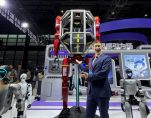
American content creator Evan Kail poses for a photo with Unitree Robotics’ GD01, a robot designed for emergency-response scenarios, at the summit.
Companies including Unitree Robotics, AgiBot and UBTECH used the “Light of Internet” Expo to show how far robots have come — and how close they may be to becoming part of everyday life.
But the expo was not only about spectacle. Many of the machines on display were being developed for tasks beyond the exhibition hall.
Evan Kail, an American content creator visiting the expo, paused in front of Unitree Robotics’ GD01, a robot designed for emergency-response scenarios.
Kail said the machine captured the pace of China’s progress in robotics. A few years ago, he said, Unitree robots were widely known for dancing in televised gala performances. Now, machines such as the GD01 pointed to more practical roles, including disaster response and search-and-rescue operations.
“The leaps of technology in China are very impressive,” Kail said. “As climate change gets worse and worse, robots like this can make a difference if they are used to save lives.”
The shift from eye-catching demonstrations to practical deployment was a recurring theme across the expo. But for robots to work reliably in crowded streets, disaster zones or industrial sites, the machine itself is only part of the equation. It also needs a network capable of carrying huge amounts of data, responding almost instantly and supporting AI decisions close to where they are needed.
At China Mobile’s booth, a display highlighted one example: traffic-management robots deployed in Hangzhou, the eastern Chinese city that hosted the 2023 Asian Games.
Earlier this year, during a peak holiday travel period, Hangzhou deployed 15 robots at major intersections in tourist areas and downtown districts. Part of the Hangzhou Police Smart Mobility program, they can answer questions, guide pedestrians and vehicles, and warn people about traffic violations.
The deployment illustrates how connectivity is becoming central to the usefulness of intelligent machines. The current system uses 5G and 5G-Advanced connections and typically supports one camera on each robot. Future versions are expected to carry as many as six cameras and operate more independently within defined areas.
That will require latency below 10 milliseconds, uplink speeds above 100 Mbps and positioning accurate to within centimeters — demands that are helping shape the development of 6G.
The next generation of mobile technology is still years from commercial deployment. But its ambitions extend beyond faster download speeds. Industry plans for 6G include combining communications with sensing, edge computing and satellite connectivity.
“With 6G, networks will effectively gain radar-like eyes — the ability to sense and understand their surroundings — while AI will give them a brain,” said Liang Zeshuai, a network optimization engineer at China Mobile Zhejiang.
In this vision, a base station would do more than transmit data. Equipped with radar-like sensing capabilities, it could detect a nearby drone, identify obstacles around a blind corner or provide an autonomous machine with a more detailed understanding of its surroundings. Edge computing, meanwhile, would allow AI tasks to be processed closer to the user, rather than sending every request to a distant data center.
That could matter especially in the kinds of situations Kail had in mind: complex and dangerous environments where time, connectivity and situational awareness can make a difference.
Satellite connectivity could provide another layer of resilience when typhoons, earthquakes or other disasters damage ground-based infrastructure. China Mobile has launched a direct-to-handset service using the Tiantong and BeiDou satellite systems.
For now, 5G-Advanced — a network that goes beyond 5G in speed and performance — has already been widely rolled out across China. In Wuzhen, a 5G-Advanced “super uplink” network with upload speeds of up to 1,000 Mbps covered the conference venue for the first time. Robot dogs used the network to patrol the area, transmitting 4K video and location data in real time.
A girl reaches out to shake hands with a robot dog used for patrol demonstrations at the summit.
The same combination of connectivity, computing and AI is moving into industries where the gains may be less visible than a dancing robot, but potentially more consequential.
China Mobile and Sinopharm, China’s state-owned pharmaceutical and healthcare conglomerate, for example, have developed an AI-enabled cold-chain logistics platform that has reduced delivery costs by 65% and cut delivery times by 70%. The system is designed to help manage the transport of temperature-sensitive products, where delays or poor monitoring can lead to waste.
At Ningbo-Zhoushan Port, China Mobile has built what it describes as the world’s largest 5G private network for port operations. Such networks can support real-time coordination among cranes, vehicles, cameras and control systems across a vast, fast-moving industrial site.
The company is also applying AI and connected systems to public safety and emergency management, including flood-control planning and drone inspections of buildings. The aim is not only to respond faster after an emergency, but to identify risks before they become crises.
At Wuzhen, the robots remained the most visible attraction. They made coffee, danced for visitors and posed for cameras. Yet the more consequential story was happening behind them — in the networks, computing systems and satellite links that could determine how quickly AI moves from a trade-show novelty into a tool for cities, industries and, potentially, lifesaving work.
Hashtag: #TongxiangNewsOffice
The issuer is solely responsible for the content of this announcement.
OpenAI has introduced GPT-6 Cyber, a specialised artificial intelligence model capable of discovering software vulnerabilities and developing working exploits, while restricting access to approved cybersecurity researchers and organisations. The company launched the model on Thursday through its Daybreak Red programme, initially making it available to selected customers using its application programming interface and Codex coding platform. OpenAI classified its cybersecurity capabilities as Critical under its Preparedness Framework, […]
Arabian Post Staff -Dubai Oil prices climbed for a second consecutive session on Friday as attacks on commercial vessels in the Middle East revived supply concerns, even as expectations of a possible end to the war with Iran kept crude on course for a steep weekly decline. Brent futures rose 1.31% to $99.58 a barrel during early trading, having briefly crossed $100, while US West Texas Intermediate […]
HANGZHOU, CHINA – Media OutReach Newswire – 6 November 2026 – As the global automotive industry accelerates its shift toward electrification, some have questioned the long-term role of gasoline-powered vehicles. Geely Auto Group sees a different path forward. Earlier this year, the group launched its i-HEV Intelligent Hybrid technology system, which brings together AI-powered energy management, a high-C-rate battery and a high-efficiency engine. This hybrid system is designed to improve fuel economy, driving performance, intelligent features, safety and reliability.
Geely’s i-HEV Intelligent Hybrid Technology Offers a New Direction for Gasoline-Powered Vehicles
Gasoline-powered vehicles are unlikely to disappear in the near term, but their continued relevance will depend on becoming more efficient, more intelligent, and increasingly electrified. Hybrid electric vehicles (HEVs) offer one way to achieve that transition. Since the first-generation Prius debuted in 1997, Toyota has played a major role in bringing hybrid technology into the mainstream, with fuel efficiency and durability among its principal strengths. As battery, electric motor, power electronics and connected-vehicle technologies have advanced, however, hybrid development has expanded beyond fuel economy to encompass performance, intelligent features and safety. Geely i-HEV Intelligent Hybrid System is designed to build on that progress.
Fuel efficiency remains the primary consideration for hybrid vehicles buyers. Geely Auto Group has continued to improve the thermal efficiency of its internal combustion engines, and the engine developed for the i-HEV Intelligent Hybrid System achieves a peak thermal efficiency of 48.41%, which the group describes as the highest among engines currently in mass production.. The Group also reports fuel consumption 12% lower than that of the Japanese hybrid models used in its benchmark comparison. In a highway fuel-economy test on the Hainan Ring Expressway, the fifth-generation Emgrand i-HEV recorded fuel consumption of 2.22 L/100 km, a result that earned a Guinness World Records title. In a separate real-world test, the larger XINGRUI L PLUS recorded a combined fuel consumption of 2.58 L/100 km. These figures reflect specific tests rather than standardized combined-cycle ratings.
Unlike conventional hybrid layouts in which the engine and electric motor operate more closely together, the i-HEV system uses an architecture designed to allow the engine and electric motors to operate independently. This enable electric propulsion to take the lead when conditions allow, while helping the engine operate within a more efficient range. The system incorporates an 11-in-1 hybrid electric drive unit, with peak electric motor output of up to 230 kW. According to Geely Auto Group, electric drive provides propulsion for more than 80% of driving time under the WLTC test cycle, reducing engine operating time by more than 27% compared with the conventional hybrids used in its assessment. Geely also reports pure-electric operation at speeds of up to 66 km/h, acceleration from 0 to 30 km/h in 1.84 seconds and a power response time of 10 milliseconds. These capabilities are intended to combine fuel savings and responsive performance.
Intelligent energy management is another important element of the Geely i-HEV Intelligent Hybrid System Its AI-based platform analyzes conditions such as temperature, humidity and altitude in real time, then adjusts the balance between engine and electric power to improve overall energy efficiency by more than 10%. The Geely i-HEV also supports advanced electronic and electrical architectures, allowing compatible vehicles to incorporate intelligent cockpit systems and driver-assistance features.
The system also incorporates a patented power redundancy safety design intended to improve resilience. The engine, P1 motor, and P3 motor are configured to operate independently – if any one of these power sources becomes unavailable, the remaining two can continue to provide propulsion. Separate pathways for the fuel, electrical, coolant and exhaust systems are designed to reduce the risk of interference between systems. For reliability, Geely reports that the system has completed a cumulative 15,000 hours of bench durability testing, equivalent to approximately 4.8 million kilometers of vehicle mileage. The engine is also designed to accommodate different gasoline octane grades, supporting use across markets with varying fuel specifications.
Geely Auto Group is bringing i-HEV hybrid technology to multiple production models. The recently launched XINGRUI L PLUS hybrid sedan accelerates from 0 to 100 km/h in 7.7 seconds and has a WLTC combined fuel-consumption ratings of just 3.98 L/100 km. Additionally, the XINGYUE L PLUS, scheduled to launch in Nov 2026, is set to introduce the 2.0TD i-HEV hybrid technology, pairing an engine delivering a maximum power output of 160 kW with a P3 electric motor rated at 230 kW. Depending on the model and trim, the vehicles also offers technologies including radar and the G-ASD H5 driver-assistance system and the EVA smart robot, extending advanced vehicle features to the group’s hybrid lineup.
In markets where charging infrastructure remains limited and running costs are a priority, HEVs can offer a particle route to lower fuel consumption without requiring external charging. Geely’s i-HEV Intelligent Hybrid System reflects the group’s approach to that opportunity: improving the efficiency of the internal combustion engine while using electrification and AI to enhance the performance, energy management and the driving experience. Rather than treating hybrid technology as a transitional solution focused solely on fuel savings, Geely Auto Group is developing it as a platform for broader advances in efficiency, intelligence and reliability.
Hashtag: #Geely
The issuer is solely responsible for the content of this announcement.
By Asad Mirza The 2026 midterms became a referendum on a presidency at war. Democrats captured both chambers, turning voter anger over costs and the Iran conflict into a sweeping rebuke of Republican rule. The result strengthens the opposition’s hand, unsettles Trump’s coalition and raises a stark question: can the president change course? The Democrats […]
A software failure at Britain’s air traffic control provider NATS inflicted an estimated £33 million in losses on UK organisations, with airlines bearing most of the cost, a new assessment has found. The Cyber Monitoring Centre (CMC) said on Wednesday that the disruption on 8 September affected more than 70 UK organisations and generated losses ranging from £24 million to £42 million under its modelling. The estimate […]
Arabian Post Staff -Dubai The Emirates Group posted AED 4.1 billion ($1.1 billion) in pre-tax profit for the six months ended September, as the Gulf conflict and higher fuel costs sharply reduced earnings from a year earlier. The Dubai aviation group said on Thursday that profit before tax fell from AED 12.2 billion in the corresponding period of 2025-26. Profit after tax declined by 66 per cent […]
Cloudflare has introduced Zero Wire, a publicly accessible intelligence service designed to help organisations identify serious internet-facing vulnerabilities, distinguish confirmed exploitation from emerging risks and determine which systems require urgent attention. Launched on 3 November through the security section of Cloudflare Radar, the service consolidates technical research, software vendors’ advisories, exploitation evidence and observations from Cloudflare’s network into regularly reviewed briefings. Access is available to organisations regardless […]
Arabian Post Staff -Dubai Middle Eastern governments are assessing the risk of renewed American strikes against Iran after Democrats swept the US midterm elections, weakening President Donald Trump politically while leaving his military powers largely intact. The November 3 vote gave Democrats control of both chambers of Congress amid public anger over living costs and the eight-month conflict. Its implications for Washington’s confrontation with Tehran remain uncertain, […]
Arabian Post Staff -Dubai Energy executives and ministers at ADIPEC 2026 called for greater investment in electricity grids, storage and supply chains on Tuesday as artificial intelligence and industrial electrification add pressure to global power systems. The second day of the Abu Dhabi conference concentrated on the infrastructure required to deliver growing volumes of energy reliably, with speakers warning that expanding generation alone would not resolve bottlenecks […]
The seed round scales mamun’s capital infrastructure for trade finance along the Greater Bay Area – Oman – UAE corridor — anchored in Muscat, Abu Dhabi and Hong Kong SAR.
MUSCAT, ABU DHABI/HONG KONG SAR – Media OutReach Newswire – 4 November 2026 – mamun, the Sharia-compliant platform building capital infrastructure for trade finance, has raised a US$3 million seed round led by Phaze Ventures through its Oman Fund, with participation from Jasoor Ventures.
mamun co-founders, left to right: Ahmed Al-Issaei (Co-Founder & CTO), Saleh Al Tamami (Co-Founder & CEO), Mohammed Al Tamami (Co-Founder & CCO)
An exporter in Muscat ships today and gets paid in 60 to 90 days. Banks rarely bridge that gap, as they usually rely on a long financial track record that many small exporters find hard to provide. The Asian Development Bank puts the global trade finance gap at US$2.5 trillion, and 41% of SME trade finance applications are turned down.
mamun’s AI-native underwriting assesses the company behind the trade, alongside the shipment itself: the contract, the buyer, the trade documents and the trading history between them. Its origination engine finds and screens that trade as it forms. Then investors on the platform finance the gap.
The hard part is the border. A cross-border transaction spans two regulators, two banking systems and two legal regimes, with settlement that has to land in another jurisdiction on time, and the collateral is in motion, travelling with the goods along the route.
That complexity is why most of the region’s financing platforms have stayed domestic, and it is mamun’s moat. The platform was built across the corridor: an FSA-regulated home and origination base in Muscat; Abu Dhabi for Gulf capital and UAE flows; and Hong Kong SAR, the financing gateway of the Belt and Road Initiative, for the Greater Bay Area and the Gulf–Asia trade routes.
Roughly 40% of the platform’s trade finance settlements already clear through Hong Kong-based financial institutions and businesses.
mamun’s licence sits within the FSA’s crowdfunding framework, which allows the platform to bring in investors from inside and outside the Sultanate, and to finance companies inside and outside the Sultanate, subject to the platform’s eligibility criteria and the laws applicable in each investor’s country.
The corridor is growing. Oman’s non-oil exports ran about 10% higher year-on-year through the first seven months of 2026 and re-exports 13.6% higher, with the UAE its largest non-oil trading partner. New corridors bring new counterparties: businesses trading together for the first time, with no shared history for a lender to underwrite against.
The round brings together capital from Oman and the UAE: Phaze Ventures invests through its Oman Fund, dedicated to homegrown, AI-enabled Omani businesses, and Jasoor Ventures is an early-stage venture capital firm backing technology founders across the Middle East, North Africa, and Turkey.
The US$3 million will scale that AI-native origination and underwriting, growing the volume of trade the platform can originate, assess and finance along the Greater Bay Area – Oman – UAE corridor. It is where the industry is heading: 84% of banks in the Asian Development Bank’s January 2026 survey already apply AI to trade finance risk. mamun was built that way from origination onward.
“The businesses moving goods between the Gulf and Asia are growing faster than the financing behind them. We built mamun in Muscat, under Omani regulation, to serve trade along the corridor between the Gulf and Asia. This round scales that engine — and the corridor it serves.” — Saleh Al Tamami · Co-Founder & CEO, mamun
“Our thesis is backing the homegrown companies that turn Oman’s diversification agenda into regional infrastructure. mamun is exactly that — structured across the corridor, and built by a team that has executed quietly and precisely. It is a natural commitment from the Oman Fund.” — Abdullah Al Shaksy · Co-Founder & CEO, Phaze Ventures
mamun was founded by Saleh Al Tamami, Co-Founder & CEO, Mohammed Al Tamami, Co-Founder & Chief Commercial Officer, and Ahmed Al-Issaei, Co-Founder & CTO, and was named a Rising Star on the Deloitte Technology Fast 50 Middle East 2025, ranking 26th.
This announcement is for information only and does not constitute an offer or invitation to invest. mamun is not licensed by the Securities and Futures Commission of Hong Kong (SFC).
Hashtag: #mamun
The issuer is solely responsible for the content of this announcement.
ABOUT mamun
mamun builds capital infrastructure for trade finance. The platform is Sharia-compliant, licensed and regulated by the Financial Services Authority of Oman (FSA Licence CMI051). This licence covers the Omani entity only. The group also has entities in Abu Dhabi and Hong Kong SAR. It connects businesses and investors to finance cross-border trade — exports, imports and the working capital that moves goods between markets.
ABOUT PHAZE VENTURES
Founded in 2018, Phaze Ventures is Oman’s oldest private venture capital firm. Headquartered in Oman, with a presence in Saudi Arabia and the UAE, it backs early-stage AI and deeptech companies globally and homegrown technology businesses through the Oman Fund.
ABOUT JASOOR VENTURES
Jasoor Ventures, meaning “courageous” in Arabic, is an ADGM-based venture capital firm, investing across the Middle East, North Africa, and Turkey.
By Ashok Nilakantan Ayers WASHINGTON: America enters Election Day on Tuesday, November 3, with its political temperature rising and its institutional balance of power hanging in the balance. The midterm elections, ordinarily a referendum on the party occupying the White House, have become something more consequential: a test of Donald Trump’s political authority, the Republican […]
Binance has drawn down roughly half the bitcoin held in its emergency customer protection fund, leaving assets worth about $580 million following a $6.3 billion cryptocurrency theft. Blockchain records show that the exchange’s publicly identified Secure Asset Fund for Users, known as SAFU, held slightly more than 7,500 bitcoin on Tuesday, compared with 15,000 in February. Four transactions on 31 October sharply reduced the balance, with Binance […]
Empowering Global Collections and Payments for Foreign Trade Enterprises
HONG KONG SAR – Media OutReach Newswire – 3 November 2026 — XTransfer, the world’s leading B2B cross-border trade payment platform, and Bank of China (Hong Kong) (“BOCHK”) are pleased to announce the signing of a cooperation agreement. The two parties will work together to expand their international business, providing one-stop cross-border financial services, including global collections, payments, and foreign exchange, for enterprises engaged in international trade in Hong Kong and around the world.
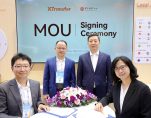
(Left to Right) Mr Martin Liu, Vice President of XTransfer, Mr Bill Deng, Founder and CEO of XTransfer, Mr Liu Chao, General Manager of the Global Corporate Banking Department of BOCHK, Ms Winnie Fan, Deputy General Manager of the Global Corporate Banking Department of BOCHK.
Coinciding with Hong Kong FinTech Week 2026, Mr Martin Liu, Vice President of XTransfer and Ms Winnie Fan, Deputy General Manager of the Global Corporate Banking Department of BOCHK, officially signed the cooperation agreement at the XTransfer booth, witnessed by Mr Bill Deng, Founder and CEO of XTransfer and Mr Liu Chao, General Manager of the Global Corporate Banking Department of BOCHK, marking a new stage in the partnership between the two parties.
Under this cooperation, XTransfer and BOCHK will collaborate in depth across business areas including global collections, payments, and foreign exchange. Leveraging BOCHK’s professional capabilities in cross-border settlement and foreign exchange trading, as well as its unique position as the RMB clearing bank in Hong Kong, combined with XTransfer’s self-built globally unified B2B cross-border settlement network and risk management system, the two parties will jointly create an efficient, lower-cost, and compliant fund collection, payment, and currency exchange experience for foreign trade enterprises. Under this cooperation model, XTransfer is the first corporate partner of BOCHK.
As the cooperation progresses, foreign trade enterprises in Hong Kong and around the world will be able to access global cross-border collection, payment, and foreign exchange services more conveniently, meeting their multi-currency transaction and settlement needs across different markets. Both parties expect that by reducing the handover points in cross-border transaction processes, they can enhance the service experience and capital turnover efficiency, helping enterprises seize global trade opportunities more flexibly.
This cooperation also reflects XTransfer’s continuously deepening Financial Institution Partnership Model. Financial institution partners can act as “Co-builders“, providing cross-border collection, payment, and foreign exchange capabilities; at the same time, through XTransfer’s network covering over one million business customers, they can reach more enterprise customer segments with cross-border financial service needs, achieving complementary capabilities and shared strengths.
Mr Bill Deng, Founder and CEO of XTransfer, said, “We are very honored to sign the cooperation agreement with BOCHK during Hong Kong FinTech Week. BOCHK is one of Hong Kong’s most representative banks, with deep expertise in cross-border settlement and foreign exchange services. This cooperation combines the strengths of both parties, enabling SMEs to enjoy cross-border financial services of the same standard as large multinational corporations. Going forward, we will continue to refine our compliance and risk control capabilities and work with more financial institution partners to build trustworthy cross-border financial infrastructure.” Hashtag: #XTransfer #BOCHK #Partnership #Crossborder #Payment #SMEs
The issuer is solely responsible for the content of this announcement.
About XTransfer
XTransfer is the world’s largest B2B cross-border trade payment platform with over US$60 billion TPV in 2025, according to CIC. Founded in 2017 as one of the first payment platforms worldwide dedicated to B2B cross-border trade, we serve the largest customer base of over 1 million business customers globally.
We connect top-tier financial institutions directly to SMEs, the backbone of global trade, giving businesses of every size access to the same secure, compliant and seamless payment infrastructure once reserved for multinationals. As of March 31, 2026, we provide payment services across more than 200 countries and regions through partnerships with financial institutions, including some of the most established international banks around the world.
XTransfer has obtained required licenses in major hubs, including the Chinese Mainland, Hong Kong SAR, the United Kingdom, the United States, Singapore, the Netherlands, Australia and Canada.
Arabian Post Staff -Dubai Abu Dhabi National Oil Company (ADNOC) has approved the Ruwais Diyab unconventional gas development, committing to a project designed to produce 345 million standard cubic feet of raw gas daily from 2029. The final investment decision, announced on Monday at the ADIPEC energy conference in Abu Dhabi, clears the way for the company’s first large-scale unconventional gas development. ADNOC expects production to continue […]






 https://hkust.edu.hk/












 https://www.linkedin.com/company/xtransfer.cn




