News related to
risk

A six-member gang stole more than 100kg of frozen chicken from a moving refrigerated truck on a highway outside Cairo before a police operation ended with three suspects killed and three others arrested. The robbery took place on August 25 on the Cairo-Ismailia Desert Road, within the jurisdiction of Al-Shorouk in eastern Cairo. Video of the operation, filmed from another vehicle, spread rapidly online after showing the […]

The United States has revoked the visa of former Iraq finance minister Taif Sami Mohammed Al Shakarchi after she was placed on the FBI’s terrorism watchlist, marking an extraordinary reversal in Washington’s treatment of an official it honoured four years ago for fighting corruption. The State Department confirmed on Friday that Mohammed’s visa had been cancelled following her placement on the Federal Bureau of Investigation’s Terrorist Screening […]

PayPal-linked exchange-traded funds suffered steep losses on Friday after Stripe and Advent International abandoned their pursuit of the payments company, wiping out much of the takeover premium that had built into PayPal-related investments. PayPal Holdings shares closed 12.7% lower at $53.66 on August 28 after reports that the consortium had stopped pursuing a transaction valued at more than $50 billion. The sell-off was amplified in leveraged ETFs […]

Dubai’s facility management market is no longer defined by who has the largest workforce or the longest service menu. The stronger question is which operating model best matches the asset. A master community, five-star hotel, commercial tower, warehouse and residential portfolio can all require integrated FM, but the balance between engineering, manpower, technology, soft services, energy performance and governance will differ. That is why the best provider […]

Strengthening Competitiveness via Online-to-Offline Integration and Supply Chain Agility

Results Highlights

  • Revenue reached US$301.51 million, representing a strong increase of 23.2%.
  • Gross profit grew by 28.2% to US$93.98 million, with gross profit margin expanding to 31.2%.
  • Operating profit increased by 30.1% to US$24.29 million.
  • Net profit surged by 30.0% to US$18.30 million, with net profit margin improving to 6.1%.
  • Business-to-consumer (B2C) platform YesStyle recorded revenue of US$215.07 million, up 30.5%, accounting for 71.3% of the Group’s total revenue. Offline expansion was enhanced with the opening of its first physical concept store in the US.
  • Business-to-business (B2B) platform AsianBeautyWholesale (ABW) recorded revenue of US$82.75 million, up 6.2%, accounting for 27.4% of the Group’s total revenue.

HONG KONG SAR – Media OutReach Newswire – 28 August 2026 – YesAsia Holdings Limited (“YesAsia Holdings”, together with its subsidiaries, the “Group”) (2209.HK), a leading e-commerce platform operator recognized for its expertise in curating Asian beauty and lifestyle products, announced today its interim results for the six months ended 30 June 2026 (the “Reporting Period”).

The Group continued to capture strong global demand for Korean Beauty (“K-Beauty”) products, driving revenue up by 23.2% year-on-year to US$301.51 million. Gross profit increased by 28.2% to US$93.98 million, with gross profit margin expanding by 1.2 percentage points to 31.2%. Operating profit grew by 30.1% to US$24.29 million. Benefiting from forward-looking investments in localized and tech-driven logistics infrastructure, which successfully mitigated geopolitical and freight cost pressures, profit for the period surged by 30.0% to US$18.30 million, after recognition of an one-off expense of approximately US$1.24 million in termination benefits arising from the organizational streamlining. Net profit margin improved to 6.1%. Basic earnings per share were US4.39 cents (1H 2025: US3.43 cents).

Navigating Uncertainties through Market Diversification and Logistics Agility

A global market footprint remains pivotal in mitigating geopolitical risks. The US, the Group’s largest market, has absorbed the tariff shock and delivered progressive improvement during the Reporting Period, with revenue exceeding 2H 2025 even outside the typical holiday peak season. Among non-core markets (excluding the US, the UK, Canada, and Australia), robust demand across Europe and Latin America, unlocked new growth momentum, with revenue from Europe and associated countries and Latin America growing by 22.1% and 178.4%, respectively. In the Middle East, the Group navigated the regional tensions to achieve steady revenue growth of 33.4%.

Complementing market diversification, strategic investments in logistics infrastructure spanning Hong Kong, South Korea, the US, and Europe, alongside the adoption of automation technologies like AMRs, have built a highly resilient and scalable supply chain. These capabilities enabled the Group to maintain a stable baseline for business costs and absorb freight and fuel price spikes stemming from Middle East conflicts during the Reporting Period. Consequently, the increase in operating costs remained well below revenue growth, with freight cost as a percentage of revenue dropping to 19.0%, demonstrating the Group’s robust cost control and operational agility.

Integrating O2O Experiences to Drive B2C-B2B Dual-Engine Synergy

Social media marketing remained one of the Group’s core strengths during the Reporting Period, supported by an ecosystem of over 557,000 unique influencers that generated US$85.70 million and contributed nearly 40% of YesStyle‘s revenue. To amplify this online impact, the Group strategically expanded its global offline presence to seamlessly bridge online and offline customer experiences. YesStyle debuted a 1,500 sq. ft. concept store in the San Francisco Bay Area. At the same time, the Group staged high-profile activations, including a Madrid café pop-up that generated over 2 million impressions and brand events at Seoul’s Yesful Land that accumulated over 3 million impressions. Together, these physical and digital touchpoints successfully converted customer engagement into sustained loyalty.

This heightened brand exposure across end-consumer markets directly catalyzed overseas B2B purchasing demand. During the Reporting Period, ABW consolidated its newly built partnerships with retailers in the US and Latin America. Notably, ABW Online’s average order size surged 38.6% year-on-year to US$3,590.60. This uptick reflects substantially stronger purchasing appetite and inventory confidence for K-Beauty products among retailers, underscoring the powerful synergy of the Group’s B2C-B2B dual-engine model.

Mr. Joshua Lau, Founder, Executive Director and Chief Executive Officer of YesAsia Holdings, said: “K-Beauty remains on an upward trajectory as it becomes a mainstream player in the global beauty business. Looking ahead, we believe that there is ample room for growth for YesAsia Holdings in both the retail and wholesale spheres worldwide. Amid geopolitical and supply chain uncertainties, we are continuously reinforcing our competitive moat and market leadership through AI-empowered customer services, a highly agile supply chain, and a strategy that seamlessly converts online traffic into immersive physical experiences, thereby driving long-term value for our shareholders in a fast-evolving market landscape.”

Hashtag: #YesAsia

The issuer is solely responsible for the content of this announcement.

About YesAsia Holdings Limited (02209.HK)

Established in 1997, YesAsia Holdings is a leading e‑commerce platform operator recognized for its expertise in identifying and procuring quality Asian beauty products. Headquartered in Hong Kong, the Group delivers products promptly and efficiently to a global audience through its strong ties with over 400 leading Asian beauty brand and supplier partners. The Group operates two major channels: YesStyle, a B2C e‑commerce platform serving the growing demand for Asian beauty, fashion and lifestyle products, particularly Korean beauty products; and AsianBeautyWholesale, a B2B‑oriented business for Asian beauty products via online and offline channels. YesAsia Holdings is a constituent of the MSCI Hong Kong Micro Cap Index.

For more information, please visit the Group’s official website:

President Donald Trump has ordered Lake Ontario to be renamed Lake America for United States federal purposes, creating an unusual cartographic problem for technology companies mapping a single body of water shared with Canada. The executive order signed on August 27 directs the Interior Department and the US Board on Geographic Names to change the federal designation within 30 days and update the Geographic Names Information System, […]

Anthropic has agreed to spend about $45 billion over six years to secure artificial intelligence computing capacity from British infrastructure company Nscale, deepening the Claude developer’s push to lock in scarce power and advanced chips ahead of an anticipated stock market listing. The agreement covers roughly 460 megawatts of computing capacity at Nscale’s Monarch Compute Campus in Mason County, West Virginia. Nvidia’s next-generation Vera Rubin systems are […]

Advertisements
Asian equities traded cautiously on Friday as South Korea’s Kospi fell sharply, with investors cutting exposure to heavyweight technology stocks ahead of Federal Reserve Chair Kevin Warsh’s closely watched Jackson Hole address.

The Kospi closed 1.79% lower at 6,788.88, shedding 123.49 points and snapping a three-session advance. Samsung Electronics dropped 3.38% to 257,000 won, while SK hynix fell 4.45% to 1.653 million won as investors locked in gains following an earlier technology rally fuelled by strong results from Nvidia. Foreign and institutional investors sold a combined 2 trillion won of Seoul-listed shares, while retail investors were net buyers.

The retreat highlighted growing caution over valuations in artificial intelligence-linked stocks. Nvidia had jumped nearly 9% in the previous Wall Street session after delivering strong quarterly results and indicating that spending on artificial intelligence infrastructure remained robust. The performance initially lifted technology stocks across the region, but enthusiasm faded in Seoul as attention shifted towards interest rates and the outlook for global bond yields.

Warsh’s first keynote address as Federal Reserve chair at the annual Jackson Hole symposium became the central focus for markets. Investors were looking for guidance on how the central bank would respond to persistent inflation pressures and whether policymakers were moving closer to raising borrowing costs. Interest-rate futures before the speech indicated roughly a one-third probability of an increase at the September meeting, with markets pricing in a move by December.

Bond markets have become particularly sensitive to Federal Reserve communication after longer-term Treasury yields climbed amid concerns that inflation could remain above target. The 30-year US Treasury yield was around 5.2% on Friday after briefly exceeding 5.3%, its highest level since 2007. The 10-year yield stood near 4.67%, while the two-year yield was about 4.23% before Warsh addressed the gathering.

Elsewhere in Asia, market performances were mixed. Japan’s Nikkei advanced around 0.5%, supported by technology shares and inflation data that reinforced expectations of further monetary tightening by the Bank of Japan. Tokyo consumer inflation for August remained close to the central bank’s 2% objective, keeping expectations of another interest-rate increase alive.

Taiwanese shares gained about 1.2%, benefiting more directly from Nvidia’s strong performance because of the island’s extensive semiconductor supply chain. Hong Kong shares moved slightly lower during part of the session, while mainland Chinese equities traded in a narrow range. The CSI 300 slipped about 0.1% at one stage and the Shanghai Composite edged higher, with investors also preparing for purchasing managers’ index data due next week.

Australia’s ASX 200 gained around 0.5%, while Singapore’s Straits Times Index advanced modestly. The Nifty 50 also moved higher as technology shares supported a rebound after two sessions of losses. Regional investors nevertheless avoided large positions as the direction of US monetary policy remained the dominant influence on risk appetite.

Currency markets were similarly restrained. The dollar index hovered around 99.1 and was on course for a weekly gain. The Australian dollar performed strongly after hotter inflation data led traders to reassess the interest-rate outlook, touching a three-month high near $0.72 and extending what was set to become a ninth consecutive weekly advance.

Oil prices provided some relief for equities after falling sharply during the week. Brent crude traded around $89.6-$89.7 a barrel and was heading for a weekly decline of more than 5%, partly reflecting developments involving Iran and Oman over administration of traffic through the Strait of Hormuz. Lower energy prices eased one source of inflation concern, although geopolitical risks remained embedded in commodity markets.

Gold slipped towards $4,590 an ounce as traders awaited clearer signals on US rates. The broader MSCI Asia-Pacific index outside Japan was little changed, showing how the powerful Nvidia-led technology trade was being offset by uncertainty over monetary policy, elevated chip valuations and higher bond yields.

India’s foreign-exchange reserves climbed to an all-time high of $729.33 billion as strong dollar inflows boosted the country’s external buffer and gave the Reserve Bank of India greater room to manage currency volatility.

The reserves increased by $12.42 billion in the week ended August 21, extending their rise for an eighth consecutive week. The latest accumulation pushed the stockpile above the previous record of about $728.5 billion reached in February and marked an increase of roughly $63 billion over eight weeks.

Foreign currency assets, which form the largest part of the reserves, rose by $9.48 billion during the week to $591.33 billion. Gold reserves climbed by $2.80 billion to $114.22 billion, reflecting valuation gains as well as changes in reserve holdings.

Special Drawing Rights increased by $112 million to $18.85 billion, while the country’s reserve position with the International Monetary Fund rose by $26 million to $4.93 billion. Total reserves were $38.22 billion higher than at the end of March and about $38.61 billion above their level a year earlier.

The sharp build-up follows measures introduced by the Reserve Bank of India in June to strengthen capital inflows during a period of pressure on the rupee and heightened uncertainty in global financial and energy markets. The steps provided favourable foreign-exchange swap arrangements for overseas deposits and borrowing programmes, encouraging banks and companies to bring additional dollars into the country.

Nearly $73 billion was mobilised through the programmes between early June and August 21, with foreign currency non-resident bank deposits accounting for about $65 billion. The scale of the response prompted the central bank to bring forward the closure of the special swap facility linked to these deposits.

Deposits mobilised until August 31 remain eligible under the scheme, while banks can complete qualifying swaps with the central bank until September 11. Facilities supporting external commercial borrowings and overseas foreign currency borrowing are scheduled to remain available until December 31.

The programme allows eligible foreign-currency funds to be swapped with the Reserve Bank of India, enabling the central bank to absorb dollars while supplying rupee liquidity to participating institutions. The structure reduces hedging costs for banks and borrowers and has made overseas fund-raising more attractive at a time when global borrowing conditions remain demanding.

Banks have also stepped up offshore debt issuance. Union Bank of India returned to the dollar bond market this month after a 12-year absence, raising $600 million through three-year and five-year securities. State Bank of India and Bank of Baroda have also raised dollar funds, while other lenders have used international financial centres and overseas markets to secure foreign-currency financing. Banks collectively raised more than $11 billion through offshore bond issuance from June into August.

The inflows have helped stabilise the rupee after months of pressure from portfolio withdrawals, elevated oil prices and uncertainty surrounding global interest rates. The currency ended Friday at about 95.38 to the dollar, gaining around 0.3% over the week as dollar supplies increased ahead of the closure of the deposit window.

The Reserve Bank of India has continued to intervene in foreign-exchange markets to limit excessive movements rather than defend a specific exchange rate. Its enlarged reserves provide greater capacity to sell dollars when needed while absorbing incoming foreign currency when supply becomes unusually heavy.

The strengthened reserve position is particularly significant because India remains dependent on imported crude oil and other commodities priced in dollars. A larger foreign-exchange buffer can soften the impact of sudden increases in energy prices, capital outflows or global market disruption, although sustained intervention can also influence domestic liquidity.

External risks remain substantial. Oil prices have stayed elevated amid geopolitical disruptions, while changes in US monetary policy could influence capital flows towards emerging markets. A stronger dollar or higher US interest rates could again increase pressure on the rupee and other Asian currencies.

For policymakers, the surge in reserves also creates a balancing challenge. Large dollar purchases add rupee liquidity to the financial system, potentially requiring the central bank to absorb excess funds through other instruments. At the same time, allowing the rupee to strengthen too sharply because of temporary inflows could affect exporters and create greater currency volatility once those flows diminish.

Issac John The Silk Road Finance & Technology Forum concluded in Tashkent with a proposition that carries important implications for the UAE: Central Asia wants its historic trade routes transformed into new corridors for money, payments, technology and investment. For a country whose prosperity has been built partly on functioning as the commercial and financial crossroads between East and West, that raises an intriguing question. Does the […]

As more Middle East drivers move closer to their first EV purchase, familiar SUV proportions, strong performance and practical ownership support could matter as much as the electric powertrain itself.

DUBAI, UAE – Media OutReach Newswire – 27 August 2026 – The Middle East’s EV market is growing quickly, but it remains far from saturated. Electric car sales in the region reached about 75,000 units in 2025, up more than 40% year on year, according to the International Energy Agency[1]. The UAE alone accounted for almost half of regional EV sales, while Saudi Arabia and Qatar together represented nearly 45% of regional demand.

Photo (28).jpg

With more buyers moving from curiosity to consideration, the next question is what makes an EV feel like a natural replacement for a conventional car. For the VinFast VF 8, the answer comes down to three things: SUV performance, a comfort-focused cabin and an ownership package that goes well beyond the showroom.

SUV performance that means business

The Middle East has a long-standing appetite for SUVs, and the VF 8 speaks that language in electric form. Its dual-motor all-wheel-drive system produces up to 402 horsepower and 620 Nm of torque in the Plus version, while the Eco delivers 349 horsepower and 500 Nm.

The numbers translate into brisk performance, with the VF 8 Plus targeting 0-100 km/h in less than 5.5 seconds and the Eco at 5.9 seconds. Both versions use an 87.7-kWh usable battery, with claimed NEDC ranges of up to 476 km for the Plus and 493 km for the Eco. DC fast charging from 10% to 70% takes a listed 31 minutes.

Going electric does not require giving up the urge to put your foot down. Actual range and performance will vary with driving style, passengers, load, tires, weather and road conditions.

A cabin that takes comfort seriously

Performance may get attention, but the cabin is where drivers spend most of their time. The VF 8 comes with a 15.6-inch infotainment display, two-zone automatic climate control, air-quality control and cabin filtration with an air ionizer.

The Plus adds 12-way powered driver’s seat adjustment with heating, ventilation and memory, alongside a heated and ventilated front passenger seat and heated, ventilated and reclining rear seats. A panoramic sunroof, heated power-adjustable steering wheel and 10-speaker audio system with a subwoofer round out the package.

The technology continues through the companion app, which supports remote vehicle controls, driver profiles, driving statistics and vehicle diagnostics. Over-the-air updates can also deliver software improvements without a workshop visit.

Ownership support that lasts beyond the test drive

A fast-growing EV market also means buyers are asking practical questions surrounding ownership: charging, servicing, repairs and battery longevity.

The VF 8 addresses those concerns with a 10-year or 200,000-km vehicle warranty and a 10-year unlimited-kilometer battery warranty. The package also includes five years or 100,000 km of free service, 24/7 mobile services and roadside assistance, access to DC fast charging and a parts supply target of 24 hours in key markets.

VinFast is also expanding the infrastructure behind that promise. At its 2026 Global Business Conference, the company signed MOUs with 29 aftersales partners, including partners serving the Middle East, and set a target of more than 1,100 service workshops globally in 2026.

For a region where EV adoption is accelerating, the VF 8 arrives with a familiar formula: SUV proportions, plenty of power and a cabin designed for comfort. The electric bit is new; the reasons to want the car are rather more familiar.

Hashtag: #VinFast

The issuer is solely responsible for the content of this announcement.

  • IFPHK x YF Life: Hong Kong–Macau Retirement Expense Indexrises to 131.6 — Monthly Spending Reaches HK$15,090
  • Retiree Living Costs Have Risen Nearly 3 Times Faster Than General Inflation Since 2020

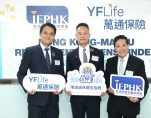
HONG KONG SAR – Media OutReach Newswire – 27 August 2026 – The Institute of Financial Planners of Hong Kong (IFPHK), in collaboration with YF Life Trustees Ltd. (YF Life Trustees), today launched the “IFPHK x YF Life: Hong Kong–Macau Retirement Expense Index” (Index). While the Index has been tracking retiree living expenses since its inception in 2020, this year marks the first time IFPHK and YF Life Trustees have partnered to expand the study to cover both Hong Kong and Macau, providing a broader regional benchmark.

Retirement Costs Soar Faster Than Inflation, Monthly Spend Hits HK$15,090: Over 72% of HK Retirees Wish They'd Acted Sooner

The findings show that retiree inflation in Hong Kong has continued to outpace general inflation. The Index rose to 131.6 in 2026, up from 127.0 in 2023 and 100 in 2020, while average monthly spending increased to about HK$15,090 in 2026. On an annualised basis, the Hong Kong Retirement Expense Index grew by more than 5% per annumfrom November 2020 to May 2026, compared with about 1.8% per annum for Hong Kong’s Composite CPI over the same period, showing that retiree living costs have effectively appreciated close to three times faster than Hong Kong’s general Composite CPI over the same period, underscoring how retirement-specific inflation — driven by travel and dining — is materially outpacing headline price trends.

Furthermore, the study reveals that more than 72% of retirees carry at least one regret regarding their retirement preparation. Most commonly, respondents feel they should have started saving or investing earlier and learned about financial planning sooner, while many continue to express concerns about medical costs, inflation, longevity risk and the risk of outliving their savings.

Dr. Paris Yeung, Chief Executive Officer of IFPHK, stated: “The findings show that satisfaction alone does not mean retirees are fully prepared. More than 72% say they have regrets, and the most common regrets point clearly to the need to start saving, investing and planning earlier. At the same time, retiree inflation has been rising faster than headline inflation, which means future retirees need more robust and flexible plans to protect their purchasing power over time. Through this expanded collaboration with YF Life, we aim to provide deeper regional insights to help future retirees plan with greater confidence.”

He added: “Turning regret into action requires starting earlier, integrating healthcare protection into retirement planning, viewing MPF as a steady retirement paycheck, and engaging qualified financial planners to address estate planning gaps. More importantly, retirement planning should shift from a rigid, set-and-forget approach to a flexible plan that adapts to each retiree’s evolving needs—what we call moving from a ‘fixed plan’ to a ‘flexible, evolving strategy’. Our goal is to help future retirees achieve sustainable and wellplanned golden years.”

Mr. Alvin Tse, Chief Executive Officer of YF Life Trustees, stated: “As the exclusive Project Sponsor of this expanded regional study, YF Life is proud to collaborate with IFPHK on this critical benchmark for Hong Kong and Macau. The 2026 data clearly shows that while retirees desire active lifestyles, they are heavily squeezed by medical inflation and the fear of outliving their wealth. To bridge this gap, retirees must shift away from viewing retirement savings as a static lump sum. By maximizing the flexibility of the MPF through phased withdrawals and mixed-asset strategies, alongside pairing them with lifetime annuity-style income streams and robust medical protection, individuals can effectively convert accumulated assets into a predictable, lifelong paycheck. True financial peace of mind comes from building an integrated fortress that safeguards against both market volatility and longevity risk.”

Key Highlights of the Study:

  • Retiree Inflation Has Outpaced General Inflation: The Index rose from 100 in 2020 to 131.6 in 2026, with average monthly retiree expenses increasing to about HK$15,090 and the Index growing at more than 5% per annum versus about 1.8% for Hong Kong’s Composite CPI for the same period. This escalation is driven partly by travelling and cross‑boundary transport—with roughly four out of five retirees visiting GBA Mainland cities and spending about RMB 1,100 per trip. This suggests that general inflation figures may understate retirees’ actual cash‑flow needs, highlighting the importance of planning for inflation‑protected retirement income and periodically rebasing budgets using a retiree‑specific living expense index rather than general CPI so they can maintain their intended post‑retirement lifestyle.
  • Retirees’ Satisfaction Masks Ongoing Financial Anxiety and Planning Gaps: Although many retirees report being satisfied with their current retirement life, concerns remain widespread, with 51% worrying about unexpected medical expenses, 41% about inflation and 77% still lacking any form of estate or asset planning. This suggests that retirees should turn present satisfaction into future resilience by building healthcare and contingency reserves, setting clear drawdown rules to manage longevity risk, and putting in place basic estate and incapacity documents such as wills, enduring powers of attorney and advance directives well before potential health or family crises arise.
  • Conservative Spending but Widespread Regret—Especially Among Asset‑Rich Retirees
    Actual retirement spending remains conservative, with average retirement expenses in 2026 equal to about 49% of pre‑retirement income. Yet more than 72% of retirees say they would have done something differently in preparing for retirement, most notably saving or investing earlier, learning financial planning earlier and communicating more openly with family about money and care needs. This pattern emphasizes that future retirees should start disciplined saving, investing and family financial discussions much earlier, even when their asset position appears comfortable.
  • MPF Transitioning Toward Income Support: While most eligible retirees still treat MPF as a lump sum, with about 76% having fully withdrawn their benefits in 2026, the scheme is gradually shifting toward an income‑support role, as 22% now use MPF to fund monthly expenses, up from 12% in 2023. Retirees are encouraged to treat MPF as part of a structured retirement income strategy, considering phased withdrawals, annuity‑style income solutions, and planned drawdowns rather than a single cash‑out, converting accumulated MPF assets into a more predictable and sustainable retirement paycheck.

Hashtag: #IFPHK #YFLife #RetirementPlanning

The issuer is solely responsible for the content of this announcement.

About “IFPHK x YF Life: Hong Kong–Macau Retirement Expense Index”

The “IFPHK x YF Life: Hong Kong–Macau Retirement Expense Index” was jointly launched in 2026 by the Institute of Financial Planners of Hong Kong (IFPHK) and YF Life Insurance International Limited. Since 2020, the Index has been the only long-term, retirement-specific benchmark tracking retirees’ actual living expenses. As the first study of its kind by IFPHK, the Index tracks and measures long-term changes in retirees’ actual living expenses with reference to the Composite Consumer Price Index (CPI) and the expenditure weightings published by the Government.

In the Hong Kong survey conducted in June 2026, NielsenIQ (NIQ) interviewed 304 retirees aged 55 to 74 with monthly personal income of at least HK$20,000 before retirement and not receiving means-tested social security or charitable support.

About IFPHK

IFPHK was established in June 2000 as a non-profit organization for the fast–growing financial industry. The Institute is the sole licensing body in Hong Kong authorized by Financial Planning Standards Board Limited to grant the much-coveted and internationally recognized CFP® certification and AFP® certification to qualified financial planning professionals in Hong Kong and Macau. Currently there are more than 236,000 CFP certificants in 29 regions; the majority of these professionals are in the U.S., China, Japan, Canada and Brazil. As at 28 February 2026, Hong Kong had approximately 3,238 CFP certificants.

At present, IFPHK has 5,298 members in Hong Kong including 956 Qualified Retirement Adviser (QRA) holders; and represents financial planning practitioners in diverse professional backgrounds such as banking, insurance, independent financial advisory, stock broking, accounting, and legal services.

About YF Life Trustees Ltd. & YF Life

YF Life Trustees is a member of YF Life Insurance International Limited (YF Life), and was among the first group of institutions approved as a Mandatory Provident Fund (MPF) scheme trustee. The company specializes in providing MPF services and is committed to creating long-term value for its scheme members.

The major indirect shareholders* of YF Life Insurance International Limited (“YF Life”) include Massachusetts Mutual Life Insurance Company (“MassMutual”), which itself has over 170 years of experience and is one of the Five Largest US Life Insurance Companies**, as well as Yunfeng Financial Holdings Limited, among others. YF Life is a long-term strategic partner of Barings. We stay at the forefront of Hong Kong’s insurance industry with our superior global investment capabilities, extensive partnership network, and fintech innovation.

* MassMutual and Yunfeng Financial Holdings Limited have indirect shareholdings in YF Life.
** The “Five Largest US Life Insurance Companies” are ranked according to the results of “Insurance: Life, Health (Mutual)” and “Insurance: Life, Health (Stock)”on total revenues for 2025, and based on the FORTUNE 500 as published on June 3, 2026.

HONG KONG SAR – Media OutReach Newswire – 27 August 2026 – In an era when enterprise software valuations are being fundamentally repriced by the rise of agentic AI, Deepexi Technology Co., Ltd. (1384.HK) has emerged as a rare counterexample: a pure-play enterprise AI platform that is delivering both technology leadership and bottom-line profitability. According to the company’s first interim results following its public listing, Deepexi recorded a 115% year-over-year surge in revenue for the first half of the year, powered by a 209% leap in core AI revenue and a decisive turnaround to quarterly GAAP profitability in the second quarter of 2026. This performance has earned the company “Buy” and “Overweight” ratings from multiple brokerages within its first year of listing.

Quarterly Profitability: A Rare Milestone in Hong Kong’s AI Sector

In capital markets, ambitious visions must ultimately be backed by real financial performance—and Deepexi’s interim results provide clear proof of execution.

For the first half of 2026, the company generated RMB 284.0 million in total revenue, marking a 115.0% year-over-year increase. Its AI business served as the primary growth engine, contributing RMB 226.0 million—an impressive 209.2% year-over-year surge—bringing AI revenue to 79.6% of total corporate turnover.

Even more noteworthy is the marked improvement in profitability. First-half gross profit reached RMB 160.0 million, up 120.5% year-over-year, with gross profit margin expanding to 56.5%. Crucially, during the second quarter of 2026, Deepexi posted a standalone quarterly net profit of approximately RMB 30.1 million, officially crossing the breakeven threshold.

In Hong Kong’s technology sector, pure-play enterprise AI companies capable of achieving quarterly net profitability while sustaining high R&D investment remain exceptionally rare. This milestone underscores Deepexi’s operational efficiency, scalable software delivery, and self-sustaining monetization engine.

This scarcity value is equally evident in the company’s revenue composition and vertical reach. Industrial manufacturing accounted for more than 50% of total revenue, while retail and consumer goods contributed 30%, alongside expanding footholds in healthcare and smart transportation. In manufacturing, for example, equipment troubleshooting and predictive maintenance involve dense engineering schematics, real-time IoT sensor telemetry, and extensive historical maintenance logs—all of which Deepexi translates into structured logic that AI models can readily interpret. This deep vertical expertise and proprietary data accumulation create a formidable competitive barrier that general-purpose AI vendors cannot easily match.

Beyond the “SaaSpocalypse”: Deepexi’s AI-Native Platform Defies the Software Valuation Reset

The first quarter of 2026 witnessed what market observers have dubbed the “SaaSpocalypse”—a tectonic shift in which approximately $2 trillion in market capitalization was erased from B2B software equities, driven by a fundamental fear that agentic AI would cannibalize the traditional per-seat licensing model. The iShares Expanded Tech-Software ETF (IGV) plunged nearly 21% year-to-date, and enterprise software multiples (EV/Sales) cratered from a 5.6x average at the end of 2025 to 4.2x by mid-March.

Investors have pivoted decisively toward AI-native infrastructure—companies that manage the data and underlying plumbing of autonomous systems—while penalizing traditional application-layer SaaS vendors reliant on human-centric interfaces. As a recent Windsor Drake analysis notes, “AI-native agentic platforms clear 14x to 22x revenue, with private rounds at 20x to 30x,” while legacy standalone RPA trades at just 2.5x to 5x. The market is now rewarding AI-native architecture and measurable workflow ownership.

Deepexi sits squarely on the winning side of this divergence. Unlike traditional SaaS vendors whose revenues are tied to human seat counts—and thus vulnerable to agentic displacement—Deepexi’s token-based, consumption-driven model aligns directly with the agentic AI future. The company’s DeepWorks enterprise Agent platform does not sell per-seat licenses; it sells AI productivity, enabling enterprises to deploy autonomous agents that replace repetitive administrative work, not software seats. As the market shifts from “AI as a feature” to “AI as a replacement,” Deepexi’s business model is structurally insulated from the seat-compression forces that have punished legacy software vendors.

Focus on Enterprise AI Applications and Proprietary Domain Data

To ensure AI truly meets real-world enterprise demands, generic foundational models are insufficient on their own. Deepexi’s core competitive edge lies in its specialized “Data + AI” dual-engine architecture, anchored by the FastData enterprise data intelligence platform, the FastAGI agentic AI suite, and the Deepexi Enterprise Large Model Platform, supported by its proprietary Deepology ontology dataset containing over 2,000 vertical industry skills.

At the foundational layer, the FastData platform—powered by the FastData Foil fusion engine—acts as an intelligent lakehouse that tokenizes structured, semi-structured, and complex unstructured enterprise data into standardized formats ready for large model training and inference. Building upon this data foundation, the FastAGI platform and DeepWorks Enterprise Agent Platform provide organizations with a flexible, modular AI operating system.

Featuring a pluggable architecture, the platform connects seamlessly to leading open-source foundation models such as DeepSeek and Zhipu AI, giving enterprise clients complete autonomy while eliminating vendor lock-in. This “model-agnostic” approach is a key differentiator in an environment where enterprises increasingly demand flexibility to choose the best model for each use case, rather than being locked into a single provider.

Through native Model Context Protocol (MCP) frameworks and specialized agents—ranging from operational decision-making agents to productivity and autonomous workflow execution agents—Deepexi embeds intelligence directly into core business operations. DeepWorks is fully integrated with mainstream workplace collaboration suites such as DingTalk, Feishu, and Tencent Meeting, allowing employees to summon AI copilots directly for automated weekly reporting, data synthesis, and cross-departmental coordination—effectively turning AI into an indispensable daily productivity tool.

In an enterprise AI market where 42% of organizations already have AI agents in production and 72% are deploying across production and pilots combined, Deepexi’s proven, governed agentic workflows are no longer an experiment—they are core infrastructure.

Strategic Partnership with Huawei Cloud: Tackling Compute and Data Bottlenecks

In the commercialization of enterprise AI, computing costs and access to high-quality domain data represent two of the industry’s most critical bottlenecks. On August 12, Deepexi announced a strategic alliance with Huawei Cloud to jointly launch enterprise data intelligence solutions, providing strong operational backing for the company’s long-term expansion.

The partnership combines the complementary strengths of both technology leaders. Huawei Cloud provides underlying Ascend AI computing clusters and distributed cloud infrastructure, while Deepexi brings its deep expertise in enterprise data governance, data tokenization, and vertical AI agent deployments. By integrating with Huawei’s domestic Ascend compute clusters, Deepexi not only secures stable, long-term computing power but also significantly drives down token processing costs. This cost efficiency establishes ideal conditions for exploring usage-based, token-metered commercial billing models—precisely the kind of consumption-based pricing that aligns with the agentic AI future.

Crucially, falling AI costs are widely expected to accelerate enterprise adoption of autonomous agents. Deepexi’s partnership with Huawei Cloud positions the company to capture this demand wave with a cost structure that improves as token volumes scale—a powerful margin-expansion dynamic that stands in stark contrast to the fixed-cost burden of traditional SaaS.

Strong Institutional Backing Highlights Long-Term Investment Value

Reflecting strong capital market confidence, Deepexi announced on August 17 the successful placement of 14,286,000 new H-shares at HK$35.00 per share, raising net proceeds of approximately HK$488.0 million. Successfully closing a sizeable placement amid broader market volatility demonstrates strong institutional recognition of Deepexi’s proven business model, robust unit economics, and profitability trajectory.

The company’s strategic shareholder structure provides a solid foundation for long-term growth. It is supported by prominent independent investors, including Hillhouse, 5Y Capital, and BAI, as well as industry-focused investors such as Shanghai AI. These partnerships enhance Deepexi’s industry reputation, drive technological innovation, and strengthen its market competitiveness.

The newly raised funds are earmarked primarily for continuous R&D in next-generation enterprise agent systems and token productivity platforms—positioning the company to capture the $206.5 billion AI agent software market projected for 2026, which Gartner expects to grow to $376.3 billion in 2027.

Investment Thesis: Why Deepexi Stands Apart

1. AI-Native Architecture in an Agentic World. Unlike legacy SaaS vendors facing seat compression, Deepexi’s token-based model is structurally aligned with the agentic AI future. The company doesn’t sell software seats—it sells AI productivity.

2. Rare Profitability in Enterprise AI. Quarterly GAAP profitability at a 56.5% gross margin, with projected revenue CAGR of 95.5% through 2027, places Deepexi among the most financially disciplined enterprise AI companies globally.

3. Model-Agnostic, Vendor-Neutral Platform. In an environment where enterprises demand flexibility, Deepexi’s pluggable architecture—supporting DeepSeek, Zhipu, and other open-source models—eliminates lock-in and captures value regardless of which foundation model wins.

4. Proprietary Data Moat. With over 2,000 vertical industry skills and deep expertise in manufacturing, retail, healthcare, and transportation, Deepexi’s domain-specific data capabilities create barriers that general-purpose AI vendors cannot replicate.

5. Strategic Compute Partnership with Huawei Cloud. Long-term, cost-effective compute access, combined with token-metered pricing models, positions Deepexi for sustained margin expansion as token volumes scale.

6. Institutional Validation. Backing from top-tier investors and a successful HK$488 million placement amid market volatility signal strong institutional confidence in Deepexi’s business model and growth trajectory.

The enterprise AI market has decisively shifted from early conceptual exploration into a new era of commercial execution and tangible financial delivery. Backed by mature product suites across FastData and FastAGI, proprietary vertical ontologies, strategic cloud partnerships, and an official transition to net profitability, Deepexi Technology has proven that enterprise AI can deliver both transformative technology and sustainable profits.

Hashtag: #DeepexiTechnology

The issuer is solely responsible for the content of this announcement.

About Deepexi Technology

Deepexi Technology is China’s leading provider of enterprise large model AI application solutions. Through its FastData enterprise data intelligence solution and FastAGI enterprise AI solution, it empowers enterprises to integrate their data, decisions and operations efficiently at scale. Deepexi ranked fifth in China’s enterprise large model AI application solution market in terms of revenue in 2024. Its solutions have achieved large-scale commercialization across multiple verticals, including consumer goods, manufacturing, healthcare and transportation. As of June 30, 2025, Deepexi Technology served a cumulative total of 283 enterprise customers across various industries.

This press release contains forward-looking statements that involve risks and uncertainties. Actual results may differ materially from those projected. The company undertakes no obligation to update any forward-looking statements.


Arabian Post Staff -Dubai Qatar’s Prime Minister Sheikh Mohammed bin Abdulrahman bin Jassim Al Thani is travelling to Tehran on Thursday for talks aimed at lowering regional tensions and reopening a diplomatic channel between Iran and the United States. Sheikh Mohammed, who also serves as Foreign Minister, is expected to meet senior Iranian officials and discuss steps that could reduce the risk of further escalation. Doha has […]

Project integrates UNESCO-recognized Can Gio mangrove forest as core climate infrastructure, expanding ESG to include Regeneration and Climate Adaptation

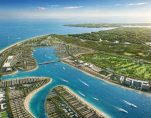
HANOI, VIETNAM – Media OutReach Newswire – 26 August 2026 – Vinhomes Green Paradise, the 2,870-hectare coastal urban development in Can Gio, has become the first greenfield project worldwide to receive the Interim Custom ISO 37122 Smart City Certification from the World Council on City Data (WCCD), even before the arrival of its first residents.

An aerial master plan of Vinhomes Green Paradise in Can Gio, the world's first greenfield project to achieve early-stage ISO 37122 Smart City Certification from the World Council on City Data.
An aerial master plan of Vinhomes Green Paradise in Can Gio, the world’s first greenfield project to achieve early-stage ISO 37122 Smart City Certification from the World Council on City Data.

The milestone reinforces Vinhomes’ pioneering “ESG++” model for the project, a framework that moves beyond traditional environmental, social and governance pillars to explicitly incorporate Regeneration and Climate Adaptation as core design principles.

By placing the adjacent UNESCO-recognized Cần Giờ Mangrove Biosphere Reserve at the center of its urban strategy, rather than treating it as peripheral landscape, Vinhomes is demonstrating that large-scale coastal development can simultaneously address biodiversity loss, carbon sequestration and long-term climate resilience.

A measured response to the global urban health crisis

The urgency of rethinking urban models is underscored by global health data. According to the Health Effects Institute’s State of Global Air 2025 report, air pollution was linked to 8.1 million deaths worldwide in 2021, overtaking tobacco to become the second-leading global risk factor for death and the leading cause of death for children under five after malnutrition. The World Health Organization estimates that approximately 89% of the 4.2 million annual premature deaths attributed to outdoor air pollution occur in low- and middle-income countries, precisely the regions experiencing the fastest urban growth.

This reality has redirected global capital flows. Grand View Research projects the global smart-city market to reach USD 3.76 trillion by 2030, compounding at nearly 30% annually, one of the fastest expansion rates across any industry sector. In this context, the question is no longer whether smart cities are worth building, but which developments can demonstrate independently verifiable performance.

Vinhomes Green Paradise has addressed this global benchmark through its Interim Custom ISO 37122 Smart City Certification, awarded by the World Council on City Data (WCCD), which validates its smart infrastructure and data-driven urban governance against international standards.

Moving beyond conventional standards, the project operates under an elevated philosophy known as ESG++, integrating two commitments that extend well past standard corporate reporting: Regeneration and Climate Adaptation. Under the pillar of Regeneration, the development goes beyond traditional conservation by actively restoring local coastal ecosystems through targeted mangrove reforestation, biodiversity preservation and community environmental education.

Concurrently, its Climate Adaptation strategy re-engineers urban infrastructure to proactively withstand long-term environmental hazards such as sea-level rise, storm surges and coastal erosion, ensuring the city is built for future resilience rather than simply reacting to present conditions.

Community perspectives reflect the broader appeal of this approach. Ho Chi Minh City-based content creator FABO Nguyen, speaking to CNBC, described his affection for the city’s dynamism alongside growing concerns about air quality and congestion. For him, and for many urban residents weighing similar trade-offs, the Vinhomes Green Paradise model offers a forward-looking alternative that does not require leaving the region, but instead redefines what a sustainable, livable urban environment can look like.

Mangrove forests as climate infrastructure

What sets Vinhomes Green Paradise apart from most coastal megaprojects globally is not merely its size, but its ecological adjacency. The development borders the Can Gio Mangrove Biosphere Reserve, a UNESCO-recognized site spanning over 75,000 hectares, one of southern Vietnam’s most valuable natural assets.

Recent scientific research has revalued the role of mangroves in climate regulation. A study published in Nature Communications indicates that while mangroves account for just 0.36% of global forest area, they sequester carbon per hectare at nearly four times the rate of mature terrestrial forests, making them among the most efficient natural carbon sinks on Earth. According to the Blue Carbon Initiative, a single hectare of mangrove forest can store carbon equivalent to approximately 1,500 tons of CO₂, a figure no concrete structure can replicate.

Against a backdrop where global mangrove cover has declined by as much as 67% in some estimates, Vinhomes has adopted a preservation-first strategy. The Vinhomes Green Paradise master plan limits building density to just 16% of the total area and establishes a dedicated Forest Regeneration and Climate Adaptation Fund. These measures treat the adjacent mangrove ecosystem not as passive scenery but as active, natural defensive infrastructure against coastal erosion and storm surges, precisely the approach that climate scientists are urging coastal cities worldwide to adopt.

This ecological commitment aligns with measurable economic value. JLL’s research across Asia Pacific, based on an analysis of nearly 3,100 Grade A office buildings in 14 cities, shows that green-certified buildings can command rental premiums as high as 28% over non-certified equivalents in the region’s tightest markets, with supply continuing to lag behind occupier demand. Sustainability, in other words, has ceased to be simply a virtue and has become a measurable asset class.

Similarly, the global energy transition reinforces the viability of Vinhomes Green Paradise’s renewable-energy targets. The Global Wind Energy Council forecasts offshore wind capacity to nearly triple from 83 GW in 2024 to approximately 238 GW by 2030, while the International Energy Agency projects global renewable capacity to grow by 4,600 GW over the same period, equivalent to adding the combined current generation capacity of China, the European Union and Japan. Against this backdrop, Vinhomes Green Paradise’s ambition to run on offshore wind, solar and battery storage reflects a broader global trajectory rather than an isolated pledge.

A blueprint for 21st-century urbanization

Taken together, the ISO 37122 certification, the ESG++ framework, the strategic integration of the Can Gio mangrove ecosystem and the economic revaluation of green assets, Vinhomes Green Paradise presents a coherent response to a defining question in contemporary real estate: how to build cities that are both worth living in and built to endure.

The project’s recognition as the first Official Participant in New7Wonders’ global “7 Wonders of Future Cities” campaign further underscores its international relevance. Vinhomes Green Paradise serves as a notable reference point for coastal urban development, illustrating how economic growth and ecological preservation can be integrated in regional contexts.

Hashtag: #Vinhomes

The issuer is solely responsible for the content of this announcement.

About Vinhomes

Vinhomes is Vietnam’s largest residential real estate and integrated township developer. The company pioneers the development of synchronized, modern large-scale townships, delivering premium living standards and unlocking sustainable investment opportunities for domestic and international clients.

The Linux Foundation has taken TRACE, an open specification designed to create hardware-backed evidence of how artificial intelligence agents operate, under vendor-neutral governance as companies seek stronger controls over increasingly autonomous AI systems. TRACE, short for Trust, Runtime Attestation and Compliance Evidence, creates cryptographically verifiable records showing what software executed, the policies governing it, the class of data it accessed and the tools it called. The initiative […]

Arabian Post Staff -Dubai Iran and Oman have moved towards a temporary arrangement to restore safer commercial shipping through the Strait of Hormuz, proposing a jointly managed navigation corridor and mine-clearing operation while negotiations continue on a permanent system for the strategic waterway. Foreign Minister Abbas Araghchi and his Omani counterpart Badr Albusaidi discussed the phased framework during talks in Tehran on Tuesday, August 25. The proposal […]

HONG KONG SAR – Media OutReach Newswire – 25 August 2026 – Knitup, a design-to-manufacturing platform, is introducing a flexible production model tailored to the rapidly expanding global creator economy. As online creators move beyond basic print-on-demand merch, Knitup bridges the gap by offering custom, high-end knitwear with low barriers to entry.

Over 45% of online creators are diversifying revenue through direct product launches, but the creator apparel industry is still stuck in cheap screen-printed blanks that dilute premium IP. Top creators want to build fashion-grade consumer brands, but traditional fashion manufacturers requires high MOQs, long lead times, and technical literacy. High-end creators face a trade-off: basic promotional blanks or massive inventory risk on fashionable products. Knitup solves this by enabling creators with no technical know-how to go from idea to premium products with no minimum requirement. With the advantage of full creative freedom, zero inventory liability, and rapid replenishment cycles, creators can target the premium segment with offerings of BCI Cotton and sustainable merino wool sweaters and beanies, or even step into the luxury tier segment with cashmere cardigan, dresses and blankets.

“We created Knitup to empower the next generation of creators by making the capabilities of a fashion design house accessible,” said Dorothy Pun, Founder of Knitup. “Creators and designers are enabled to make better products with minimal capital outlay. Brands and the planet are saved the burden of inventories. The world sees more creativity and innovation.”

Knitup addresses bottlenecks around mass customization for any knitted products by automatically turning digital design into knitting data that goes straight to knitting machines. What usually takes hours can now take minutes.

Since launching its online design platform in 2022, Knitup has grown to serve over 1,000 brands, ranging from emerging labels to established global names. Key capabilities include:

  • No Minimums: Produce exactly what the market demands, precisely when it wants it, helping eliminate excess inventory.
  • Design Expression: Bring visuals to life, from detailed custom jacquards to classic solid stitches and crisp embroidery.
  • Creation Process, Edited: Styles are visualized using high fidelity virtual samples. No waste even if users over-design and kill many styles. All costed instantly. Guilt-free and simple. Also a perfect tool to get consumers’ feedback on social media.
  • Sustainable Yarns: Access to environmental friendly materials that deliver both quality and great hand-feel.
  • Agile Manufacturing: A frictionless three-week production lead time that allows brands to restock rapidly, introduce new styles at speed, or launch limited capsule collections in weeks.

From bold statement graphics to quiet luxury, Knitup makes conscious fashion accessible without sacrificing speed, quality, or creative expression.
Hashtag: #Knitup #CreatorCommerce #PremiumKnitwear

The issuer is solely responsible for the content of this announcement.

About Knitup

is a new kind of design-to-manufacturing platform that caters to everyone, from visionary artists and makers to small businesses and even large global corporations.

We bridge the gap between creativity and commerciality by enabling easy access to a complex knitwear supply chain. Our deep heritage in manufacturing, combined with cutting-edge technology and extensive know-how, unlocks a world of possibility for a creator, brand, or business.

Ultimately, we believe in the power of self-expression. By providing the tools and resources for anyone to bring to life high-quality and sustainable products, we enable creativity to flourish everywhere. From fostering vibrant communities built on shared stories and collaboration, to established corporations venturing out into new avenues.

Bitcoin climbed back above $79,000 on Monday, extending a powerful rebound that has restored bullish momentum after weeks of pressure across cryptocurrency markets. The world’s largest digital asset briefly traded around $79,200 before encountering resistance near the psychologically important $80,000 level. The move capped a sharp recovery from levels near $63,400 earlier in the week, representing a gain of more than 20% from the trough. Bitcoin subsequently […]

Onix is pushing a specialised model of artificial intelligence that gives individual experts control over AI systems trained on their own work, betting that trust, privacy and domain knowledge can offer an alternative to general-purpose chatbots. The Montreal-based company, co-founded by David Bennahum and Nicholas Nadeau, has concentrated initially on health and wellness, where users can interact with AI versions of recognised specialists whose knowledge bases are […]

The US Treasury is considering tapping its roughly $950 billion cash balance to support purchases of longer-dated government bonds, potentially giving Secretary Scott Bessent greater scope to counter pressure in the Treasury market. The Treasury General Account, or TGA, is being treated as a possible source of cash for purchases of off-the-run securities, although officials have not specified how much could be deployed or when a decision […]

More than 9,300 Amazon Web Services access keys exposed publicly over four years remained usable this month, including hundreds capable of giving an intruder unrestricted control of corporate cloud accounts. Security researchers examining AWS credentials exposed between August 2022 and August 2026 re-tested 10,616 complete key pairs on August 10. Some 9,308, or about 88%, still authenticated successfully, pointing to a persistent failure by organisations and developers […]

Standard Chartered has become the first bank to distribute a regulated Hong Kong dollar stablecoin, opening access to Anchorpoint Financial’s HKDAP for eligible institutional clients and partners as Hong Kong pushes tokenised money deeper into mainstream financial services.

The London-headquartered banking group said it will help qualifying customers integrate HKDAP into financial and commercial operations. Planned applications include money-market fund subscriptions, settlements with asset managers, transfers between entities within the bank’s international network and cross-border payments.

The move gives HKDAP a major banking distribution channel less than two weeks after Anchorpoint began its limited institutional rollout on August 12. The stablecoin, whose name stands for HKD At Par, is designed to maintain a one-to-one value with the Hong Kong dollar and is currently available through a controlled beta programme.

Standard Chartered is the majority shareholder in Anchorpoint, which was established with HKT and Animoca Brands. The venture received one of Hong Kong’s first stablecoin issuer licences in April, alongside HSBC, following the introduction of the territory’s Stablecoins Ordinance in August 2025.

Standard Chartered’s role as distributor is distinct from Anchorpoint’s function as issuer. Under Anchorpoint’s business-to-business-to-consumer model, authorised distributors provide access to the token after conducting customer onboarding and know-your-customer checks. That structure is intended to connect regulated tokenised money with banks, exchanges, asset managers, companies and, eventually, individual users.

Access remains restricted during the beta stage to corporates and professional investors. Anchorpoint aims to broaden availability to retail users as early as the end of 2026, subject to operational and market readiness.

HKDAP currently operates on the Ethereum mainnet. Its reserves are held under a trust arrangement for token holders, with Standard Chartered Trustee acting as trustee. The token does not pay interest and is not positioned as an investment product. Instead, it is designed as digital cash for payments, settlement and movement of funds.

Early activity remains deliberately limited. Anchorpoint disclosed circulation of HK$522,000 and transaction volume of HK$658,160 as of August 19, with reserve assets of about HK$1.62 million. Issuance over the preceding 30 days totalled HK$524,130, while HK$4,170 had been redeemed. The small amounts reflect the controlled institutional testing phase rather than a mass-market launch.

The distribution agreement nevertheless represents an important step towards commercial use. Standard Chartered plans to introduce additional HKDAP applications over the coming month, expanding beyond experiments into transactions that could demonstrate whether regulated stablecoins can reduce settlement times and connect conventional banking infrastructure with blockchain-based markets.

The bank has been accelerating its digital-asset strategy across several areas. It already provides institutional trading in deliverable spot Bitcoin and Ether, has expanded digital-asset custody services and has developed blockchain-based settlement and collateral arrangements. In July, it also launched integrated institutional access to Circle’s USDC minting and redemption infrastructure.

Standard Chartered’s scale could give HKDAP a distribution advantage. The group operates across 55 markets and reported total assets of about $993.4 billion at the end of June 2026, up from roughly $920 billion at the end of 2025. First-half operating income reached a record $11.6 billion, while pre-tax profit rose to $4.8 billion.

Hong Kong’s regulated stablecoin experiment is taking shape cautiously. The monetary authority has imposed capital, reserve-management, redemption, governance, anti-money-laundering and risk-management requirements on licensed issuers, seeking to distinguish supervised fiat-backed tokens from the less regulated stablecoins that dominate global cryptocurrency trading.

HSBC, the other initial licensed issuer, is preparing its own Hong Kong dollar stablecoin for launch during the second half of 2026. The entrance of two globally significant banks places Hong Kong among the jurisdictions attempting to develop regulated alternatives to dollar-denominated tokens such as USDT and USDC, which account for the overwhelming majority of global stablecoin activity.

HKDAP’s first commercial targets centre on areas where settlement speed can offer measurable benefits. Tokenised investment products can potentially be subscribed to and redeemed using programmable money without waiting for traditional banking hours. Cross-border corporate transactions and intragroup treasury transfers could similarly move continuously while maintaining a direct link to regulated fiat reserves.

Bitcoin held close to $78,000 on Monday after its strongest weekly advance in more than three years, while gold climbed to a three-month high and major alternative cryptocurrencies paused after sharp gains. The largest cryptocurrency was trading around $77,000-$78,000 after gaining about 23% over the week ended August 23. Bitcoin briefly rose above $79,000 during the surge, its highest level in roughly three months, before profit-taking and […]

VISHNU RAJA
RYO YAMADA
HITORI GOTOH
IKUYO KITA