By T N Ashok The passage by the US Congress of the Lindsey O. Graham Sanctioning Russia and Iran Act of 2026 has confronted India with a problem that is simultaneously diplomatic, economic and strategic. The immediate headline is stark: the legislation creates a statutory pathway allowing President Donald Trump to impose tariffs of up […]
Matein Khalid I never thought a routine telegraphed 0.25% a rate hike at a FOMC conclave would make September 16, 2026 one of the scariest days in my investing career, right up there with September 15, 2008 (the Tuesday Lehman died), September 11, 2001 the day the WTC Feng Shui twin sentinels of Manhattan died or Black Wednesday September 15 1992, when my Magyar idol George Soros […]
Saudi Arabia’s King Salman Humanitarian Aid and Relief Centre has signed a cooperation agreement with the Refaq Association in Hail Region to provide monthly financial assistance, clothing and shopping vouchers for orphans in Djibouti. The agreement, signed on Thursday at KSrelief’s headquarters in Riyadh, provides monthly support of $80 for each participating orphan, intended to reduce the financial pressure on families caring for them. It also includes […]
Best Things to Do in Bangkok This Golden Week: Discover Authentic Thai Cuisine, Luxury Shopping, Cultural Experiences and Iconic Chao Phraya River Attractions at ICONSIAM
BANGKOK, THAILAND – Media OutReach Newswire – 18 September 2026 – As Golden Week inspires millions of travelers across Asia to embark on international journeys, ICONSIAM, the global landmark on the Chao Phraya River, is inviting visitors to discover why Bangkok continues to rank among Asia’s most revisited destinations, offering an unrivaled blend of luxury shopping, cultural immersion, world-class gastronomy and distinctive riverside experiences in one destination.
ICONSIAM_ A Global Landmark Along the Chao Phraya River
As travel trends shift from traditional sightseeing toward more immersive and experience-led journeys, destinations that offer a strong sense of place and a diverse range of experiences are increasingly capturing the attention of global travelers. In this landscape, ICONSIAM embodies The Best of Thailand Meets the Best of the World, bringing together the country’s cultural heritage, creativity and craftsmanship with international luxury, gastronomy and lifestyle. Set along the historic Chao Phraya River, ICONSIAM offers visitors a distinctive perspective on contemporary Thailand, where the country’s traditions and global influences come together in one iconic waterfront destination.
SOOKSIAM_ Thailand’s first co-creation space to empower local communities from all 77 provinces of Thailand across the nation’s four regions
“Today’s travelers are looking for destinations that offer a deeper connection to the places they visit—experiences that are authentic, memorable and meaningful,” said Mrs. Suma Wongphan, Executive Vice President and Division Head of Marketing at ICONSIAM Company Limited. “Bangkok has a unique ability to inspire repeat visits because there is always another side of the city to discover. As a Global Experiential Destination, ICONSIAM is proud to contribute to this appeal by creating a platform where visitors can experience the many facets of Thailand while enjoying the standards and diversity of a truly international destination. This Golden Week, we look forward to welcoming travelers from around the world and giving them even more reasons to make ICONSIAM a highlight of their Bangkok journey.”
A Culinary Journey Through Thailand and Beyond
Food remains one of the strongest motivations for travelers returning to Bangkok, and ICONSIAM offers a diverse culinary journey that reflects the city’s reputation as one of Asia’s leading gastronomic capitals. At SOOKSIAM on the G Floor, visitors can experience the atmosphere of Thailand’s floating market where visitors can explore the flavors of Thailand’s four regions through authentic cuisine. Beyond SOOKSIAM, ICONSIAM’s culinary offering extends from the acclaimed flavors of Nara Thai Cuisine and ThongSmith to beloved Thai favorites such as After You, Cha Tra Mue and Pang Cha, giving visitors the opportunity to discover the diverse tastes and culinary traditions that continue to make Bangkok a compelling destination for food lovers.
Complementing its retail and dining offerings are ICONSIAM’s signature riverside attractions along the legendary Chao Phraya River. Visitors can enjoy sweeping waterfront views, experience the spectacular ICONIC Multimedia Water Features Show (G Floor), marvel at the iconic Alangkarn Waterfall (6th Floor), and discover art exhibitions, cultural showcases and immersive attractions throughout ICONSIAM.
Discovering Thailand Through Creativity and Craftsmanship
For travelers looking to bring home a meaningful piece of Thailand, ICONCRAFT located on the 4th and 5th floors, offers a carefully curated showcase of contemporary Thai craftsmanship, artisan products and creative enterprises from across the country. The immersive retail concept celebrates local creativity while providing visitors with unique souvenirs and design-led products that reflect Thailand’s rich cultural heritage and evolving creative landscape.
Discover ICONLUXE, Home to Global Fashion Houses, Fine Jewelry and Prestigious Watchmakers
At the center of this offering is ICONLUXE, one of Southeast Asia’s premier luxury hubs, home to an extraordinary collection of internationally renowned luxury houses and flagship boutiques, including Bottega Veneta, Celine, Dior, Gucci, Hermès and Loewe, alongside prestigious jewelry and watchmakers such as Breguet, Bvlgari, Cartier, Chopard, Chaumet, Jaeger-LeCoultre, Omega and Patek Philippe. Complementing its luxury offering is an extensive selection of international lifestyle and fashion brands, including ALO, LOFT, MUJI, UNIQLO, ZARA as well as leading Thai wellness and fragrance brands such as Antidotes, PANPURI and THANN. Together, these offerings underscore ICONSIAM’s ability to curate an exceptional mix of international luxury, contemporary lifestyle and distinctive Thai brands, creating a destination that continues to elevate Bangkok’s position as a leading global shopping and lifestyle capital.
A destination of ‘firsts’ flagship store and ‘bests’ that brings immediate global attention to Bangkok
At the heart of Bangkok’s dynamic riverside lies ICONSIAM, a destination of “firsts” and “bests” that continues to attract global attention to Thailand. Recognized as Thailand’s Firstism Leader, ICONSIAM has introduced some of the world’s most sought-after first-to-Thailand brands and experiences, including the country’s first flagship Apple Store, Thailand’s first Blue by Alain Ducasse, a Michelin-starred restaurant by Alain Ducasse, and the POP MART BANGKOK ICONSIAM FLAGSHIP STORE, and HAUS NOWHERE Bangkok, the first HAUS NOWHERE destination in Southeast Asia, home to TAMBURINS’ first Southeast Asia store and Thailand’s largest Gentle Monster store. Together, these globally recognized brands and flagship experiences continue to reinforce ICONSIAM’s position as a leading destination where international culture, innovation, fashion and lifestyle converge on Bangkok’s iconic Chao Phraya River waterfront.
Exclusive Golden Week Privileges for Tourists visiting ICONSIAM
To make the Golden Week experience even more memorable, ICONSIAM is launching “Discover Thailand at ICONSIAM“, an interactive social media campaign taking place from 25 September to 7 October 2026 at the ONESIAM Global Visitor Lounge (1st Floor). International visitors are invited to share their favorite moments at ICONSIAM, from food and cultural discoveries to shopping finds, local craftsmanship and iconic riverside experiences, by posting at least 2 original photos or 1 video on social media. Participants who complete the challenge will have the opportunity to play a capsule machine and receive complimentary Thai-inspired souvenirs, including ICONSIAM’s exclusive scarf, ICONCRAFT’s Thai-Inspired Mini Bag, handheld electronic fan, bracelet and a Siam Gift Card voucher. The campaign is designed to encourage travelers to explore, experience and share the many dimensions of Thailand that come together at ICONSIAM.
As Bangkok continues to attract travelers seeking meaningful, experience-led journeys, ICONSIAM stands at the heart of the city’s appeal, offering an unparalleled blend of shopping, dining, culture and riverside experiences. This Golden Week, visitors are invited to discover why Bangkok remains one of Asia’s most beloved and revisited destinations, and to experience the very best of modern Thailand in one extraordinary destination.
HONG KONG SAR – Media OutReach Newswire – 18 September 2026 – Hong Kong’s standing as a global financial centre is turning the city into a magnet for internationally minded business students. For Aashni Rungta, a second-year Integrated BBA student from India, that pull became a decision to study at The Chinese University of Hong Kong (CUHK), where finance and data analytics sit at the core of her degree. Her story shows how a rigorous curriculum and a diverse campus can turn an unfamiliar city into a second home.
Indian Student Aashni Rungta Pursues Business Excellence at CUHK
Hong Kong: A Gateway to Global Business
Aashni Rungta’s journey to The Chinese University of Hong Kong (CUHK) began with a clear vision: to study in the East’s most dynamic educational hubs. As a second-year Integrated BBA student from India, Aashni was drawn to Hong Kong’s unique position as a global financial centre. “I was always sure I wanted to study in the East—places like Hong Kong or Singapore,” she reflects. For Aashni, CUHK stood out not just for its academic reputation, but for its holistic approach to student development and its vibrant international community.
Balancing Academic Rigour with Personal Growth
Choosing CUHK meant embracing both comfort and challenge. Aashni found that the university’s environment pushed her beyond her comfort zone while providing the necessary support to thrive. Specialising in Finance and Data Analytics, she has quickly adapted to the rigorous curriculum. “CUHK has pushed me academically, but more than that, it has helped me grow as a person,” she notes. The transition from a close-knit family in India to independent life in Hong Kong was made easier by the supportive campus atmosphere, where every corner now carries a special memory of her first year.
Leading the International Student Community
Aashni’s impact extends far beyond the classroom. Recently elected as the President of the International Student Association (ISA), she has taken on a significant leadership role to give back to the community that welcomed her. “Being elected as the ISA President has been one of the most meaningful experiences,” Aashni shares. Through this role, she aims to foster a sense of belonging for international students, organizing events like BBQs and late-night campus walks that define the unique CUHK experience.
Building a Future in Finance and Analytics
Looking ahead, Aashni is eager to explore internship opportunities in Hong Kong’s thriving business and finance world. Her first year has already instilled a newfound sense of independence and confidence. “CUHK has made Hong Kong feel a little more like home,” she says. With a focus on finance and data analytics, she is well-positioned to contribute to the city’s tech-driven economy, carrying with her the friendships and challenges that have shaped her transformative first year.
The Integrated BBA (IBBA) programme at CUHK is designed to equip students with a broad-based business education while allowing for deep specialisation. Key highlights include:
Flexible Curriculum: Students can choose from nine concentrations, including Finance, Data Analytics, and Marketing.
Global Recognition: Consistently ranked among the top business schools in Asia and the world.
Practical Training: Strong emphasis on internships, mentorship, and practical training with industry leaders.
Diverse Community: A vibrant international student body fostering global perspectives and networks.
More than 2,000 African business leaders, heads of state, investors and policymakers are set to gather in New York on September 20 and 21 for Unstoppable Africa 2026, with investment, trade and ownership of African value chains at the centre of the agenda. The fifth edition of the Global Africa Business Initiative’s flagship forum will be held at the New York Marriott Marquis during the opening of […]
Dr. Julie Xing, Global Board Chairman and CEO Discusses New Pathways to High-Quality Growth with Global Business Leaders
GUANGZHOU, CHINA – Media OutReach Newswire – 17 September 2026 – Lee Kum Kee Sauce (“Lee Kum Kee”), the century-old sauce brand and the only sauce and condiments brand among this year’s Forum partners, actively participated in the 2026 Fortune Global 500 Forum, held on September 16 in Guangzhou, China. Julie Xing, Ph.D., Global Board Chairman and Chief Executive Officer of Lee Kum Kee Sauce, was invited to speak at a panel discussion and to attend the Most Powerful Women (MPW) Breakfast, joining other leading global business leaders to explore the key pathways for enterprises to achieve sustainable growth.
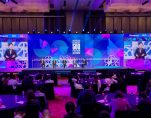
Dr. Julie Xing, Global Board Chairman and Chief Executive Officer of Lee Kum Kee Sauce, speaks at the panel discussion of the 2026 Fortune Global 500 Forum, exchanging insights with industry leaders.
Under the theme “The New Growth Equation”, this year’s forum brought Dr. Xing and three other industry leaders, including Pingyi Huang, Senior Vice President of Shandong Weiqiao Pioneering Group Co., Ltd.; Weiming Xiang, Vice President, GE Aerospace and President, GE Aerospace Greater China; and John Qu, Senior Partner, McKinsey & Company, for a panel discussion titled “The Invisible Moat: Revaluing Soft Power and Sustainability”. Moderated by Wei Yue, Senior Editor at Fortune China, the discussion explored what truly constitutes long-term advantages that can withstand cycles amid rapid technological iteration and intensifying competition. Topics spanned brand trust and consumer mindshare in consumer goods, data insights and organizational transformation in the AI era, and the pathways and stages of globalization for Chinese enterprises.
During the panel discussion, Dr. Xing points out that a true moat is a 360-degree, multi-dimensional structure built on product quality, consumer experience, emotional value, and innovative scenarios. (Photo credit: Fortune Global 500 Forum)
“In an era where almost everything can be replicated, consumers’ mindshare and trust cannot,” Dr. Xing said during the discussion. “The real moat is not just the product itself — it is a 360-degree, multi-dimensional moat built on product quality, consumer experience, emotional value and innovative scenarios.” She added that AI is bringing disruptive changes from consumer insights to organizational structure, and that future-ready organizations must embrace a flatter structure powered by AI agents, redirecting freed-up resources toward strategic decision-making and long-term value creation.
On the topic of Chinese enterprise globalization, Dr. Xing shared a three-stage pathway from product export to local manufacturing to glocalization, emphasizing that true globalization means deeply understanding local consumers and serving local markets with local insights.
Dr. Julie Xing, named to the 2026 Fortune China MPW list, attends the MPW Breakfast and shares her thoughts on corporate competitiveness in the AI era. (Photo credit: Fortune Global 500 Forum)
During the Forum, Dr. Xing was invited to share her insights at the MPW Breakfast themed “Decision-Making Power in the Age of Efficiency”, where she joined leaders from across industries to discuss opportunities and challenges for businesses in the new era. She highlighted that while AI enhances operational efficiency, human judgment, leadership and long-termism remain more critical competitive advantages.
As a recipient of the 2026 Fortune China’s MPW list, Dr. Xing has earned this recognition for three consecutive years. Launched in 2010, the MPW list is regarded as one of the most representative rankings of women business leaders in China.
The Fortune Global 500 Forum this year brought together representatives from over 350 leading global companies, academic institutions, and business leaders worldwide. Discussions focused on topics including artificial intelligence, global supply chain transformation, sustainable development, and opportunities in emerging markets.
Looking ahead, Lee Kum Kee will continue to uphold its commitment to quality and innovation. Alongside driving business growth, the company will further deepen its sustainability practices, nurture talent, and enhance corporate governance, working with all stakeholders to forge new pathways to high-quality growth. Hashtag: #LeeKumKee #LKK
The issuer is solely responsible for the content of this announcement.
About Lee Kum Kee Sauce
Lee Kum Kee Sauce is the global gateway to Asian culinary culture, dedicated to promoting Chinese culinary culture worldwide. Since 1888, it has brought people together over joyful reunions, shared traditions and memorable meals. Beloved by consumers and chefs alike, Lee Kum Kee Sauce’s range of more than 300 sauces and condiments sparks creativity in kitchens everywhere, inspiring professional and home chefs to experiment, create and delight. Headquartered in Hong Kong, China and serving over 100 countries and regions, Lee Kum Kee Sauce’s rich heritage, unwavering commitment to quality, sustainable practices and “Constant Entrepreneurship” combine to enable superior experiences through Asian cuisine for people worldwide. For more information, please visit www.LKK.com.
About Fortune
Fortune is the premier global media company for global business leaders, built on a 96-year-old legacy of trusted, award-winning journalism. Independently owned, Fortune tells the story of business, spanning legacy companies to the world’s new generation of innovators. Fortune measures corporate performance through rigorous benchmarks, and holds companies accountable, in regions around the world. Its iconic rankings include Fortune 500, Fortune Global 500, Most Powerful Women, and World’s Most Admired Companies. Fortune builds world-class communities by convening industry thought leaders for exclusive summits and conferences, including the Fortune Global Forum, Fortune Brainstorm Tech, and Fortune Most Powerful Women. For more information, visit fortune.com.
MUNICH, GERMANY – Media OutReach Newswire – 17 September 2026 – Recently, BDStar successfully hosted its 2026 Ecosystem Partner Conference in Munich, Germany. The event aimed to strengthen communication and collaboration and build a more robust industry ecosystem. Customers, distributors, and partners from multiple countries attended the conference.
Under the theme “Ecosystem Synergy for Intelligent Evolution,” the event introduced BDStar’s iLDB® strategy and shared the applications and development roadmap of GNSS Services. Training sessions were also organized for distributors. BDStar and attendees engaged in in-depth discussions on strengthening cooperation and fostering ecosystem synergy.
BDStar Founder and Chairman Zhou Ruxin stated that internationalization is a key strategy currently being implemented by BDStar. The company will continue to increase investment in global markets and build localized teams to provide customers worldwide with not only better products, but also enhanced services and support.
Meanwhile, BDStar also participated in INTERGEO 2026 in Munich, showcasing its GNSS chips, modules, antennas, services, and Chip-Cloud GNSS Solutions for a wide range of applications.
Hashtag: #BDStar
The issuer is solely responsible for the content of this announcement.
The model supports multimodal inputs including text, images and video, and generates high-fidelity 1080p videos of 5 to 20 seconds with natively synchronized audio
BEIJING, CHINA – Media OutReach Newswire – 17 September 2026 – HiDream.ai, an AI company specializing in foundation models and generative AI, announced the launch of HiDream-O1-Video-1.0, or HiDream V1, its native omnimodal video generation model.
Designed around a deeper understanding of creative intent and real-world physics, HiDream V1 supports multimodal inputs including text, images and video. It can generate high-fidelity 1080p videos ranging from 5 to 20 seconds, with enhanced narrative planning, character consistency, physical plausibility and audiovisual synchronization.
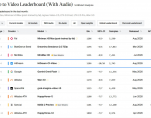
In its debut on two independent international benchmarks, HiDream V1 ranked No. 4 globally on the Artificial Analysis Image to Video Leaderboard (With Audio) and No. 8 on the Arena.ai Image-to-Video leaderboard, placing it among the world’s leading video generation models.
A Strong Debut on Two International AI Benchmarks
Artificial Analysis independently evaluates leading AI models through standardized and reproducible benchmark testing. Arena.ai uses anonymous head-to-head comparisons and user voting to assess model outputs. Together, the two platforms provide third-party perspectives on model performance based on both standardized testing and real-world user preferences.
HiDream V1’s results demonstrate its competitiveness across key dimensions including visual quality, prompt adherence, motion quality, narrative coherence and audiovisual coordination.
The global AI video generation market has become increasingly competitive, with models developed by Chinese teams—including Seedance and MiniMax H3—maintaining strong positions on international leaderboards. HiDream V1’s top-tier debut further expands China’s presence among the world’s leading video generation models.
“The next generation of video models will not be defined solely by higher resolution or longer duration,” said Yao Ting, Chief Technology Officer of HiDream.ai. “What matters is whether a model can genuinely understand a creator’s intent and how objects, actions and sounds interact in the real world. HiDream V1 was designed from the outset to represent text, video and audio within a unified framework. Our goal is to move video generation beyond simply looking sharp and moving smoothly toward understanding instructions, sustaining coherent performances and keeping sound aligned with visuals. Its performance on two independent international benchmarks provides encouraging validation of our native omnimodal approach.”
Upgrades in Visual Fidelity, Narrative Coherence and Character Consistency HiDream V1 introduces broad improvements in high-fidelity rendering, narrative continuity and character consistency. Rather than optimizing only for the quality of individual frames, the model is designed to maintain coherence across an entire video sequence.
Once characters, emotions, motivations and physical rules are placed within a continuous sequence, each element can affect the others. HiDream therefore uses a technical framework built around three stages: planning first, followed by joint generation, and then alignment through multimodal reward signals.
Under this approach, the model first plans the narrative and character states at a global level. It then jointly constrains visuals, movement and semantics during generation, before using multimodal reward signals to align visual quality, continuity and physical plausibility.
Native Omnimodal Architecture for Better Intent and Physics Understanding The central challenge in AI video generation is shifting from the quality of individual frames to a broader understanding of complex instructions, continuous motion and the rules governing the physical world.
User prompts often contain multiple layers of information, including characters, actions, settings, camera directions, dialogue and sound. To handle these requirements more effectively, HiDream V1 incorporates multimodal intent understanding and planning. Before generation begins, the model structures the user’s request across elements such as shot duration, setting, character state, movement, facial expression, composition, camera motion, dialogue and ambient sound.
Through this “understand, plan and generate” workflow, HiDream V1 plans narrative development and character states at a global level, while coordinating visuals, motion, semantics and audio during generation. This is designed to improve content completeness, character consistency and continuity between shots.
Physical reasoning is another core capability of HiDream V1. The model incorporates factors such as gravity, inertia, collisions, deformation, materials, lighting and spatial continuity into the generation process. As a result, object movement, character actions and environmental responses can more closely reflect the behavior of the real world.
This approach moves video generation beyond reproducing visual appearances and toward modeling how a dynamic world operates over time.
Content-Adaptive Video Duration Most current video generation models require users to specify a fixed duration in advance, forcing the content to fit within a predetermined time window. This can lead to unnecessary pauses after an action has ended or the use of slow motion to fill the remaining time.
HiDream V1 instead incorporates duration into its narrative planning process. Within a range of 5 to 20 seconds, the model can determine an appropriate video length based on how an event unfolds, how long an action takes to complete and the pacing required by the content.
The capability is not simply a matter of adding or removing frames. It is designed to make duration serve the narrative, producing more natural pacing and more complete sequences. Users can focus on describing the event and intended outcome, while the model plans the corresponding temporal structure.
Joint Modeling of Text, Video and Audio
Conventional AI video generation systems often follow a staged workflow in which visuals are generated first and sound is added afterward. This can lead to mismatches between lip movements, physical actions, ambient sound and sound effects.
HiDream V1 uses a native omnimodal architecture to jointly model text, video and audio signals. The three modalities constrain and inform one another within a single generation process. Visual motion influences sound timing, dialogue and sound effects contribute to the emotional tone of a scene, and text conditions guide the generation process throughout.
This unified approach is designed to improve synchronization across character performance, environmental changes and physical actions.
During post-training, HiDream uses Diffusion Reinforcement Learning and a multimodal reward model aligned with human perception and aesthetic preferences. Generated content is evaluated across multiple dimensions, including visual quality, semantics, motion, physical plausibility and sound, helping improve overall consistency and realism.
Completing HiDream’s Native Omnimodal World Model Portfolio HiDream V1 is not a standalone model. It is a core component of HiDream’s native omnimodal world model strategy.
Built on a unified UiT, or Unified Transformer, foundation, the company’s portfolio now comprises four major model families:
HiDream-O1-Image, for image understanding and generation;
HiDream-O1-Video, for dynamic content generation and temporal storytelling;
HiDream-O1-World, for 3D environment simulation and real-time interaction; and
HiDream-O1-Embodied, for spatial reasoning, action planning and feedback in embodied AI.
Rather than operating as four separate technology stacks, the models are designed to evolve from the same unified architecture. Together, they cover spatial understanding, temporal modeling, 3D interaction and embodied action, creating an integrated system for perceiving, understanding, generating, interacting with and acting upon the physical world.
HiDream’s models have previously achieved leading results on several independent benchmarks. HiDream-O1-Image 1.5, the commercial version of the company’s image model, ranked No. 2 globally and No. 1 among Chinese models on the Artificial Analysis text-to-image leaderboard, while its open-source edition also reached No. 2. HiDream-O1-World ranked No. 1 overall on WBench, a benchmark for interactive world models. HiDream-O1-Embodied achieved first-place results in the disturbance adaptation and spatial reasoning categories of RoboColiseum.
“We are not building four isolated model product lines,” said Dr. Mei Tao, founder and CEO of HiDream.ai. “We are building a native omnimodal system that shares a unified technical foundation and continues to evolve toward a deeper understanding of the real world. Competition among the next generation of foundation models will depend not only on improvements in individual capabilities, but also on whether different modalities can understand, generate and interact within a unified architecture.”
From understanding and generating the world to simulating and acting within it, the launch of HiDream V1 completes a key part of HiDream’s native omnimodal world model portfolio.
HiDream Completes Series C+ Financing
Alongside the launch of HiDream V1, HiDream announced the completion of a Series C+ financing round backed by New Micro Capital, Jiaozi Capital and ICBC Capital. The proceeds will support native omnimodal model research and development, product iteration, AI computing infrastructure and the expansion of industry applications.
New Micro Capital was jointly established by Shanghai New Micro Technology Group, Shanghai Science and Technology Venture Capital Group and its management team. The firm manages nearly RMB 10 billion in assets.
As the corporate venture capital arm of New Micro Technology Group, New Micro Capital is expanding its investments in artificial intelligence. Drawing on the group’s industrial capabilities in specialty integrated-circuit manufacturing, it seeks to advance collaboration across AI infrastructure, model technologies and end-user applications.
Jiaozi Capital is a wholly owned state-backed equity investment platform under Chengdu Jiaozi Financial Holding Group. The firm focuses on artificial intelligence and other strategic technology sectors, using long-term capital and industrial resources to accelerate technology commercialization and ecosystem development.
With the launch of HiDream V1, HiDream’s native omnimodal world model strategy is moving from a technical roadmap toward an integrated system supported by a unified foundation, a coordinated model portfolio and deployable product capabilities.
Availability
HiDream V1 is currently in internal testing and is expected to become available in the near future. Users can learn more at: https://hiharness.ai/
Hashtag: #HiDreamAI
The issuer is solely responsible for the content of this announcement.
About HiDream.ai
HiDream.ai is an artificial intelligence company focused on generative AI and native omnimodal world models. Built on its unified UiT architecture, the company’s model portfolio spans image generation, video generation, interactive world simulation and embodied intelligence. HiDream aims to develop AI systems capable of understanding, generating, simulating and acting upon the real world.
Leaderboard disclaimer: Rankings cited in this release reflect publicly available results at the time of publication and may change as participating models, evaluation data or platform methodologies are updated.
Arabian Post Staff -Dubai International visitor spending in the Middle East is forecast to rise by US$116 billion, or 57%, between 2025 and 2030, signalling a sharp expansion in tourism revenues despite near-term geopolitical disruption. The projection comes from the ATM Travel Trends Report 2026, produced by Arabian Travel Market with Tourism Economics, an Oxford Economics company, and presented at Arabian Travel Market in Dubai. The report […]
Global oil prices fell as much as 1.2 per cent on Thursday as Saudi Arabia offered additional crude cargoes to Asian refiners through Oman, easing immediate fears of a deeper supply squeeze after attacks forced the kingdom to shut its East-West pipeline. Brent crude dropped $1.24 to $104.59 a barrel in early Asian trading, while US West Texas Intermediate fell $1.14, or 1.1 per cent, to $101.29. […]
Arabian Post Staff -Dubai The UAE has ranked first in a new global tax optimisation index assessing 48 jurisdictions for internationally mobile individuals, driven by its lack of personal income, wealth and inheritance taxes and a 5 per cent value-added tax. The study by Global Citizen Solutions’ Global Intelligence Unit gave the UAE a composite score of 82.7 out of 100, narrowly ahead of Antigua and Barbuda […]
The UAE has highlighted an artificial intelligence system developed by GenBio AI with contributions from Mohamed bin Zayed University of Artificial Intelligence researchers that can simulate human cellular responses to drugs and other interventions. The UAE Embassy in Washington drew attention on Wednesday to AIDO Cell, a virtual-cell “world model” designed to represent biological activity across multiple levels, from DNA and RNA through proteins and whole-cell behaviour. […]
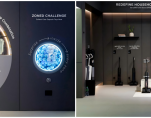
BERLIN, GERMANY – Media OutReach Newswire – 17 September 2026 – At IFA 2026, Midea’s Fabric and Floor Care division presented its latest innovations in laundry and floor-cleaning technologies themed at “Zoned Care, Omni Clean”.
With the Omni Trio washing machine and AT8 Ultra wet-and-dry floor cleaner as key highlights, the showcase addressed a wide range of everyday home-care challenges, including separate laundry care, noise and vibration reduction, stubborn stain removal and the cleaning of tangled hair from floors.
During the exhibition, the products drew attention from German technology and smart-home media and also received recognition from industry bodies. The showcase innovations were honoured with the YD Best Design Award, while the Omni Trio received VDE A-10% low-noise certification, highlighting Midea’s continued strengths in both industrial design and product engineering.
Two Products, One Home-Care Direction
The Omni Trio brings a different approach to laundry separation. Its three independently operated drums—a 10 kg main drum and two 0.5 kg smaller drums—allow different loads to be washed separately at the same time. Everyday clothing, baby garments, socks and underwear can be handled without waiting for one cycle to finish before starting another.
Independent water inlets and Auto Dose systems, Foam & Flow DualSpray technology and low-noise performance support the same objective: making categorized laundry care easier to integrate into daily routines.
For floor care, the AT8 Ultra addresses another set of frequent cleaning tasks. Its technologies include Easy Foam cleaning, 60°C hot water on demand, a mechanical arm for improved water pickup, anti-tangle technology, and automated roller cleaning and drying. Each targets a practical issue, whether it is a stubborn stain, residual water or hair wrapped around the roller.
Together, Omni Trio and AT8 Ultra demonstrate how “Zoned Care, Omni Clean” extends beyond individual product features. Different cleaning tasks call for different solutions, and Midea FFC is applying its experience across laundry care and floor cleaning to address these needs with greater precision.
From European Needs to Global Development
IFA 2026 also provided Midea with an opportunity to observe how these innovations respond to expectations in the European market, where quieter operation, efficiency, flexibility and ease of use remain key considerations for home appliances.
These local insights also contribute into Midea FFC’s global product development. Learnings from different markets help shape technologies that can be adapted to diverse homes, daily routines and cleaning habits.
For the home-care category, the next stage of innovation is not simply adding more functions. It is about enabling appliances to better understand and handling specific household tasks, with greater automation and less effort from the user. For Midea FFC, the response at IFA 2026 offers a valuable reference point as the company continues to develop home-care technologies for markets around the world.
Hashtag: #Midea #OmniTrio #AT8Ultra
The issuer is solely responsible for the content of this announcement.
ABOUT MIDEA & MIDEA GROUP
Midea is a global technology company specializing in smart home appliances, climate solutions and floor-care technologies, with a focus on user-centric design, energy efficiency and sustainable innovation.
Greenlogue/AP Aldar Properties and Mubadala Investment Company have jointly acquired Masdar City Square for Dh918 million, expanding their income-generating real estate portfolio in Abu Dhabi’s Masdar City to Dh4.7 billion. The acquisition was completed through the real estate joint venture established by the two Abu Dhabi groups in 2024. Masdar City Square comprises more than 47,000 square metres of net leasable space across seven office buildings and […]
Circle has opened its Arc blockchain to the public, bringing a purpose-built network for institutional finance, stablecoin payments and tokenised assets into live production. The New York-based digital finance company said Arc’s public mainnet went live on Wednesday with more than 100 applications and more than 100 institutional and ecosystem builders spanning banks, asset managers, payment networks, exchanges, custodians, decentralised finance protocols, wallets and artificial intelligence platforms. […]
Saudi warplanes struck Houthi positions across Yemen on Wednesday as the Iran-aligned movement pressed territorial gains along the Red Sea coast and widened attacks on Saudi targets, intensifying a new front in the Middle East war. Houthi military spokesman Yahya Saree said Saudi aircraft had carried out as many as 450 strikes during the week. Officials from Yemen’s internationally recognised government acknowledged that their forces and Saudi […]
Response by KK Chiu, International Director, Chief Executive, Greater China, Cushman & Wakefield:
Optimising the Housing Ladder and Improving Living Conditions
We welcome the Government’s commitment to increase housing supply, shorten the Composite Waiting Time for public rental housing and further strengthen the housing ladder. The adoption of a long-term housing supply framework comprising 40% public rental housing, 30% subsidised sale housing and 30% private housing, together with the delivery of approximately 196,000 public housing units over the next five years, will provide a clearer housing and homeownership pathway for different income groups.
We believe that increasing the supply of subsidised sale housing and enhancing the housing ladder will help more public housing tenants progress towards homeownership, accelerate housing mobility and enable families with genuine housing needs to gain access to public housing more quickly.
We support the Government’s efforts to increase public housing supply, continue the Light Public Housing programme and implement the Basic Housing Units regime in an orderly manner to phase out substandard subdivided units. This approach is consistent with our long-held view that increasing housing supply is the fundamental solution to improving inadequate housing conditions. With the Government targeting the resolution of substandard subdivided units in domestic buildings by 2030, we expect living conditions for grassroots households to improve progressively.
Urban Renewal Incentives
We support the Government’s more flexible approach to urban renewal, including transferable plot ratio arrangements and measures to unlock redevelopment potential. These initiatives will help enhance market participation, accelerate renewal in areas with pressing redevelopment needs and contribute to overall housing supply growth. We recommend the Government provide clearer guidance on application requirements and further streamline cross-departmental approval procedures to facilitate implementation.
Advancing the Yacht Economy
We welcome the Government’s continued efforts to promote the yacht economy. Beyond increasing marina berth supply and enhancing supporting infrastructure, we believe it is equally important to further facilitate cross-boundary initiatives, allowing greater mobility of yachts within the Greater Bay Area and fostering regional collaboration.
As more superyachts and high-net-worth visitors arrive in Hong Kong, demand is expected to rise across luxury tourism, hospitality, food and beverage, retail, marine services and waterfront commercial facilities, helping unlock the economic potential of Hong Kong’s coastline and island resources. At the same time, Hong Kong has the potential to develop a more comprehensive marine industry ecosystem encompassing yacht repair and maintenance, refitting services and specialised professional services. The development of a holistic marine services value chain will further strengthen Hong Kong’s competitiveness as a regional and international yachting hub.
Response by John Siu, Managing Director, Hong Kong, Cushman & Wakefield:
Planning Ahead for AI and Data Centre Infrastructure
We welcome the Government’s commitment to accelerate the development of the Sandy Ridge Data Facility Cluster, which is expected to provide computing power equivalent to 36 times Hong Kong’s current capacity by 2032, alongside a HK$1 billion injection into the Artificial Intelligence Subsidy Scheme. These initiatives will provide important support for the development of Hong Kong’s artificial intelligence and data centre sectors, further strengthening the city’s position as a regional digital and innovation hub.
However, with rapid advancements in artificial intelligence, large language models and cloud computing, demand for computing power is expected to grow significantly in the coming years. We believe that, in addition to planning data centre sites, the Government should proactively review long-term requirements for power supply, electricity grid capacity and related infrastructure. As AI adoption becomes more widespread, access to reliable power and supporting infrastructure will be a key factor in maintaining Hong Kong’s competitiveness as a technology and data centre hub.
We support the Government’s stated direction of pursuing “high-efficiency computing power, stable electricity supply and low-carbon transition”. Looking ahead, we recommend that the Government regularly review future demand for land, power supply and supporting infrastructure arising from the growth of artificial intelligence and data centre activities, particularly within the Northern Metropolis and other strategic development areas. A coordinated approach to computing, energy and digital infrastructure planning will help attract more data centre operators and technology companies to Hong Kong, while supporting the city’s long-term development as a regional hub for data and artificial intelligence.
Response to the Budget 2026/2027 by Rosanna Tang,Deputy Managing Director, Head of Research, Hong Kong, Cushman & Wakefield:
Clear Industry Positioning for the University Towns
We welcome the Government’s efforts under Hong Kong’s First Five-Year Plan to further define the positioning of the three university towns in the Northern Metropolis University Town, and are encouraged by its strategy to promote synergy among the university towns, the San Tin Technopole and surrounding industry parks. As the only city in the world with five universities ranked among the global top 100, Hong Kong possesses a strong foundation in higher education and research. At the same time, the San Tin Technopole is set to become a key innovation and technology hub. The complementary strengths of these two pillars, both geographically and strategically, provide a solid foundation for building a globally competitive innovation ecosystem in Hong Kong.
We are particularly encouraged by the Government’s emphasis on integrated industry-academia-research collaboration. The university towns should not be viewed merely as educational developments, but as strategic platforms for research commercialisation, international talent attraction and the cultivation of emerging industries. Closer collaboration among universities, research institutes, innovation and technology enterprises and industry parks will help establish a complete innovation value chain covering talent development, scientific research, technology transfer and industrial implementation.
In addition, the Plan proposes approximately 300 hectares of educational facilities as the core of the university towns, connected with adjacent strategic industry areas, distinctive conservation areas, sports and cultural facilities, and surrounding communities, bringing the overall development footprint to more than 1,000 hectares. Such a large-scale integrated education and industry development model is rare in Hong Kong’s urban planning history and clearly demonstrates the Government’s long-term vision of creating a knowledge-based city cluster and an international education hub in the Northern Metropolis.
Attracting Signature Industry Projects and Anchor Institutions to Enhance the Northern Metropolis’ Global Appeal
We welcome the Government’s efforts to establish differentiated industry positioning through the three university towns, while integrating key development nodes such as the San Tin Technopole, the Hong Kong Park of the Hetao Shenzhen-Hong Kong Science and Technology Innovation Co-operation Zone, the Hung Shui Kiu Industry Park and Ta Kwu Ling. This provides a clearer direction for industrial development in the Northern Metropolis and helps address long-standing market concerns regarding overlapping functions and unclear district positioning.
As highlighted in our previous research, we believe the next critical stage for the Northern Metropolis will be its ability to attract influential anchor institutions and leading enterprises. By bringing together universities, research institutes and industry leaders, Hong Kong can foster the clustering of businesses, talent and capital, gradually forming industry clusters with scale and international competitiveness. Hong Kong should also capitalise on its common law system, international financial centre status, intellectual property protection framework and global talent network by focusing on high value-added segments such as research and testing, intellectual property management, fundraising and listing activities, and international accreditation services. This will help Hong Kong establish an irreplaceable role within the Greater Bay Area industrial value chain.
Beyond strategic industries, we believe the Northern Metropolis could also explore internationally recognised and iconic industry projects to further enhance its global profile and attractiveness. For example, the Government may consider developing initiatives around new energy vehicles, smart mobility and advanced technologies, while exploring the feasibility of internationally recognised racing events, testing facilities or technology R&D platforms, such as those associated with Formula One. By leveraging motorsport-related economic activities and innovation-led development, Hong Kong could attract international automotive manufacturers, mobility technology companies and research institutions to establish regional headquarters, R&D centres or testing facilities in the city. This would in turn support the growth of engineering, intelligent transport, advanced manufacturing, tourism, hospitality, retail and convention and exhibition industries, further enriching the Northern Metropolis industrial ecosystem.
Accelerating Land Supply While Advancing Industries and Infrastructure in Parallel
We note that Hong Kong’s First Five-Year Plan proposes a significant acceleration in land and housing supply within the Northern Metropolis. Residential completions are expected to increase substantially from approximately 11,000 units during 2021/22 to 2025/26 to around 70,000 units during 2026/27 to 2030/31. Over the same period, the supply of “spade-ready sites” will rise from approximately 120 hectares to around 900 hectares, representing an increase of around 7.5 times. These figures demonstrate that the Northern Metropolis is transitioning from a planning and land formation phase to a new stage characterised by large-scale development, industrial implementation and population intake.
However, we believe the success of the Northern Metropolis should not be measured solely by the volume of land or housing delivered. As substantial residential, innovation and technology, and industrial sites come on stream, the focus should gradually shift from land supply to city-building. The Government should ensure the coordinated delivery of railway and cross-boundary infrastructure networks, industry parks, commercial facilities, public services and community amenities, while accelerating the introduction of leading enterprises and strategic industries to create sufficient, high-quality employment opportunities and achieve a genuine jobs-housing balance.
In particular, we believe the Northern Metropolis should be driven by industry-led development, with the San Tin Technopole, the Hetao Shenzhen-Hong Kong Science and Technology Innovation Co-operation Zone, the university towns and major industry parks serving as key growth engines. This would create a virtuous cycle in which industry attracts population, population supports consumption, and consumption drives urban development. Only through the coordinated growth of industry, talent, infrastructure and communities can the Northern Metropolis evolve from a large-scale land development project into a modern metropolitan district integrating industry, education, living and international exchange.
Response by Tom Ko, Executive Director, Head of Capital Markets, Hong Kong of Cushman & Wakefield:
New Opportunities for Student Accommodation Market
We welcome the Government’s initiatives to deepen Hong Kong’s development as an international hub for post-secondary education through the “Hong Kong: Your World-class Campus” campaign, expanded global student recruitment efforts and the extension of the Immigration Arrangements for Non-local Graduates pilot arrangement to graduates from Greater Bay Area campuses of Hong Kong universities. These initiatives will further enhance Hong Kong’s attractiveness to overseas students and talent while reinforcing the “Study in Hong Kong” brand.
We are encouraged by the continued progress of the Hostels in the City Scheme. The scheme has already received 41 confirmed applications, providing approximately 10,800 bed spaces and demonstrating strong market confidence in the long-term growth of Hong Kong’s education sector.
The scheme has opened up a new supply channel for converting commercial buildings into student accommodation. At a time when hotel conversion opportunities are becoming more limited as tourism continues to recover, it provides an alternative pathway for investors while helping unlock the value of underutilised commercial assets and meet rising demand for student housing. As the Government prepares to tender the first dedicated student hostel site, we believe purpose-built student accommodation will gradually emerge as a distinct and scalable asset class within Hong Kong’s real estate market.
To further increase supply, we recommend that the Government continue reviewing and refining approval procedures for student hostel conversions. Greater flexibility and streamlined processes, while maintaining appropriate safety and operating standards, would encourage wider market participation and support Hong Kong’s ambition to become a leading international education destination.
The issuer is solely responsible for the content of this announcement.
About Cushman & Wakefield
Cushman & Wakefield (NYSE: CWK) is a leading global commercial real estate services firm for occupiers and investors with approximately 53,000 employees in over 350 offices and nearly 60 countries. In Greater China, a network of 23 offices serves local markets across the region. In 2025, the firm reported revenue of $10.3 billion across its core services of Valuation, Consulting, Project & Development Services, Capital Markets, Project & Occupier Services, Industrial & Logistics, Retail, and others. Built around the belief that Better never settles, the firm receives numerous industry and business accolades for its award-winning culture. For additional information, visit www.cushmanwakefield.com.hk or follow us on LinkedIn (www.linkedin.com/company/cushman-&-wakefield-greater-china).
South Korea will not slow its artificial intelligence drive, Deputy Prime Minister and Science and ICT Minister Bae Kyung-hoon said on Wednesday, arguing that the country must pair rapid development with stronger safeguards rather than curb the technology’s advance.
Bae said South Korea was still trying to close the gap with leading AI powers while creating new markets, making its position different from countries or companies at the technological frontier. “We cannot afford to slow down AI right now,” he wrote on social media, describing the government’s approach as one of “speed responsibility” rather than speed control.
His remarks place Seoul firmly on the acceleration side of a widening debate over whether developers should moderate the pace of capable AI systems. Anthropic chief executive Dario Amodei has called for a slowdown in frontier model development to allow more time for safety work, while OpenAI chief executive Sam Altman and other technology leaders have voiced support for stronger precautions as capabilities advance.
Bae said South Korea should continue expanding research, industrial adoption and home-grown model development while strengthening protections against deepfakes, cyber threats and privacy violations. Faster progress, he said, required safety and trust measures to move at the same pace rather than follow after deployment.
The minister pointed to a broader technology agenda that includes sovereign foundation models, systems capable of processing vision and language, and models able to interact with physical environments. He said the country also needed to prepare for AI becoming deeply embedded across industries and everyday life.
The government has made domestic foundation-model development a central part of its ambition to place South Korea among the world’s top three AI powers. The Ministry of Science and ICT has been running a sovereign AI foundation model programme intended to improve domestic capabilities and reduce dependence on foreign technology.
Three teams led by Upstage, SK Telecom and LG AI Research advanced after the programme’s second-stage evaluation this year. The ministry has said models developed under the initiative were built with comparatively limited resources but were released as open source as part of an effort to expand the domestic AI ecosystem.
Bae indicated that further details on the next phase of the foundation-model programme would be announced after ongoing reviews. His comments also referenced government work on security-focused AI models and frontier systems, alongside an “AI for All” initiative intended to spread adoption across the economy.
The policy push is being developed alongside South Korea’s AI Basic Act, which establishes rules covering both the development of artificial intelligence and the creation of a framework for trust. The law’s stated purpose includes protecting rights and human dignity while supporting quality of life and national competitiveness.
That legal structure gives Seoul a basis for pursuing faster adoption without presenting safety as a separate objective. Bae said competitiveness and sustainability were linked, arguing that development speed and safeguards should advance together.
The global dispute has intensified as leading executives and policymakers weigh the economic benefits of faster AI deployment against concerns over misuse and loss of control. Amodei has proposed independent safety evaluators, coordination among major laboratories and greater international cooperation, while Nvidia chief executive Jensen Huang has argued against slowing technological progress and favours advancing safety alongside innovation.
European Commission President Ursula von der Leyen on Wednesday backed calls for greater caution and said frontier AI laboratories would be invited for talks on managing risks. Meta chief executive Mark Zuckerberg, by contrast, said AI companies already had strong incentives to build systems safely and did not require an industry-wide slowdown.
Bae’s intervention highlights the competitive pressures facing countries outside the United States and China, where most frontier AI investment and model development remains concentrated. South Korea has strong semiconductor and technology industries, but its government has acknowledged the need to strengthen domestic models, computing capacity and commercial adoption to narrow the gap.
Clinicians from Singapore and South Korea have called for more individualised, evidence-based postnatal care as women enter motherhood later, arguing that recovery plans should reflect each mother’s health, delivery experience, family support and preferences.
The call emerged from DeRAMA Singapore’s Joint Postnatal Recovery Seminar, held at The Singapore EDITION on August 17. Obstetrician and gynaecologist Dr Ho Ping Ling of Ascensus Health @ Mount Alvernia and Dr Park Jeong-mi, founder and medical director of Garden of Her Women’s Clinic in South Korea, compared the two countries’ approaches to postpartum recovery.
Their discussion comes as Singapore’s maternal profile changes. Government data show the median age of citizen mothers at first birth reached 31.6 years in 2024, up from 30.3 in 2014. Dr Ho said mothers aged 35 and above may have a greater likelihood of pre-existing conditions, pregnancy complications and Caesarean delivery, factors that can influence recovery.
“There is no one-size-fits-all approach. All women deserve individualised care, regardless of whether they are younger or older mothers,” Ho said. She added that assessment should consider a woman’s medical condition, pregnancy course, mode of delivery, available support and preferences. Although the postpartum period is commonly defined clinically as about six weeks, the time needed to regain health can differ substantially.
The seminar examined how professional services might complement rather than replace confinement traditions. Home-based support from relatives and confinement nannies remains common, offering practical help. The doctors, however, said some inherited rules lack a clear medical basis and should be reconsidered where they conflict with hygiene, nutrition or other evidence-based care.
Ho cited prolonged avoidance of bathing or washing hair as an example of a traditional restriction that may run against sound hygiene and infection-control principles. The broader approach advocated by the speakers was not to dismiss cultural customs but to distinguish supportive practices from those that may be unnecessary or unsuitable for a mother.
Park said South Korea had also moved from predominantly family-provided postpartum care towards a more structured model as nuclear households expanded, women participated more widely in the workforce and fewer relatives were available as full-time caregivers. This helped establish sanhujoriwon, postpartum recovery centres offering coordinated assistance with maternal recovery, meals, breastfeeding and newborn care.
She said 85.5 per cent of mothers in South Korea use a postpartum recovery centre after childbirth. Programmes vary in cost and scope, but trained maternal and newborn-care staff are typically available around the clock. Park said modern programmes increasingly address pain, swelling, musculoskeletal changes, sleep, feeding and emotional wellbeing, with support adjusted to the mother’s condition and delivery method.
Evidence also supports avoiding simplistic assumptions about age alone. A South Korean study of 528 postpartum women published in 2020 found no significant age-related difference in several self-reported postpartum symptoms, while delivery method and other factors were associated with differences. Caesarean delivery became more common with age in that study, reinforcing the case for recovery plans based on clinical circumstances rather than age by itself.
The World Health Organization similarly recommends postnatal care that provides women, newborns and families with consistent information, reassurance and support while recognising individual needs and cultural context. Its guidance frames a positive postnatal experience as extending beyond physical checks to include emotional wellbeing, newborn care, breastfeeding support and responsive health services.
Singapore’s Ministry of Health said on September 8 that polyclinics already provide subsidised postnatal services, while childhood developmental screening is fully subsidised. The ministry is also reviewing fertility health and maternity policies with the Prime Minister’s Office, including possible additional support for postpartum care in due course.
A separate ministry response in January noted that some mothers need outpatient services such as lactation assistance or screening for postnatal depression. It said women facing affordability problems with medically necessary postnatal care can approach medical social workers at public hospitals for assessment for financial help.
Arabian Post Staff -Dubai Dubai’s hotel occupancy rose to 66 per cent in August as international tourism strengthened, marking the sector’s highest monthly occupancy rate since February, according to the Dubai Department of Economy and Tourism. The August level was equivalent to 89 per cent of the occupancy recorded in the same month of 2025 and represented a sharp recovery from 36 per cent in March, when […]
Hong Kong has placed a global gold trading hub at the centre of its first five-year economic plan, using the market as an entry point to expand commodity trading and broaden international use of the renminbi.
The 2026-2030 plan, released on Wednesday, calls for an integrated gold ecosystem covering storage, trading, clearing, refining and related financial services, while encouraging more renminbi-denominated commodity products. The government said it would strengthen links with mainland exchanges and attract international investors as it develops the city’s role as a global offshore renminbi centre.
It describes gold as an asset and envisages a one-stop storage, trading and clearing centre.
The strategy gives formal five-year backing to a gold-market expansion already under way. Hong Kong began trial operations of a central clearing and settlement system for gold in July and plans to launch the system formally in the first quarter of 2027. The administration is also seeking to expand storage capacity, improve refining capability and support more gold dealers and financial institutions in establishing operations in the city.
The plan says Hong Kong will explore renminbi-denominated gold and commodity markets and deepen co-operation with the Shanghai Gold Exchange and Shanghai Futures Exchange. It also aims to increase the range of products priced in the Chinese currency and encourage the use of renminbi for pricing and settlement in spot commodity transactions.
Chief Executive John Lee’s administration has framed the programme as part of a broader effort to strengthen Hong Kong’s position as an international financial centre while aligning more closely with China’s national development priorities. The five-year plan also seeks to enlarge the city’s offshore renminbi business, improve liquidity support and expand the range of renminbi bonds and other financial products.
Hong Kong remains the world’s largest offshore renminbi market. The government said offshore renminbi lending reached a record 935 billion yuan in 2025, while renminbi bond issuance reached 1 trillion yuan for a second consecutive year. The new plan proposes a dedicated offshore renminbi liquidity provision mechanism and wider use of the currency in trade, investment, financing and government expenditure.
Gold is intended to provide the first platform for a wider commodities push. The government said Hong Kong would use its status as an approved delivery point in the London Metal Exchange’s global warehousing network to develop trading, risk-management and financing services across additional commodities.
Since Hong Kong joined the LME warehousing network in 2025, approved storage space has exceeded 60,000 square metres and metal inventories have risen above 20,000 tonnes, according to the government. Authorities plan to facilitate more LME-approved warehouses in the Northern Metropolis and introduce a half-rate tax concession for physical commodity trading to attract additional market participants.
The Hong Kong Exchanges and Clearing group also plans to announce details this year for new renminbi-denominated, physically settled gold futures contracts. The government said the contracts are intended to strengthen the currency’s role in precious-metal pricing and provide another channel for international investors to gain renminbi exposure.
Other measures include possible tax concessions for qualifying gold and commodity activities, additional insurance capacity for gold storage and trading, and support for an industry-led trade association. Officials are also examining tokenised warehouse-receipt financing and blockchain-based systems that would allow commodity inventories to be used more flexibly as collateral.
The administration has set a target of lifting Hong Kong’s gold storage capacity to more than 2,000 tonnes within three years. It is also encouraging internationally qualified refiners to establish or expand local operations, with government agencies assisting interested companies in identifying sites and navigating regulatory requirements.
Closer integration with mainland markets is another element of the strategy. The plan calls for wider market access between Hong Kong and mainland gold markets and further collaboration with the Qianhai Mercantile Exchange, including development of renminbi-settled commodity futures, options and spot products.
Arabian Post Staff -Dubai Fasset will become the first platform worldwide to list DDSC, the UAE dirham-backed stablecoin, under a new collaboration that will also allow users to swap the token with major dollar-backed stablecoins including USDC and USDT. The arrangement expands DDSC’s distribution beyond its initial institutional use and follows regulatory approvals that opened the way for the token to appear on selected platforms overseen by […]
China has pushed back against calls from leading US technology figures to slow frontier artificial intelligence development, sharpening differences over safety, access to advanced chips and technological competition before President Donald Trump and President Xi Jinping meet in Washington next week.
Foreign Ministry spokesman Guo Jiakun said on Monday that artificial intelligence was a consequential technology for humanity and should be developed openly and inclusively. Asked about calls from Dario Amodei, Sam Altman and Elon Musk for companies to slow frontier development, Guo warned that “fear-mongering, confrontation and vicious competition” would hinder sound global AI governance.
The response came as Washington’s debate over AI safety widened into a strategic argument about China. Anthropic chief executive Amodei has urged tougher safeguards for advanced systems and has argued that a Chinese lead in frontier AI could create national security risks for the United States. OpenAI chief executive Altman and Musk have also called for stronger precautions as systems become more capable.
Trump, however, has resisted proposals that could materially slow US development. He said this week that America already had tools to police the industry and stressed the importance of maintaining leadership over China. House Speaker Mike Johnson similarly rejected a moratorium, saying any pause could hand Beijing a competitive advantage and create national security risks.
The dispute places AI governance among the issues likely to shadow the Trump-Xi meeting scheduled for September 24 in Washington. The leaders are also expected to confront trade disputes, semiconductor restrictions and China’s controls on rare-earth exports, all of which affect the broader contest over computing capacity and advanced manufacturing.
Treasury Secretary Scott Bessent is due to meet Vice-Premier He Lifeng before the summit.
China has presented a different framework for AI governance, emphasising access, development and multilateral rules while opposing measures it regards as technological containment. At the BRICS summit this month, Xi proposed an open-source and inclusive AI initiative and said China would help establish a BRICS AI open-source community and digital ecosystem platform.
Beijing has nevertheless acknowledged the risks posed by increasingly powerful systems. Chinese officials have called for stronger global governance and risk awareness, while arguing that safety should not become a justification for blocking technological diffusion. The government has also supported the establishment of the World Artificial Intelligence Cooperation Organization, whose founding agreement was signed in Shanghai in July by 29 countries.
The argument over safety is closely linked to semiconductor controls. Washington has maintained restrictions on the export of advanced computing technology to China, although the Commerce Department in January shifted applications for Nvidia H200, AMD MI325X and comparable chips to case-by-case review under specified security conditions. Beijing has repeatedly criticised US technology restrictions as discriminatory and has threatened countermeasures when Chinese companies are targeted.
China’s Commerce Ministry last week also challenged a US cybersecurity advisory accusing China-based AI companies of using distillation campaigns against American models. The ministry said China was prepared for an intergovernmental AI dialogue with the United States but would respond if Washington used such allegations to suppress Chinese firms.
That exchange underscored the difficulty of separating AI safety from the strategic rivalry. US officials and technology executives increasingly frame advanced models as both commercial assets and national security capabilities, while China portrays broad restrictions as attempts to preserve US dominance.
There are areas of overlap. Both governments have said advanced AI presents risks requiring governance, and the two sides have agreed to launch an intergovernmental dialogue on the technology. Informal discussions among researchers and policy specialists have also continued, though official positions remain far apart on access to chips, model controls and the balance between safety and development.
The September 24 summit follows Trump’s May visit to China, when the two leaders agreed to pursue what the White House described as strategic stability and set up new bilateral trade and investment mechanisms. Artificial intelligence was not the centrepiece of those agreements, but it has since moved higher on the bilateral agenda as concerns over model capabilities, export controls and industrial competition have intensified.











 www.LKK.com







 www.linkedin.com/company/cushman-&-wakefield-greater-china




