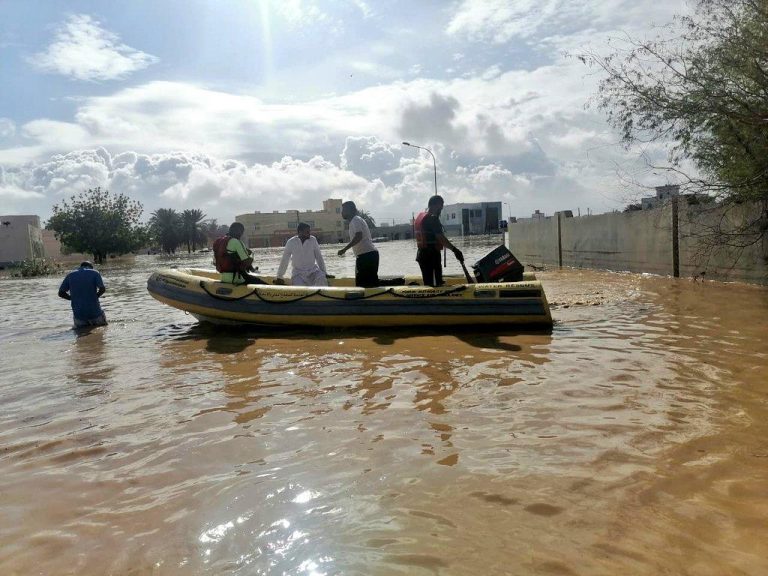
A recent study suggests a strong connection between the devastating floods that struck Oman and the United Arab Emirates (UAE) last week and climate change fueled by fossil fuel emissions. The World Weather Attribution (WWA), a team of international scientists specializing in extreme weather events, reached this conclusion after analyzing the deluge.
While acknowledging the difficulty of definitively attributing a single event to climate change, the WWA’s findings point towards a significant role for a warming planet. Their research indicates that extreme rainfall events in the region, particularly during El Niño years, have intensified by 10-40% due to global warming.
“Warming caused by burning fossil fuels is the most likely explanation for the increasing rainfall,” stated the WWA report, compiled by a team of 21 researchers. This warming effect disrupts weather patterns, leading to more extreme precipitation events, including both heavy downpours and prolonged droughts.
The UAE and Oman, accustomed to arid climates, are particularly vulnerable to these fluctuations. Last week’s deluge transformed normally dry wadis (riverbeds) into raging torrents, causing widespread flooding and loss of life. The unprecedented nature of the event has heightened concerns about the region’s ability to withstand future extreme weather occurrences.
“The UAE and Oman floods have shown that even dry regions can be severely impacted by precipitation events,” said Sonia Seneviratne, a WWA member and professor at Zurich’s ETH university. “This threat is growing as global warming caused by fossil fuel use continues to rise.”
The findings underscore the urgency of addressing climate change, not just for the UAE and Oman, but for vulnerable regions worldwide. Mitigating climate change through reduced greenhouse gas emissions and implementing robust adaptation strategies are crucial steps to lessen the severity and frequency of such extreme weather events.
Follow Arabian Post
Select Arabian Post as your preferred source on Google and MSN News for trusted business news and Arab politics and updates.