

Arabian Post Staff -Dubai
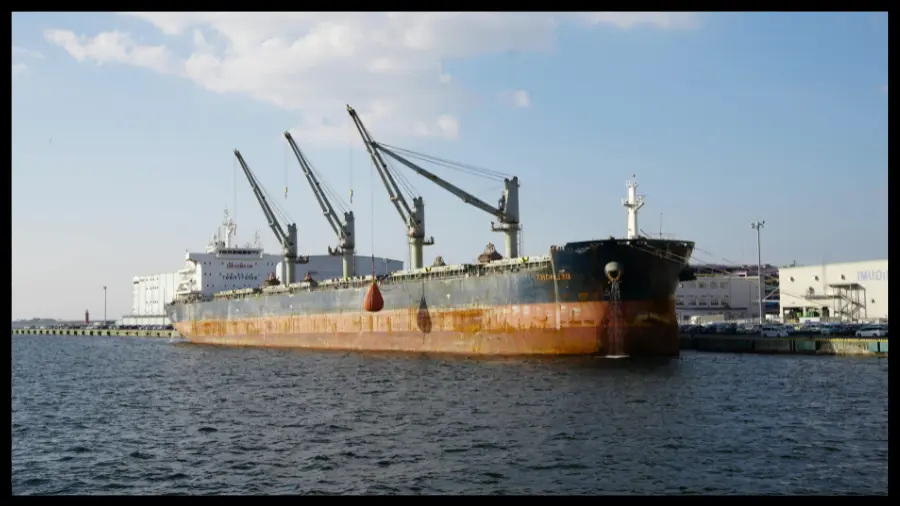
Marine fuel sales at Fujairah fell to a record low in March as the US-Iran conflict upended shipping patterns, strained fuel supply chains and pushed vessels to avoid one of the Gulf’s most important refuelling hubs. Data cited by traders and market reports showed sales at the port dropped to 158,852 cubic metres, down more than 70 per cent from February and from the same month a year earlier, underlining how sharply activity weakened at a location that normally benefits from tanker and cargo traffic moving in and out of the Strait of Hormuz.
Fujairah’s importance lies in geography as much as infrastructure. Positioned on the Gulf of Oman, outside the Strait of Hormuz, the port has long served as a critical bunkering and storage centre for vessels seeking fuel without entering the narrow waterway that carries a large share of global crude and fuel exports. That advantage was eroded once the conflict that began on 28 February disrupted regional shipping lanes, damaged confidence among shipowners and insurers, and choked the normal flow of cargoes feeding bunker demand.
The sales collapse reflected both weaker demand and tighter availability. Traders said bunker suppliers were dealing with interrupted cargo movements and heightened operating risk, while ship operators delayed calls or sought fuel elsewhere. Fujairah’s heavy fuel oil inventories fell to 3.91 million barrels by 13 April, also a record low, suggesting the slowdown was not simply a matter of buyers staying away but part of a broader squeeze on regional oil product logistics. Separate inventory data had already shown total oil product stocks in Fujairah falling steadily after the war started, with storage levels reaching a six-month low by the end of March.
The wider shipping backdrop helps explain the scale of the hit. Traffic through Hormuz had fallen to a fraction of normal levels even after ceasefire diplomacy began to emerge. One set of shipping data published last week showed only seven ships transiting the strait in a 24-hour period, against a normal daily flow of around 140. Industry reporting also indicated traffic remained well below pre-war levels and war-risk insurance premiums were still being reassessed every 48 hours, conditions that discouraged commercial operators from making discretionary port calls or taking on extra exposure near the Gulf’s most sensitive energy corridor.
That disruption has not been limited to Fujairah. Demand at nearby Khor Fakkan was also described as weak, while rival bunkering centres gained some of the displaced business. Singapore, the world’s largest marine fuel hub, saw stronger activity in the first two weeks of the conflict as shipowners rerouted and opted for more predictable refuelling points. The shift illustrates how bunker demand can migrate quickly when geopolitical risk overwhelms proximity advantages. Fujairah’s normal appeal is its location near major east-west energy flows, but in a crisis that same closeness to the Gulf theatre can become a commercial liability.
For the shipping industry, the problem has been less about a formal closure of Hormuz than about uncertainty over safe passage, sanctions enforcement and operational control. Iran has signalled different approaches in recent days, including a proposal that ships could use the Omani side of the strait without risk of attack if wider conditions were met. Yet crucial questions remain over enforcement, navigation safety and whether all categories of vessels would be treated alike. Even where military confrontation appears to ease, shipping companies, charterers and insurers do not immediately revert to normal behaviour; they wait for rules, routes and costs to stabilise.
The bunker slump also carries broader implications for the UAE’s energy and logistics ecosystem. Fujairah is more than a fuel stop. It is a strategic node linking storage, blending, ship supply and export infrastructure. Lower bunker volumes mean less throughput for associated services and fewer commercial calls at a time when the region’s ports are competing to prove reliability under stress. Satellite imagery and market reporting have added to concern by highlighting smoke and disruption around the port area, reinforcing the perception that even facilities outside Hormuz are not insulated from conflict spilling across the Gulf.
Follow Arabian Post
Select Arabian Post as your preferred source on Google and MSN News for trusted business news and Arab politics and updates.




