


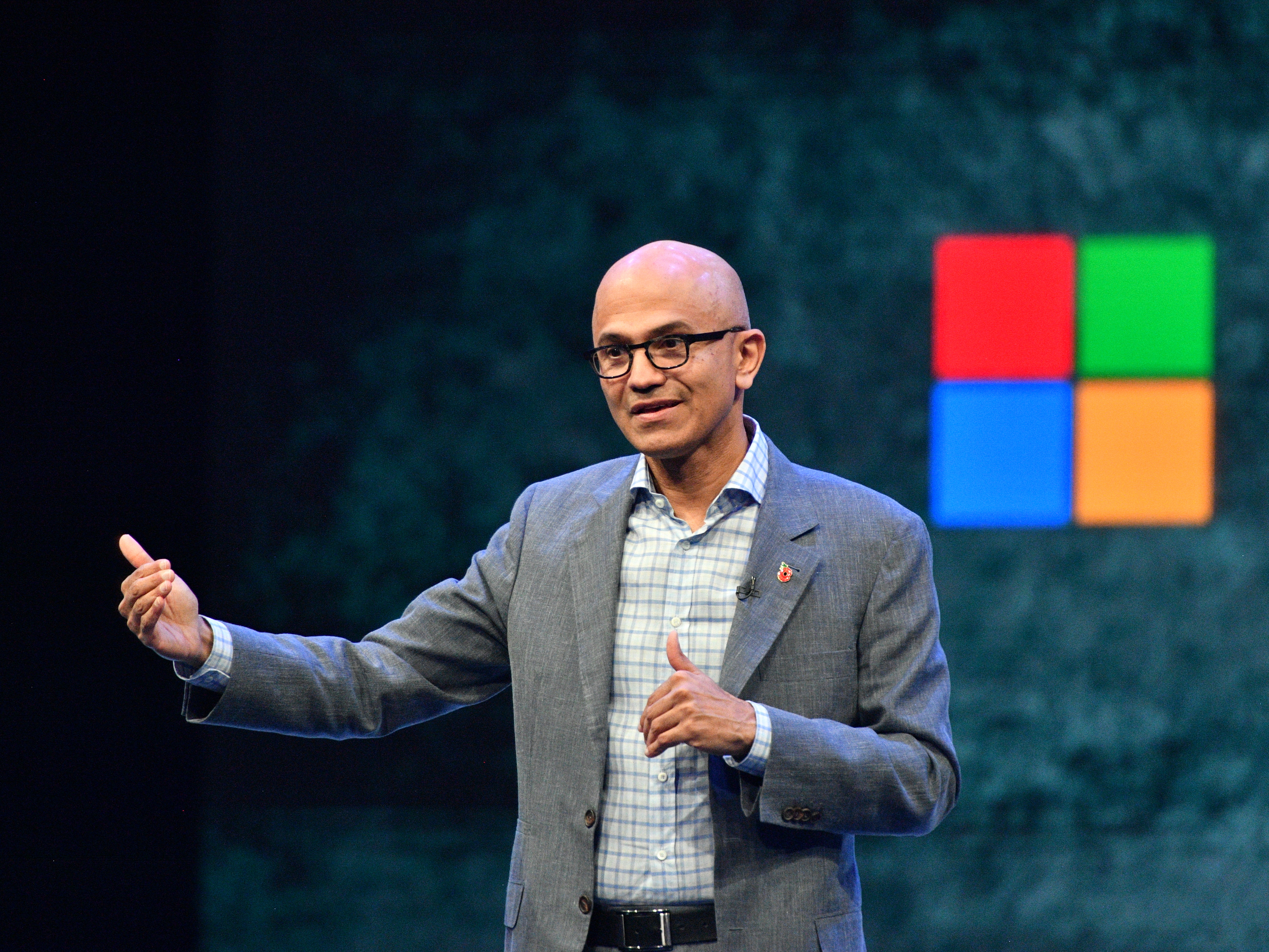
Microsoft chief executive Satya Nadella has reaffirmed the company’s long-term commitment to video games, declaring that the technology giant will “always” invest in gaming as part of its broader strategy, even as the Xbox division undergoes a significant leadership transition and faces questions about its future direction.
The assurance came during an internal discussion with the newly appointed head of Microsoft’s gaming business, Asha Sharma, as the company seeks to steady its gaming division after a major management reshuffle and speculation about how the rise of artificial intelligence could reshape Microsoft’s priorities. Nadella told staff that gaming remains one of the company’s defining pillars and will continue to receive sustained investment across hardware, software and services.
“Gaming is something we’re long on,” Nadella said during the exchange with employees. He added that Microsoft intends to continue funding development of games, platforms and cloud technologies tied to the Xbox ecosystem, emphasising that the sector has played an important role in shaping the company’s technological progress.
The remarks arrived weeks after longtime Xbox leader Phil Spencer stepped down from the role following decades at Microsoft, a move that marked one of the most consequential leadership changes in the company’s gaming history. Spencer had overseen the expansion of Xbox through major acquisitions and the growth of subscription services such as Xbox Game Pass, while also navigating fierce competition from Sony’s PlayStation platform and Nintendo’s console business.
Microsoft selected Sharma, a former senior executive in the company’s artificial intelligence division, to succeed Spencer as chief executive of Microsoft Gaming. Her appointment surprised some industry observers because her background lies largely in technology and digital platforms rather than traditional game development. The leadership change also coincided with the departure of Xbox president Sarah Bond, another influential figure in the gaming unit.
Company executives have framed the transition as an opportunity to reshape the Xbox strategy for a changing entertainment landscape. Sharma has signalled that the brand will continue to prioritise storytelling and player engagement while adapting to new distribution models that extend beyond dedicated consoles.
Microsoft’s gaming division now spans a vast portfolio that includes console hardware, subscription services, cloud streaming and a growing network of game studios. The unit expanded dramatically after the acquisition of major publishers and developers, allowing the company to control some of the industry’s most recognisable franchises. The strategy has centred on integrating games across Windows PCs, consoles and cloud platforms in order to broaden the audience beyond traditional hardware owners.
Nadella’s comments also arrive amid debate within the gaming industry about whether large technology companies will prioritise artificial intelligence investments over entertainment divisions. Some critics have suggested that Microsoft’s deep push into AI could eventually reduce emphasis on console gaming. Nadella’s intervention appears aimed at dispelling such concerns among both employees and players.
Executives argue that gaming has historically served as a testing ground for advances in graphics processing, cloud infrastructure and interactive computing. Technologies such as DirectX graphics tools helped drive innovation in the wider semiconductor and software industries, reinforcing Microsoft’s view that gaming has strategic value beyond entertainment.
Another sign of Microsoft’s continued commitment is the development of its next generation Xbox hardware, internally known as Project Helix. The device is expected to blur the line between consoles and personal computers by allowing players to run both Xbox and PC games on the same system. The approach reflects a broader industry shift towards hybrid platforms and interconnected gaming ecosystems.
Sharma has indicated that the upcoming console will focus on high-performance computing and deeper integration with Microsoft’s existing software platforms. The project is seen as central to the company’s efforts to maintain relevance in a console market dominated by Sony’s PlayStation and challenged by the expanding role of PC gaming platforms such as Valve’s Steam.
Analysts say the success of the next console generation could determine how Microsoft balances hardware with its growing emphasis on digital distribution and subscription services. Xbox Game Pass, which allows players to access a large catalogue of titles for a monthly fee, has become a cornerstone of the company’s gaming strategy and is widely viewed as a key driver of revenue growth.
Industry observers note that Microsoft’s long-term gaming ambitions extend beyond consoles. Cloud gaming services built on the company’s Azure infrastructure are designed to stream titles across smartphones, tablets and low-power devices, potentially expanding the market far beyond traditional gaming hardware.
Despite the optimism expressed by company leadership, challenges remain. Competition among major publishers and platform holders has intensified, while development costs for blockbuster games continue to climb sharply. Studios are under pressure to deliver large-scale titles that can justify budgets running into hundreds of millions of dollars.
Follow Arabian Post
Select Arabian Post as your preferred source on Google and MSN News for trusted business news and Arab politics and updates.



