News related to
China

By Nitya Chakraborty The interim Government of Bangladesh which took office on August 8 this year completed its first one hundred days on November 16. On this occasion, head of the interim Government Dr. Muhammad Yunus in a televised address to the nation on Sunday urged the people to keep patience and promised road map […]

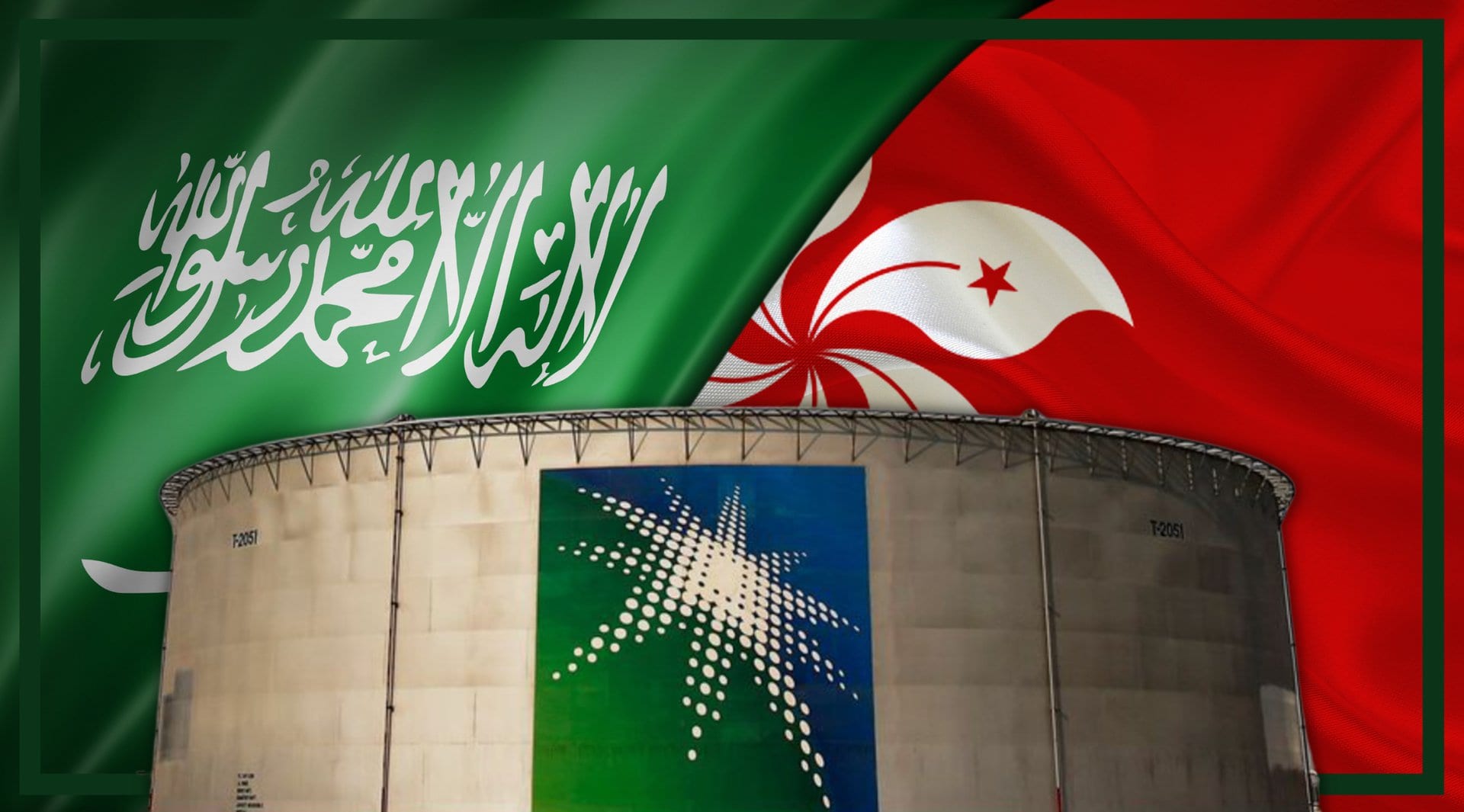
Saudi Aramco, Sinopec, and Fujian Petrochemical have officially begun the construction of a significant new refining and petrochemical complex in Fujian province, China. This collaboration marks a major step forward in enhancing energy infrastructure, with an investment that highlights the deepening trade and energy ties between the Middle East and China.

The project, located in the coastal city of Quanzhou, is poised to become a vital hub for refining and petrochemical production, aimed at bolstering the energy needs of the rapidly growing Chinese market. The new facility will process millions of tons of crude oil annually and produce a wide range of petrochemical products, further strengthening the value chain in both the refining and chemicals sectors. As one of the largest investments of its kind in the region, the project underscores the strategic importance of Sino-Saudi relations and Aramco’s broader vision for international expansion.

At the core of this venture, Saudi Aramco is contributing a substantial stake, with the company’s role as a key supplier of crude oil expected to provide crucial support to the complex’s operations. Aramco has been a key player in the Chinese market for years, consistently expanding its footprint and solidifying its presence in one of the world’s largest and most dynamic energy markets. Through this venture, Aramco continues to build on its long-standing relationship with Sinopec, one of China’s state-owned oil giants, to help meet the country’s increasing demand for refined fuels and chemicals.

Sinopec, one of China’s leading oil and gas corporations, is providing significant technical expertise and resources for the development of the new refinery. With a vast network of refineries and petrochemical facilities across China, Sinopec’s involvement is expected to enhance operational efficiencies and facilitate greater integration between refining and petrochemical processes. The partnership brings together both advanced technological capabilities and the ability to navigate the Chinese regulatory and commercial landscape, which remains critical to success in this market.

Fujian Petrochemical, a key player in China’s petrochemical industry, is a joint venture partner in the project. The company is renowned for its strategic location along China’s eastern coast and its established role in petrochemical manufacturing. By leveraging its access to the South China Sea shipping routes, Fujian Petrochemical will play a vital role in ensuring smooth logistics for the import of crude oil and the export of refined and petrochemical products.

This new project is expected to generate significant economic benefits for the region. It will provide a boost to local employment, create opportunities for small and medium-sized enterprises, and enhance the skillsets of the workforce in Quanzhou. The complex will also be a significant contributor to the local economy through taxes and royalties, aligning with the Chinese government’s ongoing efforts to modernize its energy infrastructure and industrial capabilities.

The environmental impact of this venture has also been carefully considered. While the complex will undoubtedly play an important role in meeting the energy demands of China’s rapidly developing economy, all three partners have committed to ensuring that the project adheres to the highest standards of environmental sustainability. This includes employing advanced technologies to minimize emissions, improve energy efficiency, and reduce the ecological footprint of the refinery’s operations.

The decision to locate the complex in Fujian province is strategic, as the area has long been a hub for the petrochemical industry in China. Fujian’s proximity to major shipping lanes and its well-established infrastructure make it an ideal location for such a high-capacity facility. The provincial government has expressed strong support for the project, citing its potential to contribute to regional economic growth and enhance China’s energy security.

The broader geopolitical context of this project also plays a significant role in its development. With China’s growing focus on self-sufficiency in energy production and its ambition to strengthen domestic refining and chemical manufacturing capabilities, this initiative is timely. It reflects the ongoing trend of closer cooperation between China and energy-rich nations in the Middle East, particularly in the oil and gas sector.

For Saudi Aramco, the Fujian venture represents a further expansion of its global refining and petrochemical portfolio, reinforcing its position as a dominant player in the global energy market. The company has been diversifying its operations beyond crude oil production, investing heavily in refining and petrochemicals as part of its long-term strategy to adapt to evolving energy trends and the global push toward cleaner energy solutions.

As the global energy landscape continues to evolve, with increasing emphasis on sustainability and energy transition, the timing of this major refining and petrochemical project highlights the delicate balance between meeting current energy demands and investing in future-proof technologies. For China, which remains one of the world’s largest consumers of petrochemical products, this new facility is an important step in securing reliable, high-quality energy sources that align with its ambitious economic development plans.

This collaboration also stands as a testament to the growing importance of international partnerships in the energy sector. While the primary focus remains on meeting the energy needs of China’s economy, the involvement of key players such as Aramco, Sinopec, and Fujian Petrochemical signals the increasing interdependence of the global energy market. The success of the Fujian project will likely pave the way for further cooperation between the Middle East and China in areas such as renewable energy, advanced technologies, and global infrastructure development.

A growing number of Saudi companies are now contemplating initial public offerings (IPOs) on the Hong Kong Stock Exchange (HKEX), as part of a broader strategy to diversify their global market presence. This move comes as Saudi Arabia intensifies its push to increase investments and international trade under the Vision 2030 initiative. Companies, particularly those in tech, finance, and energy sectors, are attracted by Hong Kong’s established role as a bridge between the East and the West.

Saudi officials have been increasingly open to collaborating with Hong Kong, with significant efforts to foster bilateral economic ties. Last year, the Saudi Capital Market Authority and Hong Kong’s financial regulators signed an agreement to explore investment opportunities, signaling a concerted effort to deepen economic cooperation. The deal aims to streamline listing processes for Saudi firms on HKEX, offering them access to a broader range of investors and enhancing liquidity options.

HKEX, known for its favorable regulatory environment and its role as Asia’s top IPO venue, has positioned itself as an attractive listing destination for Saudi companies. The exchange’s listing reforms, which simplify the process for foreign firms, have been tailored to attract businesses seeking to expand their market footprint. Furthermore, its proximity to mainland China—home to a burgeoning investment pool—makes it particularly appealing for Saudi companies eyeing the Asian markets.

Several factors are driving Saudi companies to seek listings outside their home market. First, Hong Kong’s international investor base offers access to global capital markets. As the Saudi stock market matures, expanding into Hong Kong provides companies with greater exposure and a diversified shareholder structure. This aligns with the Kingdom’s desire to diversify its economy away from oil dependence, tapping into other industries that are pivotal to its long-term strategy.

Among the key players in this shift is Saudi Aramco, the state-owned oil giant, which has long been a strong contender in international markets. Although Aramco itself is already listed on the Riyadh exchange, its example serves as a precedent for other large state-owned enterprises (SOEs) in Saudi Arabia. There is an expectation that sectors like technology, healthcare, and green energy will be the primary industries to benefit from this push.

Hong Kong has been an appealing destination for IPOs due to its established infrastructure for foreign listings. The exchange provides a well-regulated environment, offers both local and international investors access, and has a relatively stable market compared to other global financial hubs. Moreover, Hong Kong’s legal system, which is based on English common law, offers transparency and protection for foreign investors, further enhancing its attractiveness.

While Saudi Arabia has made considerable strides in building its own financial markets, the global nature of Hong Kong’s market presents distinct advantages. Its exposure to the Asian markets, particularly China, allows Saudi firms to tap into a rapidly growing economic zone. This is seen as a strategic move in response to the shifting dynamics of global investment, with China playing an increasingly dominant role in global finance.

Saudi Vision 2030 has also made foreign investments a priority, and this shift to international IPOs aligns with the Kingdom’s goals to integrate more deeply into the global economy. By encouraging high-profile listings abroad, Saudi Arabia hopes to enhance its credibility on the world stage, attract more foreign direct investments, and boost its non-oil economy.

LIMA, PERU – Media OutReach Newswire – 18 November 2024 – Chinese President Xi Jinping has wrapped up his state visit to Peru, where he addressed the 31st APEC Economic Leaders’ Meeting and gave a written speech at the APEC CEO Summit. At these key meetings, President Xi emphasized China’s commitment to fostering an inclusive, balanced, innovative and green global economy. President Xi Jinping in Peru: China’s […]

SINGAPORE – Media OutReach Newswire – 18 November 2024 – The esteemed Golden Bull Award, a hallmark of excellence and leadership in the business community, proudly unveils its latest cohort of honorees—20 exemplary Singaporean businesses that capture the diverse and dynamic spirit of the nation’s SMEs. This year’s award celebrates these organisations for their outstanding performance, pioneering innovation, and unwavering resilience in navigating challenges. These honorees were […]

SHENZHEN, CHINA – Media OutReach Newswire – 18 November 2024 – On November 6, 2024, the Establishment Agreement of the International Mangrove Center was officially signed in Shenzhen, Guangdong. Representatives from the first batch of 18 member countries jointly signed the agreement and unveiled the International Mangrove Center. China will use this platform to deepen communication and cooperation with all members, promote global joint actions for mangrove […]

By Nantoo Banerjee from Manila The US-backed new Philippine Maritime Zones Act and Archipelagic Sea Lanes Act clearly defining the extent and boundaries of the country’s maritime zones and nullifying China’s sweeping claims in the South China Sea promises to raise fresh tensions in the region threatening to affect the estimated global maritime trade of […]
Advertisements

China is poised to complete an ambitious environmental project by the end of this year, encircling its largest desert, the Taklamakan, with a vast green belt. This initiative, part of the nation’s long-standing efforts to combat desertification, promises to improve local ecosystems and mitigate environmental challenges faced by communities in the region. The Taklamakan Desert, located in the Xinjiang Uygur Autonomous Region, spans roughly 337,000 square kilometers, […]

Pony AI, the autonomous vehicle technology company backed by Saudi Arabia’s Public Investment Fund (PIF), is aiming for a valuation of $4.5 billion in its upcoming initial public offering (IPO) in the United States. This target marks a significant reduction from the company’s peak valuation of $8.5 billion in 2022, highlighting the challenges the self-driving vehicle industry faces amid broader market volatility and investor caution. The company’s […]

Shoppers can enjoy 12 days of exciting deals from top local and international brands, including Dyson, De’Longhi, SMEG, Bose, Hasbro, Bioderma and more Celebrate Black Friday at Amazon.sg Holiday Playground with exciting activities during selected time periods on 22 and 23 November at SuperPark Singapore SINGAPORE – Media OutReach Newswire – 18 November 2024 – (NASDAQ: AMZN) – Amazon Singapore today unveiled an exciting lineup of Black […]

Air travel demand is steadily recovering, as evidenced by the latest traffic reports from the International Air Transport Association (IATA). Despite global economic uncertainties, IATA’s January 2024 statistics indicate that passenger demand continued to grow, signaling robust recovery in the aviation sector.

Global passenger traffic surged by 40% year-on-year in January 2024, compared to the same month in 2023. This was primarily driven by increased international travel, especially in the Asia-Pacific region, where long-haul flights experienced a significant uptick. The strong rebound is also attributed to consumers’ willingness to travel, driven by pent-up demand following the pandemic.

As nations lifted COVID-related restrictions over the past year, airlines began ramping up their services to meet the growing demand. A report from IATA shows that international traffic has exceeded pre-pandemic levels, a milestone that was expected but achieved sooner than anticipated. The domestic travel sector also saw impressive results, with traffic in major markets such as the U.S., China, and India continuing to grow steadily.

IATA’s Director General, Willie Walsh, highlighted that this growth trend is consistent with the association’s forecast, which predicted a return to near-full recovery in 2024. Walsh pointed out that while inflation and high fuel prices are still challenges for the industry, the demand for travel is resilient enough to offset these pressures, marking a strong recovery trajectory.

One of the key drivers of this rebound is the resurgence in business travel, which had initially lagged in the wake of the pandemic. With many companies now adopting hybrid work models, corporate travel has rebounded sharply, especially to destinations in Europe and North America. Walsh indicated that while some business travel remains subdued, demand for international meetings, conventions, and events continues to rise, further stimulating air travel.

China, in particular, has been a standout performer, with the lifting of strict travel restrictions boosting both international and domestic flights. According to IATA, China’s air traffic levels have surpassed 2019 figures, supported by increased demand from tourists and business travelers alike. As China regains its position as a dominant player in global aviation, the country’s airlines have seen their flight frequencies and routes expand significantly.

In Europe, the trend has also been positive, with the European Union and the U.K. reporting a consistent recovery in flight bookings. Particularly notable is the increase in travel from European countries to Asia-Pacific, with long-haul flights seeing particularly strong performance. Both business and leisure travelers are driving demand, underscoring how global tourism is once again a major contributor to economic recovery.

Another important factor contributing to the ongoing recovery is the ability of airlines to adapt to new market conditions. Airlines have modernized their fleets and implemented new service offerings, such as flexible booking options, which have enhanced customer confidence. These changes have been pivotal in retaining and attracting travelers who may have been hesitant to fly just a few years ago.

However, IATA’s reports also note that the aviation industry faces several challenges moving forward. While air travel demand is recovering, issues such as rising fuel costs, inflationary pressures, and labor shortages remain. In addition, environmental sustainability concerns continue to be at the forefront of the industry, with many airlines setting ambitious carbon neutrality targets for the coming decades.

Despite these obstacles, Walsh remains optimistic. He emphasized the importance of policy support and investment in infrastructure to ensure that the industry continues to grow at a sustainable pace. Governments have been encouraged to continue their support for the aviation sector, recognizing it as a critical part of the global economy. Walsh also underlined the necessity for a coordinated approach to address sustainability goals, which will require the cooperation of airlines, manufacturers, and governments.

In terms of passenger sentiment, there is clear evidence that travelers are returning to the skies in full force. According to surveys conducted by IATA, over 70% of passengers reported feeling confident about flying, citing the enhanced safety and hygiene measures implemented by airlines in response to the pandemic. Moreover, travelers are increasingly prioritizing travel experiences, such as unique leisure and business trips, further driving the demand for air services.

The global economic outlook for emerging markets (EMs) faces mounting pressure, with US trade policies under former President Donald Trump continuing to disrupt trade and growth patterns. Citigroup analysts predict that these shifts, primarily driven by tariffs and protectionist measures, will exacerbate the challenges that EMs already grapple with, such as inflation, currency instability, and volatile capital flows. However, one country in the Middle East stands resilient: Saudi Arabia. The kingdom’s economic diversification efforts and strategic positioning in global markets have placed it in a favorable position despite ongoing global economic turbulence.

Trump’s trade war, initiated during his presidency, was centered on tariffs and trade barriers, primarily targeting China, but with ripple effects felt across various sectors and regions. As the Biden administration seeks to reverse some of these policies, analysts remain concerned about the long-term effects of trade disruptions that began during the previous administration. Trade relationships between the US and major economies have been restructured, pushing supply chains into new configurations and altering global market dynamics.

Citigroup’s latest forecast outlines how these global shifts impact emerging markets in particular, given their high exposure to US tariffs and trade restrictions. Countries in Asia, Latin America, and Africa are expected to see a slow recovery, as protectionist policies strain international trade and hinder foreign direct investment (FDI) inflows. For these nations, the US-China trade tensions have underscored their vulnerability to global supply chain disruptions. Export-dependent countries, particularly in the manufacturing and agriculture sectors, may face reduced market access to some of their largest trading partners, further hindering growth prospects.

Yet, some countries are managing to navigate these headwinds with relative ease. Saudi Arabia, buoyed by its ongoing economic reforms under the Vision 2030 initiative, appears to be one of the more resilient players in the face of these global shifts. The kingdom has significantly reduced its reliance on oil exports by developing non-oil sectors such as tourism, entertainment, and technology. Moreover, its vast sovereign wealth fund, the Public Investment Fund (PIF), has strategically invested in sectors poised for growth, such as green energy, healthcare, and artificial intelligence.

Saudi Arabia’s successful diversification strategies have positioned it to weather the storm of changing global trade conditions. Citigroup’s analysis highlights that while the US’s trade policies could dampen global economic growth, Saudi Arabia’s economic stability remains largely intact. The kingdom’s ability to maintain steady oil revenues, coupled with its ambitious reform agenda, has placed it at the forefront of efforts to build a more diversified, future-proof economy. Additionally, Saudi Arabia’s participation in major international investment initiatives, such as the Belt and Road Initiative and the G20 summit, further solidifies its standing as a key global economic player.

While many emerging markets struggle with inflationary pressures and a rising cost of living, Saudi Arabia has implemented strategic fiscal policies that keep inflation levels manageable. The country’s introduction of VAT and other tax reforms have helped bolster its financial resilience. Furthermore, the government’s commitment to large-scale infrastructure projects, such as NEOM, a futuristic city being built with cutting-edge technology, signals a strong push toward positioning the kingdom as a global hub for innovation.

However, despite these favorable conditions in Saudi Arabia, Citigroup warns that other emerging markets are not as fortunate. Nations heavily dependent on exports to the US and China, such as Mexico, Brazil, and South Africa, face significant challenges as they cope with reduced demand and trade restrictions. For these countries, the combination of trade disputes, inflationary pressures, and weaker currency values is likely to hamper economic growth in the short to medium term. Analysts also point out that the global interest rate hikes prompted by the Federal Reserve’s tightening policy may further strain emerging market economies, particularly those with substantial debt burdens.

For some countries, the trade environment under Trump’s policies has created structural weaknesses that continue to hinder growth. The slowdown in global demand for goods and services, coupled with rising costs for raw materials and energy, has impacted countries dependent on commodity exports. As a result, the broader emerging markets community is facing an uncertain recovery trajectory, with little optimism for a swift rebound.

Saudi Arabia’s resilience, however, is noteworthy in this context. The kingdom’s emphasis on economic diversification has shielded it from some of the more detrimental effects of global trade disruptions. This shift towards a more diversified economy has not only safeguarded the country’s economic standing but has also attracted international investors, further securing its position as a pivotal player in the global marketplace.

The Bitcoin Fear and Greed Index surged to an extraordinary 90 on November 17, signaling an ‘Extreme Greed’ sentiment in the cryptocurrency market. This mark, which has only been seen three times in the past, reflects heightened optimism and a surge in speculative investment, as traders and investors appear more eager than ever to embrace the volatile market. The last time this index hit a similar level was nearly three years ago, and analysts are closely monitoring this sudden spike to assess its long-term implications on Bitcoin’s price trajectory.

This sharp increase in market sentiment has stirred up both excitement and caution among market observers. The last occasions the Fear and Greed Index reached such high numbers were in 2019 and 2020, periods of rapid price increases followed by corrections. The cryptocurrency community is now wondering if history will repeat itself or if Bitcoin has entered a new era of sustained bullish behavior.

The Fear and Greed Index, a tool designed to gauge market sentiment on a scale from 0 to 100, reflects the psychological mood of investors by measuring factors like price volatility, trading volume, social media activity, and surveys. When the index reaches extreme values like 90, it often signals that the market is overheated, making it vulnerable to a pullback or sudden correction. However, for many Bitcoin enthusiasts, these numbers can also be a signal of continued upward momentum.

Historically, periods of extreme greed have been followed by significant price swings. For instance, the 95 reading from June 26, 2019, coincided with a massive rally that saw Bitcoin’s price rise from around $3,500 to $13,800 within a span of just six months. Similarly, in December 2020 and January 2021, Bitcoin saw a steady climb, crossing the $40,000 mark after months of extreme greed in the market.

The trend in 2021 was particularly notable as Bitcoin reached an all-time high above $60,000 in April, but quickly fell back under $30,000 by July. This marked a period of high volatility, demonstrating how quickly the market can shift from euphoria to fear. Investors have long debated whether these rapid cycles of boom and bust are an inherent part of Bitcoin’s behavior or whether the cryptocurrency has reached a level of maturity that will temper these fluctuations.

With the Fear and Greed Index at 90, the market is again facing similar conditions. The latest surge comes amid growing institutional interest in Bitcoin, as companies like MicroStrategy, Tesla, and Square have all made substantial investments in the digital currency. This institutional involvement has provided a degree of legitimacy to Bitcoin, which was once seen primarily as a speculative asset. Now, as more hedge funds and financial firms enter the space, many are predicting that Bitcoin’s volatility may decrease, although the current spike in sentiment would suggest otherwise.

Further driving this bullish sentiment is the recent activity in the broader cryptocurrency market, which has seen impressive growth across altcoins as well. Ethereum, the second-largest cryptocurrency by market capitalization, has also been gaining traction, partly due to its role in decentralized finance (DeFi) and its upcoming network upgrades aimed at improving scalability. This has led to a renewed interest in the broader crypto ecosystem, with Bitcoin often viewed as a bellwether for the entire market.

Some analysts, however, remain cautious, warning that extreme greed could lead to a price correction. The market’s unpredictable nature is amplified by external factors such as government regulations and macroeconomic conditions. In the past, China’s crackdown on cryptocurrency mining and trading has led to sudden market drops, and recent discussions around U.S. regulatory measures have raised concerns over potential tightening of crypto policies.

The Fear and Greed Index is also influenced by public sentiment and media coverage. Bitcoin has garnered increased attention from mainstream media outlets, particularly as the price of Bitcoin has soared in 2024. This media coverage has sparked a new wave of retail investment, with more individuals entering the market without fully understanding the risks involved. The growing presence of social media influencers in the cryptocurrency space has further amplified these feelings of optimism, with prominent figures encouraging followers to invest in Bitcoin as a hedge against inflation or as a means of achieving significant returns.

Despite the overwhelming sense of optimism, some are warning that the Bitcoin market remains highly speculative. Bitcoin’s inherent volatility means that even small shifts in investor sentiment can cause large fluctuations in price. The high levels of greed recorded on the index could be a precursor to another sudden sell-off, where a rapid rise in price triggers profit-taking and causes a sharp decline. This cycle of fear and greed is something that Bitcoin investors have experienced multiple times in the past, and while each cycle offers new lessons, it remains a constant in the world of cryptocurrency.

What stands out about this particular surge in the Fear and Greed Index is the context in which it occurs. Bitcoin has shown resilience amid global economic uncertainty, and many investors now view it as a store of value, similar to gold. With inflation fears, currency devaluation, and geopolitical tensions rising around the world, more individuals are turning to Bitcoin as a hedge, driving up demand and fueling the optimism reflected in the index.


Dedicated to Promoting the Development of eVTOL Technology and Boosting the Low-altitude Economy in Hong Kong and the Greater Bay Area of China HONG KONG SAR – Media OutReach Newswire – 18 November 2024 – To support the Hong Kong Government’s initiative to develop the low-altitude economy, the Centre for Intelligent Multidimensional Data Analysis (CIMDA) at the City University of Hong Kong (CityU), a member of the […]

SINGAPORE – Media OutReach Newswire – 15 November 2024 – Woh Hup, an esteemed name in the world of Asian sauces, proudly marks its 88th anniversary this year. Known for its delicious sauces, concentrated stocks, and instant noodles, Woh Hup has embarked on a remarkable journey fueled by a passion for crafting recipes that have stood the test of time, beloved by both professional chefs and homemakers. […]

Hong Kong’s first spectacular pyrotechnic show at a shopping mall 2,024 dazzling pyrotechnics light up Sha Tin’s night sky A day of exciting free activities, 300 shopping discounts and mega events to boost the local economy HONG KONG SAR – Media OutReach Newswire – 17 November 2024 – In a year that marks the 75th anniversary of the founding of the People’s Republic of China, Sun Hung […]

Chinese President Xi Jinping has expressed a willingness to engage with former U.S. President Donald Trump to enhance bilateral relations between the two largest global economies. This statement came during a recent conversation with U.S. President Joe Biden, underscoring China’s interest in improving its ties with Washington amid ongoing economic and political tensions. Xi’s remarks suggest a strategic shift in Beijing’s approach, highlighting the potential for renewed cooperation with the U.S., particularly through its past leadership.

The relationship between China and the U.S. has been marked by friction, especially under the Trump administration, with trade wars, tariffs, and rising geopolitical concerns. Trump’s confrontational stance towards China on issues like trade deficits, intellectual property theft, and human rights has left a lasting impact. However, Xi’s latest comments reflect an openness to revisiting this complex relationship. The Chinese leader’s readiness to collaborate with Trump, despite his previous criticism of the U.S. policies, signals a potential thaw in the ongoing diplomatic and economic stalemate.

This shift comes at a time when both China and the U.S. are facing significant domestic and international challenges. China, with its slowing economy, has been actively seeking to stabilize its global standing, particularly as the U.S. remains a central economic and political competitor. For the U.S., rebuilding ties with China could be crucial for securing long-term economic interests and addressing global issues such as climate change and regional security in Asia.

Experts are now speculating about the implications of Xi’s willingness to engage with Trump, especially considering the former president’s influential position within the Republican Party. A strengthened relationship between China and the U.S. could offer new avenues for trade and investment, particularly as both countries navigate a complex global landscape post-pandemic. However, this move also raises questions about the future of U.S. foreign policy and how the Biden administration will respond to such overtures from Beijing.

As the world’s two largest economies, China and the U.S. remain at the center of global discussions on economic policy, trade, and security. Any shift in their relationship could have significant consequences for the global market, regional stability, and international diplomacy. Xi’s offer to work with Trump suggests that Beijing is exploring all possible avenues to improve its standing on the world stage, while the U.S. will need to carefully consider its next steps in navigating this evolving dynamic.

US President Joe Biden and Chinese President Xi Jinping have reached a significant understanding concerning the governance of nuclear weapons, agreeing that neither nation will allow artificial intelligence to control their nuclear arsenals. This agreement was made public during a high-level summit on Saturday, where both leaders emphasized the importance of maintaining human oversight over nuclear weapon systems in the context of rapid advancements in AI technology. […]

SINGAPORE – Media OutReach Newswire – 15 November 2024 – TDCX, an award-winning digital customer experience (CX) solutions provider for technology and blue-chip companies, has been honored by the Financial Times (FT) as one of the Best Employers in Asia-Pacific (APAC) 2025. This inaugural award, conducted in partnership with Statista, recognizes TDCX’s commitment to creating an exceptional work environment for its employees. TDCX’s strong workplace practices have […]

SHANGHAI, CHINA – Media OutReach Newswire – 15 November 2024 – Frost & Sullivan released the Emerging Asia-Pacific Big Data Market Research Report, 2024, in October 2024. The report provides an in-depth analysis of the big data market across key emerging markets in the emerging Asia-Pacific region, including Hong Kong SAR, the Philippines, Indonesia, Malaysia, Singapore, Thailand, Bangladesh and Sri Lanka. The report highlights the critical role […]

MSB, Backbase and SmartOSC announce partnership in signing ceremony HANOI, VIETNAM – Media OutReach Newswire – 15 November 2024 – Backbase, creator of the Engagement Banking Platform, today announces that Maritime Commercial Joint Stock Bank (MSB), has made a strategic investment in the Backbase Engagement Banking Platform, with local implementation support from Backbase’s partner, SmartOSC, a premium digital enabler. This milestone marks a pivotal step in MSB’s […]

By Nitya Chakraborty The 2024 G-20 Summit is taking place in Rio de Janeiro on November 18 and 19 in the background of two continuing wars in Ukraine and West Asia and the intensification of eco-political crisis in Europe. Moreover, the victory of Donald Trump in the November 5 presidential elections in USA has led […]

NANCHANG, CHINA – Media OutReach Newswire – 15 November 2024 – Recently, at the 8th China Intangible Cultural Heritage Expo, Jiangxi’s paper-cutting, traditional Chinese medicine, ceramics, and other intangible cultural heritage crafts gained great attention from many media outlets and visitors. Jiangxi’s intangible cultural heritage is rich and varied. These crafts and projects not only reflect the remarkable achievements of Jiangxi people in opera, textile, ceramic production, […]

HEFEI, CHINA – Media OutReach Newswire – 15 November 2024 – On November 15, the 2024 China Huangshan Book Fair commenced in Hefei, Anhui Province. This year’s event highlights its focus on “thematic development, internationalization, digitalization, and lifestyle integration,” featuring a diverse array of cultural activities, including themed exhibitions and sales of publications, industry forums, reading promotion initiatives, cultural livestreams, digital experiences, and project discussions. The fair […]

VISHNU RAJA
RYO YAMADA
HITORI GOTOH
IKUYO KITA