News related to
China

KUALA LUMPUR, MALAYSIA – Media OutReach Newswire – 6 November 2024 – Current developments and key facts As of 7:00 a.m. UTC, most data providers, including ABC, CBS, NBC, and CNN, projected that Donald Trump would become the next president of the United States. However, even as Trump’s victory looks almost guaranteed at this point, it is the balance of power in the U.S. Congress that will […]

Tajul Islam Donald Trump’s recent critique of Bangladesh on social media, branding it as a nation rife with “barbaric violence” against religious minorities and claiming it exists in a “total state of chaos,” has drawn significant attention. This statement, made just days before the US presidential election, appears to be an effort to appeal to Hindu-American voters, a demographic that has increasingly urged Trump to address issues related […]

Bitcoin has surged to an all-time high as traders factor in the possibility of a Donald Trump victory in the upcoming U.S. presidential election. The cryptocurrency reached new heights, surpassing the $40,000 mark for the first time, driven by a combination of factors, including growing political uncertainty, the appeal of Trump’s economic policies, and an increasing demand for decentralized assets as hedges against inflation.

As the election race intensifies, market analysts are closely monitoring how Trump’s political resurgence could impact traditional markets and the broader economy. Traders seem to be betting that a second Trump presidency would lead to favorable conditions for Bitcoin, particularly given his past rhetoric on the benefits of digital currencies and his critical stance toward centralized financial systems.

Bitcoin’s rapid rise comes at a time when the broader global economy is grappling with uncertainty. The U.S. economy, though resilient in many ways, faces challenges such as inflation, supply chain disruptions, and a fluctuating stock market. With the Federal Reserve’s interest rate hikes and the push for tightening monetary policy, many investors are looking for assets that provide an alternative to traditional banking systems. Bitcoin, often viewed as a store of value similar to gold, fits the bill.

Trump’s influence on Bitcoin’s price movement is not entirely new. In 2017, during his first presidential campaign, Bitcoin saw significant price appreciation, as his anti-establishment rhetoric resonated with many investors seeking refuge from a perceived unstable traditional financial system. His leadership style, coupled with calls to deregulate the financial sector, has always aligned with the ideals of the crypto community, which champions decentralization and reduced government oversight.

The current market sentiment surrounding Bitcoin reflects growing confidence in the cryptocurrency’s long-term potential, especially among traders who perceive Trump’s economic policies as supportive of asset appreciation. Trump’s stance on cryptocurrencies has evolved over time. Initially dismissive, his recent statements have indicated a more favorable approach, particularly with the rise of Bitcoin’s mainstream appeal.

While Bitcoin’s value continues to climb, it has also drawn attention from traditional financial institutions, who are taking a closer look at the asset class. Major financial firms are increasingly open to the idea of incorporating Bitcoin into their portfolios, with some even offering products that allow clients to invest directly in the cryptocurrency. This shift represents a growing mainstream acceptance of Bitcoin, which was once viewed as a speculative and volatile asset.

The surge in Bitcoin’s price is not solely attributable to political factors. The rise of institutional investment, the increasing adoption of blockchain technology, and regulatory clarity are all contributing to the cryptocurrency’s appeal. In countries like El Salvador, where Bitcoin has been adopted as legal tender, the digital currency’s role as a financial tool has become more apparent. The growing use of blockchain technology in industries ranging from supply chain management to healthcare also bodes well for Bitcoin’s future, as it becomes increasingly intertwined with global economic systems.

In the U.S., Bitcoin’s role in the political sphere is also gaining attention. Some political figures, particularly those aligned with the Republican Party, have expressed support for digital currencies, viewing them as a way to counterbalance the influence of the Federal Reserve and the U.S. dollar. Trump, despite his criticisms of the current administration, has been vocal in supporting policies that could benefit the cryptocurrency market. His stance on cryptocurrency has been a mixture of endorsement and skepticism, but his broader economic agenda, which favors lower taxes, deregulation, and less government intervention, aligns with the pro-crypto sentiment prevalent in the market.

Despite Bitcoin’s bullish momentum, there are concerns about the potential risks associated with such rapid price increases. Critics warn that Bitcoin’s volatility could result in a market correction, particularly if traders begin to overextend their positions. Additionally, global regulatory pressures could affect the asset’s price trajectory. Some governments, including China and the European Union, have signaled that they may take a more stringent approach to cryptocurrency regulation, which could influence market sentiment and investor behavior.


Bitcoin’s market capitalization surged, positioning it as the 10th most valuable asset globally, overtaking Meta’s market cap in a significant milestone for digital currency. Valued at $1.469 trillion, Bitcoin now stands among a roster of prominent corporations and precious metals, reflecting a growing mainstream acceptance of cryptocurrency as a valuable financial asset. As it edges past Meta’s $1.415 trillion, this advancement underscores Bitcoin’s emerging stability and appeal, bridging the gap between traditional finance and digital assets.

The rise in Bitcoin’s market value comes amidst a period of renewed interest in cryptocurrency assets as broader economic concerns drive investors toward alternative assets. Bitcoin, often viewed as “digital gold,” has sustained a strong appeal among investors seeking a hedge against inflation and financial uncertainty. This achievement follows years of volatility within the cryptocurrency market, highlighting Bitcoin’s shift from a niche digital asset to one recognized within established financial circles as a potentially viable store of value.

Bitcoin’s rise to this financial echelon highlights its unique qualities, particularly as a decentralized asset unaffected by conventional monetary policies. With a limited supply capped at 21 million coins, Bitcoin’s scarcity plays a crucial role in its valuation, differentiating it from traditional currencies that can be influenced by central banks. Analysts point to Bitcoin’s fixed supply as one reason for its attractiveness in times of inflation, with many investors considering it a secure store of value akin to gold. Unlike fiat currencies, Bitcoin operates on a decentralized network, offering users autonomy and a form of financial independence that centralized assets cannot match.

Some financial experts interpret Bitcoin’s advancement in market valuation as indicative of a shifting perception among institutional investors, who increasingly view digital assets as part of a balanced investment portfolio. High-profile financial firms, including Fidelity, BlackRock, and others, have shown interest in cryptocurrency by developing infrastructure for institutional clients, fueling the belief that Bitcoin and similar assets are becoming indispensable in modern financial strategy. Bitcoin’s integration into mainstream finance continues, with exchange-traded funds (ETFs) and other investment products creating access points for investors previously hesitant to engage in digital currency markets directly.

Notwithstanding this impressive ascent, Bitcoin’s market performance has been marked by fluctuations. In 2021, Bitcoin’s value experienced a meteoric rise, crossing the $60,000 threshold before undergoing a sharp decline during 2022’s “crypto winter,” which saw significant losses in the broader digital asset space. This volatility has led to caution among traditional investors, yet the asset’s resilience in rebounding from lows strengthens the case for Bitcoin’s potential long-term viability. While its trajectory has not been linear, Bitcoin’s consistent recovery and growth reflect a degree of maturity in the market, contrasting with its early years characterized by extreme swings.

Bitcoin’s surpassing of Meta by market capitalization also draws attention to the contrasting models and trajectories of the two assets. While Meta represents a centralized technology behemoth navigating privacy concerns and regulatory scrutiny, Bitcoin offers a decentralized, transparent financial option free from central governance. Bitcoin’s public blockchain allows participants to verify transactions without a central authority, ensuring transparency and security. As technology giants like Meta face ongoing scrutiny over data privacy, Bitcoin’s appeal as an open and censorship-resistant currency is amplified, making it particularly attractive to a generation attuned to digital privacy issues.

Despite Bitcoin’s growth, regulatory challenges remain. The cryptocurrency sector faces varied regulatory approaches worldwide, with some countries such as the United States and China imposing restrictions or outright bans, while others, including El Salvador and Switzerland, embrace digital currencies through legislative frameworks. Regulatory ambiguity has prompted industry stakeholders to advocate for clearer policies that protect consumers while fostering innovation. Regulatory stability, proponents argue, is essential to ensure long-term confidence in digital assets among institutional and retail investors alike.

Bitcoin’s evolving role also underscores potential shifts in the global financial ecosystem, with digital assets increasingly positioned as integral to the future of finance. Central banks globally have observed Bitcoin’s growth with a mixture of apprehension and intrigue, with many exploring the idea of central bank digital currencies (CBDCs) to create government-backed digital equivalents. These digital currencies could enhance payment efficiencies and reduce transaction costs, although they differ fundamentally from decentralized cryptocurrencies like Bitcoin. In exploring CBDCs, governments aim to modernize financial infrastructure, yet many remain cautious of the unregulated nature of Bitcoin, which operates beyond central control and oversight.

HONG KONG SAR – Media OutReach Newswire – 6 November 2024 – At the “2024 Hong Kong International ESG Awards Ceremony” held today at the Island Shangri-La Hotel, China Wantian Holdings Limited (Stock Code: 1854.HK) was honored with the “Best ESG Pioneer Award.” This award recognizes the Group’s outstanding contributions to sustainable development and ESG practices, highlighting its commitment to creating a green future. Mr. Or Chuen […]

China’s strategic move to sell its inaugural sovereign dollar bonds in Saudi Arabia marks a significant step in its international finance ambitions, reflecting its broader goal of bolstering ties within the Middle East. This issuance aligns with China’s ongoing efforts to deepen its influence in global bond markets, strategically selecting Riyadh as a financial hub to tap into capital flows and investment networks in the region. By […]

International Forum for sustainable development gathered political and commercial leaders HONG KONG SAR – Media OutReach Newswire – 4 November 2024 – To celebrate its 35th Anniversary, Hong Kong Quality Assurance Agency (HKQAA) held the 35th Anniversary Forum cum Celebration Ceremony at Ballroom, Level 3, JW Marriott Hotel Hong Kong. The Forum in the morning session was officiated by Mr Christopher Hui, GBS, JP, Secretary for Financial […]

Advertisements

Celebrates Excellence in Luxury, Service, and World-Class Hospitality MACAU SAR – Media OutReach Newswire – 4 November 2024 – This golden autumn season marks another triumphant chapter for Galaxy Macau™ Integrated Resort (“Galaxy Macau”), as its exceptional dining, hotel, and spa offerings have earned a series of prestigious awards. These honors reflect the discerning preferences of global travelers, further solidifying Galaxy Macau’s position as the “Most Spectacular […]

By Nantoo Banerjee With geopolitical tensions rising in Europe and Asia and central banks across the world buying gold like never before are mainly behind the near continuous rise in gold prices since last year. The surging gold price trend may continue through the coming months unless peace and economic stability soon return to the […]

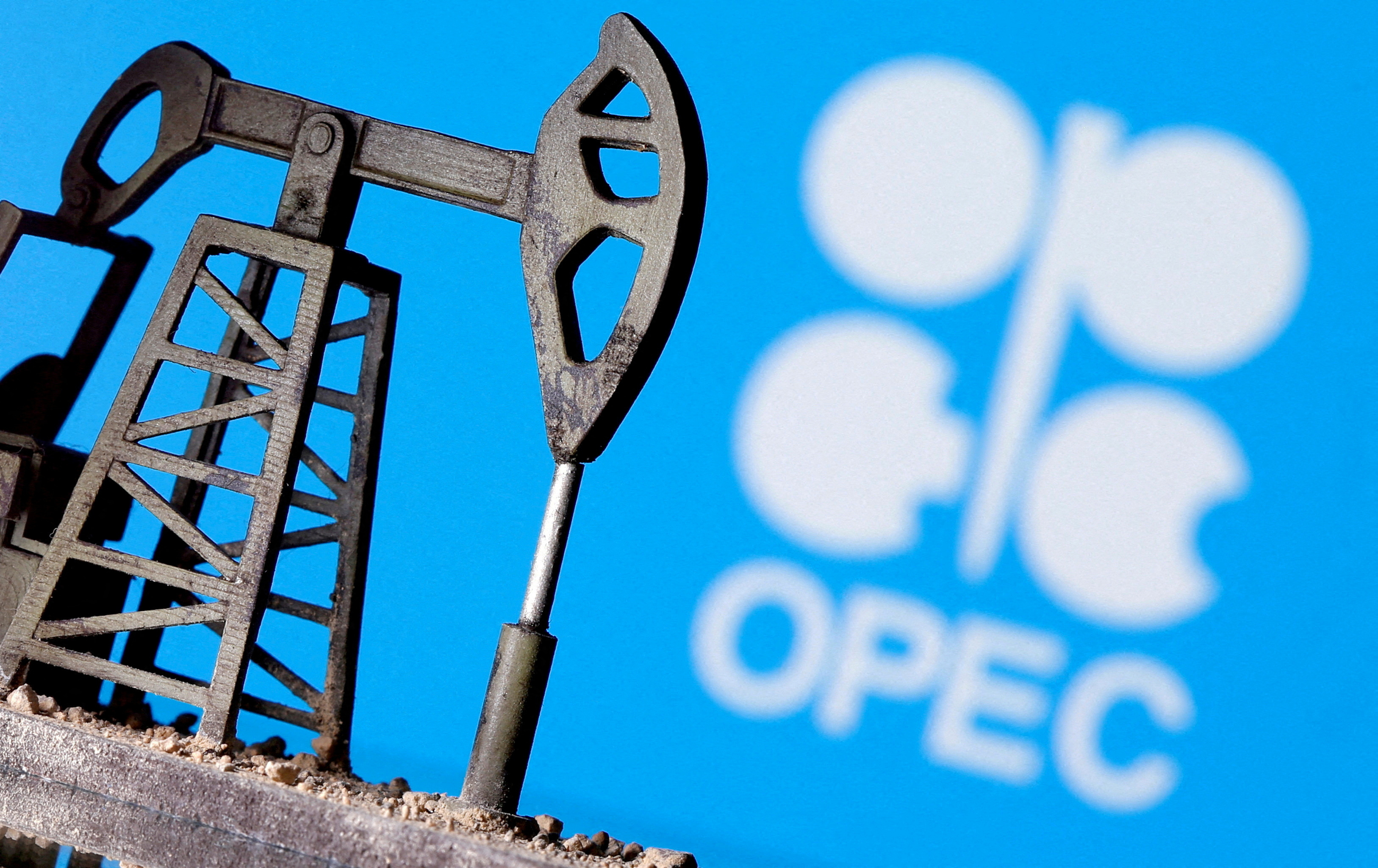
OPEC+ has announced a delay in the anticipated resumption of oil supply cuts, reflecting the ongoing challenges within the global crude market as prices continue to struggle. This decision follows a meeting of the coalition’s Joint Ministerial Monitoring Committee, where key players voiced concerns over persistent low oil prices and their impact on market stability.

In its recent deliberations, OPEC+ leaders emphasized the need for a strategic approach to support oil prices, which have seen significant fluctuations in the past year. Current benchmarks for crude oil have hovered around $80 per barrel, well below the levels needed for many member countries to balance their budgets. The ongoing geopolitical tensions and the potential economic fallout from inflationary pressures have further complicated the landscape, prompting OPEC+ to reconsider its production strategy.

The decision to delay the resumption of supply cuts is particularly notable given that earlier predictions had pointed towards an increase in production levels by the end of the year. Several member states, particularly those reliant on oil revenue, had anticipated a gradual easing of the cuts implemented to stabilize the market amid the COVID-19 pandemic. Instead, the coalition now appears to be adopting a more cautious stance, prioritizing price recovery over volume increase.

Saudi Arabia, the de facto leader of OPEC, has been vocal in advocating for measures to sustain oil prices. The Kingdom’s Energy Minister, Prince Abdulaziz bin Salman, reiterated the importance of market stability, emphasizing that the organization must remain vigilant in its assessment of global demand and supply dynamics. His remarks highlight the broader sentiment among OPEC+ members regarding the delicate balance required to navigate current market conditions.

Market analysts have pointed to several factors contributing to the ongoing volatility in oil prices. Demand forecasts have been revised downward, largely influenced by slowing economic growth in major economies such as China and Europe. Additionally, concerns regarding a potential resurgence of COVID-19 variants and their impact on global mobility have added to the uncertainty. As a result, some analysts project that oil demand may not rebound to pre-pandemic levels for some time.

Iran’s position within OPEC+ has also added complexity to the group’s dynamics. With ongoing negotiations surrounding the Joint Comprehensive Plan of Action, there is speculation about Iran’s potential return to the market. Should sanctions be lifted, the influx of Iranian oil could further exacerbate supply challenges, undermining efforts to stabilize prices. The coalition remains divided over how to handle Iran’s situation, as some members fear that increased production from Iran could lead to an oversupply, thereby pushing prices lower.

U.S. shale production continues to be a significant player in the global oil market. The American shale industry has proven to be remarkably resilient, adapting quickly to changing price environments. As crude prices struggle, shale producers have ramped up production, providing a counterbalance to OPEC+’s efforts to restrict supply. This dynamic has led to a tug-of-war in the market, with OPEC+ trying to manage its output while the U.S. shale industry responds to price signals by increasing production.

As OPEC+ deliberates its next steps, the energy market is also keeping a close eye on the potential impacts of environmental policies and the transition towards renewable energy sources. The global shift towards sustainability and decarbonization is expected to influence long-term oil demand. Many analysts predict that the transition could accelerate, particularly as countries commit to more aggressive climate goals. This has raised questions about the future role of oil in the global energy mix and how OPEC+ will adapt to these changes.

Looking ahead, OPEC+ faces the challenge of balancing its traditional role as a stabilizer in the oil market with the evolving landscape of energy consumption and production. The coalition’s next meeting, scheduled for December, will be crucial in shaping its strategy. Participants will likely focus on assessing both the short-term market outlook and the long-term implications of the ongoing transition towards alternative energy sources.

Venture capital funding in the Americas took a significant lead in Q3 2024, according to KPMG’s Q3 Venture Pulse Report, reflecting both the strength of U.S. technology sectors and ongoing international interest in AI, defense technology, and clean energy. Despite an overall decline in global funding volume, the Americas have continued to dominate, with North American firms capturing the lion’s share of investments, led by growth in generative AI, defense tech, and other high-stakes innovations, even as other regions recorded slower capital inflows.

The third quarter saw roughly $38 billion raised by VC-backed companies globally, with over half of this funding directed to American companies. AI alone accounted for an impressive 33% of all U.S. venture capital funding, showing the sector’s resilience even as some high-profile names, such as Anthropic and OpenAI, completed multimillion-dollar funding rounds this year. Notably, VC funding in Europe, the Middle East, and Asia has contracted compared to previous quarters. In Europe, market watchers note that funding has slowed down, especially in fintech and climate tech, previously fast-growing sectors. In Asia, investments have shown mixed results; China’s subdued economic environment impacted overall venture capital inflows, although China saw continued investment in artificial intelligence, robotics, and advanced manufacturing.

A shift in defense technology investments has emerged in 2024, with the U.S. and allied nations emphasizing strategic technologies that support national security. This has resulted in significant funding growth for American defense-tech firms, which benefited from increased federal spending and private sector collaboration. Noteworthy deals included significant rounds raised by emerging defense-tech firms that are leveraging AI to enhance surveillance, reconnaissance, and cybersecurity operations. The U.S. government’s increased focus on countering security risks from AI-related technologies has spurred both private and public investment in dual-use tech—civilian technologies with potential military applications, which are becoming increasingly prioritized.

Generative AI has maintained its role as a primary driver of VC funding. According to data from Accel, AI-related startups received nearly two-thirds of all generative AI funding across the U.S., Europe, and Israel. This trend was most visible in large-scale investments in foundational AI infrastructure, including cloud services, model training, and neural network development. Market research indicates that U.S. firms like OpenAI continue to set records, raising approximately $18.9 billion since early 2023, with Anthropic following closely with $7.8 billion. Notably, new players such as Elon Musk’s xAI have also seen significant investments, reflecting the strategic importance and market enthusiasm for AI innovation.

In Europe, artificial intelligence continues to attract capital, albeit at a slower pace. Notable AI recipients included Wayve, a UK-based autonomous driving startup, and Mistral, a French AI firm focusing on natural language processing. While European investment levels have softened overall, AI and defense-related sectors show continued resilience, aligning with national priorities and security considerations.

Globally, clean energy investments also attracted substantial VC interest, especially in areas related to hydrogen and battery technologies. Despite the sector’s promise, climate tech funding was one of the hardest-hit areas globally, affected by economic uncertainties and fluctuating energy prices. This has led to a more conservative approach from investors, although breakthroughs in energy storage, carbon capture, and hydrogen fuel cells remain attractive for long-term investors looking at green energy’s potential within sustainability mandates and decarbonization policies.

Huawei’s latest operating system, HarmonyOS NEXT, is driving a significant shift in China’s digital currency landscape. Integrating the country’s central bank digital currency (CBDC), known as the digital yuan, directly into the operating system, Huawei aims to facilitate instant, secure, and direct transactions across devices for over a billion users, enhancing digital financial interactions in China’s fast-evolving tech sector.

With HarmonyOS NEXT, Huawei introduces a native compatibility feature that embeds the digital yuan, enabling secure transactions without the need for third-party apps like Alipay or WeChat Pay, which currently dominate the digital payment scene. This integration also leverages HarmonyOS’s unique atomic transaction capabilities, which allow immediate, two-way exchanges suited for digital payments and IoT applications. Such a setup is anticipated to accelerate the adoption of the digital yuan for both consumer and business uses, providing an alternative to traditional payment services in China.

Huawei’s strategic move to incorporate the digital yuan into HarmonyOS also aligns with Beijing’s efforts to build a sovereign digital payment infrastructure, a step away from reliance on foreign platforms. This initiative comes as China seeks greater control over its tech ecosystem, particularly in the context of mounting tensions with the United States. Since Huawei was barred from using Google services, the company has pursued self-reliance aggressively, first by launching HarmonyOS in 2019 and now with HarmonyOS NEXT, which completely abandons Android compatibility.

CEO Speaks in FinTech Panel Discussions HONG KONG SAR – Media OutReach Newswire – 4 November 2024 – XTransfer, the World’s Leading & China’s No.1 B2B Cross-Border Trade Payment Platform, was featured at Hong Kong Fintech Week 2024 last week as both an exhibitor and a main sponsor. The event attracted significant attention to XTransfer‘s booth, where attendees learned about the company’s innovation for secure and speedy […]

M A Hossain As the United States approaches its 2025 presidential inauguration, the potential impact on US foreign policy is under close examination, particularly concerning the Global South. The countries in these regions—spanning across Latin America, Africa, and parts of Asia—face unique challenges and opportunities based on whether the next US president will be Donald Trump or Kamala Harris. The candidates’ distinct approaches to international relations, trade, […]

HONG KONG SAR – Media OutReach Newswire – 31 October 2024 – International Genius Company (“IGC“, stock code: 0033.HK) is pleased to release its annual report for the year ended 30 June 2024 (the “Year under Review“). During the Year under Review, IGC has been continuously promoting strategic transformation through two engines: “technology driven + innovative cooperation model”. IGC aims to become an artificial intelligence trading technology […]

HONG KONG SAR – EQS Newswire – 31 October 2024 – Activation Group Holdings Limited (“Activation Group” or the “Company”, together with its subsidiaries, the “Group”, stock code: 9919.HK), a leading marketing group for pan-fashion brands in Greater China, is pleased to announce that Joint-Chairman and CEO, Mr. Lau Kam Yiu and Joint-Chairman and CFO, Mr. Ng Bo Sing were honored with an invitation to attend the […]

Application for drug marketing registration duly submitted Super heavyweight items are expected to drive performance soaring HONG KONG SAR – Media OutReach Newswire – 1 November 2024 – AIM Vaccine (06660.HK) announced on 1st November that the application for drug marketing registration of the Company’s independently developed 13-valent pneumonia conjugate vaccine has been submitted to the National Medical Products Administration. AIM Persistence Biopharmaceutical Co., Ltd., a wholly-owned […]

Award recipients to receive in-kind technologies and services to accelerate therapeutics to market Merck experts to provide consultation and training in qualification, risk assessment, and process optimization Program extended this year to Australia, New Zealand, Taiwan, South Korea SINGAPORE – Media OutReach Newswire – 1 November 2024 – Merck, a leading science and technology company, today announced the winners of its Emerging Biotech (EB) Grant Program in […]

HONG KONG SAR – Media OutReach Newswire – 1 November 2024 – On 26 September, Lee Kum Kee rejoiced as the recipient of the esteemed ‘Grand Award’, ‘The Most Devoted Award’ and ‘The Most Innovative Award’ at the Federation of Hong Kong Industries’ (FHKI) Industry Cares Recognition Scheme 2024 Presentation Ceremony. The accolades recognise Lee Kum Kee’s innovative spirit and outstanding performance in fulfilling corporate social responsibilities. […]

HONG KONG SAR – Media OutReach Newswire – 1 November 2024 – Luxshare Precision (002475.SZ) announced its Q3 2024 financial results on October 25. In the first three quarters of the year, the company achieved approximately RMB177.177 billion in revenue, reflecting a year-on-year growth of 13.67%. The net profit attributable to shareholders of the listed company reached RMB9.075 billion, marking a year-on-year increase of 23.06%. These figures […]

New ‘Designer of the Year’ Award Unveiled HONG KONG SAR – Media OutReach Newswire – 1 November 2024 – Hong Kong Design Centre (HKDC) is pleased to announce the esteemed laureates of the DFA Awards 2024, celebrating the innovative spirit and profound impact of design across Asia. This year, DFA Awards introduced an exciting new accolade, the DFA Designer of the Year, marking a significant milestone in […]

Special Working Group Committed to Strengthening Chinese Investment in Preah Sihanouk Province HONG KONG SAR – Media OutReach Newswire – 1 November 2024 – The Preah Sihanouk Province Investment Promotion Working Group is set to launch a two-city “Invest in Preah Sihanouk Province Roadshow” in Xiamen and Hong Kong on October 30 and November 1, 2024. This initiative aims to foster investment in Cambodia’s emerging economic hub, […]

By Nitya Chakraborty Republican candidate Donald Trump’s Diwali message, just four days before the crucial November 5 presidential elections in USA, has enormous significance, which goes beyond the possible impact on Hindu-Americans voters on the polling day. The content of the message will have big impact on Bangladesh politics in the event of a Trump […]

ORDOS, CHINA – Media OutReach Newswire – 31 October 2024 – On October 28, nearly 20,000 builders fought on the front line at the site of the 2.6 million tons of coal-to-olefins and supporting 400,000 tons of implanted green hydrogen coupling to olefins demonstration project in Baofeng, Inner Mongolia in Uxin Banner. In the past two days, the project has entered the final stage of equipment installation. […]

VISHNU RAJA
RYO YAMADA
HITORI GOTOH
IKUYO KITA